Tag: hormones

  • The Estrogen Effect: How it Improves the Chances of Fertile Cervical Mucus

    The Estrogen Effect: How it Improves the Chances of Fertile Cervical Mucus

    For women trying to conceive, understanding the role of hormones in their fertility is crucial. One hormone that plays a significant role in the fertility journey is estrogen. Estrogen is responsible for many functions in the female body, including regulating the menstrual cycle and preparing the body for pregnancy. One of the lesser-known effects of estrogen is its impact on cervical mucus. In this blog post, we will explore the estrogen effect and how it improves the chances of fertile cervical mucus.

    Understanding Cervical Mucus

    Cervical mucus is a fluid produced by the cervix that plays a vital role in the fertility process. It serves as a protective barrier for sperm, nourishes and transports them through the reproductive tract, and helps them reach the egg for fertilization. The consistency and quality of cervical mucus change throughout the menstrual cycle, making it an essential indicator of a woman’s fertility.

    The Changing Levels of Estrogen

    The levels of estrogen in a woman’s body go through a series of changes during her menstrual cycle. In the first half of the cycle, known as the follicular phase, estrogen levels rise gradually. This increase in estrogen stimulates the growth and maturation of the egg in the ovary. As the egg matures, the estrogen levels reach their peak, triggering ovulation.

    After ovulation, the body enters the luteal phase, and estrogen levels drop while progesterone levels rise. If the egg is fertilized, the body continues to produce estrogen to support the pregnancy. However, if fertilization does not occur, the estrogen levels drop, and the menstrual cycle begins again.

    Estrogen and Fertile Cervical Mucus

    During the follicular phase, the rise in estrogen levels causes the cervix to produce fertile cervical mucus. This type of mucus is thin, watery, and stretchy, allowing sperm to swim easily through it. It also has a higher pH level, which creates a hospitable environment for sperm to survive and thrive.

    As estrogen levels continue to rise, the amount of fertile cervical mucus also increases. This increase in mucus helps to nourish and protect the sperm as they make their way through the reproductive tract. The fertile cervical mucus also acts as a guide, directing the sperm towards the egg for fertilization.

    After ovulation, estrogen levels drop, and the fertile cervical mucus decreases. This change in mucus consistency is known as the post-ovulation or infertile phase. During this time, the mucus becomes thick, sticky, and less hospitable to sperm. It acts as a barrier, preventing sperm from entering the cervix and reaching the egg.

    Tracking Cervical Mucus for Fertility

    pregnancy test kit with instructions, test device, and packaging on a white background

    The Estrogen Effect: How it Improves the Chances of Fertile Cervical Mucus

    By tracking the changes in cervical mucus, women can determine when they are most fertile and increase their chances of conception. The presence of fertile cervical mucus indicates that ovulation is approaching, and it is the optimal time for intercourse.

    To track cervical mucus, women can do a simple observation by checking the consistency, color, and amount of mucus on a daily basis. There are also ovulation predictor kits available that can detect the rise in estrogen and the presence of fertile cervical mucus.

    Other Factors Affecting Cervical Mucus

    While estrogen plays a crucial role in the production of fertile cervical mucus, other factors can also affect its quality. These include:

    1. Dehydration: When the body is dehydrated, it produces less cervical mucus, making it thicker and less hospitable to sperm.

    2. Medications: Certain medications, such as antihistamines and antidepressants, can dry up cervical mucus.

    3. Hormonal imbalances: Any disruption in hormone levels can affect the production of cervical mucus.

    4. Infections: Infections in the reproductive tract can also alter the quality of cervical mucus.

    5. Age: As women age, their estrogen levels decrease, leading to a decrease in fertile cervical mucus production.

    In conclusion, the estrogen effect on cervical mucus is crucial for a woman’s fertility. By understanding how estrogen affects the production of fertile cervical mucus, women can track their cycles and increase their chances of conceiving. If you are trying to conceive, make sure to pay attention to the changes in your cervical mucus and consult with your doctor if you notice any irregularities.

    Summary:

    In this blog post, we discussed the role of estrogen in improving the chances of fertile cervical mucus. Cervical mucus is essential for the fertility process, and its quality changes throughout the menstrual cycle. The rise in estrogen levels during the follicular phase stimulates the production of fertile cervical mucus, which is thin, watery, and hospitable to sperm. By tracking the changes in cervical mucus, women can determine when they are most fertile and increase their chances of conception. Other factors that can affect cervical mucus quality include dehydration, medications, hormonal imbalances, infections, and age. Understanding the estrogen effect on cervical mucus is crucial for women trying to conceive.


  • The Science of Cervical Mucus: How Estrogen Plays a Vital Role

    The Science of Cervical Mucus: How Estrogen Plays a Vital Role

    Cervical mucus may not be a topic that many people are familiar with, but it plays a crucial role in women’s reproductive health. It is the fluid that is produced by the cervix, the narrow passage that connects the vagina to the uterus. Cervical mucus changes in consistency, color, and amount throughout the menstrual cycle, and these changes are largely influenced by estrogen. In this blog post, we will dive into the science of cervical mucus and explore how estrogen helps to maintain a healthy reproductive system.

    Understanding Cervical Mucus

    Cervical mucus is a clear, jelly-like substance that is produced by the cervix. It can be found in the vagina, where it acts as a protective barrier against bacteria and other harmful substances. The consistency and amount of cervical mucus vary throughout the menstrual cycle due to hormonal changes. Generally, it is thicker, stickier, and less abundant during the beginning and end of the cycle, and thinner, stretchier, and more abundant during ovulation.

    The Role of Estrogen

    Estrogen is a hormone that is primarily produced by the ovaries and plays a vital role in the female reproductive system. It is responsible for the development and maturation of the egg, thickening of the uterine lining, and the changes in cervical mucus throughout the menstrual cycle. Estrogen levels rise and fall throughout the cycle, with a peak during ovulation.

    Estrogen and Cervical Mucus Changes

    During the first phase of the menstrual cycle, known as the follicular phase, estrogen levels rise, causing the cervical mucus to become thinner and more stretchy. This type of mucus is known as fertile cervical mucus, as it helps sperm to swim easily through the cervix and reach the egg. As ovulation approaches, estrogen levels peak, and the cervical mucus becomes even thinner, clearer, and more abundant, allowing sperm to reach the egg more easily.

    After ovulation, during the luteal phase, estrogen levels drop, and the cervical mucus becomes thicker and stickier, creating a barrier that prevents sperm from entering the uterus. This is known as infertile cervical mucus. If fertilization does not occur, estrogen levels continue to drop, and the cervical mucus returns to its original state, ready for the next menstrual cycle.

    logo featuring a pink heart above two teal leaves on a blue circular background

    The Science of Cervical Mucus: How Estrogen Plays a Vital Role

    The Importance of Cervical Mucus in Fertility

    Cervical mucus plays a vital role in fertility, as it helps to protect and transport sperm to the egg. Without the changes in cervical mucus caused by estrogen, it would be difficult for sperm to survive and reach the egg. In fact, during ovulation, the cervical mucus can stretch up to ten times its original length, creating a sperm-friendly environment.

    Tracking Cervical Mucus for Fertility

    Many women use cervical mucus as a natural way to track their fertility. By monitoring the changes in cervical mucus, they can determine when they are most likely to ovulate and increase their chances of conceiving. This method is known as the Billings Ovulation Method and has been proven to be up to 98% effective in predicting ovulation.

    Abnormal Cervical Mucus and Hormonal Imbalances

    Changes in cervical mucus can also be an indicator of hormonal imbalances. If there is not enough estrogen, cervical mucus may be too thick and sticky, making it difficult for sperm to reach the egg. On the other hand, if there is too much estrogen, cervical mucus may be too thin and watery, making it difficult for sperm to survive. These imbalances can impact fertility and overall reproductive health.

    Keeping Estrogen Levels Balanced

    Estrogen is essential for maintaining a healthy menstrual cycle and reproductive system. However, too much estrogen can also have negative effects, such as increasing the risk of breast cancer and causing irregular or heavy periods. To keep estrogen levels balanced, it is important to maintain a healthy lifestyle, including regular exercise, a balanced diet, and stress management. Hormonal birth control can also help to regulate estrogen levels.

    In conclusion, cervical mucus is a vital part of women’s reproductive health, and estrogen plays a crucial role in maintaining its quality and quantity. Tracking changes in cervical mucus can help women understand their fertility and hormonal balance. By keeping estrogen levels in check, women can ensure a healthy menstrual cycle and reproductive system.

    In summary, cervical mucus is a clear, jelly-like fluid produced by the cervix that changes in consistency, color, and amount throughout the menstrual cycle. This is largely influenced by estrogen, a hormone that plays a vital role in the female reproductive system. Estrogen helps to maintain a healthy balance of cervical mucus, which is essential for fertility and overall reproductive health. Monitoring changes in cervical mucus can also be used as a natural way to track fertility and detect hormonal imbalances. By keeping estrogen levels balanced through a healthy lifestyle and potentially using hormonal birth control, women can ensure a healthy menstrual cycle and reproductive system.

  • Unlocking the Secrets of Fertile Cervical Mucus: The Role of Estrogen

    Unlocking the Secrets of Fertile Cervical Mucus: The Role of Estrogen

    When it comes to trying to conceive, most people know that understanding and tracking ovulation is key. But did you know that your cervical mucus can also play a crucial role in your fertility? Cervical mucus, also known as cervical fluid, is a fluid produced by the cervix that changes throughout your menstrual cycle. It is influenced by hormones, particularly estrogen, and can provide valuable insights into your fertility and ovulation. In this blog post, we will unlock the secrets of fertile cervical mucus and explore the important role of estrogen in this process.

    What is Cervical Mucus?

    First, let’s understand what cervical mucus is and why it matters for fertility. Cervical mucus is a fluid produced by the cervix, the lower part of the uterus, that helps to keep the vagina clean and healthy. It is mostly made up of water, but also contains proteins, electrolytes, and other substances. Cervical mucus serves several purposes, including protecting the reproductive organs from infection and helping sperm reach the egg.

    Throughout your menstrual cycle, the consistency and amount of cervical mucus changes. This is due to the fluctuations in hormones, particularly estrogen, which is responsible for most of the changes in cervical mucus. By paying attention to these changes, you can gain important insights into your fertility and ovulation.

    The Role of Estrogen in Cervical Mucus

    Estrogen is a hormone produced by the ovaries that plays a crucial role in the menstrual cycle. It is responsible for thickening the uterine lining, preparing the body for pregnancy, and triggering ovulation. But estrogen also has a significant impact on cervical mucus.

    At the beginning of your menstrual cycle, when estrogen levels are low, cervical mucus is thick and sticky. This type of mucus is not conducive to sperm survival and may even act as a barrier to prevent sperm from reaching the egg. As estrogen levels rise, typically around the time of ovulation, cervical mucus becomes thin, slippery, and stretchy. This type of mucus, known as fertile cervical mucus, is ideal for sperm survival and can help them reach the egg.

    The presence of fertile cervical mucus indicates that ovulation is approaching or has already occurred. This is why tracking changes in cervical mucus can be a useful tool for predicting ovulation and increasing your chances of conception.

    Types of Cervical Mucus

    There are several types of cervical mucus that you may experience throughout your menstrual cycle. These include:

    1. Dry or Sticky Mucus: This type of mucus is thick, sticky, and clumpy. It is not conducive to sperm survival and may act as a barrier to prevent sperm from reaching the egg.

    2. Creamy Mucus: As estrogen levels rise, cervical mucus becomes less sticky and more creamy in consistency. While this type of mucus is better for sperm survival than dry or sticky mucus, it still may not be ideal for conception.

    Mosie Baby pregnancy test kit with two tests and packaging, featuring a mint green color scheme.

    Unlocking the Secrets of Fertile Cervical Mucus: The Role of Estrogen

    3. Watery Mucus: As ovulation approaches, cervical mucus becomes more watery and less sticky. This type of mucus is more conducive to sperm survival and can help sperm reach the egg.

    4. Egg White Mucus: This type of mucus is thin, slippery, and stretchy, resembling raw egg whites. It is the most fertile type of cervical mucus and indicates that ovulation is approaching or has already occurred.

    How to Track Changes in Cervical Mucus

    Now that you understand the different types of cervical mucus and their role in fertility, you may be wondering how to track these changes. The most common method is by observing the consistency and appearance of cervical mucus on a daily basis. You can do this by checking your underwear, wiping with toilet paper, or inserting a clean finger into your vagina and observing the mucus on your finger.

    Another method is by using a fertility chart or app to record your observations. This can help you track patterns in your cervical mucus and predict ovulation. Additionally, some fertility tracking devices, such as ovulation predictor kits, also take into account changes in cervical mucus.

    Other Factors Affecting Cervical Mucus

    While estrogen is the primary hormone responsible for changes in cervical mucus, there are other factors that can also affect it. These include:

    1. Medications: Certain medications, such as hormonal birth control, can interfere with the production of cervical mucus.

    2. Infections: Infections in the genital area can also affect the quality and quantity of cervical mucus.

    3. Lifestyle Factors: Factors such as stress, dehydration, and smoking can also impact cervical mucus production.

    4. Age: As women age, their estrogen levels decrease, which can affect the production and quality of cervical mucus.

    In Summary

    Cervical mucus is a crucial aspect of fertility and ovulation. Changes in cervical mucus, influenced by estrogen, can provide valuable insights into your fertility and help you predict ovulation. By understanding the different types of cervical mucus and tracking changes throughout your menstrual cycle, you can increase your chances of conceiving.

  • The Estrogen Connection: How it Affects Your Body’s Fertility Signs

    Blog Post:

    Estrogen is a hormone that plays a crucial role in the female reproductive system. It is responsible for regulating the menstrual cycle, preparing the uterus for pregnancy, and maintaining healthy bones and cholesterol levels. However, when the levels of estrogen in the body are imbalanced, it can have a significant impact on a woman’s fertility and her body’s fertility signs. In this blog post, we will explore the estrogen connection and how it affects your body’s fertility signs.

    Understanding Estrogen:

    Before we dive into the estrogen connection, it’s essential to understand what estrogen is and how it works in the body. Estrogen is a female sex hormone produced primarily by the ovaries, but it is also produced in smaller amounts by the adrenal glands and fat cells. There are three main types of estrogen: estrone, estradiol, and estriol. Estradiol is the most potent and abundant form of estrogen in the body and is responsible for most of the hormone’s effects.

    The Estrogen Connection:

    Estrogen levels in the body fluctuate throughout a woman’s menstrual cycle. During the first half of the cycle, estrogen levels rise, which helps thicken the uterine lining to prepare for a potential pregnancy. If pregnancy does not occur, estrogen levels drop, and the lining sheds, resulting in menstruation. However, when estrogen levels are imbalanced, it can disrupt this delicate process and affect a woman’s fertility signs.

    1. Cervical Mucus:

    One of the most significant effects of estrogen on a woman’s fertility signs is its impact on cervical mucus. Cervical mucus is a fluid produced by the cervix that helps sperm travel through the reproductive tract to reach the egg. It also acts as a protective barrier against bacteria and other harmful substances. When estrogen levels are low, cervical mucus is thick and sticky, making it difficult for sperm to survive and reach the egg. On the other hand, when estrogen levels are high, cervical mucus becomes thin, watery, and stretchy, allowing sperm to swim freely and increasing the chances of pregnancy.

    2. Basal Body Temperature (BBT):

    Another important fertility sign affected by estrogen is basal body temperature (BBT). BBT is the body’s resting temperature, and it can fluctuate during the menstrual cycle. During the first half of the cycle, when estrogen levels are rising, BBT remains low. After ovulation, estrogen levels drop, and progesterone takes over, causing a slight increase in BBT. Tracking BBT can help women identify their fertile window and pinpoint ovulation. However, if estrogen levels are imbalanced, BBT can be affected, making it challenging to determine the fertile window accurately.

    3. Ovulation:

    Estrogen is essential for ovulation to occur. It stimulates the ovaries to release an egg each month, and without enough estrogen, ovulation may not happen at all. When estrogen levels are too high, it can lead to an early release of the egg, resulting in a shorter menstrual cycle. On the other hand, if estrogen levels are too low, ovulation may be delayed, causing a longer menstrual cycle. Both scenarios can make it challenging for women to track their ovulation and increase the chances of infertility.

    4. Endometriosis:

    Mosie Baby kit with two jars, a syringe, and a supportive message card inside a colorful box.

    The Estrogen Connection: How it Affects Your Body's Fertility Signs

    Endometriosis is a painful condition that affects women’s reproductive organs, causing abnormal growth of tissue outside the uterus. Estrogen plays a significant role in endometriosis. When estrogen levels are high, it can promote the growth of endometrial tissue outside the uterus, leading to pain and fertility issues. Studies have shown that women with endometriosis have higher levels of estrogen in their pelvic cavity, which can contribute to the progression of the disease.

    5. PCOS:

    Polycystic Ovary Syndrome (PCOS) is a hormonal disorder that affects many women of reproductive age. It is characterized by high levels of androgens (male hormones) and insulin resistance. In PCOS, estrogen levels may be elevated, leading to irregular or absent ovulation and other fertility issues. High levels of estrogen can also contribute to the formation of ovarian cysts, which can further affect a woman’s fertility.

    Managing Estrogen Levels:

    Maintaining balanced estrogen levels is crucial for a woman’s overall health and fertility. If you suspect that you may have an imbalance in estrogen, it’s essential to consult with your healthcare provider for proper diagnosis and treatment. Some ways to manage estrogen levels include:

    1. Eating a healthy diet rich in fiber, protein, and healthy fats.

    2. Exercising regularly and maintaining a healthy weight.

    3. Avoiding exposure to environmental toxins, such as pesticides and plastics, which can disrupt estrogen levels.

    4. Managing stress through relaxation techniques like yoga and meditation.

    5. Talking to your doctor about hormone replacement therapy if necessary.

    In conclusion, the estrogen connection is vital for understanding a woman’s fertility signs. Imbalanced estrogen levels can have a significant impact on cervical mucus, BBT, ovulation, and conditions like endometriosis and PCOS. By maintaining balanced estrogen levels, women can improve their chances of conception and overall reproductive health.

    Summary:

    Estrogen is a hormone that plays a crucial role in a woman’s reproductive system. It regulates the menstrual cycle, prepares the uterus for pregnancy, and maintains healthy bones and cholesterol levels. However, when estrogen levels are imbalanced, it can affect a woman’s fertility signs. These include cervical mucus, basal body temperature, ovulation, endometriosis, and PCOS. To manage estrogen levels, it’s essential to maintain a healthy diet, exercise regularly, avoid environmental toxins, and manage stress. Proper diagnosis and treatment from a healthcare provider are also crucial.

  • Estrogen and Fertile Cervical Mucus: The Ying and Yang of Fertility

    Estrogen and Fertile Cervical Mucus: The Ying and Yang of Fertility

    When it comes to fertility, there are many factors that play a role in a woman’s ability to conceive. One of the key players in this process is estrogen, a hormone that is produced by the ovaries and plays a crucial role in the menstrual cycle. But did you know that estrogen also affects the quality of cervical mucus, which is essential for sperm survival and transportation? In this blog post, we will explore the relationship between estrogen and fertile cervical mucus, and how they work together to promote fertility.

    Understanding Estrogen

    Estrogen is a hormone that is primarily produced by the ovaries, although small amounts are also produced by the adrenal glands and fat cells. It plays a vital role in the development of female reproductive organs and secondary sex characteristics, such as breast development and the regulation of the menstrual cycle. Estrogen levels fluctuate throughout the menstrual cycle, with the highest levels occurring just before ovulation.

    Estrogen and Cervical Mucus

    Cervical mucus, also known as cervical fluid, is a substance produced by the cervix that helps to facilitate sperm transportation and survival. It is essential for fertility, as it provides a friendly environment for sperm to swim through and reach the egg for fertilization. The quality and quantity of cervical mucus can vary throughout the menstrual cycle, and this is largely influenced by estrogen levels.

    at-home insemination kit featuring a syringe and container for fresh or donor sperm conception

    Estrogen and Fertile Cervical Mucus: The Ying and Yang of Fertility

    In the beginning of the menstrual cycle, when estrogen levels are low, cervical mucus is thick and sticky. This type of mucus creates a barrier at the cervix, preventing sperm from entering the uterus. As estrogen levels rise, usually around day 10-12 of a 28-day cycle, cervical mucus becomes more abundant and takes on a more watery consistency. This type of mucus is conducive to sperm survival and allows them to pass through the cervix and into the uterus. As ovulation approaches, usually around day 14, estrogen levels reach their peak and cervical mucus becomes thin, slippery, and stretchy – often referred to as “egg white” cervical mucus. This type of mucus is optimal for sperm transport and survival, creating a clear pathway for them to reach the egg.

    The Role of Progesterone

    While estrogen is crucial for the production and quality of cervical mucus, another hormone called progesterone also plays a role in the menstrual cycle. After ovulation, progesterone levels rise, and this causes a change in the cervical mucus once again. The fertile, egg white mucus becomes less abundant and is replaced with a thicker, more acidic type of mucus. This change in cervical mucus serves as a natural barrier to prevent sperm from entering the uterus at a time when fertilization is no longer possible.

    The Ying and Yang of Fertility

    In summary, estrogen and cervical mucus work together to promote fertility. Estrogen levels rise and fall throughout the menstrual cycle, influencing the production and quality of cervical mucus. As estrogen levels increase, cervical mucus becomes more abundant and takes on a more fertile consistency, allowing sperm to travel through the cervix and into the uterus. Progesterone then takes over after ovulation, creating a barrier to prevent sperm from entering the uterus and potentially fertilizing an egg.

    It is essential to understand the role of estrogen and cervical mucus in fertility, especially for couples trying to conceive. Tracking changes in cervical mucus can be an effective way to determine when ovulation is about to occur, and therefore the best time to try for a baby. It is also crucial to maintain a healthy balance of estrogen levels in the body, as too much or too little can affect ovulation and fertility.

    In conclusion, estrogen and fertile cervical mucus are the ying and yang of fertility. They work together to create the optimal environment for sperm to reach the egg and achieve fertilization. By understanding the role of these hormones and tracking changes in cervical mucus, women can improve their chances of conceiving and starting their journey to motherhood.

  • The Hormonal Dance: How Estrogen Levels Affect Cervical Mucus Production

    The Hormonal Dance: How Estrogen Levels Affect Cervical Mucus Production

    Our bodies are complex and intricately designed, with numerous systems and processes constantly working together to keep us healthy and functioning. One important aspect of our reproductive health is the production of cervical mucus, which plays a crucial role in fertility and overall vaginal health. In this blog post, we will dive into the fascinating world of hormones and how estrogen levels affect cervical mucus production.

    The cervix is the lower part of the uterus that connects to the vagina. It produces mucus, a fluid that serves as a protective barrier for the reproductive organs. The consistency, color, and amount of cervical mucus vary throughout a woman’s menstrual cycle due to changes in hormone levels. One of the main hormones that influence cervical mucus production is estrogen.

    Estrogen is a female sex hormone that is responsible for the development and regulation of the female reproductive system. It is produced by the ovaries and plays a significant role in the menstrual cycle. During the first half of the menstrual cycle, also known as the follicular phase, estrogen levels rise, stimulating the production of cervical mucus.

    As estrogen levels increase, the cervical mucus becomes more abundant, thin, and stretchy. This type of mucus, called fertile cervical mucus, creates the perfect environment for sperm to survive and swim towards the egg. It also helps to nourish and protect the sperm on their journey through the female reproductive tract.

    The consistency of cervical mucus can be described as similar to raw egg whites, making it easier for sperm to travel through the cervix and into the uterus. This type of mucus is also more alkaline, which is favorable for sperm survival. Without fertile cervical mucus, sperm would not be able to survive and reach the egg for fertilization.

    As estrogen levels continue to rise, the cervix produces more mucus, and its quality changes. A few days before ovulation, estrogen levels reach their peak, causing the cervical mucus to become even more stretchy and transparent. This fertile mucus is a clear sign that ovulation is approaching, and it is the best time for conception.

    At-home insemination kit with ovulation and pregnancy tests, promoting fertility and family planning.

    The Hormonal Dance: How Estrogen Levels Affect Cervical Mucus Production

    After ovulation, estrogen levels start to decline, and the cervix produces less mucus. The quality of cervical mucus also changes, becoming thicker and less stretchy. This type of mucus, called infertile cervical mucus, acts as a barrier for sperm, preventing them from entering the uterus and reaching the egg. It also serves as a protective barrier against bacteria and other harmful substances.

    If fertilization does not occur, estrogen levels will continue to decrease, and the cervix will produce less and less mucus until the start of the next menstrual cycle. However, if fertilization does occur, estrogen levels will remain high, and the cervix will continue to produce fertile cervical mucus to support the developing embryo.

    It is essential to note that estrogen is not the only hormone that affects cervical mucus production. Progesterone, another female sex hormone, also plays a significant role. After ovulation, the hormone progesterone is released, causing the cervical mucus to become thick and sticky. This type of mucus is not conducive to sperm survival and serves as a barrier to prevent any other sperm from entering the uterus.

    The hormonal dance between estrogen and progesterone is crucial for maintaining a healthy balance of cervical mucus throughout the menstrual cycle. Any imbalances in these hormones can affect the quality and quantity of cervical mucus, which can impact fertility and overall vaginal health.

    Several factors can affect estrogen levels in the body, such as stress, certain medications, and underlying health conditions. For example, women with polycystic ovary syndrome (PCOS) may have higher levels of estrogen, leading to irregular or absent ovulation and changes in cervical mucus production.

    In conclusion, estrogen plays a vital role in cervical mucus production, affecting its consistency, amount, and quality throughout the menstrual cycle. As estrogen levels increase, the cervix produces more fertile cervical mucus, creating the perfect environment for sperm to survive and fertilize an egg. The hormone progesterone also plays a crucial role in maintaining a healthy balance of cervical mucus.

    Understanding the hormonal dance and its impact on cervical mucus production can be beneficial for women trying to conceive or monitoring their reproductive health. If you have any concerns about your cervical mucus or hormonal imbalances, it is always best to consult with your healthcare provider for proper diagnosis and treatment.

  • The Estrogen Factor: How it Influences the Texture and Consistency of Cervical Mucus

    The Estrogen Factor: How it Influences the Texture and Consistency of Cervical Mucus

    Cervical mucus is a crucial component of a woman’s reproductive system, playing a key role in fertility and overall reproductive health. It is a natural fluid produced by the cervix that helps sperm travel through the reproductive tract to reach and fertilize an egg. The texture and consistency of cervical mucus can vary throughout the menstrual cycle, and it is heavily influenced by the hormone estrogen. In this blog post, we will explore the role of estrogen in the production and changes of cervical mucus, and how it affects a woman’s fertility.

    The Role of Estrogen in Cervical Mucus Production

    Estrogen is a hormone produced by the ovaries, and its levels fluctuate throughout a woman’s menstrual cycle. During the first phase of the cycle, also known as the follicular phase, estrogen levels rise as the body prepares for ovulation. This increase in estrogen triggers the production of cervical mucus. The cells in the cervix, known as the cervical crypts, begin to secrete mucus, which forms a plug at the opening of the cervix. This plug prevents bacteria and other harmful substances from entering the uterus. As ovulation approaches, the amount of estrogen increases, and so does the production of cervical mucus.

    The Texture and Consistency of Cervical Mucus

    Cervical mucus changes throughout the menstrual cycle, and its texture and consistency can provide valuable information about a woman’s fertility. At the beginning of the cycle, the mucus is usually thick and sticky, which makes it difficult for sperm to pass through. As ovulation approaches, the mucus becomes thinner, clearer, and more slippery, allowing sperm to travel easily through the cervix. This type of mucus is known as fertile cervical mucus and is considered the most conducive for fertilization.

    home insemination kit components: a syringe and a collection container against a blue background.

    The Estrogen Factor: How it Influences the Texture and Consistency of Cervical Mucus

    Estrogen and Fertile Cervical Mucus

    As mentioned earlier, estrogen levels increase as ovulation approaches, and this increase is responsible for the changes in cervical mucus. Estrogen not only triggers the production of mucus but also affects its texture and consistency. As estrogen levels rise, the mucus becomes more alkaline, which makes it more hospitable to sperm. It also becomes thinner, allowing sperm to swim through it more easily. This type of mucus also forms channels or pathways that guide sperm towards the egg, increasing the chances of fertilization.

    The Importance of Estrogen for Fertility

    Estrogen plays a crucial role in fertility, and cervical mucus is just one aspect of it. Aside from its effects on cervical mucus, estrogen also helps prepare the uterine lining for implantation. As estrogen levels rise, the lining becomes thicker and more receptive to an embryo. If fertilization occurs, estrogen levels continue to rise to support the pregnancy. If fertilization does not occur, estrogen levels decrease, and this triggers the shedding of the uterine lining and the start of a new menstrual cycle.

    Estrogen and Infertility

    Any disruption in estrogen levels can affect the production and changes of cervical mucus, ultimately leading to fertility issues. For example, a condition called anovulation, where the ovaries do not produce eggs regularly, can result in low levels of estrogen and consequently, poor quality cervical mucus. This can make it difficult for sperm to reach and fertilize an egg, leading to infertility. Hormonal imbalances, such as polycystic ovary syndrome (PCOS) and thyroid disorders, can also affect estrogen levels and, in turn, the production of cervical mucus.

    In summary, estrogen plays a crucial role in the texture and consistency of cervical mucus. It triggers the production of mucus and affects its changes throughout the menstrual cycle. Estrogen also makes the mucus more hospitable to sperm and helps prepare the uterine lining for implantation. Any disruption in estrogen levels can lead to fertility issues, making it essential to monitor and maintain hormonal balance for optimal reproductive health.

  • Estrogen and Cervical Mucus: The Key Players in Your Fertility Journey

    Title: Estrogen and Cervical Mucus: The Key Players in Your Fertility Journey

    Body:

    When it comes to fertility, the role of estrogen and cervical mucus cannot be overlooked. These two key players work together to create the optimal environment for conception. Understanding how estrogen and cervical mucus function can help you better understand your fertility and increase your chances of getting pregnant.

    What is Estrogen?

    Estrogen is a hormone produced by the ovaries in females and plays a crucial role in the menstrual cycle. It is responsible for the development and maturation of the egg, as well as thickening the lining of the uterus. Estrogen levels fluctuate throughout the menstrual cycle, with the highest levels during the first half of the cycle.

    How Estrogen Affects Cervical Mucus

    Cervical mucus, also known as cervical fluid, is a natural secretion produced by the cervix. It plays a vital role in fertility by helping sperm travel through the cervix and into the uterus. Estrogen is the main hormone responsible for changes in cervical mucus. As estrogen levels increase during the follicular phase of the menstrual cycle, cervical mucus becomes more abundant, thin, and stretchy. This type of mucus, known as fertile cervical mucus, is the most conducive to sperm survival and can help sperm reach the egg.

    The Role of Cervical Mucus in Fertility

    Cervical mucus serves as a protective barrier for sperm, keeping them alive and healthy as they travel towards the egg. It also helps filter out abnormal or damaged sperm, ensuring only the healthiest sperm have a chance at fertilization. Additionally, cervical mucus provides a suitable environment for sperm to swim and reach the egg, as it contains important nutrients and electrolytes.

    Monitoring Cervical Mucus for Fertility Tracking

    guide and materials for using Mosie Baby fertility kit on a textured surface

    Estrogen and Cervical Mucus: The Key Players in Your Fertility Journey

    Tracking changes in cervical mucus can be an effective way to determine when ovulation is approaching. As ovulation approaches, the amount of fertile cervical mucus increases, making it easier for sperm to reach the egg. By monitoring the changes in cervical mucus, women can pinpoint their most fertile days and increase their chances of conception.

    How to Check Cervical Mucus

    Checking cervical mucus is a simple and straightforward process. It involves observing the consistency, color, and amount of mucus present at the vaginal opening. The most fertile cervical mucus is clear, stretchy, and resembles raw egg whites. Women can check their cervical mucus by wiping the vaginal opening with a clean tissue or their fingers.

    Ways to Improve Cervical Mucus Quality

    There are several ways women can improve the quality of their cervical mucus to increase their chances of conception. Staying hydrated is essential, as dehydration can lead to thicker, less fertile cervical mucus. Avoiding toxins such as smoking and excessive alcohol consumption can also help improve cervical mucus quality. Additionally, certain supplements, such as evening primrose oil and vitamin C, have been shown to improve cervical mucus production.

    Other Factors That Affect Cervical Mucus

    Aside from estrogen levels, other factors can affect cervical mucus production and quality. Stress, certain medications, and hormonal imbalances can all impact the amount and consistency of cervical mucus. Women with conditions such as polycystic ovary syndrome (PCOS) or endometriosis may also experience changes in their cervical mucus due to hormonal imbalances.

    Conclusion

    In conclusion, estrogen and cervical mucus play crucial roles in a woman’s fertility journey. Estrogen helps prepare the uterus for pregnancy, while cervical mucus provides a conducive environment for sperm to reach the egg. By understanding these key players and monitoring changes in cervical mucus, women can increase their chances of getting pregnant. However, it is essential to remember that fertility is a complex process and factors such as age and overall health also play a role. If you are struggling to conceive, it is best to consult with a healthcare professional for personalized guidance.

    Summary:

    Estrogen and cervical mucus are two essential components in a woman’s fertility journey. Estrogen, a hormone produced by the ovaries, plays a crucial role in preparing the uterus for pregnancy. Cervical mucus, a natural secretion produced by the cervix, helps sperm reach the egg by creating a conducive environment. As estrogen levels increase, cervical mucus becomes more fertile and can be monitored to determine the most fertile days for conception. Factors such as dehydration, stress, and certain medications can affect cervical mucus production and quality. Understanding the role of estrogen and cervical mucus can help women better understand their fertility and increase their chances of getting pregnant.

  • From Hormones to Fertility: The Impact of Estrogen on Cervical Mucus

    From Hormones to Fertility: The Impact of Estrogen on Cervical Mucus

    When it comes to fertility and reproductive health, there are many factors at play. One key factor that often goes unnoticed is the impact of estrogen on cervical mucus. Estrogen, a hormone produced by the ovaries, plays a crucial role in the menstrual cycle and can greatly affect a woman’s fertility. In this blog post, we will dive into the relationship between estrogen and cervical mucus, the different types of cervical mucus, and how they can impact a woman’s fertility.

    Estrogen and Cervical Mucus

    Estrogen is a hormone that is primarily responsible for the development of female characteristics and reproductive functions. It plays a crucial role in the menstrual cycle by stimulating the growth of the uterine lining, preparing the body for ovulation, and regulating the production of cervical mucus. Cervical mucus is a fluid produced by the cervix that helps to keep the reproductive tract clean and healthy, as well as aiding in the transport and nourishment of sperm.

    The Impact of Estrogen on Cervical Mucus

    The levels of estrogen in a woman’s body can greatly affect the amount, consistency, and quality of cervical mucus. As estrogen levels rise throughout the menstrual cycle, so does the amount of cervical mucus produced. This increase in cervical mucus is essential for fertility as it creates a hospitable environment for sperm to survive and swim through to reach the egg.

    Types of Cervical Mucus

    There are four main types of cervical mucus that a woman may experience throughout her menstrual cycle. The first type is dry or sticky cervical mucus, which is present before ovulation and is not conducive to sperm survival. As estrogen levels begin to rise, the second type, creamy cervical mucus, appears. This type of mucus is thicker and more opaque, creating a barrier for sperm and making it difficult for them to swim through.

    As a woman approaches ovulation, the third type of cervical mucus, watery mucus, is produced. This type is clearer and more stretchy, allowing sperm to swim through more easily. Finally, as ovulation approaches, the fourth type of cervical mucus, known as egg white cervical mucus, is produced. This type is the most fertile and resembles raw egg whites, providing the perfect environment for sperm to survive and swim through.

    The Connection to Fertility

    The relationship between estrogen and cervical mucus is crucial for fertility. Without enough estrogen, the body may not produce enough cervical mucus, making it difficult for sperm to survive and reach the egg. On the other hand, too much estrogen can also have a negative impact on cervical mucus. If estrogen levels are too high, it can lead to an overproduction of thick, sticky mucus that can prevent sperm from reaching the egg.

    illustration of Mosie Baby home insemination kit highlighting seamless transfer and size features

    From Hormones to Fertility: The Impact of Estrogen on Cervical Mucus

    In addition to affecting cervical mucus, estrogen also plays a role in the thickness of the uterine lining. If the lining is too thin, it may not be able to support a fertilized egg, and if it is too thick, it may prevent implantation. This highlights the importance of a balanced level of estrogen for optimal fertility.

    Factors Affecting Estrogen Levels

    There are several factors that can affect a woman’s estrogen levels, including age, stress, diet, and certain medical conditions. As a woman ages, her estrogen levels naturally decline, which can impact the production and quality of cervical mucus. Stress can also have a significant impact on estrogen levels, as high levels of stress can disrupt the delicate balance of hormones in the body.

    Diet can also play a role in estrogen levels, as certain foods can either increase or decrease estrogen production. For example, foods high in phytoestrogens, such as soy products, can mimic the effects of estrogen in the body. On the other hand, a diet high in unhealthy fats and processed foods can lead to decreased estrogen production.

    Certain medical conditions, such as polycystic ovary syndrome (PCOS), can also affect estrogen levels and disrupt the menstrual cycle. In PCOS, the ovaries produce higher levels of male hormones, leading to an imbalance of estrogen and other hormones in the body.

    Monitoring Cervical Mucus for Fertility Tracking

    Tracking cervical mucus can be an effective way to determine ovulation and predict the most fertile days in a woman’s cycle. By observing the changes in cervical mucus throughout the menstrual cycle, a woman can better understand her body’s natural fertility signs and increase her chances of conceiving.

    There are several methods for tracking cervical mucus, including the Billings Ovulation Method and the Creighton Model FertilityCare System. These methods involve observing the color, consistency, and texture of cervical mucus each day and recording it in a fertility chart.

    In addition to tracking cervical mucus, other fertility signs, such as basal body temperature and ovulation predictor kits, can also be used to pinpoint ovulation and increase the chances of conception.

    In Conclusion

    The impact of estrogen on cervical mucus is a crucial aspect of female reproductive health and fertility. Estrogen levels play a significant role in the production, quality, and consistency of cervical mucus, which is essential for sperm survival and reaching the egg. Factors that affect estrogen levels, such as age, stress, diet, and medical conditions, can also have an impact on fertility. By understanding the relationship between estrogen and cervical mucus, women can better track their fertility and increase their chances of conception.

  • The Fertility Factor: Understanding the Role of Estrogen in Cervical Mucus Production

    Summary:

    Estrogen is a hormone that plays a crucial role in the female reproductive system. One of its important functions is to regulate the production of cervical mucus, which is essential for fertility. In this blog post, we will dive into the fertility factor of estrogen and understand how it affects cervical mucus production.

    Firstly, we will discuss the basics of cervical mucus and its role in fertility. Cervical mucus is a fluid produced by the cervix that helps in the transport and protection of sperm, as well as nourishing and protecting the eggs. It also provides a conducive environment for sperm to survive and swim towards the egg for fertilization. Without the right amount and quality of cervical mucus, it becomes difficult for sperm to reach the egg, leading to infertility.

    Next, we will explore the correlation between estrogen and cervical mucus production. Estrogen is responsible for stimulating the glands in the cervix to produce mucus. As the levels of estrogen increase during the menstrual cycle, the amount and consistency of cervical mucus also change. During the fertile window, the mucus becomes thin, stretchy, and abundant, allowing sperm to swim through easily. On the other hand, during the non-fertile phase, the mucus becomes thicker, forming a barrier to prevent sperm from entering the uterus.

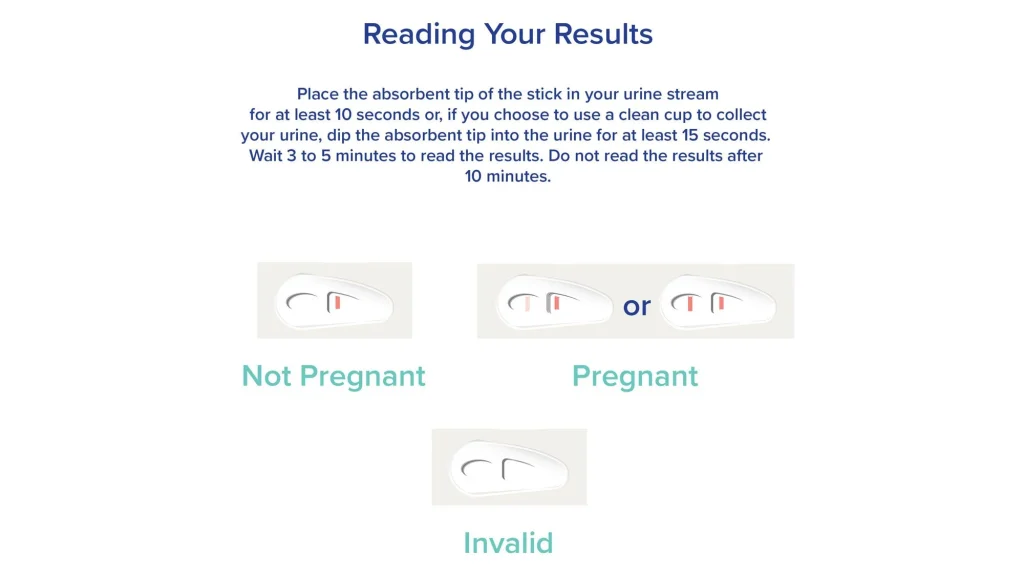
    Instructions for reading pregnancy test results with visual indicators for "Not Pregnant," "Pregnant," and "Invalid.

    The Fertility Factor: Understanding the Role of Estrogen in Cervical Mucus Production

    Moreover, we will delve into the different types of cervical mucus and how they indicate fertility. The mucus produced during the fertile phase is known as fertile cervical mucus or egg white cervical mucus (EWCM) due to its thin and stretchy consistency, similar to raw egg whites. This type of mucus is considered the most fertile as it helps sperm survive and travel towards the egg. As the fertile window closes, the mucus becomes thicker and stickier, known as non-fertile cervical mucus. By tracking the changes in cervical mucus, women can identify their most fertile days and time intercourse accordingly.

    Furthermore, we will discuss the factors that can affect estrogen levels and thus, cervical mucus production. Some common factors include hormonal imbalances, certain medications, stress, and lifestyle choices such as smoking and excessive alcohol consumption. These factors can disrupt the delicate balance of hormones and affect the quality and quantity of cervical mucus, leading to fertility issues.

    Lastly, we will touch upon the different methods to improve estrogen levels and promote healthy cervical mucus production. These methods include maintaining a healthy lifestyle, managing stress, and using fertility-friendly lubricants. Women can also track their cervical mucus changes using methods like the Billings Ovulation Method or the Creighton Model FertilityCare System to identify potential issues and seek medical help if needed.

    In conclusion, estrogen plays a crucial role in cervical mucus production, which is essential for fertility. By understanding the relationship between estrogen and cervical mucus, women can track their fertility and take necessary steps to improve their chances of conception.