Tag: ovulation

  • Conceiving the Natural Way: A Must-Have Aid Kit for Every Couple

    Conceiving the Natural Way: A Must-Have Aid Kit for Every Couple

    For many couples, conceiving a child can be a joyful and exciting experience. However, for others, it can be a source of stress and frustration when they struggle to get pregnant. In today’s world, where fertility treatments and medical interventions are readily available, many couples may overlook the benefits of conceiving naturally. But with the right aid kit, every couple can increase their chances of conceiving naturally and experience the joy of bringing a child into this world together.

    In this blog post, we will explore the benefits of conceiving naturally and why every couple should consider it as their first option. We will also discuss the essential items that should be included in a natural conception aid kit, as well as some tips and techniques for increasing the chances of getting pregnant naturally.

    Why Conceive Naturally?

    There are many reasons why couples should consider conceiving naturally before turning to medical interventions. Here are some of the major benefits of conceiving naturally:

    1. It’s More Affordable

    Fertility treatments and medical interventions can be expensive, and not all couples can afford them. By conceiving naturally, couples can save a significant amount of money and still achieve their dream of having a child.

    2. It’s Less Invasive

    Fertility treatments often involve various procedures and medications that can be invasive and uncomfortable for both partners. Conceiving naturally eliminates the need for these interventions, making the whole process more natural and comfortable for couples.

    3. It’s Safer

    Fertility treatments and medications can come with potential side effects and risks. By conceiving naturally, couples can avoid any potential health complications that may arise from medical interventions.

    4. It Strengthens the Bond Between Partners

    Conceiving naturally involves both partners working together to achieve a common goal. This can strengthen the bond between them and bring them closer as they embark on this journey together.

    The Essential Items for a Natural Conception Aid Kit

    Now that we have established the benefits of conceiving naturally, let’s take a look at the essential items that every couple should have in their natural conception aid kit:

    1. Ovulation Predictor Kits

    Ovulation predictor kits (OPKs) are a crucial tool for couples trying to conceive naturally. These kits use urine or saliva samples to detect the surge in luteinizing hormone (LH) that occurs right before ovulation. This surge indicates that the woman is at her most fertile, and couples can plan to have intercourse during this time to increase their chances of conceiving.

    2. Basal Body Thermometer

    guide and materials for using Mosie Baby fertility kit on a textured surface

    Conceiving the Natural Way: A Must-Have Aid Kit for Every Couple

    A basal body thermometer (BBT) is a special thermometer used to track a woman’s basal body temperature, which is her body temperature at rest. This temperature rises slightly after ovulation, making it a useful tool for tracking ovulation and determining the most fertile days for conception.

    3. Fertility-Friendly Lubricant

    Many couples are not aware that some lubricants can harm sperm and decrease their chances of conceiving. Therefore, it is essential to use a fertility-friendly lubricant when trying to conceive naturally. These lubricants are specially designed to mimic the body’s natural cervical mucus and provide a better environment for sperm to survive and reach the egg.

    4. Prenatal Vitamins

    Prenatal vitamins are essential for both partners when trying to conceive naturally. These vitamins contain important nutrients like folic acid, which can help prevent birth defects and support a healthy pregnancy. It is recommended to start taking prenatal vitamins at least three months before trying to conceive.

    5. Stress-Relieving Items

    Stress can significantly impact a couple’s chances of conceiving naturally. Therefore, it is essential to have some stress-relieving items in the aid kit, such as essential oils, relaxation techniques, or a massage tool. These items can help reduce stress levels and create a more relaxed environment for conception.

    Tips and Techniques for Conceiving Naturally

    In addition to having the right aid kit, there are other tips and techniques that couples can try to increase their chances of conceiving naturally:

    1. Maintain a Healthy Diet and Exercise Regularly

    Eating a healthy, well-balanced diet and exercising regularly can improve overall health and increase fertility. It is recommended to include plenty of fruits, vegetables, whole grains, and lean proteins in the diet, and to engage in moderate exercise for at least 30 minutes a day.

    2. Track Your Menstrual Cycle

    Knowing your menstrual cycle and tracking it can help determine the most fertile days for conception. This can be done with the help of a calendar, ovulation predictor kits, or a fertility tracking app.

    3. Have Regular Intercourse

    Having intercourse regularly, especially during the woman’s most fertile days, can increase the chances of conceiving. It is recommended to have intercourse every other day during the woman’s fertile window.

    4. Avoid Harmful Substances

    Couples trying to conceive naturally should avoid harmful substances like alcohol, tobacco, and drugs, as these can significantly affect fertility and overall health.

    In summary, conceiving naturally has many benefits for couples, and with the right aid kit and techniques, it can increase their chances of getting pregnant. By incorporating essential items like ovulation predictor kits, BBT, fertility-friendly lubricants, and stress-relieving items, couples can create a conducive environment for conception. Along with a healthy diet, regular exercise, and avoiding harmful substances, couples can increase their chances of conceiving naturally and embark on the journey of parenthood together.


  • Naturally Fertile: How to Use an Aid Kit for Conception

    Blog Post:

    Are you and your partner trying to conceive but facing difficulties? Are you looking for a natural way to boost your fertility and increase your chances of getting pregnant? Look no further – a fertility aid kit may be just what you need. In this blog post, we will discuss the concept of naturally fertile and how to use an aid kit for conception.

    What is Naturally Fertile?

    Naturally fertile refers to a state where a person’s body is ready and able to conceive a child. This means having regular menstrual cycles and ovulating regularly. However, many factors can affect a person’s natural fertility, such as stress, diet, and age.

    The good news is that there are natural ways to improve fertility and increase the chances of conceiving. One of these ways is by using a fertility aid kit.

    What is a Fertility Aid Kit?

    A fertility aid kit is a collection of natural remedies, supplements, and tools that can help improve fertility and increase the chances of conception. These kits often include items such as ovulation predictor kits, fertility supplements, herbal teas, and fertility-friendly lubricants.

    How to Use a Fertility Aid Kit for Conception?

    1. Start with a Healthy Diet

    The first step in using a fertility aid kit is to start with a healthy diet. A diet rich in fruits, vegetables, whole grains, and lean protein can help regulate hormones and improve overall fertility. It is also essential to limit or avoid processed foods and foods high in sugar and unhealthy fats.

    2. Use Fertility Supplements

    Fertility supplements can help provide the body with the nutrients it needs to support healthy ovulation and conception. These supplements may include folic acid, iron, vitamin D, and omega-3 fatty acids. It is crucial to consult with a healthcare professional before starting any supplements to ensure they are suitable for you.

    various medical supplies and containers organized in a clear plastic box on a wooden surface

    Naturally Fertile: How to Use an Aid Kit for Conception

    3. Track Your Ovulation

    Ovulation predictor kits are an essential tool in a fertility aid kit. These kits can help determine when ovulation is about to occur by detecting the surge of luteinizing hormone (LH) in the urine. LH is the hormone that triggers ovulation, so tracking it can help pinpoint the most fertile time of the menstrual cycle.

    4. Try Herbal Remedies

    Some herbal remedies have been used for centuries to improve fertility. These include herbs such as vitex, red raspberry leaf, and maca. These herbs can help regulate hormones, improve the quality of cervical mucus, and increase blood flow to the reproductive organs.

    5. Use Fertility-Friendly Lubricants

    Traditional lubricants can hinder sperm movement and survival, making it difficult for them to reach the egg. Fertility-friendly lubricants are specifically designed to mimic the natural cervical mucus and support sperm survival and movement. These lubricants can be used during intercourse to increase the chances of conception.

    6. Practice Stress Management

    Stress can have a significant impact on fertility. It can disrupt hormone balance and affect ovulation. Therefore, it is essential to practice stress management techniques such as yoga, meditation, or deep breathing. These techniques can help reduce stress levels and improve overall fertility.

    7. Be Patient and Consistent

    Improving fertility and getting pregnant takes time and patience. It is crucial to be consistent with the use of a fertility aid kit and give it time to work. It may take a few months before seeing any results, so do not get discouraged and keep trying.

    In conclusion, using a fertility aid kit can be an effective and natural way to boost fertility and increase the chances of conceiving. By following a healthy diet, using supplements, tracking ovulation, trying herbal remedies, using fertility-friendly lubricants, managing stress, and being patient and consistent, you can improve your fertility and achieve your dream of starting a family.

    SEO Metadata:

  • The Ultimate Guide to Natural Conception: A DIY Kit

    Blog Post:

    Are you and your partner trying to conceive naturally but feeling overwhelmed by all the conflicting information out there? Look no further, because we have the ultimate guide to natural conception, complete with a DIY kit to help you on your journey. We understand that every couple’s journey to parenthood is unique and that’s why we have put together this comprehensive guide to help you achieve your dream of starting a family.

    Step 1: Understand Your Menstrual Cycle

    The key to natural conception is understanding your menstrual cycle. This is the time between the first day of your period to the first day of your next period. The average cycle lasts between 28 to 32 days, but it can vary from woman to woman. It’s important to track your menstrual cycle to identify when you are ovulating, which is when your body releases an egg. Ovulation usually occurs around day 14 of a 28-day cycle, but again, it can vary. You can track your menstrual cycle using a calendar or through various apps available on your phone.

    Step 2: Optimize Your Diet

    A healthy and balanced diet is essential for natural conception. Make sure you are getting enough of the essential vitamins and minerals such as folic acid, iron, and calcium. Incorporate plenty of fruits, vegetables, whole grains, and lean proteins into your meals. Avoid processed foods and sugary drinks, as they can negatively impact your fertility. It’s also important to limit your caffeine and alcohol intake, as they can affect your hormone levels and decrease your chances of conceiving.

    Step 3: Make Lifestyle Changes

    Certain lifestyle factors can affect your fertility, so it’s important to make necessary changes to increase your chances of conception. Quit smoking, as it can damage your eggs and decrease your partner’s sperm count. Reduce your stress levels by incorporating relaxation techniques such as yoga, meditation, or deep breathing into your daily routine. Engage in regular exercise, but avoid strenuous activities that can disrupt your menstrual cycle.

    Step 4: Track Your Basal Body Temperature

    Your basal body temperature (BBT) is your body’s resting temperature, and it can help you determine when you are ovulating. Before ovulation, your BBT will rise slightly, and it will remain elevated until the end of your cycle. You can track your BBT by using a basal thermometer and recording your temperature every morning before getting out of bed. This will help you identify your most fertile days and increase your chances of conceiving.

    Hands holding a syringe and a small container against a blue background.

    The Ultimate Guide to Natural Conception: A DIY Kit

    Step 5: Use Ovulation Prediction Kits

    Ovulation prediction kits (OPKs) are a helpful tool in identifying when you are ovulating. These kits detect the surge of luteinizing hormone (LH) in your urine, which occurs before ovulation. They are easy to use and can be purchased over-the-counter at most drugstores. By using OPKs, you can pinpoint your most fertile days and increase your chances of conception.

    Step 6: Try Natural Remedies

    There are various natural remedies that can help boost your fertility. Some studies have shown that acupuncture can improve fertility in women by increasing blood flow to the reproductive organs. Herbal supplements like maca root, chasteberry, and evening primrose oil have also been found to improve fertility. However, it’s important to consult with your doctor before trying any natural remedies.

    Step 7: Have Regular and Timed Intercourse

    The most crucial step in natural conception is having regular and timed intercourse. Aim to have sex every other day during your most fertile days. This will increase the chances of sperm meeting the egg when it is released. It’s also important to avoid using lubricants, as they can hinder sperm movement. Instead, try using a sperm-friendly lubricant or just rely on natural lubrication.

    DIY Kit:

    We have put together a DIY kit to help you on your journey to natural conception. This kit includes a basal thermometer, ovulation prediction kits, and a fertility-friendly lubricant. It also includes a journal to track your menstrual cycle, BBT, and ovulation dates. The kit also contains information on how to use each tool and tips for optimizing your chances of conception.

    In conclusion, natural conception requires patience, determination, and a little bit of help from science. By understanding your menstrual cycle, making necessary lifestyle changes, and using our DIY kit, you can increase your chances of conceiving naturally. Remember to consult with your doctor if you are experiencing any fertility issues, and don’t lose hope. With the right tools and knowledge, your dream of starting a family can become a reality.

    Summary:

    The Ultimate Guide to Natural Conception is a comprehensive DIY kit that includes everything you need to increase your chances of conceiving naturally. It covers steps such as understanding your menstrual cycle, optimizing your diet, making lifestyle changes, tracking your BBT and using ovulation prediction kits, trying natural remedies, and having regular and timed intercourse. This guide is a helpful tool for couples who are trying to conceive naturally.

  • Syringe Method for At-Home Insemination: A Beginner’s Guide

    Blog Post: Syringe Method for At-Home Insemination: A Beginner’s Guide

    In recent years, more and more people have turned to at-home insemination as a means of starting or expanding their families. This method of conception is not only more affordable than traditional methods, but it also allows for a more intimate and personal experience. While there are various methods of at-home insemination, one that has gained popularity is the syringe method. In this blog post, we will explore what the syringe method is, how it works, and provide a step-by-step guide for beginners looking to try it out.

    What is the Syringe Method?

    The syringe method, also known as the needleless method, is a form of at-home insemination that involves using a syringe to deposit semen into the vagina. Unlike other methods that require specialized tools or equipment, the syringe method is simple, easy, and can be done in the comfort of your own home.

    How Does it Work?

    The syringe method works by placing the semen directly into the cervix, bypassing the need for sperm to travel through the vagina and into the uterus. This increases the chances of fertilization as the sperm is deposited closer to the egg. Additionally, the syringe method allows for the use of fresh or frozen semen, making it a versatile option for those using donor sperm.

    Step-by-Step Guide for At-Home Insemination Using the Syringe Method

    1. Prepare the Materials
    The first step in the syringe method is to gather all the necessary materials. This includes a sterile syringe, a sterile cup or container to collect the semen, and a sterile vaginal syringe or catheter (optional).

    2. Collect the Semen
    Once you have all the materials, the next step is to collect the semen. If you are using fresh semen from a partner, it can be collected through masturbation or intercourse. If you are using frozen donor sperm, follow the instructions provided by the sperm bank to thaw it properly.

    3. Load the Syringe
    After the semen has been collected, use the syringe to draw it up from the collection cup. Make sure to remove any air bubbles by gently tapping the syringe and pushing out the excess air.

    4. Insert the Syringe
    Using your fingers or a vaginal syringe or catheter, insert the syringe into the vagina and gently push it towards the cervix. The cervix will feel like a small, firm bump at the top of the vagina.

    5. Deposit the Semen
    Once the syringe is in place, slowly and gently push the plunger to deposit the semen into the cervix. It is essential to do this slowly to avoid any discomfort or resistance from the cervix.

    Mosie Baby Kit with a syringe and container, highlighting safety and usability features on a blue background.

    Syringe Method for At-Home Insemination: A Beginner's Guide

    6. Rest and Elevate
    After the semen has been deposited, remain lying down for at least 15-20 minutes with your hips elevated. This position helps the semen to stay in place and increases the chances of fertilization.

    7. Repeat as Needed
    If you are using multiple vials of frozen sperm, you can repeat the process using a new syringe and catheter. However, it is essential to keep track of the timing and follow the instructions provided by the sperm bank for the best results.

    Benefits of the Syringe Method

    1. Cost-Effective
    Compared to other methods of at-home insemination, the syringe method is relatively inexpensive. It requires minimal materials, which can be easily obtained at a low cost.

    2. Easy and Convenient
    The syringe method can be done at home, making it a convenient option for those who do not have access to a fertility clinic or prefer a more private experience.

    3. Can Be Used with Fresh or Frozen Sperm
    Unlike other methods that require specialized tools for fresh or frozen sperm, the syringe method can be used with both types of semen, providing more flexibility for those using donor sperm.

    Considerations and Tips for Success

    1. Timing is Key
    It is essential to time insemination according to your ovulation cycle for the best chances of fertilization. You can use ovulation predictor kits or track your basal body temperature to determine when you are most fertile.

    2. Use Sterile Materials
    To avoid any risk of infection, it is crucial to use sterile materials during the insemination process. This includes the syringe, catheter, and collection cup.

    3. Consider Using a Fertility-Friendly Lubricant
    Using a fertility-friendly lubricant during insemination can increase the chances of fertilization. Avoid using regular lubricants as they can harm sperm.

    4. Patience is Key
    It is essential to remain calm and patient during the insemination process. Stress can affect fertility, so try to relax and enjoy the experience.

    Summary

    The syringe method is a simple, affordable, and effective way to perform at-home insemination. It involves using a syringe to deposit semen directly into the cervix, increasing the chances of fertilization. To try this method, you will need a sterile syringe, container to collect the semen, and a sterile vaginal syringe or catheter. It is essential to time insemination according to your ovulation cycle and use sterile materials for the best results. With patience and proper technique, the syringe method can be a successful way to start or expand your family.

  • The Role of Timing in At-Home Insemination with the Syringe Method

    Blog Post: The Role of Timing in At-Home Insemination with the Syringe Method

    At-home insemination with the syringe method has become a popular choice for couples and individuals who are trying to conceive. This method allows for a more intimate and private approach to insemination, and can also be a more affordable option compared to medical procedures. However, one key factor that is often overlooked in at-home insemination is timing. In this blog post, we will discuss the importance of timing in at-home insemination and how it can affect the success of the syringe method.

    What is At-Home Insemination with the Syringe Method?

    Before we dive into the role of timing, let’s first understand what at-home insemination with the syringe method entails. This method involves using a syringe to insert semen into the vagina or cervix, bypassing the need for sexual intercourse. It is typically done at home, without the assistance of a medical professional. The semen used can come from a partner or a donor, and the process can be done with or without a speculum.

    The Importance of Timing in At-Home Insemination

    Timing is crucial in any type of insemination, whether it is done at home or in a medical setting. For at-home insemination, timing is especially important because there is no medical professional monitoring the process. In order for the sperm to successfully fertilize an egg, it needs to be present in the reproductive tract during the woman’s fertile window. The fertile window is the period of time when a woman is most likely to conceive, and it typically lasts for about 5-6 days leading up to ovulation.

    Tracking Ovulation for At-Home Insemination

    The key to successful at-home insemination is tracking ovulation. There are several methods for tracking ovulation, including using an ovulation predictor kit (OPK), monitoring basal body temperature, and tracking cervical mucus changes. An OPK measures the levels of luteinizing hormone (LH) in urine, which typically surges 24-36 hours before ovulation. This method can be helpful in determining when ovulation is about to occur, but it is not always accurate. Monitoring basal body temperature involves tracking your body temperature every morning before getting out of bed. A rise in temperature indicates that ovulation has already occurred. Lastly, tracking cervical mucus changes involves observing the changes in the consistency and amount of cervical mucus throughout the menstrual cycle. As ovulation approaches, the mucus becomes more slippery and stretchy, resembling egg whites.

    The Best Time for At-Home Insemination

    Based on the different methods of tracking ovulation, the best time for at-home insemination is about 24-36 hours after a positive OPK or a temperature rise. This ensures that the sperm is present in the reproductive tract at the time of ovulation. However, some experts recommend inseminating every day during the woman’s fertile window to increase the chances of conception. It is important to note that sperm can survive in the reproductive tract for up to 5 days, so inseminating a few days before ovulation can also be effective.

    Mosie Baby kit with two jars, a syringe, and a supportive message card inside a colorful box.

    The Role of Timing in At-Home Insemination with the Syringe Method

    Tips for Successful At-Home Insemination

    In addition to timing, there are a few other factors that can increase the success of at-home insemination with the syringe method. These include:

    1. Use fresh or frozen sperm from a reputable source: The quality of the sperm used for insemination can greatly affect the chances of conception. It is important to use fresh or frozen sperm from a reputable source, such as a sperm bank or fertility clinic.

    2. Maintain proper hygiene: Before insemination, make sure to thoroughly wash your hands and the syringe to prevent any potential infections.

    3. Use a sterile syringe: It is important to use a sterile syringe to avoid any bacterial contamination.

    4. Use a gentle technique: When inserting the syringe, use a gentle and slow technique to avoid any discomfort or potential damage to the reproductive tract.

    5. Stay relaxed: Stress and tension can affect the success of insemination, so it is important to stay relaxed throughout the process.

    In Conclusion

    At-home insemination with the syringe method can be a viable option for couples and individuals trying to conceive. However, timing plays a crucial role in the success of this method. Tracking ovulation and inseminating at the right time greatly increases the chances of conception. It is also important to follow proper techniques and use high-quality sperm for the best results. By understanding the role of timing and following these tips, at-home insemination with the syringe method can be an effective way to start a family.

    Summary:

    At-home insemination with the syringe method is a popular choice for couples and individuals trying to conceive. Timing plays a crucial role in the success of this method, as the sperm needs to be present in the reproductive tract during the woman’s fertile window. Tracking ovulation is key, and methods such as using an OPK, monitoring basal body temperature, and tracking cervical mucus changes can be helpful. The best time for at-home insemination is about 24-36 hours after a positive OPK or a temperature rise. Other factors that can increase the success of at-home insemination include using high-quality sperm, maintaining proper hygiene, using a sterile syringe, and staying relaxed throughout the process.

  • Things You Need to Know About At-Home Insemination with the Syringe Method

    At-home insemination with the syringe method is becoming an increasingly popular option for individuals and couples who are trying to conceive. It offers a more affordable and private alternative to traditional methods, such as intrauterine insemination (IUI) or in vitro fertilization (IVF). However, before embarking on this journey, there are several important things that you need to know about at-home insemination with the syringe method.

    1. It is important to consult with a doctor or fertility specialist before starting the process. Although at-home insemination with the syringe method may seem straightforward, it is still a medical procedure that should be approached with caution. A doctor can assess your health and fertility and provide guidance on the best methods for you.

    2. Understanding your ovulation cycle is crucial. Unlike traditional methods where the timing is controlled by a fertility specialist, at-home insemination relies on natural ovulation. Therefore, it is important to track your ovulation cycle using methods such as ovulation predictor kits or basal body temperature charting. This will ensure that you are attempting insemination during your most fertile days.

    3. Quality sperm is essential for successful insemination. Whether you are using a sperm donor or your partner’s sperm, it is important to ensure that it is of good quality. This includes having a high sperm count and motility. If using a sperm donor, make sure to use a reputable and trustworthy sperm bank.

    Informative card introducing the Mosie Baby Kit and its mission for at-home insemination.

    Things You Need to Know About At-Home Insemination with the Syringe Method

    4. The syringe method requires proper preparation. Before insemination, the sperm needs to be collected and prepared in a sterile environment. This can be done at home with a sperm collection kit or at a fertility clinic. It is important to follow the instructions carefully to avoid contamination and decrease the chances of success.

    5. The syringe method involves inserting the sperm into the vagina near the cervix. This can be done with a sterile syringe or a cervical cap. It is crucial to insert the sperm as close to the cervix as possible to increase the chances of conception. It is recommended to lie down for at least 15-20 minutes after insemination to allow the sperm to travel towards the cervix.

    6. Patience and persistence are key. At-home insemination with the syringe method may not work on the first try, and it may take several cycles before achieving a successful pregnancy. It is important to not get discouraged and continue trying.

    7. There are potential risks and complications associated with at-home insemination. These include infections, allergic reactions, and the risk of transferring sexually transmitted infections (STIs) from a sperm donor. It is important to take precautions, such as using sterile equipment and practicing safe sex, to minimize these risks.

    In summary, at-home insemination with the syringe method can be a viable option for those trying to conceive, but it is important to approach it with caution and proper preparation. Consulting with a doctor, understanding your ovulation cycle, using quality sperm, proper preparation, correct insertion of sperm, patience, and being aware of potential risks are all crucial factors to consider. With the right approach and mindset, at-home insemination with the syringe method can offer a more affordable and private way for individuals and couples to achieve their dream of starting a family.

  • The Role of Medical Professionals in At-Home Insemination

    Blog Post:

    In recent years, there has been a growing trend towards at-home insemination for couples and individuals seeking to start a family. This method involves using a donor’s sperm to fertilize an egg at home, rather than through traditional in-office procedures. While at-home insemination may seem like a simple and convenient option, it is important to recognize the crucial role that medical professionals play in the process. In this blog post, we will explore the role of medical professionals in at-home insemination and why their involvement is essential for the safety and success of this method.

    What is At-Home Insemination?

    At-home insemination, also known as home insemination or intrauterine insemination (IUI), is a process where a donor’s sperm is inserted into the uterus using a syringe or a special device. This method is typically used by couples who are struggling with infertility, same-sex couples, or single individuals who want to conceive. The process can be done at home without the need for medical intervention, but it is important to involve medical professionals for several reasons.

    The Role of Medical Professionals

    1. Identification and Screening of Donors

    One of the most critical roles of medical professionals in at-home insemination is the identification and screening of donors. Choosing a sperm donor is a crucial step in the process, and it should not be taken lightly. Medical professionals can help you find a reputable sperm bank or clinic that has a thorough screening process for donors. This includes checking for any genetic disorders, infectious diseases, and other health conditions that could be passed on to the child.

    2. Ensuring Proper Timing and Technique

    Timing and technique are crucial for the success of at-home insemination. Medical professionals can provide guidance and advice on the best time to perform the insemination, based on your ovulation cycle. They can also teach you the proper technique for inserting the sperm into the uterus to increase the chances of fertilization.

    3. Monitoring and Tracking Ovulation

    Baby wearing a blue shirt with "made with Love" text, surrounded by colorful floral and butterfly designs.

    The Role of Medical Professionals in At-Home Insemination

    In order for at-home insemination to be successful, it is essential to track and monitor ovulation. This involves keeping track of your menstrual cycle and using at-home ovulation predictor kits, or having ultrasounds done by a medical professional. This ensures that the sperm is inserted at the optimal time for fertilization to occur.

    4. Addressing Potential Fertility Issues

    At-home insemination may not be suitable for everyone. If you have a history of fertility issues or have been trying to conceive for a long time without success, it is important to consult with a medical professional. They can perform tests to determine the cause of infertility and recommend alternative methods or treatments.

    5. Providing Emotional Support

    Trying to conceive can be an emotional and stressful journey for many people. Medical professionals are trained to provide emotional support and guidance throughout the process. They can offer advice and resources for coping with the ups and downs of trying to conceive and provide a safe space to address any concerns or fears.

    6. Ensuring Safety and Health

    The safety and health of both the mother and potential child should always be the top priority in at-home insemination. Medical professionals can ensure that proper hygiene and sterilization techniques are followed during the process to minimize the risk of infection. They can also provide guidance on using donor sperm safely and avoiding potential complications.

    Conclusion

    At-home insemination may seem like a simple and convenient option for starting a family, but it is important to involve medical professionals in the process. Their expertise, guidance, and support can greatly increase the chances of success and ensure the safety and health of all parties involved. So before embarking on this journey, be sure to consult with a medical professional to ensure a smooth and successful experience.

    Summary:

    At-home insemination is a growing trend for couples and individuals looking to conceive. However, it is crucial to involve medical professionals in the process for various reasons. These include identifying and screening donors, ensuring proper timing and technique, monitoring and tracking ovulation, addressing potential fertility issues, providing emotional support, and ensuring safety and health. Medical professionals play a crucial role in the success and safety of at-home insemination, making their involvement essential.

  • At-Home Insemination: A Solution for Busy Couples

    Blog Post Title: At-Home Insemination: A Solution for Busy Couples

    Introduction:
    In today’s fast-paced world, many couples are struggling to find the time and energy to start a family. With demanding careers, hectic schedules, and other commitments, it can be challenging to fit in fertility treatments and appointments. That’s where at-home insemination comes in as a viable option for busy couples. This method allows couples to take control of their fertility journey and increase their chances of conception while still managing their busy lives.

    What is At-Home Insemination?
    At-home insemination, also known as self-insemination or intracervical insemination (ICI), is a fertility technique that involves placing sperm into the vagina or cervix without medical assistance. It allows couples to bypass the traditional method of timed intercourse or costly procedures like intrauterine insemination (IUI) or in vitro fertilization (IVF). At-home insemination can be done with a partner’s sperm or through the use of a sperm donor.

    How Does At-Home Insemination Work?
    The process of at-home insemination involves using a syringe or cervical cap to insert sperm into the vagina or cervix. It is essential to use a high-quality, sterile syringe and to follow proper hygiene practices to reduce the risk of infection. The timing of insemination is crucial, as it needs to align with the woman’s ovulation window. This can be determined through ovulation predictor kits, tracking basal body temperature, or monitoring changes in cervical mucus.

    Benefits of At-Home Insemination:
    1. Convenience: One of the most significant advantages of at-home insemination is the convenience it offers. Couples can perform the procedure in the comfort of their own home, without having to schedule appointments or travel to fertility clinics.

    2. Cost-effective: Fertility treatments can be expensive, and for many couples, it may not be a feasible option. At-home insemination eliminates the need for expensive medical procedures, making it a more affordable option for couples trying to conceive.

    3. Privacy: For some couples, the thought of going through fertility treatments in a clinical setting can be intimidating, and they may prefer to keep their journey private. At-home insemination allows couples to maintain their privacy and control over their fertility journey.

    comparison of Mosie syringe opening versus standard syringe opening with text highlighting benefits

    At-Home Insemination: A Solution for Busy Couples

    4. Increased Chances of Conception: By timing insemination with ovulation and using fresh sperm, the chances of conception are higher with at-home insemination compared to timed intercourse. It also allows couples to try multiple attempts in one cycle, further increasing their chances of success.

    Tips for Successful At-Home Insemination:
    1. Understand your ovulation cycle: It is crucial to understand your ovulation cycle to determine the best time for insemination. Tracking your cycle using ovulation predictor kits or other methods can help increase the chances of success.

    2. Use fresh sperm: Using fresh sperm is recommended for at-home insemination as it has a higher concentration of motile sperm, increasing the chances of conception.

    3. Practice proper hygiene: Maintaining proper hygiene during at-home insemination is crucial to avoid any risk of infection. It is essential to clean your hands, the syringe, and the vaginal area thoroughly before and after the procedure.

    4. Consider using a fertility lubricant: Some fertility-friendly lubricants can help sperm swim easier and improve the chances of conception. However, it is essential to choose a lubricant that is sperm-friendly and does not contain any harmful chemicals.

    5. Seek medical advice: While at-home insemination may be a convenient option for busy couples, it is essential to consult with a fertility specialist before starting the process. They can provide valuable insights and advice to increase the chances of success.

    Conclusion:
    At-home insemination can be a lifesaver for busy couples trying to conceive. It offers convenience, privacy, and cost-effectiveness while increasing the chances of conception. However, it is essential to understand the process, follow proper hygiene practices, and seek medical advice to ensure the best possible outcome.

    Summary:
    At-home insemination is a fertility technique that allows couples to place sperm into the vagina or cervix without medical assistance. It offers convenience, privacy, and cost-effectiveness while increasing the chances of conception. To ensure success, couples should understand their ovulation cycle, use fresh sperm, maintain proper hygiene, consider using fertility lubricants, and seek medical advice.

  • The Importance of Timing in At-Home Insemination

    Timing is crucial in many aspects of life, and this holds true for at-home insemination as well. In fact, timing can make all the difference when it comes to the success of insemination. In this blog post, we will discuss the importance of timing in at-home insemination and how it can impact the chances of conception.

    At-home insemination, also known as self-insemination, is a method of conception where the sperm is directly inserted into the cervix or vagina at home, without the involvement of a medical professional. This method is often used by same-sex couples, single individuals, or couples who are struggling with fertility issues.

    One of the key factors that determine the success of at-home insemination is timing. This involves tracking the woman’s ovulation cycle to determine the most fertile days for insemination. The ovulation cycle is the process of the release of an egg from the ovary, which then travels through the fallopian tube to the uterus. This typically occurs once a month, and it is the most optimal time for insemination.

    Timing is crucial in at-home insemination because the sperm needs to be present in the uterus or fallopian tubes at the same time as the egg. If the sperm is not present during ovulation, there is no chance of fertilization and conception. Therefore, it is essential to understand and track the ovulation cycle to ensure that the sperm is present during the most fertile days.

    There are a few ways to track ovulation, including using ovulation predictor kits, tracking basal body temperature, and monitoring changes in cervical mucus. Ovulation predictor kits work by detecting the hormones that are released during ovulation, while tracking basal body temperature involves taking your temperature every morning and charting it to identify the slight increase in temperature that occurs during ovulation. Changes in cervical mucus, such as an increase in quantity and a change in consistency, can also indicate ovulation.

    Informative card introducing the Mosie Baby Kit and its mission for at-home insemination.

    The Importance of Timing in At-Home Insemination

    Once the most fertile days have been identified, it is crucial to time insemination correctly. The sperm needs to be present in the reproductive tract before ovulation occurs, as the sperm can survive for up to five days inside the female body. However, it is also essential not to inseminate too early, as the sperm may not be able to survive for an extended period. Therefore, timing insemination within one to two days of ovulation is ideal for the best chances of conception.

    Apart from tracking ovulation, timing is also essential in preparing for at-home insemination. It is recommended to abstain from sexual intercourse for two to three days before insemination to ensure that the sperm count is optimal. On the other hand, insemination should not be done too frequently, as it can decrease the quality and quantity of sperm.

    Timing is also crucial in terms of the insemination process itself. It is essential to follow the instructions provided with the insemination kit carefully and time the process correctly. For example, some kits require the sperm to be inserted into the cervix immediately after ejaculation, while others may require the sperm to be prepared and inserted after a certain amount of time. Following the instructions and timing the process correctly can significantly impact the success of at-home insemination.

    Moreover, timing is essential in terms of the female partner’s physical and emotional state. It is crucial to ensure that the female partner is relaxed and comfortable during the insemination process, as stress and tension can affect the body’s hormonal balance and potentially hinder the chances of conception. Therefore, choosing a calm and peaceful environment and timing the insemination when both partners are emotionally ready can improve the success of at-home insemination.

    In addition to timing, there are a few other factors that can impact the success of at-home insemination. These include the quality and quantity of sperm, the overall health of both partners, and underlying fertility issues. Therefore, it is essential to consult with a medical professional if you have been trying to conceive through at-home insemination for an extended period without success.

    In conclusion, timing plays a crucial role in the success of at-home insemination. By tracking ovulation, timing the insemination process correctly, and preparing both partners physically and emotionally, the chances of conception can significantly improve. It is essential to understand the importance of timing and follow the necessary steps for a successful at-home insemination.

  • The Role of Support and Education in At-Home Insemination

    Blog Post: The Role of Support and Education in At-Home Insemination

    In today’s society, it is becoming increasingly common for couples and individuals to explore alternative methods of conception, one of which being at-home insemination. This method involves using a donor’s sperm to fertilize the egg, either through self-insemination or with the help of a medical professional. While at-home insemination may seem simple, there are many important factors to consider, such as support and education, that can greatly impact the success of the process.

    The role of support in at-home insemination cannot be underestimated. It is a journey that can be emotionally and physically taxing, and having a strong support system can make all the difference. This support can come from a partner, family member, friend, or even a support group. Having someone to talk to, share experiences with, and lean on during the process can provide a sense of comfort and reassurance.

    In addition to emotional support, having access to education and information is crucial for those considering at-home insemination. There are many aspects to consider, such as choosing a donor, tracking ovulation, and understanding the process of insemination itself. It is important to have a thorough understanding of these factors in order to increase the chances of success. This education can come from various sources, such as online resources, books, or healthcare professionals.

    Choosing the right donor is a key factor in at-home insemination, and it is not a decision to be taken lightly. It is essential to consider the donor’s medical history, genetics, and personal characteristics. This information can be obtained through reputable sperm banks or through known donors. It is also important to have proper legal agreements in place when using a known donor to protect all parties involved.

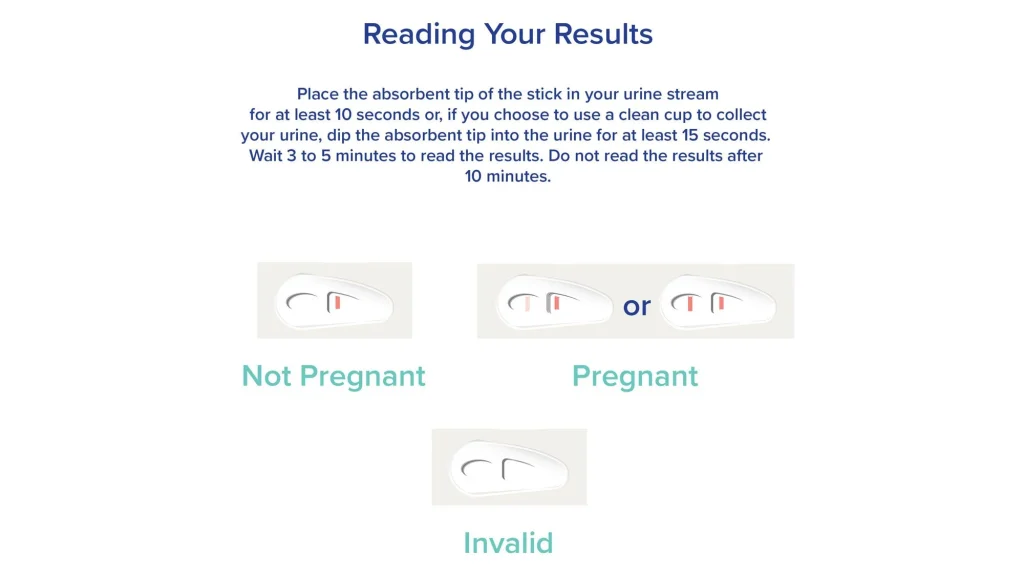
    Instructions for reading pregnancy test results with visual indicators for "Not Pregnant," "Pregnant," and "Invalid.

    The Role of Support and Education in At-Home Insemination

    Tracking ovulation is another crucial aspect of at-home insemination. Ovulation predictor kits, charting basal body temperature, and monitoring cervical mucus are all methods that can help identify the most fertile time for insemination. It is important to have a clear understanding of these methods and their effectiveness in order to increase the chances of conception.

    The process of insemination itself can be daunting, especially for those who are attempting it for the first time. It is important to have a thorough understanding of the steps involved and to follow a proper protocol. This may involve using sterile equipment, such as syringes and speculums, and having a clean and hygienic environment. Seeking guidance from a healthcare professional or attending educational workshops can provide valuable information and guidance in this area.

    In addition to support and education, at-home insemination also requires patience and perseverance. It may not be successful on the first attempt, and it is important to be prepared for setbacks and to keep trying. Having a positive mindset and remaining determined can greatly increase the chances of success.

    In conclusion, support and education play a significant role in the success of at-home insemination. Having a strong support system and access to accurate information and resources can make the journey less daunting and increase the chances of conception. It is also important to approach the process with patience and determination, as it may not always be successful on the first try. With the right support and knowledge, at-home insemination can be a viable option for those looking to start a family.

    Summary:

    At-home insemination is becoming a popular alternative method of conception, but it requires proper support and education for success. A strong support system can provide emotional comfort, while access to accurate information and resources is crucial for understanding important factors such as choosing a donor, tracking ovulation, and the process of insemination itself. Having patience and determination is also key in this journey. With the right support and knowledge, at-home insemination can be a viable option for starting a family.