Tag: ovulation

  • At-Home Insemination: A Solution for Couples with Infertility Issues

    At-Home Insemination: A Solution for Couples with Infertility Issues

    Infertility is a common issue that affects many couples around the world. It can be a physically and emotionally taxing experience, as it prevents couples from conceiving a child naturally. While there are various fertility treatments available, they can often be expensive and time-consuming. However, there is a lesser-known option that is gaining popularity among couples struggling with infertility – at-home insemination. This method allows for a more intimate and cost-effective approach to fertility treatment, giving couples more control over their journey towards parenthood. In this blog post, we will explore what at-home insemination is, how it works, and why it may be a solution for couples with infertility issues.

    What is At-Home Insemination?
    At-home insemination, also known as self-insemination, is a process where sperm is inserted into the female reproductive tract at home without the involvement of a medical professional. It involves collecting sperm from a donor or partner and inserting it into the cervix or vagina using a syringe or a specialized device called a cervical cap. This method is often used by lesbian couples, single women, or heterosexual couples with male fertility issues.

    How Does At-Home Insemination Work?
    At-home insemination is a relatively simple process that can be done in the comfort of one’s home. The first step is to determine the most fertile days of the woman’s menstrual cycle. This can be done by tracking ovulation using methods such as basal body temperature charting or ovulation predictor kits. Once the most fertile days are identified, the sperm is collected and prepared for insemination. This can be done by masturbating and collecting the semen in a sterile container or by using a sperm donor kit that can be purchased online or at a fertility clinic.

    Next, the sperm is inserted into the female reproductive tract using a syringe or a cervical cap. The syringe method involves filling a sterile syringe with the prepared sperm and gently inserting it into the vagina or cervix. The cervical cap method uses a specialized device that is placed over the cervix and filled with the prepared sperm, allowing it to gradually release into the uterus. After insemination, the woman may lie down for 15-20 minutes to allow the sperm to reach the egg.

    Baby with blue eyes wearing a light blue onesie that says "made with Love" on a soft white background.

    At-Home Insemination: A Solution for Couples with Infertility Issues

    Why At-Home Insemination May Be a Solution for Couples with Infertility Issues
    There are several reasons why at-home insemination may be a viable option for couples struggling with infertility. First and foremost, it is a more affordable option compared to other fertility treatments. Fertility treatments such as intrauterine insemination (IUI) or in vitro fertilization (IVF) can cost thousands of dollars, making them inaccessible for many couples. At-home insemination, on the other hand, only requires the purchase of a few supplies, such as a syringe or cervical cap, and potentially a sperm donor kit.

    At-home insemination also allows for a more intimate experience for the couple. Unlike other fertility treatments that require multiple visits to a fertility clinic, at-home insemination can be done in the privacy of one’s home. This can help reduce the stress and pressure that often comes with fertility treatments, allowing couples to relax and enjoy the process.

    Moreover, at-home insemination gives couples more control over the entire process. They can choose the timing of insemination and the method of insemination that works best for them. This can be especially beneficial for couples with male fertility issues, as it eliminates the need for a third party to collect and insert the sperm.

    It is important to note that at-home insemination may not be suitable for all couples with infertility issues. It is recommended to consult with a fertility specialist to determine if this method is right for you and to rule out any underlying medical conditions that may be causing infertility.

    In conclusion, at-home insemination is a cost-effective, intimate, and empowering option for couples struggling with infertility. It allows for more control over the process and can be a less stressful alternative to other fertility treatments. However, it is essential to consult with a medical professional before attempting at-home insemination to ensure safety and effectiveness.

    Summary:
    At-home insemination is a method where sperm is inserted into the female reproductive tract at home. It is a more affordable, intimate, and empowering option for couples with infertility issues compared to other fertility treatments. The process involves tracking ovulation, collecting and preparing sperm, and using a syringe or cervical cap to inseminate. While it may not be suitable for all couples, at-home insemination can provide a more personalized and less stressful approach to overcoming infertility.

  • DIY Parenthood: The Journey Starts with a Baby Making Kit

    DIY Parenthood: The Journey Starts with a Baby Making Kit

    Parenthood is a journey filled with love, joy, and challenges. For many couples, the first step on this journey is trying to conceive a child. However, this process can be stressful and overwhelming, especially for those who have been struggling with fertility issues. Thankfully, with advancements in technology and medicine, there are now ways to increase the chances of conception. One of these ways is through a DIY approach using a baby making kit.

    A baby making kit is a do-it-yourself method of conceiving a child, without the help of medical professionals. It comes with all the necessary tools and instructions to help couples track their ovulation and optimize their chances of getting pregnant. This kit has gained popularity over the years as it offers a more affordable and convenient option for couples who are trying to conceive. In this blog post, we will explore the benefits of using a baby making kit, the different types available, and tips for maximizing its effectiveness.

    Benefits of Using a Baby Making Kit

    1. Increased Chances of Conception

    One of the main benefits of using a baby making kit is that it can increase the chances of conception. The kit comes with ovulation prediction tests, which can help determine the most fertile days of a woman’s cycle. This information is crucial for couples trying to conceive, as it can help them time intercourse during the woman’s most fertile days, increasing the chances of sperm reaching the egg and fertilizing it.

    2. Cost-Effective

    Compared to other methods of conception, such as fertility treatments or in-vitro fertilization, a baby making kit is a much more cost-effective option. These kits are easily available and can be purchased at a reasonable price. This makes it an ideal option for couples who may not have the financial resources to pursue other methods of conception.

    3. Privacy and Convenience

    Using a baby making kit offers couples the privacy and convenience they may desire when trying to conceive. It eliminates the need for frequent visits to the doctor or fertility clinic, which can be time-consuming and expensive. The kit can be used in the comfort of one’s home, without having to share personal information with medical professionals.

    4. Natural Approach

    Many couples prefer a more natural approach to conception, and a baby making kit allows them to do just that. Unlike fertility treatments or medications, a baby making kit does not involve the use of hormones or invasive procedures. It simply helps couples track their ovulation and provides guidance on the best time to have intercourse for conception.

    Types of Baby Making Kits

    1. Ovulation Predictor Kits

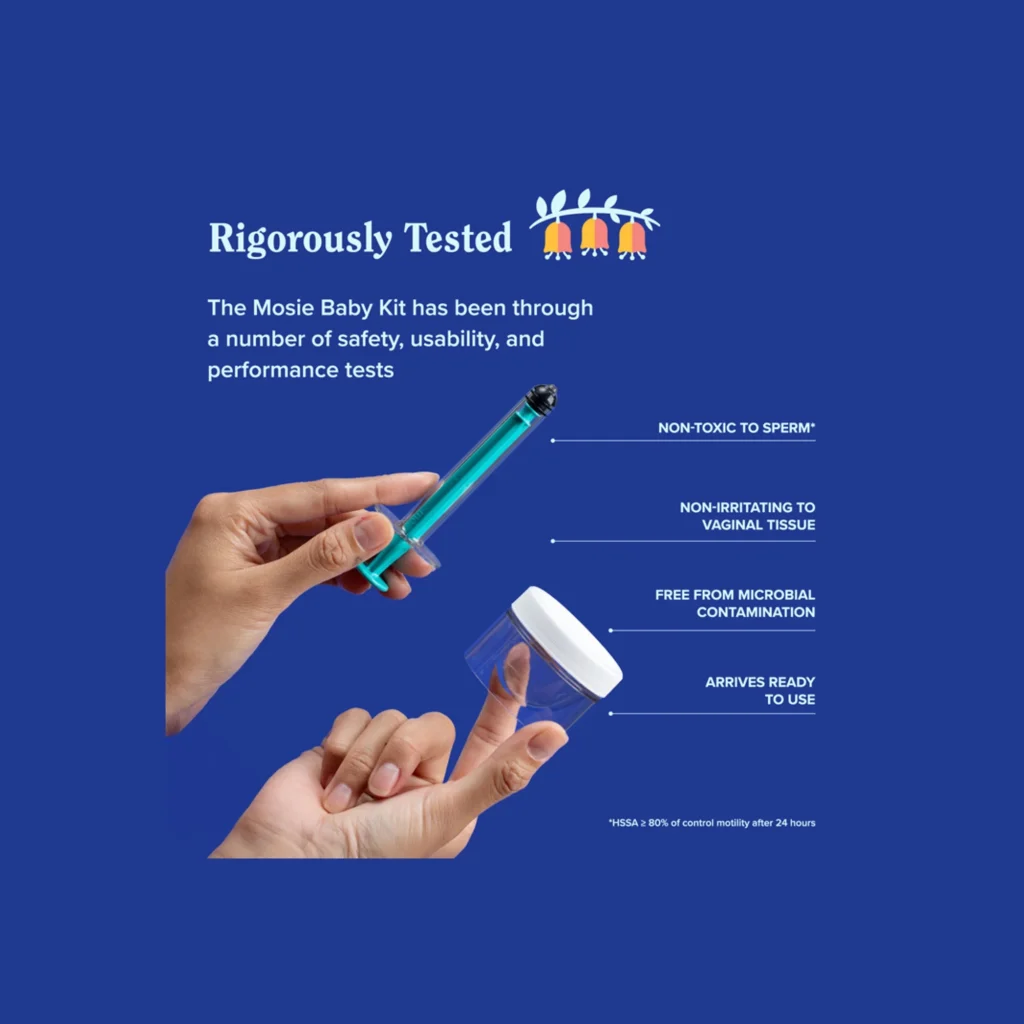
    Mosie Baby Kit features a syringe and container, highlighting safety and usability tests on a blue background.

    DIY Parenthood: The Journey Starts with a Baby Making Kit

    Ovulation predictor kits (OPKs) are the most common type of baby making kit. They work by detecting the surge in luteinizing hormone (LH) levels, which occurs 24-36 hours before ovulation. These kits usually come with several test strips and a urine collection cup. The test strips are dipped into the urine, and the results are read within a few minutes.

    2. Basal Body Temperature (BBT) Kits

    BBT kits help track a woman’s basal body temperature, which can indicate when ovulation has occurred. These kits come with a basal thermometer and a chart to record daily temperatures. BBT kits may not be as accurate as OPKs, as factors such as illness, stress, and lack of sleep can affect a woman’s basal body temperature.

    3. Fertility Monitors

    Fertility monitors combine the functions of both OPKs and BBT kits. They track LH levels and basal body temperature, providing a more accurate prediction of ovulation. These monitors come with a handheld device and test sticks that are inserted into the device for readings.

    Tips for Maximizing Effectiveness

    1. Follow the Instructions Carefully

    It is essential to read and follow the instructions provided with the baby making kit carefully. Each kit may have different guidelines, and following them correctly can increase the chances of success.

    2. Be Consistent

    Consistency is key when using a baby making kit. It is recommended to use the kit at the same time every day for accurate results.

    3. Use Additional Methods

    While using a baby making kit can increase the chances of conception, it is not a guarantee. It is recommended to also track other signs of ovulation, such as changes in cervical mucus, to increase the accuracy of the kit.

    4. Seek Professional Help if Needed

    If a couple has been using a baby making kit for several months without success, it may be time to seek professional help. Fertility specialists can provide further guidance and support in the journey to parenthood.

    In conclusion, the journey to parenthood can be a challenging one, but a baby making kit can make it a little easier. With its affordability, privacy, and convenience, it is a great option for couples who are trying to conceive. However, it is essential to remember that each couple’s fertility journey is unique, and seeking professional help may be necessary. With patience, determination, and the help of a baby making kit, the journey to parenthood can begin.

  • The Science of DIY Baby Making: How It Works

    Blog Post:

    The decision to start a family is a big one, and for some couples, it may not come as easily as they had hoped. While many people turn to fertility treatments or adoption, others may choose to take a more hands-on approach and try DIY baby-making methods. But is it really possible to conceive a child without the help of medical professionals? In this blog post, we will explore the science behind DIY baby making and how it works.

    The Basics of Conception

    Before we dive into the specifics of DIY baby making, it’s important to understand the basics of conception. In order for a pregnancy to occur, sperm from a male partner must fertilize an egg from a female partner. This process typically happens during sexual intercourse, where the sperm is able to travel through the cervix and into the uterus to reach the egg.

    However, for couples struggling with infertility or those who are using alternative methods to conceive, the process may require a bit more effort and planning.

    Understanding Ovulation

    For DIY baby making to be successful, timing is everything. In order to increase the chances of fertilization, couples must understand when ovulation occurs. Ovulation is the process where an egg is released from the ovary and is available for fertilization.

    The best time to conceive is during the woman’s fertile window, which is the six-day period leading up to and including ovulation. This is when the woman’s body is most receptive to pregnancy, and the chances of fertilization are highest.

    Tracking Ovulation

    One of the most popular methods for tracking ovulation is through the use of ovulation predictor kits (OPKs). These kits work by detecting a surge in luteinizing hormone (LH) in a woman’s urine, which typically occurs 12-36 hours before ovulation. By tracking this surge, couples can time intercourse for when the woman is most fertile.

    Other methods for tracking ovulation include using a basal body temperature (BBT) chart, monitoring changes in cervical mucus, or using fertility tracking apps. These methods may not be as precise as OPKs, but they can still be effective in predicting ovulation.

    Home insemination kit by Mosie Baby with instructions and colorful packaging.

    The Science of DIY Baby Making: How It Works

    Alternative Insemination Methods

    For couples who are unable to conceive through traditional sexual intercourse, there are alternative insemination methods that can be used during the woman’s fertile window. These methods include intrauterine insemination (IUI) and intracervical insemination (ICI).

    IUI involves placing prepared sperm directly into the woman’s uterus during ovulation, while ICI involves placing the sperm at the entrance of the cervix. These methods can be performed at home with the use of a syringe or a cervical cap, but they can also be done by a doctor in a clinical setting.

    DIY Baby Making Kits

    In recent years, there has been a rise in the popularity of DIY baby making kits. These kits typically include everything a couple needs to try alternative insemination methods at home, such as ovulation predictor kits, syringes, and instructions. While they may seem like a convenient option, it’s important to remember that these kits are not regulated by the FDA and may not be as effective as going through a doctor.

    Risks and Considerations

    While DIY baby making may seem like a simple and cost-effective option for couples struggling with infertility, it’s important to consider the potential risks. The success rates for these methods are lower compared to medical treatments, and there is also a risk of infection if proper precautions are not taken.

    It’s also important to consider the emotional toll that DIY baby making may have on a couple. The process can be stressful and may lead to disappointment if conception does not occur. It’s important for couples to have open and honest communication about their expectations and to seek support if needed.

    In Summary…

    DIY baby making is a method that some couples may choose to try when faced with infertility or when wanting to take a more hands-on approach to starting a family. By understanding the basics of conception, tracking ovulation, and using alternative insemination methods, it is possible to increase the chances of pregnancy. However, it’s important to consider the potential risks and to have realistic expectations about the success rates of these methods.

    In the end, every couple’s journey to parenthood is unique, and it’s important to find the method that works best for you and your partner. Whether it’s through traditional methods, fertility treatments, or DIY baby making, the most important thing is to never lose hope and to have patience and perseverance.

    SEO Metadata:

  • DIY Baby Making: Empowering Women to Take Control of Their Fertility

    Blog Post: DIY Baby Making: Empowering Women to Take Control of Their Fertility

    The decision to start a family is a major milestone for many women. However, the journey to conceive a child is not always easy and can be filled with challenges and unexpected roadblocks. In recent years, more and more women are turning to do-it-yourself (DIY) methods for tracking and managing their fertility in order to take control of their reproductive health. This empowering approach to family planning not only gives women the knowledge and tools to better understand their bodies, but also allows them to make informed decisions about their reproductive future. In this blog post, we will explore the benefits of DIY baby making and how it is helping women worldwide to take control of their fertility and achieve their dreams of starting a family.

    What is DIY Baby Making?

    DIY baby making is the practice of using at-home methods to track and monitor a woman’s fertility in order to increase the chances of getting pregnant. This can include tracking ovulation, monitoring basal body temperature, checking cervical mucus, and using ovulation predictor kits. It also involves making lifestyle changes, such as adopting a healthy diet and reducing stress, to optimize fertility. The goal is to empower women with the knowledge and tools to understand their menstrual cycle and fertility window, so they can make informed decisions about when to try to conceive.

    Benefits of DIY Baby Making

    1. Knowledge and Understanding of One’s Body

    One of the biggest benefits of DIY baby making is that it gives women a deeper understanding of their own bodies and how they function. By tracking their menstrual cycle, monitoring changes in their body, and understanding their fertility window, women are able to gain valuable insight into their reproductive health. This knowledge can be empowering and can help women feel more in control of their bodies and their fertility.

    2. Cost-Effective

    Fertility treatments, such as in vitro fertilization (IVF), can be incredibly expensive and not always covered by insurance. DIY baby making, on the other hand, is a cost-effective alternative for women who may not have the financial means to pursue other fertility options. By using at-home methods and making lifestyle changes, women can increase their chances of conceiving without breaking the bank.

    3. Flexibility and Privacy

    Another advantage of DIY baby making is that it allows for flexibility and privacy. While fertility clinics typically operate on a schedule, women can track their fertility at home on their own time. This means they have more control over their fertility journey and can make adjustments as needed. Additionally, many women appreciate the privacy of being able to track their fertility at home without having to share personal information with a doctor or clinic.

    4. Empowerment and Involvement in the Process

    guide and materials for using Mosie Baby fertility kit on a textured surface

    DIY Baby Making: Empowering Women to Take Control of Their Fertility

    Many women feel a lack of control over their fertility journey, especially when faced with challenges and setbacks. DIY baby making gives women a sense of empowerment and allows them to actively participate in the process of trying to conceive. By taking charge of their fertility, women feel more involved and in control of their reproductive health.

    How to Get Started with DIY Baby Making

    1. Educate Yourself

    The first step to DIY baby making is to educate yourself about your menstrual cycle and how it relates to fertility. There are many resources available, such as books, online articles, and fertility apps, that can provide valuable information about tracking ovulation and understanding fertility signs.

    2. Track Your Menstrual Cycle

    The next step is to start tracking your menstrual cycle. This can be done by keeping a record of your period start and end dates, as well as any changes in your body such as cervical mucus and basal body temperature. There are also various fertility tracking apps available that can help you keep track of this information.

    3. Use Ovulation Predictor Kits

    Ovulation predictor kits (OPKs) are another helpful tool in DIY baby making. These kits detect the surge of luteinizing hormone (LH) that occurs just before ovulation, allowing women to pinpoint their most fertile days. They are easy to use and can be purchased at most drugstores or online.

    4. Make Lifestyle Changes

    In addition to tracking your menstrual cycle, making lifestyle changes can also improve your chances of conceiving. Eating a healthy diet, exercising regularly, and reducing stress can all have a positive impact on fertility. It is also important to avoid smoking, excessive drinking, and drug use, as these can all have a negative effect on fertility.

    5. Seek Professional Help if Needed

    While DIY baby making can be a great option for many women, it is important to seek professional help if needed. If you have been trying to conceive for a significant amount of time without success, it may be time to consult with a fertility specialist. They can provide further guidance and support in your fertility journey.

    In summary, DIY baby making is an empowering approach to fertility that is gaining popularity among women around the world. By tracking and monitoring their menstrual cycle, making lifestyle changes, and using tools like ovulation predictor kits, women are able to take control of their reproductive health and increase their chances of conceiving. With the flexibility, privacy, and cost-effectiveness of DIY baby making, more and more women are finding success in their journey to start a family.

  • The DIY Approach to Starting a Family: How to Use a Baby Making Kit

    Blog Post:

    Starting a family is an exciting and life-changing experience. However, for some couples, getting pregnant can be a challenging and emotional journey. In today’s world, there are many options available for couples who are trying to conceive, including fertility treatments and adoption. But for those who prefer a more natural and DIY approach, using a baby making kit may be the perfect solution. In this blog post, we will discuss everything you need to know about the DIY approach to starting a family and how to use a baby making kit.

    What is a Baby Making Kit?

    A baby making kit, also known as a fertility kit, is a set of tools and products that can help couples increase their chances of getting pregnant. These kits are designed to mimic the natural process of conception and can be used in the comfort of your own home. They typically include ovulation tests, sperm-friendly lubricants, and other fertility aids.

    The Benefits of Using a Baby Making Kit

    One of the main benefits of using a baby making kit is that it puts you in control of your fertility journey. You can track your ovulation and use the products at your own pace, without the pressure of doctor’s appointments or invasive procedures. Additionally, these kits are often more affordable than fertility treatments, making them a great option for couples on a budget.

    Another advantage of using a baby making kit is that it can help you understand your body’s natural fertility patterns. By tracking your ovulation and using the included tools, you can learn more about your menstrual cycle and when you are most likely to conceive. This knowledge can be helpful even if you decide to pursue other fertility options in the future.

    How to Use a Baby Making Kit

    Now that you understand the benefits of using a baby making kit, let’s discuss how to use one effectively.

    Step 1: Track Your Ovulation

    Smiling baby in a blue onesie with "made with Love" text, lying on a light blue crocheted blanket.

    The DIY Approach to Starting a Family: How to Use a Baby Making Kit

    The first step in using a baby making kit is to track your ovulation. Ovulation is the process of releasing an egg from your ovary, and it typically occurs once a month. To determine when you are ovulating, you can use ovulation tests or a fertility tracking app. These tools will help you pinpoint your most fertile days, which is when you should have intercourse.

    Step 2: Use Sperm-Friendly Lubricants

    During ovulation, your cervical mucus becomes thinner and more alkaline, creating a hospitable environment for sperm to reach the egg. However, some lubricants can hinder sperm mobility, making it more difficult for them to reach the egg. That’s why using sperm-friendly lubricants, such as Pre-Seed, is recommended when trying to conceive.

    Step 3: Consider Using Fertility Aids

    In addition to ovulation tests and sperm-friendly lubricants, some baby making kits also include fertility aids, such as vitamins and supplements. These products can help improve your overall reproductive health and increase your chances of getting pregnant. However, it’s essential to consult with your doctor before taking any new supplements.

    Step 4: Be Patient and Stay Positive

    It’s crucial to remember that getting pregnant can take time, and it’s normal for it to not happen right away. It’s essential to be patient and stay positive throughout the process. Stress and anxiety can negatively impact your fertility, so try to relax and enjoy the journey with your partner.

    Other Tips for Using a Baby Making Kit

    – Read the instructions carefully: Each baby making kit may have different instructions and recommendations, so be sure to read them carefully before using the products.
    – Use the products consistently: For the best results, it’s crucial to use the products consistently and at the recommended times.
    – Consider using a fertility-friendly diet: Eating a healthy diet can also positively impact your fertility. Consider incorporating fertility-boosting foods into your meals, such as leafy greens, whole grains, and lean protein.
    – Seek medical advice if needed: If you have been trying to conceive for over a year without success, it’s essential to seek medical advice and possibly explore other fertility options.

    In summary, using a baby making kit can be an effective and affordable DIY approach to starting a family. By tracking your ovulation, using sperm-friendly lubricants, and considering fertility aids, you can increase your chances of getting pregnant. Remember to be patient, stay positive, and seek medical advice if needed. Happy baby making!

  • The Perfect Blend: Combining Science and DIY with a Baby Making Kit

    The Perfect Blend: Combining Science and DIY with a Baby Making Kit

    For many couples, starting a family is a dream come true. However, for some, the process of trying to conceive can be challenging and stressful. From tracking ovulation cycles to undergoing expensive fertility treatments, the journey to parenthood can be overwhelming. But what if there was a way to combine the precision of science with the fun and creativity of DIY? Enter the baby making kit, a revolutionary product that is changing the game for couples trying to conceive.

    The concept of a baby making kit may seem unconventional, but it is quickly gaining popularity among couples looking for a more natural and affordable approach to starting a family. These kits typically include a variety of tools and resources to help couples track ovulation, improve fertility, and increase the chances of conception. But what sets them apart from other fertility products on the market is the combination of science and DIY methods.

    At the core of these kits is the science of conception. Understanding the biological processes involved in getting pregnant is crucial for couples trying to conceive. With the help of ovulation predictor kits, basal body temperature charts, and fertility tracking apps, couples can accurately pinpoint the most fertile days in a woman’s cycle. This scientific approach takes the guesswork out of trying to conceive and can greatly increase the chances of success.

    But what makes baby making kits unique is their incorporation of DIY methods. These kits often include natural supplements and vitamins that have been proven to boost fertility and improve reproductive health. From traditional herbal remedies to modern supplements like folic acid and Coenzyme Q10, these kits offer a holistic approach to improving fertility. Additionally, some kits also include DIY activities such as yoga poses and breathing exercises that can help reduce stress and promote relaxation, which can have a positive impact on fertility.

    illustration comparing standard and Mosie syringe openings with text highlighting design benefits for home insemination

    The Perfect Blend: Combining Science and DIY with a Baby Making Kit

    One of the biggest advantages of using a baby making kit is the convenience it offers. Instead of visiting multiple doctors and undergoing invasive procedures, couples can take charge of their own fertility journey in the comfort of their own home. This not only saves time and money but also empowers couples to be more involved in the process of starting a family.

    Another benefit of baby making kits is their affordability. Fertility treatments can cost thousands of dollars and may not be covered by insurance. On the other hand, baby making kits are a much more budget-friendly option, making them accessible to a wider range of couples. Plus, with the added convenience of being able to use them at home, couples can save on travel and consultation fees as well.

    But perhaps the most significant advantage of using a baby making kit is the sense of control and empowerment it gives to couples. Trying to conceive can be an emotional rollercoaster, and feeling like you have some control over the process can be incredibly reassuring. With the combination of science and DIY methods, couples can feel more in tune with their bodies and have a better understanding of their fertility.

    Of course, like any product, there are some potential drawbacks to using a baby making kit. One concern is the reliability of some of the DIY methods included in these kits. While many of the supplements and activities have been scientifically proven to improve fertility, there is still a lack of regulation in the supplement industry, making it important for couples to do their research and consult with a doctor before using any new supplements.

    Additionally, some may argue that relying solely on a baby making kit may overlook underlying fertility issues that may require medical intervention. It is always recommended for couples to consult with a doctor before trying to conceive, especially if they have been struggling for an extended period of time.

    In conclusion, the perfect blend of science and DIY can be found in a baby making kit. These kits offer a natural, affordable, and convenient way for couples to improve their chances of conceiving. While there are some potential drawbacks and it is always important to consult with a doctor, baby making kits have already helped many couples achieve their dream of starting a family. So if you’re ready to take charge of your fertility journey, consider giving a baby making kit a try.

  • DIY or Die Trying: The Baby Making Kit Edition

    DIY or Die Trying: The Baby Making Kit Edition is a comprehensive guide for couples who are struggling with infertility and are looking to try a more affordable and natural approach to conceiving. In this blog post, we will explore the concept of DIY baby making kits, how they work, and whether they are a viable option for those trying to start a family.

    Infertility is a common issue that affects many couples around the world. According to the Centers for Disease Control and Prevention, about 12% of women in the United States between the ages of 15-44 have difficulty getting pregnant or carrying a pregnancy to term. This can be a devastating and emotionally draining experience for couples who are eager to start a family. In addition, fertility treatments and procedures can be expensive and may not always be successful.

    This is where DIY baby making kits come in. These kits are designed to help couples track their ovulation and increase their chances of conceiving without the need for expensive medical intervention. But how do they work and are they really effective? Let’s delve deeper into this topic and find out.

    What is a DIY Baby Making Kit?

    A DIY baby making kit is a package that contains various tools and products to assist couples in tracking their ovulation and increasing their chances of conceiving naturally. These kits typically include ovulation prediction kits, basal body temperature (BBT) thermometers, and fertility-friendly lubricants. They may also include supplements and guides on how to use the products effectively.

    How Do DIY Baby Making Kits Work?

    The main purpose of a DIY baby making kit is to help couples track their ovulation. Ovulation is the process where a mature egg is released from the ovary and travels down the fallopian tube, ready to be fertilized by sperm. This usually occurs around day 14 of a woman’s menstrual cycle, but can vary depending on the individual. By tracking ovulation, couples can time intercourse to coincide with the most fertile days of the woman’s cycle, increasing their chances of conception.

    Ovulation prediction kits (OPKs) are a crucial component of DIY baby making kits. These kits detect the presence of luteinizing hormone (LH) in the urine, which surges just before ovulation. When the test shows a positive result, it means that ovulation is likely to occur within the next 24-36 hours. This allows couples to know when they are most fertile and plan accordingly.

    BBT thermometers are also included in DIY baby making kits. BBT refers to the body’s basal temperature, which is the temperature when the body is at rest. By tracking this temperature every morning before getting out of bed, couples can pinpoint the day of ovulation. This is because there is a slight increase in BBT after ovulation occurs. Knowing when ovulation takes place can help couples plan for intercourse during the most fertile window.

    Fertility-friendly lubricants are another essential component of DIY baby making kits. Traditional lubricants can interfere with sperm motility and decrease their chances of reaching and fertilizing the egg. Fertility-friendly lubricants are specially designed to mimic cervical mucus, providing a more sperm-friendly environment for conception to occur.

    Mosie Baby Kit features a syringe and container, highlighting safety and usability tests on a blue background.

    DIY or Die Trying: The Baby Making Kit Edition

    Are DIY Baby Making Kits Effective?

    The effectiveness of DIY baby making kits depends on a variety of factors, such as the cause of infertility and the couple’s age. For couples with no underlying fertility issues, these kits can be highly effective in helping them conceive. However, for couples with more complex fertility problems, such as blocked fallopian tubes or low sperm count, these kits may not be as effective and medical intervention may be necessary.

    It is also essential to note that DIY baby making kits are not a guaranteed solution for infertility. They can increase the chances of conception, but they do not work for everyone. If a couple has been trying to conceive for a year or more without success, it is recommended to seek medical advice.

    Benefits of Using DIY Baby Making Kits

    One of the main benefits of using DIY baby making kits is the cost. Fertility treatments and procedures can be expensive, and not everyone can afford them. DIY kits offer a more affordable option for couples who are trying to conceive.

    These kits also allow couples to take control of their fertility journey and actively participate in the process. This can be empowering for couples who may feel helpless and out of control during this difficult time.

    In addition, DIY baby making kits are a natural and non-invasive approach to conception. They do not involve any medications or procedures, which may have potential side effects.

    Conclusion

    DIY baby making kits can be an effective and affordable option for couples struggling with infertility. By tracking ovulation and using fertility-friendly products, these kits can increase the chances of conception. However, it is essential to remember that every couple’s fertility journey is unique, and what works for one may not work for another. It is always recommended to seek medical advice if you have been trying to conceive without success for an extended period.

    In summary, DIY baby making kits offer couples a natural and cost-effective way to increase their chances of conceiving. However, they are not a guaranteed solution for infertility and may not work for everyone. Couples should always consult with a healthcare professional for personalized advice and guidance on their fertility journey.

  • The Secret to Success: Using a DIY Baby Making Kit

    Title: The Secret to Success: Using a DIY Baby Making Kit

    Becoming a parent is a dream for many people, but for some, conceiving a child may not come as easily as they had hoped. The journey to parenthood can be filled with obstacles, including fertility issues, financial constraints, and time constraints. However, with the advancements in technology, there are now options available for those who are struggling to conceive. One such option is using a DIY baby making kit. In this blog post, we will explore the secret to success in using a DIY baby making kit.

    What is a DIY Baby Making Kit?

    A DIY baby making kit is a fertility kit that contains all the necessary tools and instructions for individuals or couples who want to conceive at home. These kits usually include ovulation tests, sperm-friendly lubricant, and pregnancy tests. Some kits also come equipped with a cervical cap, which is used to collect sperm and insert it into the vagina closer to the cervix. These kits are designed to mimic natural conception, but in a more controlled environment.

    The Benefits of Using a DIY Baby Making Kit

    1. Convenience

    One of the main benefits of using a DIY baby making kit is the convenience it offers. For many people, scheduling appointments with fertility clinics can be time-consuming and stressful. With a DIY baby making kit, you can avoid the hassle of going to appointments and instead, take control of your fertility journey from the comfort of your own home.

    2. Cost-effective

    Fertility treatments can be expensive, and not everyone has the financial means to pursue them. DIY baby making kits are a much more affordable option, with prices ranging from $50 to $200. This makes it accessible to those who may not have the financial resources for other fertility treatments.

    3. Privacy

    For some, the idea of going to a fertility clinic and discussing their personal issues with strangers can be daunting. Using a DIY baby making kit allows for privacy and discretion, as everything is done in the comfort of your own home.

    4. Greater control over the process

    Two transparent syringes with teal accents positioned diagonally on a light gray background.

    The Secret to Success: Using a DIY Baby Making Kit

    With a DIY baby making kit, you have greater control over the entire process. You can choose when and where to use the kit, and you can also track your ovulation and monitor your progress. This control can bring a sense of empowerment to those who may feel like they have lost control over their fertility journey.

    Tips for Using a DIY Baby Making Kit

    1. Understand your cycle

    Before using a DIY baby making kit, it is essential to understand your menstrual cycle. This will help you determine the best time to use the kit, which is usually around the time of ovulation.

    2. Follow the instructions carefully

    Each DIY baby making kit comes with specific instructions, and it is crucial to follow them carefully. This includes using the ovulation tests at the right time and using the cervical cap correctly.

    3. Use the kit with a partner

    Using a DIY baby making kit with a partner can make the process more enjoyable and less stressful. It can also increase the chances of success, as the sperm will be fresh and healthy.

    4. Don’t get discouraged

    Conceiving a child is not always an easy process, and it may take a few tries before you are successful. It is important not to get discouraged and to keep trying. If after a few months, you are still not successful, it may be a good idea to consult a fertility specialist.

    In conclusion, the secret to success in using a DIY baby making kit is to understand your cycle, follow the instructions carefully, use the kit with a partner, and not get discouraged. These kits offer convenience, affordability, privacy, and control over the fertility process. While they may not work for everyone, they are a viable option for those who want to take control of their fertility journey.

    SEO metadata:

  • The Ultimate DIY Baby Making Kit: Everything You Need to Know

    Becoming a parent is one of the most rewarding experiences in life, but it can also be an overwhelming and expensive journey. Thankfully, with the rise of do-it-yourself (DIY) culture, there are now many options for creating your own baby making kit. In this blog post, we will explore the ultimate DIY baby making kit, including everything you need to know to get started on your journey to parenthood.

    First, let’s break down the components of a typical baby making kit. These include ovulation and pregnancy tests, fertility supplements, ovulation tracking apps, and at-home insemination kits. Each of these items plays a crucial role in the conception process and can be easily obtained through various online and local retailers.

    Ovulation and pregnancy tests are essential for tracking your fertility and determining the best time to try to conceive. Ovulation tests detect the surge of luteinizing hormone (LH) in your urine, which indicates that ovulation is about to occur. On the other hand, pregnancy tests detect the presence of human chorionic gonadotropin (hCG) in your urine, which indicates pregnancy. Both of these tests can be purchased in bulk online for a fraction of the cost of individual tests.

    Fertility supplements are another crucial component of a DIY baby making kit. These supplements typically contain a blend of vitamins, minerals, and herbs that are known to improve fertility and increase the chances of conception. Some popular ingredients to look for in fertility supplements include folic acid, zinc, and chasteberry.

    In addition to physical tools and supplements, technology has also played a significant role in DIY baby making. Ovulation tracking apps, such as Glow and Clue, use data inputted by users to predict the most fertile days in a woman’s cycle. These apps can also track other factors like basal body temperature and cervical mucus, which can provide valuable information about ovulation.

    various medical supplies and containers organized in a clear plastic box on a wooden surface

    The Ultimate DIY Baby Making Kit: Everything You Need to Know

    One of the most crucial components of a DIY baby making kit is an at-home insemination kit. These kits typically include a syringe, a cervical cap, and a collection cup. The syringe is used to collect semen from the male partner, while the cervical cap is used to hold the semen near the cervix for a longer period. The collection cup is used to facilitate the process and make it less messy. These kits are an affordable and convenient alternative to traditional fertility treatments and can be purchased online or in some pharmacies.

    Now that we have covered the basics of a DIY baby making kit let’s discuss some tips for using it effectively. The first and most crucial tip is to track your ovulation accurately. As mentioned earlier, ovulation tests and tracking apps can help you determine your most fertile days. It is also essential to have intercourse during this time to increase your chances of conception.

    Another tip is to maintain a healthy lifestyle. This includes eating a balanced diet, exercising regularly, and avoiding unhealthy habits like smoking and excessive drinking. These lifestyle factors can significantly impact fertility, so it is crucial to take care of your body when trying to conceive.

    It is also essential to have open communication with your partner throughout the process. Trying to conceive can be stressful and emotionally challenging, so it is vital to be supportive of each other and communicate any concerns or feelings.

    Lastly, it is crucial to have realistic expectations. Conceiving a child can take time, and it is essential to be patient and not get discouraged if it does not happen right away. It is also essential to remember that there are alternative options, such as adoption or fertility treatments, if DIY methods do not work for you.

    In summary, the ultimate DIY baby making kit includes ovulation and pregnancy tests, fertility supplements, ovulation tracking apps, and at-home insemination kits. By accurately tracking ovulation, maintaining a healthy lifestyle, having open communication with your partner, and having realistic expectations, you can increase your chances of conceiving a child through DIY methods.

  • Bringing Baby Home: How to Make Your Own DIY Baby Making Kit

    Blog Post Title: Bringing Baby Home: How to Make Your Own DIY Baby Making Kit

    Summary:

    Bringing a baby into your home is a joyful and exciting experience, but it can also be overwhelming and expensive. Many couples spend a lot of money on fertility treatments and expensive baby-making kits, but what if there was a way to make your own DIY baby making kit at home? In this blog post, we will discuss how you can create your own baby making kit using simple and affordable materials. From ovulation trackers to fertility-boosting foods, we have got you covered. Let’s get started!

    Introduction:

    The journey of becoming parents is a beautiful one, but it can also be filled with challenges and uncertainties. While some couples are able to conceive naturally, others may need a little help in the form of fertility treatments or assisted reproductive technologies. These options can be expensive and may not be accessible to everyone. That’s where the idea of a DIY baby making kit comes in. By creating your own kit, you not only save money but also have the freedom to customize it according to your needs. So let’s explore some essential items that you can include in your DIY baby making kit.

    Ovulation Trackers:

    The key to getting pregnant is timing. Knowing when you are ovulating can increase your chances of conceiving significantly. Ovulation trackers are a vital tool in your baby making kit. You can purchase a digital ovulation predictor kit or use a simple ovulation calculator app on your phone. However, if you want to save money, you can also make your own ovulation tracker using a basal body thermometer and a fertility chart. By tracking your basal body temperature every morning and recording it on the chart, you can determine when you are ovulating and plan intercourse accordingly.

    Fertility-Boosting Foods:

    Mosie Baby ovulation test kit with packaging and instructions on a pink background.

    Bringing Baby Home: How to Make Your Own DIY Baby Making Kit

    What you eat can also have a significant impact on your fertility. Including fertility-boosting foods in your diet can improve your chances of conceiving. Some of these foods include leafy greens, avocados, nuts, and whole grains. You can also make a fertility smoothie using ingredients like maca powder, bee pollen, and royal jelly. By incorporating these foods into your daily diet, you not only improve your fertility but also promote overall health and well-being.

    Relaxation Techniques:

    Stress and anxiety can have a negative impact on fertility. That’s why it’s essential to include relaxation techniques in your DIY baby making kit. These techniques can include yoga, meditation, and deep breathing exercises. You can also try incorporating essential oils like lavender, chamomile, and peppermint into your relaxation routine. Taking the time to de-stress and relax can not only improve your chances of conceiving but also create a calm and positive environment for your future baby.

    Fertility Supplements:

    Another essential item for your DIY baby making kit is fertility supplements. These supplements can include prenatal vitamins, folic acid, and omega-3 fatty acids. It’s crucial to consult with your doctor before taking any supplements, as they may interact with any medication you are currently taking. However, these supplements can help boost your fertility and prepare your body for a healthy pregnancy.

    DIY Baby-Making Tools:

    Apart from the items mentioned above, you can also include some DIY baby-making tools in your kit. These tools can include a fertility-friendly lubricant, a sperm-friendly cup, and a soft cup. These items can help create a more conducive environment for sperm to reach the egg and increase your chances of conceiving.

    Conclusion:

    Creating your own DIY baby making kit can not only be a fun and exciting project but also save you a lot of money. By including essential items like ovulation trackers, fertility-boosting foods, relaxation techniques, fertility supplements, and DIY baby-making tools, you can increase your chances of conceiving and make the journey to parenthood a little easier. Remember to consult with your doctor before making any changes to your diet or taking any supplements. With a little bit of planning and creativity, you can have your own personalized baby making kit that can help you bring home a bundle of joy.





