Tag: Child development

  • The Ultimate List of Top-rated Parenting Books for Modern Families

    Blog Post:

    Parenting is a journey that comes with its own set of challenges and joys. As a modern parent, it can be overwhelming to navigate through the vast amount of information available on parenting. From online articles to social media posts, it can be challenging to know which sources to trust and which ones to ignore.

    One of the best ways to gain valuable knowledge and insights on parenting is through books. Parenting books provide a wealth of information, tips, and strategies from experts and experienced parents. They cover a wide range of topics, from pregnancy and newborn care to raising teenagers and everything in between.

    To help modern families in their parenting journey, we have compiled a list of the top-rated parenting books. These books have received high ratings from parents, experts, and critics and cover a wide range of topics that are relevant to today’s families.

    1. “The Whole-Brain Child: 12 Revolutionary Strategies to Nurture Your Child’s Developing Mind” by Daniel J. Siegel and Tina Payne Bryson
    This book is a must-read for every parent. It offers practical strategies and tips on how to raise emotionally intelligent and resilient children by understanding their developing brains. The authors, both psychologists, use scientific research and real-life examples to explain how parents can help their children to navigate through difficult emotions and develop essential life skills.

    2. “No Bad Kids: Toddler Discipline Without Shame” by Janet Lansbury
    Toddlers can be challenging to handle, and this book offers a refreshing approach to discipline. It emphasizes the importance of treating children with respect and understanding their perspective. The author, a parenting expert and educator, provides practical tips on how to communicate effectively with toddlers and handle challenging behavior without punishments or shaming.

    3. “The Montessori Toddler: A Parent’s Guide to Raising a Curious and Responsible Human Being” by Simone Davies
    The Montessori method has gained popularity in recent years, and this book offers a practical guide to implementing it at home. It focuses on fostering independence, curiosity, and responsibility in toddlers by creating a prepared environment and using age-appropriate activities. The author, a Montessori teacher, provides step-by-step instructions and real-life examples to help parents understand and implement the method.

    pregnancy test kit features labeled for comfort and confidence on a teal background

    The Ultimate List of Top-rated Parenting Books for Modern Families

    4. “The Conscious Parent: Transforming Ourselves, Empowering Our Children” by Dr. Shefali Tsabary
    This book challenges traditional parenting methods and encourages parents to be more self-aware and conscious in their approach. The author, a clinical psychologist, explains how our own unresolved issues and emotions can affect our relationship with our children. She offers practical advice on how to break free from old patterns and create a deeper connection with our children.

    5. “The Danish Way of Parenting: What the Happiest People in the World Know About Raising Confident, Capable Kids” by Jessica Joelle Alexander and Iben Dissing Sandahl
    Denmark is consistently ranked as one of the happiest countries in the world, and this book explores the Danish parenting style that contributes to this. The authors, a Danish psychotherapist and an American writer, explain the key principles of Danish parenting, including play, empathy, and authenticity. They also offer practical tips on how to incorporate these principles into our own parenting style.

    6. “The Explosive Child: A New Approach for Understanding and Parenting Easily Frustrated, Chronically Inflexible Children” by Ross W. Greene
    Children with challenging behavior can be a source of stress and frustration for parents. This book offers a new perspective on understanding and handling these behaviors. The author, a clinical psychologist, explains how children with explosive behavior are lacking crucial skills and offers a collaborative approach to help them develop these skills.

    7. “The 5 Love Languages of Children: The Secret to Loving Children Effectively” by Gary Chapman and Ross Campbell
    Understanding how to show love to our children in a way that they can understand and appreciate is crucial. This book explains the five love languages of children – physical touch, words of affirmation, quality time, gifts, and acts of service – and how to use them to create a strong bond with our children. The authors, both experts in child psychology, provide practical tips on how to identify and fulfill our children’s love language.

    8. “The Vaccine-Friendly Plan: Dr. Paul’s Safe and Effective Approach to Immunity and Health – from Pregnancy Through Your Child’s Teen Years” by Paul Thomas and Jennifer Margulis
    Vaccinations are a hot topic in parenting, and this book offers a balanced and science-based approach to immunization. The author, a pediatrician, provides evidence-based information on the benefits and risks of vaccinations and offers an alternative schedule for parents who are concerned about the recommended schedule.

    9. “Simplicity Parenting: Using the Extraordinary Power of Less to Raise Calmer, Happier, and More Secure Kids” by Kim John Payne and Lisa M. Ross
    In today’s fast-paced world, children are bombarded with too much information, activities, and stuff. This book advocates for simplifying our children’s lives to help them feel calmer, happier, and more secure. The authors, a family counselor and a teacher, explain how to declutter our children’s lives and create a more peaceful and connected family environment.

    10. “Raising Boys in the 21st Century: How to Help Our Boys Become Open-Hearted, Kind and Strong Men” by Steve Biddulph
    Parenting boys can be challenging, and this book offers valuable insights and strategies for raising emotionally intelligent and respectful young men. The author, a parenting expert and father of two boys, discusses the unique challenges that boys face in today’s society and provides practical advice on how to raise them to be kind, open-hearted, and strong.

    Summary:
    In summary, parenting books are an excellent resource for modern families looking for guidance and support in their parenting journey. The Ultimate List of Top-rated Parenting Books for Modern Families includes a variety of books that cover a wide range of topics and offer practical advice from experts and experienced parents. From understanding a child’s developing brain to handling challenging behaviors and raising emotionally intelligent children, these books provide valuable insights and strategies that can help parents navigate the challenges of modern parenting.


  • Must-Read Parenting Books for Raising Happy and Healthy Kids

    As a parent, one of your biggest responsibilities is to ensure that your child grows up to be happy and healthy. However, with so much conflicting information and advice out there, it can be overwhelming to figure out the best way to raise your child. That’s where parenting books come in. These books offer researched-based guidance and practical tips on how to navigate the challenges of raising kids and create a positive and nurturing environment for them to thrive in. In this blog post, we will discuss some must-read parenting books that every parent should add to their reading list.

    1. “The Whole-Brain Child: 12 Revolutionary Strategies to Nurture Your Child’s Developing Mind” by Daniel J. Siegel and Tina Payne Bryson

    In this book, neuroscientist Daniel J. Siegel and parenting expert Tina Payne Bryson explain how a child’s brain develops and how parents can use this knowledge to raise emotionally healthy and resilient children. The authors offer twelve strategies that parents can incorporate into their daily interactions with their child to promote brain integration, connection, and emotional intelligence. The book also includes practical activities and worksheets to help parents implement these strategies.

    2. “How to Talk So Kids Will Listen & Listen So Kids Will Talk” by Adele Faber and Elaine Mazlish

    Based on the renowned parenting workshop of the same name, this book offers effective communication strategies to help parents build stronger relationships with their children. The authors, Adele Faber and Elaine Mazlish, emphasize the importance of listening and validating a child’s feelings and offer practical techniques for problem-solving and conflict resolution. This book is a valuable resource for parents looking to improve their communication skills and create a more harmonious household.

    3. “Parenting from the Inside Out: How a Deeper Self-Understanding Can Help You Raise Children Who Thrive” by Daniel J. Siegel and Mary Hartzell

    Another must-read book by Daniel J. Siegel, “Parenting from the Inside Out” explores the connection between a parent’s own childhood experiences and their parenting style. The book emphasizes the importance of self-reflection and self-awareness for effective parenting and offers practical exercises and techniques to help parents develop a deeper understanding of themselves. This book is a great resource for parents who want to break negative patterns and become more mindful and intentional in their parenting.

    4. “The Power of Showing Up: How Parental Presence Shapes Who Our Kids Become and How Their Brains Get Wired” by Daniel J. Siegel and Tina Payne Bryson

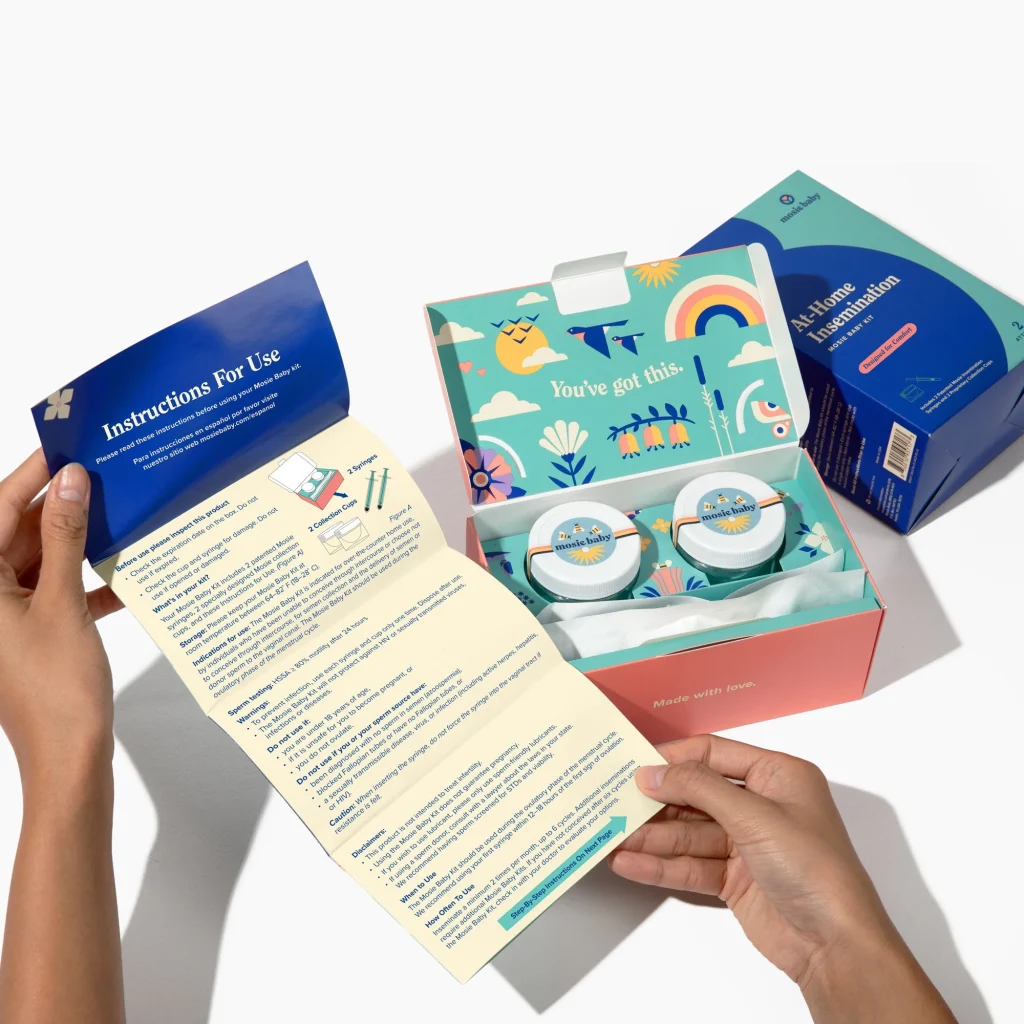
    At-home insemination kit with ovulation and pregnancy tests, promoting fertility and family planning.

    Must-Read Parenting Books for Raising Happy and Healthy Kids

    In this book, the authors, Daniel J. Siegel and Tina Payne Bryson, emphasize the power of parental presence in a child’s life. They discuss the four pillars of secure attachment – being present, attuned, responsive, and consistent – and how these pillars shape a child’s brain and behavior. The book also offers practical strategies for parents to strengthen their connection with their child and create a more secure and nurturing environment.

    5. “No-Drama Discipline: The Whole-Brain Way to Calm the Chaos and Nurture Your Child’s Developing Mind” by Daniel J. Siegel and Tina Payne Bryson

    Another book by the dynamic duo of Daniel J. Siegel and Tina Payne Bryson, “No-Drama Discipline” offers a new approach to discipline that focuses on connection and understanding instead of punishment and control. The book highlights the importance of helping children develop emotional regulation and problem-solving skills rather than simply correcting their behavior. It also offers practical techniques for parents to handle discipline in a calm and effective manner.

    6. “The Conscious Parent: Transforming Ourselves, Empowering Our Children” by Dr. Shefali Tsabary

    In this thought-provoking book, clinical psychologist Dr. Shefali Tsabary challenges traditional parenting norms and encourages parents to shift their focus from controlling their children to understanding and connecting with them. The book emphasizes the role of self-awareness and mindfulness in creating a more conscious and fulfilling parent-child relationship. It also offers practical tools and techniques for parents to break free from their own emotional baggage and become more present and engaged in their child’s life.

    7. “The Gardener and the Carpenter: What the New Science of Child Development Tells Us About the Relationship Between Parents and Children” by Alison Gopnik

    Drawing on the latest research in child development, philosopher and psychologist Alison Gopnik challenges the notion of “parenting” and offers a new perspective on the parent-child relationship. The book argues that instead of trying to mold our children into a particular outcome, parents should focus on creating a nurturing environment that allows children to explore, play, and learn on their own. It also discusses the importance of emotional connection and empathy in raising happy and healthy children.

    In conclusion, parenting is a journey filled with challenges and uncertainties, but these must-read books can provide valuable insights and guidance to help you navigate the ups and downs of raising children. From understanding the developing brain to building a stronger connection with your child and learning effective communication and discipline strategies, these books offer a comprehensive guide to raising happy and healthy kids.

  • From Robots to Dollhouses: 32 Toys for Every Age Group

    From Robots to Dollhouses: 32 Toys for Every Age Group

    Toys are an essential part of childhood, providing endless hours of fun and learning. From classic toys like building blocks and dolls to high-tech robots and virtual reality games, there is a wide variety of toys available for children of all ages. As parents and caregivers, it can be overwhelming to navigate the vast toy market and choose the best toys for our little ones. That’s why we have compiled a list of 32 toys for every age group, from newborns to teenagers, to help you find the perfect toy for your child’s age and stage of development.

    Newborn to 6 months

    1. Soft toys: Soft toys, such as stuffed animals and plush toys, are perfect for newborns as they provide a sense of comfort and security. Look for toys with different textures and colors to stimulate your baby’s senses.

    2. Activity mats: Activity mats with hanging toys and mirrors are great for promoting tummy time and helping babies develop their motor skills.

    3. Musical toys: Musical toys, such as rattles and music boxes, are not only entertaining but also help with the development of auditory and visual senses.

    4. Teething toys: Teething can be a challenging time for babies, and teething toys provide relief while also helping with their oral motor skills.

    6 to 12 months

    1. Blocks: Building blocks are perfect for this stage as babies are starting to develop their hand-eye coordination and fine motor skills.

    2. Shape sorters: Shape sorting toys help babies learn about different shapes and improve their problem-solving skills.

    3. Push and pull toys: These toys encourage babies to start crawling and walking, helping them develop their gross motor skills.

    4. Bath toys: Bath time can be a fun playtime too with colorful and floating bath toys.

    1 to 2 years

    1. Ride-on toys: As toddlers start to gain more independence, ride-on toys, such as scooters and tricycles, are perfect for outdoor play and developing their balance and coordination.

    2. Playsets: Playsets, such as a dollhouse or a kitchen set, are great for imaginative play and developing social skills.

    3. Puzzles: Simple puzzles with large pieces are perfect for this age group to help with their problem-solving and fine motor skills.

    4. Art supplies: Toddlers love to get creative, so providing them with crayons, finger paints, and other art supplies can help with their hand-eye coordination and self-expression.

    3 to 5 years

    1. Action figures and dolls: At this age, children start to develop their interests and imagination. Action figures and dolls can provide hours of imaginative play and storytelling.

    illustration of Mosie Baby home insemination kit highlighting seamless transfer and size features

    From Robots to Dollhouses: 32 Toys for Every Age Group

    2. Playdough: Playdough is a great sensory toy that also helps with fine motor skills and creativity.

    3. Dress-up costumes: Encourage your child’s imagination with dress-up costumes of their favorite characters or professions.

    4. Building sets: Building sets, such as LEGO and Mega Bloks, are perfect for this age group as they help with fine motor skills and problem-solving.

    6 to 9 years

    1. Board games: Board games are not only fun but also help with social skills, problem-solving, and following rules.

    2. Science kits: Science kits are a great way to introduce children to basic science concepts and spark their curiosity.

    3. Sports equipment: Encourage your child’s physical development with sports equipment like a basketball, soccer ball, or jump rope.

    4. Coding toys: As technology becomes more prevalent in our lives, coding toys, such as robot kits, can introduce children to the basics of programming and problem-solving.

    10 to 12 years

    1. Remote control toys: Remote control cars, drones, and robots are perfect for this age group as they allow children to learn about technology and develop their hand-eye coordination.

    2. Strategy games: Strategy games, like chess and checkers, can help children develop critical thinking and problem-solving skills.

    3. Craft kits: Craft kits, such as jewelry making or knitting, can help children develop their creativity and fine motor skills.

    4. Virtual reality games: Virtual reality games can provide a unique and immersive experience, allowing children to explore new worlds and develop their spatial awareness.

    13 to 18 years

    1. Video games: Video games can be a fun way for teenagers to relax and unwind, as well as develop hand-eye coordination and problem-solving skills.

    2. Musical instruments: Learning to play a musical instrument can help teenagers develop their creativity, discipline, and self-expression.

    3. Books: Reading is a great way to expand knowledge and spark imagination. Encourage teenagers to read by gifting them books related to their interests.

    4. Outdoor equipment: Teenagers can stay active and healthy with outdoor equipment like a skateboard, bike, or rollerblades.

    In summary, choosing the right toys for your child’s age and stage of development is crucial for their growth and development. From soft toys for newborns to virtual reality games for teenagers, there is a wide range of toys available for every age group. Consider your child’s interests and needs when selecting a toy, and remember that the most important thing is to provide them with opportunities to play, learn, and have fun.

  • Toys That Will Spark Your Child’s Imagination

    Toys That Will Spark Your Child’s Imagination

    Toys are more than just objects to keep children entertained. They have the power to ignite a child’s imagination and foster creativity. As parents, we want to provide our children with toys that will not only bring them joy but also help them develop and grow. In this blog post, we will explore some toys that will spark your child’s imagination and take their playtime to a whole new level.

    1. Building Blocks

    Building blocks are a classic toy that has been around for generations. From wooden blocks to Lego bricks, these simple yet versatile toys have stood the test of time. Building blocks allow children to create anything their imagination desires, from tall towers to elaborate structures. They also help with developing fine motor skills, hand-eye coordination, and problem-solving abilities. As children build and construct with blocks, they are using their imagination and learning valuable skills at the same time.

    2. Dress-Up Clothes

    Dressing up is a favorite pastime for children, and it’s also a great way to spark their imagination. By putting on different costumes and pretending to be different characters, children are flexing their creativity and expanding their imaginative play. Whether it’s a princess, superhero, or doctor, dress-up clothes allow children to enter a world of make-believe where anything is possible. They also encourage role-playing, which helps children develop social skills and empathy.

    3. Art Supplies

    Art supplies are another fantastic way to stimulate a child’s imagination. From crayons and markers to paint and clay, these materials allow children to express themselves and bring their ideas to life. Art also helps children develop their fine motor skills, hand-eye coordination, and problem-solving abilities. It also allows them to explore their emotions and thoughts, making it a therapeutic activity as well. Encouraging children to create and experiment with art supplies will not only spark their imagination but also promote their overall development.

    4. Play Kitchen

    guide and materials for using Mosie Baby fertility kit on a textured surface

    Toys That Will Spark Your Child's Imagination

    A play kitchen is a popular toy that can provide endless hours of imaginative play for children. It allows them to pretend to cook and serve food, just like adults do. This type of play promotes creativity, social skills, and problem-solving abilities. Children can also use their imagination to come up with different scenarios and storylines while playing with a play kitchen. It’s also a great way to introduce them to cooking and food preparation, which can turn into a lifelong skill.

    5. Musical Instruments

    Music is a powerful tool for sparking a child’s imagination. By playing with musical instruments, children can create their own songs and explore different sounds and rhythms. It also helps with developing fine motor skills, hand-eye coordination, and cognitive abilities. Musical instruments also promote self-expression and confidence in children as they discover their musical abilities. Whether it’s a toy piano, drum set, or guitar, musical instruments are a great addition to any child’s playtime.

    6. Puzzles

    Puzzles are not only a fun activity but also a great way to boost a child’s imagination. By piecing together different shapes and images, children are using their problem-solving skills and imagination to create a complete picture. Puzzles also help with hand-eye coordination, fine motor skills, and cognitive development. They come in various difficulty levels, making them suitable for children of all ages. Puzzles also promote patience and perseverance in children as they work towards completing the puzzle.

    7. Cardboard Boxes

    Believe it or not, something as simple as a cardboard box can be the ultimate toy for sparking a child’s imagination. Children can transform a cardboard box into anything their mind can imagine, from a spaceship to a fort to a racecar. This type of play promotes creativity and resourcefulness in children. It also allows them to think outside the box and come up with new and exciting ways to play. Cardboard boxes are also an inexpensive and eco-friendly option for imaginative play.

    In conclusion, toys play a crucial role in a child’s development, and choosing the right ones can make a significant impact on their imagination and creativity. Building blocks, dress-up clothes, art supplies, play kitchens, musical instruments, puzzles, and even simple cardboard boxes are all great options for sparking a child’s imagination. These toys not only provide entertainment but also help children develop essential skills and promote their overall growth. As parents, let’s encourage our children to play and use their imagination, because the possibilities are endless.

    Summary:
    In this blog post, we explore seven toys that will spark your child’s imagination and foster creativity. These toys include building blocks, dress-up clothes, art supplies, play kitchen, musical instruments, puzzles, and cardboard boxes. We also discuss how each toy promotes different skills such as fine motor skills, hand-eye coordination, problem-solving abilities, and social skills. By encouraging children to play with these toys, we not only provide them with joy and entertainment, but also help them develop and grow.

  • The Best-Selling Toys for Water Play and Bath Time

    Blog Post: The Best-Selling Toys for Water Play and Bath Time

    Water play and bath time are not only essential for hygiene but also for a child’s development and creativity. This is why many parents and caregivers are always on the lookout for the best toys to make these activities more enjoyable and beneficial for their little ones. In this blog post, we will explore the best-selling toys for water play and bath time that are sure to keep your child entertained and engaged.

    1. Bath Bombs
    Bath bombs have become increasingly popular in recent years, and for a good reason. These colorful and scented balls not only add a fun element to bath time but also have various benefits for the skin. Many bath bombs contain natural ingredients such as essential oils and Epsom salt, which can help soothe and moisturize the skin. Some even have surprise toys hidden inside, making bath time even more exciting for kids.

    2. Bath Crayons
    For children who love to express their creativity, bath crayons are a must-have toy for water play and bath time. These crayons are specially designed to be used on wet surfaces and easily wash off with water, making them a mess-free option for kids to draw and color in the bathtub. Not only do they encourage artistic expression, but they also help develop fine motor skills and hand-eye coordination.

    3. Water Toys
    From rubber ducks to floating boats, there is a wide variety of water toys available in the market that can enhance your child’s water play experience. These toys are not only fun to play with but also provide sensory stimulation as children feel the different textures and movements of the water. Water toys are also a great way to introduce basic concepts such as cause and effect, as children learn how their actions can affect the movement of the water and the toys.

    4. Bath Books
    Bath books are a great way to combine learning and play during bath time. These books are made with waterproof materials, making them safe to use in the bathtub. They often have colorful pictures and interactive features such as squeaky toys or flaps that children can play with while reading. Bath books can help develop language and literacy skills, as well as foster a love for reading in young children.

    5. Bath Tubs and Seats
    For parents of infants and toddlers, a safe and comfortable bath tub or seat is a must-have for bath time. These products come in various sizes and designs, making it easy to find one that suits your child’s age and needs. Bath tubs and seats provide a secure space for children to sit and play in the water, allowing parents to have a hands-free moment to clean and interact with their little ones.

    guide and materials for using Mosie Baby fertility kit on a textured surface

    The Best-Selling Toys for Water Play and Bath Time

    6. Water Tables
    Water tables have gained popularity in recent years as they provide a fun and interactive way for children to play with water. These tables are designed with different compartments and features such as funnels, water wheels, and scoops, allowing children to explore and experiment with water in various ways. Water tables are also a great way to encourage social interaction and cooperation among children as they play together.

    7. Bath Sprayers
    Bath sprayers are a fun and unique way to make bath time more enjoyable for children. These sprayers come in various designs, such as animals or superheroes, and can be easily attached to the bath faucet. Children can use them to spray water and create different patterns and designs, making bath time a fun and engaging activity.

    8. Bath Puzzles
    Puzzles are a great way to develop problem-solving skills and hand-eye coordination, and bath puzzles take it to the next level by making them waterproof. These puzzles often stick to the bathtub walls and can be rearranged into different patterns and designs. Bath puzzles come in various themes and difficulty levels, making them suitable for children of different ages.

    9. Floating Letters and Numbers
    For children learning the alphabet and numbers, floating letters and numbers can make bath time a fun and educational experience. These toys usually come in bright colors and stick to the bathtub walls when wet. Children can arrange and rearrange the letters and numbers, helping them with letter and number recognition and formation.

    10. Bath Toy Organizers
    Last but not least, bath toy organizers are essential for keeping all the toys organized and tidy after bath time. These organizers come in various designs, such as mesh bags or suction cup baskets, and can be easily attached to the bathtub or shower walls. They not only make clean-up time more manageable but also help prevent mold and mildew growth on bath toys.

    In conclusion, water play and bath time can be made more enjoyable and beneficial for children with the right toys. From bath bombs to bath toy organizers, these best-selling toys provide endless opportunities for learning, creativity, and fun. So, next time you’re looking for a new toy for your child, consider one of these options for a fun and engaging bath time experience.

    Summary:
    In this blog post, we have discussed the top 10 best-selling toys for water play and bath time. These toys not only make bath time more enjoyable but also have various benefits for a child’s development and creativity. From bath bombs to floating letters and numbers, there is a wide range of options to choose from. These toys provide endless opportunities for learning, creativity, and fun, making them a must-have for parents and caregivers.

  • Toys That Will Bring Joy to Your Child’s Life

    Toys are an essential part of childhood. They not only provide entertainment but also play a crucial role in a child’s development. As parents, we want to choose toys that will not only bring joy to our child’s life but also aid in their growth and development. With the vast array of toys available in the market, it can be overwhelming to choose the right ones for our children. In this blog post, we will discuss the top toys that will bring joy to your child’s life and help them thrive.

    1. Building Blocks and Construction Sets

    Building blocks and construction sets are timeless toys that have been a favorite among children for generations. These toys allow children to be creative and use their imagination to build structures and designs. They also help improve hand-eye coordination, problem-solving skills, and spatial awareness. Building blocks and construction sets come in various forms, from traditional wooden blocks to magnetic tiles and Lego sets. These toys are not only fun but also educational, making them a perfect choice for children of all ages.

    2. Arts and Crafts Supplies

    Children love to express themselves, and what better way to do that than through art? Arts and crafts supplies like paints, markers, crayons, and playdough are excellent toys to encourage creativity and self-expression in children. They help develop fine motor skills and hand-eye coordination while allowing children to explore their artistic abilities. You can also opt for art and craft kits that come with all the necessary supplies and instructions to create specific projects, making it easier for parents and children to have fun together.

    3. Outdoor Toys

    In today’s digital age, it is essential to encourage children to spend time outdoors and engage in physical activities. Outdoor toys like bicycles, scooters, and sports equipment not only provide a fun way to stay active but also help improve gross motor skills and coordination. They also promote social skills and teamwork when played with other children. Outdoor toys are a great way to get children away from screens and enjoy the fresh air and sunshine.

    4. Pretend Play Toys

    Home insemination kit by Mosie Baby with instructions and colorful packaging.

    Toys That Will Bring Joy to Your Child's Life

    Pretend play is an essential part of a child’s development. It helps them make sense of the world around them and develop social and emotional skills. Pretend play toys like play kitchens, doctor kits, and dress-up clothes allow children to use their imagination and role-play different scenarios. These toys also help improve language and communication skills as children engage in conversations and create their own stories.

    5. Puzzles and Board Games

    Puzzles and board games are not only enjoyable but also beneficial for a child’s cognitive development. They help improve problem-solving skills, concentration, and critical thinking. Puzzles come in various forms, from simple wooden puzzles for toddlers to complex jigsaw puzzles for older children. Board games, on the other hand, provide a fun way for the whole family to bond and spend quality time together. They also teach children valuable lessons such as following rules, taking turns, and good sportsmanship.

    6. Musical Instruments

    Introducing children to music at an early age has numerous benefits. Musical instruments like drums, keyboards, and xylophones not only provide a fun way to make music but also help develop hand-eye coordination and fine motor skills. They also improve memory and concentration as children learn to play songs. Music is also known to have a positive impact on a child’s emotional well-being and can be a great stress reliever.

    7. Interactive and Educational Toys

    With the advancement of technology, there is a wide range of interactive and educational toys available in the market. These toys combine fun with learning and can help develop various skills like problem-solving, language, and math. From interactive books and learning tablets to coding robots and STEM kits, there are endless options to choose from. These toys are a great way to keep children engaged and entertained while also promoting their intellectual growth.

    In conclusion, toys play a crucial role in a child’s life. They not only provide entertainment but also aid in their development and growth. Building blocks and construction sets, arts and crafts supplies, outdoor toys, pretend play toys, puzzles and board games, musical instruments, and interactive and educational toys are all excellent choices that will bring joy to your child’s life. As parents, it is essential to choose toys that are not only fun but also beneficial for our children. So, next time you go toy shopping, keep these options in mind and watch your child’s face light up with joy.

  • From Classic to Modern: Top Children’s Toys

    From Classic to Modern: Top Children’s Toys

    Toys have been an essential part of childhood for centuries, providing endless hours of entertainment and imagination. As the years have passed, the world of children’s toys has evolved and transformed, with new technologies and trends influencing the types of toys that are popular among kids. In this blog post, we will take a journey through time, exploring the transition from classic toys to modern ones and the impact they have on children’s playtime.

    The Evolution of Children’s Toys:

    The earliest recorded toys date back to ancient civilizations, where children played with simple objects made of natural materials such as wood, clay, and stones. These toys were often replicas of everyday objects, such as dolls and miniature tools, and were used to teach children about their future roles in society.

    As societies progressed, so did the evolution of toys. During the Renaissance period, toys became more elaborate and were often handmade by skilled craftsmen. Dollhouses, rocking horses, and wooden puzzles were just some of the toys that were popular during this time.

    Industrialization in the 19th century brought about significant changes in the production of toys, making them more affordable and accessible to the masses. This period saw the rise of tin toys, such as wind-up cars and trains, as well as the introduction of board games like Monopoly and Scrabble.

    The 20th century saw a boom in children’s toys, with the rise of mass production and consumerism. Toy companies began creating iconic toys such as Barbie dolls, LEGO sets, and Hot Wheels cars, which would become staples in children’s playrooms for decades to come.

    Classic Toys That Have Stood the Test of Time:

    While many toys have come and gone throughout the years, some have stood the test of time and remain popular among children today, despite being created decades ago. These classic toys have become timeless favorites, passed down from generation to generation, and are still loved by children all over the world.

    One such toy is the teddy bear, which was first created in 1902 by American cartoonist, Clifford Berryman. The teddy bear has remained a beloved companion for children, providing comfort and companionship for over a century. Another classic toy that has stood the test of time is the Etch A Sketch, invented in the late 1950s and still a popular drawing tool for kids today.

    Modern Toys: The Impact of Technology:

    hand holding a pregnancy test with instructions on a colorful background

    From Classic to Modern: Top Children's Toys

    With the rise of technology, children’s toys have also evolved to incorporate digital elements, creating a whole new world of play. Electronic toys, such as interactive plush toys and handheld gaming devices, have become popular among children, providing a more immersive and interactive play experience.

    One of the most influential technological advancements in toys has been the introduction of virtual and augmented reality. These technologies have opened up a whole new world of imaginative play, allowing children to enter virtual worlds and interact with their favorite characters like never before.

    Another significant impact of technology on modern toys is the rise of educational toys. With the increasing focus on STEM (science, technology, engineering, and math) education, toy companies have been incorporating these concepts into their products. From coding robots to science experiment kits, these toys not only entertain but also educate children, preparing them for the future.

    The Role of Gender in Children’s Toys:

    Throughout history, children’s toys have often been marketed and designed with specific genders in mind. Girls were encouraged to play with dolls and domestic toys, while boys were given building blocks and action figures. However, in recent years, there has been a push towards more gender-neutral and inclusive toys.

    Toy companies have started to create more diverse and inclusive toys, breaking away from traditional gender stereotypes. For example, LEGO introduced their first female scientist minifigures in 2013, and Barbie has expanded her career choices to include occupations typically dominated by men.

    The Importance of Play for Children’s Development:

    Toys not only provide entertainment for children but also play a vital role in their development. Through play, children learn valuable skills such as problem-solving, creativity, and socialization. Classic toys, such as building blocks and puzzles, help develop fine motor skills and hand-eye coordination, while modern toys, such as coding robots, promote critical thinking and STEM skills.

    Play also allows children to explore and express their emotions, helping them develop their emotional intelligence. By playing with a variety of toys, children can learn to manage their feelings and communicate effectively with others.

    In Conclusion:

    From simple objects made of natural materials to high-tech interactive toys, the world of children’s toys has come a long way. Classic toys have stood the test of time and remain beloved favorites, while modern toys continue to push the boundaries of imagination and innovation. The role of gender in toys is also evolving, with a focus on inclusivity and breaking away from traditional stereotypes. Most importantly, toys play a crucial role in children’s development, providing countless benefits for their physical, emotional, and cognitive growth.

    In summary, children’s toys have evolved over the centuries, from simple handmade objects to high-tech interactive toys. Classic toys like the teddy bear and Etch A Sketch have stood the test of time, while modern toys incorporate technology and promote education. The role of gender in toys is also changing, with a focus on inclusivity and breaking away from traditional stereotypes. Ultimately, toys play a crucial role in children’s development, providing entertainment, creativity, and valuable skills for their future.