Tag: fertility drugs

  • The Science Behind the Success: How the Insemination Syringe Set Works

    Blog Post:

    In the world of fertility treatments, the insemination syringe set has become a popular choice for couples trying to conceive. This simple yet effective tool has helped many individuals and couples to achieve their dream of starting a family. But have you ever wondered how this device actually works and what makes it so successful? In this blog post, we will dive into the science behind the success of the insemination syringe set.

    First, let’s understand what an insemination syringe set is. This set typically includes a syringe, a catheter, and a collection cup. The syringe is used to collect the sperm sample, while the catheter is used to insert the sperm into the female reproductive tract. The collection cup is used to hold the sperm sample before it is transferred to the syringe.

    The success of the insemination syringe set lies in its ability to deliver the sperm directly into the uterus, bypassing potential barriers in the cervix. This is known as intrauterine insemination (IUI). The cervix is the lower part of the uterus that connects to the vagina. It contains a small opening that allows sperm to enter the uterus and reach the egg for fertilization. However, sometimes the cervix can act as a barrier for sperm, making it difficult for them to pass through and reach the egg.

    With IUI, the sperm is placed directly into the uterus, reducing the distance they need to travel and increasing the chances of fertilization. This is especially beneficial for couples who may have issues with sperm motility (movement) or who have conditions that affect the quality of cervical mucus. The insemination syringe set also helps to protect the sperm from the acidic environment of the vagina, which can be harmful to them.

    Now, let’s take a closer look at the science behind the insemination syringe set. The syringe itself plays a crucial role in the success of the procedure. It is designed with a narrow tip that allows for precise placement of the sperm into the uterus. This is important because the sperm needs to be placed in the right location for successful fertilization to occur.

    The catheter is also an essential component of the insemination syringe set. It is a thin, flexible tube that is inserted through the cervix and into the uterus. The catheter is designed to be long enough to reach the top of the uterus, where the sperm needs to be placed. It also has a rounded tip to prevent any damage to the cervix or uterus during insertion.

    at-home insemination kit featuring a syringe and container for fresh or donor sperm conception

    The Science Behind the Success: How the Insemination Syringe Set Works

    In addition to its physical design, the catheter also has a coating that helps it to glide smoothly through the cervix and into the uterus. This coating is typically made of a material called hydrophilic polymer, which becomes slippery when in contact with moisture. This helps to reduce any discomfort or potential damage to the cervix during the procedure.

    The collection cup also plays a vital role in the success of the insemination syringe set. It is designed to be sterile and non-toxic to ensure the sperm remains healthy and viable. The cup is also transparent, allowing the healthcare provider to visually inspect the sperm before it is transferred to the syringe. This helps to ensure that only healthy and active sperm are used for the procedure.

    Now that we understand the science behind the success of the insemination syringe set, let’s explore its benefits. One of the main advantages of using this method is that it is relatively simple and non-invasive compared to other fertility treatments. The procedure can be done in a doctor’s office, and it does not require any anesthesia.

    The insemination syringe set is also a cost-effective option for couples who may not be able to afford more expensive fertility treatments like in vitro fertilization (IVF). It also has a high success rate, with some studies showing a 15-20% chance of pregnancy per cycle. This success rate can further increase when combined with fertility drugs that help to stimulate ovulation.

    In conclusion, the insemination syringe set is a simple yet effective tool that has helped many couples achieve their dream of starting a family. Its success lies in its ability to deliver sperm directly into the uterus, bypassing potential barriers and increasing the chances of fertilization. With its unique design and materials, this device has revolutionized fertility treatments and continues to be a popular choice for couples struggling with infertility.

    Summary:

    The insemination syringe set is a popular choice for couples trying to conceive. This simple yet effective tool works by delivering sperm directly into the uterus, bypassing potential barriers and increasing the chances of fertilization. The success of this method lies in its design and materials, including a narrow-tipped syringe, a coated catheter, and a sterile collection cup. The insemination syringe set is also non-invasive, cost-effective, and has a high success rate. Its effectiveness has made it a go-to option for couples struggling with infertility.

  • Fertility Boosters: The Role of Insemination Syringe Systems in Pregnancy Planning

    Blog Post:

    Fertility Boosters: The Role of Insemination Syringe Systems in Pregnancy Planning

    Insemination syringe systems, also known as artificial insemination, have been used for centuries as a method of fertility treatment. This technique involves the placement of semen into the female reproductive tract, bypassing the natural barriers of the cervix and increasing the chances of fertilization. In recent years, the use of insemination syringe systems has gained popularity among couples trying to conceive, as it offers a less invasive and more affordable option compared to other fertility treatments. In this blog post, we will explore the role of insemination syringe systems in pregnancy planning and how they can boost fertility.

    Understanding Insemination Syringe Systems

    Insemination syringe systems are typically made up of a sterile syringe, a catheter, and a protective cap. The syringe is used to collect the semen sample, which is then inserted into the catheter. The catheter is then carefully placed into the cervix, allowing the semen to be deposited directly into the uterus. This process increases the chances of sperm reaching and fertilizing the egg, making it a highly effective method for couples struggling with fertility issues.

    Benefits of Insemination Syringe Systems

    There are several benefits to using insemination syringe systems for fertility treatment. First and foremost, it is a minimally invasive procedure, which means that it does not require any major medical intervention. This makes it a preferred option for couples who are not ready to undergo more invasive procedures such as in-vitro fertilization (IVF). Additionally, the cost of insemination syringe systems is significantly lower compared to other fertility treatments, making it a more affordable option for many couples.

    Another advantage of using insemination syringe systems is that it can be done at home, under the guidance of a healthcare professional. This eliminates the stress and cost associated with frequent visits to a fertility clinic. It also allows couples to feel more in control of their fertility journey, as they can perform the procedure in the comfort of their own home.

    blue box with "mosie" logo, syringes, and informational pamphlet on a pink background

    Fertility Boosters: The Role of Insemination Syringe Systems in Pregnancy Planning

    Boosting Fertility with Insemination Syringe Systems

    Insemination syringe systems can be beneficial for couples struggling with various fertility issues. One of the most common causes of infertility is a low sperm count or poor sperm quality. Insemination syringe systems can help overcome this issue by bypassing the natural barriers of the cervix and increasing the chances of sperm reaching the egg. This can significantly increase the chances of fertilization and pregnancy.

    Additionally, insemination syringe systems can also be helpful for couples with unexplained infertility. In these cases, there is no apparent reason why a couple is unable to conceive. Insemination syringe systems can help by providing a direct route for sperm to reach the egg, increasing the chances of successful fertilization.

    Insemination syringe systems can also be used in conjunction with fertility drugs, such as Clomid, to further boost fertility. These drugs can help stimulate ovulation, and when combined with insemination syringe systems, can increase the chances of pregnancy.

    Risks and Considerations

    While insemination syringe systems have many benefits, it is essential to consider the potential risks and limitations. One potential risk is the introduction of bacteria or infection into the reproductive tract. To minimize this risk, it is crucial to use a sterile syringe and catheter and to follow proper hygiene and sterilization techniques.

    It is also essential to keep in mind that insemination syringe systems are not a guaranteed method of achieving pregnancy. Success rates vary depending on factors such as sperm quality and timing of the procedure. It may take several attempts before achieving a successful pregnancy.

    Summary:

    Insemination syringe systems have been used for centuries as a method of fertility treatment. This technique involves the placement of semen into the female reproductive tract, bypassing the natural barriers of the cervix and increasing the chances of fertilization. In recent years, the use of insemination syringe systems has gained popularity among couples trying to conceive, as it offers a less invasive and more affordable option compared to other fertility treatments. Insemination syringe systems can be beneficial for couples struggling with various fertility issues, such as low sperm count or unexplained infertility. However, it is essential to consider potential risks and limitations and to consult with a healthcare professional before attempting the procedure at home.

  • Syringe Insemination and the Role of Fertility Drugs: What You Need to Know

    Blog Post Title: Syringe Insemination and the Role of Fertility Drugs: What You Need to Know

    Syringe insemination, also known as intrauterine insemination (IUI), is a form of assisted reproductive technology (ART) that involves the use of a syringe to deposit sperm directly into the uterus. This method is often used by couples who are having difficulty conceiving naturally, and it can be a highly effective option for those struggling with infertility. However, the success of syringe insemination can also be greatly enhanced by the use of fertility drugs. In this blog post, we will explore the ins and outs of syringe insemination and the role of fertility drugs in the process.

    Overview of Syringe Insemination

    Syringe insemination involves collecting a semen sample from the male partner and washing it in a laboratory to remove any impurities. The sperm is then placed in a syringe and inserted into the uterus through the cervix. The procedure is usually performed around the time of ovulation, when the chances of conception are highest.

    This method is often recommended for couples with unexplained infertility, mild male factor infertility, or cervical mucus problems. It can also be used by single women or same-sex couples who want to conceive using donor sperm.

    Benefits of Syringe Insemination

    One of the main benefits of syringe insemination is that it is a less invasive and less expensive option compared to other ART procedures such as in vitro fertilization (IVF). It also has a higher success rate than natural conception, making it a great option for couples who have been trying to conceive for a while.

    Additionally, syringe insemination allows for the use of fertility drugs, which can greatly increase the chances of success. These drugs can help regulate ovulation and improve the quality of the woman’s eggs, making it easier for the sperm to fertilize them.

    Role of Fertility Drugs in Syringe Insemination

    Fertility drugs, also known as ovulation induction drugs, are medications that are used to stimulate the ovaries to produce more eggs. This is particularly helpful for women who are not ovulating regularly or have irregular ovulation cycles.

    There are different types of fertility drugs that may be used in conjunction with syringe insemination, depending on the individual’s specific needs. Some of the most commonly used drugs include:

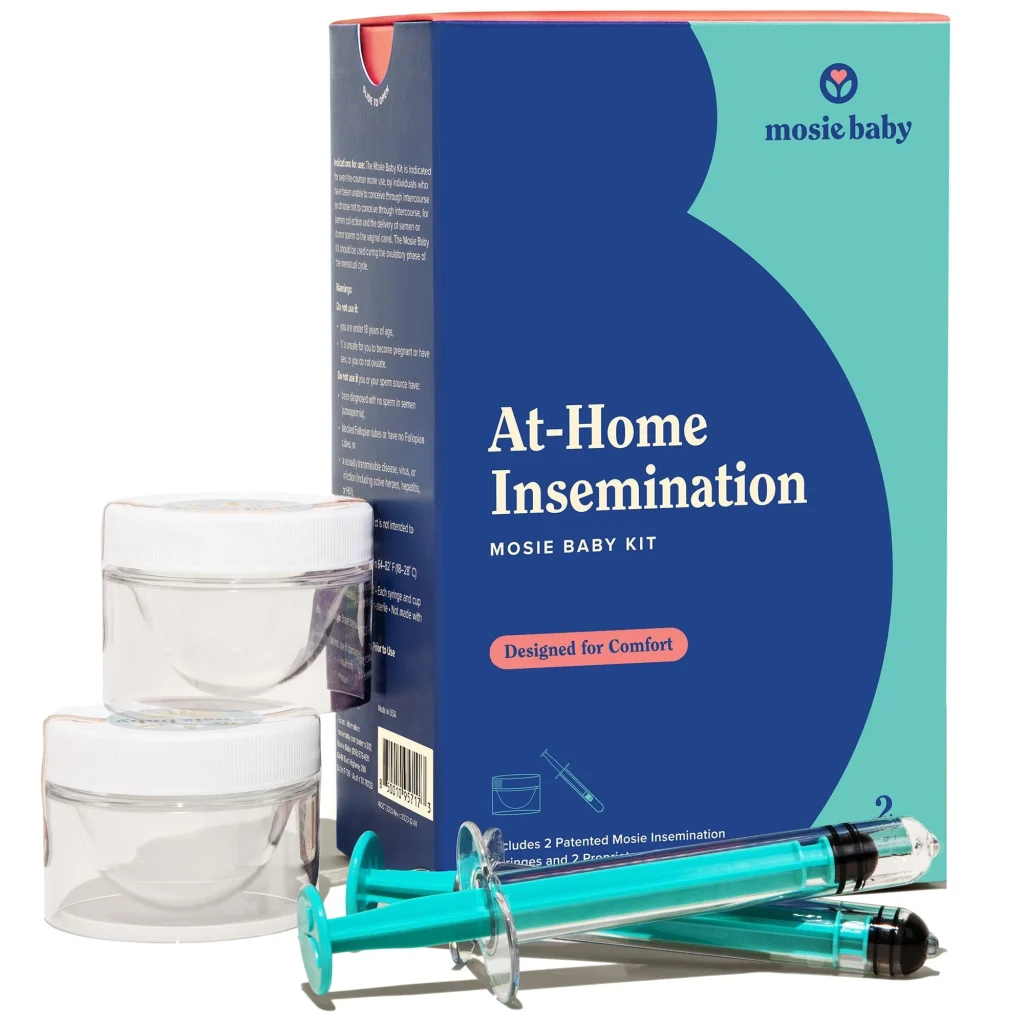
    at-home insemination kit by Mosie Baby, featuring syringes and containers for comfort and convenience.

    Syringe Insemination and the Role of Fertility Drugs: What You Need to Know

    1. Clomiphene citrate: This drug is taken orally and works by stimulating the release of follicle-stimulating hormone (FSH) and luteinizing hormone (LH), which are necessary for ovulation.

    2. Gonadotropins: These are injectable hormones that also help stimulate the ovaries to produce eggs.

    3. Human chorionic gonadotropin (hCG): This is a hormone that is often used to trigger ovulation after the use of fertility drugs.

    Fertility drugs can also be used to help regulate the timing of ovulation, ensuring that the sperm is introduced into the uterus at the ideal time for fertilization to occur.

    Success Rates of Syringe Insemination with Fertility Drugs

    The success rate of syringe insemination with fertility drugs varies depending on several factors such as the age of the woman, the quality of the sperm, and the cause of infertility. However, on average, the success rate ranges from 10-20% per cycle.

    It is important to note that the success rate can be greatly improved with multiple cycles of syringe insemination, as well as the use of fertility drugs. Therefore, it is recommended to undergo at least three cycles before considering other options.

    Risks and Considerations

    While syringe insemination with fertility drugs can be a highly effective method for couples struggling with infertility, it is not without its risks and considerations. Some potential risks include multiple pregnancies (due to the potential production of more than one egg), ovarian hyperstimulation syndrome (OHSS), and the small risk of infection or injury during the procedure.

    It is also important to consider the financial aspect of syringe insemination with fertility drugs, as the cost can add up over multiple cycles. It is always best to discuss these factors with your doctor to determine if this method is the right choice for you.

    In summary, syringe insemination is a common and effective option for couples facing infertility. The use of fertility drugs can greatly increase the chances of success and make the process smoother and more efficient. However, it is important to carefully consider all factors and work closely with a trusted fertility specialist to determine the best course of action for your individual situation.

  • The Financial Side of Fertility: How Syringe Insemination Can Save You Money

    Blog Post:

    Fertility treatments can be expensive, with costs ranging from a few hundred to thousands of dollars per cycle. For couples struggling to conceive, these costs can add up quickly and become a financial burden. However, there is a more affordable option that not many people are aware of – syringe insemination.

    Syringe insemination, also known as intrauterine insemination (IUI), is a fertility treatment that involves placing sperm directly into the uterus using a syringe. This method is often used in conjunction with fertility drugs to stimulate ovulation and increase the chances of conception. While it may not be suitable for everyone, syringe insemination can be a cost-effective alternative to more expensive fertility treatments like in vitro fertilization (IVF).

    Here are some ways in which syringe insemination can save you money:

    1. Lower Cost Per Cycle

    Compared to other fertility treatments, syringe insemination is a much more affordable option. The average cost of an IUI cycle ranges from $500 to $4,000, depending on factors such as location and whether fertility drugs are used. In contrast, the average cost of an IVF cycle can be upwards of $12,000. This significant difference in cost makes syringe insemination a more accessible option for couples who are struggling with the financial side of fertility treatments.

    2. Fewer Medications Required

    One of the main reasons why IVF is more expensive than syringe insemination is because it requires more fertility medications. These medications can cost thousands of dollars per cycle, adding a significant amount to the total cost of treatment. With syringe insemination, the use of fertility drugs is optional, making it a more affordable choice for couples who do not want to spend a fortune on medications.

    blue box with "mosie" logo, syringes, and informational pamphlet on a pink background

    The Financial Side of Fertility: How Syringe Insemination Can Save You Money

    3. Lower Chance of Multiple Pregnancies

    Another factor that adds to the cost of fertility treatments is the possibility of multiple pregnancies. While it may seem like a blessing to have twins or triplets, multiple pregnancies can also come with increased risks and medical expenses. IVF has a higher chance of resulting in multiples compared to syringe insemination. This is because during IVF, multiple embryos are usually transferred to increase the chances of success. With syringe insemination, only one or two sperm samples are used, reducing the likelihood of a multiple pregnancy.

    4. Fewer Doctor Visits

    Fertility treatments can involve multiple doctor visits, including consultations, monitoring appointments, and the actual procedure. With syringe insemination, fewer doctor visits are required compared to other treatments like IVF. This means less time off work and fewer co-pays, resulting in overall savings for couples.

    5. Insurance Coverage

    In some cases, syringe insemination may be covered by insurance, making it a more affordable option for couples. While coverage varies depending on the insurance provider and plan, it is worth checking with your insurance company to see if syringe insemination is included in your coverage. This can significantly reduce the out-of-pocket expenses for the treatment.

    In summary, syringe insemination can save you money on fertility treatments in several ways. It has a lower cost per cycle, requires fewer medications, has a lower chance of multiple pregnancies, and involves fewer doctor visits. Depending on your insurance coverage, it may also be partially or fully covered, further reducing the financial burden of fertility treatments.

    While syringe insemination may not be suitable for everyone, it is worth considering as an option for couples struggling with the high costs of fertility treatments. Talk to your doctor to see if it is a viable option for you and your partner.

    SEO metadata:

  • Reasons to Consider Insemination Syringe Collection for Pregnancy Planning

    Blog Post:

    Pregnancy planning can be an exciting and emotional journey for many couples. While some may conceive naturally, others may require some assistance in the form of fertility treatments. Insemination, also known as artificial insemination, is a popular method of assisted reproduction that involves placing sperm directly into the uterus to increase the chances of fertilization. While this method is typically performed by medical professionals, there is an alternative option that many couples are considering – insemination syringe collection. In this blog post, we will explore the reasons why more and more couples are turning to this method for pregnancy planning.

    1. Cost-effective option

    One of the biggest advantages of insemination syringe collection is its affordability. Traditional insemination procedures can be quite expensive, especially if multiple attempts are needed. On the other hand, using an insemination syringe at home can significantly reduce the cost of the procedure. This is especially beneficial for couples who do not have insurance coverage for fertility treatments or those who are on a tight budget.

    2. Increased privacy and comfort

    For many couples, the idea of undergoing an insemination procedure in a clinic can feel invasive and uncomfortable. Insemination syringe collection allows couples to perform the procedure in the privacy and comfort of their own home. This can help reduce stress and anxiety, which can have a positive impact on the success of the procedure.

    3. More control over the process

    Insemination syringe collection also gives couples more control over the entire process. They can choose the timing, frequency, and location of the procedure, which can be tailored to their specific needs and schedules. This level of control can be empowering for couples who may feel like they have little control over their fertility journey.

    4. Less invasive and medication-free

    Traditional insemination procedures often involve taking medication to stimulate ovulation and prepare the body for pregnancy. Insemination syringe collection, on the other hand, does not require any medication. This makes it a less invasive and more natural option for couples who prefer to avoid fertility drugs.

    5. Can be used with donor sperm

    sperm-ready insemination kit with a syringe and container, featuring a screw top lid and non-tip safety wall

    Reasons to Consider Insemination Syringe Collection for Pregnancy Planning

    For couples who require donor sperm to conceive, insemination syringe collection is a convenient option. It allows them to easily obtain and use donor sperm at home without the need for a medical professional. This can save time and money, as well as provide more privacy for the couple.

    6. Can be used for same-sex couples and single women

    Insemination syringe collection is not just limited to heterosexual couples. Same-sex couples and single women who want to start a family can also benefit from this method. It provides them with a convenient and affordable option for pregnancy planning without the need for a male partner.

    7. Can be used alongside other fertility treatments

    Insemination syringe collection can also be used in combination with other fertility treatments. For example, couples undergoing intrauterine insemination (IUI) can use an insemination syringe to increase the chances of pregnancy. It can also be used alongside fertility medications such as Clomid to enhance the effectiveness of the treatment.

    8. Easy to use

    Using an insemination syringe for pregnancy planning is a relatively simple process that can be done at home. The syringe is designed to be easy to handle and use, and couples can easily follow the instructions provided. This makes it a convenient option for those who may not have easy access to a fertility clinic.

    9. Can be used for multiple cycles

    Insemination syringe collection can be used for multiple cycles, providing couples with the opportunity to try again if the first attempt is unsuccessful. This can save them from having to pay for multiple costly insemination procedures at a clinic.

    10. Offers a more intimate experience for couples

    Lastly, insemination syringe collection can provide a more intimate experience for couples. It allows them to be fully involved in the process of conceiving their child, which can strengthen their bond and make the journey more meaningful and special.

    In summary, insemination syringe collection is a cost-effective, private, and convenient option for couples who are planning for pregnancy. It gives them more control over the process, is less invasive, and can be used with other fertility treatments. With its ease of use and ability to be used for multiple cycles, it is no surprise that more and more couples are considering this method for their fertility journey.

  • Mosie Brand Syringe Kit: A Comprehensive Guide for Using It in Conjunction with Fertility Drugs

    Blog Post Title: Mosie Brand Syringe Kit: A Comprehensive Guide for Using It in Conjunction with Fertility Drugs.

    Summary:

    For many couples struggling with infertility, fertility drugs are often the first line of treatment. These medications can help regulate ovulation and increase the chances of pregnancy. However, for some couples, the thought of injecting themselves with these drugs can be daunting. This is where the Mosie Brand Syringe Kit comes in. This innovative kit provides a less invasive and more comfortable way to administer fertility drugs. In this blog post, we will discuss everything you need to know about using the Mosie Brand Syringe Kit in conjunction with fertility drugs.

    Introduction to the Mosie Brand Syringe Kit
    The Mosie Brand Syringe Kit was created by a couple, Maureen and Marc, who struggled with infertility for years. After trying various fertility treatments, they decided to take matters into their own hands and create a more comfortable and stress-free method of administering fertility drugs. The result was the Mosie Brand Syringe Kit, which has gained popularity among couples trying to conceive.

    Components of the Mosie Brand Syringe Kit
    The Mosie Brand Syringe Kit comes with two main components: the Mosie syringe and the Mosie extension tip. The Mosie syringe is designed to accommodate the viscosity of fertility drugs, making it easier to draw up and inject. The Mosie extension tip is a flexible and soft tube that attaches to the syringe, allowing for a more comfortable and precise injection.

    How to Use the Mosie Brand Syringe Kit
    Using the Mosie Brand Syringe Kit is simple and easy. First, wash your hands and the injection site with soap and water. Then, attach the Mosie extension tip to the syringe and draw up the medication as directed by your doctor. Once the medication is in the syringe, remove any air bubbles by gently tapping the syringe and pushing out the air. Finally, insert the Mosie extension tip into the injection site and push the plunger to administer the medication.

    Benefits of Using the Mosie Brand Syringe Kit
    One of the main benefits of using the Mosie Brand Syringe Kit is the comfort it provides. The flexible and soft extension tip reduces the pain and discomfort often associated with injections. Additionally, the Mosie syringe is specifically designed for fertility drugs, making it easier to draw up and inject the medication accurately. The Mosie Brand Syringe Kit also eliminates the need for multiple injections, as it can accommodate larger doses of medication.

    Smiling baby in a blue onesie with "made with Love" text, lying on a light blue crocheted blanket.

    Mosie Brand Syringe Kit: A Comprehensive Guide for Using It in Conjunction with Fertility Drugs

    Tips for Using the Mosie Brand Syringe Kit
    To ensure the most effective and comfortable use of the Mosie Brand Syringe Kit, here are some tips to keep in mind:

    1. Read the instructions carefully: Before using the kit, make sure to read the instructions provided to ensure proper use.

    2. Practice using the syringe: If you are new to using syringes, it may be helpful to practice with water or a saline solution before using the kit with medication.

    3. Use a new syringe for each injection: It is important to use a new syringe for each injection to prevent any contamination.

    4. Inject at room temperature: For a more comfortable injection, it is recommended to let the medication reach room temperature before use.

    5. Apply pressure after injection: After injecting the medication, gently press down on the injection site to prevent any bleeding.

    Conclusion
    The Mosie Brand Syringe Kit offers a more comfortable and convenient way to administer fertility drugs. Its innovative design and ease of use make it an attractive option for couples trying to conceive. However, it is always important to consult with your doctor before using any new fertility products. With the Mosie Brand Syringe Kit, couples can have a stress-free and more comfortable experience with fertility drugs.

    SEO metadata:

  • Demystifying Non-Invasive Insemination: What You Need to Know

    Summary:

    Non-invasive insemination is a fertility treatment option for couples struggling with conception. It is a procedure that involves placing sperm into the uterus or fallopian tubes without the need for surgical incisions. This blog post aims to demystify non-invasive insemination by providing a comprehensive guide on what it is, how it works, and what to expect.

    Firstly, the blog post explains the different types of non-invasive insemination, including intrauterine insemination (IUI) and intracervical insemination (ICI). IUI involves placing sperm directly into the uterus, while ICI involves placing sperm near the cervix. The post discusses the benefits and success rates of each type, as well as the factors that may affect success.

    Next, the blog post delves into the process of non-invasive insemination, from preparation to post-procedure care. It covers important steps such as fertility testing, ovulation tracking, sperm preparation, and insemination timing. It also addresses common concerns, such as the need for fertility drugs and potential side effects.

    at-home insemination kit featuring a syringe and container for fresh or donor sperm conception

    Demystifying Non-Invasive Insemination: What You Need to Know

    Furthermore, the post addresses some frequently asked questions about non-invasive insemination, such as its cost, safety, and effectiveness. It also discusses the emotional and psychological aspects of the procedure, as well as the importance of open communication between partners and the medical team.

    The blog post also provides tips for choosing a fertility clinic and a qualified medical professional for non-invasive insemination. It emphasizes the importance of doing thorough research and seeking recommendations from trusted sources.

    Lastly, the post highlights the importance of understanding the legal and ethical considerations of non-invasive insemination. It discusses the rights and responsibilities of both the donor and the recipient, as well as the potential implications for any resulting children.

    In conclusion, non-invasive insemination is a viable option for couples struggling with fertility, and this blog post aims to provide a comprehensive understanding of the procedure. By demystifying non-invasive insemination, it hopes to empower individuals and couples to make informed decisions about their fertility journey.

