Tag: flexibility

  • How to Stay Accountable During the 19-Day Fitness Challenge

    The 19-Day Fitness Challenge is a great way to jumpstart your fitness journey and improve your overall health. However, staying accountable throughout the challenge can be a tricky task. Many people struggle with consistency and motivation when it comes to working out and eating healthy. In this blog post, we will discuss some tips and strategies to help you stay accountable during the 19-Day Fitness Challenge.

    1. Set Clear and Realistic Goals
    The first step to staying accountable during the 19-Day Fitness Challenge is to set clear and realistic goals. This will give you something to strive towards and keep you motivated. Make sure your goals are specific, measurable, achievable, relevant, and time-bound (SMART). For example, instead of saying “I want to lose weight,” set a specific goal such as “I want to lose 10 pounds in 19 days by exercising for 30 minutes and eating a balanced diet.”

    2. Find an Accountability Partner
    Having someone to hold you accountable can make a big difference in achieving your fitness goals. Find a friend, family member, or co-worker who is also participating in the challenge or is willing to support and motivate you. You can set daily or weekly check-ins to keep each other on track and celebrate your progress together.

    3. Track Your Progress
    Tracking your progress is crucial in staying accountable during the 19-Day Fitness Challenge. It allows you to see how far you have come and what areas you need to improve on. You can use a fitness tracker, a journal, or an app to track your workouts, meals, and measurements. Seeing your progress can be a great motivator to keep going and stay accountable.

    4. Have a Plan
    Having a plan in place will help you stay on track during the challenge. Plan your workouts and meals ahead of time, so you are not tempted to skip them or make unhealthy choices. A great way to stay accountable and organized is by using a workout and meal planner. You can also schedule your workouts and meals in your calendar to make sure you stick to them.

    5. Join a Supportive Community
    Joining a supportive community or group of people who are also participating in the 19-Day Fitness Challenge can provide you with the motivation and accountability you need. You can find online communities, local fitness groups, or even create your own with friends. Being surrounded by like-minded individuals who share similar goals can be extremely helpful in staying accountable.

    blue box with "mosie" logo, syringes, and informational pamphlet on a pink background

    How to Stay Accountable During the 19-Day Fitness Challenge

    6. Reward Yourself
    Rewarding yourself for sticking to your fitness goals can be a great way to stay motivated and accountable. Set small milestones and reward yourself when you reach them. For example, if you have completed five workouts in a row, treat yourself to a massage or a new workout outfit. Just make sure your rewards are in line with your fitness goals and do not sabotage your progress.

    7. Be Consistent
    Consistency is key when it comes to staying accountable during the 19-Day Fitness Challenge. Make sure you stick to your plan and do not skip workouts or cheat on your meals. It may be challenging at first, but the more consistent you are, the easier it will become. Remember, it takes 21 days to form a new habit, so keep going and stay consistent.

    8. Stay Positive
    Staying positive is crucial in any fitness journey. Instead of beating yourself up for missing a workout or indulging in an unhealthy meal, focus on the progress you have made and get back on track. Surround yourself with positivity and remember to be kind to yourself. A positive mindset will help you stay motivated and accountable during the 19-Day Fitness Challenge.

    9. Be Flexible
    While it is essential to stick to your plan, it is also crucial to be flexible. Life happens, and there may be days where you cannot follow your workout or meal plan. Instead of giving up, find ways to adapt and make healthier choices. You can do a quick at-home workout, go for a walk, or make a healthier version of your favorite meal. Being flexible will help you stay accountable and prevent you from giving up on your fitness goals.

    10. Reflect and Learn
    At the end of the 19-Day Fitness Challenge, take some time to reflect on your progress and what you have learned throughout the journey. Celebrate your achievements and identify areas where you can continue to improve. This will help you stay accountable in the long run and make necessary changes to maintain a healthy lifestyle.

    In conclusion, staying accountable during the 19-Day Fitness Challenge is crucial in achieving your fitness goals. Set clear and realistic goals, find an accountability partner, track your progress, have a plan, join a supportive community, reward yourself, be consistent and positive, be flexible, and reflect and learn. Remember, the 19-Day Fitness Challenge is just the beginning of your fitness journey, so stay committed and stay accountable.


  • The 12 Most Popular Workout Routines for a Cardio Kickboxing Workout

    Cardio kickboxing is a popular form of exercise that combines the techniques of traditional kickboxing with high-intensity cardio movements. It is a great way to improve cardiovascular health, burn calories, and build strength and endurance. One of the reasons for its popularity is the variety of workout routines available. In this blog post, we will discuss the 12 most popular workout routines for a cardio kickboxing workout.

    1. Basic Kickboxing:

    The basic kickboxing routine is perfect for beginners as it focuses on mastering the basic techniques of kickboxing. It includes punching, kicking, and footwork drills that will improve your coordination and build strength in your arms and legs.

    2. Plyometric Kickboxing:

    This high-intensity routine combines kickboxing with plyometric movements such as jump squats, burpees, and high knees. It is an excellent way to improve your cardiovascular endurance and burn a significant amount of calories in a short amount of time.

    3. Cardio Kickboxing Circuit:

    The cardio kickboxing circuit is a full-body workout that combines kickboxing with bodyweight exercises. It involves moving from one station to another, performing a variety of exercises, and keeping your heart rate elevated for maximum calorie burn.

    4. Kickboxing Tabata:

    Tabata is a popular form of high-intensity interval training (HIIT) that involves short bursts of intense exercise followed by short periods of rest. The kickboxing tabata routine incorporates kickboxing techniques into this format, making it a challenging and effective workout.

    5. Kickboxing Bootcamp:

    This workout routine combines kickboxing with other forms of exercises such as strength training, plyometrics, and cardio drills. It is a challenging and intense workout that will push your limits and improve your overall fitness.

    6. Kickboxing for Weight Loss:

    If your goal is to lose weight, this is the perfect kickboxing routine for you. It combines high-intensity kickboxing movements with strength training exercises to maximize calorie burn and promote weight loss.

    at-home insemination kit with syringes, collection cups, and instructions on a pink background

    The 12 Most Popular Workout Routines for a Cardio Kickboxing Workout

    7. Kickboxing for Stress Relief:

    Kickboxing is not just a physical workout, but it can also be a great way to relieve stress and improve mental well-being. This routine focuses on the meditative aspect of kickboxing, incorporating breathing exercises and mindful movements to help you relax and de-stress.

    8. Kickboxing for Core Strength:

    This routine targets the core muscles by incorporating a variety of kickboxing moves that engage the abdominal muscles. It is an effective way to strengthen your core and improve your balance and stability.

    9. Kickboxing for Flexibility:

    Flexibility is an essential component of overall fitness, and this kickboxing routine can help improve your range of motion and flexibility. It includes dynamic stretches and kicks that will loosen up your muscles and improve your mobility.

    10. Kickboxing for Cardiovascular Endurance:

    This routine is designed to improve your cardiovascular endurance by utilizing high-intensity kickboxing movements and cardio drills. It is perfect for those looking to improve their overall fitness and endurance.

    11. Kickboxing for Upper Body Strength:

    If you want to focus on building strength in your arms, shoulders, and back, this kickboxing routine is for you. It incorporates a variety of punches and kicks that target the upper body muscles, helping you build strength and tone your arms.

    12. Kickboxing for Lower Body Strength:

    This routine focuses on building strength in your legs and glutes through a variety of kicks and lower body movements. It is an excellent way to tone your lower body and improve your overall strength and balance.

    In summary, cardio kickboxing offers a wide range of workout routines that cater to different fitness goals and preferences. From basic kickboxing to high-intensity circuits, there is a routine for everyone. Whether you want to lose weight, build strength, or reduce stress, cardio kickboxing has something to offer. So, grab your gloves and get ready to kick and punch your way to a healthier and fitter you.

  • The 12 Most Popular Workout Routines for a Post-Workout Stretch

    Blog Post Title: The 12 Most Popular Workout Routines for a Post-Workout Stretch

    Introduction:

    After a vigorous workout, it’s important to take some time to stretch and cool down. A post-workout stretch not only helps prevent injury and muscle soreness, but it also aids in muscle recovery and flexibility. There are many different types of stretches and routines that can be done after a workout, and in this blog post, we will be discussing the 12 most popular ones.

    1. Static Stretching:

    Static stretching is one of the most common and well-known post-workout stretches. This type of stretch involves holding a position for 10-30 seconds, allowing the muscles to relax and lengthen. It is recommended to do static stretches for all major muscle groups after a workout.

    2. Dynamic Stretching:

    Dynamic stretching involves moving through a range of motion in a controlled and deliberate manner. It helps to increase blood flow and prepare the muscles for more intense movements. Some examples of dynamic stretches include leg swings, arm circles, and walking lunges.

    3. Foam Rolling:

    Foam rolling, also known as self-myofascial release, is a technique that uses a foam roller to apply pressure to specific areas of the body. This helps to release tension and knots in the muscles and improve flexibility. Foam rolling is particularly beneficial for the legs, back, and shoulders.

    4. Yoga:

    Yoga is a popular form of exercise that combines stretching, strength, and balance. It is a great post-workout routine as it helps to release tension in the muscles, improve flexibility, and promote relaxation. There are various types of yoga, so it’s important to choose one that suits your fitness level and goals.

    5. Pilates:

    Pilates is a low-impact workout that focuses on core strength, stability, and flexibility. It is an excellent post-workout routine to help improve posture, balance, and muscle tone. Pilates exercises can be done on a mat or with specialized equipment.

    6. Tai Chi:

    Two transparent syringes with teal accents positioned diagonally on a light gray background.

    The 12 Most Popular Workout Routines for a Post-Workout Stretch

    Tai Chi is a Chinese martial art that involves slow and controlled movements, breathing techniques, and meditation. It is a gentle but effective post-workout routine that helps to improve balance, flexibility, and mental focus.

    7. Resistance Band Stretches:

    Resistance bands are a versatile tool that can be used for post-workout stretches. They provide resistance and help to stretch the muscles in a controlled manner. Resistance band stretches are particularly beneficial for the arms, shoulders, and back.

    8. Stretching with a Partner:

    Stretching with a partner can be a fun and effective way to improve flexibility and range of motion. It allows for deeper stretches and helps to hold poses for longer periods. It is important to communicate with your partner and not push beyond your limits.

    9. Swimming:

    Swimming is a low-impact exercise that can be done as a post-workout routine. It helps to relax the muscles and promote recovery. Swimming also provides a full-body stretch and can be a great form of cardio.

    10. Walking:

    Walking is a simple and accessible post-workout routine that can be done anywhere. It helps to cool down the body and reduce muscle tension. Walking also promotes blood flow and can be a great way to unwind after a workout.

    11. Stretching Classes:

    Many gyms and fitness studios offer stretching classes, such as stretch and release, deep stretch, or flexibility classes. These classes are designed to specifically target post-workout stretches and provide guidance and support from an instructor.

    12. Rest and Relaxation:

    Last but not least, rest and relaxation are crucial for muscle recovery after a workout. Taking some time to rest, relax, and allow the body to recover is just as important as the physical stretches. This can include activities such as meditation, deep breathing, or gentle yoga.

    In conclusion, there are many different post-workout stretches and routines that can be done to aid in muscle recovery, prevent injury, and improve flexibility. It’s important to choose a routine that suits your fitness level and goals and to listen to your body to avoid pushing beyond your limits.

    SEO metadata:

  • Pilates-Inspired Workout Routines for a Strong and Lean Body

    Blog Post Title: Pilates-Inspired Workout Routines for a Strong and Lean Body

    Pilates is a popular form of exercise that focuses on strengthening the body’s core muscles, improving posture, and increasing flexibility. It was developed by Joseph Pilates in the early 20th century and has gained a loyal following ever since. While it is often associated with dancers and celebrities, Pilates is a great workout for anyone looking to build a strong and lean body. In this blog post, we will explore the benefits of Pilates-inspired workout routines and provide some exercises that you can incorporate into your fitness routine.

    Benefits of Pilates-Inspired Workouts:

    1. Stronger Core Muscles
    Pilates focuses on strengthening the core muscles, which include the abdominals, back, and pelvic floor. These muscles are essential for maintaining good posture, stability, and balance. By strengthening these muscles, you can improve your overall strength and prevent injuries.

    2. Improved Posture
    Poor posture can lead to a variety of health problems, including back pain, neck pain, and headaches. Pilates exercises target the muscles that support good posture, helping to correct imbalances and improve alignment. This can not only alleviate pain but also improve your appearance by making you look taller and more confident.

    3. Increased Flexibility
    Pilates exercises involve a lot of stretching, which can improve flexibility and range of motion. This is especially beneficial for people who sit for long periods of time or engage in activities that require repetitive movements, as it can help prevent stiffness and injury.

    4. Low-Impact Workout
    Many of the exercises in Pilates are low-impact, meaning they are gentle on the joints and suitable for people of all ages and fitness levels. This makes it a great workout option for those recovering from injuries or with joint problems.

    5. Mind-Body Connection
    One of the key principles of Pilates is the mind-body connection. The exercises require concentration and focus, which can help to reduce stress and improve mental clarity. This can have a positive impact on overall well-being and can even help with conditions such as anxiety and depression.

    At-home insemination kit with syringes and collection cups on a teal background.

    Pilates-Inspired Workout Routines for a Strong and Lean Body

    Pilates-Inspired Workout Routines for a Strong and Lean Body:

    1. The Hundred
    The Hundred is a classic Pilates exercise that targets the core muscles. To perform this exercise, lie on your back with your knees bent and feet flat on the floor. Lift your head, neck, and shoulders off the mat, and extend your arms by your sides. Begin to pump your arms up and down while breathing in for five counts and out for five counts. Repeat for ten breaths, aiming to keep your abs engaged throughout the exercise.

    2. Plank
    The plank is a great exercise for building core strength and stability. Start in a push-up position with your arms straight and hands directly under your shoulders. Hold this position for 30 seconds to one minute, focusing on keeping your body in a straight line from head to heels. For an extra challenge, try lifting one leg off the ground while holding the plank.

    3. Roll-Ups
    Roll-ups are a challenging exercise that targets the abdominal muscles. Begin by lying on your back with your arms extended over your head. Slowly roll up, reaching your arms towards your toes, and then slowly roll back down to the starting position. Repeat for 10-12 reps, focusing on using your core muscles to control the movement.

    4. Side Plank
    Side plank is a great exercise for strengthening the obliques and improving balance. Start by lying on your side with your legs stacked and your elbow directly under your shoulder. Lift your hips off the ground, making sure to keep your body in a straight line. Hold for 30 seconds to one minute, then switch sides.

    5. Single Leg Stretch
    Single leg stretch is a Pilates exercise that targets the lower abs. Lie on your back with your knees bent and hands behind your head. Lift your head, neck, and shoulders off the mat, and bring your right knee towards your chest while extending your left leg straight. Switch legs, bringing your left knee towards your chest and extending your right leg straight. Repeat for 10-12 reps.

    Incorporating these Pilates-inspired exercises into your workout routine can help you build a strong and lean body. Remember to focus on proper form and alignment to get the most out of each exercise. You can also mix and match these exercises with other Pilates-inspired moves to create a full-body workout that will leave you feeling strong and energized.

    In summary, Pilates is an excellent workout for building a strong and lean body. Its focus on core strength, posture, and flexibility makes it a well-rounded exercise that can benefit people of all ages and fitness levels. By incorporating some Pilates-inspired exercises into your routine, you can improve your overall strength, stability, and well-being.

  • The 12 Best Workout Routines for a Stronger and More Flexible Back

    The back is one of the largest and most important muscle groups in the human body. Not only does it help with posture and balance, but it also plays a crucial role in everyday movements like bending, twisting, and lifting. A strong and flexible back can also prevent injuries and improve overall athletic performance. That’s why it’s essential to incorporate back-focused workouts into your fitness routine. In this blog post, we will discuss the 12 best workout routines for a stronger and more flexible back.

    1. Deadlifts
    Deadlifts are a compound exercise that targets multiple muscle groups, including the back. This exercise involves lifting a weighted barbell from the ground, using proper form and technique to engage the back muscles. Deadlifts can help strengthen the entire back, including the lower back, middle back, and upper back.

    2. Pull-Ups
    Pull-ups are a classic back exercise that targets the lats, rhomboids, and biceps. This exercise involves pulling your body weight up to a bar using an overhand grip. Pull-ups can be challenging, but they are an effective way to build strength and improve flexibility in the back muscles.

    3. Rows
    Rows are another great back exercise that can be done with a variety of equipment, such as dumbbells, resistance bands, or a cable machine. This exercise targets the middle back, rhomboids, and rear deltoids. Rows can help improve posture, strengthen the back muscles, and prevent injuries.

    4. Lat Pulldowns
    Similar to pull-ups, lat pulldowns target the lats, but they can be a bit easier to do for beginners. This exercise involves pulling a weighted bar down towards your chest while seated. Lat pulldowns can help strengthen the back muscles and improve range of motion.

    5. Superman
    The superman exercise is a bodyweight exercise that targets the lower back and glutes. To do this exercise, lay on your stomach with your arms and legs extended. Lift your arms and legs off the ground, engaging your back muscles. Hold for a few seconds and then release. This exercise can help strengthen the lower back and improve flexibility.

    6. Bridges
    Bridges are another bodyweight exercise that targets the lower back, glutes, and hamstrings. To do this exercise, lay on your back with your knees bent and feet flat on the ground. Lift your hips off the ground while squeezing your glutes and engaging your lower back. Hold for a few seconds and then release. Bridges can help strengthen the back and improve posture.

    Mosie Baby pregnancy test kit with two tests and packaging, featuring a mint green color scheme.

    The 12 Best Workout Routines for a Stronger and More Flexible Back

    7. Planks
    Planks are an excellent exercise for building core strength, but they also engage the back muscles. To do a plank, get into a push-up position with your arms extended, and your body in a straight line. Hold this position for 30 seconds to a minute, engaging your back muscles the entire time. Planks can help improve back strength and stability.

    8. Reverse Flys
    Reverse flys target the rear deltoids, which are the muscles in the upper back, behind the shoulders. This exercise can be done with dumbbells, resistance bands, or a cable machine. To do this exercise, stand with your feet shoulder-width apart and arms extended to your sides. Bring your arms back, squeezing your shoulder blades together, and then release. Reverse flys can help improve posture and strengthen the upper back muscles.

    9. Cobra Stretch
    The cobra stretch is a great way to stretch and strengthen the entire back. To do this stretch, lay on your stomach with your hands under your shoulders. Push your chest off the ground, keeping your hips on the floor. Hold for a few seconds and then release. This stretch can help improve back flexibility and relieve tension.

    10. Seated Twists
    Seated twists are a simple exercise that targets the obliques and lower back. To do this exercise, sit with your legs extended and twist your torso to one side, reaching your arm towards your foot. Hold for a few seconds and then twist to the other side. This exercise can help improve back flexibility and strengthen the obliques.

    11. Cat-Cow Stretch
    The cat-cow stretch is a yoga pose that helps improve spinal flexibility and relieve tension in the back muscles. To do this stretch, start on your hands and knees with your back flat. Arch your back, bringing your head down towards the ground (cow pose), and then round your back, bringing your head up towards the ceiling (cat pose). Repeat this movement for a few reps.

    12. Swimming
    Swimming is a great full-body workout that also targets the back muscles. The constant movement of swimming engages the back muscles, helping to strengthen and improve flexibility. It is also a low-impact exercise, making it suitable for those with back pain or injuries.

    Incorporating these 12 workout routines into your fitness routine can help you build a stronger and more flexible back. It’s important to remember to use proper form and technique when performing these exercises to prevent injuries. Start slow and gradually increase the weight or intensity as your back muscles become stronger.

    In summary, having a strong and flexible back is crucial for overall health and fitness. The 12 workout routines mentioned in this blog post can help you achieve a stronger and more flexible back. Incorporate them into your fitness routine and watch as your back muscles become stronger and more resilient.

  • Barre-Inspired Workout Routines for a Ballet-Inspired Workout

    Barre-Inspired Workout Routines for a Ballet-Inspired Workout: A Comprehensive Guide

    Ballet has long been known for its graceful movements, strength, and flexibility. It is a physically demanding art form that requires a lot of training and discipline. This is why many people have turned to ballet-inspired workouts, such as barre, to get a taste of the benefits of ballet without having to go through years of training. Barre workouts combine elements of ballet, Pilates, and yoga to create a full-body workout that focuses on toning, flexibility, and balance. In this blog post, we will discuss the many benefits of barre-inspired workout routines and provide a comprehensive guide on how to incorporate them into your fitness routine.

    Benefits of Barre-Inspired Workout Routines

    1. Full-Body Workout: Barre workouts target multiple muscle groups, including arms, core, legs, and glutes. The small, isometric movements used in barre exercises help to engage and strengthen muscles that are often neglected in traditional workouts.

    2. Low-Impact: Unlike many other high-intensity workouts, barre is low-impact, making it suitable for people of all fitness levels. The movements are gentle on the joints and can be modified to accommodate injuries or physical limitations.

    3. Improved Balance and Coordination: Balancing on one leg while performing various exercises in a barre routine helps to improve balance and coordination. This is especially beneficial for older adults who may be at risk of falls.

    4. Increased Flexibility: The stretching exercises in a barre routine help to improve flexibility and range of motion. This is particularly beneficial for those with tight muscles and can also help to prevent injuries.

    5. Core Strength: A strong core is essential for good posture and overall body strength. Barre exercises target the core muscles, helping to develop a strong and stable center.

    6. Mind-Body Connection: Barre workouts require a lot of focus and concentration, forcing you to be present in the moment and tune out distractions. This can help to reduce stress and improve mental clarity.

    Mosie Baby kit with two jars, a syringe, and a supportive message card inside a colorful box.

    Barre-Inspired Workout Routines for a Ballet-Inspired Workout

    How to Incorporate Barre-Inspired Workout Routines into Your Fitness Routine

    1. Find a Barre Class: The best way to learn proper form and technique for barre exercises is to take a class. Many gyms and fitness studios offer barre classes, and there are also online options available. Look for a beginner or introductory class to get started.

    2. Invest in Proper Equipment: While some barre exercises can be done without any equipment, others require specific equipment, such as a ballet barre, small hand weights, and an exercise ball. If you plan to do barre workouts at home, consider investing in these items for a more authentic experience.

    3. Warm-Up: Before starting a barre workout, it is essential to warm up your muscles. This can include light cardio, such as jumping jacks or jogging in place, and some dynamic stretches to get your body ready for the exercises.

    4. Focus on Proper Form: The key to getting the most out of a barre workout is to maintain proper form throughout each exercise. This means keeping your core engaged, your shoulders back and down, and your movements controlled and precise.

    5. Incorporate Different Elements: To keep your workouts challenging and prevent plateauing, try incorporating different elements into your barre routines. This can include adding resistance bands, increasing weights, or trying more advanced variations of exercises.

    6. Listen to Your Body: As with any workout, it is essential to listen to your body and not push yourself beyond your limits. If an exercise causes pain or discomfort, modify it or skip it altogether. It is better to do fewer repetitions with proper form than to risk injury.

    7. Cool Down and Stretch: After completing a barre workout, take the time to cool down and stretch your muscles. This will help to prevent soreness and aid in muscle recovery.

    In summary, barre-inspired workout routines offer numerous benefits, including a full-body workout, improved balance and coordination, increased flexibility, and a stronger core. To incorporate barre into your fitness routine, find a class, invest in proper equipment, and focus on maintaining proper form. Don’t be afraid to mix things up and listen to your body to avoid injury. With consistency and dedication, you can achieve the strength, flexibility, and grace of a ballet-inspired workout.

  • Yoga-Based Workout Routines for Flexibility and Strength

    Yoga-Based Workout Routines for Flexibility and Strength: A Comprehensive Guide

    Yoga has been practiced for centuries as a way to improve physical, mental, and spiritual well-being. While many people associate yoga with relaxation and stretching, it can also be a powerful tool for building strength and improving flexibility. In this blog post, we will explore the benefits of incorporating yoga into your workout routine and provide a guide to some of the best yoga-based exercises for flexibility and strength.

    Benefits of Yoga for Flexibility and Strength

    Flexibility and strength are two important components of physical fitness, and yoga can help improve both. Some of the benefits of practicing yoga for flexibility and strength include:

    1. Increased Range of Motion: Yoga poses involve stretching and lengthening muscles and joints, which can help increase flexibility and improve range of motion.

    2. Improved Muscle Strength: Many yoga poses require you to hold your body weight, which can build strength in your muscles, particularly in your core, arms, and legs.

    3. Better Posture: Poor posture can lead to aches, pains, and injuries. Yoga poses that focus on alignment and balance can help improve posture and prevent back and neck pain.

    4. Injury Prevention: By improving flexibility and strength, yoga can help reduce the risk of injuries during other physical activities.

    5. Stress Relief: Yoga is known for its ability to reduce stress and promote relaxation. This can be beneficial for both physical and mental well-being.

    Now that we understand the benefits of yoga for flexibility and strength, let’s dive into some effective yoga-based workout routines.

    Yoga Poses for Flexibility

    1. Downward Facing Dog: This classic yoga pose stretches the entire body, with a focus on the hamstrings, calves, and shoulders. Start on your hands and knees, then lift your hips up and back, forming an inverted V shape with your body. Hold for 30 seconds to 1 minute, breathing deeply.

    2. Standing Forward Fold: This pose is great for stretching the hamstrings and lower back. Stand with your feet hip-width apart, then fold forward at the hips, allowing your head and arms to hang down towards the floor. Hold for 30 seconds to 1 minute.

    3. Warrior II: This pose not only improves flexibility but also builds strength in the legs and core. From a standing position, step one foot back and turn it out at a 90-degree angle. Bend your front knee and extend your arms out to the sides. Hold for 30 seconds to 1 minute, then switch sides.

    hands using a blue syringe to extract contents from a clear container for a home insemination kit

    Yoga-Based Workout Routines for Flexibility and Strength

    4. Pigeon Pose: This pose targets the hips and can help improve flexibility and mobility in this area. Start in a seated position, then bring one leg forward and bend the knee at a 90-degree angle. Straighten the other leg behind you, keeping your hips square. Hold for 30 seconds to 1 minute, then switch sides.

    Yoga Poses for Strength

    1. Plank Pose: This pose may look simple, but it is a powerful exercise for building strength in the core, arms, and legs. Start on your hands and knees, then step your feet back and straighten your arms. Keep your body in a straight line from head to heels, engaging your core muscles. Hold for 30 seconds to 1 minute.

    2. Chair Pose: This pose targets the leg muscles and can help improve balance and stability. Start in a standing position, then bend your knees and sink your hips back and down, as if sitting in an imaginary chair. Hold for 30 seconds to 1 minute.

    3. Side Plank: This variation of the plank pose adds an extra challenge by targeting the oblique muscles. From a plank position, shift your weight onto one hand and rotate your body to the side, stacking your feet on top of each other. Extend your top arm towards the ceiling. Hold for 30 seconds to 1 minute, then switch sides.

    4. Boat Pose: This pose requires strong core muscles and can help improve posture. Start seated with your knees bent and feet on the floor. Lean back slightly and lift your feet off the ground, extending your arms out in front of you. Hold for 30 seconds to 1 minute.

    Incorporating Yoga into Your Workout Routine

    Now that you have some yoga poses to incorporate into your workout, it’s important to understand how to structure your routine for maximum benefits. Here are a few tips to keep in mind:

    1. Warm-Up: Before jumping into your yoga poses, it’s important to warm up your muscles to prevent injury. A few minutes of light cardio, such as jogging or jumping jacks, can get your blood flowing and prepare your body for the poses ahead.

    2. Hold Poses for at Least 30 Seconds: To see improvements in flexibility and strength, it’s recommended to hold each pose for at least 30 seconds. You can gradually work your way up to holding poses for longer periods of time.

    3. Practice Consistently: As with any workout routine, consistency is key. Aim to practice yoga at least 2-3 times a week to see results.

    4. Listen to Your Body: While yoga can be challenging, it’s important to listen to your body and not push yourself too hard. If a pose feels too difficult, modify it or skip it altogether. As you continue to practice, you will gradually build strength and flexibility.

    Summary:

    Incorporating yoga into your workout routine can offer numerous benefits for flexibility and strength. By practicing yoga poses that target different muscle groups, you can increase your range of motion, build muscle strength, improve posture, and reduce the risk of injuries. It’s important to warm up, hold poses for at least 30 seconds, and practice consistently in order to see results. Remember to listen to your body and make modifications as needed. With dedication and patience, yoga can help you achieve a stronger and more flexible body.

  • The Insemination Syringe Set: A Non-Invasive Alternative to Traditional Methods

    The Insemination Syringe Set: A Non-Invasive Alternative to Traditional Methods

    In the world of fertility treatments, there are a variety of methods available for couples hoping to conceive. From traditional methods such as timed intercourse and intrauterine insemination (IUI), to more invasive procedures like in vitro fertilization (IVF), there are options to fit the individual needs and preferences of each couple. However, for those looking for a non-invasive and cost-effective alternative, the Insemination Syringe Set may be the perfect solution.

    What is the Insemination Syringe Set?

    The Insemination Syringe Set is a non-invasive device used for at-home insemination. It consists of a syringe, a catheter, and a speculum – all of which are essential for successful insemination. The set is designed to mimic the process of traditional IUI, but without the need for a doctor or medical professional.

    How does it work?

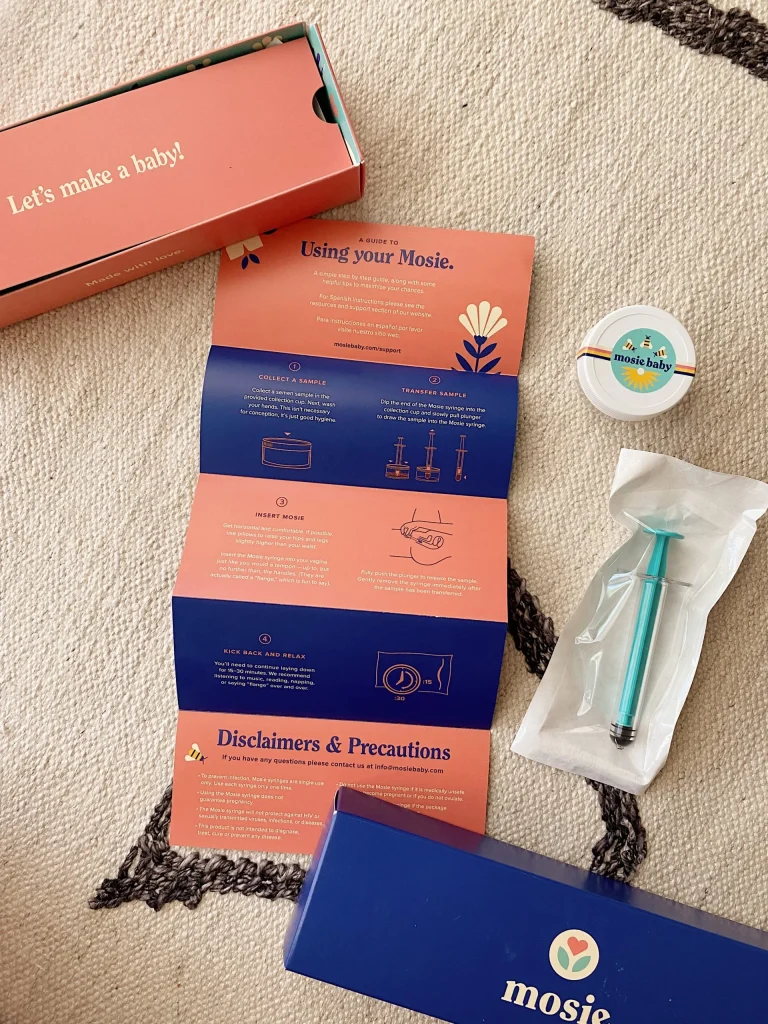
    The Insemination Syringe Set is easy to use and can be done in the comfort of your own home. Here are the steps to follow for successful at-home insemination using the set:

    Step 1: Prepare the Speculum

    The speculum is used to hold the vaginal walls open, making it easier to insert the catheter. Before using it, make sure to wash it with warm, soapy water and sterilize it. You can also use a condom to cover the speculum for additional hygiene.

    Step 2: Prepare the Catheter

    The catheter is a thin, flexible tube that is inserted into the vagina and guided towards the cervix. Before using it, make sure to wash it with warm, soapy water and sterilize it. You can also use a condom to cover the catheter for additional hygiene.

    Step 3: Fill the Syringe

    Using the syringe, draw up the semen sample to the desired amount. Make sure to remove any air bubbles by gently tapping the syringe.

    Step 4: Assemble the Set

    Attach the catheter to the syringe, and then attach the syringe to the speculum. This will create a seamless connection between all the components.

    Step 5: Insert the Speculum and Catheter

    guide and materials for using Mosie Baby fertility kit on a textured surface

    The Insemination Syringe Set: A Non-Invasive Alternative to Traditional Methods

    Using the speculum, gently open the vaginal walls and insert the catheter through the cervix.

    Step 6: Inseminate

    Slowly inject the semen into the uterus using the syringe. Once the syringe is empty, carefully remove the catheter and speculum.

    Step 7: Rest and Wait

    After insemination, it’s essential to rest for 15-30 minutes to allow the sperm to swim towards the egg. It’s recommended to elevate your hips or lie down with a pillow under your pelvis to help the sperm reach the egg.

    Why choose the Insemination Syringe Set?

    There are several reasons why the Insemination Syringe Set may be the preferred method of fertility treatment for some couples. Here are some of the main advantages:

    1. Cost-effective: Traditional assisted reproductive methods can be expensive, making it difficult for some couples to afford. The Insemination Syringe Set is a more affordable option, making it accessible to a wider range of individuals.

    2. Non-invasive: Unlike other fertility treatments that involve injections, medications, and medical procedures, the Insemination Syringe Set is a non-invasive option that can be done at home.

    3. Privacy and comfort: Many couples may feel uncomfortable with the idea of undergoing fertility treatments in a medical setting. The at-home insemination process using the Insemination Syringe Set allows for privacy and comfort, making it a more appealing option for some.

    4. Control and flexibility: With the Insemination Syringe Set, couples have more control and flexibility over the timing of insemination. They can choose to do it in the comfort of their own home, and at a time that works best for them.

    5. Natural process: The Insemination Syringe Set mimics the natural process of IUI, making it a more natural and less stressful option for couples.

    Is the Insemination Syringe Set right for you?

    While the Insemination Syringe Set may be a suitable option for some couples, it’s essential to consult with a fertility specialist before making any decisions. They can provide you with personalized recommendations based on your specific situation and needs.

    In conclusion, the Insemination Syringe Set offers a non-invasive, cost-effective, and convenient alternative to traditional fertility treatments. With its ease of use and natural process, it may be the perfect solution for couples looking to conceive at home. As always, it’s essential to consult with a medical professional before making any decisions regarding fertility treatments.

  • Empowering Women: How a Syringe Kit Can Help in Insemination

    Empowering Women: How a Syringe Kit Can Help in Insemination

    Insemination is the process of placing sperm into a woman’s reproductive tract, usually through artificial means. This procedure is often used by couples struggling with fertility issues or by single women who want to conceive without a male partner. In the past, insemination was primarily done in a medical setting, but with the advancements in technology and the growing acceptance of alternative family structures, more women are turning to at-home insemination. And with the help of a simple syringe kit, women can now take the power of their fertility into their own hands.

    The concept of at-home insemination may seem daunting and complicated, but with the right tools and knowledge, it can be a simple and empowering experience for women. And that’s where the syringe kit comes in. This kit contains all the necessary tools for at-home insemination, including a syringe, a vial for the sperm, and instructions on how to perform the procedure. But how exactly does this kit empower women? Let’s break it down.

    1. Accessibility

    One of the most significant advantages of using a syringe kit for insemination is accessibility. With at-home insemination, women no longer have to rely on medical professionals or expensive fertility clinics to conceive. This puts the power back into their hands and allows them to take control of their fertility journey. Furthermore, syringe kits are readily available online, making it easier for women to access them discreetly and without any judgment.

    2. Cost-effective

    Fertility treatments can be extremely expensive, leaving many women unable to afford them. However, with an at-home insemination syringe kit, the cost is significantly reduced. These kits are relatively affordable, and they eliminate the need for expensive medical procedures or fertility drugs. This makes it a more viable option for women who cannot afford traditional fertility treatments.

    3. Privacy

    illustration of Mosie Baby home insemination kit highlighting seamless transfer and size features

    Empowering Women: How a Syringe Kit Can Help in Insemination

    For some women, the idea of going to a fertility clinic and discussing their personal struggles with a stranger can be uncomfortable and invasive. At-home insemination allows women to have complete privacy and perform the procedure in the comfort of their own home. This not only removes any potential embarrassment or judgment but also gives women the freedom to choose who they want to involve in the process.

    4. Flexibility

    Traditional insemination methods often require women to track their ovulation and schedule appointments accordingly. This can be challenging for women with busy schedules or those who live in rural areas with limited access to fertility clinics. With at-home insemination, women have the flexibility to perform the procedure at any time, making it easier to fit into their busy lives.

    5. Empowerment

    Perhaps the most significant way a syringe kit empowers women is by giving them control over their fertility journey. With traditional insemination methods, women often have to rely on a partner or a medical professional to perform the procedure. However, with an at-home kit, women can take the reins and perform the insemination themselves. This not only gives them a sense of empowerment but also allows them to have a more intimate and personal experience.

    6. Inclusivity

    At-home insemination and syringe kits have opened up a world of possibilities for women who may not have been able to conceive through traditional methods. This includes LGBTQ+ couples and single women who want to start a family. The use of a syringe kit in insemination eliminates the need for a male partner, making it a more inclusive and accessible option for women of all backgrounds.

    In conclusion, the use of a syringe kit in at-home insemination is a game-changer for women. It not only provides a more affordable and accessible option for conceiving but also gives women the power to take control of their fertility journey. By eliminating the need for medical professionals and providing privacy and flexibility, these kits empower women to make their own decisions about their reproductive health. And with the growing acceptance of alternative family structures, syringe kits are helping to create a more inclusive and empowering environment for women and their fertility.

  • The Power of Choice: Why Some Couples Choose Home Insemination

    Blog post:

    The decision to start a family is a deeply personal one for many couples. While some may choose to conceive through traditional methods or medical interventions, there is another option that is gaining popularity among couples: home insemination. Home insemination involves the use of donor sperm to impregnate the female partner at home, without the need for medical intervention. This choice may seem unconventional to some, but for many couples, it is a powerful and empowering decision. In this blog post, we will explore the power of choice and why some couples choose home insemination to start their families.

    Choice is a fundamental aspect of human existence. It allows us to shape our lives according to our own desires and needs. When it comes to starting a family, the power of choice is especially important. For many couples, the traditional methods of conception may not be feasible or desirable. This could be due to a variety of reasons, such as fertility issues, financial constraints, or personal beliefs. Whatever the reason may be, home insemination offers an alternative that allows couples to take control of their own reproductive journey.

    One of the main reasons why some couples choose home insemination is the cost-effectiveness of this method. Traditional fertility treatments can be expensive and may not be covered by insurance. On the other hand, home insemination can be done at a fraction of the cost, making it a more accessible option for many couples. This financial freedom allows couples to make their own decisions about their reproductive journey without the added burden of financial strain.

    Another factor that plays a significant role in the decision to choose home insemination is the flexibility it offers. Traditional fertility treatments often require couples to adhere to strict schedules and visit medical facilities frequently. This can be stressful and disruptive to daily life. Home insemination, on the other hand, allows couples to choose the time and place that is most convenient for them. This flexibility can be especially beneficial for individuals with busy schedules or those who live in remote areas without easy access to medical facilities.

    two teal and clear syringes positioned on a white background

    The Power of Choice: Why Some Couples Choose Home Insemination

    Aside from practical considerations, home insemination also offers a sense of privacy and intimacy that traditional methods may lack. For some couples, the idea of conceiving in a medical setting can be uncomfortable or intrusive. Home insemination allows couples to create a more intimate and personal experience, which can be empowering for both partners. The process can also strengthen the bond between the couple, as they work together to achieve their goal of starting a family.

    Furthermore, home insemination allows couples to have more control over the donor selection process. In traditional methods, the donor is often anonymous, and the couple has limited information about the donor’s background and health history. With home insemination, couples have the option to choose a known donor, such as a friend or family member, or to use a reputable sperm bank. This choice can provide a sense of security and peace of mind for couples, as they have more control over the genetic makeup of their future child.

    In addition to these practical and personal reasons, home insemination also holds symbolic value for many couples. By choosing this method, couples are challenging societal norms and taking ownership of their reproductive journey. This can be especially empowering for same-sex couples or individuals who have faced discrimination or challenges in their quest to start a family. Home insemination allows them to create their own path and define their own family on their terms.

    In conclusion, the power of choice is a significant factor in why some couples choose home insemination. This method offers financial freedom, flexibility, privacy, control, and empowerment, making it a viable and desirable option for many couples. By choosing home insemination, couples are making a powerful statement about their reproductive autonomy and taking control of their own journey towards parenthood.

    Summary:

    For many couples, starting a family is a deeply personal decision. Home insemination, the use of donor sperm to conceive at home without medical intervention, offers a powerful and empowering choice for some couples. The cost-effectiveness, flexibility, privacy, control, and symbolic value of this method make it an attractive option for many. It allows couples to take control of their reproductive journey and create their own path towards parenthood.