Tag: preparation

  • Tips for a Successful Non-Invasive Insemination Procedure

    Becoming pregnant is a significant moment in a person’s life. For some, the journey to parenthood may require assistance, such as a non-invasive insemination procedure. This process involves placing sperm inside the uterus to increase the chances of fertilization and conception. While it may sound simple, there are several things to consider to ensure a successful non-invasive insemination procedure. In this blog post, we will discuss tips for a successful non-invasive insemination procedure, from preparation to post-procedure care.

    Preparation is key before undergoing any medical procedure, and non-invasive insemination is no exception. The first step is to consult with a fertility specialist to determine if this is the right procedure for you. The specialist will conduct a thorough medical evaluation to assess your reproductive health and identify any potential issues. It is essential to be transparent and provide accurate information to the doctor to ensure the best possible outcome.

    Once you and your doctor have decided on non-invasive insemination, the next step is to prepare your body for the procedure. This includes maintaining a healthy diet, exercising regularly, and taking prenatal vitamins. A healthy body can increase the chances of successful fertilization and a healthy pregnancy. It is also crucial to avoid alcohol, tobacco, and drugs, as they can affect fertility.

    Timing is crucial when it comes to non-invasive insemination. The procedure should be done during the ovulation period, which is when the egg is released from the ovary. This usually occurs around day 14 of a 28-day menstrual cycle. To ensure accurate timing, your doctor may recommend using an ovulation predictor kit or monitoring your basal body temperature. It is also important to have intercourse around the time of ovulation to increase the chances of successful fertilization.

    During the non-invasive insemination procedure, the sperm is placed directly into the uterus through a thin catheter. To prepare for this, it is recommended to empty your bladder before the procedure. It is also essential to relax and stay calm during the procedure. Some doctors may recommend taking a mild pain reliever beforehand to reduce discomfort.

    After the procedure, it is crucial to rest and avoid any strenuous activities for at least 24 hours. This will give the sperm time to travel to the fallopian tubes and increase the chances of fertilization. It is also recommended to avoid intercourse for a couple of days after the procedure. Your doctor may also prescribe progesterone supplements to support the uterine lining and increase the chances of implantation.

    At-home insemination kit with ovulation and pregnancy tests, promoting fertility and family planning.

    Tips for a Successful Non-Invasive Insemination Procedure

    While waiting to find out if the procedure was successful, it is essential to take care of your emotional and mental well-being. The two-week wait can be emotionally challenging, so it is crucial to have a support system and practice self-care. This can include activities such as yoga, meditation, or talking to a therapist. It is also important to avoid stress as it can affect fertility.

    If the non-invasive insemination procedure is successful, you may experience early pregnancy symptoms such as breast tenderness, nausea, and fatigue. However, these symptoms can also be caused by hormonal changes, so it is best not to read too much into them. It is vital to wait for a pregnancy test to confirm if the procedure was successful.

    In some cases, the first non-invasive insemination procedure may not be successful. It is essential to stay positive and keep trying. Your doctor may recommend trying the procedure again during another ovulation cycle. They may also suggest other fertility treatments, such as in vitro fertilization (IVF).

    In conclusion, non-invasive insemination can be a successful way to conceive for individuals and couples struggling with fertility issues. By following these tips, you can increase your chances of a successful procedure and ultimately, a healthy pregnancy. Remember to be patient, stay positive, and seek support if needed. With the right mindset and preparation, you can achieve your dream of starting a family.

    Summary:

    Non-invasive insemination can be an effective method for individuals and couples struggling with fertility issues to conceive. To increase the chances of a successful procedure, it is important to prepare your body beforehand through a healthy lifestyle, timing the procedure correctly, and taking care of your emotional well-being. After the procedure, it is crucial to rest and avoid stress, and to keep a positive attitude if the first attempt is not successful. With patience and determination, you can achieve your dream of starting a family through non-invasive insemination.

  • Preparing for Home Insemination: Physical and Mental Health

    Blog Post: Preparing for Home Insemination: Physical and Mental Health

    Bringing a new life into the world is a beautiful and exciting journey, and for some individuals or couples, home insemination may be the path they choose. Whether it be due to fertility struggles, wanting to have a child without a partner, or any other personal reason, home insemination allows individuals or couples to take control of their reproductive journey. However, before embarking on this venture, it is essential to prepare both physically and mentally for this process. In this blog post, we will discuss the necessary steps to take to ensure a successful and healthy home insemination experience.

    Physical Health Preparation

    1. Consult with a Healthcare Provider

    Before proceeding with home insemination, it is crucial to consult with a healthcare provider. They will be able to give you personalized advice and recommendations based on your medical history and any potential risk factors. They can also perform any necessary tests to ensure that you and your partner are physically ready for the insemination process.

    2. Track Your Ovulation

    Tracking your ovulation is a crucial step in the home insemination process. This involves monitoring your menstrual cycle and identifying when you are most fertile. There are various methods of tracking ovulation, including using ovulation predictor kits, tracking basal body temperature, or monitoring changes in cervical mucus. Knowing your ovulation window will help you time the insemination at the most optimal time for conception.

    3. Practice Good Hygiene

    Maintaining good hygiene is of utmost importance when preparing for home insemination. This includes washing your hands and any equipment used in the process thoroughly. It is also recommended to avoid any scented products in the genital area, as they can interfere with sperm motility.

    4. Consider Supplements and Nutrition

    comparison of Mosie syringe opening versus standard syringe opening with text highlighting benefits

    Preparing for Home Insemination: Physical and Mental Health

    Certain supplements and nutrition can help improve fertility and increase the chances of successful insemination. These include folic acid, vitamin D, and omega-3 fatty acids. It is essential to consult with a healthcare provider before starting any new supplements or making significant changes to your diet.

    Mental Health Preparation

    1. Communicate with Your Partner

    Open and honest communication with your partner is crucial when preparing for home insemination. This journey can be emotionally taxing, and it is essential to have a supportive partner by your side. Talk about your feelings, expectations, and any concerns you may have. This will help strengthen your bond and ensure that you are both on the same page.

    2. Seek Support from Friends and Family

    Having a strong support system during this journey can make a significant difference in your mental health. Reach out to friends and family who you feel comfortable sharing this experience with. They can provide emotional support and be a source of positivity and encouragement.

    3. Educate Yourself

    The more you know about the home insemination process, the more confident and prepared you will feel. Do your research and educate yourself on the various methods of insemination, potential risks, and what to expect during and after the process. You can also seek guidance from online forums or support groups of individuals who have gone through home insemination themselves.

    4. Practice Relaxation Techniques

    The home insemination process can be stressful, and it is essential to find ways to relax and manage any anxiety or tension. This can include practices such as meditation, yoga, deep breathing, or any activity that helps you destress. Relaxation techniques can also be beneficial during the actual insemination process to help you stay calm and focused.

    In summary, preparing for home insemination involves both physical and mental health preparation. It is crucial to consult with a healthcare provider, track ovulation, practice good hygiene, and consider supplements and nutrition for physical health preparation. For mental health preparation, communicate with your partner, seek support from friends and family, educate yourself, and practice relaxation techniques. By taking these steps, you can ensure a healthy and successful home insemination experience.

  • The Importance of Preparation for Home Insemination

    Blog Post:

    In recent years, more and more couples are turning to home insemination as a means of starting a family. This method involves the direct insertion of semen into the cervix or uterus, bypassing the need for sexual intercourse. While home insemination can be a convenient and cost-effective option for many, it is crucial to understand the importance of preparation before embarking on this journey.

    First and foremost, it is essential to consult with a medical professional before attempting home insemination. A doctor can provide guidance on the process and ensure that both partners are in good health. They can also rule out any underlying fertility issues that may affect the success of the insemination.

    Once you have the green light from your doctor, it is crucial to prepare your body for the insemination process. This includes tracking ovulation, maintaining a healthy diet and lifestyle, and taking necessary supplements. Tracking ovulation is crucial because it helps determine the best time for insemination. This can be done through ovulation predictor kits, fertility apps, or monitoring changes in cervical mucus. It is also essential to maintain a healthy diet and lifestyle to optimize your chances of conception. This includes eating a balanced diet, avoiding harmful substances like alcohol and tobacco, and exercising regularly. Additionally, taking supplements such as folic acid, vitamin D, and zinc can help boost fertility and increase the chances of a successful insemination.

    Aside from physical preparation, it is essential to also prepare emotionally and mentally for home insemination. Starting a family is a big decision, and it can be an emotional rollercoaster for both partners. It is crucial to have open and honest communication with your partner about your expectations, fears, and concerns. Seeking support from friends, family, or a therapist can also be helpful in managing any emotional challenges that may arise during the process.

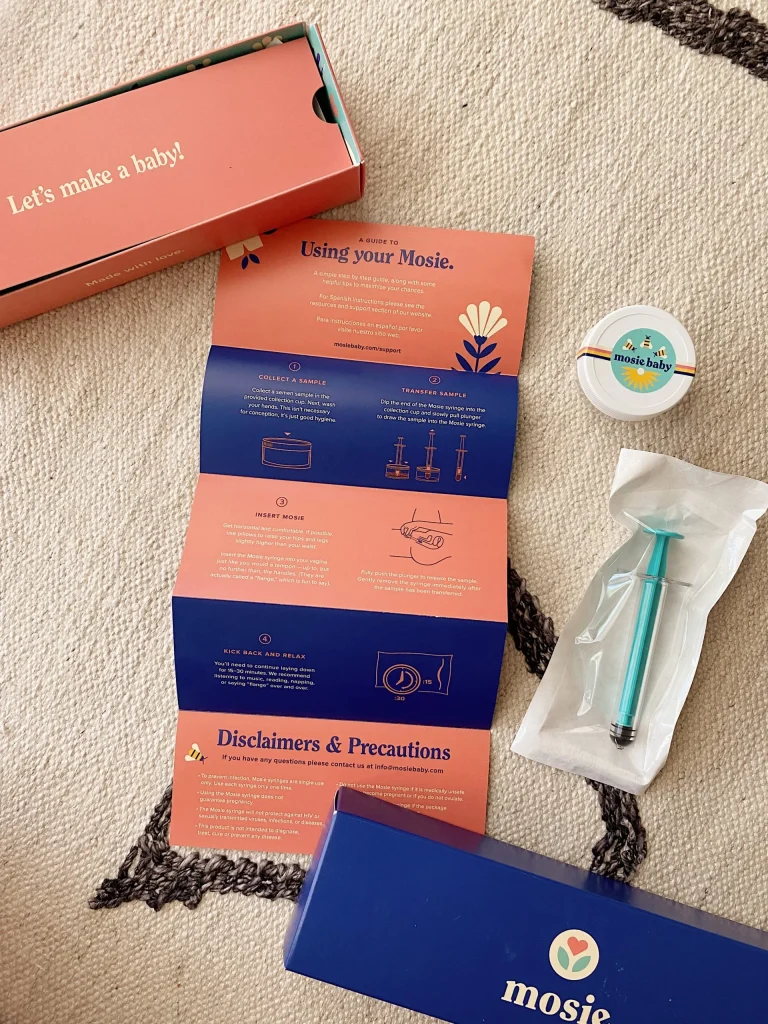
    guide and materials for using Mosie Baby fertility kit on a textured surface

    The Importance of Preparation for Home Insemination

    Another crucial aspect of preparation for home insemination is having all the necessary supplies and equipment. This includes a sterile syringe or turkey baster for insemination, ovulation predictor kits, and a clean and comfortable environment for the process. It is also essential to have a backup plan in case the first attempt is not successful. This can include having extra supplies and scheduling a follow-up insemination if needed.

    Furthermore, it is crucial to research and understand the legal implications of home insemination. In some countries, home insemination is not regulated, while in others, it is considered a medical procedure and requires a licensed professional. It is important to know the laws and regulations in your area to avoid any legal issues.

    Lastly, it is crucial to have a support system in place during the home insemination process. This can include your partner, friends, family, or a support group. Having people to lean on and share your experience with can make the process less daunting and more manageable.

    In conclusion, the importance of preparation for home insemination cannot be overstated. It is crucial to consult with a medical professional, prepare your body physically and emotionally, have all the necessary supplies, understand the legal implications, and have a support system in place. By taking the time to prepare adequately, you can increase your chances of a successful home insemination and start your journey towards parenthood.

    Summary:

    Home insemination is a popular method for couples looking to start a family without sexual intercourse. However, preparation is crucial for a successful insemination. This includes consulting with a doctor, tracking ovulation, maintaining a healthy lifestyle, and taking necessary supplements. It is also essential to prepare emotionally, have all the necessary supplies, understand the legal implications, and have a support system in place. By adequately preparing, couples can increase their chances of success and start their journey towards parenthood.

  • Making the Most of the Syringe Method: Tips for Successful Natural Conception

    Blog Post:

    For couples who are struggling to conceive, the syringe method can be a helpful tool for natural conception. This method involves using a syringe to insert sperm directly into the cervix, increasing the chances of fertilization. While it may seem like a simple process, there are certain tips and techniques that can help maximize its effectiveness. In this blog post, we will discuss how to make the most of the syringe method for successful natural conception.

    1. Understand the Ovulation Cycle

    Before attempting the syringe method, it is important to have a thorough understanding of the ovulation cycle. This is the window of time when a woman is most likely to conceive. The egg is only viable for 12-24 hours after ovulation, so it is crucial to time the syringe method correctly. Ovulation typically occurs around day 14 of a 28-day cycle, but this can vary for each individual. Keeping track of your menstrual cycle and using ovulation predictor kits can help identify the most fertile days for conception.

    2. Quality of Sperm

    The success of the syringe method also depends on the quality of the sperm being used. It is recommended to use fresh sperm from a trusted donor, such as a partner or a sperm bank. The sperm should be collected on the day of ovulation or the day before for optimal results. It is important to note that frozen sperm may not survive as well during the insertion process.

    3. Preparation is Key

    Proper preparation is crucial for a successful syringe method. Both the sperm and the syringe should be at room temperature before insertion. The syringe should also be thoroughly cleaned and sterilized before use. It is recommended to use a syringe with a catheter tip for easier insertion. Additionally, the woman should be in a comfortable and relaxed position to make the process as smooth as possible.

    4. Know the Anatomy

    pregnancy test kit with instructions, test device, and packaging on a white background

    Making the Most of the Syringe Method: Tips for Successful Natural Conception

    Understanding the anatomy of the cervix is essential for the syringe method. The cervix is located at the end of the vaginal canal and is the opening to the uterus. It has a small opening that allows sperm to enter and travel to the fallopian tubes where fertilization occurs. During ovulation, the cervix produces cervical mucus that helps sperm travel through to the uterus. This mucus is thin and slippery, making it easier for sperm to reach the egg. It is important to be aware of this mucus and use it as a guide for the syringe insertion.

    5. Insertion Technique

    Inserting the sperm with a syringe can be a delicate process, and it is important to do it correctly for the best results. The syringe should be filled with the sperm and then inserted into the vagina. The tip of the syringe should be gently guided towards the cervix and inserted into the opening. Once the syringe is in place, the sperm should be slowly and steadily released into the cervix. It is important to avoid any sudden movements or forceful insertion as this can cause discomfort or even injury.

    6. Relax and Stay Positive

    Trying to conceive can be a stressful and emotional journey, but it is important to stay relaxed and positive during the syringe method. Stress can have a negative impact on fertility, so it is important to find ways to relax and reduce stress. This can include practicing breathing exercises, meditation, or engaging in activities that bring joy and relaxation. Positive thoughts and emotions can also improve the chances of conception, so it is important to maintain a positive mindset throughout the process.

    7. Be Patient

    While the syringe method can be an effective tool for natural conception, it may not work for everyone on the first try. It is important to be patient and not get discouraged if it does not result in pregnancy immediately. It may take a few attempts before achieving success, so it is important to keep trying and not give up hope.

    In conclusion, the syringe method can be a helpful option for couples struggling with natural conception. By understanding the ovulation cycle, using high-quality sperm, proper preparation, knowing the anatomy, and using the correct insertion technique, the chances of success can be maximized. Staying relaxed, positive, and patient are also key factors in the process. With these tips in mind, couples can make the most of the syringe method and increase their chances of successful natural conception.

    Summary:

    The syringe method can be a helpful tool for couples trying to conceive naturally. To make the most of this method, it is important to understand the ovulation cycle, use high-quality sperm, properly prepare, know the anatomy, and use the correct insertion technique. Staying relaxed, positive, and patient are also crucial for success. By following these tips, couples can increase their chances of successful natural conception using the syringe method.

  • Navigating the Syringe Method for Natural Conception: Tips and Tricks

    Navigating the Syringe Method for Natural Conception: Tips and Tricks

    When it comes to trying to conceive, couples often turn to various methods and techniques to increase their chances of success. One such method that has gained popularity in recent years is the syringe method. This method involves using a needleless syringe to deposit semen directly into the cervix, bypassing the vaginal canal and increasing the chances of conception. While it may seem simple, there are still some important tips and tricks to keep in mind when using the syringe method for natural conception.

    Tip #1: Understand the Science behind the Syringe Method

    Before diving into the tips and tricks, it’s important to understand the science behind the syringe method. This method works by depositing semen directly into the cervix, which is the opening of the uterus. By bypassing the vaginal canal, the sperm has a shorter distance to travel to reach the egg, increasing the chances of fertilization. Additionally, the syringe method can also help to overcome any potential obstacles in the vaginal canal, such as low sperm count or hostile cervical mucus.

    Tip #2: Timing is Everything

    Timing is crucial when it comes to using the syringe method for natural conception. It’s important to understand your menstrual cycle and pinpoint your ovulation window. The best time to use the syringe method is during ovulation or a day before ovulation. This will ensure that the sperm is present in the fallopian tubes when the egg is released, increasing the chances of fertilization. Additionally, it’s important to wait for at least 30 minutes after ejaculation to allow the sperm to liquefy before using the syringe.

    Tip #3: Prepare the Syringe Properly

    hand holding a syringe with a blue plunger against a solid blue background

    Navigating the Syringe Method for Natural Conception: Tips and Tricks

    Proper preparation of the syringe is essential for successful use. It’s important to use a sterile, needleless syringe to avoid any potential infections. Additionally, make sure to remove any air bubbles from the syringe before use, as they can decrease the amount of semen being deposited into the cervix. It’s also a good idea to practice using the syringe with water before trying it with semen to get comfortable with the process.

    Tip #4: Find a Comfortable Position

    Finding a comfortable position is key when using the syringe method for natural conception. Some couples prefer to use the method while lying down with their legs elevated, while others find it easier to use while sitting on the toilet. Experiment with different positions to find what works best for you and your partner. It’s also important to stay relaxed and avoid tensing up, as this can make the process more difficult and uncomfortable.

    Tip #5: Involve Your Partner

    While the syringe method may seem like a task only one partner can do, it’s important to involve your partner in the process. This will not only make it a more intimate experience, but it can also help with the success of the method. Your partner can help with preparing the syringe, finding a comfortable position, and providing emotional support during the process.

    Tip #6: Be Patient and Keep Trying

    Just like with any other method of conception, it’s important to be patient and keep trying. The syringe method may not work on the first try, and it may take a few cycles before seeing success. It’s important to not get discouraged and to keep trying. You can also consult with a fertility specialist for further guidance and assistance.

    In conclusion, the syringe method can be an effective and convenient way to increase the chances of natural conception. By understanding the science behind it, timing it correctly, preparing the syringe properly, finding a comfortable position, involving your partner, and being patient, you can navigate this method successfully and increase your chances of conceiving naturally.

  • The Power of Preparation: How a Natural Conception Kit Can Help You Achieve Parenthood

    Summary:

    Parenthood is a journey that many people aspire to embark on. However, for some, conceiving a child can be a challenging and emotional experience. The process of trying to conceive can be both physically and emotionally taxing, as it requires a lot of time, effort, and patience. This is where the power of preparation comes into play. By being prepared, couples can increase their chances of successfully conceiving and achieving parenthood.

    One of the tools that can greatly aid in preparation for conception is a natural conception kit. These kits are designed to help couples optimize their chances of conceiving naturally by providing them with all the necessary tools and resources. In this blog post, we will explore the power of preparation and how a natural conception kit can help you achieve parenthood.

    The Importance of Preparation for Conception

    Preparation is key in all aspects of life, and the journey to parenthood is no exception. It is essential for couples to be physically, mentally, and emotionally prepared before trying to conceive. This involves making lifestyle changes, tracking ovulation, and addressing any underlying health issues that may affect fertility.

    Lifestyle changes such as maintaining a healthy diet, exercising regularly, and avoiding harmful substances like alcohol and tobacco can greatly improve fertility. Additionally, tracking ovulation can help couples identify the most fertile days in a woman’s cycle and increase their chances of conception. Addressing any underlying health issues, such as hormonal imbalances or reproductive disorders, can also greatly improve the chances of successful conception.

    The Power of a Natural Conception Kit

    While there are various methods and tools available to help couples prepare for conception, a natural conception kit is a comprehensive and convenient option. These kits typically contain all the necessary tools and resources needed to optimize fertility and increase the chances of conception.

    One of the main components of a natural conception kit is an ovulation tracker. This device can accurately predict a woman’s fertile days by tracking her basal body temperature and hormone levels. This information can then be used to time intercourse during the most fertile days, increasing the chances of conception.

    Instructions for reading pregnancy test results with visual indicators for "Not Pregnant," "Pregnant," and "Invalid.

    The Power of Preparation: How a Natural Conception Kit Can Help You Achieve Parenthood

    Another important tool found in natural conception kits is a fertility supplement. These supplements are specifically formulated with essential vitamins, minerals, and herbs that can help improve reproductive health and increase fertility. They can also help balance hormones, regulate ovulation, and improve sperm quality, all of which are crucial for conception.

    In addition to these tools, natural conception kits often include educational resources such as fertility books and guides. These resources can provide couples with valuable information on how to optimize their chances of conception, as well as tips for maintaining a healthy pregnancy and preparing for parenthood.

    The Benefits of Using a Natural Conception Kit

    There are many benefits to using a natural conception kit in preparation for parenthood. Firstly, these kits provide couples with all the necessary tools and resources in one convenient package, eliminating the need to purchase each item separately. This not only saves time and effort but also ensures that all the tools are compatible and work together effectively.

    Additionally, natural conception kits are designed to be user-friendly, making them accessible to all couples, regardless of their level of knowledge or experience with fertility. The educational resources included in these kits can also help couples better understand the process of conception and prepare them for the journey ahead.

    Moreover, natural conception kits are a cost-effective option compared to other methods of fertility enhancement, such as medical treatments or procedures. They also offer a more natural and non-invasive approach to improving fertility, which may be preferred by some couples.

    The Emotional Impact of Preparation

    Aside from the physical benefits, the power of preparation can also have a significant emotional impact on couples trying to conceive. The process of trying to conceive can be emotionally taxing, and the uncertainty and disappointment of unsuccessful attempts can take a toll on couples. However, by being prepared and taking proactive steps towards optimizing fertility, couples can feel more in control of the situation and alleviate some of the stress and anxiety associated with trying to conceive.

    Furthermore, the educational resources in natural conception kits can also provide emotional support and reassurance to couples. They may offer tips for managing stress and emotions during the journey to parenthood, as well as advice for maintaining a healthy relationship with a partner throughout the process.

    In conclusion, the power of preparation cannot be underestimated when it comes to achieving parenthood. By making lifestyle changes, addressing health issues, and using tools such as natural conception kits, couples can greatly increase their chances of successfully conceiving. These kits offer a convenient, cost-effective, and natural approach to preparing for parenthood, while also providing valuable educational resources and emotional support. With the help of a natural conception kit, couples can feel more confident and in control of their journey to parenthood.

  • Tips for a Stress-Free At-Home Insemination Experience with the Syringe Method

    At-home insemination is becoming an increasingly popular option for couples and individuals looking to start or expand their families. With the rise of fertility treatments and advancements in technology, it is now possible to perform insemination in the comfort of your own home using the syringe method. This method involves injecting sperm into the cervix or uterus using a syringe, without the need for medical intervention. While it may seem daunting at first, with the right preparation and guidance, the process can be a stress-free and successful experience. In this blog post, we will discuss tips for a stress-free at-home insemination experience with the syringe method.

    1. Do Your Research
    Before embarking on the at-home insemination process, it is essential to do your research. Familiarize yourself with the steps involved, potential risks, and success rates. Read up on different techniques and choose the one that feels most comfortable for you. It is also essential to consult with a medical professional to ensure that the process is safe for you and your partner.

    2. Prepare Your Body
    Preparing your body for insemination is crucial for a successful experience. Ensure that you are in good overall health and that your reproductive system is functioning correctly. You can track your menstrual cycle using ovulation predictor kits or a basal body temperature chart to determine the most fertile days of your cycle. It is also recommended to avoid alcohol, caffeine, and smoking, as these can impact fertility.

    3. Choose the Right Sperm
    Selecting the right sperm is a crucial step in the at-home insemination process. You can use donor sperm from a sperm bank or use sperm from a known donor, such as a friend or family member. It is essential to discuss and agree upon the donor’s involvement and any legal implications beforehand. If using a sperm bank, ensure that the sperm is tested and screened for any potential health risks.

    4. Prepare Your Supplies
    Before beginning the insemination process, ensure that you have all the necessary supplies. These may include a sterile syringe, specimen cup, gloves, and a speculum. It is also essential to have a comfortable and private space where you can perform the insemination. Having all the supplies ready beforehand can help reduce stress and make the process smoother.

    various medical supplies and containers organized in a clear plastic box on a wooden surface

    Tips for a Stress-Free At-Home Insemination Experience with the Syringe Method

    5. Follow Proper Hygiene
    Maintaining proper hygiene is crucial during the at-home insemination process. Wash your hands before handling any supplies or sperm. It is also recommended to use sterile gloves and to sanitize all equipment before use. This can help reduce the risk of infection and increase the chances of success.

    6. Find a Comfortable Position
    Finding a comfortable position for the insemination process is essential for both the inseminator and the receiver. The receiver can lie on their back with their hips elevated on a pillow, while the inseminator can kneel or stand beside them. It is essential to maintain a relaxed and comfortable posture throughout the process.

    7. Inject the Sperm Slowly and Gently
    When injecting the sperm, it is crucial to do so slowly and gently. This can help reduce discomfort and increase the chances of the sperm reaching the cervix or uterus. Use a sterile syringe and follow the instructions provided by your healthcare provider or donor sperm bank. It is also recommended to keep the sperm at room temperature before the insemination process.

    8. Remain Lying Down
    After the insemination process, it is recommended for the receiver to remain lying down for 10-15 minutes. This can help the sperm travel towards the cervix and increase the chances of fertilization. It is also essential to avoid any physical activity or using the bathroom immediately after the process.

    9. Take Care of Yourself
    Insemination can be an emotional and physically taxing process. It is essential to take care of yourself and your partner during this time. Talk openly about any fears or concerns you may have and seek support from loved ones or a therapist if needed. It is also essential to practice self-care and relaxation techniques to reduce stress and anxiety.

    In conclusion, at-home insemination with the syringe method can be a stress-free and successful experience with proper preparation and precautions. Doing your research, preparing your body, choosing the right sperm, and maintaining proper hygiene can all contribute to a smooth and stress-free process. Finding a comfortable position, injecting the sperm slowly and gently, and taking care of yourself during and after the process can also increase the chances of success. Remember to always consult with a medical professional and follow their instructions for the best results. With these tips in mind, you can have a stress-free at-home insemination experience and take a step closer towards starting or expanding your family.

  • The Role of Communication in At-Home Insemination with the Syringe Method

    Title: The Role of Communication in At-Home Insemination with the Syringe Method

    Introduction:

    At-home insemination with the syringe method has become a popular option for couples and individuals who are trying to conceive. This method involves using a syringe to insert semen into the vagina, bypassing the need for traditional intercourse. While this method may seem straightforward, effective communication between partners is crucial for a successful insemination.

    Communication and Consent:

    The first step in the process of at-home insemination with the syringe method is effective communication between partners. Both parties must be on the same page and consent to the process. This includes discussing the decision to try at-home insemination, understanding the risks and potential outcomes, and establishing boundaries and expectations. Without clear and open communication, the process may cause strain and tension in the relationship, which can affect the chances of success. It is also essential to have regular check-ins throughout the process to ensure that both partners are still comfortable and committed to the process.

    Timing and Ovulation Tracking:

    Timing is crucial when it comes to at-home insemination with the syringe method. It is essential to track ovulation accurately to increase the chances of conception. This is where communication plays a significant role. Partners must communicate openly about the ovulation tracking methods they are using, such as ovulation predictor kits or tracking basal body temperature. They must also communicate about the timing of insemination, as it is essential to do it as close to ovulation as possible. Planning and coordinating these factors require communication and teamwork between partners.

    Preparation and Hygiene:

    Before the insemination process, communication is necessary to ensure that both partners are adequately prepared. The donor must follow proper hygiene practices, including washing their hands and genitals before collecting the semen sample. The recipient must also prepare by emptying their bladder and washing their hands and genitals before the process. Effective communication can help prevent any potential discomfort or awkwardness during this preparation stage.

    hand holding a syringe with a blue plunger against a solid blue background

    The Role of Communication in At-Home Insemination with the Syringe Method

    Insemination Process and Technique:

    During the actual insemination process, communication is vital to ensure that both partners are comfortable and understand the technique. The donor must communicate about the method they are using to collect the semen sample, whether it is through masturbation or using a collection cup. They must also communicate about the amount of semen being collected and any potential issues, such as difficulty ejaculating. The recipient must also communicate about their comfort level and any discomfort they may experience during the insertion of the syringe. Both partners must also be aware of the proper technique for inserting the syringe, as this can greatly affect the chances of success.

    Post-Insemination Care:

    After the insemination process, communication is crucial for proper post-insemination care. The recipient must communicate any potential side effects, such as cramping or bleeding, to the donor. They must also communicate about any post-insemination activities or restrictions, such as avoiding vigorous physical activity or abstaining from sex for a certain period. Effective communication is necessary to ensure that both partners are aware of and adhere to these post-insemination guidelines.

    Dealing with Disappointment:

    Despite the best efforts and effective communication between partners, at-home insemination with the syringe method may not always result in a successful pregnancy. It is essential to have open and honest communication about any feelings of disappointment or frustration. This can help prevent any negative impact on the relationship and allow both partners to support each other during this challenging time. It is also essential to communicate openly about the next steps and whether to continue trying at-home insemination or explore other options.

    Conclusion:

    In conclusion, effective communication is crucial for a successful at-home insemination with the syringe method. From the initial decision to try the method to post-insemination care and dealing with disappointment, communication between partners is necessary for a positive experience. It not only increases the chances of success but also strengthens the relationship between partners by promoting trust, understanding, and support.

    Summary:

    At-home insemination with the syringe method offers a viable option for couples and individuals trying to conceive. However, effective communication between partners is crucial for success. Partners must communicate about consent, timing and ovulation tracking, preparation and hygiene, the insemination process and technique, post-insemination care, and dealing with disappointment. This promotes trust, understanding, and support, which can greatly impact the overall experience.



