Tag: sperm health

  • Cervical Mucus and Sperm Health: What You Need to Know

    Cervical mucus and sperm health are two important factors when it comes to fertility and conception. Cervical mucus plays a crucial role in helping sperm reach and fertilize the egg, while sperm health is essential for successful fertilization and conception. In this blog post, we will discuss the importance of cervical mucus and sperm health, how they affect fertility, and what you need to know to maximize your chances of getting pregnant.

    First, let’s understand what cervical mucus is and its role in fertility. Cervical mucus is a fluid produced by the cervix, the opening to the uterus, during a woman’s menstrual cycle. It changes in consistency and amount throughout the cycle due to hormonal changes. During the fertile window, which is typically around ovulation, cervical mucus becomes thin, stretchy, and slippery, resembling the consistency of egg whites. This type of mucus is known as fertile cervical mucus and is essential for sperm to survive and reach the egg.

    Fertile cervical mucus is crucial for sperm health and survival because it provides a hospitable environment for the sperm to swim through the cervix and into the uterus. The mucus also acts as a protective barrier, preventing harmful bacteria from entering the uterus and interfering with sperm health. Additionally, fertile cervical mucus contains enzymes that nourish and protect the sperm, increasing their chances of survival.

    On the other hand, sperm health is equally important for successful fertilization and conception. Sperm health refers to the quality and quantity of sperm. A man’s sperm needs to be healthy, mobile, and have the right shape to fertilize an egg successfully. Several factors can affect sperm health, such as lifestyle habits, medical conditions, and age.

    One of the most crucial factors that affect sperm health is semen quality. Semen is the fluid that carries sperm and provides them with the necessary nutrients and protection. To have good semen quality, a man needs to have a healthy balance of hormones, minerals, and vitamins. A deficiency in any of these nutrients can lead to poor sperm health and decreased fertility.

    Another important aspect of sperm health is sperm motility, which is the ability of sperm to swim and reach the egg. Sperm with poor motility may not be able to make it to the egg, resulting in infertility. Sperm morphology, the shape and size of sperm, is also essential for successful fertilization. Abnormalities in sperm morphology can make it difficult for sperm to penetrate the egg and fertilize it.

    Now that we understand the significance of cervical mucus and sperm health let’s discuss some tips that can help improve both and increase your chances of conceiving.

    1. Track your menstrual cycle: Knowing your menstrual cycle and when you are most likely to ovulate can help you time intercourse during your fertile window when cervical mucus is most fertile.

    Mosie Baby kit with two jars, a syringe, and a supportive message card inside a colorful box.

    Cervical Mucus and Sperm Health: What You Need to Know

    2. Stay hydrated: Drinking plenty of water can help improve cervical mucus production and ensure it has the right consistency to support sperm health.

    3. Quit smoking and limit alcohol intake: Smoking and excessive alcohol consumption can harm sperm health and decrease fertility.

    4. Eat a healthy diet: A well-balanced diet rich in nutrients can help improve overall health and, in turn, sperm health. Include foods rich in antioxidants, such as fruits and vegetables, to protect sperm from oxidative damage.

    5. Maintain a healthy weight: Being overweight or underweight can affect hormone levels and decrease fertility. Maintaining a healthy weight can help improve sperm health and increase the chances of conception.

    6. Consider supplements: Certain supplements, such as zinc, folate, and CoQ10, can help improve sperm health and increase fertility. Consult with your doctor before taking any supplements.

    7. Reduce stress: High levels of stress can interfere with hormone production and affect sperm health. Finding ways to manage stress, such as exercising, meditating, or therapy, can help improve fertility.

    In conclusion, cervical mucus and sperm health are crucial for successful fertilization and conception. Understanding their importance and implementing healthy habits can help improve both and increase your chances of getting pregnant. If you are struggling with fertility, it is essential to consult with a doctor to determine the underlying cause and explore treatment options.

    Summary:

    Cervical mucus and sperm health are essential for fertility and conception. Cervical mucus provides a hospitable environment for sperm to reach the egg, while sperm health is crucial for successful fertilization. Factors such as menstrual cycle tracking, hydration, a healthy diet, and stress management can help improve both cervical mucus and sperm health. If experiencing fertility issues, it is important to consult with a doctor for proper diagnosis and treatment.


  • The Connection Between Cervical Mucus and Sperm Health

    Blog Post:

    Cervical mucus and sperm health are two crucial factors that play a significant role in fertility and conception. The quality and quantity of cervical mucus can greatly impact the sperm’s ability to reach and fertilize an egg. In this blog post, we will explore the connection between cervical mucus and sperm health and how it can affect a couple’s chances of conceiving.

    Cervical mucus, also known as cervical fluid, is a natural substance produced by the cervix. It serves as a protective barrier for sperm, helping them survive and swim towards the egg. The consistency and texture of cervical mucus change throughout a woman’s menstrual cycle, and this is due to the levels of estrogen and progesterone in the body.

    During the early stages of the menstrual cycle, the cervical mucus is thick and sticky, making it difficult for sperm to penetrate. As the body prepares for ovulation, the mucus becomes thinner and more watery, creating an ideal environment for sperm to travel through. This type of cervical mucus is commonly referred to as “fertile” mucus and is a sign that a woman is approaching her most fertile days.

    The quality and quantity of cervical mucus are crucial for sperm health. If the cervical mucus is too thick, it can act as a barrier and prevent sperm from reaching the egg. On the other hand, if the mucus is too thin, it may not provide enough protection for the sperm and make it difficult for them to survive. Therefore, having the right type of cervical mucus is essential for sperm to reach and fertilize an egg successfully.

    One of the main components of cervical mucus is water, and it provides a nourishing environment for sperm. Without enough water, sperm can become dehydrated and lose their motility, making it challenging for them to swim towards the egg. This is why it is essential for women to stay hydrated, especially during their fertile days, to ensure there is enough water in their cervical mucus for sperm to survive.

    Colorful promotional image for Mosie Baby, featuring home insemination kit and encouraging text.

    The Connection Between Cervical Mucus and Sperm Health

    Another crucial factor in cervical mucus is its pH level. The vagina has a slightly acidic environment, and the cervix produces mucus with a similar pH level to maintain this balance. However, during ovulation, the pH level of cervical mucus becomes more alkaline, which is more favorable for sperm. This change in pH level helps the sperm to survive longer and reach the egg successfully.

    Now, let’s dive into the connection between cervical mucus and sperm health. As mentioned earlier, fertile cervical mucus helps sperm to survive and reach the egg. But not only does it provide a nourishing environment, but it also helps filter out unhealthy sperm. Sperm with low motility or abnormalities may not be able to penetrate the cervical mucus and reach the egg, reducing the chances of fertilization.

    Furthermore, cervical mucus also plays a role in protecting sperm from harmful bacteria and viruses. The cervix acts as a gatekeeper, and the mucus acts as a filter, allowing only healthy and viable sperm to pass through. This is why it is crucial for women to maintain good vaginal hygiene and avoid using products that may irritate the cervix and alter the quality of cervical mucus.

    On the other hand, sperm health can also affect the quality of cervical mucus. Sperm with low motility or high levels of DNA damage may not be able to penetrate the cervical mucus and reach the egg. This is why it is essential for men to maintain good overall health and make lifestyle changes, such as quitting smoking and reducing alcohol consumption, to improve their sperm health.

    In conclusion, cervical mucus and sperm health are interconnected and vital for fertility and conception. The right type of cervical mucus provides a nourishing environment for sperm and helps filter out unhealthy sperm, while healthy sperm can successfully penetrate the mucus and reach the egg. Therefore, it is essential for both men and women to take care of their overall health and make necessary lifestyle changes to improve their chances of conceiving.

    Summary:

    Cervical mucus and sperm health are crucial factors in fertility and conception. The quality and quantity of cervical mucus can greatly impact sperm’s ability to reach and fertilize an egg. Cervical mucus changes throughout the menstrual cycle and becomes thinner and more watery during ovulation, creating an ideal environment for sperm to travel through. The right type of cervical mucus is essential for sperm to reach and fertilize an egg successfully. On the other hand, sperm health can also affect the quality of cervical mucus. Sperm with low motility or high levels of DNA damage may not be able to penetrate the cervical mucus and reach the egg. Therefore, it is crucial for both men and women to maintain good overall health and make necessary lifestyle changes to improve their chances of conceiving.

  • The Role of Health and Nutrition in Successful Syringe Insemination

    Blog Post: The Role of Health and Nutrition in Successful Syringe Insemination

    Syringe insemination, also known as artificial insemination, is a technique used to help individuals or couples conceive a child. This method involves injecting sperm directly into a woman’s reproductive tract, bypassing the need for natural intercourse. While syringe insemination has been a popular option for many years, there are certain factors that can greatly impact its success rate. One of these factors is the overall health and nutrition of both the sperm donor and the recipient. In this blog post, we will explore the important role that health and nutrition play in successful syringe insemination.

    Sperm Health and Nutrition

    The quality of sperm is crucial for successful syringe insemination. Sperm cells are responsible for fertilizing the egg, and any abnormalities or deficiencies in sperm health can greatly reduce the chances of conception. One of the key factors that can affect sperm health is nutrition. A diet lacking in essential vitamins and minerals can result in low sperm count, poor motility, and abnormal morphology. On the other hand, a balanced and nutrient-rich diet can improve sperm quality and increase the likelihood of successful syringe insemination.

    Some of the key nutrients that are essential for healthy sperm include:

    1. Zinc – This mineral plays a vital role in sperm production and testosterone levels. Zinc deficiency has been linked to low sperm count and poor sperm quality. Foods rich in zinc include oysters, beef, chicken, nuts, and seeds.

    2. Vitamin C – As an antioxidant, Vitamin C helps protect sperm from oxidative damage. It also plays a role in sperm motility and can improve the overall quality of sperm. Citrus fruits, strawberries, and leafy greens are all good sources of Vitamin C.

    3. Vitamin B12 – This vitamin is crucial for sperm production and maturation. Low levels of Vitamin B12 have been linked to sperm abnormalities and infertility. Animal products such as meat, fish, and dairy are the best sources of Vitamin B12.

    4. Omega-3 Fatty Acids – These healthy fats are essential for sperm membrane health and motility. A diet rich in omega-3s can improve sperm count and sperm quality. Foods like salmon, mackerel, and chia seeds are excellent sources of omega-3 fatty acids.

    at-home insemination kit by Mosie Baby, featuring syringes and containers for comfort and convenience.

    The Role of Health and Nutrition in Successful Syringe Insemination

    In addition to these key nutrients, a healthy and balanced diet consisting of fruits, vegetables, whole grains, and lean proteins is essential for overall sperm health and successful syringe insemination.

    Recipient Health and Nutrition

    It’s not just the sperm donor’s health and nutrition that can impact the success of syringe insemination; the recipient’s health is equally important. A woman’s reproductive health is closely tied to her overall health and well-being. Poor nutrition and certain health conditions can affect a woman’s fertility, making it more difficult to conceive through syringe insemination.

    One of the most important factors for a successful insemination is the thickness and quality of the uterine lining. This lining is where the fertilized egg implants and grows into a baby. A healthy uterine lining is crucial for successful implantation and pregnancy. Poor nutrition, such as a diet high in processed foods and unhealthy fats, can lead to a thin and inadequate uterine lining. On the other hand, a diet rich in whole foods and healthy fats can help thicken the uterine lining and improve the chances of successful syringe insemination.

    Furthermore, certain health conditions such as polycystic ovary syndrome (PCOS) and endometriosis can also impact a woman’s fertility and make it more difficult to conceive. These conditions can be managed through proper nutrition and a healthy lifestyle, which can greatly increase the chances of successful syringe insemination.

    The Importance of Preconception Nutrition

    In addition to maintaining a healthy diet during the syringe insemination process, it is also crucial for both the sperm donor and the recipient to focus on preconception nutrition. This means making healthy dietary choices and taking supplements to ensure that their bodies are in the best possible condition for conception.

    For the sperm donor, this may mean cutting back on unhealthy habits such as smoking and excessive alcohol consumption, as these can have a negative impact on sperm health. For the recipient, preconception nutrition includes taking folic acid supplements to reduce the risk of birth defects and maintaining a healthy weight to support overall fertility.

    Summary:

    Syringe insemination is a popular method used to help individuals or couples conceive a child. However, the success of this technique greatly depends on the health and nutrition of both the sperm donor and the recipient. A balanced and nutrient-rich diet, including key nutrients such as zinc, Vitamin C, and omega-3 fatty acids, is essential for healthy sperm and successful insemination. Moreover, the recipient’s health and nutrition also play a crucial role, and maintaining a healthy diet can improve the quality of the uterine lining and increase the chances of successful implantation. Preconception nutrition is also important for both parties, as it helps prepare their bodies for conception. By prioritizing health and nutrition, individuals can greatly increase their chances of successful syringe insemination.

  • The Science of Sperm: Understanding Mosie’s Insemination Method

    Blog Post:

    When it comes to conception, sperm plays a crucial role in fertilizing the egg and creating a new life. However, for many couples struggling with infertility or same-sex couples looking to start a family, traditional methods of conception may not be an option. This is where Mosie’s insemination method comes in, offering a science-based approach to at-home insemination that has shown promising results. In this blog post, we will delve into the science of sperm and how Mosie’s insemination method works to increase the chances of successful conception.

    Understanding Sperm:

    Sperm, or male reproductive cells, are produced in the testes and stored in the epididymis until ejaculation. On average, a man produces about 150 million sperm per day, with each sperm measuring about 0.002 inches in length. However, not all sperm are created equal. While some may have normal shape and motility, others may have abnormalities that can affect their ability to fertilize an egg.

    Sperm Health and Quality:

    In order for sperm to successfully fertilize an egg, they must be healthy and of good quality. This means having the right shape, size, and motility. Sperm motility refers to the ability of sperm to move and swim towards the egg. Low sperm motility can greatly reduce the chances of fertilization, as the sperm may not be able to reach the egg in time.

    Factors Affecting Sperm Health:

    Several factors can affect the health and quality of sperm. These include age, lifestyle habits such as smoking and excessive alcohol consumption, and certain medical conditions. Additionally, environmental factors like exposure to toxins and pollutants can also have a negative impact on sperm health.

    Understanding Mosie’s Insemination Method:

    Mosie’s insemination method is a science-based approach to at-home insemination that aims to increase the chances of successful conception. This method utilizes a specially designed syringe to deposit sperm inside the vagina, closer to the cervix, where the sperm can have a better chance of reaching and fertilizing the egg.

    The syringe used in Mosie’s method is designed with a rounded tip and a wide barrel, allowing for a gentler and more comfortable insertion. This ensures that the sperm is deposited in the optimal location, increasing the chances of fertilization. The method also involves a pre-filled, sterile collection cup for the sperm, eliminating the need for multiple trips to the bathroom during the process.

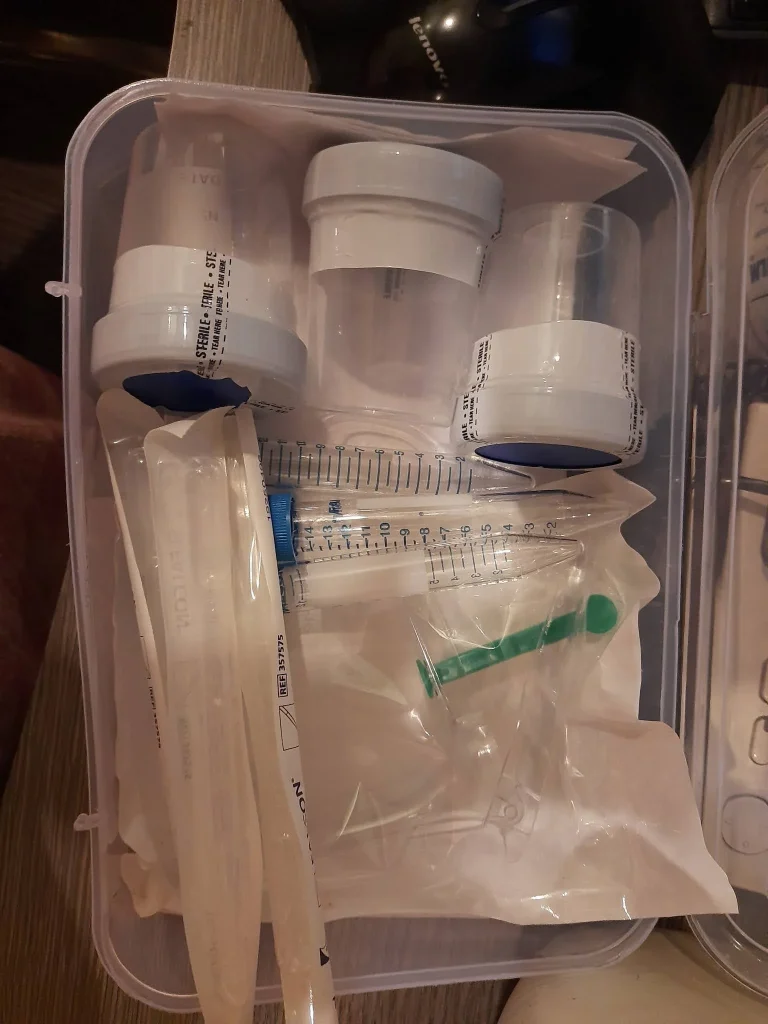
    various medical supplies and containers organized in a clear plastic box on a wooden surface

    The Science of Sperm: Understanding Mosie's Insemination Method

    The Science Behind Mosie’s Insemination Method:

    Mosie’s method is based on the concept of “capacitation,” which refers to the physiological changes that sperm undergo in the female reproductive tract before they are able to fertilize an egg. Capacitation can occur naturally in the female reproductive system, but with Mosie’s method, it is enhanced by placing the sperm closer to the cervix, where the environment is more conducive to capacitation.

    The cervix produces a mucus that helps the sperm travel through the reproductive tract. This mucus also acts as a barrier, preventing bacteria and other harmful substances from reaching the uterus. With Mosie’s method, the sperm is deposited above this mucus, allowing for a better chance of reaching the egg.

    Additionally, Mosie’s method also eliminates the need for the sperm to travel through the acidic environment of the vagina, which can be harmful to sperm. By bypassing this environment, the sperm has a better chance of surviving and reaching the egg.

    Benefits of Mosie’s Insemination Method:

    Aside from increasing the chances of successful conception, Mosie’s insemination method offers several other benefits. It can be done in the comfort and privacy of one’s own home, eliminating the need for expensive and invasive procedures. It also allows for a more intimate and involved experience for both partners.

    Furthermore, Mosie’s method has shown to be effective for couples with various fertility issues, including low sperm count and motility, unexplained infertility, and same-sex couples. It also offers a more affordable option compared to other fertility treatments, making it accessible to a wider range of people.

    In Conclusion:

    The science of sperm is a complex and fascinating subject, and understanding it is crucial for those looking to start a family. Mosie’s insemination method offers a science-based approach to at-home insemination that has shown promising results for couples struggling with infertility. By understanding the role of sperm in conception and how Mosie’s method works to optimize the chances of fertilization, many couples have been able to achieve their dream of starting a family.

    Summary:

    Mosie’s insemination method is a science-based approach to at-home insemination that aims to increase the chances of successful conception. It utilizes a specially designed syringe to deposit sperm closer to the cervix, where the environment is more conducive to capacitation. This method has shown promising results for couples struggling with infertility, and it offers several benefits such as affordability and privacy compared to other fertility treatments.

  • The Role of Timing: Using an Insemination Kit to Maximize Your Chances of Conception

    Summary:

    Timing is a crucial factor when it comes to conception, and using an insemination kit can help maximize your chances of getting pregnant. In this blog post, we will discuss the role of timing in conception and how an insemination kit can be a helpful tool in the process.

    Firstly, we will explore the importance of understanding your menstrual cycle and how timing plays a significant role in getting pregnant. Knowing when you ovulate is crucial as it is the prime time for conception. We will also discuss the different methods of tracking ovulation, such as tracking your basal body temperature, using ovulation predictor kits, and monitoring changes in cervical mucus.

    Next, we will delve into the benefits of using an insemination kit for conception. These kits contain all the necessary tools to help you inseminate at the right time, including a collection cup, sterile syringe, and instructions. We will also discuss the different types of insemination kits available, such as at-home insemination kits and those used in fertility clinics.

    at-home insemination kit by Mosie Baby, featuring syringes, collection cups, and instructions on a pink background.

    The Role of Timing: Using an Insemination Kit to Maximize Your Chances of Conception

    Another crucial factor in timing for conception is sperm health. We will discuss the importance of sperm count, motility, and morphology, and how an insemination kit can help maximize the chances of healthy sperm reaching the egg. We will also explore tips for improving sperm health, such as maintaining a healthy diet, exercising regularly, and avoiding substances that can harm sperm.

    In addition to timing and sperm health, we will also discuss the role of stress in conception. Stress can negatively impact fertility, so we will provide tips for reducing stress levels and creating a positive mindset for conception. These include practicing relaxation techniques, seeking support from loved ones, and making self-care a priority.

    Furthermore, we will address common misconceptions about timing and conception, such as the belief that having sex every day increases the chances of getting pregnant. We will provide evidence-based information on the optimal frequency of intercourse for conception and how using an insemination kit can help in this regard.

    Finally, we will discuss the success rates of using an insemination kit for conception and how it compares to other fertility treatments. We will also provide tips for using an insemination kit correctly and maximizing its effectiveness.

    In conclusion, timing is a critical factor in the journey towards conception, and using an insemination kit can be a helpful tool in the process. By tracking ovulation, using an insemination kit, and making lifestyle changes to improve sperm health and reduce stress, you can increase your chances of getting pregnant.

  • Create Your Own Baby-Making Essentials Set: DIY Tools for Conception

    Summary:

    Creating a baby-making essentials set can be an exciting and empowering experience for couples looking to conceive. With the rising popularity of do-it-yourself (DIY) tools and techniques for conception, there are now numerous options available for couples who want to take control of their fertility journey. In this blog post, we will discuss how to create your own DIY baby-making essentials set and the various tools and techniques that can aid in conception.

    Firstly, it is essential to understand the importance of a healthy lifestyle when trying to conceive. Eating a nutritious diet, exercising regularly, and managing stress levels are all crucial aspects of preparing your body for pregnancy. Therefore, the first step in creating a DIY baby-making essentials set is to focus on your overall health and well-being.

    Next, it is crucial to understand your menstrual cycle and fertile window. Tracking your menstrual cycle and ovulation can significantly improve your chances of conceiving. Several tools can aid in this process, such as ovulation predictor kits, fertility apps, and basal body temperature thermometers. These tools can help pinpoint your most fertile days, allowing you to time intercourse accordingly.

    Baby wearing a blue shirt with "made with Love" text, surrounded by colorful floral and butterfly designs.

    Create Your Own Baby-Making Essentials Set: DIY Tools for Conception

    Another essential aspect of creating a DIY baby-making essentials set is understanding the role of sperm health in conception. Improving sperm health can significantly increase the chances of conception. Some tools that can aid in this process include fertility supplements, sperm-friendly lubricants, and sperm analysis kits. These tools can help optimize sperm quality and increase the chances of fertilization.

    In addition to physical health and fertility tools, it is also essential to focus on the emotional and mental aspects of conception. Trying to conceive can be a stressful and emotional journey, so it is crucial to find ways to relax and reduce stress. Some DIY tools that can help with this include meditation apps, fertility yoga, and aromatherapy. These tools can help you de-stress and improve your overall well-being, creating a more conducive environment for conception.

    Another DIY tool that can aid in conception is a fertility journal. Keeping track of your fertility journey, thoughts, and emotions in a journal can be a therapeutic and empowering experience. It can also help you track any changes or patterns in your cycle and identify any potential issues that may need to be addressed.

    Finally, it is essential to consider the role of your partner in the conception process. While most fertility tools and techniques focus on the female partner, it is crucial to involve the male partner as well. Some DIY tools that can help improve male fertility include a healthy diet, exercise, and supplements.

    In conclusion, creating a DIY baby-making essentials set can be a fun and empowering experience for couples looking to conceive. By focusing on overall health, tracking your menstrual cycle, optimizing sperm health, and including mental and emotional well-being, you can increase your chances of conceiving. With the numerous DIY tools and techniques available, you can take control of your fertility journey and create the ultimate essentials set for conception.

  • Syringe Method for Fertility Boosting: Enhancing Male Fertility with Supplements

    Blog Post Title: Enhancing Male Fertility with Syringe Method and Supplements

    Introduction:
    Infertility is a growing concern for many couples trying to conceive. While there are several factors that can affect fertility, male infertility is often overlooked. In fact, studies have shown that male infertility is the sole cause or a contributing factor in about 40% of couples struggling with infertility. However, there are ways to boost male fertility and increase the chances of conception. One promising method is the Syringe Method, combined with the use of supplements. In this blog post, we will dive into the Syringe Method and its effectiveness in enhancing male fertility, as well as the supplements that can help support and improve sperm health.

    Understanding the Syringe Method:
    The Syringe Method, also known as the Artificial Insemination Method, is a technique that involves injecting semen into the cervix or uterus using a syringe. This method bypasses the natural barriers of the vagina, allowing sperm to reach the egg with greater ease. It is a simple and cost-effective method that can be done at home with the use of a sterile syringe. The Syringe Method is often recommended for couples who have been trying to conceive for a year or more without success, as well as for those with male fertility issues.

    How the Syringe Method Can Boost Male Fertility:
    The Syringe Method offers several benefits for boosting male fertility. First and foremost, it allows for a higher concentration of sperm to be delivered directly to the cervix or uterus, increasing the chances of fertilization. It also eliminates the need for sperm to travel through the acidic environment of the vagina, which can be harmful to sperm. Additionally, the Syringe Method can be timed with ovulation, ensuring that the sperm is present when the egg is released, further increasing the chances of conception.

    Supplements for Male Fertility:
    In addition to the Syringe Method, there are several supplements that have been found to improve male fertility. These supplements work by supporting and enhancing sperm health, increasing sperm count, and improving sperm motility. Let’s take a look at some of the most effective supplements for male fertility.

    1. CoQ10:
    CoQ10, also known as Coenzyme Q10, is a powerful antioxidant that plays a crucial role in energy production within cells. Studies have shown that CoQ10 can improve sperm count, motility, and morphology. It also helps to protect sperm from oxidative damage, which can affect sperm quality.

    pregnancy test kit features labeled for comfort and confidence on a teal background

    Syringe Method for Fertility Boosting: Enhancing Male Fertility with Supplements

    2. L-carnitine:
    L-carnitine is an amino acid that is essential for the production of energy in sperm cells. Research has shown that supplementation with L-carnitine can help improve sperm quality, including motility and concentration. It also has antioxidant properties that can protect sperm from damage.

    3. Zinc:
    Zinc is a mineral that is essential for sperm production and overall reproductive health. It is involved in the production of testosterone, which is crucial for sperm production. Studies have shown that zinc supplementation can improve sperm quality, increase sperm count, and enhance sperm motility.

    4. Selenium:
    Selenium is another important mineral for male fertility. It helps to protect sperm from oxidative damage and supports healthy sperm production. Studies have shown that selenium supplementation can improve sperm motility and increase sperm count.

    5. Vitamin D:
    Vitamin D is not just important for bone health, but also for male fertility. Research has shown that low levels of vitamin D are associated with decreased sperm count and motility. Supplementation with vitamin D can help improve sperm quality and increase the chances of conception.

    Conclusion:
    The Syringe Method, combined with the use of supplements, can be an effective way to boost male fertility and increase the chances of conception. However, it is important to note that fertility issues can be complex and may require medical intervention. If you and your partner have been struggling with infertility, it is recommended to consult with a fertility specialist for personalized advice and treatment options.

    Summary:
    In this blog post, we discussed the Syringe Method, also known as the Artificial Insemination Method, as a way to boost male fertility. This simple and cost-effective method involves injecting semen into the cervix or uterus using a syringe, bypassing the natural barriers of the vagina. The Syringe Method can increase the chances of conception by delivering a higher concentration of sperm directly to the cervix or uterus, and can also be timed with ovulation. Additionally, we explored five supplements that can help support and improve sperm health: CoQ10, L-carnitine, zinc, selenium, and vitamin D. It is important to note that fertility issues can be complex and may require medical intervention, and consulting with a fertility specialist is recommended for personalized advice and treatment options.

  • Combining the Syringe Method with Fertility Supplements for Optimal Natural Conception

    Blog Post Title: Combining the Syringe Method with Fertility Supplements for Optimal Natural Conception

    Summary:

    Natural conception is the desired method of achieving pregnancy for many couples. However, sometimes it can take longer than expected or even lead to fertility struggles. This is where the syringe method and fertility supplements come into play. The syringe method, also known as artificial insemination, involves manually injecting sperm into the vagina near the cervix during the ovulation period. On the other hand, fertility supplements are supplements that contain a combination of vitamins, minerals, and herbs that are thought to improve fertility and increase chances of conception. In this blog post, we will explore the benefits of combining the syringe method with fertility supplements for optimal natural conception.

    Firstly, let’s understand how the syringe method works. The goal of this method is to increase the chances of sperm reaching the egg by bypassing any potential barriers in the reproductive tract. This method can be used in various situations, such as low sperm count, sperm motility issues, or cervical mucus problems. By injecting sperm directly into the cervix, the sperm has a higher chance of reaching the egg and fertilizing it.

    Now, let’s talk about fertility supplements. These supplements contain a combination of vitamins, minerals, and herbs that are believed to improve fertility. Some common ingredients found in fertility supplements include folic acid, zinc, vitamin D, and Coenzyme Q10. These supplements aim to improve sperm health, regulate hormones, and increase the chances of ovulation.

    Combining the syringe method with fertility supplements can have several benefits for couples trying to conceive naturally. Firstly, fertility supplements can improve sperm health, which is crucial for successful fertilization. By taking these supplements, men can improve their sperm count, motility, and morphology, making them more likely to fertilize the egg. Additionally, supplements like Coenzyme Q10 have been shown to improve sperm quality and reduce oxidative stress, which can damage sperm DNA.

    hands using a blue syringe to extract contents from a clear container for a home insemination kit

    Combining the Syringe Method with Fertility Supplements for Optimal Natural Conception

    Moreover, fertility supplements can also benefit women who are trying to conceive. These supplements can help regulate hormones, improve egg quality, and increase the chances of ovulation. For example, folic acid is essential for the development of a healthy embryo, and women who take folic acid supplements have been found to have a higher chance of getting pregnant. Other ingredients like zinc and vitamin D can also improve egg quality and increase the chances of successful implantation.

    Another benefit of combining the syringe method with fertility supplements is that it can help with unexplained infertility. Unexplained infertility is when a couple has been trying to conceive for over a year without any known cause. In such cases, the combination of the syringe method and fertility supplements can significantly increase the chances of conception. By improving sperm and egg quality, this method can help overcome any underlying issues that may be preventing pregnancy.

    It is important to note that fertility supplements are not a magic solution and may not work for everyone. However, when used in combination with the syringe method, they can significantly increase the chances of natural conception. It is always recommended to consult with a healthcare professional before starting any supplements to ensure they are safe and suitable for you.

    Apart from improving fertility, combining the syringe method with fertility supplements can also help reduce stress and anxiety. Trying to conceive can be a stressful and emotional journey, and the uncertainty of whether it will work can add to the pressure. By using the syringe method and taking fertility supplements, couples can feel more in control of their fertility journey and have a better sense of hope and positivity.

    In conclusion, the syringe method and fertility supplements can be a powerful combination for couples struggling with fertility issues. These methods can improve sperm and egg quality, regulate hormones, and increase the chances of ovulation, all of which are essential for natural conception. However, it is important to remember that every couple’s journey is unique, and it is essential to consult with a healthcare professional for personalized advice.

    SEO Metadata:

  • Fertility Support for Men: Essential Items for Your Starter Pack

    Blog Post Title: Fertility Support for Men: Essential Items for Your Starter Pack

    Summary:

    When it comes to fertility, most of the focus is often on women and their journey towards motherhood. However, the fact is that fertility struggles can affect both men and women equally. In recent years, there has been a growing awareness about male infertility and the need for men to take an active role in their fertility journey. This is where a fertility starter pack for men can come in handy. In this blog post, we will discuss the essential items that every man should have in their fertility starter pack to support their fertility journey.

    1. Multivitamins for Men: Just like women, men also need specific nutrients to support their reproductive health. A good quality multivitamin for men can help ensure that your body has all the necessary vitamins and minerals for optimal sperm production and function. Look for multivitamins that contain key nutrients such as zinc, selenium, vitamin C, and vitamin E, which have been linked to improved sperm quality.

    2. Fertility-Friendly Lubricant: Many couples trying to conceive may use lubricants during intercourse to enhance their experience. However, not all lubricants are sperm-friendly. Some can even harm sperm and make it harder for them to reach the egg. It is essential to choose a fertility-friendly lubricant that is free of harmful ingredients such as parabens, glycerin, and oils. Look for lubricants specifically designed for couples trying to conceive, such as Pre-Seed or Conceive Plus.

    sperm-ready insemination kit with a syringe and container, featuring a screw top lid and non-tip safety wall

    Fertility Support for Men: Essential Items for Your Starter Pack

    3. Sperm Counting Kit: Knowing your sperm count is crucial when trying to conceive. A low sperm count can be a significant factor in male infertility. A sperm counting kit, also known as a home sperm test, can help you track your sperm count in the comfort of your own home. These kits are easy to use and can give you a general idea of your sperm count, although they are not as accurate as a lab test.

    4. Fertility Tracker App: Keeping track of your fertility cycle is essential when trying to conceive. Fertility tracker apps can help you monitor your ovulation and fertile window, making it easier to plan intercourse during the most fertile days. These apps also allow you to track other factors that can affect fertility, such as diet, exercise, and stress levels.

    5. Male Fertility Supplements: In addition to a multivitamin, there are specific supplements designed to support male fertility. These supplements can contain a combination of vitamins, minerals, and herbs that have been shown to improve sperm count, motility, and morphology. Some popular ingredients to look for in male fertility supplements include maca root, ashwagandha, and CoQ10.

    6. Underwear and Clothing: Believe it or not, the type of underwear and clothing you wear can affect your fertility. Tight underwear, such as briefs, can increase scrotal temperature, which can harm sperm production. Opt for loose-fitting underwear, such as boxers, to keep your testicles at a lower temperature. Additionally, avoid hot tubs, saunas, and other sources of heat that can also negatively impact sperm production.

    7. Stress-Relief Items: Stress can have a significant impact on fertility, and it is essential to find ways to reduce stress in your life. Your fertility starter pack should include items that can help you relax and unwind, such as a meditation app, a journal, or a stress ball. It is also important to find healthy ways to cope with stress, such as exercise, counseling, or spending time with loved ones.

    In conclusion, male fertility is just as important as female fertility when it comes to trying to conceive. By having a fertility starter pack with these essential items, men can actively support their fertility journey and increase their chances of successful conception. Remember, it is crucial to consult with a healthcare professional if you have any concerns about your fertility. With the right support and tools, you and your partner can work towards achieving your dream of starting a family.

  • At-Home Conception and Male Fertility: What Men Need to Know

    At-Home Conception and Male Fertility: What Men Need to Know

    When it comes to starting a family, there is often a lot of focus on the woman’s role in conception and pregnancy. However, it takes two to tango, and male fertility is just as important in the process. In recent years, there has been an increasing trend towards at-home conception methods, such as tracking ovulation and using fertility kits. But what do men need to know about at-home conception and their own fertility? In this blog post, we will explore the basics of male fertility and how men can take an active role in optimizing their chances of conception.

    Understanding Male Fertility

    Before we dive into at-home conception methods, it’s important to understand the basics of male fertility. A man’s fertility is determined by the quality and quantity of his sperm. Sperm health can be affected by various factors such as age, lifestyle habits, and underlying medical conditions. As men age, the quality and quantity of their sperm may decrease, making it more challenging to conceive. Lifestyle habits, such as smoking, excessive alcohol consumption, and drug use, can also have a negative impact on sperm health. Underlying medical conditions, such as hormonal imbalances, infections, and genetic disorders, can also affect fertility.

    At-Home Conception Methods for Men

    While there are various medical interventions available for couples struggling with fertility, many are turning to at-home methods to increase their chances of conceiving. Here are some at-home conception methods that men can consider:

    1. Ovulation Tracking: Ovulation is when a woman’s body releases an egg, making it the prime time for conception. It’s important for men to track their partner’s ovulation cycle to know the best time to try and conceive. This can be done through methods such as tracking basal body temperature, monitoring cervical mucus, or using ovulation predictor kits.

    2. Fertility Kits: There are various fertility kits available on the market that can help men assess their sperm health. These kits measure sperm count, motility and morphology (shape). They can be used at home, making it convenient for couples to monitor their fertility levels.

    home insemination kit components: a syringe and a collection container against a blue background.

    At-Home Conception and Male Fertility: What Men Need to Know

    3. Healthy Lifestyle Habits: As mentioned earlier, lifestyle habits can play a significant role in sperm health. Men can take charge of their fertility by making healthy lifestyle choices such as quitting smoking, limiting alcohol consumption, and maintaining a healthy weight.

    4. Nutritional Supplements: Certain nutrients, such as zinc, folic acid, and vitamin C, have been linked to improved sperm health. Men can consider taking nutritional supplements to ensure they are getting enough of these essential nutrients.

    5. Stress Management: Stress can have a negative impact on fertility for both men and women. It’s important for men to find ways to manage stress, whether it’s through exercise, meditation, or therapy.

    6. Seek Medical Help: If a couple has been trying to conceive for a year without success, it’s recommended to seek medical help. A fertility specialist can assess both partners and provide guidance on the best course of action.

    The Role of Men in At-Home Conception

    At-home conception methods not only provide men with the tools to track and enhance their fertility, but it also plays a crucial role in their partner’s fertility journey. By taking an active role in at-home conception, men can show their support and commitment to starting a family. It also allows men to be more involved in the process and understand the challenges their partner may be facing.

    Conclusion

    At-home conception methods can be a helpful tool for couples trying to conceive. By understanding the basics of male fertility and utilizing at-home methods, men can take an active role in their fertility journey. It’s important to remember that fertility is a team effort, and both partners play an equally important role in the process.

    SEO Metadata: