Tag: self-care

  • The Importance of Self-Care in Your Insemination Made Easy Starter Pack

    Blog Post: The Importance of Self-Care in Your Insemination Made Easy Starter Pack

    Insemination is a process that can bring a lot of excitement and hope for those looking to start a family. However, it can also be a stressful and physically demanding journey. With so much focus on the technical aspects of insemination, it’s easy to overlook the importance of self-care. In this blog post, we will discuss why self-care is crucial in your insemination journey and how you can incorporate it into your Insemination Made Easy Starter Pack.

    What is Self-Care?
    Self-care is defined as the practice of taking care of one’s physical, emotional, and mental well-being. It involves intentionally making time for activities that promote relaxation, stress reduction, and overall wellness. In the midst of the excitement and stress of insemination, taking care of yourself may not be your top priority. However, neglecting self-care can have negative effects on your physical and emotional health, which can ultimately impact your ability to conceive.

    Why is Self-Care Important in Insemination?
    Insemination is a complex process that can take a toll on your mind and body. It involves multiple medical appointments, hormone treatments, and the emotional rollercoaster of waiting for results. This can lead to feelings of anxiety, stress, and even depression. Self-care can help alleviate these negative emotions and promote a more positive mindset, which can have a significant impact on your overall well-being and success in the insemination process.

    Physical Benefits of Self-Care
    The physical demands of insemination should not be underestimated. Hormone treatments can cause side effects such as bloating, headaches, and fatigue. These can make it challenging to go about your daily activities, let alone continue with the insemination process. Incorporating self-care activities such as exercise, getting enough rest, and eating a balanced diet can help manage these physical symptoms and keep your body in optimal condition for conception.

    Emotional Benefits of Self-Care
    The emotional toll of insemination should not be overlooked. The constant anticipation of results and the possibility of disappointment can take a toll on one’s mental health. Self-care activities such as meditation, journaling, or seeking therapy can help manage these emotions and provide a healthy outlet for them. It can also help improve your overall mood and outlook, making the journey more manageable and less stressful.

    How to Incorporate Self-Care into Your Insemination Made Easy Starter Pack
    Now that we understand the importance of self-care in the insemination process, let’s discuss how you can incorporate it into your Insemination Made Easy Starter Pack.

    guide and materials for using Mosie Baby fertility kit on a textured surface

    The Importance of Self-Care in Your Insemination Made Easy Starter Pack

    1. Prioritize Rest and Relaxation
    Make sure to prioritize rest and relaxation in your daily routine. Allow yourself time to unwind and recharge. This can include taking a warm bath, reading a book, or practicing deep breathing exercises. Whatever helps you relax and destress, make sure to prioritize it and make time for it every day.

    2. Exercise Regularly
    Exercise is not only essential for physical health but also for mental well-being. It releases endorphins, which can help improve your mood and reduce stress and anxiety. Incorporating a regular exercise routine into your Insemination Made Easy Starter Pack can help you stay physically and mentally fit for the journey ahead.

    3. Eat a Balanced Diet
    A healthy diet is crucial for your physical and mental health. Make sure to include plenty of fruits, vegetables, whole grains, and lean proteins in your meals. These foods provide essential nutrients and energy to keep your body functioning at its best.

    4. Seek Support
    It’s crucial to have a support system during the insemination process. This can include your partner, family, friends, or a support group. Make sure to reach out to them when needed and seek their support and encouragement. It can make a significant difference in managing the emotional aspects of the journey.

    5. Practice Mindfulness
    Mindfulness is the practice of being present in the moment and fully aware of your thoughts, feelings, and surroundings. It can help reduce stress and anxiety and promote a more positive outlook. Incorporate mindfulness techniques such as meditation, yoga, or simply taking a few minutes to focus on your breathing into your daily routine.

    6. Take Breaks from Insemination-related Activities
    While it’s essential to stay informed and involved in the insemination process, it’s also crucial to take breaks from it. Constantly thinking and worrying about insemination can be overwhelming. Make sure to schedule regular breaks from reading forums, researching, and talking about the process. This will give your mind a break and help you relax and recharge.

    In summary, self-care is crucial in your insemination journey. It can help manage the physical and emotional demands of the process and promote a more positive mindset. Incorporating self-care activities into your Insemination Made Easy Starter Pack can help you stay physically and mentally fit for the journey ahead. Remember to prioritize rest and relaxation, exercise regularly, eat a balanced diet, seek support, practice mindfulness, and take breaks from insemination-related activities. These small acts of self-care can make a significant difference in your overall well-being and success in the insemination process.


  • Navigating the Emotional Rollercoaster of Natural Conception: Advice from Syringe Method Users

    Navigating the Emotional Rollercoaster of Natural Conception: Advice from Syringe Method Users

    Navigating the journey of trying to conceive can be an emotional rollercoaster for many couples. The anticipation, excitement, and hope can often be overshadowed by feelings of frustration, disappointment, and even despair. This is especially true for couples who are trying to conceive naturally, without medical interventions. However, there is a growing community of people who have found success with the “syringe method” of natural conception. In this blog post, we will explore this method and share advice from syringe method users on how to navigate the emotional rollercoaster of natural conception.

    What is the Syringe Method?

    The syringe method, also known as the “turkey baster method” or “soft cup method,” is a technique used by couples trying to conceive naturally. It involves collecting semen in a sterile syringe and then inserting it into the woman’s cervix or vagina during ovulation. This method is often used by same-sex couples, single women, and couples who are facing male fertility issues. It is also a popular choice for couples who want to avoid the clinical and invasive nature of medical interventions.

    The Emotional Struggle of Natural Conception

    For many couples, the decision to try to conceive naturally is driven by a desire for a more intimate and personal experience. However, the reality of trying to conceive without medical interventions is often filled with a rollercoaster of emotions. The monthly cycle of hope, anticipation, and disappointment can take a toll on one’s mental and emotional well-being. Many couples also struggle with feelings of guilt, shame, and inadequacy, wondering if they are doing something wrong or if there is something wrong with them.

    Advice from Syringe Method Users

    The syringe method, while not a guarantee of success, has helped many couples achieve their dream of starting a family. Here are some tips and pieces of advice from syringe method users on how to navigate the emotional rollercoaster of natural conception:

    1. Educate Yourself

    One of the key pieces of advice from syringe method users is to educate yourself about the process and your body. Understanding how the female reproductive system works and tracking your ovulation can greatly increase your chances of success. This knowledge can also help alleviate some of the anxiety and stress that comes with not knowing what’s happening in your body.

    illustration comparing standard and Mosie syringe openings with text highlighting design benefits for home insemination

    Navigating the Emotional Rollercoaster of Natural Conception: Advice from Syringe Method Users

    2. Stay Positive

    It’s easier said than done, but staying positive and hopeful can make a big difference in your mental and emotional well-being. Surround yourself with positive affirmations, uplifting stories of others who have conceived naturally, and a supportive community of people who are going through a similar journey.

    3. Communicate with Your Partner

    Communication is key in any relationship, but it becomes even more important when trying to conceive. This journey can be tough on both partners, and it’s crucial to have open and honest communication about your feelings, fears, and hopes. This will not only help you feel supported, but it can also bring you closer together as a couple.

    4. Take Care of Yourself

    Trying to conceive can be all-consuming, but it’s important to take care of yourself in the process. Make time for self-care activities that bring you joy and help you relax. This can be anything from taking a bubble bath to going for a walk in nature. Taking care of yourself physically, mentally, and emotionally can help you stay in a positive mindset.

    5. Seek Support

    You don’t have to go through this journey alone. Seek support from friends, family, and other couples who are trying to conceive naturally. There are also online communities and support groups specifically for syringe method users where you can find a sense of belonging and understanding.

    Summary

    The journey of natural conception can be a challenging and emotional one. However, the syringe method has proven to be a successful option for many couples. By educating yourself, staying positive, communicating with your partner, taking care of yourself, and seeking support, you can navigate the emotional rollercoaster of natural conception with more ease and hope.

  • From Fertility Struggles to Success: How the Syringe Method Helped Us Conceive Naturally

    Summary:

    Conceiving a child is often seen as a natural process, but for many couples, it can be a long and difficult journey. Fertility struggles can take a toll on both physical and emotional well-being, and many couples turn to medical interventions such as in vitro fertilization (IVF) to try and conceive. However, there is a natural method that has been gaining attention and success in helping couples conceive – the syringe method. This blog post will explore the syringe method and how it has helped couples overcome fertility struggles and successfully conceive naturally.

    In this post, we will first delve into the causes of fertility struggles, including factors such as age, lifestyle habits, and medical conditions. We will then discuss the syringe method in detail, including how it works, its success rates, and the potential benefits and risks. Additionally, we will share personal stories from couples who have used the syringe method and successfully conceived, providing real-life examples of its effectiveness.

    Mosie Baby Kit features a syringe and container, highlighting safety and usability tests on a blue background.

    From Fertility Struggles to Success: How the Syringe Method Helped Us Conceive Naturally

    Furthermore, we will discuss the importance of a healthy lifestyle and self-care during the process of trying to conceive. This includes tips on maintaining a balanced diet, exercising, and managing stress levels. We will also provide resources and support for those struggling with fertility, including advice on seeking professional help and connecting with others going through similar experiences.

    Lastly, we will touch upon the emotional aspect of fertility struggles and how the syringe method can offer hope and empowerment to couples who may feel hopeless or overwhelmed. We will share the emotional journey of couples who have used this method and the impact it has had on their lives.

    In conclusion, fertility struggles can be a challenging and emotional journey for couples, but the syringe method offers a natural and effective solution. By educating ourselves on the causes of fertility issues, exploring alternative methods like the syringe method, and prioritizing self-care, we can increase our chances of conceiving and fulfill our dreams of starting a family.

  • DIY Tools for Enhancing Fertility and Balancing Hormones

    DIY Tools for Enhancing Fertility and Balancing Hormones: A Comprehensive Guide

    In today’s fast-paced and stressful world, many individuals are struggling with fertility issues and hormonal imbalances. Whether you are trying to conceive or simply looking to balance your hormones for overall well-being, there are plenty of natural and DIY tools that can help. These tools range from simple lifestyle changes to herbal remedies and self-care practices. In this blog post, we will explore some of the best DIY tools for enhancing fertility and balancing hormones.

    1. Diet and Nutrition

    One of the most effective ways to balance hormones and enhance fertility is through a healthy and balanced diet. Processed foods, refined sugars, and unhealthy fats can all contribute to hormonal imbalances. On the other hand, incorporating nutrient-dense foods such as leafy greens, healthy fats, and lean proteins can help regulate hormones and improve fertility. Some specific foods that are known to enhance fertility include:

    – Avocados: Rich in healthy fats and vitamin E, which can improve sperm quality and ovulation.
    – Maca: A root vegetable that can help balance hormones and improve libido.
    – Wild-caught salmon: A great source of omega-3 fatty acids, which can help regulate hormones and improve fertility.
    – Eggs: A good source of vitamin D and choline, which can help with egg quality and hormone production.
    – Leafy greens: Rich in folate and antioxidants, which can improve fertility and support a healthy pregnancy.

    2. Exercise

    Regular exercise is not only crucial for overall health and wellness, but it can also play a significant role in balancing hormones and enhancing fertility. When we engage in physical activity, our body releases endorphins, which can help reduce stress and improve mood. Exercise can also help regulate insulin levels, which can be beneficial for individuals with polycystic ovary syndrome (PCOS). However, it’s essential to find a balance and avoid over-exercising, which can have a negative impact on fertility.

    3. Stress Management

    Stress is a significant contributor to hormonal imbalances and fertility issues. When we are stressed, our body produces cortisol, also known as the “stress hormone,” which can interfere with the production of other hormones, such as estrogen and progesterone. Therefore, it’s crucial to find healthy ways to manage stress. Some effective stress management tools include:

    – Meditation and deep breathing exercises
    – Yoga
    – Spending time in nature
    – Journaling
    – Practicing gratitude
    – Engaging in a hobby or creative activity

    4. Essential Oils

    at-home insemination kit by Mosie Baby, featuring syringes and containers for comfort and convenience.

    DIY Tools for Enhancing Fertility and Balancing Hormones

    Essential oils have been used for centuries for their medicinal properties and are believed to help balance hormones and improve fertility. Some of the best essential oils for hormonal balance and fertility include:

    – Clary sage: Known for its hormone-regulating properties, clary sage can help with menstrual cramps, PMS symptoms, and menopause.
    – Lavender: A calming and relaxing oil that can help reduce stress and promote better sleep, which is crucial for hormonal balance.
    – Geranium: Can help balance estrogen levels and improve fertility.
    – Peppermint: Known for its anti-inflammatory properties, peppermint can help with menstrual cramps and bloating.
    – Frankincense: Can help regulate the menstrual cycle and support a healthy pregnancy.

    5. Herbal Remedies

    Herbs have been used for centuries to treat various health conditions, including hormonal imbalances and fertility issues. Some of the best herbs for balancing hormones and enhancing fertility include:

    – Chaste tree: Can help regulate menstrual cycles and improve fertility.
    – Red raspberry leaf: Contains essential vitamins and minerals that can support hormonal balance and improve uterine health.
    – Dong Quai: Known as the “female ginseng,” this herb can help regulate hormones and improve fertility.
    – Black cohosh: Can help balance estrogen levels and improve fertility.
    – Ashwagandha: An adaptogenic herb that can help regulate stress hormones and improve fertility.

    6. Acupuncture

    Acupuncture is a traditional Chinese medicine practice that involves inserting thin needles into specific points in the body to stimulate energy flow and promote healing. It has been used for centuries to treat various health conditions, including fertility issues. Acupuncture is believed to help balance hormones, improve blood flow to the reproductive organs, and reduce stress, all of which can enhance fertility.

    7. Self-Care Practices

    Last but not least, self-care practices are crucial for balancing hormones and improving fertility. Taking time for yourself and prioritizing your mental and emotional well-being can have a significant impact on your overall health and fertility. Some self-care practices you can incorporate into your routine include:

    – Getting enough sleep and maintaining a consistent sleep schedule
    – Saying “no” to things that drain your energy and cause stress
    – Setting boundaries and prioritizing your needs
    – Taking breaks and engaging in activities that bring you joy
    – Surrounding yourself with positive and supportive people

    In conclusion, there are plenty of natural and DIY tools that can help enhance fertility and balance hormones. By incorporating these tools into your routine, you can support your reproductive health and overall well-being. However, it’s essential to remember that everyone’s body is different, and what works for one person may not work for another. It’s always best to consult with a healthcare professional before making significant changes to your diet or lifestyle.

  • DIY Tools to Supercharge Your Fertility

    DIY Tools to Supercharge Your Fertility: A Comprehensive Guide

    Struggling with fertility can be a frustrating and emotional journey for many couples. While medical interventions and treatments can be effective, there are also several DIY tools and techniques that can help boost fertility naturally. By incorporating these tools into your daily routine, you can increase your chances of conceiving and enhance your overall reproductive health. In this blog post, we will explore some of the top DIY tools to supercharge your fertility and improve your chances of getting pregnant.

    1. Fertility Tracking Apps

    One of the first steps to improving fertility is understanding your menstrual cycle and ovulation. Fertility tracking apps, such as Clue, Flo, and Kindara, can help you keep track of your cycle, ovulation, and fertile window. These apps use data such as temperature, cervical mucus, and period dates to predict your most fertile days. By tracking your cycle and knowing when you are most likely to conceive, you can increase your chances of getting pregnant.

    2. Yoga and Meditation

    Stress is a major contributor to fertility issues in both men and women. Incorporating yoga and meditation into your daily routine can help reduce stress levels and promote relaxation. Certain yoga poses, such as the butterfly pose and the cobra pose, can also help improve blood flow to the reproductive organs, which can enhance fertility. Meditation can also help you connect with your body and reduce anxiety, making it a powerful tool to improve your reproductive health.

    3. Acupuncture

    Acupuncture is an ancient Chinese practice that involves inserting thin needles into specific points on the body. This technique has been found to be effective in treating various health issues, including fertility. Acupuncture can help regulate the menstrual cycle, improve ovulation, and increase blood flow to the reproductive organs. It can also reduce stress and anxiety, which can have a positive impact on fertility. Consider seeking out a licensed acupuncturist who specializes in fertility to reap the benefits of this natural treatment.

    comparison of Mosie syringe opening versus standard syringe opening with text highlighting benefits

    DIY Tools to Supercharge Your Fertility

    4. Herbal Supplements

    There are several herbs that have been traditionally used to improve fertility. These include maca root, red raspberry leaf, and chasteberry. Maca root has been found to regulate hormones and increase sperm count, while red raspberry leaf can help tone the uterus and improve fertility in women. Chasteberry, also known as vitex, can help regulate the menstrual cycle and improve ovulation. Before incorporating any herbal supplements into your routine, it is essential to consult with a healthcare professional to ensure they are safe for you.

    5. Diet and Nutrition

    A healthy diet and proper nutrition are crucial for fertility. Incorporating fertility-boosting foods such as leafy greens, whole grains, and healthy fats can help improve reproductive health. Foods rich in antioxidants, such as berries and nuts, can also help protect the reproductive organs from oxidative stress. Additionally, certain supplements, such as folic acid and omega-3 fatty acids, can improve fertility in both men and women. Consult with a healthcare professional or a registered dietitian to create a balanced and nutritious diet plan to support your fertility.

    6. Essential Oils

    Essential oils have been used for centuries to support overall health and well-being. Certain oils, such as clary sage and geranium, have been found to have positive effects on fertility. Clary sage can help regulate hormones and improve ovulation, while geranium can help reduce stress and improve mood. It is essential to use high-quality oils and to dilute them properly before use. Consult with a certified aromatherapist for guidance on how to safely incorporate essential oils into your fertility routine.

    7. Pelvic Floor Exercises

    The pelvic floor muscles play a crucial role in reproductive health and fertility. These muscles support the bladder, uterus, and bowel, and can weaken due to factors such as pregnancy and childbirth. Pelvic floor exercises, also known as Kegels, can help strengthen these muscles and improve blood flow to the pelvic area. Regularly performing these exercises can also help improve bladder control and sexual function, which can have a positive impact on fertility.

    In summary, there are several DIY tools and techniques that can help boost fertility naturally. By incorporating fertility tracking apps, yoga and meditation, acupuncture, herbal supplements, a healthy diet, essential oils, and pelvic floor exercises into your routine, you can improve your chances of conceiving and enhance your overall reproductive health. Remember to always consult with a healthcare professional before trying any new treatments or supplements, and to practice self-care and stress management techniques to support your fertility journey.

  • Breaking Free from Societal Pressures: The Liberation of the Conception on Your Own Terms Kit

    Breaking Free from Societal Pressures: The Liberation of Conception on Your Own Terms Kit

    In today’s society, there are countless expectations and pressures placed upon individuals to conform to certain norms and standards. These societal pressures can be especially suffocating when it comes to the topic of conception and family planning. From a young age, women are bombarded with messages about when and how they should start a family, while men are often expected to be the breadwinner and provider for their future families. However, the truth is that there is no one right way to approach conception and family planning, and individuals should feel empowered to break free from societal pressures and create their own path to parenthood.

    The concept of a “conception kit” may seem unconventional or even controversial, but it is a powerful tool for those seeking to break free from societal pressures and take control of their own reproductive journey. A conception kit is essentially a collection of resources, tools, and techniques that can be used to aid in the process of conception. While many may think of conception as a purely medical or scientific process, a conception kit allows individuals to approach it from a holistic and personalized perspective.

    One of the main benefits of using a conception kit is the ability to plan and prepare for parenthood on your own terms. Rather than feeling pressured to start a family at a certain age or follow a specific timeline, a conception kit allows individuals to take the time they need to fully understand and explore their own desires and goals for parenthood. This can be especially beneficial for those who may feel overwhelmed or uncertain about starting a family in the midst of societal expectations.

    comparison of Mosie syringe opening versus standard syringe opening with text highlighting benefits

    Breaking Free from Societal Pressures: The Liberation of the Conception on Your Own Terms Kit

    Another important aspect of breaking free from societal pressures is the ability to make informed and empowered choices. With the help of a conception kit, individuals can educate themselves on various methods of conception and explore alternative options outside of traditional medical interventions. This can be particularly valuable for those who may face barriers to conception, such as same-sex couples or individuals struggling with infertility. A conception kit allows individuals to take control of their reproductive journey and find a path that works best for them.

    Additionally, a conception kit promotes the idea of self-care and self-advocacy. In a society that often prioritizes the needs and expectations of others over our own, a conception kit encourages individuals to prioritize their own well-being and make decisions based on their own desires and needs. This can be a powerful form of liberation, as it allows individuals to break free from the pressures and expectations placed upon them by society and focus on their own personal growth and happiness.

    It’s also important to note that breaking free from societal pressures does not mean disregarding the importance of community and support. In fact, a conception kit can be a great tool for connecting with others who are also seeking to break free from societal norms and expectations. Through online forums, support groups, and other resources, individuals can find a sense of community and solidarity in their journey towards parenthood.

    It’s time to challenge the notion that there is only one “right” way to approach conception and family planning. By embracing the concept of a conception kit and breaking free from societal pressures, individuals can pave their own path to parenthood and create a more inclusive and supportive environment for all.

    In conclusion, the liberation of conception on your own terms kit is a powerful tool for breaking free from societal pressures and creating a more personalized and empowering approach to parenthood. By taking control of our reproductive journey and making informed and empowered choices, we can challenge societal norms and expectations and pave our own path towards parenthood. So let’s embrace the idea of a conception kit and break free from the suffocating grip of societal pressures.

  • Fertility Support for Women with Hormonal Imbalances: What’s in the Starter Pack?

    Blog Post:

    Hormonal imbalances can greatly affect a woman’s fertility, making it difficult to conceive or carry a pregnancy to full term. These imbalances can be caused by a variety of factors such as stress, poor diet, and certain medical conditions. While seeking medical treatment is important, there are also natural ways to support fertility and balance hormones. In this blog post, we will discuss the starter pack for fertility support for women with hormonal imbalances, including what it entails and how it can help improve fertility.

    The Starter Pack:

    1. Nutrition Counseling:

    The first step in the fertility support starter pack is nutrition counseling. A healthy and balanced diet is essential for supporting fertility and balancing hormones. Nutrition counseling can help identify any deficiencies or imbalances in the diet and provide guidance on how to make dietary changes to support fertility. This may include incorporating more nutrient-dense foods, reducing processed foods, and incorporating specific fertility-boosting foods into the diet.

    2. Herbal Supplements:

    Herbal supplements have been used for centuries to support fertility and balance hormones. Herbs such as maca, red clover, and chasteberry have been found to help regulate the menstrual cycle, support ovulation, and improve overall fertility. When taken under the guidance of a healthcare practitioner, herbal supplements can be a natural and effective way to support fertility for women with hormonal imbalances.

    3. Acupuncture:

    Acupuncture is a traditional Chinese medicine technique that involves the insertion of thin needles into specific points on the body. It has been found to be effective in supporting fertility by improving blood flow to the reproductive organs, regulating hormones, and reducing stress. Acupuncture may also help with other fertility-related issues such as PCOS and endometriosis. Many women have found success in combining acupuncture with other fertility treatments.

    4. Yoga and Exercise:

    Regular physical activity is important for overall health and can also support fertility. Yoga, in particular, has been found to be beneficial for women with hormonal imbalances. It can help reduce stress, improve circulation, and balance hormones. Certain yoga poses, such as those that focus on the pelvic area, can also help to stimulate the reproductive organs and improve fertility. Exercise, in general, can also help regulate hormones and improve fertility.

    5. Stress Management:

    Stress can have a significant impact on hormones and fertility. Women with hormonal imbalances often experience high levels of stress, which can make it even more challenging to conceive. That’s why stress management is an essential part of the fertility support starter pack. Techniques such as meditation, deep breathing, and mindfulness can help reduce stress and promote relaxation, which can have a positive impact on fertility.

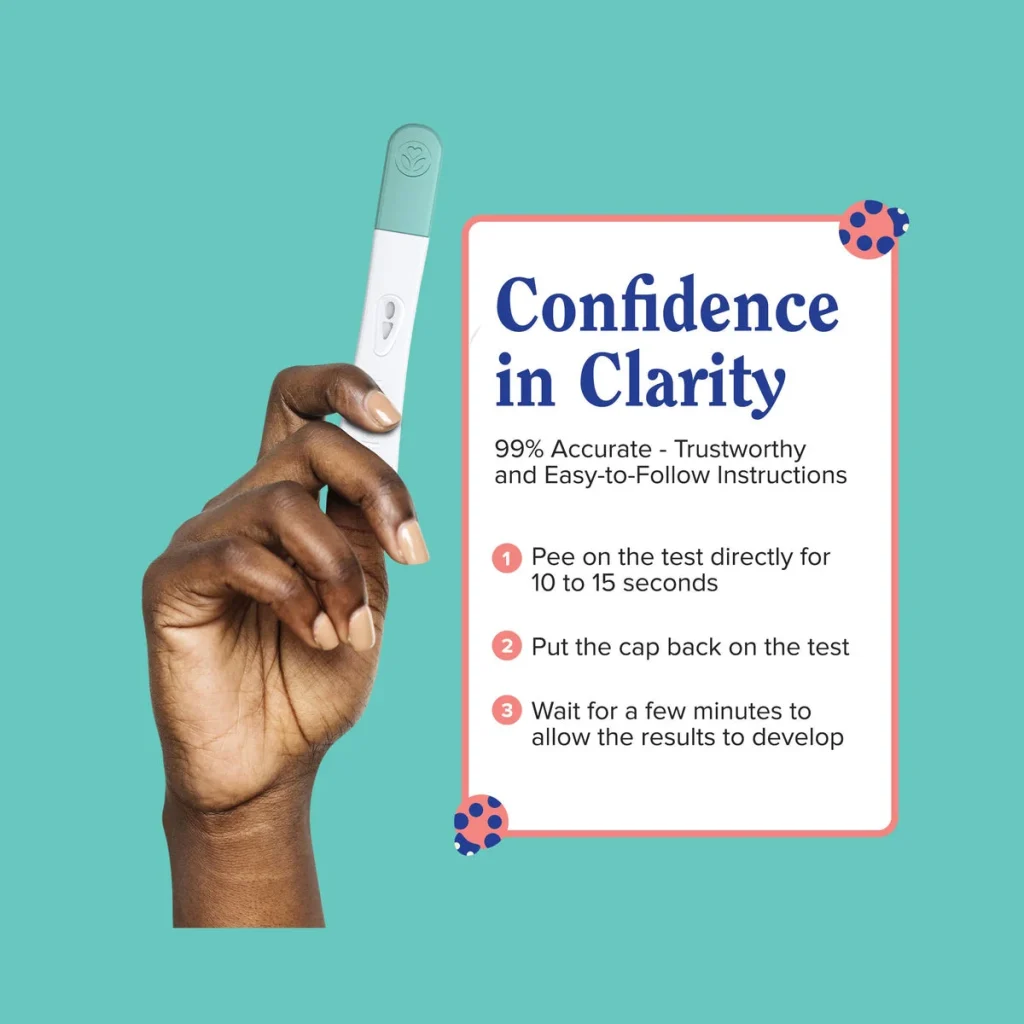
    hand holding a pregnancy test with instructions on a colorful background

    Fertility Support for Women with Hormonal Imbalances: What's in the Starter Pack?

    6. Mind-Body Therapies:

    In addition to stress management techniques, mind-body therapies such as cognitive-behavioral therapy (CBT) and hypnotherapy can also be beneficial for women with hormonal imbalances. These therapies can help identify and change negative thought patterns and behaviors that may be contributing to stress and hormonal imbalances. They can also help women cope with the emotional challenges of infertility and improve overall well-being.

    7. Fertility Tracking:

    Understanding your menstrual cycle and tracking ovulation is crucial for women trying to conceive. Fertility tracking methods such as basal body temperature charting and ovulation predictor kits can help identify the most fertile days for conception. This can greatly increase the chances of getting pregnant, especially for women with irregular cycles due to hormonal imbalances.

    8. Mindful Eating:

    Mindful eating is a practice that involves paying attention to the body’s hunger and fullness cues, as well as the taste, smell, and texture of food. This can help women with hormonal imbalances make healthier food choices and avoid overeating, which can impact fertility. Mindful eating can also help reduce stress and promote better digestion, which can improve overall health and fertility.

    9. Support Groups:

    Infertility can be a challenging and emotional journey for women with hormonal imbalances. That’s why it’s essential to have a support system in place. Support groups can provide a safe and understanding space to share experiences, seek advice, and receive emotional support. They can also help reduce feelings of isolation and provide a sense of community during a difficult time.

    10. Patience and Self-Care:

    Lastly, it’s important to remember that fertility support for women with hormonal imbalances is a journey that takes time and patience. It’s essential to practice self-care and be kind to yourself during this process. This can include taking time for yourself, doing activities that bring you joy, and seeking professional help if needed. Remember, everyone’s journey to fertility is different, and it’s essential to have patience and self-compassion along the way.

    In conclusion, the starter pack for fertility support for women with hormonal imbalances includes nutrition counseling, herbal supplements, acupuncture, yoga and exercise, stress management, mind-body therapies, fertility tracking, mindful eating, support groups, and patience and self-care. By incorporating these elements into your fertility journey, you can support your body’s natural balance and improve your chances of conceiving. Remember to consult with a healthcare practitioner before starting any new treatments or supplements, and to have patience and self-compassion throughout the process.

    Summary:

    Fertility can be challenging for women with hormonal imbalances, but there are natural ways to support fertility and balance hormones. The starter pack for fertility support includes nutrition counseling, herbal supplements, acupuncture, yoga and exercise, stress management, mind-body therapies, fertility tracking, mindful eating, support groups, and patience and self-care. These elements can help improve overall health and increase the chances of conceiving. It’s important to remember that everyone’s journey to fertility is different, and it’s essential to have patience and self-compassion throughout the process.

  • From Frustration to Fertility: The Ultimate Support Starter Pack

    Summary:

    For many couples, the journey towards parenthood can be a difficult and frustrating one. From fertility issues to the emotional toll it takes on individuals, trying to conceive can be a challenging experience. However, with the right support system and resources, it is possible to overcome these obstacles and achieve the ultimate goal of starting a family. This is where the From Frustration to Fertility: The Ultimate Support Starter Pack comes in. This comprehensive guide provides individuals and couples with the tools and resources needed to navigate through the ups and downs of trying to conceive, making the process less daunting and more manageable.

    The Ultimate Support Starter Pack is designed to provide practical and emotional support to individuals and couples struggling with fertility issues. It covers various aspects of the journey towards parenthood, including understanding fertility, dealing with fertility treatments, and managing the emotional impact of infertility. The guide also offers guidance on how to communicate with friends and family about fertility struggles and how to cope with pregnancy announcements from others.

    One of the main components of the Ultimate Support Starter Pack is the extensive collection of resources it offers. These include expert advice from fertility specialists, self-care tips, and exercises to manage stress and anxiety. The guide also features a list of recommended books, podcasts, and support groups that can provide additional support and guidance.

    home insemination kit components: a syringe and a collection container against a blue background.

    From Frustration to Fertility: The Ultimate Support Starter Pack

    In addition to the resources, the Ultimate Support Starter Pack also offers a community aspect. The guide includes a private online support group where individuals and couples can connect with others going through similar experiences. This community provides a safe and understanding space for individuals to share their stories, ask for advice, and find comfort in knowing they are not alone in their journey.

    The Ultimate Support Starter Pack also highlights the importance of self-care during the fertility journey. It provides practical tips and exercises to help individuals cope with the emotional rollercoaster of trying to conceive. This includes practicing mindfulness, setting boundaries, and finding ways to relax and de-stress.

    Another crucial aspect of the Ultimate Support Starter Pack is its focus on communication. The guide offers advice on how to communicate effectively with a partner during the fertility journey, as well as how to talk to friends and family about fertility struggles. It also provides tips on how to handle difficult questions and comments from others, helping individuals and couples navigate these sensitive conversations with confidence and grace.

    Ultimately, the From Frustration to Fertility: The Ultimate Support Starter Pack aims to empower and support individuals and couples on their journey towards parenthood. By providing practical resources, a supportive community, and guidance on self-care and communication, the guide aims to make the fertility journey a little less daunting and a little more manageable.

    In conclusion, the Ultimate Support Starter Pack is a comprehensive and valuable resource for anyone struggling with fertility issues. It offers practical tools, emotional support, and a sense of community for individuals and couples on their journey towards parenthood. With the right support and resources, it is possible to overcome frustrations and achieve the ultimate goal of starting a family.

  • Home Insemination and Couples Communication: Strengthening Your Relationship

    Home insemination and couples communication are two important aspects of any relationship. While they may seem like unrelated topics, they are actually interconnected in many ways. In this blog post, we will explore the concept of home insemination and its impact on couples communication. We will also discuss ways to strengthen your relationship through open and effective communication. By the end of this post, you will have a better understanding of how these two factors play a role in building a strong and healthy relationship.

    Home insemination, also known as self-insemination or DIY insemination, is the process of using a home insemination kit to artificially inseminate oneself or a partner at home. This method is often used by same-sex couples, single individuals, or couples struggling with fertility issues. It involves collecting sperm from a donor, typically through a sperm bank or known donor, and using a syringe or cup to insert it into the vagina or cervix.

    The decision to use home insemination can bring about a range of emotions for couples. For some, it may be a practical choice due to medical reasons or financial limitations. For others, it may be a conscious decision to have a child together without the involvement of a third party. Whatever the reason may be, it is crucial for couples to have open and honest communication throughout the process.

    One of the most significant impacts of home insemination on couples communication is the need for trust and consent. In traditional conception, a couple may not have to discuss or negotiate their roles and responsibilities. However, with home insemination, there is a need for clear communication and mutual agreement on the roles and expectations of each partner. This includes discussing the donor selection process, insemination procedure, and potential parenting responsibilities.

    Moreover, home insemination can also lead to feelings of vulnerability and intimacy between partners. Unlike traditional conception, home insemination requires both partners to be actively involved in the process, which can create a stronger bond between them. It also allows for a more intimate and private experience, as the couple is not relying on medical professionals for assistance.

    However, it is essential to note that home insemination can also bring about challenges and conflicts in a relationship. The pressure to conceive and the emotional rollercoaster of infertility can create tension and strain on the relationship. This is where effective communication becomes crucial.

    Communication is the foundation of any healthy relationship, and it becomes even more critical when dealing with sensitive topics such as home insemination. Here are some tips for couples to strengthen their communication during this process:

    At-home insemination kit with ovulation and pregnancy tests, promoting fertility and family planning.

    Home Insemination and Couples Communication: Strengthening Your Relationship

    1. Be honest and open: It is essential to be honest about your feelings and concerns regarding home insemination. Be open to listening to your partner’s perspective and communicating your own.

    2. Set realistic expectations: Discuss your expectations and goals for home insemination. It is crucial to have a mutual understanding of what you both want to achieve through this process.

    3. Use “I” statements: Instead of blaming or accusing, use “I” statements to express your feelings. For example, say “I feel overwhelmed by the pressure to conceive” rather than “You are putting too much pressure on me.”

    4. Take breaks when needed: Trying to conceive can be emotionally and physically draining. It is essential to take breaks and prioritize self-care to avoid burnout and resentment in the relationship.

    5. Seek professional help: If communication becomes difficult, consider seeking the help of a therapist or counselor. They can provide a safe space for couples to communicate and work through any challenges.

    In addition to strengthening communication, home insemination can also bring about a deeper understanding and appreciation for each other. It requires a strong level of trust, teamwork, and support between partners, which can strengthen the relationship in the long run.

    In conclusion, home insemination and couples communication are closely intertwined. This process can bring about both challenges and opportunities for couples to strengthen their relationship. By being open, honest, and supportive of each other, couples can navigate through this journey and come out stronger together.

    In summary, home insemination is a process used by couples to artificially inseminate at home, often for medical or personal reasons. This process can have a significant impact on couples communication, as it requires trust, honesty, and mutual understanding between partners. By utilizing effective communication techniques, couples can navigate through the challenges of home insemination and strengthen their relationship in the process.

  • Exploring the Mind-Body Connection in DIY Fertility Solutions

    Blog Post:

    For couples struggling with infertility, the mind-body connection is a powerful tool that is often overlooked in traditional fertility treatments. While medical interventions such as in vitro fertilization (IVF) and intrauterine insemination (IUI) have their place, they can also be expensive, invasive, and emotionally draining. In recent years, there has been a growing interest in exploring the mind-body connection in DIY fertility solutions. By addressing the mental, emotional, and physical aspects of fertility, couples can improve their chances of conceiving naturally. In this blog post, we will delve into the mind-body connection and discuss DIY fertility solutions that can help you on your journey to parenthood.

    The Mind-Body Connection:

    The mind-body connection refers to the link between our thoughts, emotions, and physical health. It is based on the belief that our mental and emotional states can have a direct impact on our physical well-being. When it comes to fertility, stress, anxiety, and negative emotions can all contribute to hormonal imbalances and affect the body’s ability to conceive. On the other hand, a positive mindset and relaxation can promote a healthy reproductive system and increase the chances of pregnancy.

    DIY Fertility Solutions:

    1. Meditation and Mindfulness:

    Meditation and mindfulness practices have been shown to reduce stress and improve overall well-being. By focusing on the present moment, these techniques can help couples let go of negative thoughts and emotions that may be hindering their fertility. A study published in the journal Fertility and Sterility found that women who participated in a mind-body program had a 55% pregnancy rate compared to 20% in the control group.

    2. Acupuncture:

    Acupuncture is an ancient Chinese practice that involves inserting thin needles into specific points on the body. It has been used for centuries to treat various health conditions, including infertility. Research suggests that acupuncture can help regulate hormones, improve blood flow to the reproductive organs, and reduce stress and anxiety. A study published in the Journal of Endocrinology found that acupuncture can increase the success rate of IVF by 65%.

    3. Yoga:

    Baby wearing a blue shirt with "made with Love" text, surrounded by colorful floral and butterfly designs.

    Exploring the Mind-Body Connection in DIY Fertility Solutions

    Yoga is a mind-body practice that combines physical postures, breathing techniques, and meditation. It has been shown to reduce stress, improve hormonal balance, and increase blood flow to the reproductive organs. A study published in the Journal of Alternative and Complementary Medicine found that women who practiced yoga had a higher pregnancy rate compared to those who did not.

    4. Nutrition and Supplements:

    A healthy diet and proper supplementation can play a crucial role in fertility. Certain foods and supplements can help regulate hormones, improve egg quality, and increase sperm count. Some recommended supplements for fertility include folic acid, vitamin D, and CoQ10. It is essential to consult with a healthcare professional before starting any new supplements.

    5. Emotional Support:

    The emotional toll of infertility can be overwhelming for couples. It is crucial to seek emotional support from a therapist, support group, or even a trusted friend or family member. Talking about your feelings and fears can help you release any pent-up emotions and reduce stress. Additionally, some online communities and forums provide a safe space for couples to connect with others going through similar struggles.

    6. Self-Care:

    Caring for your mind and body is essential when trying to conceive. Take time for yourself and engage in activities that bring you joy and relaxation. This can include anything from taking a walk in nature to enjoying a warm bath. When you prioritize self-care, you are taking care of your mental and physical health, which can positively impact your fertility.

    In conclusion, the mind-body connection is a powerful tool that can greatly impact fertility. By incorporating DIY fertility solutions such as meditation, acupuncture, yoga, nutrition, emotional support, and self-care into your journey, you can improve your chances of conceiving naturally. Remember to be patient and kind to yourself, and trust that your body knows how to create life. With a holistic approach and a positive mindset, you can increase your chances of becoming a parent.

    Summary:

    The mind-body connection is a powerful tool that can greatly impact fertility. By addressing the mental, emotional, and physical aspects of fertility, couples can improve their chances of conceiving naturally. DIY fertility solutions such as meditation, acupuncture, yoga, nutrition, emotional support, and self-care can help regulate hormones, reduce stress, and improve overall well-being. By incorporating these practices into your journey, you can increase your chances of becoming a parent.