Tag: self-care

  • Trying to Conceive? Don’t Forget These Essential Items in Your Natural Aid Kit

    Summary:

    Trying to conceive can be a challenging journey for couples, and many turn to natural aids to boost their chances of pregnancy. These natural aids, also known as fertility supplements, can be a great addition to any preconception routine. However, with the overwhelming amount of options available, it can be easy to forget some essential items that can make a big difference in your fertility journey. In this blog post, we will discuss the top essential items that should be included in your natural aid kit when trying to conceive.

    1. Fertility Tracking Tools
    The first step in trying to conceive is to track your ovulation. This can be done through various methods such as ovulation predictor kits, basal body temperature charting, and fertility tracking apps. These tools can help you identify your most fertile days and increase your chances of conception.

    2. Prenatal Vitamins
    Prenatal vitamins are essential in preparing your body for pregnancy. They contain vital nutrients like folic acid, iron, and vitamin D, which are crucial for a healthy pregnancy. It is recommended to start taking prenatal vitamins at least three months before trying to conceive to ensure your body has enough of these essential nutrients.

    3. Maca Root
    Maca root is a popular fertility supplement that has been used for centuries to boost fertility. It is rich in vitamins and minerals and is believed to balance hormones, increase libido, and improve sperm quality. Maca root can be taken in powder or capsule form and is safe for both men and women.

    4. Omega-3 Fatty Acids
    Omega-3 fatty acids are essential for reproductive health and have been linked to improved fertility in both men and women. These healthy fats can be found in fish, nuts, and seeds, but for those who do not consume enough of these foods, taking an omega-3 supplement can be beneficial.

    pregnancy test kit with instructions, test device, and packaging on a white background

    Trying to Conceive? Don't Forget These Essential Items in Your Natural Aid Kit

    5. Vitex
    Vitex, also known as chasteberry, is a herb commonly used for hormonal balance and fertility. It has been shown to regulate ovulation, improve progesterone levels, and lengthen the luteal phase, making it an ideal supplement for women with irregular cycles. It is recommended to take vitex for at least three months before trying to conceive.

    6. Coenzyme Q10
    Coenzyme Q10, also known as CoQ10, is a powerful antioxidant that plays a crucial role in energy production and cellular health. Studies have shown that CoQ10 can improve egg and sperm quality, making it a beneficial supplement for couples trying to conceive. It is recommended to take CoQ10 for at least three months before trying to conceive.

    7. Evening Primrose Oil
    Evening primrose oil is a natural source of gamma-linolenic acid (GLA), an essential fatty acid that helps regulate hormone levels and improve cervical mucus production. This can be particularly helpful for women with low cervical mucus, which can hinder sperm from reaching the egg. It is recommended to take evening primrose oil from the start of your menstrual cycle until ovulation.

    8. Probiotics
    Probiotics are essential for maintaining a healthy gut, which is crucial for overall health and fertility. They help balance the bacteria in your gut, which can improve digestion and absorption of nutrients. Studies have also shown that probiotics can improve sperm quality in men. Look for a high-quality probiotic with a variety of strains.

    9. Stress-Relieving Activities
    Stress can have a significant impact on fertility, so it’s important to incorporate stress-relieving activities into your daily routine. This can include yoga, meditation, exercise, or any other activity that helps you relax and unwind. Remember, a calm and relaxed mind and body are beneficial for conception.

    10. Patience and Support
    Lastly, it’s essential to remember that trying to conceive can be a long and emotional journey. It’s important to have patience and not put too much pressure on yourself. Surround yourself with a supportive partner, family, and friends who can be there for you during this time. And always remember to take care of your mental and emotional well-being.

    In conclusion, a natural aid kit for trying to conceive should include fertility tracking tools, prenatal vitamins, maca root, omega-3 fatty acids, vitex, CoQ10, evening primrose oil, probiotics, stress-relieving activities, and a supportive network. These essential items can help boost your fertility and increase your chances of a successful pregnancy. Remember to consult with your healthcare provider before adding any supplements to your routine, and most importantly, stay positive and patient on your journey to conception.


  • Tips for Maintaining a Positive Mindset During At-Home Insemination with the Syringe Method

    Summary:

    Maintaining a positive mindset during at-home insemination with the syringe method can be challenging, but it is crucial for the success of the process. In this blog post, we will discuss some tips and strategies for staying positive and reducing stress during this journey.

    1. Educate yourself: The first step to maintaining a positive mindset is to educate yourself about the process of at-home insemination. This includes understanding the anatomy and physiology of conception, the proper techniques for using the syringe method, and any potential complications or risks.

    2. Stay organized: Creating a schedule and staying organized can help reduce stress and anxiety during at-home insemination. This includes keeping track of ovulation dates, medications, and appointments. Having a plan in place can give you a sense of control and reduce uncertainty.

    3. Focus on self-care: Taking care of your physical and mental well-being is crucial during this process. Make sure to eat a balanced diet, exercise regularly, and get enough sleep. Engage in activities that bring you joy and relaxation, such as yoga, meditation, or reading.

    4. Communicate with your partner: At-home insemination can be a team effort, and it is essential to communicate openly with your partner throughout the process. Share your feelings, fears, and hopes with each other. This can help strengthen your relationship and provide emotional support.

    At-home insemination kit with ovulation and pregnancy tests, promoting fertility and family planning.

    Tips for Maintaining a Positive Mindset During At-Home Insemination with the Syringe Method

    5. Seek support: It is normal to experience a range of emotions during at-home insemination, and it is essential to have a support system in place. This can include friends, family, or support groups for individuals going through similar experiences. Don’t be afraid to ask for help or talk to a professional if needed.

    6. Be patient: The journey of at-home insemination can be a long and emotional one, and it is crucial to be patient with yourself and the process. Remember that conception may not occur immediately, and it is normal to experience setbacks. Stay positive and trust in the process.

    7. Don’t obsess over symptoms: During the two-week wait, it is common to analyze every little symptom and try to determine if it is a sign of pregnancy. However, it is essential to remember that many pregnancy symptoms are similar to premenstrual symptoms. Don’t let these symptoms cause unnecessary stress and anxiety.

    8. Practice positive affirmations: Our thoughts have a significant impact on our emotions, so it is crucial to practice positive self-talk and affirmations. Repeat phrases such as “I am capable of conceiving” or “I trust my body to do what it needs to do” to help maintain a positive mindset.

    9. Prepare for different outcomes: As with any fertility journey, it is essential to prepare for different outcomes. While we hope for a positive pregnancy test, it is also important to have a plan in place for a negative result. This can include talking to your doctor about next steps or taking time to process your emotions.

    10. Celebrate the small victories: Lastly, it is crucial to celebrate the small victories throughout the at-home insemination process. This can include successfully tracking ovulation, properly administering the insemination, or simply making it through a particularly challenging day. Remember to acknowledge and celebrate your progress and achievements.

    In conclusion, maintaining a positive mindset during at-home insemination with the syringe method is vital for the success of the process. It is essential to educate yourself, stay organized, practice self-care, communicate with your partner, seek support, be patient, avoid obsessing over symptoms, practice positive affirmations, prepare for different outcomes, and celebrate small victories. Remember to trust in the process and stay positive throughout this journey.

  • The Importance of Self-Care During At-Home Insemination with the Syringe Method

    Blog post:

    With the rise of at-home insemination methods, more and more people are turning to the syringe method as a cost-effective and accessible way to start a family. However, while the process may seem straightforward, it is important to prioritize self-care during this journey.

    At-home insemination with the syringe method involves using a sterile syringe to deposit sperm into the vagina, bypassing the need for intercourse. This method can be used by same-sex couples, single individuals, or heterosexual couples dealing with fertility issues. It offers a sense of control and privacy, but it can also bring about emotional and physical challenges. That’s why taking care of oneself is crucial for a successful and positive experience.

    Here are some reasons why self-care is important during at-home insemination with the syringe method:

    1. Emphasizes mindfulness and relaxation
    The process of at-home insemination can be stressful and overwhelming, especially for those who are doing it for the first time. This is why self-care practices such as mindfulness and relaxation techniques can be beneficial. Taking deep breaths, practicing meditation or yoga, or simply taking a break from the process can help reduce anxiety and promote a sense of calmness.

    2. Promotes physical well-being
    At-home insemination with the syringe method can be physically demanding. It involves tracking ovulation, preparing the sperm, and inserting the syringe correctly. It is essential to prioritize physical well-being during this process to avoid exhaustion and injuries. This can include getting enough rest, eating a balanced diet, and staying hydrated. It is also important to listen to your body and take breaks when needed.

    Home insemination kit by Mosie Baby with instructions and colorful packaging.

    The Importance of Self-Care During At-Home Insemination with the Syringe Method

    3. Encourages emotional support
    The journey of at-home insemination can bring about a range of emotions, from excitement and hope to frustration and disappointment. It is important to have emotional support during this time, whether it be from a partner, family or friends, or a therapist. It is also helpful to join online support groups or forums to connect with others who are going through a similar experience. Having a strong support system can help manage emotions and provide a sense of comfort and understanding.

    4. Reduces stress and anxiety
    The process of at-home insemination can be stressful, and stress can have a negative impact on fertility. It is crucial to find ways to reduce stress and anxiety during this time. This can include practicing relaxation techniques, talking to a therapist, or engaging in activities that bring joy and relaxation. Reducing stress can also help improve the success rate of at-home insemination.

    5. Fosters self-compassion and acceptance
    At-home insemination can bring about feelings of disappointment and self-doubt, especially if the process is not successful. It is important to practice self-compassion and acceptance during this time. Acknowledge that this process can be challenging and that it is okay to feel a range of emotions. Be kind to yourself and remember that it is not a reflection of your worth or capabilities. Self-care practices such as positive affirmations and self-care rituals can help foster self-compassion and acceptance.

    6. Enhances the overall experience
    Prioritizing self-care during at-home insemination can enhance the overall experience. It can help individuals feel more in control and empowered, reduce stress and anxiety, and promote a sense of well-being. It can also make the process more enjoyable and help individuals feel more connected to their bodies and their partner.

    In conclusion, self-care is crucial during at-home insemination with the syringe method. It promotes physical and emotional well-being, reduces stress and anxiety, and enhances the overall experience. Remember to take breaks, practice relaxation techniques, seek emotional support, and be kind to yourself throughout the process.

    Summary:

    At-home insemination with the syringe method is a popular option for starting a family, but it can bring about emotional and physical challenges. That’s why self-care is crucial during this journey. Prioritizing mindfulness, physical well-being, emotional support, stress reduction, self-compassion, and enhancing the overall experience are all important aspects of self-care during at-home insemination.

  • The Role of Mindfulness in At-Home Insemination with the Syringe Method

    Blog Post: The Role of Mindfulness in At-Home Insemination with the Syringe Method

    In recent years, many couples and individuals have turned to at-home insemination as a way to start or expand their families. While there are multiple methods for at-home insemination, one of the most popular and accessible options is the syringe method. This involves using a syringe to collect sperm from a donor and then inserting it into the vagina or cervix of the intended recipient. While this method may seem simple, there are many factors that can affect its success. One key factor that is often overlooked is the role of mindfulness in the process.

    Mindfulness, defined as the practice of being fully present and aware of one’s thoughts, emotions, and surroundings, can play a significant role in the success of at-home insemination with the syringe method. In this blog post, we will explore the various ways in which mindfulness can impact this process and provide tips for incorporating mindfulness into your insemination journey.

    The Importance of Mindfulness in At-Home Insemination

    At-home insemination can be a stressful and emotional experience, especially for those who have been struggling with fertility issues or have experienced previous unsuccessful attempts. This can lead to feelings of anxiety, fear, and even self-doubt, all of which can have a negative impact on the success of the insemination. By practicing mindfulness, individuals can learn to manage these emotions and reduce the stress and tension that can hinder the process.

    Additionally, mindfulness can help individuals stay focused and present during the insemination process. This can be particularly helpful during the actual insemination, as it requires precision and accuracy to ensure the sperm reaches its intended destination. By remaining mindful and in the present moment, individuals can increase their chances of success.

    Preparing for At-Home Insemination with Mindfulness

    The first step in incorporating mindfulness into the at-home insemination process is to prepare oneself mentally and emotionally. This can involve setting intentions, creating a positive and calm mindset, and addressing any fears or anxieties that may arise. Some helpful practices for preparing for at-home insemination include meditation, journaling, and deep breathing exercises.

    It is also essential to create a comfortable and relaxing atmosphere for the insemination. This can involve playing soothing music, lighting candles, or incorporating any other calming elements that help promote a sense of mindfulness and relaxation.

    guide and materials for using Mosie Baby fertility kit on a textured surface

    The Role of Mindfulness in At-Home Insemination with the Syringe Method

    During the Insemination Process

    When it comes to the actual insemination process, there are several ways to incorporate mindfulness. Firstly, it is crucial to stay present and focused while handling the sperm and syringe. This can be achieved by taking deep breaths, visualizing the success of the insemination, and staying connected to one’s body and emotions.

    It can also be helpful to communicate openly and honestly with your partner or donor during the process. This can help alleviate any tension or anxiety and foster a sense of connection and mindfulness between all parties involved.

    After the Insemination

    After the insemination has taken place, it is essential to continue practicing mindfulness. This can involve maintaining a positive and hopeful mindset, staying in tune with one’s body and tracking any potential pregnancy symptoms, and practicing self-care. It is also crucial to remember that the insemination process may not be successful on the first try, and it is essential to approach each attempt with a mindful and positive attitude.

    Conclusion

    In conclusion, the role of mindfulness in at-home insemination with the syringe method cannot be overstated. By incorporating mindfulness practices into the preparation, actual insemination, and aftermath, individuals can increase their chances of success and create a more positive and fulfilling experience. While the process may still come with its challenges and uncertainties, mindfulness can help individuals navigate these obstacles with a sense of calm and clarity.

    Remember, each person’s insemination journey is unique, and it is essential to find what mindfulness practices work best for you. Whether it’s through meditation, journaling, or simply taking deep breaths, incorporating mindfulness into your at-home insemination process can make a world of difference.

    Summary:

    At-home insemination with the syringe method is a popular and accessible option for starting or expanding a family. However, one often overlooked factor in its success is the role of mindfulness. Mindfulness, defined as being fully present and aware, can help individuals manage emotions, stay focused, and create a positive and calm atmosphere during the insemination process. Preparing mentally and emotionally, staying present during the insemination, and practicing self-care afterwards are all key ways to incorporate mindfulness. By doing so, individuals can increase their chances of success and create a more positive and fulfilling experience.

  • Tips for a Stress-Free At-Home Insemination Experience with the Syringe Method

    At-home insemination is becoming an increasingly popular option for couples and individuals looking to start or expand their families. With the rise of fertility treatments and advancements in technology, it is now possible to perform insemination in the comfort of your own home using the syringe method. This method involves injecting sperm into the cervix or uterus using a syringe, without the need for medical intervention. While it may seem daunting at first, with the right preparation and guidance, the process can be a stress-free and successful experience. In this blog post, we will discuss tips for a stress-free at-home insemination experience with the syringe method.

    1. Do Your Research
    Before embarking on the at-home insemination process, it is essential to do your research. Familiarize yourself with the steps involved, potential risks, and success rates. Read up on different techniques and choose the one that feels most comfortable for you. It is also essential to consult with a medical professional to ensure that the process is safe for you and your partner.

    2. Prepare Your Body
    Preparing your body for insemination is crucial for a successful experience. Ensure that you are in good overall health and that your reproductive system is functioning correctly. You can track your menstrual cycle using ovulation predictor kits or a basal body temperature chart to determine the most fertile days of your cycle. It is also recommended to avoid alcohol, caffeine, and smoking, as these can impact fertility.

    3. Choose the Right Sperm
    Selecting the right sperm is a crucial step in the at-home insemination process. You can use donor sperm from a sperm bank or use sperm from a known donor, such as a friend or family member. It is essential to discuss and agree upon the donor’s involvement and any legal implications beforehand. If using a sperm bank, ensure that the sperm is tested and screened for any potential health risks.

    4. Prepare Your Supplies
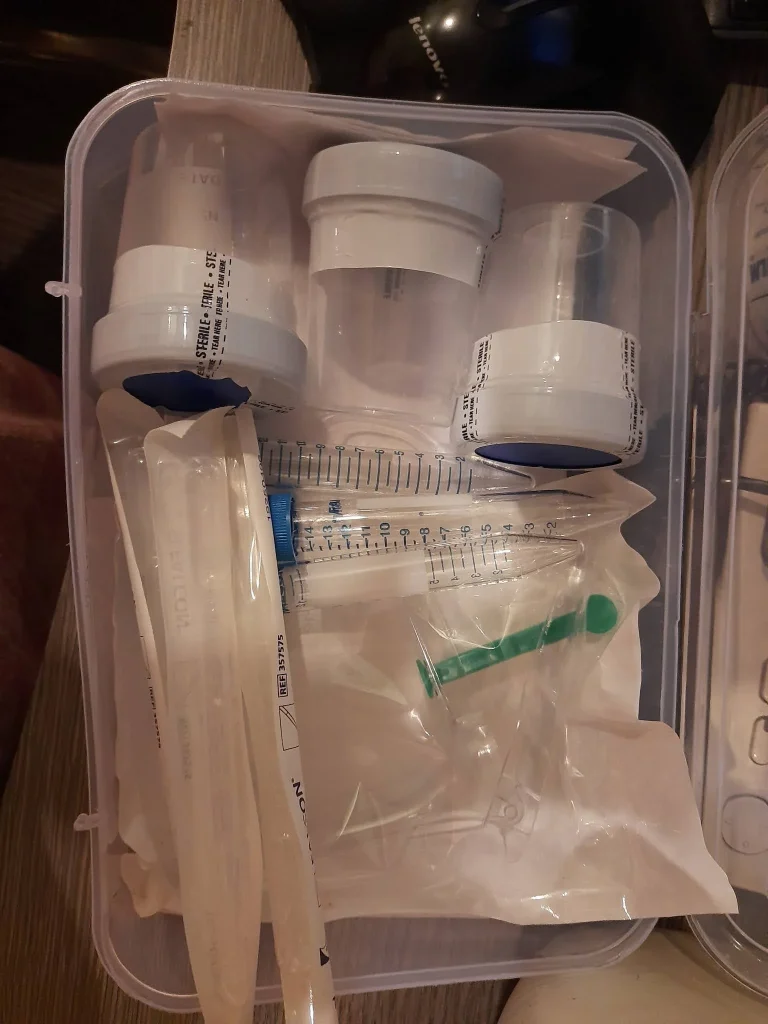
    Before beginning the insemination process, ensure that you have all the necessary supplies. These may include a sterile syringe, specimen cup, gloves, and a speculum. It is also essential to have a comfortable and private space where you can perform the insemination. Having all the supplies ready beforehand can help reduce stress and make the process smoother.

    various medical supplies and containers organized in a clear plastic box on a wooden surface

    Tips for a Stress-Free At-Home Insemination Experience with the Syringe Method

    5. Follow Proper Hygiene
    Maintaining proper hygiene is crucial during the at-home insemination process. Wash your hands before handling any supplies or sperm. It is also recommended to use sterile gloves and to sanitize all equipment before use. This can help reduce the risk of infection and increase the chances of success.

    6. Find a Comfortable Position
    Finding a comfortable position for the insemination process is essential for both the inseminator and the receiver. The receiver can lie on their back with their hips elevated on a pillow, while the inseminator can kneel or stand beside them. It is essential to maintain a relaxed and comfortable posture throughout the process.

    7. Inject the Sperm Slowly and Gently
    When injecting the sperm, it is crucial to do so slowly and gently. This can help reduce discomfort and increase the chances of the sperm reaching the cervix or uterus. Use a sterile syringe and follow the instructions provided by your healthcare provider or donor sperm bank. It is also recommended to keep the sperm at room temperature before the insemination process.

    8. Remain Lying Down
    After the insemination process, it is recommended for the receiver to remain lying down for 10-15 minutes. This can help the sperm travel towards the cervix and increase the chances of fertilization. It is also essential to avoid any physical activity or using the bathroom immediately after the process.

    9. Take Care of Yourself
    Insemination can be an emotional and physically taxing process. It is essential to take care of yourself and your partner during this time. Talk openly about any fears or concerns you may have and seek support from loved ones or a therapist if needed. It is also essential to practice self-care and relaxation techniques to reduce stress and anxiety.

    In conclusion, at-home insemination with the syringe method can be a stress-free and successful experience with proper preparation and precautions. Doing your research, preparing your body, choosing the right sperm, and maintaining proper hygiene can all contribute to a smooth and stress-free process. Finding a comfortable position, injecting the sperm slowly and gently, and taking care of yourself during and after the process can also increase the chances of success. Remember to always consult with a medical professional and follow their instructions for the best results. With these tips in mind, you can have a stress-free at-home insemination experience and take a step closer towards starting or expanding your family.

  • The Emotional Aspect of At-Home Insemination with the Syringe Method

    Blog Post: The Emotional Aspect of At-Home Insemination with the Syringe Method

    In recent years, there has been a growing trend of couples and individuals turning to at-home insemination as a way to conceive. This method involves using a syringe to deposit semen into the vagina, bypassing the need for traditional intercourse. While this process may seem straightforward and clinical, the emotional aspect of at-home insemination should not be overlooked. For many, this method brings up a range of emotions, from excitement and hope to anxiety and stress. In this blog post, we will delve into the emotional aspect of at-home insemination with the syringe method and provide tips for navigating this process.

    The Excitement and Hope of At-Home Insemination

    For couples and individuals who have been trying to conceive for a while, at-home insemination can bring a renewed sense of excitement and hope. It offers a more intimate and personal approach to conception, allowing them to be in control of the process. For same-sex couples and single individuals, at-home insemination using donor sperm offers the opportunity to start a family, something that may have seemed out of reach before.

    With at-home insemination, the act of inseminating can also be a bonding experience for couples. It requires communication and teamwork, which can strengthen the relationship and increase the excitement of starting a family together.

    The Anxiety and Stress of At-Home Insemination

    While at-home insemination can be an exciting and hopeful process, it can also bring about feelings of anxiety and stress. The pressure to get pregnant can be immense, especially for couples or individuals who have been struggling with fertility issues. The fear of failure and disappointment can be overwhelming.

    Moreover, at-home insemination can involve a lot of planning and timing, adding another layer of stress to the process. The use of ovulation predictor kits (OPKs) and tracking basal body temperature (BBT) can also add to the pressure and anxiety of trying to conceive.

    Another source of anxiety for some may be the thought of using a syringe for insemination. This can be seen as a clinical and impersonal approach to conception, and some may feel uncomfortable or self-conscious about it.

    Coping with the Emotional Rollercoaster

    The emotional aspect of at-home insemination can be a rollercoaster ride with its ups and downs. However, there are ways to cope with the various emotions that may arise during this process.

    Mosie Baby At-Home Insemination Kit instructions and storage guidelines on a blue background.

    The Emotional Aspect of At-Home Insemination with the Syringe Method

    First and foremost, it is essential to communicate openly and honestly with your partner or support system. Expressing your feelings and concerns can help alleviate some of the stress and anxiety. It is also crucial to have realistic expectations and understand that getting pregnant may not happen right away. Be kind to yourself and give yourself time and space to process your emotions.

    It can also be helpful to seek support from others who have gone through or are currently going through at-home insemination. Online communities and support groups can provide a safe space to share experiences and receive advice and encouragement from those who understand the process.

    Tips for Navigating the Emotional Aspect of At-Home Insemination

    1. Set aside time for self-care: During this emotionally taxing process, it is crucial to take care of yourself. Set aside time for activities that bring you joy and relaxation, whether it’s reading, taking a bath, or going for a walk. Remember to prioritize your mental and emotional well-being.

    2. Stay informed but avoid information overload: It is essential to stay informed about at-home insemination and the various steps involved. However, too much information can be overwhelming and cause unnecessary stress. Stick to reputable sources and avoid constantly searching for information that may increase your anxiety.

    3. Communicate with your partner or support system: As mentioned earlier, open communication is key to navigating the emotional aspect of at-home insemination. Lean on your partner or support system and share your feelings and concerns.

    4. Practice relaxation techniques: Stress and anxiety can manifest physically, leading to tense muscles and difficulty sleeping. Practice relaxation techniques such as deep breathing, meditation, or yoga to help alleviate these physical symptoms.

    5. Seek professional help if needed: If the emotional toll of at-home insemination becomes too overwhelming, do not hesitate to seek professional help. A therapist can provide support and guidance to help you navigate this process.

    In conclusion, at-home insemination with the syringe method can bring about a range of emotions, from excitement and hope to anxiety and stress. It is essential to acknowledge and address these emotions and find ways to cope with them. Remember to prioritize self-care and seek support from your partner, support system, and online communities. With patience, communication, and self-care, the emotional aspect of at-home insemination can be better managed.

    Summary:

    At-home insemination with the syringe method is a growing trend for couples and individuals trying to conceive. While it may seem clinical, the emotional aspect of this process should not be overlooked. This blog post explores the range of emotions that at-home insemination can bring, from excitement and hope to anxiety and stress. It also provides tips for navigating the emotional rollercoaster and managing the various emotions that may arise.