Tag: Sexual health

  • Cervical Mucus: Nature’s Secret Weapon Against STIs

    Cervical Mucus: Nature’s Secret Weapon Against STIs

    When it comes to sexual health, there is often a lot of focus on using condoms or other forms of protection to prevent sexually transmitted infections (STIs). While these methods are certainly important and effective in reducing the risk of STIs, there is another natural defense mechanism in the body that is often overlooked – cervical mucus. This slippery, secreted substance plays a vital role in protecting against STIs and can even serve as a warning sign for potential infections. In this blog post, we will delve into the science behind cervical mucus and its role in preventing and detecting STIs.

    What is Cervical Mucus?

    Cervical mucus, also known as cervical fluid, is a gel-like substance that is produced by the cervix, the lower part of the uterus. Its main function is to help sperm reach and fertilize the egg during ovulation, but it also serves as a protective barrier against bacteria, viruses, and other foreign substances that may enter the vagina.

    The production of cervical mucus is regulated by the hormone estrogen, which increases around the time of ovulation. This is why women may notice an increase in the amount and consistency of their cervical mucus during this time.

    How Does Cervical Mucus Protect Against STIs?

    One of the primary ways cervical mucus protects against STIs is through its physical barrier. The mucus forms a thick, sticky plug that blocks the opening of the cervix, preventing any foreign substances from entering the uterus. This is especially important during ovulation when the cervix is more open to allow sperm to pass through.

    Additionally, cervical mucus contains special proteins called antibodies that can neutralize or kill pathogens such as bacteria and viruses. These antibodies are produced by the immune system in response to previous exposure to the same pathogen, making cervical mucus an effective defense mechanism against STIs that a person may have encountered before.

    Cervical Mucus as a Warning Sign for STIs

    In addition to protecting against STIs, cervical mucus can also serve as an early warning sign for potential infections. Changes in the amount, consistency, and smell of cervical mucus can indicate an imbalance in the vaginal microbiome, which can lead to an increased risk of STIs.

    For example, if a woman notices an increase in the amount of thin, watery cervical mucus, it could be a sign of a yeast infection, which can make a person more susceptible to STIs. Similarly, a foul-smelling discharge may be a sign of bacterial vaginosis, a condition that can also increase the risk of STIs.

    illustration comparing standard and Mosie syringe openings with text highlighting design benefits for home insemination

    Cervical Mucus: Nature's Secret Weapon Against STIs

    Cervical mucus can also provide clues about the presence of specific STIs. For instance, a yellow or green discharge can indicate the presence of trichomoniasis, a common STI caused by a parasite. Changes in the color and consistency of cervical mucus can also be a sign of chlamydia or gonorrhea infections.

    How to Maintain Healthy Cervical Mucus

    Maintaining a healthy balance of cervical mucus is crucial for preventing and detecting STIs. Here are some tips for keeping your cervical mucus healthy:

    1. Stay hydrated: Drinking plenty of water can help keep your cervical mucus hydrated and more slippery, making it easier for sperm to swim through and harder for bacteria to cling onto.

    2. Avoid douching: Douching can disrupt the natural balance of bacteria in the vagina and alter the consistency and pH of cervical mucus, making it less effective in protecting against STIs.

    3. Use protection during intercourse: While cervical mucus can provide some protection against STIs, it is not foolproof. Using condoms or other forms of protection during intercourse is still the best way to reduce the risk of STIs.

    4. Get tested regularly: Regular STI testing is crucial for maintaining sexual health. If you notice any changes in your cervical mucus, it is important to get tested to catch and treat any potential infections early on.

    5. Eat a healthy diet: A diet rich in nutrients and probiotics can help maintain a healthy vaginal microbiome, which is essential for healthy cervical mucus production.

    Conclusion

    Cervical mucus is a natural and powerful defense mechanism against STIs. Its physical barrier and antibodies help prevent the entry of pathogens into the uterus, while changes in its consistency can serve as a warning sign for potential infections. By understanding the role of cervical mucus in preventing and detecting STIs, individuals can take steps to maintain a healthy balance and protect their sexual health.

    In summary, cervical mucus is a gel-like substance produced by the cervix that serves as a physical and immune barrier against STIs. Changes in its amount, consistency, and smell can indicate imbalances in the vaginal microbiome and the presence of specific STIs. Maintaining a healthy balance of cervical mucus through hydration, avoiding douching, using protection during intercourse, regular testing, and a healthy diet is crucial for preventing and detecting STIs.


  • Cervical Mucus: A Natural Barrier Against STIs

    Cervical mucus is a natural substance produced by the cervix, the lower part of the uterus, and plays a crucial role in a woman’s reproductive health. While most people may associate cervical mucus with fertility and ovulation, it also serves as a natural barrier against sexually transmitted infections (STIs). In this blog post, we will take a closer look at the importance of cervical mucus in protecting against STIs and how to maintain a healthy balance of it.

    First, let’s understand the role of cervical mucus in the female reproductive system. Cervical mucus is a fluid that is secreted by the glands in the cervix. Its consistency and amount vary throughout a woman’s menstrual cycle, depending on hormone levels. During ovulation, the mucus becomes thin, watery, and slippery, allowing sperm to swim through and reach the egg for fertilization. Outside of ovulation, the mucus is thicker, creating a physical barrier that prevents sperm from entering the uterus.

    But cervical mucus does more than just aiding in reproduction. Due to its composition and location, it also serves as a natural barrier against STIs. The mucus acts as a filter, trapping harmful bacteria and viruses that can cause infections. It also contains antibodies and enzymes that can neutralize or kill pathogens before they reach the reproductive organs.

    One of the most well-known STIs that can be prevented by cervical mucus is HIV. A study published in the Journal of Virology found that cervical mucus can prevent the transmission of HIV by up to 90%. The mucus traps the virus and prevents it from entering the bloodstream, reducing the risk of infection.

    In addition to HIV, cervical mucus also provides protection against other STIs such as chlamydia, gonorrhea, and herpes. However, it is important to note that the level of protection may vary depending on the type of STI and the amount and consistency of the mucus. For instance, thicker mucus may provide better protection against certain infections compared to thinner mucus.

    at-home insemination kit by Mosie Baby, featuring syringes, collection cups, and instructions on a pink background.

    Cervical Mucus: A Natural Barrier Against STIs

    So, how can one maintain a healthy balance of cervical mucus? The key is to maintain good overall reproductive health. This includes practicing safe sex, getting regular STI screenings, and avoiding douching or using scented products in the genital area. These practices can disrupt the natural pH balance of the vagina and affect the production of cervical mucus.

    Eating a balanced and nutritious diet can also contribute to a healthy balance of cervical mucus. Foods rich in vitamin C, such as citrus fruits and bell peppers, can help increase mucus production. Drinking plenty of water can also help thin out the mucus and make it easier for sperm to swim through during ovulation.

    In some cases, women may experience changes in their cervical mucus due to hormonal imbalances or certain medications. This can affect the mucus’s ability to provide protection against STIs, making it important to communicate with a healthcare provider about any concerns or changes in reproductive health.

    In conclusion, cervical mucus is not only important for fertility and ovulation but also serves as a natural barrier against STIs. Its role in preventing infections should not be underestimated, and taking steps to maintain a healthy balance of mucus is crucial for overall reproductive health. By practicing safe sex, getting regular screenings, and maintaining a healthy lifestyle, women can ensure that their cervical mucus is working to protect them against STIs.

    Summary:
    Cervical mucus is a natural substance produced by the cervix and plays a crucial role in a woman’s reproductive health. It serves as a natural barrier against STIs by trapping harmful bacteria and viruses and containing antibodies and enzymes that can neutralize them. Maintaining a healthy balance of cervical mucus is important for overall reproductive health, and this can be achieved by practicing safe sex, getting regular screenings, and maintaining a healthy lifestyle.

  • The Dynamic Relationship Between Cervical Mucus and STI Prevention

    The Dynamic Relationship Between Cervical Mucus and STI Prevention

    Cervical mucus is a natural substance produced by the cervix that plays a crucial role in reproductive health and fertility. However, many people are not aware of the important role that cervical mucus also plays in preventing sexually transmitted infections (STIs). In this blog post, we will explore the dynamic relationship between cervical mucus and STI prevention, and how understanding this relationship can help individuals protect their sexual health.

    The Importance of Cervical Mucus

    Before we delve into the relationship between cervical mucus and STI prevention, let’s first understand the importance of cervical mucus. Cervical mucus is a fluid secreted by the cervix, the lower part of the uterus. It serves as a protective barrier, preventing harmful bacteria and viruses from entering the uterus. Cervical mucus also plays a crucial role in fertility by creating a hospitable environment for sperm to travel through the cervix and reach the egg.

    The Dynamic Nature of Cervical Mucus

    Cervical mucus is not a static substance; it changes in consistency, texture, and volume throughout the menstrual cycle. This is due to the hormone fluctuations that occur during different phases of the menstrual cycle. During the fertile window, which is the time leading up to and including ovulation, cervical mucus becomes more abundant, slippery, and stretchy. This type of mucus, known as fertile cervical mucus, helps sperm to swim through the cervix and reach the egg. However, outside of the fertile window, cervical mucus becomes thicker, stickier, and less hospitable to sperm.

    The Role of Cervical Mucus in STI Prevention

    Now, let’s explore the dynamic relationship between cervical mucus and STI prevention. As mentioned earlier, cervical mucus serves as a protective barrier against harmful bacteria and viruses. When an STI-causing organism enters the vagina, cervical mucus can trap and flush it out. This is why individuals with healthy levels of cervical mucus are less likely to contract STIs. Additionally, fertile cervical mucus can also help to prevent STIs by providing a hospitable environment for sperm, which can compete with STI-causing organisms for entrance into the cervix.

    STIs and Changes in Cervical Mucus

    comparison of Mosie syringe opening versus standard syringe opening with text highlighting benefits

    The Dynamic Relationship Between Cervical Mucus and STI Prevention

    On the flip side, certain STIs can also affect the cervical mucus. For example, Chlamydia and Gonorrhea can cause changes in the consistency and color of cervical mucus, making it thinner and more watery. This can make it easier for these STIs to enter the body and cause infection. Additionally, some STIs can also cause inflammation and irritation of the cervix, leading to an increase in the production of cervical mucus. This excess mucus can create an ideal environment for STIs to thrive and spread.

    The Impact of Birth Control on Cervical Mucus

    Hormonal birth control methods, such as the pill, patch, and hormonal IUD, can also affect cervical mucus. These methods work by suppressing ovulation, which in turn, suppresses the production of fertile cervical mucus. This means that individuals using hormonal birth control may have less fertile cervical mucus, making it more difficult for sperm to reach the egg. However, this also means that the protective barrier provided by cervical mucus against STIs is also reduced. Therefore, individuals using hormonal birth control should still take precautions to prevent STIs, such as using condoms during sexual activity.

    How to Use Cervical Mucus for STI Prevention

    Now that we understand the dynamic relationship between cervical mucus and STI prevention, here are some tips on how to use this knowledge to protect your sexual health:

    1. Track Your Cervical Mucus: By tracking your cervical mucus throughout your menstrual cycle, you can identify your fertile window and know when you are most at risk of contracting an STI.

    2. Use Barrier Methods: During your fertile window, use barrier methods of birth control, such as condoms, to prevent the transmission of STIs.

    3. Get Tested Regularly: If you are sexually active, it is essential to get tested regularly for STIs, even if you are using birth control and have no symptoms.

    4. Practice Safe Sex: Always use condoms during sexual activity, especially if you are unsure of your partner’s STI status.

    In summary, cervical mucus is not only important for fertility but also plays a crucial role in STI prevention. Understanding the dynamic nature of cervical mucus and how it can be affected by STIs and birth control methods can help individuals take the necessary precautions to protect their sexual health. By tracking cervical mucus, using barrier methods, getting tested regularly, and practicing safe sex, individuals can use this natural substance to their advantage in preventing STIs.

  • Protecting Your Sexual Health with Cervical Mucus

    Protecting Your Sexual Health with Cervical Mucus: Understanding the Importance, Functions, and Ways to Maintain It

    Cervical mucus is a natural fluid produced by the cells in the cervix. It plays a crucial role in maintaining a woman’s reproductive health and is often referred to as the “gatekeeper” of the reproductive system. Despite its vital functions, cervical mucus is often overlooked and misunderstood, leading to potential risks for our sexual health. In this blog post, we will delve into the importance of cervical mucus, its functions, and ways to maintain it for optimal sexual health.

    Importance of Cervical Mucus

    Cervical mucus serves as a protective barrier to the reproductive system. It acts as a natural filter, preventing harmful bacteria and viruses from entering the uterus and fallopian tubes. This helps to reduce the risk of infections such as sexually transmitted diseases (STDs) and pelvic inflammatory disease (PID).

    Additionally, cervical mucus plays a vital role in fertility. It creates a hospitable environment for sperm, providing them with nourishment and protection on their journey to fertilize an egg. Without an adequate amount of healthy cervical mucus, sperm may struggle to reach the egg, leading to difficulties in conception.

    Functions of Cervical Mucus

    Apart from its protective and fertility-enhancing functions, cervical mucus also provides valuable information about a woman’s reproductive health. The amount, consistency, and color of cervical mucus can indicate where a woman is in her menstrual cycle. This can be helpful in determining the most fertile days for conception or identifying potential hormonal imbalances.

    During ovulation, cervical mucus becomes thin, slippery, and stretchy, resembling the consistency of egg whites. This type of mucus is known as fertile cervical mucus and is considered the most conducive for sperm survival. By tracking changes in cervical mucus, women can identify their most fertile days and plan intercourse accordingly.

    Ways to Maintain Healthy Cervical Mucus

    comparison of Mosie syringe opening versus standard syringe opening with text highlighting benefits

    Protecting Your Sexual Health with Cervical Mucus

    To ensure optimal reproductive health, it is essential to maintain healthy cervical mucus. Here are some ways to achieve this:

    1. Stay Hydrated: Drinking plenty of water and staying hydrated is crucial for maintaining healthy cervical mucus. This helps to keep the mucus thin and slippery, allowing sperm to swim through easily.

    2. Avoid Douching: Douching can disrupt the natural balance of bacteria in the vagina, leading to an overgrowth of harmful bacteria. This can affect the quality and quantity of cervical mucus, making it less conducive for sperm survival.

    3. Use Lubricants Wisely: Some lubricants can be harmful to cervical mucus and sperm. It is best to avoid lubricants that contain spermicides, glycerin, or other chemicals that can alter the pH balance of the vagina. Instead, opt for natural and fertility-friendly lubricants, such as egg white or coconut oil.

    4. Quit Smoking: Smoking can have a detrimental effect on cervical mucus. It can reduce the amount and quality of mucus, making it difficult for sperm to reach the egg.

    5. Maintain a Healthy Diet: A well-balanced diet rich in vitamins, minerals, and antioxidants is essential for maintaining healthy cervical mucus. Foods such as leafy greens, fruits, and healthy fats can help to improve mucus production.

    6. Consider Supplements: Certain supplements, such as evening primrose oil and mucolytic enzymes, can help to increase cervical mucus production and improve its quality. However, it is essential to consult a healthcare provider before starting any supplements.

    7. Monitor Your Menstrual Cycle: Keeping track of your menstrual cycle and noting any changes in cervical mucus can provide valuable insights into your reproductive health. This can help to identify potential issues and seek timely medical intervention.

    Summary:

    Cervical mucus is a crucial component of a woman’s reproductive system. It serves as a protective barrier, aids in fertility, and provides valuable information about reproductive health. To maintain healthy cervical mucus, it is essential to stay hydrated, avoid douching, use lubricants wisely, quit smoking, maintain a healthy diet, consider supplements, and monitor your menstrual cycle.

  • The Surprising Ways Cervical Mucus Fights Against STIs

    Cervical mucus may not be a topic that is commonly discussed, but it plays a crucial role in protecting our reproductive health. This slimy, sticky fluid produced by the cervix has many important functions, one of which is fighting against sexually transmitted infections (STIs). In this blog post, we will explore the surprising ways in which cervical mucus helps to prevent and fight against STIs.

    First, let’s understand what cervical mucus is and how it is produced. The cervix is the lower part of the uterus that connects to the vagina. During a woman’s menstrual cycle, the cervix produces mucus that changes in consistency and amount. This is due to hormonal changes that occur throughout the cycle. For example, during ovulation, the mucus becomes thin, clear, and stretchy, making it easier for sperm to travel through the cervix and fertilize an egg. However, during other times in the cycle, the mucus may be thick and sticky, providing a barrier to sperm and STIs.

    Now, let’s dive into the surprising ways in which cervical mucus fights against STIs:

    1. Physical Barrier

    One of the most well-known functions of cervical mucus is its role as a physical barrier. The thick and sticky consistency of mucus during most of the menstrual cycle acts as a barrier to prevent bacteria and viruses from entering the reproductive tract. This is especially important in preventing STIs, which are transmitted through sexual contact. The mucus also helps to trap and flush out any foreign particles, including STI-causing pathogens.

    2. Antimicrobial Properties

    Cervical mucus also has antimicrobial properties that help to fight against STIs. It contains enzymes and antibodies that can kill or neutralize bacteria and viruses, preventing them from causing an infection. These antimicrobial properties are most effective during ovulation when the mucus is thin and watery, creating an ideal environment for sperm to travel, but also making it easier for STIs to enter the body. The antimicrobial properties of cervical mucus act as a line of defense against STIs during this vulnerable time.

    Smiling baby in a blue onesie with "made with Love" text, lying on a light blue crocheted blanket.

    The Surprising Ways Cervical Mucus Fights Against STIs

    3. pH Balance

    The pH level of cervical mucus also plays a role in preventing STIs. The vagina has a naturally acidic environment, with a pH level of around 3.5-4.5. This acidic environment helps to keep harmful bacteria and viruses at bay. However, during ovulation, the pH level of cervical mucus becomes more alkaline, creating a more hospitable environment for sperm. This change in pH level also makes it more difficult for STIs to survive and thrive, further protecting the reproductive tract from infection.

    4. Hormonal Changes

    As mentioned earlier, the production and consistency of cervical mucus are closely linked to hormonal changes throughout the menstrual cycle. These hormonal changes not only affect the thickness and amount of mucus but also the immune response of the body. During ovulation, when the levels of estrogen are at their peak, the immune system becomes more active and efficient in fighting off potential infections. This increased immune response helps to prevent STIs from taking hold.

    5. Probiotic Properties

    Recent studies have shown that cervical mucus also has probiotic properties, meaning it contains beneficial bacteria that can help to maintain a healthy balance of microorganisms in the reproductive tract. This is important because having a diverse and balanced microbiome in the vagina is essential for preventing and fighting against STIs. The good bacteria in cervical mucus can crowd out harmful bacteria, making it more difficult for STIs to establish an infection.

    In summary, cervical mucus is not just a slimy fluid that we may view as a hindrance to our daily lives. It plays a crucial role in protecting our reproductive health, including fighting against STIs. Its physical, antimicrobial, and probiotic properties, as well as its ability to maintain a healthy pH level and respond to hormonal changes, all work together to keep our reproductive tract healthy and free from infections.

    In conclusion, we should not underestimate the power of cervical mucus in protecting our sexual health. It is essential to understand and appreciate its functions, and to take care of our overall reproductive health to ensure that it can continue to do its job effectively. Practicing safe sex and getting regular STI screenings are also important steps in preventing and managing STIs. By working together with our bodies, we can harness the surprising ways in which cervical mucus fights against STIs.

  • Cervical Mucus and STIs: A Promising New Area of Research

    Blog Post:

    Cervical mucus, also known as cervical fluid, is a substance produced by the glands in the cervix that plays a crucial role in female fertility. It helps to transport sperm from the vagina to the fallopian tubes, where fertilization can occur. However, recent research has shown that cervical mucus can also be used as a diagnostic tool for sexually transmitted infections (STIs). This promising new area of research has the potential to revolutionize the way we diagnose and treat STIs, leading to improved sexual health outcomes for individuals and communities.

    STIs are a major public health concern, with millions of new cases reported each year. They can have serious consequences if left untreated, including infertility, pelvic inflammatory disease, and an increased risk of HIV transmission. Currently, STI testing involves taking a sample of blood, urine, or genital swabs for laboratory analysis. However, this process can be time-consuming, expensive, and uncomfortable for patients. Additionally, some STIs are difficult to detect in these samples, leading to false negative results.

    This is where cervical mucus comes in. Studies have shown that cervical mucus can contain biomarkers that indicate the presence of STIs. These biomarkers can include white blood cells, specific proteins, and microorganisms associated with STIs. By analyzing the composition of cervical mucus, researchers can potentially identify and diagnose STIs more accurately and quickly than traditional methods.

    One of the most promising areas of research involving cervical mucus and STIs is the use of microfluidic devices. These devices are small, portable, and can analyze tiny samples of cervical mucus for biomarkers of STIs. They work by separating the mucus into different components and then detecting the presence of specific biomarkers using advanced technology. This process is highly sensitive and can detect even small amounts of biomarkers, making it a promising tool for STI diagnosis.

    Another benefit of using cervical mucus for STI testing is that it can be collected non-invasively. Unlike blood or urine samples, which require needles or swabs, cervical mucus can be collected by the individual themselves using a simple collection device. This makes it more convenient and less uncomfortable for patients, which may encourage more people to get tested for STIs.

    at-home insemination kit with syringes, collection cups, and instructions on a pink background

    Cervical Mucus and STIs: A Promising New Area of Research

    In addition to its potential as a diagnostic tool, cervical mucus can also provide valuable insights into the transmission and spread of STIs. By analyzing the composition of cervical mucus in different populations, researchers can identify patterns and risk factors for STI transmission. This can help inform prevention and control strategies, ultimately leading to a decrease in STI rates.

    One study conducted by researchers at the University of Washington found that the composition of cervical mucus can vary depending on the type of STI present. The study compared the cervical mucus of women with chlamydia, gonorrhea, and trichomoniasis, and found that each infection had a unique biomarker profile. This suggests that cervical mucus analysis could potentially be used to differentiate between different STIs, allowing for more targeted treatment.

    However, there are still challenges and limitations to using cervical mucus as a diagnostic tool for STIs. One major challenge is the lack of standardized protocols for collecting, processing, and analyzing cervical mucus samples. This can lead to variability in results and makes it difficult to compare data between studies. Additionally, further research is needed to validate the accuracy and reliability of using cervical mucus for STI testing.

    Despite these challenges, the potential of cervical mucus in STI research is undeniable. It has the potential to make STI testing more accessible, accurate, and less invasive for individuals. It can also provide valuable insights into STI transmission and help inform prevention strategies. As research in this area continues to grow, we may see cervical mucus become a routine part of STI testing in the future.

    In conclusion, cervical mucus is a promising new area of research for STIs. Its potential as a non-invasive, accurate, and convenient diagnostic tool has the potential to improve sexual health outcomes for individuals and communities. As more research is conducted and standardized protocols are developed, we may see cervical mucus become a valuable tool in the fight against STIs.

    Summary:

    Cervical mucus, the substance produced by the cervix, is not just important for fertility but also for diagnosing STIs. Recent research has shown that cervical mucus contains biomarkers that can indicate the presence of STIs, making it a promising diagnostic tool. Microfluidic devices and non-invasive collection methods have made it easier to analyze cervical mucus and potentially differentiate between different types of STIs. However, more research is needed to standardize protocols and validate its accuracy. Overall, cervical mucus has the potential to revolutionize STI testing and provide valuable insights into STI transmission.

  • How Cervical Mucus Can Help You Avoid STIs

    Cervical mucus is a natural substance produced by the cervix, the narrow passage that connects the vagina to the uterus. While many people may not think much about it, cervical mucus plays a crucial role in the reproductive health of women and can also provide important information about their overall sexual health. In particular, cervical mucus can help women identify and avoid sexually transmitted infections (STIs). This blog post will explore how cervical mucus can be used as a tool for STI prevention and why it is essential for everyone to understand its functions.

    First of all, it is essential to understand the role of cervical mucus in the reproductive system. The cervix produces mucus throughout the menstrual cycle, with its consistency and amount changing depending on the stage of the cycle. During ovulation, when a woman is most fertile, the mucus becomes thinner and more slippery, allowing sperm to travel through the cervix easily. On the other hand, during non-fertile times, the mucus becomes thicker and acts as a barrier to sperm, preventing pregnancy.

    But what does this have to do with STIs? Well, the consistency and appearance of cervical mucus can also be affected by the presence of STIs. For example, certain STIs like chlamydia and gonorrhea can cause the mucus to become thicker and more discolored. This change in mucus can be an early sign of an infection, even before any other symptoms appear. By paying attention to the changes in their cervical mucus, women can detect STIs early on and seek treatment before they become more serious.

    In addition to acting as an early warning sign, cervical mucus can also help prevent STIs from entering the body in the first place. The mucus acts as a physical barrier, preventing bacteria and viruses from entering the vagina and reaching the reproductive organs. However, this barrier is not foolproof, and it can be compromised by factors such as hormonal birth control, douching, and certain medications. Therefore, it is crucial to understand the importance of maintaining a healthy balance of cervical mucus to protect against STIs.

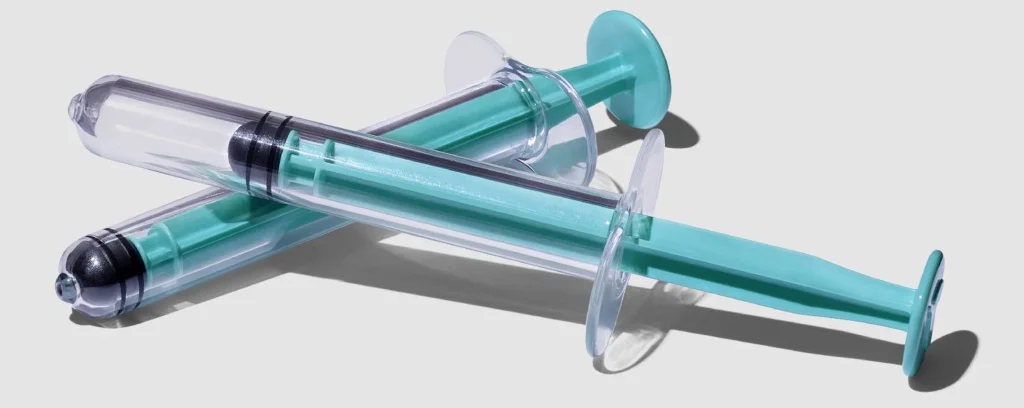
    two teal and clear syringes positioned on a white background

    How Cervical Mucus Can Help You Avoid STIs

    So, how can women use cervical mucus to prevent STIs? The first step is to become familiar with their own cervical mucus patterns. This can be done by regularly tracking the changes in consistency and appearance throughout the menstrual cycle. There are also various apps and tools available that can help with this process. By knowing what is normal for their bodies, women can quickly identify any changes that may indicate an STI and seek medical attention.

    Furthermore, being aware of the factors that can affect cervical mucus production is essential. As mentioned earlier, hormonal birth control and douching can alter the mucus, making it less effective as a barrier against STIs. Therefore, it is crucial to use other forms of protection, such as condoms, during sexual activity to prevent the transmission of STIs. It is also essential to communicate openly and honestly with sexual partners about STIs and safe sex practices.

    In addition to preventing STIs, cervical mucus can also be used as a tool for fertility tracking. By monitoring changes in mucus consistency, women can determine when they are most fertile and plan or avoid pregnancy accordingly. This method, known as the “Billings Ovulation Method,” has been found to be 99% effective when used correctly and can also help couples struggling with infertility.

    In summary, cervical mucus is a vital component of women’s reproductive health and can also provide valuable information about their overall sexual health. By paying attention to changes in mucus consistency and appearance, women can detect STIs early on and seek treatment. It also serves as a natural barrier against STIs, making it essential to maintain a healthy balance. By understanding the functions of cervical mucus and using it as a tool for STI prevention, women can take control of their sexual health and well-being.

    In conclusion, cervical mucus is not just a bodily fluid that is often overlooked, but it is a crucial aspect of women’s sexual and reproductive health. By understanding its functions and how it can help prevent STIs, women can take an active role in their sexual health and well-being. Regularly tracking changes in cervical mucus and using protection during sexual activity can go a long way in preventing the transmission of STIs. So, let’s all take the time to learn about our own cervical mucus and use it as a tool for a healthier and safer sex life.

  • Cervical Mucus and STI Prevention: What Every Woman Should Know

    Blog Post: Cervical Mucus and STI Prevention: What Every Woman Should Know

    Cervical mucus is a vital component of a woman’s reproductive health. This slippery, gel-like substance produced by the cervix plays a crucial role in fertility and pregnancy. However, it also serves as a barrier against sexually transmitted infections (STIs). In this blog post, we will explore the importance of cervical mucus in STI prevention and what every woman should know to protect their sexual health.

    What is Cervical Mucus?

    Cervical mucus is a natural fluid produced by the cells of the cervix, the lower part of the uterus that connects to the vagina. It is also known as cervical fluid, cervical discharge, or vaginal discharge. The amount, color, and consistency of cervical mucus vary throughout a woman’s menstrual cycle due to hormonal changes.

    During the first half of the menstrual cycle, when estrogen levels are high, cervical mucus becomes thin, clear, and stretchy. This type of mucus is known as fertile cervical mucus and is essential for aiding sperm in their journey to fertilize an egg. As the menstrual cycle progresses and approaches ovulation, cervical mucus becomes thicker and cloudier, creating a barrier against sperm.

    The Role of Cervical Mucus in STI Prevention

    Apart from its role in fertility and pregnancy, cervical mucus also plays a crucial role in protecting against STIs. The cervix acts as a barrier between the vagina and the rest of the reproductive system, and cervical mucus helps to keep harmful bacteria, viruses, and other microorganisms out of the uterus and fallopian tubes.

    Cervical mucus is a hostile environment for most STIs. Its acidic pH and enzymes make it difficult for these pathogens to survive and enter the reproductive system. Additionally, the consistency of cervical mucus changes during different phases of the menstrual cycle, making it harder for STIs to penetrate the cervix.

    However, it’s important to note that cervical mucus cannot completely prevent STIs. Some viruses, such as HIV and herpes, can survive in cervical mucus and enter the body through breaks in the skin or mucous membranes. Therefore, it’s crucial to use other methods of protection, such as condoms, to reduce the risk of STIs.

    How to Monitor Cervical Mucus for STI Prevention

    Monitoring changes in cervical mucus can help women track their fertility and identify potential issues with their reproductive health. It can also serve as a helpful tool in STI prevention.

    To monitor cervical mucus, women can perform a simple self-exam. After washing their hands, they can insert a clean finger into their vagina and collect a small amount of mucus. They can then observe the color, texture, and consistency of the mucus.

    sperm-ready insemination kit with a syringe and container, featuring a screw top lid and non-tip safety wall

    Cervical Mucus and STI Prevention: What Every Woman Should Know

    Fertile cervical mucus is usually clear, stretchy, and resembles raw egg whites. This type of mucus indicates that a woman is ovulating and is the most fertile time of the menstrual cycle. Women should take extra precautions to prevent STIs during this time as the cervix is more open and vulnerable to infections.

    Non-fertile cervical mucus is usually thicker, cloudier, and may have a lotion-like consistency. This type of mucus creates a barrier against sperm and may also help protect against STIs.

    Unhealthy cervical mucus, on the other hand, may be discolored, foul-smelling, or have an unusual texture. These changes could be a sign of an underlying infection or condition and should be discussed with a healthcare provider.

    Other Methods of STI Prevention

    While monitoring cervical mucus is a useful tool for STI prevention, it should not be the only method used. Here are some other ways to protect against STIs:

    1. Use condoms: Condoms are the most effective method of preventing STIs. They create a barrier between partners, preventing the exchange of bodily fluids and reducing the risk of infection.

    2. Get tested regularly: It’s important for sexually active individuals to get tested for STIs regularly, even if they have no symptoms. Early detection can lead to prompt treatment and reduce the risk of complications.

    3. Limit sexual partners: The more sexual partners one has, the higher the risk of contracting an STI. Limiting the number of sexual partners can reduce the risk of exposure to infections.

    4. Communicate with partners: Open and honest communication with sexual partners about STIs and safer sex practices is crucial for maintaining sexual health.

    5. Practice good hygiene: Keeping the genital area clean and dry can help prevent the growth of harmful bacteria and reduce the risk of STIs.

    Conclusion

    Cervical mucus is an essential aspect of a woman’s reproductive health and plays a vital role in STI prevention. Monitoring changes in cervical mucus can help women track their fertility and identify potential issues with their reproductive health. However, it’s important to use other methods, such as condoms, to reduce the risk of STIs. Regular testing, open communication with partners, and good hygiene are also crucial for maintaining sexual health.

    In summary, cervical mucus is not only important for fertility but also serves as a natural barrier against STIs. Women should familiarize themselves with their cervical mucus and use other methods of STI prevention to protect their sexual health.

  • The Surprising Ways Cervical Mucus Protects Against STIs

    Blog Post: The Surprising Ways Cervical Mucus Protects Against STIs

    Sexually transmitted infections (STIs) are a major health concern, with millions of cases reported each year. While there are various methods of protection such as condoms and vaccinations, researchers have discovered that cervical mucus can also play a surprising role in protecting against STIs. In this blog post, we will explore the little-known ways that cervical mucus can help prevent the transmission of STIs.

    Key Ways Cervical Mucus Protects Against STIs:

    1. Trapping and Flushing Out Pathogens

    Cervical mucus is a fluid produced by the cervix that helps keep the reproductive tract clean and healthy. One of its main functions is to trap and flush out any harmful pathogens that enter the body. The consistency of cervical mucus changes throughout the menstrual cycle, becoming thicker and stickier during ovulation. This thick mucus helps to physically block any pathogens from entering the uterus, protecting against STIs such as chlamydia, gonorrhea, and HIV.

    2. Creating a Hostile Environment for Bacteria

    In addition to physically blocking pathogens, cervical mucus also creates a hostile environment for bacteria to survive. The mucus contains antibodies and enzymes that can kill or neutralize bacteria and viruses. This defense mechanism is especially effective against STIs that are transmitted through bodily fluids, such as HIV and hepatitis B.

    3. Enhancing the Immune Response

    Cervical mucus is also a vital part of the body’s immune system. It contains immune cells such as white blood cells, which can detect and attack any foreign pathogens that enter the body. These cells work together to provide a quick and efficient response to any potential STIs, preventing them from spreading and causing harm.

    hands using a blue syringe to extract contents from a clear container for a home insemination kit

    The Surprising Ways Cervical Mucus Protects Against STIs

    4. Maintaining a Healthy Vaginal pH

    The pH level of the vagina plays a crucial role in preventing STIs. A healthy vagina has a slightly acidic pH, which helps to maintain a balance of good bacteria and prevent the growth of harmful bacteria. Cervical mucus helps to regulate the vaginal pH by producing lactic acid, which creates an acidic environment that is hostile to bacteria and viruses. This is particularly important for preventing STIs such as bacterial vaginosis and trichomoniasis.

    5. Providing a Barrier During Intercourse

    During sexual intercourse, cervical mucus forms a barrier between the vagina and the penis. This barrier reduces the risk of STIs by preventing direct contact between bodily fluids, which is a common method of transmission for many infections. Additionally, the mucus helps to keep the vaginal tissues moist and lubricated, reducing the risk of microtears and abrasions that can make it easier for STIs to enter the body.

    6. Helping to Identify Fertile and Non-Fertile Days

    Cervical mucus can also play a role in preventing STIs by helping individuals to identify their fertile and non-fertile days. During ovulation, the consistency and amount of cervical mucus change, becoming thinner and more slippery to help sperm travel to the egg. However, during non-fertile days, the mucus becomes thicker and less hospitable to sperm. By tracking these changes, individuals can avoid having unprotected sex during their fertile days, reducing their risk of STI transmission.

    7. Acting as an Indicator of Infection

    In some cases, changes in cervical mucus can indicate an infection or STI. For example, a change in the color or consistency of mucus may signal an infection, prompting individuals to seek medical attention and receive treatment before the infection spreads. Additionally, some STIs can cause changes in cervical mucus, making it easier to detect and diagnose the infection early on.

    In summary, cervical mucus is a vital component of the body’s defense against STIs. Its ability to trap and flush out pathogens, create a hostile environment for bacteria, enhance the immune response, maintain a healthy vaginal pH, provide a barrier during intercourse, help identify fertile and non-fertile days, and act as an indicator of infection all contribute to its role in preventing STIs. By understanding and appreciating the important ways that cervical mucus protects against STIs, individuals can take better care of their sexual health and reduce their risk of infection.

    SEO Metadata:

  • The Link Between Cervical Mucus and STI Prevention: What You Need to Know

    Summary:

    Cervical mucus is a crucial aspect of a woman’s reproductive health, and it plays a significant role in protecting the body against sexually transmitted infections (STIs). In this blog post, we will explore the link between cervical mucus and STI prevention and discuss what you need to know to protect yourself and your partner.

    First, we will define cervical mucus and its function in the body. Cervical mucus is a fluid produced by the cervix that helps sperm travel to the egg for fertilization. It also acts as a barrier, protecting the uterus from bacteria, viruses, and other harmful substances. The consistency and quality of cervical mucus change throughout the menstrual cycle, and this can affect its ability to prevent STIs.

    Next, we will discuss the different types of STIs and how they can be transmitted. STIs are infections that are primarily spread through sexual contact, including vaginal, anal, and oral sex. Some common STIs include chlamydia, gonorrhea, herpes, and human papillomavirus (HPV). It is crucial to understand the various ways these infections can be passed from one person to another to take the necessary precautions.

    The link between cervical mucus and STI prevention lies in its ability to act as a physical barrier against these infections. During ovulation, when a woman is most fertile, her cervical mucus becomes thin and stretchy, allowing sperm to pass through easily. However, this also makes it easier for STIs to enter the body. On the other hand, during non-fertile times, cervical mucus becomes thick and sticky, making it difficult for STIs to penetrate and protecting the body from infection.

    Two transparent syringes with teal accents positioned diagonally on a light gray background.

    The Link Between Cervical Mucus and STI Prevention: What You Need to Know

    We will also discuss how hormonal birth control methods, such as the pill, can affect cervical mucus and increase the risk of STIs. These contraceptives can alter the consistency of cervical mucus, making it thinner and less effective in preventing STIs. Therefore, it is essential to use additional protection, such as condoms, when using hormonal birth control to reduce the risk of STIs.

    Moreover, we will address the importance of regular STI testing and how it can help detect infections early and prevent their spread. Many STIs do not show visible symptoms, making it crucial to get tested regularly, especially if you have multiple sexual partners. By detecting and treating STIs early, you can reduce the risk of complications and protect yourself and your partner’s health.

    We will also discuss the role of communication and mutual trust in preventing STIs. Having open and honest conversations with your sexual partners about your sexual history and STI testing can help reduce the risk of infections. It is also essential to respect your partner’s boundaries and always use protection to prevent the spread of STIs.

    Finally, we will touch upon the importance of personal hygiene and how it can affect the risk of STIs. Poor hygiene, such as not washing hands or not properly cleaning sex toys, can increase the chances of transmitting STIs. Therefore, it is crucial to maintain good personal hygiene and clean any objects that come into contact with the genital area to prevent the spread of infections.

    In conclusion, cervical mucus plays a vital role in protecting the body against STIs. Understanding the link between cervical mucus and STI prevention and taking necessary precautions, such as using protection and getting tested regularly, can help reduce the risk of these infections and promote overall sexual health.