Tag: alternative therapies

  • How to Create Your Own DIY Fertility Plan

    Blog Post:

    Fertility is a complex and personal issue that affects many individuals and couples. While seeking professional help is always a viable option, many people are turning to DIY fertility plans as a way to take control of their own reproductive health. These DIY plans can include a variety of methods and techniques, and the best part is that you can tailor them to your specific needs and preferences. In this blog post, we will guide you through the steps of creating your own DIY fertility plan, empowering you to take charge of your fertility journey.

    Step 1: Understand Your Body and Reproductive Health

    The first step in creating a DIY fertility plan is to understand your own body and reproductive health. This includes tracking your menstrual cycle, knowing when you ovulate, and understanding your overall health and lifestyle habits. There are several ways to track your menstrual cycle, such as using a period tracking app, keeping a menstrual calendar, or monitoring your basal body temperature. Knowing when you ovulate is crucial as this is the most fertile time in your cycle and the best time to try to conceive. Understanding your overall health and lifestyle habits, such as diet, exercise, stress levels, and any underlying health conditions, can also play a significant role in your fertility.

    Step 2: Make Lifestyle Changes

    Once you have a better understanding of your body and reproductive health, it’s time to make some lifestyle changes to improve your chances of conceiving. Start by incorporating a healthy and balanced diet into your daily routine. This should include plenty of fruits, vegetables, whole grains, and lean protein sources. Avoiding processed foods, excessive caffeine and alcohol, and smoking can also have a positive impact on your fertility. Regular exercise can also improve your overall health and increase your chances of conceiving. Additionally, reducing stress levels through activities like yoga, meditation, or acupuncture can also be beneficial for fertility.

    Step 3: Incorporate Fertility-Boosting Foods and Supplements

    In addition to making lifestyle changes, incorporating specific fertility-boosting foods and supplements into your diet can improve your chances of conceiving. Foods rich in antioxidants, such as berries, leafy greens, and nuts, can help improve egg quality and sperm health. Omega-3 fatty acids found in fish, flaxseed, and chia seeds can also have a positive impact on fertility. Supplements like folic acid, CoQ10, and vitamin D have also been shown to improve fertility in both men and women.

    at-home insemination kit featuring a syringe and container for fresh or donor sperm conception

    How to Create Your Own DIY Fertility Plan

    Step 4: Consider Alternative Therapies

    There are also various alternative therapies that can be beneficial for fertility. Acupuncture, for example, has been shown to improve fertility by increasing blood flow to the reproductive organs and reducing stress. Chiropractic care can also help improve fertility by correcting any spinal misalignments that may be affecting reproductive health. Other alternative therapies that may be worth considering include herbal remedies, homeopathic treatments, and aromatherapy.

    Step 5: Partner Communication and Support

    Creating a DIY fertility plan can be a challenging and emotional process, and it’s essential to have open communication with your partner throughout the journey. Discuss your plan with your partner and make sure you are on the same page about your goals and methods. Your partner’s support and understanding can make a significant difference in your fertility journey.

    Step 6: Monitor and Adjust Your Plan

    Once you have implemented your DIY fertility plan, it’s crucial to monitor and track its effectiveness. Keep track of your menstrual cycle, ovulation, and any changes in your overall health. If you are not seeing the desired results, don’t be afraid to adjust and modify your plan accordingly. Every person’s body is unique, and what works for one individual may not work for another.

    In summary, creating your own DIY fertility plan involves understanding your body and reproductive health, making lifestyle changes, incorporating fertility-boosting foods and supplements, considering alternative therapies, and having open communication and support from your partner. Remember to track and monitor your progress and make adjustments as needed. By taking control of your fertility journey, you can increase your chances of conceiving and achieve your dream of starting a family.

    SEO metadata:

  • Navigating the World of At-Home Conception: What You Need to Know

    Navigating the World of At-Home Conception: What You Need to Know

    With advancements in technology and a growing trend towards natural and holistic methods, more and more couples are turning to at-home conception methods. This can be an overwhelming and confusing process for many, as there are numerous options available and not enough guidance on how to navigate them. In this blog post, we’ll provide a comprehensive guide on what you need to know when it comes to at-home conception, including the different methods, important considerations, and potential risks.

    What is At-Home Conception?

    At-home conception refers to any method or technique used to increase the chances of becoming pregnant without medical intervention. This can include natural methods such as tracking ovulation and timing intercourse, as well as more unconventional methods like using fertility apps, supplements, or alternative therapies like acupuncture.

    The Different Methods of At-Home Conception

    1. Tracking Ovulation: One of the most common and natural methods of at-home conception is tracking ovulation. This involves monitoring your menstrual cycle and determining when you are most likely to ovulate, which is the optimal time for conception. There are several ways to track ovulation, including using an ovulation predictor kit, tracking basal body temperature, and monitoring cervical mucus changes.

    2. Timing Intercourse: Along with tracking ovulation, timing intercourse during your most fertile days can increase the chances of conceiving. This method involves having intercourse a few days before and during ovulation. It is essential to understand your menstrual cycle and be aware of any potential irregularities to ensure accurate timing.

    3. Fertility Apps: With the rise of technology, there are now many fertility apps available that claim to help women track their ovulation and increase their chances of getting pregnant. These apps use algorithms to predict ovulation based on data such as menstrual cycle length, basal body temperature, and cervical mucus changes. While these apps can be helpful, it’s essential to remember that they are not foolproof and should not be relied upon as the only method of at-home conception.

    4. Supplements: Some couples turn to supplements such as prenatal vitamins, folic acid, and other herbal supplements to boost fertility. While these supplements are generally safe, it’s crucial to consult with a healthcare professional before starting any new regimen. Additionally, it’s essential to research the ingredients and potential side effects of supplements before taking them.

    5. Alternative Therapies: Acupuncture, meditation, and other alternative therapies have also become popular among couples trying to conceive. While there is limited scientific evidence to support the effectiveness of these methods, many couples have reported success with alternative therapies. As with supplements, it’s essential to consult with a healthcare professional before starting any new treatment.

    Important Considerations

    illustration of Mosie Baby home insemination kit highlighting seamless transfer and size features

    Navigating the World of At-Home Conception: What You Need to Know

    While at-home conception methods can be a great option for many couples, there are some important considerations to keep in mind.

    1. Age: Age plays a crucial role in a woman’s fertility, and as women get older, their chances of conceiving naturally decrease. It’s essential to be aware of this and seek medical advice if you’ve been trying to conceive for more than a year without success.

    2. Underlying Medical Conditions: Certain medical conditions, such as polycystic ovary syndrome (PCOS) or endometriosis, can affect a woman’s fertility. It’s crucial to consult with a healthcare professional if you have a known medical condition that may impact your ability to conceive.

    3. Lifestyle Factors: Certain lifestyle factors, such as smoking, excessive alcohol consumption, and a poor diet, can also affect fertility. It’s essential to make healthy lifestyle choices and avoid any potential harm to your reproductive health when trying to conceive.

    Potential Risks of At-Home Conception

    While at-home conception methods are generally safe, there are some potential risks to be aware of.

    1. Misinformation: With the abundance of information available online, it’s essential to be cautious and ensure that you are getting accurate information from reliable sources. Misinformation can lead to incorrect timing of ovulation, which can decrease the chances of conception.

    2. False Hope: At-home conception methods can give couples a sense of control and hope, which can be beneficial. However, it’s essential to keep in mind that these methods do not guarantee pregnancy, and it’s essential to manage expectations.

    3. Delay in Seeking Medical Help: If you have been trying to conceive for more than a year without success, it’s crucial to seek medical help. Delaying medical intervention can decrease your chances of successfully conceiving.

    In conclusion, at-home conception can be an effective and natural way to increase the chances of getting pregnant. However, it’s essential to understand the different methods available, important considerations, and potential risks before embarking on this journey. It’s also crucial to consult with a healthcare professional for personalized advice and guidance.

    Summary:

    At-home conception refers to any method or technique used to increase the chances of becoming pregnant without medical intervention. This can include tracking ovulation, timing intercourse, using fertility apps, supplements, and alternative therapies. Important considerations when it comes to at-home conception include age, underlying medical conditions, and lifestyle factors. Potential risks include misinformation, false hope, and a delay in seeking medical help. It’s crucial to research and consult with a healthcare professional before embarking on any at-home conception methods.

  • Finding Support in DIY Baby-Making: Essential Resources for Couples Trying to Conceive

    Summary:

    Trying to conceive a baby can be an emotional and challenging journey for couples. While some may turn to medical interventions, others may choose to take a more natural approach and opt for DIY baby-making. However, navigating this path can be overwhelming without the right resources and support. In this blog post, we will discuss essential resources for couples trying to conceive through DIY methods, including reliable information sources, support groups, and helpful tools.

    Information Sources:

    Before embarking on the journey of DIY baby-making, it is crucial to gather reliable information about the process. One of the most trusted resources is the American Pregnancy Association, which provides comprehensive information on natural family planning methods, fertility tips, and nutrition for fertility. Another helpful source is the Natural Fertility Info website, which offers information on herbs, supplements, and natural therapies to enhance fertility. Other helpful sources include books like “Taking Charge of Your Fertility” by Toni Weschler and “The Infertility Cure” by Randine Lewis.

    Support Groups:

    Going through the process of trying to conceive can be isolating, and having a support system can make a significant difference. Luckily, there are various support groups available for couples trying to conceive through DIY methods. One popular option is the online community Fertility Friend, which offers a forum for women to connect and support each other through their fertility journeys. Another helpful resource is the Natural Fertility Community Facebook group, where women can share their experiences, ask questions, and receive support from others going through a similar journey. Additionally, local support groups can be found through organizations like RESOLVE and Meetup.com.

    hand holding a pregnancy test with instructions on a colorful background

    Finding Support in DIY Baby-Making: Essential Resources for Couples Trying to Conceive

    Helpful Tools:

    There are also many helpful tools available for couples trying to conceive through DIY methods. One of the most popular is the fertility tracking app, which allows women to track their menstrual cycles, ovulation, and fertility signs. Some popular options include Kindara, Fertility Friend, and Glow. Another helpful tool is the ovulation predictor kit, which can help pinpoint the most fertile days in a woman’s cycle. Additionally, fertility supplements, such as prenatal vitamins, CoQ10, and maca root, can also support the body’s natural fertility processes.

    Alternative Therapies:

    In addition to helpful tools, many alternative therapies can aid in DIY baby-making. These include acupuncture, massage, and yoga. Acupuncture has been shown to increase blood flow to the reproductive organs and balance hormones, while massage can help reduce stress and improve blood circulation. Yoga can also be beneficial, as it can help relieve stress and promote relaxation, which can be helpful for fertility. It is essential to consult with a licensed practitioner when considering alternative therapies.

    Stress Management:

    Dealing with the pressures of trying to conceive can be stressful for couples, which can have a negative impact on fertility. Therefore, it is crucial to find ways to manage stress during this time. Some helpful techniques include meditation, deep breathing, and exercise. Additionally, seeking support from a therapist or counselor can also be beneficial in managing stress and coping with the challenges of trying to conceive.

    In conclusion, finding support and resources is crucial for couples trying to conceive through DIY methods. By using reliable information sources, joining support groups, utilizing helpful tools, exploring alternative therapies, and managing stress, couples can navigate this journey with confidence and support. Remember, each person’s journey is unique, and it is essential to stay positive, be patient, and seek help when needed. With the right resources and support, couples can increase their chances of success in DIY baby-making.

  • DIY Baby-Making: Essential Strategies for Conceiving After Miscarriage

    Blog Post Title: DIY Baby-Making: Essential Strategies for Conceiving After Miscarriage

    Summary:

    Experiencing a miscarriage can be a devastating and heartbreaking experience for any couple trying to conceive. The physical and emotional toll it takes can make the thought of trying to conceive again overwhelming. However, with the right strategies and mindset, it is possible to conceive after a miscarriage. In this blog post, we will discuss essential DIY strategies for couples to increase their chances of conceiving after a miscarriage.

    1. Understand the Physical and Emotional Impact of Miscarriage

    Before attempting to conceive again, it is important for couples to understand the physical and emotional impact of a miscarriage. Physically, it may take some time for the body to recover and prepare for another pregnancy. Emotionally, it is essential to allow yourself time to grieve and heal from the loss. Seek support from loved ones or a therapist if needed.

    2. Track Your Menstrual Cycle

    Tracking your menstrual cycle is crucial for determining the best time to conceive. Use a fertility tracking app or a calendar to keep track of your cycle. After a miscarriage, your cycle may be irregular for a few months, so it is important to monitor it closely for changes.

    3. Implement a Healthy Lifestyle

    Maintaining a healthy lifestyle is key for increasing fertility. This includes eating a well-balanced diet, staying physically active, and avoiding harmful substances like alcohol and tobacco. Additionally, certain supplements and vitamins may also aid in fertility, such as folic acid and vitamin D.

    various medical supplies and containers organized in a clear plastic box on a wooden surface

    DIY Baby-Making: Essential Strategies for Conceiving After Miscarriage

    4. Focus on Stress Management

    Stress can greatly impact fertility, so it is important to find ways to manage it. This can include practicing relaxation techniques like yoga or meditation, engaging in a hobby, or seeking counseling. It is also important to communicate openly with your partner and support each other during this stressful time.

    5. Consider Alternative Therapies

    Alternative therapies such as acupuncture, massage, and chiropractic care have been shown to improve fertility and increase the chances of conception. These therapies can help reduce stress, improve blood flow to the reproductive organs, and balance hormones.

    6. Try Natural Fertility Boosters

    There are several natural fertility boosters that can improve your chances of conceiving after a miscarriage. These include herbs like maca root, red raspberry leaf, and chasteberry. It is important to consult with a healthcare professional before trying any new supplements, especially if you are taking any medication.

    7. Consult with a Fertility Specialist

    If you have been trying to conceive for over a year without success, it may be time to consult with a fertility specialist. They can help identify any underlying issues that may be hindering your chances of conception and provide you with personalized treatment options.

    In conclusion, conceiving after a miscarriage can be a challenging and emotional journey. It is important to take care of your physical and emotional well-being and implement these essential DIY strategies to increase your chances of conceiving. Remember to be patient and kind to yourself, and with perseverance and determination, you can achieve your dream of having a baby.

  • DIY Baby-Making Essentials for Overcoming Infertility

    Blog Post:

    Infertility is a common issue that many couples struggle with when trying to conceive. It can be a stressful and emotional journey, but there are DIY baby-making essentials that can help overcome this obstacle. With the right approach and tools, you can increase your chances of getting pregnant naturally. In this blog post, we will discuss the top DIY baby-making essentials for overcoming infertility.

    1. Fertility-Boosting Foods and Supplements

    The food we consume plays a vital role in our overall health, including our reproductive health. Including fertility-boosting foods in your diet can help regulate hormones, improve egg quality, and increase sperm count. Some examples of fertility-boosting foods are leafy greens, whole grains, healthy fats, and lean proteins. Additionally, certain supplements such as folic acid, vitamin D, and CoQ10 have been shown to improve fertility in both men and women.

    2. Ovulation Tracking

    Knowing when you are ovulating is crucial when trying to conceive. Ovulation tracking can help pinpoint your fertile window and increase your chances of conception. There are several methods for tracking ovulation, including using ovulation predictor kits, tracking basal body temperature, and monitoring changes in cervical mucus. By tracking your ovulation, you can time intercourse for when you are most likely to get pregnant.

    3. Stress Management

    Stress can have a significant impact on fertility. When our bodies are under stress, the hormone cortisol is released, which can interfere with the production of reproductive hormones. Therefore, it is essential to manage stress levels when trying to conceive. Some effective techniques for stress management include yoga, meditation, acupuncture, and deep breathing exercises.

    4. Exercise Regularly

    Maintaining a healthy weight and being physically active can improve fertility. Regular exercise can help regulate hormones, improve blood flow to the reproductive organs, and reduce stress levels. However, it is essential to find a balance as excessive exercise can have the opposite effect and negatively impact fertility. Aim for 30 minutes of moderate exercise, such as brisk walking, five days a week.

    5. Quit Smoking and Limit Alcohol Intake

    at-home insemination kit by Mosie Baby, featuring syringes and containers for comfort and convenience.

    DIY Baby-Making Essentials for Overcoming Infertility

    Smoking and excessive alcohol consumption have been linked to infertility in both men and women. Smoking can affect sperm count and quality, while alcohol can disrupt hormone levels and interfere with ovulation. If you are trying to conceive, it is best to quit smoking and limit alcohol intake to increase your chances of getting pregnant.

    6. Try Alternative Therapies

    In addition to traditional methods, there are also alternative therapies that can help boost fertility. Acupuncture, for example, has been shown to regulate hormones and improve blood flow to the reproductive organs. Chiropractic care can also help with hormone balance and overall reproductive health.

    7. Use Natural Lubricants

    When trying to conceive, it is essential to use natural lubricants as some commercial lubricants can interfere with sperm motility and survival. Natural lubricants, such as coconut oil or egg whites, can provide a sperm-friendly environment and increase the chances of fertilization.

    8. Consider Trying at-home Insemination

    At-home insemination, also known as the turkey baster method, can be an option for couples struggling with infertility. This method involves collecting semen from the male partner and inserting it into the female partner’s cervix using a syringe or baster. While it may not be as effective as assisted reproductive techniques, it can be a more affordable and less invasive option for some couples.

    9. Seek Professional Help

    If DIY methods do not work, it is essential to seek professional help. A fertility specialist can conduct tests to determine the cause of infertility and recommend the best course of action. They may suggest fertility medications, intrauterine insemination, or in vitro fertilization, depending on your specific situation.

    In conclusion, infertility can be a challenging obstacle for couples trying to conceive, but there are DIY baby-making essentials that can help increase the chances of getting pregnant naturally. From fertility-boosting foods and supplements to alternative therapies and at-home insemination, there are many options to explore. Remember to manage stress levels, exercise regularly, and seek professional help if needed. With patience and perseverance, you can overcome infertility and bring your bundle of joy into the world.

    Summary:

    Infertility can be a challenging obstacle for couples trying to conceive, but there are DIY baby-making essentials that can help increase the chances of getting pregnant naturally. These essentials include fertility-boosting foods and supplements, ovulation tracking, stress management, regular exercise, quitting smoking and limiting alcohol intake, trying alternative therapies, using natural lubricants, and considering at-home insemination. It is also important to seek professional help if these methods do not work. With patience and perseverance, overcoming infertility is possible.

  • DIY Baby-Making: Tips and Tricks for Success

    Blog Post:

    DIY Baby-Making: Tips and Tricks for Success

    For many couples, starting a family is a dream come true. However, for some, conceiving a baby can be a long and challenging journey. In vitro fertilization and other medical interventions can be expensive and emotionally taxing. That’s why many couples turn to DIY baby-making methods as a more affordable and natural alternative. In this blog post, we will discuss tips and tricks for successful DIY baby-making, so you can increase your chances of conceiving without medical assistance.

    1. Know Your Fertile Window

    The first and most crucial step in DIY baby-making is to know your fertile window. This refers to the days in your menstrual cycle when you are most likely to conceive. Typically, this window lasts for six days, starting from five days before ovulation until the day of ovulation. To determine your fertile window, you can use ovulation predictor kits, track your basal body temperature, or monitor your cervical mucus. Knowing your fertile window will help you time intercourse correctly, increasing your chances of conceiving.

    2. Have Regular and Frequent Intercourse

    Having regular and frequent intercourse during your fertile window is crucial for successful DIY baby-making. Experts recommend having sex every other day leading up to and during your fertile window. This will ensure that sperm is present in the fallopian tubes when the egg is released. It’s also essential to remember that sperm can survive in the female reproductive tract for up to five days, so having sex before ovulation can still result in pregnancy.

    3. Optimize Your Health

    A healthy body is essential for successful conception. Both partners should maintain a healthy weight, exercise regularly, and eat a well-balanced diet. Avoiding smoking and excessive alcohol consumption is also crucial. Studies have shown that smoking and excessive alcohol intake can affect fertility in both men and women. Additionally, taking a prenatal vitamin with folic acid can increase your chances of getting pregnant and reduce the risk of birth defects.

    4. Try Different Positions

    at-home insemination kit featuring a syringe and container for fresh or donor sperm conception

    DIY Baby-Making: Tips and Tricks for Success

    While there is no scientific evidence that certain sexual positions increase your chances of conceiving, many couples swear by certain positions. Some believe that positions that allow for deep penetration, such as missionary and doggy style, can help sperm reach the cervix more easily. However, it’s essential to remember that any position that allows for ejaculation near the cervix can result in pregnancy.

    5. Consider Alternative Therapies

    Many alternative therapies claim to increase fertility and improve your chances of conceiving. These include acupuncture, herbal remedies, and fertility massages. While there is limited scientific evidence to support these methods, many couples have found success with them. Consult with a licensed practitioner before trying any alternative therapies, and remember that they should not replace traditional medical treatments.

    6. Reduce Stress

    Stress can negatively impact fertility for both men and women. When under stress, the body produces cortisol, which can interfere with the production of reproductive hormones. Additionally, stress can lead to unhealthy coping mechanisms like smoking and excessive alcohol consumption, which can also affect fertility. Finding ways to reduce stress, such as meditation, yoga, or counseling, can improve your chances of conceiving.

    7. Don’t Be Afraid to Seek Medical Help

    While DIY baby-making methods can be successful for many couples, it’s essential to know when to seek medical help. If you have been trying to conceive for a year without success, it may be time to consult with a fertility specialist. They can help identify any underlying issues and provide you with appropriate medical interventions to increase your chances of conceiving.

    In conclusion, DIY baby-making methods can be an effective and affordable way for couples to start a family. By knowing your fertile window, having regular and frequent sex, optimizing your health, trying different positions, considering alternative therapies, reducing stress, and seeking medical help if necessary, you can increase your chances of successful conception. Remember to be patient and keep an open and positive mindset throughout the process. With these tips and tricks, you may soon be on your way to becoming parents.

    Summary:

    DIY baby-making is a natural and more affordable alternative for couples struggling to conceive. The key to success is knowing your fertile window, having regular and frequent intercourse, optimizing your health, trying different positions, considering alternative therapies, reducing stress, and seeking medical help if necessary. By following these tips and tricks, you can increase your chances of successful conception and start your journey to parenthood.

  • The Role of Acupuncture in Home Insemination: A Starter Pack for Alternative Therapies

    Blog Post:

    Alternative therapies have gained popularity in recent years, especially in the realm of fertility treatments. One such therapy that has gained attention is acupuncture, specifically in home insemination. While traditional methods of fertility treatments can be expensive and invasive, acupuncture offers a more natural and holistic approach to fertility. In this blog post, we will delve into the role of acupuncture in home insemination and provide a starter pack for those considering alternative therapies for their fertility journey.

    Understanding Acupuncture:

    Acupuncture is a form of traditional Chinese medicine that involves inserting thin needles into specific points on the body to stimulate energy flow. According to traditional Chinese medicine, this energy, known as qi (pronounced “chee”), flows through the body along pathways called meridians. When these pathways are blocked, it can lead to various health issues, including fertility problems. Acupuncture aims to restore the balance of qi in the body, thus improving overall health and potentially increasing the chances of conception.

    How Acupuncture Can Help with Home Insemination:

    Acupuncture has been shown to have numerous benefits for individuals undergoing home insemination. Some of the ways acupuncture can aid in the process include:

    1. Regulating Hormones: Acupuncture has been found to have a positive impact on the endocrine system, which is responsible for hormone production. By regulating hormones, acupuncture can help improve ovulation, increase the thickness of the uterine lining, and promote a healthy menstrual cycle, all of which are essential for successful home insemination.

    2. Reducing Stress: Stress can negatively impact fertility by disrupting hormone levels and affecting the menstrual cycle. Acupuncture has been proven to reduce stress and promote relaxation, which can be beneficial for individuals undergoing the emotional and physical challenges of home insemination.

    3. Improving Blood Flow: Acupuncture can improve blood flow to the reproductive organs, including the ovaries and uterus, which can increase the chances of successful fertilization. Improved blood flow can also help with the development of the uterine lining, making it more conducive for implantation.

    4. Enhancing Egg Quality: Acupuncture has been found to improve the quality of eggs, making them more viable for fertilization. This can be especially beneficial for individuals with advanced maternal age or those experiencing difficulties with egg quality.

    at-home insemination kit by Mosie Baby, featuring syringes and containers for comfort and convenience.

    The Role of Acupuncture in Home Insemination: A Starter Pack for Alternative Therapies

    5. Increasing Sperm Quality: Acupuncture has also been shown to improve sperm quality, including sperm count, motility, and morphology. This can be beneficial for individuals undergoing home insemination using a sperm donor.

    Acupuncture Starter Pack for Home Insemination:

    If you are considering incorporating acupuncture into your home insemination journey, here are some things to keep in mind:

    1. Find a Licensed Acupuncturist: It is essential to seek treatment from a licensed acupuncturist with experience in fertility treatments. They will have the necessary knowledge and expertise to create a treatment plan tailored to your specific needs.

    2. Begin Treatment Early: It is recommended to begin acupuncture treatment at least three months before attempting home insemination. This allows for the full benefits of acupuncture to be seen, as it can take some time to regulate hormones and improve overall health.

    3. Follow a Treatment Plan: Acupuncture treatment is not a one-time fix and requires consistency to see results. It is essential to follow a treatment plan recommended by your acupuncturist to achieve the best outcomes.

    4. Combine with Other Therapies: Acupuncture can be used in conjunction with other alternative therapies, such as herbal medicine and dietary changes, to enhance its effects. It is crucial to discuss with your acupuncturist and fertility specialist to create a comprehensive treatment plan.

    5. Communicate with Your Fertility Specialist: It is essential to keep your fertility specialist informed about any alternative therapies you are undergoing, including acupuncture. This allows for a collaborative approach to your fertility journey and ensures that all treatments work together for the best possible outcome.

    In conclusion, acupuncture can play a significant role in home insemination by regulating hormones, reducing stress, improving blood flow, enhancing egg and sperm quality, and increasing the chances of conception. However, it is essential to consult with a licensed acupuncturist and follow a treatment plan for optimal results. By incorporating acupuncture into your fertility journey, you can take a holistic and natural approach to achieving your dream of starting a family.

    Summary:

    Acupuncture, a form of traditional Chinese medicine, can be a beneficial alternative therapy for individuals undergoing home insemination. It can aid in regulating hormones, reducing stress, improving blood flow, enhancing egg and sperm quality, and increasing the chances of conception. It is essential to consult with a licensed acupuncturist and follow a treatment plan for optimal results.

  • Conceiving Naturally: The Essential Tools to Include in Your Aid Kit

    Blog Post Title: Conceiving Naturally: The Essential Tools to Include in Your Aid Kit

    Summary:

    Conceiving a child is a beautiful and life-changing experience for many couples. However, for some, it can be a challenging and daunting journey. The good news is that there are several natural methods and tools that can aid in conception and increase the chances of a successful pregnancy.

    In this blog post, we will discuss the essential tools that should be included in your aid kit when trying to conceive naturally. These tools include fertility tracking methods, supplements, lifestyle changes, and alternative therapies. By incorporating these tools into your routine, you can improve your overall reproductive health and increase your chances of conceiving naturally.

    Fertility Tracking Methods:

    One of the first and most crucial tools in your aid kit should be fertility tracking methods. These methods help you to understand your body’s natural fertility cycle and determine the most fertile days for conception. There are various ways to track your fertility, such as tracking your basal body temperature, cervical mucus, and using ovulation predictor kits.

    Basal body temperature (BBT) tracking involves taking your temperature every morning before getting out of bed. A slight increase in temperature indicates that ovulation has occurred. Cervical mucus tracking involves monitoring the changes in your cervical mucus throughout your cycle. As you approach ovulation, your cervical mucus becomes more abundant, clearer, and stretchy. Ovulation predictor kits detect the surge of luteinizing hormone (LH) in your urine, which indicates that ovulation is about to occur.

    Supplements:

    In addition to tracking your fertility, including certain supplements in your aid kit can also support conception. These supplements can help to balance hormones, improve egg quality, and increase sperm count and motility.

    Colorful promotional image for Mosie Baby, featuring home insemination kit and encouraging text.

    Conceiving Naturally: The Essential Tools to Include in Your Aid Kit

    Some essential supplements for conception include folic acid, vitamin D, and omega-3 fatty acids. Folic acid is crucial for the development of the baby’s neural tube and can help reduce the risk of birth defects. Vitamin D plays a role in regulating hormones and improving ovulation. Omega-3 fatty acids can help to improve sperm quality and motility.

    Lifestyle Changes:

    Making positive lifestyle changes can also significantly impact your fertility. It’s essential to maintain a healthy weight, as being overweight or underweight can affect hormone balance and ovulation. Regular exercise can also help improve fertility by reducing stress and regulating hormones.

    Additionally, it’s crucial to avoid unhealthy habits such as smoking, excessive alcohol consumption, and drug use. These habits can decrease fertility and increase the risk of complications during pregnancy. It’s also recommended to limit caffeine intake and switch to natural and organic products to reduce exposure to harmful chemicals.

    Alternative Therapies:

    Alternative therapies can also be beneficial when trying to conceive naturally. These therapies focus on promoting overall health and well-being, which can positively impact fertility. Some popular alternative therapies for conception include acupuncture, herbal remedies, and meditation.

    Acupuncture can help to improve blood flow to the reproductive organs, regulate hormones, and reduce stress. Certain herbs, such as red raspberry leaf and chasteberry, can also support fertility by balancing hormones and improving reproductive function. Meditation and other stress-reducing techniques can help to regulate hormones and improve fertility.

    Conclusion:

    Conceiving naturally may take time and effort, but by incorporating these essential tools into your aid kit, you can increase your chances of success. Fertility tracking methods, supplements, lifestyle changes, and alternative therapies can all play a significant role in improving reproductive health and supporting conception. It’s essential to consult with your healthcare provider before making any significant changes to your routine and to ensure that these tools are suitable for your individual needs.

    SEO metadata:

  • Maximizing Your Chances of Conceiving Naturally: The Top Tools for Your Kit

    Maximizing Your Chances of Conceiving Naturally: The Top Tools for Your Kit

    For many couples, starting a family is one of the most exciting and fulfilling parts of their lives. However, for some, conceiving a child may not come easily. Infertility affects about 1 in 8 couples, and the emotional toll it can take is often overlooked. While there are various medical interventions available, many couples hope to conceive naturally. So, what can you do to increase your chances of conceiving naturally? In this blog post, we will discuss the top tools you can add to your kit to maximize your chances of conceiving naturally.

    1. A Healthy Diet and Exercise Routine

    One of the first and most important tools to have in your kit is a healthy diet and exercise routine. A balanced and nutritious diet is crucial for both men and women when trying to conceive. For women, maintaining a healthy weight is essential, as being under or overweight can affect hormone levels and ovulation. A diet rich in fruits, vegetables, whole grains, and lean proteins can help optimize fertility. On the other hand, excessive alcohol consumption, smoking, and caffeine intake can have negative effects on fertility. Regular exercise also plays a significant role in fertility by reducing stress, promoting regular ovulation, and improving overall health.

    2. Tracking Your Menstrual Cycle

    Understanding and tracking your menstrual cycle is a vital tool when trying to conceive naturally. Ovulation occurs around day 14 of a typical 28-day cycle, but it can vary from woman to woman. Tracking your cycle can help you identify your most fertile days and increase your chances of conceiving. Various methods can be used to track your cycle, such as using a fertility app, monitoring your basal body temperature, or tracking changes in cervical mucus.

    3. Ovulation Predictor Kits

    Ovulation predictor kits (OPKs) are another helpful tool in your kit for maximizing your chances of conceiving naturally. These kits work by detecting the surge in luteinizing hormone (LH) that occurs just before ovulation. By using an OPK, you can pinpoint your most fertile days and time intercourse accordingly. These kits are available over-the-counter at most drugstores and can be used at home.

    4. Preconception Supplements

    Taking preconception supplements can also improve your chances of conceiving naturally. These supplements are formulated with a combination of vitamins, minerals, and other nutrients that can support fertility. For women, supplements containing folic acid, iron, and vitamin D can help regulate ovulation and improve egg quality. For men, supplements with zinc, selenium, and vitamin C can improve sperm count and motility. Before starting any supplements, it is essential to consult with your doctor to ensure they are safe for you.

    5. Acupuncture

    Acupuncture is an ancient Chinese practice that has gained popularity in recent years as a complementary therapy for infertility. This form of traditional medicine involves inserting thin needles into specific points on the body to balance the flow of energy. Studies have shown that acupuncture can help regulate hormones, improve blood flow to the reproductive organs, and reduce stress, all of which can increase the chances of conceiving naturally.

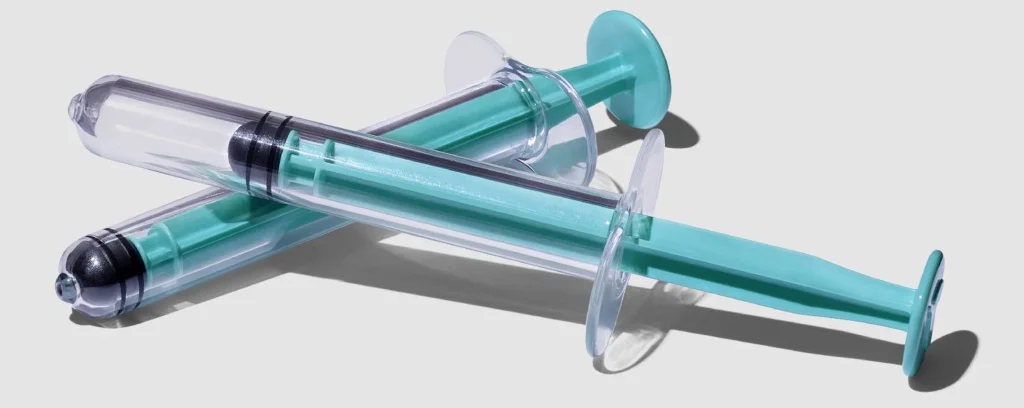
    Two transparent syringes with teal accents positioned diagonally on a light gray background.

    Maximizing Your Chances of Conceiving Naturally: The Top Tools for Your Kit

    6. Stress Management Techniques

    Speaking of stress, managing stress is crucial when trying to conceive naturally. High levels of stress can affect hormone levels and disrupt ovulation, making it harder to conceive. Therefore, incorporating stress management techniques into your daily routine can be beneficial. These can include yoga, meditation, deep breathing exercises, or even therapy to help cope with any underlying fertility-related stress and anxiety.

    7. Fertility Massage

    Fertility massage is a gentle and non-invasive technique that focuses on the reproductive organs to improve blood flow, hormone balance, and fertility. This type of massage can be done by a trained therapist, or you can learn self-massage techniques to do at home. By incorporating fertility massage into your routine, you can help prepare your body for pregnancy and increase your chances of conceiving naturally.

    8. Aromatherapy

    Aromatherapy is the use of essential oils to promote physical and emotional well-being. Certain essential oils, such as clary sage and geranium, have been shown to have positive effects on fertility. These oils can be used in a diffuser, added to a carrier oil for massage, or even added to a warm bath for a relaxing soak. Aromatherapy can help reduce stress, balance hormones, and improve overall reproductive health.

    9. Traditional Chinese Medicine

    Similar to acupuncture, traditional Chinese medicine (TCM) can also be used to improve fertility. TCM practitioners use a combination of herbal remedies, acupuncture, and dietary changes to balance the body’s energy and promote fertility. Studies have shown that TCM can improve ovulation, regulate menstrual cycles, and increase the chances of conceiving naturally.

    10. Communication and Emotional Support

    Finally, one of the most crucial tools in your kit for maximizing your chances of conceiving naturally is communication and emotional support. Trying to conceive can be a stressful and emotional journey, and having a strong support system can make all the difference. Communicate openly and honestly with your partner, and seek support from family, friends, or a fertility support group. Remember to take care of your emotional well-being during this process.

    In conclusion, while there is no guaranteed method for conceiving naturally, incorporating these top tools into your kit can increase your chances. Remember to consult with your doctor before trying any new methods, and don’t lose hope. With patience, perseverance, and the right tools, you can increase your chances of starting a family naturally.

    Summary:

    Conceiving naturally is the desire of many couples, and there are various tools available to help maximize your chances. These include maintaining a healthy diet and exercise routine, tracking your menstrual cycle, using ovulation predictor kits, taking preconception supplements, trying acupuncture, managing stress, incorporating fertility massage and aromatherapy, exploring traditional Chinese medicine, and seeking emotional support. By incorporating these tools into your routine, you can increase your chances of conceiving naturally and starting your family.