Tag: Exercise

  • The 12 Best Workout Routines for Busy Professionals

    As a busy professional, finding time to exercise can be a struggle. Long work hours, meetings, and other responsibilities can leave little time for working out. However, regular exercise is crucial for maintaining good health and managing stress. That’s why it’s important for busy professionals to find efficient and effective workout routines that fit into their busy schedules. In this blog post, we will discuss the 12 best workout routines for busy professionals.

    1. High-Intensity Interval Training (HIIT)
    HIIT is a type of workout that involves short bursts of intense exercise followed by brief periods of rest. This type of training is perfect for busy professionals as it can be completed in a short amount of time, usually 20-30 minutes. HIIT workouts are known for their ability to burn fat and increase cardiovascular endurance.

    2. Circuit Training
    Similar to HIIT, circuit training involves completing a series of exercises with little to no rest in between. This type of workout targets multiple muscle groups and can be completed in a short amount of time. It’s also a great option for those who may not have access to a gym as it can be done with just bodyweight exercises.

    3. Tabata
    Tabata is a form of HIIT workout that follows a specific structure of 20 seconds of high-intensity exercise followed by 10 seconds of rest, repeated for 8 rounds. This workout can be completed in just 4 minutes, making it perfect for busy professionals. It’s also known for its ability to improve both aerobic and anaerobic fitness.

    4. Yoga
    Yoga is not only a great workout for the body, but also for the mind. It can help improve flexibility, strength, and balance, as well as reduce stress and promote relaxation. With various forms of yoga, such as power yoga and hot yoga, it’s easy to find a class that fits into a busy schedule.

    5. Pilates
    Pilates is a low-impact workout that focuses on core strength, flexibility, and posture. This type of workout is perfect for busy professionals who spend a lot of time sitting at a desk. Pilates can be done with or without equipment and can easily be incorporated into a daily routine.

    6. Bodyweight Exercises
    Bodyweight exercises, such as push-ups, squats, and lunges, require no equipment and can be done anywhere. They are a great way to target multiple muscle groups and can be easily modified to fit any fitness level. Busy professionals can do a quick bodyweight workout at home or even in their office during a break.

    Baby wearing a blue shirt with "made with Love" text, surrounded by colorful floral and butterfly designs.

    The 12 Best Workout Routines for Busy Professionals

    7. Dance Workouts
    For those who enjoy dancing, incorporating it into a workout routine is a great way to stay active and have fun. Dance workouts, such as Zumba or hip hop, are a great way to burn calories and improve cardiovascular fitness. They can also be done at home with the help of online classes or DVDs.

    8. Bike Commuting
    Instead of sitting in traffic during a morning commute, why not bike to work? This is a great way to incorporate exercise into a busy schedule. Biking not only burns calories but also helps improve cardiovascular health. If biking to work is not an option, consider using a stationary bike at home or the gym.

    9. Lunch Break Workouts
    Take advantage of your lunch break by fitting in a quick workout. This can be as simple as going for a walk or jog, or even doing a few exercises in your office. Use your lunch break as a time to move your body and recharge for the rest of the day.

    10. Stair Climbing
    Instead of taking the elevator, opt for the stairs. This is a great way to get a quick cardio workout in without having to go to the gym. You can also try doing a few sets of stair climbs during a break or at lunchtime.

    11. Weekend Warrior Workouts
    For busy professionals who have more time on weekends, plan longer workouts that may not be feasible during the workweek. This can be a longer run, a hike, or a group fitness class. This will not only help improve fitness but also provide a much-needed break from a busy schedule.

    12. Personal Training Sessions
    If you have the budget for it, consider hiring a personal trainer. They can create a customized workout plan that fits your schedule and targets your specific fitness goals. Having a trainer also provides accountability and motivation to stick to a workout routine.

    In conclusion, being a busy professional does not have to mean sacrificing your health and fitness. With these 12 workout routines, you can easily incorporate exercise into your busy schedule and reap the benefits of a healthy and active lifestyle. Remember, even a short workout is better than no workout at all. Prioritize your health and make time for exercise, your body and mind will thank you.


  • The 12 Best At-Home Workout Routines for Beginners

    The popularity of at-home workouts has skyrocketed in recent years, and for good reason. Not only are they convenient and cost-effective, but they also eliminate many of the barriers to exercise, such as gym memberships and time constraints. For beginners, at-home workouts are a fantastic way to ease into a fitness routine and build strength and endurance. With the abundance of resources available online, it can be overwhelming to know where to start. That’s why we’ve compiled a list of the 12 best at-home workout routines for beginners, to help you kickstart your fitness journey.

    1. Bodyweight Strength Training
    Bodyweight exercises are a great way to build strength and muscle without any equipment. They use your own body weight as resistance and can be done anywhere, making them perfect for at-home workouts. Some key bodyweight exercises for beginners include squats, push-ups, lunges, and planks. These exercises target multiple muscle groups and can easily be modified to suit your fitness level.

    2. Yoga
    Yoga is a popular form of exercise that focuses on strength, flexibility, and mindfulness. It can easily be done at home with the help of online classes or videos. Many beginner-friendly yoga routines are available, and they often require little to no equipment. Yoga not only helps improve physical health but also has numerous mental benefits, such as reducing stress and increasing relaxation.

    3. HIIT (High-Intensity Interval Training)
    HIIT workouts involve short bursts of intense exercise followed by brief periods of rest. They are a great option for beginners as they can be modified to suit any fitness level. HIIT workouts are known for their efficiency, as they can burn a significant amount of calories in a short amount of time. They also require minimal equipment, making them perfect for at-home workouts.

    4. Pilates
    Pilates is a low-impact form of exercise that focuses on strengthening the core and improving posture. It can be done at home with the help of online classes or videos, and many beginner-friendly routines are available. Pilates can help improve balance, flexibility, and overall body strength.

    5. Walking or Running
    Walking or running are simple yet effective forms of cardiovascular exercise that can easily be done at home. You can either go for a walk or jog outside, or invest in a treadmill for an indoor option. These activities not only improve physical health but also provide mental benefits such as reducing stress and improving mood.

    6. Dance Workouts
    Dance workouts are a fun and engaging way to get your heart rate up and improve cardiovascular health. Many beginner-friendly dance routines can be found online, and they require minimal equipment. You can also create your own dance routine to your favorite music for a personalized workout experience.

    Mosie Baby pregnancy test kit with two tests and packaging, featuring a mint green color scheme.

    The 12 Best At-Home Workout Routines for Beginners

    7. Resistance Band Workouts
    Resistance bands are a versatile and affordable piece of equipment that can add resistance to bodyweight exercises. They are perfect for at-home workouts as they take up minimal space and can target specific muscle groups. Many beginner-friendly resistance band workouts can be found online.

    8. Jump Rope Workouts
    Jumping rope is a great way to improve cardiovascular health and burn calories. It requires minimal space and equipment, making it an ideal at-home workout routine. Jump rope workouts can also be modified to suit any fitness level, making them suitable for beginners.

    9. Chair Workouts
    Chair workouts are perfect for those with limited mobility or injuries. They use a chair as a prop to perform exercises such as dips, seated leg lifts, and step-ups. These exercises can help improve strength and mobility without putting too much strain on the body.

    10. Online Workout Classes
    With the rise of online fitness platforms, there are now countless workout classes available to stream from the comfort of your own home. These classes often offer a variety of options, from strength training to yoga to dance workouts, making it easy for beginners to find something that suits their fitness level and interests.

    11. Circuit Training
    Circuit training involves performing a series of exercises in a specific order with minimal rest in between. It is a great way to improve overall fitness and can be done at home with minimal equipment. Beginners can start with a few simple exercises and gradually increase the intensity and duration of their circuits.

    12. Virtual Personal Training
    For those who want a more personalized approach to their at-home workout routine, virtual personal training is a great option. With the help of a qualified trainer, you can create a customized workout plan and receive guidance and support from the comfort of your own home.

    In summary, at-home workouts offer a convenient and accessible way for beginners to start their fitness journey. From bodyweight strength training to virtual personal training, there are countless options available to suit different preferences and fitness levels. With consistency and dedication, these at-home workout routines can help beginners build strength, improve cardiovascular health, and achieve their fitness goals.

  • The 12 Best Workout Routines for Busy Moms

    Being a mom is no easy feat, and finding time to fit in a workout can seem nearly impossible. But taking care of your physical health is crucial for both you and your family. Exercise not only helps you maintain a healthy weight and reduce your risk of chronic diseases, but it also boosts energy levels and improves mental well-being. So, for all the busy moms out there, here are 12 of the best workout routines to help you stay fit and healthy without sacrificing precious time with your family.

    1. High-Intensity Interval Training (HIIT)
    HIIT is a popular workout routine that involves short bursts of intense exercise followed by brief periods of rest. This type of workout is perfect for busy moms as it can be done in as little as 20 minutes, making it easy to fit into a busy schedule. HIIT has been shown to improve cardiovascular health, increase metabolism, and burn fat effectively.

    2. Bodyweight Workouts
    Bodyweight workouts are a great option for moms who don’t have access to a gym or equipment. These exercises use your own body weight as resistance, making them convenient and easy to do at home. Push-ups, squats, lunges, and planks are just a few examples of bodyweight exercises that can help you build strength and tone your muscles.

    3. Yoga
    Yoga is not only great for physical fitness, but it also promotes relaxation and stress relief. As a busy mom, taking a few minutes to practice yoga can help you clear your mind and improve your overall well-being. There are many online resources for yoga, making it easy to do at home without having to leave your family.

    4. Dance Workouts
    Who says working out can’t be fun? Dance workouts are a great way to get your heart rate up and burn calories while having a good time. Many fitness studios offer dance classes specifically tailored for moms, making it a great opportunity to socialize and make new friends while staying fit.

    5. Strength Training
    Strength training is essential for maintaining bone density, improving metabolism, and preventing injuries. Adding some weight training to your workout routine can help you build muscle, which is important for busy moms who often have to lift and carry their children. You can use dumbbells, resistance bands, or even household items like water bottles or cans as weights.

    6. Stroller Workouts
    For moms who have little ones, stroller workouts are a great way to combine exercise and quality time with your child. Pushing a stroller while walking or jogging can help you burn calories and build endurance. Some fitness studios also offer stroller workout classes, providing an opportunity to meet other moms while getting fit.

    Mosie Baby Kit with a syringe and container, highlighting safety and usability features on a blue background.

    The 12 Best Workout Routines for Busy Moms

    7. Circuit Training
    Circuit training involves performing a series of exercises in a specific order, with minimal rest in between. This type of workout is great for busy moms as it can be done quickly and efficiently. You can create your own circuit routine at home, using a combination of bodyweight exercises and household items as weights.

    8. Tabata Workouts
    Similar to HIIT, Tabata workouts involve short bursts of high-intensity exercises followed by brief rest periods. The main difference is that Tabata workouts consist of 20 seconds of intense exercise followed by 10 seconds of rest, repeated for a total of four minutes. This type of workout is perfect for busy moms who want to get a quick and effective workout in a short amount of time.

    9. Outdoor Activities
    Getting outside and being active with your family is a great way to stay fit and bond with your loved ones. Activities like hiking, biking, and playing in the park can help you burn calories and get some fresh air. Plus, involving your family in your workout routine can be a fun and healthy way to spend quality time together.

    10. Barre Workouts
    Barre workouts combine elements of Pilates, dance, and yoga to create a low-impact but challenging exercise routine. These workouts focus on small, repetitive movements that target specific muscle groups, making them great for toning and strengthening. Many fitness studios offer barre classes specifically designed for postpartum moms, making it a great option for busy moms looking to get back in shape.

    11. Online Workouts
    In today’s digital age, there are countless online resources for workouts that you can do at home. From YouTube channels to fitness apps, you can find a variety of workout routines that cater to different fitness levels and preferences. This is a convenient option for busy moms who may not have time to go to a gym or attend a class.

    12. Partner Workouts
    If you’re a busy mom with a partner who is also looking to stay fit, why not try some partner workouts? This can be a fun and interactive way to exercise together and motivate each other. Partner workouts can include activities like push-ups, medicine ball passes, and partner sit-ups.

    In conclusion, being a busy mom doesn’t mean you have to sacrifice your fitness and health. With these 12 workout routines, you can easily incorporate exercise into your daily routine without taking away precious time from your family. Whether you prefer high-intensity workouts or more low-impact activities, there is something for every mom to stay fit and healthy. Remember, taking care of yourself is not selfish; it is necessary for you to be the best mom you can be for your family.

  • The Top 12 Workout Routines to Get Fit in 2021

    Blog Post:

    As we enter a new year, many of us are setting fitness goals and looking for ways to get fit and healthy. With so many workout routines and trends out there, it can be overwhelming to figure out which one is the best for you. To help you out, we have compiled a list of the top 12 workout routines to get fit in 2021. These routines are diverse, effective, and can be tailored to fit your individual fitness goals and needs. So let’s dive in and find the perfect workout routine for you!

    1. High-Intensity Interval Training (HIIT)
    HIIT has been a popular workout for several years now and for good reason. It involves short bursts of intense exercises followed by brief rest periods, making it a highly efficient workout that burns calories and improves cardiovascular health. HIIT can be done with various exercises like running, cycling, or bodyweight exercises, making it versatile and accessible for everyone.

    2. Strength Training
    Strength training is essential for building muscle, increasing strength, and improving overall body composition. It involves using resistance, whether it be weights, resistance bands, or bodyweight, to challenge and strengthen muscles. Incorporating strength training into your routine can also have long-term benefits for bone health and metabolism.

    3. Pilates
    Pilates is a low-impact workout that focuses on strengthening the core, improving flexibility, and promoting overall body balance. It involves controlled movements and breathing techniques, making it a great option for those looking for a low-intensity but effective workout.

    4. Yoga
    Yoga has been around for centuries, and its popularity has only grown in recent years. It not only improves flexibility and balance but also promotes relaxation and stress relief. There are various styles of yoga, from gentle restorative practices to more challenging power yoga, making it suitable for all fitness levels.

    5. CrossFit
    CrossFit has gained a massive following in the fitness world, and for a good reason. It combines elements of high-intensity interval training, weightlifting, and gymnastics to provide a challenging and well-rounded workout. It is a great option for those looking for a community-based workout and are not afraid of a little competition.

    Baby with blue eyes wearing a light blue onesie that says "made with Love" on a soft white background.

    The Top 12 Workout Routines to Get Fit in 2021

    6. Barre
    Barre workouts have gained popularity in recent years, and for a good reason. They combine elements of Pilates, dance, and strength training to target specific muscle groups, particularly the core, arms, and legs. Barre workouts are low-impact and can be modified for all fitness levels, making it a great option for those recovering from injuries.

    7. Swimming
    Swimming is a full-body workout that is easy on the joints and is suitable for all fitness levels. It not only burns calories but also improves cardiovascular health and builds muscle strength. Whether you are swimming laps or taking a water aerobics class, swimming is a fun and effective way to get fit.

    8. Running
    Running is a classic workout that requires minimal equipment and can be done anywhere. It is an excellent way to improve cardiovascular health, build endurance, and burn calories. You can start with short distances and gradually increase your mileage to challenge yourself and improve your fitness.

    9. Cycling
    Cycling is a low-impact workout that can be done indoors on a stationary bike or outdoors on a road or trail. It is a great option for those looking for a challenging cardio workout without putting too much stress on their joints. With the rise of indoor cycling classes, it has become a popular option for those who enjoy a group workout.

    10. Dance Workouts
    Dance workouts have been around for a while, but they have gained popularity in recent years for their fun and effective nature. From Zumba to hip hop classes, dance workouts provide a full-body workout while also allowing you to let loose and have fun.

    11. Kickboxing
    Kickboxing is a high-energy workout that combines martial arts techniques with cardio and strength training. It is a great option for those looking for a challenging and dynamic workout that also improves coordination and flexibility.

    12. Outdoor Activities
    Last but not least, don’t forget about the great outdoors when it comes to getting fit. Hiking, rock climbing, and even playing a sport like tennis or basketball are all excellent ways to get your body moving and improve your fitness level.

    In summary, there are plenty of workout options to choose from in 2021. Whether you prefer high-intensity workouts, low-impact exercises, or outdoor activities, there is something for everyone. It’s essential to find a routine that you enjoy and can stick to consistently to see long-term results. So try out different workouts, mix it up, and find what works best for you and your fitness goals. Here’s to a fit and healthy 2021!

  • Maximizing Fertility with Exercise: The Role of Cervical Mucus Changes

    Maximizing Fertility with Exercise: The Role of Cervical Mucus Changes

    For couples trying to conceive, fertility can be a major concern. While there are many factors that can affect fertility, one factor that often goes unnoticed is exercise. Exercise has numerous benefits for overall health, but it also plays a crucial role in maximizing fertility. In particular, the changes in cervical mucus that occur with exercise can greatly impact a woman’s ability to conceive. In this blog post, we will explore the connection between exercise and cervical mucus changes and how it can be used to increase fertility.

    What is Cervical Mucus?

    Cervical mucus, also known as cervical fluid, is a natural secretion produced by the cervix. It plays a crucial role in the reproductive system, particularly in fertility. Cervical mucus helps to keep the vagina moist and provides a protective barrier against bacteria and other pathogens. It also serves as a transportation medium for sperm, helping them to reach the egg for fertilization.

    The Role of Cervical Mucus in Fertility

    Cervical mucus is not just a lubricant for sexual intercourse. It has a much more significant role in fertility. The consistency and quality of cervical mucus changes throughout a woman’s menstrual cycle, depending on the levels of estrogen and progesterone in her body. During ovulation, when a woman is most fertile, cervical mucus becomes thinner, clearer, and more stretchy, making it easier for sperm to swim through and reach the egg. On the other hand, during non-fertile times of the cycle, cervical mucus is thicker and less conducive to sperm survival.

    The Connection Between Exercise and Cervical Mucus Changes

    Exercise has a direct impact on a woman’s menstrual cycle and, consequently, on her cervical mucus. Regular exercise can help regulate hormones, which in turn can affect the quality and quantity of cervical mucus. Additionally, exercise increases blood flow to the pelvic area, which can improve the function of the reproductive organs and increase cervical mucus production.

    Types of Exercise that Can Increase Fertility

    1. Cardiovascular Exercise

    Cardiovascular exercise, such as running, cycling, or swimming, has been shown to improve fertility in women. It helps to regulate hormones and increase blood flow to the reproductive organs, which can lead to better cervical mucus production. However, it is essential to avoid excessive cardio exercise, which can have the opposite effect and negatively impact fertility.

    2. Yoga

    Yoga is a popular form of exercise that focuses on breathing and gentle movements. It has been shown to reduce stress levels, which can have a positive effect on fertility. Additionally, certain yoga poses, such as the bridge pose and the cat-cow pose, can help to increase blood flow to the pelvic area and stimulate the reproductive organs.

    3. Pilates

    Pilates is a low-impact exercise that focuses on strengthening the core muscles. It has been found to be beneficial for fertility as it can help to improve blood flow to the reproductive organs and regulate hormones. Pilates also helps to improve posture, which can alleviate pressure on the uterus and improve blood flow to the pelvic area.

    guide and materials for using Mosie Baby fertility kit on a textured surface

    Maximizing Fertility with Exercise: The Role of Cervical Mucus Changes

    4. Strength Training

    Strength training, such as weightlifting, can also have a positive impact on fertility. It helps to build muscle mass, which can help to regulate hormones and improve blood flow to the reproductive organs. However, it is crucial to avoid excessive weightlifting, which can lead to an increase in testosterone levels, which can negatively impact fertility.

    Tips for Maximizing Fertility with Exercise

    1. Consult with a Doctor

    Before starting any exercise regimen, it is crucial to consult with a doctor, especially if you have any underlying health conditions that may affect fertility.

    2. Avoid Excessive Exercise

    While exercise is beneficial for fertility, excessive exercise can have the opposite effect. It is important to listen to your body and not push yourself too hard.

    3. Find a Balance

    Finding a balance between different types of exercise is key. Incorporate a mix of cardiovascular, strength training, and low-impact exercises into your routine to reap the full benefits of exercise on fertility.

    4. Be Consistent

    Consistency is key when it comes to exercise and fertility. Aim for at least 30 minutes of exercise, three to five times a week, to see the best results.

    5. Be Patient

    It is important to remember that changes in fertility do not happen overnight. It may take a few months of consistent exercise to see a significant impact on your cervical mucus and overall fertility.

    In conclusion, exercise plays a crucial role in maximizing fertility, particularly through its impact on cervical mucus changes. By incorporating different types of exercise into your routine and being consistent, you can improve your chances of conceiving. However, it is essential to consult with a doctor and find a balance to avoid any negative effects on fertility. With patience and determination, exercise can be a powerful tool in your journey towards parenthood.

    Summary:

    In this blog post, we explored the connection between exercise and fertility, specifically through the role of cervical mucus changes. Cervical mucus plays a crucial role in fertility, and exercise can directly impact its consistency and quality. We discussed the types of exercises that can increase fertility, such as cardiovascular exercise, yoga, Pilates, and strength training, and provided tips for maximizing fertility with exercise. Ultimately, exercise can be a powerful tool in increasing fertility, but it is essential to consult with a doctor and find a balance to avoid any negative effects.

  • The Surprising Benefits of Exercise on Cervical Mucus Production

    In today’s fast-paced world, it can be easy to neglect our own health and well-being. We often prioritize work, family, and other responsibilities over taking care of ourselves. However, one aspect of our health that we may not pay enough attention to is our cervical mucus production. Cervical mucus plays a crucial role in our reproductive health, and exercise has been found to have surprising benefits on its production. In this blog post, we will explore the connection between exercise and cervical mucus production and discuss how incorporating regular physical activity into our routines can have a positive impact on our reproductive health.

    First, let’s understand what cervical mucus is and why it is important. Cervical mucus is a fluid produced by the cells in the cervix, the lower part of the uterus. It plays a vital role in our reproductive system by helping sperm reach the egg for fertilization. The consistency and quality of cervical mucus also indicate where a woman is in her menstrual cycle, making it an essential factor in fertility tracking.

    Now, you may be wondering, how does exercise affect cervical mucus production? Well, it turns out that physical activity has several surprising benefits on our reproductive health, including our cervical mucus production. Let’s take a closer look at some of these benefits.

    1. Improved Blood Circulation

    Regular exercise helps improve blood circulation throughout the body, including the reproductive organs. This increased blood flow to the cervix and uterus can have a positive effect on cervical mucus production. The cervix relies on a good blood supply to produce enough mucus, and exercise can help facilitate this process.

    2. Hormonal Balance

    Hormonal balance is crucial for proper cervical mucus production. Exercise has been found to help regulate hormones, particularly estrogen and progesterone, which play a significant role in the production of cervical mucus. When these hormones are in balance, the quality and quantity of cervical mucus improve, making it easier for sperm to reach the egg.

    3. Reduced Stress and Anxiety

    Stress and anxiety can have a negative impact on our reproductive health, including cervical mucus production. Exercise has been proven to be an effective stress-reliever, as it releases endorphins, also known as “feel-good” hormones, in our bodies. Regular physical activity can help reduce stress and anxiety levels, promoting a healthier balance of hormones and improving cervical mucus production.

    Mosie Baby pregnancy test kit with two tests and packaging, featuring a mint green color scheme.

    The Surprising Benefits of Exercise on Cervical Mucus Production

    4. Weight Management

    Maintaining a healthy weight is essential for overall health, including reproductive health. Excessive body weight or obesity can lead to hormonal imbalances and reduce the quality of cervical mucus. Regular exercise can help with weight management, keeping our hormones in check and promoting healthy cervical mucus production.

    5. Detoxification

    Our bodies are exposed to various toxins every day, which can have a negative impact on our reproductive health. Exercise helps us sweat, which is one of the body’s natural ways of eliminating toxins. Regular physical activity can help detoxify our bodies, promoting a healthier environment for cervical mucus production.

    6. Improved Overall Health

    Exercise has numerous benefits for our overall health, including our reproductive health. When we are physically active, our bodies are better equipped to fight off infections and illnesses, keeping our reproductive organs healthy. This, in turn, can have a positive impact on cervical mucus production, as a healthy body is better able to produce high-quality mucus.

    7. Better Fertility Outcomes

    For couples trying to conceive, exercise can be an essential factor in improving fertility outcomes. By improving blood circulation, regulating hormones, reducing stress, managing weight, and promoting detoxification, exercise can create a more favorable environment for conception. Additionally, regular physical activity can also help regulate menstrual cycles, making it easier to track ovulation and increase the chances of pregnancy.

    In conclusion, exercise has numerous surprising benefits on cervical mucus production. By improving blood circulation, balancing hormones, reducing stress, managing weight, promoting detoxification, and improving overall health, regular physical activity can have a positive impact on our reproductive health. So, if you’re looking to improve your cervical mucus production or boost your fertility, make sure to incorporate exercise into your daily routine.

  • Fertility Fitness: How Exercise Can Affect Cervical Mucus Changes

    Blog Post: Fertility Fitness: How Exercise Can Affect Cervical Mucus Changes

    Fertility is a topic that is of great importance to many women and couples. While there are many factors that can affect fertility, one that is often overlooked is exercise. Physical activity not only has numerous health benefits, but it can also impact fertility in various ways. In this blog post, we will focus on one specific aspect of fertility – cervical mucus changes – and how exercise can play a role in it.

    Cervical mucus is a fluid that is produced by the cervix, the lower part of the uterus. It plays a crucial role in fertility by helping sperm travel to the egg for fertilization. The consistency and quality of cervical mucus can vary throughout a woman’s menstrual cycle, and changes in mucus can indicate the most fertile days for conception.

    Exercise and Cervical Mucus Changes

    Regular exercise has been shown to have many positive effects on women’s reproductive health. However, the impact of exercise on cervical mucus changes is not widely discussed. Research has shown that exercise can indeed affect cervical mucus in various ways.

    1. Improved Blood Flow to the Pelvic Region

    Exercise increases blood flow to the pelvic region, including the uterus and cervix. This increased blood flow can improve the production and quality of cervical mucus. It also helps to maintain a healthy environment for the egg and sperm to meet.

    2. Hormonal Balance

    Regular exercise can help to regulate hormones, including estrogen and progesterone, which play a crucial role in the menstrual cycle and fertility. Hormonal imbalance can lead to changes in cervical mucus, making it less conducive for sperm survival and movement. Exercise can help to balance hormones, leading to healthier cervical mucus.

    3. Lower Body Fat Percentage

    Being overweight or obese can have a negative impact on fertility. Excess body fat can lead to hormonal imbalances, irregular periods, and ovulation problems. It can also affect cervical mucus production and quality. Exercise can help to lower body fat percentage, leading to improved fertility and healthier cervical mucus.

    4. Stress Reduction

    Stress can have a significant impact on reproductive health and fertility. It can disrupt hormonal balance and affect cervical mucus production. Regular exercise has been shown to reduce stress levels and promote relaxation, leading to improved fertility and healthier cervical mucus.

    Informative card introducing the Mosie Baby Kit and its mission for at-home insemination.

    Fertility Fitness: How Exercise Can Affect Cervical Mucus Changes

    5. Timing of Exercise

    The timing of exercise can also play a role in cervical mucus changes. High-intensity exercises, such as running or weightlifting, can temporarily decrease cervical mucus production. On the other hand, low-intensity exercises, such as yoga or walking, can help to improve blood flow to the pelvic region and promote healthy cervical mucus.

    Tips for Using Exercise to Improve Cervical Mucus Changes

    1. Find a Balance

    While exercise can have many positive effects on fertility, it is essential to find a balance. Overexercising can lead to hormonal imbalances and affect cervical mucus production. It is crucial to listen to your body and not push yourself too hard.

    2. Stay Hydrated

    Dehydration can affect cervical mucus production and quality. It is essential to stay hydrated before, during, and after exercise to ensure optimal cervical mucus.

    3. Avoid Excessive Heat

    High temperatures can affect sperm’s survival and movement, making it more challenging to conceive. It is important to avoid hot tubs, saunas, and intense heat during exercise.

    4. Consult with a Doctor

    Every woman’s body is different, and the impact of exercise on cervical mucus changes may vary. It is always best to consult with a doctor to determine the best exercise routine for your specific needs and fertility goals.

    In conclusion, exercise can have a significant impact on cervical mucus changes and, ultimately, fertility. By improving blood flow, balancing hormones, lowering body fat, reducing stress, and timing exercise appropriately, women can use exercise as a tool to improve their chances of conceiving. However, it is essential to find a balance and consult with a doctor for personalized recommendations.

    Summary:

    In this blog post, we discussed the relationship between exercise and cervical mucus changes. Cervical mucus plays a crucial role in fertility, and regular exercise can impact its production and quality. Some ways exercise can affect cervical mucus changes include improved blood flow, hormonal balance, lower body fat percentage, stress reduction, and timing of exercise. To use exercise to improve cervical mucus changes, it is crucial to find a balance, stay hydrated, avoid excessive heat, and consult with a doctor. Exercise can be a valuable tool in improving fertility, but it is essential to listen to your body and make informed decisions.

  • The Impact of Exercise on Cervical Mucus Quality: What You Need to Know

    Summary:

    Cervical mucus is a crucial aspect of a woman’s fertility and overall reproductive health. It plays a vital role in facilitating sperm transport and increasing the chances of conception. However, many women may not be aware of the impact that exercise can have on their cervical mucus quality. In this blog post, we will explore the relationship between exercise and cervical mucus quality, and what women need to know to optimize their fertility.

    First, we will discuss the basics of cervical mucus and its role in fertility. Cervical mucus is a fluid produced by the cervix that changes in consistency and quality throughout a woman’s menstrual cycle. It serves as a protective barrier for sperm, providing them with a conducive environment to survive and swim towards the egg. The quality and quantity of cervical mucus can vary depending on factors such as hormonal fluctuations, diet, and lifestyle.

    Next, we will dive into the impact of exercise on cervical mucus quality. Exercise has numerous benefits for overall health, including improved cardiovascular health, weight management, and stress reduction. However, certain types and intensities of exercise can affect cervical mucus production and quality. High-intensity exercises, such as marathon running or intense weightlifting, can lead to dehydration and a decrease in cervical mucus production. On the other hand, moderate exercise, such as brisk walking or yoga, can improve blood flow and hormone balance, leading to better cervical mucus quality.

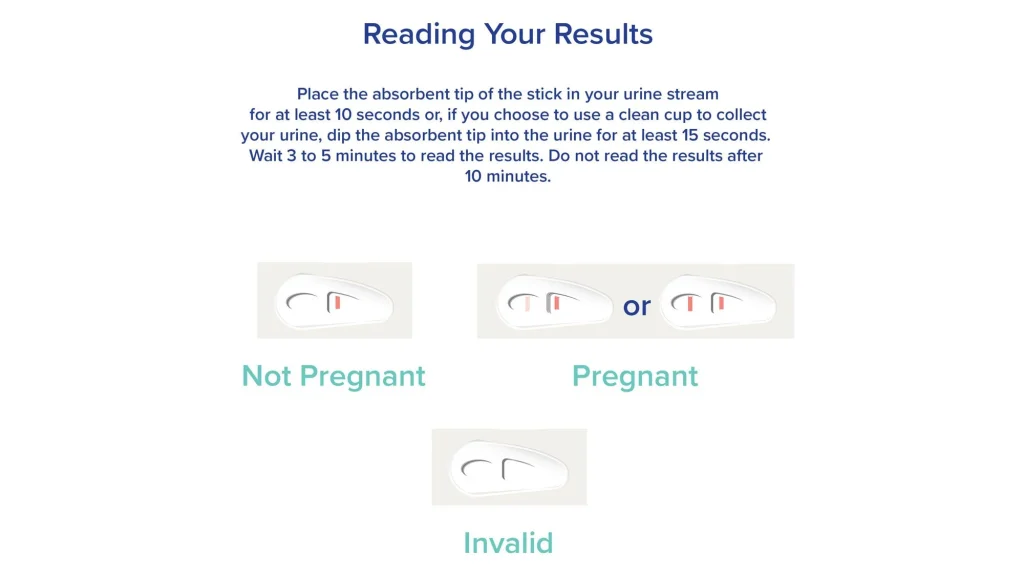
    Instructions for reading pregnancy test results with visual indicators for "Not Pregnant," "Pregnant," and "Invalid.

    The Impact of Exercise on Cervical Mucus Quality: What You Need to Know

    We will also explore the importance of hydration and its impact on cervical mucus. Dehydration can lead to thicker and less abundant cervical mucus, making it more difficult for sperm to reach the egg. It is crucial to drink enough water and electrolyte-rich fluids before and after exercise to maintain proper hydration levels. Additionally, we will discuss the role of nutrition in cervical mucus quality, and how a balanced and healthy diet can positively impact fertility and cervical mucus production.

    Furthermore, we will address the potential negative effects of over-exercising on fertility. While exercise is generally beneficial for reproductive health, excessive and intense exercise can lead to hormonal imbalances, irregular menstrual cycles, and even amenorrhea (absence of periods). These can all have a detrimental effect on cervical mucus quality and decrease the chances of conceiving.

    Lastly, we will provide tips on how to balance exercise and fertility. The key is to find a balance between maintaining a healthy and active lifestyle while also optimizing cervical mucus production and quality. This can be achieved by incorporating moderate exercise into your routine, staying hydrated, and listening to your body. It is also essential to consult with a healthcare professional if you have any concerns or underlying health conditions that may affect your fertility.

    In conclusion, exercise can have a significant impact on cervical mucus quality, and it is essential for women to be aware of this relationship. By understanding the effects of exercise on cervical mucus and implementing strategies to optimize its production and quality, women can improve their chances of conceiving and maintaining a healthy reproductive system.

  • Breaking a Sweat for Better Fertility: The Exercise-Fertility Connection

    Breaking a Sweat for Better Fertility: The Exercise-Fertility Connection

    As many couples struggle with fertility issues, they often turn to medical treatments and procedures to help them conceive. However, research has shown that exercise can also play a crucial role in improving fertility. In fact, the exercise-fertility connection has been studied extensively and the results are clear: breaking a sweat can significantly increase the chances of conception.

    The Benefits of Exercise for Fertility

    Exercise has numerous benefits for overall health, but it can also have a positive impact on fertility. Regular physical activity can help regulate hormone levels, improve blood circulation, and reduce stress and inflammation in the body – all of which are important factors in fertility. Exercise also helps maintain a healthy weight, which is crucial for fertility as being overweight or underweight can disrupt hormone levels and ovulation.

    In addition to these physical benefits, exercise can also have a positive impact on mental health. The stress and anxiety that often accompany fertility struggles can be reduced through exercise, improving overall well-being and increasing the chances of conception.

    Types of Exercise for Fertility

    While any type of exercise can be beneficial for fertility, certain types may be more effective than others. High-intensity exercises, such as running, cycling, and weightlifting, have been shown to improve fertility in both men and women. These activities help to regulate hormone levels and increase blood flow to the reproductive organs. However, it is important to note that too much high-intensity exercise can have the opposite effect and actually decrease fertility. It is recommended to limit these types of exercises to 45 minutes or less per session and to not overdo it.

    Low-impact exercises, such as yoga, Pilates, and swimming, can also be beneficial for fertility. These activities help to reduce stress and promote relaxation, which can in turn improve hormone levels and reproductive function. They also provide a gentle form of exercise for those who may not be able to engage in high-intensity activities.

    Timing and Frequency of Exercise for Fertility

    at-home insemination kit by Mosie Baby, featuring syringes and containers for comfort and convenience.

    Breaking a Sweat for Better Fertility: The Exercise-Fertility Connection

    While exercise is important for fertility, it is also important to find the right balance. Too much or too little exercise can both have negative effects on fertility. It is recommended to engage in moderate exercise for at least 30 minutes, 3-5 times a week. This can include a combination of high-intensity and low-impact exercises. However, it is important to listen to your body and not overexert yourself. Rest days are also crucial for allowing the body to recover and maintain hormonal balance.

    It is also important to consider the timing of exercise in relation to ovulation. Studies have shown that exercising during the ovulation window can increase the chances of conception. However, it is recommended to avoid high-intensity exercises during this time and instead opt for gentle activities to reduce the risk of overexertion.

    Exercise for Male Fertility

    While most of the focus is often on female fertility, it is important to note that exercise can also improve male fertility. Regular exercise can improve sperm production, quality, and motility, which are all important factors in fertility. Studies have also shown that men who are physically active have higher levels of testosterone, which is crucial for sperm production.

    It is important for men to find a balance between high-intensity and low-impact exercises, as too much high-intensity exercise can have a negative impact on sperm production. Engaging in moderate exercise for 30 minutes, 3-5 times a week is recommended for optimal male fertility.

    Incorporating Exercise into Your Fertility Journey

    If you are struggling with fertility, incorporating exercise into your daily routine can be a beneficial addition to medical treatments and procedures. It is important to consult with your doctor before beginning any new exercise regimen, especially if you have any underlying health conditions. They can help you determine the best types and frequency of exercise for your individual situation.

    In addition, it is important to listen to your body and not push yourself beyond your limits. Overexertion and extreme exercise can have a negative impact on fertility, so finding the right balance is key. It is also important to make exercise enjoyable and not a source of stress. Finding an activity that you enjoy and can stick to long-term will be more beneficial for your fertility journey.

    Summary:

    Exercise has been shown to have numerous benefits for fertility. It can help regulate hormone levels, improve blood circulation, reduce stress and inflammation, and promote a healthy weight – all of which are important factors in fertility. High-intensity exercises, such as running and weightlifting, can improve fertility, but it is important to not overdo it. Low-impact exercises, such as yoga and swimming, can also be beneficial for fertility. It is recommended to engage in moderate exercise for 30 minutes, 3-5 times a week and to listen to your body and not push beyond your limits. Exercise can also improve male fertility by improving sperm production and quality. It is important to consult with a doctor before beginning any new exercise regimen and to make exercise enjoyable and not a source of stress.

  • The Benefits of Exercise on Cervical Mucus Production for Fertility

    Blog Post: The Benefits of Exercise on Cervical Mucus Production for Fertility

    When it comes to fertility, many factors can play a significant role in a woman’s ability to conceive. One crucial aspect is the production of cervical mucus. Cervical mucus is a fluid produced by the cervix that helps sperm travel to the egg for fertilization. It also serves as a protective barrier against bacteria and viruses. Inadequate cervical mucus production can make it challenging to conceive and can be a sign of hormonal imbalances or other underlying health issues.

    While there are various ways to improve cervical mucus production, exercise is a natural and effective method that offers many other benefits for overall health and fertility. In this blog post, we will explore the benefits of exercise on cervical mucus production and its impact on fertility.

    1. Improves Blood Circulation to the Reproductive Organs

    Exercise is known for its ability to improve blood circulation throughout the body. This increase in blood flow can also benefit the reproductive organs, including the cervix. The cervix receives oxygen and essential nutrients through the blood, which is crucial for the production of healthy cervical mucus. Improved blood circulation can also help remove toxins and waste products from the body, promoting a healthy reproductive system.

    2. Balances Hormones

    Hormonal imbalances can significantly affect cervical mucus production. Exercise helps regulate hormone levels in the body, including estrogen, progesterone, and testosterone, which all play a role in cervical mucus production. Excess estrogen, for example, can cause a thick, sticky mucus that can hinder sperm movement. Regular exercise can help balance hormone levels, leading to a healthy production of cervical mucus.

    3. Reduces Stress

    Stress can have a significant impact on fertility, and it can also affect cervical mucus production. Chronic stress can disrupt the balance of hormones in the body, leading to a decrease in cervical mucus. Exercise is a natural stress reliever, as it releases endorphins, also known as “feel-good” hormones. These hormones can help reduce stress and promote a more relaxed state, which can positively impact cervical mucus production.

    Hands holding a syringe and a small container against a blue background.

    The Benefits of Exercise on Cervical Mucus Production for Fertility

    4. Promotes a Healthy Weight

    Maintaining a healthy weight is crucial for overall health and fertility. Being overweight or underweight can affect hormone levels and disrupt the menstrual cycle, leading to irregular or absent ovulation. Regular exercise can help maintain a healthy weight, which can improve hormone balance and promote healthy cervical mucus production.

    5. Boosts Immune Function

    A strong immune system is essential for fertility. The cervix is a vital part of the immune system, acting as a barrier against harmful bacteria and viruses. Regular exercise can boost immune function by increasing the production of white blood cells, which help fight off infections. This can reduce the risk of infections that can impact cervical mucus production.

    6. Improves Vaginal Health

    Exercise can also improve vaginal health, which can indirectly impact cervical mucus production. Regular physical activity can increase blood flow to the vaginal area, which helps maintain a healthy pH balance and encourages the growth of beneficial bacteria. This can create a more hospitable environment for sperm and promote healthy cervical mucus production.

    7. Enhances Overall Fertility

    Exercise offers a plethora of benefits for overall health and can have a significant impact on fertility. By promoting a healthy body weight, balancing hormones, reducing stress, and improving immune and reproductive function, regular exercise can enhance overall fertility and increase the chances of conceiving.

    Summary:

    Cervical mucus production is an essential factor in fertility, and exercise offers many benefits for its production. Regular physical activity can improve blood circulation to the reproductive organs, balance hormones, reduce stress, promote a healthy weight, boost immune function, and improve vaginal health. These benefits can ultimately enhance overall fertility and increase the chances of conception.