Tag: DIY insemination

  • The Ultimate Guide to Home Insemination: Everything You Need to Know

    Home insemination, also known as DIY insemination or self-insemination, is a method of artificial insemination that can be done in the comfort and privacy of your own home. It has become a popular option for individuals and couples who are trying to conceive and may be unable to do so through traditional methods. Whether you are a same-sex couple, single parent, or have fertility issues, home insemination offers a convenient and cost-effective way to start or expand your family. In this ultimate guide, we will cover everything you need to know about home insemination, from the basics to the process itself.

    What is Home Insemination?
    Home insemination is a method of artificial insemination where sperm is inserted into the cervix or vagina at home, rather than in a medical setting. It can be done with the help of a sperm donor or using a partner’s sperm. This method is often used by same-sex couples, single individuals, or heterosexual couples struggling with fertility issues. Home insemination can be done using various techniques, such as using a syringe, cervical cap, or softcup, which we will discuss in more detail later.

    Benefits of Home Insemination
    There are several benefits to choosing home insemination over traditional methods. First and foremost, it offers a more private and intimate setting for the insemination process. Many people feel more comfortable and relaxed in their own home, which can increase the chances of success. Home insemination also allows for more control over the process, as it can be done at any time and does not require multiple visits to a doctor’s office. Additionally, it can be a more affordable option compared to medical procedures, making it accessible to a wider range of individuals and couples.

    Things to Consider Before Starting Home Insemination
    Before embarking on the home insemination process, there are several factors to consider. The first and most crucial step is to consult with a healthcare professional to ensure that there are no underlying fertility issues that could hinder the success of home insemination. It is also essential to discuss the process with your partner or any involved party, such as a sperm donor, and have open and honest communication about expectations, boundaries, and legal considerations.

    Obtaining Sperm for Home Insemination
    When it comes to home insemination, sperm can be obtained through several methods. The most common options include using a known donor, purchasing donor sperm from a sperm bank, or using a sperm donation from a friend or family member. Each option has its pros and cons, and it is crucial to thoroughly research and consider each one before making a decision. It is also essential to take necessary precautions, such as getting tested for STDs and screening for genetic diseases, to ensure the health and safety of all parties involved.

    hands using a blue syringe to extract contents from a clear container for a home insemination kit

    The Ultimate Guide to Home Insemination: Everything You Need to Know

    The Home Insemination Process
    Once you have chosen a method and obtained sperm, it is time to begin the home insemination process. The first step is to track your ovulation cycle to determine the best time for insemination. This can be done through various methods, such as tracking your basal body temperature, using ovulation predictor kits, or monitoring your cervical mucus. Once you have determined your fertile window, it is time to prepare for insemination.

    The actual insemination process involves inserting the sperm into the cervix or vagina using a chosen method, such as a syringe, cervical cap, or softcup. It is essential to follow proper hygiene and sanitation guidelines to reduce the risk of infection. After insemination, it is recommended to lie down for 15-20 minutes to allow the sperm to travel to the cervix and increase the chances of conception. It is also crucial to take care of yourself during this time, both physically and emotionally, as it can be a stressful and emotional experience.

    Possible Challenges and Alternatives
    While home insemination can be a successful method of conception, there are also potential challenges and alternative options to consider. One of the main challenges is the success rate, which can vary greatly depending on various factors, such as age, fertility issues, and the chosen method of insemination. In some cases, it may be necessary to seek medical assistance, such as intrauterine insemination (IUI) or in vitro fertilization (IVF), for a higher chance of success. It is also essential to have a backup plan in case home insemination does not result in pregnancy.

    Legal Considerations
    It is crucial to consider the legal aspects of home insemination, especially if using a known donor or sperm donation from a friend or family member. It is highly recommended to seek legal advice and have a written agreement in place to protect all parties involved and ensure that everyone’s rights and responsibilities are clearly defined. This is especially important for same-sex couples, as laws and regulations regarding parental rights can vary depending on the state or country.

    Conclusion
    Home insemination offers a convenient, cost-effective, and intimate way to start or expand your family. It is essential to thoroughly research and consider all aspects of the process before embarking on it. Consulting with a healthcare professional, having open and honest communication with all parties involved, and taking necessary precautions can increase the chances of success and make the experience more comfortable and stress-free. Ultimately, home insemination can be a fulfilling and rewarding method of conception for those who are unable to conceive through traditional methods.

    In summary, home insemination is a method of artificial insemination that can be done in the comfort and privacy of your own home. It is a popular option for individuals and couples who are trying to conceive and may be unable to do so through traditional methods. This guide covers the basics of home insemination, including the benefits, things to consider, obtaining sperm, the insemination process, possible challenges and alternatives, and legal considerations. With the right preparations and precautions, home insemination can be a successful and fulfilling way to start or expand your family.


  • Breaking the Mold: Why More Women Are Choosing DIY Baby-Making with a Syringe Kit

    Blog Post:

    Traditionally, the process of starting a family involved a man and a woman conceiving a child through sexual intercourse. However, in recent years, there has been a shift in the way women are choosing to become mothers. More and more women are opting for DIY baby-making with a syringe kit, breaking the mold of traditional methods of conception. This method, also known as “at-home insemination” or “DIY insemination”, involves using a syringe to insert the sperm into the vagina in order to fertilize the egg. In this blog post, we will explore the reasons behind this growing trend and the benefits and challenges of DIY baby-making.

    One of the main reasons why more women are choosing DIY baby-making is the increasing acceptance and normalization of non-traditional families. With the rise of single-parent households, same-sex couples, and individuals choosing to have children without a partner, the idea of a “traditional” family structure has evolved. This has opened up the possibility for women to explore alternative methods of conception, including DIY baby-making. It allows women to take control of their own fertility and start a family on their own terms, without the need for a male partner.

    Another factor contributing to the rise of DIY baby-making is the high cost of fertility treatments. In vitro fertilization (IVF) and other assisted reproductive technologies can be very expensive, making it inaccessible for many women. DIY baby-making offers a more affordable option, as the cost of a syringe kit is significantly lower than the cost of fertility treatments. This makes it a more feasible option for women who may not have the financial means to pursue other methods of conception.

    Furthermore, DIY baby-making allows for greater privacy and autonomy. For some women, the process of seeking fertility treatments can be overwhelming and invasive. DIY baby-making allows them to avoid the scrutiny of doctors and medical professionals, and instead, take control of their own fertility in the comfort and privacy of their own home. This can be particularly appealing for women who may have cultural or religious beliefs that make seeking fertility treatments a taboo or stigmatized topic.

    hand holding a pregnancy test with instructions on a colorful background

    Breaking the Mold: Why More Women Are Choosing DIY Baby-Making with a Syringe Kit

    In addition to these reasons, there are also practical benefits to DIY baby-making. The process can be done in the comfort of one’s own home, eliminating the need for frequent visits to a doctor’s office. This can be particularly beneficial for women who live in rural or remote areas, where access to fertility clinics may be limited. DIY baby-making also allows for more flexibility in terms of timing, as the process can be done at any time during a woman’s ovulation cycle, rather than being restricted to certain days or times as is the case with fertility treatments.

    However, DIY baby-making does come with its own set of challenges and risks. Without the guidance and support of a medical professional, there is a higher chance of error or complications. There is also a risk of infection if proper hygiene and sterile techniques are not followed during the process. Additionally, there is no guarantee of success with DIY baby-making, as it relies heavily on timing and accuracy of the insemination process.

    Despite these challenges, many women are still choosing DIY baby-making as a viable option for starting a family. It offers them a sense of control and empowerment, and for some, it may be the only option available to them. With the proper education, resources, and support, DIY baby-making can be a safe and effective method of conception for many women.

    In conclusion, the traditional notion of how families are created is changing, and women are breaking the mold by choosing DIY baby-making with a syringe kit. This method offers a more affordable, private, and flexible option for women to start a family on their own terms. While it does come with its own set of challenges, the growing acceptance and accessibility of DIY baby-making highlight the need for more education and support for women who choose this path to motherhood.

    Summary:

    More and more women are choosing DIY baby-making with a syringe kit as a way to start a family. This method allows women to take control of their own fertility, offers a more affordable option, and provides privacy and autonomy. However, it also comes with challenges and risks. Despite this, DIY baby-making is becoming a popular choice for women who may not have access to or prefer not to pursue traditional methods of conception.

  • DIY Baby-Making: Exploring the Different Types of Syringe Kits

    DIY Baby-Making: Exploring the Different Types of Syringe Kits

    The dream of starting a family is a universal one, and many couples are turning to alternative methods of conception to make it a reality. With the rise in popularity of DIY or at-home insemination, more and more people are looking into using syringe kits to assist with the process. In this blog post, we will explore the different types of syringe kits available for DIY baby-making and discuss their effectiveness, safety, and cost.

    1. Traditional Syringe Kits

    Traditional syringe kits, also known as “turkey basters,” have been used for DIY insemination for decades. These kits typically include a plastic syringe with a bulb or plunger at one end and a narrow tip at the other. The process involves collecting semen in a cup or container, then using the syringe to draw it up and insert it into the vagina.

    While traditional syringe kits are readily available and affordable, they may not be the most effective option. The narrow tip of the syringe can make it difficult to deposit the semen directly at the cervix, where it needs to be for fertilization to occur. It also does not have a backflow prevention mechanism, which can increase the risk of contamination.

    2. Soft Cup Kits

    Soft cup kits, also referred to as “fertility cups,” are another type of syringe kit used for DIY insemination. These kits include a flexible cup that is inserted into the vagina and positioned to sit behind the cervix, allowing the sperm to be deposited closer to the opening of the cervix. The cup is left in place for a few hours, giving the sperm time to travel to the egg for fertilization.

    Soft cup kits are slightly more expensive than traditional syringe kits, but they offer better protection against contamination and have a higher success rate. However, some people may find it challenging to insert and remove the cup or may experience discomfort while wearing it.

    3. Needleless Syringe Kits

    Needleless syringe kits, also known as “oral syringes,” are a popular option for DIY insemination. These kits include a plastic syringe with a blunt tip, making it easier to deposit the semen directly at the cervix. The syringe also has a backflow prevention mechanism, reducing the risk of contamination.

    Needleless syringe kits are more expensive than traditional syringe kits but are still relatively affordable. They are also widely available and easy to use. However, some people may prefer a softer and more flexible option, as the plastic syringe can be uncomfortable for some.

    guide and materials for using Mosie Baby fertility kit on a textured surface

    DIY Baby-Making: Exploring the Different Types of Syringe Kits

    4. Pre-filled Syringe Kits

    Pre-filled syringe kits, also called “conception kits,” are the most expensive option for DIY insemination. These kits come with pre-filled syringes containing washed and concentrated sperm, making the process more convenient and eliminating the need to collect and prepare semen. They also come with an insemination cap that helps to deposit the sperm at the cervix.

    Pre-filled syringe kits have a higher success rate compared to other options, but the cost may be a barrier for some. Additionally, some people may not feel comfortable using pre-filled syringes with sperm from a donor they do not know.

    Safety and Effectiveness

    It is essential to understand that DIY insemination using syringe kits does not guarantee pregnancy. The success rate varies depending on factors such as the quality of the sperm, timing, and the individual’s fertility health. It is crucial to consult with a healthcare professional and undergo fertility testing before attempting DIY insemination.

    When it comes to safety, it is crucial to follow proper hygiene and sterilization practices when using syringe kits. Wash your hands thoroughly before and after the process, and ensure that all equipment is cleaned and sterilized before use. If using donor sperm, make sure to obtain it from a reputable and trusted source.

    In terms of effectiveness, pre-filled syringe kits have the highest success rate, followed by soft cup kits and needleless syringe kits. Traditional syringe kits have the lowest success rate, but they can still be effective with proper timing and technique.

    Cost Comparison

    The cost of DIY insemination using syringe kits can vary significantly depending on the type of kit used and the number of attempts made. Traditional syringe kits are the most affordable, ranging from $5 to $10 per kit. Soft cup kits can cost between $15 to $30 per kit, while needleless syringe kits can range from $20 to $40 per kit. Pre-filled syringe kits are the most expensive option, costing between $100 to $200 per kit.

    It is essential to keep in mind that the cost of fertility treatments and assisted reproductive technologies can be significantly higher, making DIY insemination a more accessible and affordable option for many couples.

    In conclusion, DIY baby-making using syringe kits is a viable option for couples looking to start a family. However, it is crucial to understand the different types of syringe kits available and their effectiveness, safety, and cost. Consulting with a healthcare professional and following proper hygiene and sterilization practices are essential for a successful and safe DIY insemination experience.

  • The Ins and Outs of Using a Syringe Kit for DIY Baby-Making

    Blog Post: The Ins and Outs of Using a Syringe Kit for DIY Baby-Making

    For many couples and individuals who are struggling with infertility, the high costs and emotional toll of assisted reproductive technologies can be daunting. This has led to a rise in the popularity of DIY (do-it-yourself) methods for conceiving a child, including the use of a syringe kit. In this blog post, we will delve into the ins and outs of using a syringe kit for DIY baby-making, including its effectiveness, safety, and legal considerations.

    What is a Syringe Kit?

    A syringe kit, also known as an insemination kit, is a medical device that includes a syringe, a catheter, and a specimen cup. These kits are commonly used in fertility clinics for intrauterine insemination (IUI), a procedure where sperm is placed directly into the uterus to increase the chances of fertilization.

    However, syringe kits are also used by individuals and couples who are trying to conceive at home. The process involves collecting semen from a male partner or a sperm donor and using the syringe to insert it into the vagina or cervix of the female partner during ovulation, in hopes of achieving pregnancy.

    Effectiveness of Syringe Kits for DIY Baby-Making

    The success rate of syringe kits for DIY baby-making varies, with some studies suggesting a success rate of 10-15%, while others report a higher success rate of up to 25%. It is important to note that the success rate also depends on various factors, such as the fertility of both partners, the timing of insemination, and the overall health of the female partner.

    Syringe kits are most effective for couples who have unexplained infertility or for those who have male factor infertility, where the male partner has low sperm count or motility. It is not recommended for couples with certain medical conditions or those with a history of sexually transmitted infections.

    Safety Considerations

    Using a syringe kit for DIY baby-making comes with some safety considerations that should not be ignored. It is crucial to follow the instructions provided with the kit and to ensure that the syringe and all other components are sterile before use.

    At-home insemination kit with syringes and collection cups on a teal background.

    The Ins and Outs of Using a Syringe Kit for DIY Baby-Making

    It is also important to keep in mind that DIY insemination does not offer the same level of protection against sexually transmitted infections as medical procedures performed in a clinic. Therefore, it is essential for partners to get tested for STIs before attempting to use a syringe kit for conception.

    Legal Considerations

    One of the biggest concerns surrounding DIY baby-making with a syringe kit is the legal implications. In most countries, the law recognizes the male partner as the legal father of a child conceived through insemination, even if the procedure was performed at home. This means that if the couple is not married, the male partner may have to go through a legal process to establish paternity, which can be a complicated and expensive process.

    It is also important to note that using donor sperm from a sperm bank or a known donor may have different legal implications. It is crucial to seek legal advice and have a written agreement in place before using donor sperm for DIY insemination.

    Alternatives to Syringe Kits

    While syringe kits may seem like a convenient and cost-effective option for DIY baby-making, there are other alternatives that may be more effective and safer. These include using a cervical cap, which is a small silicone cup that is placed over the cervix to aid in conception, or using a soft cup, which is a disposable cup inserted into the vagina to hold sperm close to the cervix.

    Another option is to try natural insemination, where the male partner ejaculates into the vagina during ovulation. However, this method comes with a higher risk of sexually transmitted infections and may not be suitable for couples struggling with male factor infertility.

    In conclusion, using a syringe kit for DIY baby-making can be an appealing option for couples and individuals who are struggling with infertility. However, it is essential to consider the effectiveness, safety, and legal implications before making a decision. Consulting with a fertility specialist and seeking legal advice can help individuals make an informed decision about the best course of action for their unique situation.

    Summary:

    DIY baby-making using a syringe kit is a popular option for individuals and couples struggling with infertility. Syringe kits include a syringe, catheter, and specimen cup, and are commonly used in fertility clinics for intrauterine insemination. The effectiveness of syringe kits varies, and safety and legal considerations should not be ignored. Alternatives to syringe kits include using a cervical cap, soft cup, or natural insemination. It is crucial to seek medical and legal advice before attempting DIY conception with a syringe kit.

  • Breaking Down the Syringe Kit: A Must-Have for DIY Baby-Making

    Breaking Down the Syringe Kit: A Must-Have for DIY Baby-Making

    In recent years, there has been a growing trend of individuals and couples turning to at-home insemination or DIY baby-making methods. Whether it is due to medical reasons, financial limitations, or personal preferences, more and more people are choosing to take matters into their own hands when it comes to starting a family. And one essential tool for this process is the syringe kit.

    In this blog post, we will break down the syringe kit and its role in DIY baby-making. From understanding the different types of syringe kits available to the various steps involved in using one, this post will serve as a comprehensive guide for anyone considering this method of conception.

    Types of Syringe Kits

    Before delving into the details of using a syringe kit for DIY baby-making, it is essential to understand the different types of syringe kits available. The most common types include oral syringes, bulb syringes, and needleless syringes.

    Oral syringes are typically used for administering medication to babies and children. These syringes have a narrow, pointed tip and a plunger for pushing out the liquid. They are readily available at most pharmacies and are usually inexpensive.

    Bulb syringes, also known as ear syringes, are used for suctioning out mucus or other fluids from the nose or ears. These syringes have a bulb-shaped reservoir with a thin, tapered tip for easy insertion.

    Needleless syringes, also known as luer lock syringes, are the most commonly used type for DIY insemination. These syringes have a luer lock tip, which allows for the attachment of different size needles or tips. They are the most precise type of syringe and can hold a larger volume of liquid than oral or bulb syringes.

    Steps for Using a Syringe Kit for DIY Baby-Making

    Step 1: Choose the Right Syringe Kit

    As mentioned earlier, needleless syringes are the most commonly used type for DIY insemination. However, it is essential to choose a syringe kit that is specifically designed for this purpose. These kits usually come with a sterile syringe, a sterile cup for holding the semen, and a sterile catheter for insertion.

    Step 2: Prepare the Syringe Kit

    Before starting the insemination process, it is crucial to ensure that the syringe kit is sterile. This can be done by boiling the syringe and all its components in water for 10 minutes or by using a sterile syringe kit that is specifically designed for medical procedures.

    Step 3: Collect the Semen

    Baby with blue eyes wearing a light blue onesie that says "made with Love" on a soft white background.

    Breaking Down the Syringe Kit: A Must-Have for DIY Baby-Making

    The next step is to collect the semen sample. This can be done by using a collection cup or a condom during intercourse. If using a collection cup, make sure to keep it clean and sterile. If using a condom, make sure it is non-spermicidal and does not contain any lubricants.

    Step 4: Load the Syringe

    Once the semen sample has been collected, it is time to load the syringe. Attach the catheter to the syringe and draw the semen into the syringe by pulling back the plunger. It is essential to avoid air bubbles in the syringe, as they can be harmful to the sperm.

    Step 5: Insert the Catheter

    Once the syringe is loaded with the semen, it is time to insert the catheter. The best position for this step is lying down with the hips slightly elevated. Insert the catheter into the vagina and advance it towards the cervix. Once the catheter is near the cervix, push the plunger to release the semen.

    Step 6: Wait and Rest

    After the semen has been released, it is recommended to stay in the same position for at least 20 minutes to allow the sperm to reach the cervix. This will increase the chances of conception.

    Step 7: Clean Up and Repeat

    After the waiting period, remove the catheter and clean up. If using a syringe kit designed for multiple inseminations, repeat the process for another attempt. If not, dispose of the syringe and other components properly.

    The Importance of Using a Syringe Kit for DIY Baby-Making

    When it comes to DIY baby-making, using a syringe kit is crucial for several reasons. Firstly, it allows for a more precise and controlled insemination process, increasing the chances of conception. Secondly, it ensures that the semen is handled and inserted in a sterile environment, reducing the risk of infection. Lastly, it is a more affordable option compared to other methods such as intrauterine insemination (IUI) or in vitro fertilization (IVF).

    In conclusion, the syringe kit is a must-have for anyone considering DIY baby-making. It not only makes the process more manageable but also increases the chances of success. With different types of syringe kits available and a simple step-by-step guide, anyone can embark on this journey of starting a family at home.

    Summary:

    In recent years, more and more people are turning to at-home insemination or DIY baby-making methods. One essential tool for this process is the syringe kit, which comes in different types, including oral syringes, bulb syringes, and needleless syringes. The steps for using a syringe kit for DIY baby-making include choosing the right kit, preparing it, collecting the semen, loading the syringe, inserting the catheter, waiting and resting, and cleaning up. Using a syringe kit is important as it allows for a more controlled and sterile insemination process, increasing the chances of conception, and it is also a more affordable option compared to other methods.

  • The Emotional Rollercoaster of Home Insemination

    Blog Post:

    Home insemination, also known as self-insemination or DIY insemination, is the process of using a donor’s sperm to conceive a child without medical intervention. While this method may seem like a simple and cost-effective option for those trying to conceive, it can also be an emotional rollercoaster. The journey of home insemination is filled with highs and lows, and it’s important to understand and prepare for the emotional impact it can have.

    The Excitement of Starting the Process

    For many couples, the decision to start the home insemination process is an exciting one. It’s the beginning of a journey towards starting or expanding their family. The process often starts with researching and finding the right donor, whether it’s a known donor or a stranger from a sperm bank. This can involve reading through donor profiles, discussing options with partners, and making a decision that feels right for everyone involved.

    The anticipation of trying to conceive can also bring about feelings of excitement and hope. It’s a time where dreams of having a child start to feel more tangible. The thought of creating a life and growing a family together can be an incredibly joyous and emotional experience.

    The Frustration of Inconsistent Results

    One of the biggest challenges of home insemination is the inconsistency of results. Unlike medical procedures, there is no guarantee of success with each attempt. This can be frustrating and disheartening for couples who are eagerly trying to conceive.

    Many factors can affect the success of home insemination, such as timing, ovulation, and sperm quality. It can take multiple attempts before achieving a positive pregnancy test, and this can be emotionally taxing. Each month, there is the anticipation and hope of a positive outcome, followed by the disappointment and sadness of a negative result. This emotional rollercoaster can take a toll on individuals and their relationships.

    The Pressure of Timing

    Timing is crucial when it comes to home insemination. Unlike natural conception, there is a limited window of opportunity for sperm to fertilize an egg. This means that couples must be diligent in tracking ovulation and planning insemination accordingly.

    The pressure of timing can add stress and anxiety to the already emotional process. Couples may feel pressure to have sex or inseminate at a specific time, which can take away from the intimacy of the experience. It can also lead to feelings of disappointment and frustration if the timing doesn’t result in a pregnancy.

    The Disappointment of Failed Attempts

    mosie baby logo featuring a heart and leaves in blue, pink, and green colors.

    The Emotional Rollercoaster of Home Insemination

    Despite the best efforts and intentions, home insemination can sometimes result in failed attempts. This can be a devastating blow for couples who have invested time, energy, and emotions into the process. Each negative result can feel like a personal failure, and it’s common for individuals to blame themselves or their bodies.

    The disappointment of failed attempts can also bring up feelings of inadequacy or self-doubt. It’s important for couples to support each other and remind themselves that it’s a normal part of the process. Even with medical assistance, conception can take time, and it’s essential to have patience and perseverance.

    The Joy of a Positive Pregnancy Test

    After weeks or even months of trying, the joy of a positive pregnancy test can be overwhelming. It’s a moment of pure happiness and excitement, knowing that all the hard work and emotional ups and downs have led to this moment. The news can bring couples closer together and solidify their bond as they prepare for the journey of parenthood.

    The anxiety and fear of the unknown can also creep in with a positive pregnancy test. It’s natural to feel nervous and overwhelmed about the responsibility of bringing a child into the world. But overall, the joy and anticipation of welcoming a new life into the world often outweigh any fears or worries.

    The Fear and Uncertainty of the Pregnancy

    Pregnancy, whether achieved through home insemination or natural conception, comes with its own set of emotional challenges. For couples who have used home insemination, there may be added fears and uncertainties, such as the lack of medical supervision or the potential for complications.

    It’s common for expectant parents to worry about the health and well-being of their unborn child, and this can be heightened for those who have used home insemination. The fear of the unknown and the what-ifs can lead to a rollercoaster of emotions throughout the pregnancy.

    The Relief and Joy of a Successful Birth

    Finally, after months of anticipation and emotional ups and downs, the arrival of a healthy baby brings a sense of relief and joy. The hard work, sacrifices, and emotional journey are all worth it when holding a precious little one in your arms.

    The birth of a child can also be a time of healing and closure for couples who have faced challenges along the way. The struggles of home insemination are now a distant memory as they embark on a new journey as parents.

    Summary:

    Home insemination is an emotional rollercoaster that comes with highs and lows. The excitement of starting the process, the frustration of inconsistent results, the pressure of timing, and the disappointment of failed attempts are just some of the emotions that couples may experience. The joy of a positive pregnancy test, the fear and uncertainty of pregnancy, and the relief and joy of a successful birth are also part of the rollercoaster. It’s important for couples to support each other and prepare for the emotional impact that home insemination can have on their journey towards starting or expanding their family.

  • How to Make Home Insemination More Affordable

    As the cost of fertility treatments continues to rise, many couples and individuals are turning to home insemination as a more affordable option. However, even this method can come with a hefty price tag. In this blog post, we will discuss ways to make home insemination more affordable.

    1. Use Fresh or Frozen Donor Sperm

    The most significant expense in home insemination is often the cost of donor sperm. However, there are ways to make this more affordable. First, consider using fresh donor sperm instead of frozen. Fresh sperm is typically cheaper and has a higher success rate. You can find fresh donor sperm through sperm banks, fertility clinics, or online communities.

    Another option is to use frozen donor sperm, which is often more affordable than fresh. You can purchase frozen donor sperm from sperm banks or through online sperm donation websites. It is essential to research and compare prices from different sources to find the best deal.

    2. Consider Using Known Donors

    Using a known donor, such as a friend or family member, can also be a more affordable option. This eliminates the cost of purchasing donor sperm altogether. However, using a known donor comes with its own set of challenges and considerations, so it is crucial to do thorough research and consult with a fertility specialist before moving forward.

    3. DIY Insemination Kits

    Instead of purchasing expensive home insemination kits, consider creating your own DIY kit. You can purchase sterile syringes and cups from a pharmacy or medical supply store. You can also use a menstrual cup or turkey baster as a substitute for a syringe. DIY kits are a more cost-effective option and allow you to customize the process to your specific needs.

    at-home insemination kit by Mosie Baby, featuring syringes, collection cups, and instructions on a pink background.

    How to Make Home Insemination More Affordable

    4. Track Your Ovulation Cycle

    Timing is key in home insemination, and tracking your ovulation cycle can increase your chances of success and potentially save you money. There are various methods for tracking ovulation, such as using ovulation predictor kits, tracking basal body temperature, or monitoring cervical mucus changes. By understanding your body’s natural fertility cycle, you can time insemination more accurately and potentially reduce the number of attempts needed.

    5. Don’t Overspend on Fertility Supplements

    Fertility supplements can be pricey, and there is little evidence to support their effectiveness. Instead of spending money on expensive supplements, focus on maintaining a healthy lifestyle. Eating a balanced diet, exercising regularly, and managing stress can all contribute to better reproductive health and increase your chances of success with home insemination.

    6. Explore Insurance Coverage and Discounts

    Although it is not common, some insurance plans may cover fertility treatments, including home insemination. It is worth researching your insurance coverage to see if you are eligible for any discounts or reimbursements. Additionally, some fertility clinics and sperm banks offer discounts or payment plans to make treatments more affordable. Be sure to inquire about any available options.

    7. Consider Intrauterine Insemination (IUI)

    If you are struggling with fertility issues, you may want to consider intrauterine insemination (IUI) instead of home insemination. IUI is a more effective method of insemination and is performed by a medical professional in a clinic or doctor’s office. It may be more expensive than home insemination, but it may also increase your chances of success and reduce the number of attempts needed.

    In summary, there are various ways to make home insemination more affordable, including using fresh or frozen donor sperm, considering known donors, creating DIY insemination kits, tracking your ovulation cycle, and exploring insurance coverage and discounts. By researching and considering these options, you can save money and increase your chances of success with home insemination.

  • Understanding the Risks of Home Insemination

    Understanding the Risks of Home Insemination: A Comprehensive Guide

    Home insemination, also known as self-insemination or DIY insemination, is the process of using at-home methods to achieve pregnancy without medical assistance. It has become a popular option for couples who are struggling with fertility issues, same-sex couples, and single individuals who want to start a family. While home insemination may seem like a convenient and cost-effective solution, it is important to understand the risks involved before embarking on this journey.

    In this blog post, we will explore the various risks associated with home insemination and provide important information to help you make an informed decision.

    1. Inaccurate Timing and Techniques
    One of the biggest risks of home insemination is inaccurate timing and techniques. In order for insemination to be successful, it is crucial to time it correctly with ovulation. This requires tracking ovulation through methods such as ovulation predictor kits or basal body temperature charting. If the timing is off, the chances of conception decrease significantly.

    In addition, the technique used for insemination is also important. It requires precise placement of sperm near the cervix for optimal chances of fertilization. Without proper knowledge and training, it can be challenging to achieve the right placement, which can lead to unsuccessful insemination attempts.

    2. Risk of Infection
    Another risk of home insemination is the potential for infection. The process involves introducing foreign objects, such as syringes or catheters, into the reproductive system. If these tools are not properly sterilized or if the environment is not kept clean, there is a risk of introducing bacteria or other pathogens into the body, which can lead to infections.

    home insemination kit components: a syringe and a collection container against a blue background.

    Understanding the Risks of Home Insemination

    3. Lack of Legal Protection
    In many countries, home insemination is not regulated or legally recognized. This lack of legal protection can leave both the donor and the recipient vulnerable. For instance, in the case of a sperm donor, there may be no legal agreement in place to protect them from any future legal or financial responsibilities towards the child. On the other hand, the recipient may not have any legal rights to the child if the donor decides to revoke consent or if the relationship between the donor and the recipient deteriorates.

    4. Emotional and Psychological Impact
    Home insemination can also have a significant emotional and psychological impact on both the donor and the recipient. For the donor, there may be feelings of attachment or responsibility towards the child, which can be challenging to navigate without proper legal protection. For the recipient, there may be feelings of anxiety, stress, or disappointment if insemination attempts are unsuccessful, which can take a toll on their mental health.

    5. Risk of Multiple Pregnancies
    When using a fertility clinic for insemination, the process is closely monitored to ensure that only one embryo is implanted to reduce the risk of multiple pregnancies. However, with home insemination, there is a higher chance of multiple pregnancies since there is no way to control the number of sperm introduced into the body. This can lead to complications during pregnancy and childbirth, as well as increase the risk of preterm labor and other pregnancy-related complications.

    6. Lack of Medical Support
    In a clinical setting, medical professionals are available to provide support and guidance throughout the insemination process. However, with home insemination, there is no medical support available, and any complications or concerns may go unnoticed or untreated. This can be particularly risky for individuals with underlying medical conditions or those who may require additional medical intervention during the insemination process.

    7. Limited Success Rates
    While home insemination may seem like a more convenient and affordable option, the success rates are significantly lower compared to clinical insemination. This is due to the various factors mentioned above, such as inaccurate timing and techniques, lack of medical support, and risk of infection. It is essential to understand that the success rates of home insemination are not guaranteed and may require multiple attempts before achieving pregnancy.

    In summary, home insemination may seem like an attractive option for individuals or couples looking to start a family, but it is crucial to understand the potential risks involved. Inaccurate timing and techniques, risk of infection, lack of legal protection, emotional and psychological impact, risk of multiple pregnancies, lack of medical support, and limited success rates are all important factors to consider before deciding to pursue home insemination.

    Before embarking on this journey, it is highly recommended to consult with a fertility specialist to understand the potential risks and to ensure that all necessary precautions are taken to increase the chances of a successful pregnancy.

  • Maximizing Your Chances of Conceiving Naturally with the Syringe Method

    Maximizing Your Chances of Conceiving Naturally with the Syringe Method

    Conceiving a child is a deeply personal and often emotional journey for many couples. While some are blessed with the ability to conceive naturally and easily, others may face challenges and difficulties in trying to conceive. In recent years, the use of assisted reproductive techniques has become more common, but for those who want to take a more natural approach, there is an alternative method that has been gaining popularity – the syringe method.

    The syringe method, also known as the “turkey baster method” or “DIY insemination,” involves using a sterile syringe to insert semen into the vagina during ovulation in hopes of achieving pregnancy. While it may sound unconventional, this method has been used by many couples and has shown promising results. In this blog post, we will explore the syringe method in more detail and discuss how you can maximize your chances of conceiving naturally with this technique.

    Understanding the Syringe Method

    The syringe method is based on the principle of insemination, where sperm is introduced into the female reproductive system to fertilize an egg. In traditional insemination, this is done by a medical professional in a clinical setting, but with the syringe method, it can be done at home by the couple themselves. This method is often used by same-sex couples or heterosexual couples struggling with male fertility issues.

    To use the syringe method, the male partner collects semen in a sterile container or condom and then uses a syringe without a needle to insert it into the vagina. The best time to try this method is during ovulation, when the woman’s body releases an egg that can be fertilized by the sperm. To determine when ovulation occurs, there are various methods that couples can use, such as tracking basal body temperature, monitoring cervical mucus, or using ovulation predictor kits.

    Maximizing Your Chances of Success

    While the syringe method may seem simple, there are certain steps that couples can take to increase their chances of success. Here are some tips to maximize your chances of conceiving naturally with the syringe method:

    1. Have a healthy lifestyle: A healthy lifestyle is crucial for both partners when trying to conceive. This includes maintaining a balanced diet, exercising regularly, and avoiding harmful substances such as tobacco and alcohol. A healthy body increases the chances of fertility, making it easier for the sperm to fertilize the egg.

    2. Use fresh semen: For the syringe method to be effective, it is important to use fresh semen. Sperm can survive outside the body for a short period, but its viability decreases over time. It is recommended to use semen within 30 minutes of collection for the best results.

    Hands holding a syringe and a small container against a blue background.

    Maximizing Your Chances of Conceiving Naturally with the Syringe Method

    3. Choose the right syringe: When choosing a syringe for insemination, it is important to opt for one without a needle. The tip of the syringe should also be smooth to avoid any discomfort during insertion. A 5-10 ml syringe is usually recommended, but couples should choose what works best for them.

    4. Find a comfortable position: The position during insemination can also affect the chances of success. It is best to choose a position that is comfortable for both partners and allows for easy insertion of the syringe. Some couples prefer to use pillows to elevate the hips to help the sperm reach the cervix more easily.

    5. Be patient and try multiple times: As with any method, it may take some time and multiple attempts to achieve pregnancy. It is important to be patient and try multiple times during the ovulation window to increase the chances of success.

    Benefits of the Syringe Method

    Aside from providing a more natural approach to conception, the syringe method also offers other benefits. One of the main advantages is cost-saving. Insemination procedures can be expensive, and the cost can add up for couples who need multiple attempts. The syringe method can be done at home and at a much lower cost.

    Moreover, the syringe method allows for greater control and involvement in the process for both partners. It can also be a more intimate and bonding experience for the couple, compared to clinical procedures. For same-sex couples, it provides a way for both partners to be physically involved in the conception process.

    In addition, the syringe method can be used in conjunction with other natural methods, such as fertility-friendly lubricants, to further increase the chances of success. However, it is important to consult with a healthcare provider before using any additional methods.

    In conclusion, the syringe method is a viable option for couples looking to conceive naturally. While there are no guarantees, following these tips and maintaining a positive mindset can help increase the chances of success. Remember to always consult with a healthcare provider if you have any concerns or questions about this method.

    Summary:

    The syringe method, also known as the “turkey baster method” or “DIY insemination,” is a natural approach to conception that involves using a sterile syringe to insert semen into the vagina during ovulation. This method can be used by same-sex couples or heterosexual couples struggling with male fertility issues. To increase the chances of success, couples should maintain a healthy lifestyle, use fresh semen, choose the right syringe, find a comfortable position, and be patient and try multiple times. The syringe method offers benefits such as cost-saving, greater control and involvement, and the ability to be used with other natural methods. It is important to consult with a healthcare provider before trying this method.

  • A Comprehensive Guide to At-Home Insemination Solution Sets

    Summary:

    At-home insemination is becoming a popular option for individuals and couples looking to start a family. With advancements in technology and the availability of comprehensive solution sets, it is now easier than ever to perform the insemination process in the comfort of your own home. In this comprehensive guide, we will explore the different types of at-home insemination solution sets available, the benefits and considerations of each, and step-by-step instructions on how to use them effectively.

    Introduction:

    At-home insemination, also known as self-insemination or self-administered insemination, is a method of achieving pregnancy without medical assistance. It involves placing sperm into the reproductive tract through the use of a syringe, cup, or other device. This method is often used by same-sex couples, single individuals, or couples with fertility issues. At-home insemination is a cost-effective and convenient option for those who may not have access to traditional fertility treatments or prefer to have more control over the process.

    Types of At-Home Insemination Solution Sets:

    1. Conception Kits:
    Conception kits are comprehensive solution sets that include all the necessary tools and instructions for at-home insemination. These kits typically include a cervical cap, ovulation predictor kit, pregnancy test, and other necessary items. The cervical cap is used to collect and hold the sperm, while the ovulation predictor kit helps determine the most fertile time for insemination. These kits are available over-the-counter and can be purchased online or at a local pharmacy.

    2. At-Home Insemination Devices:
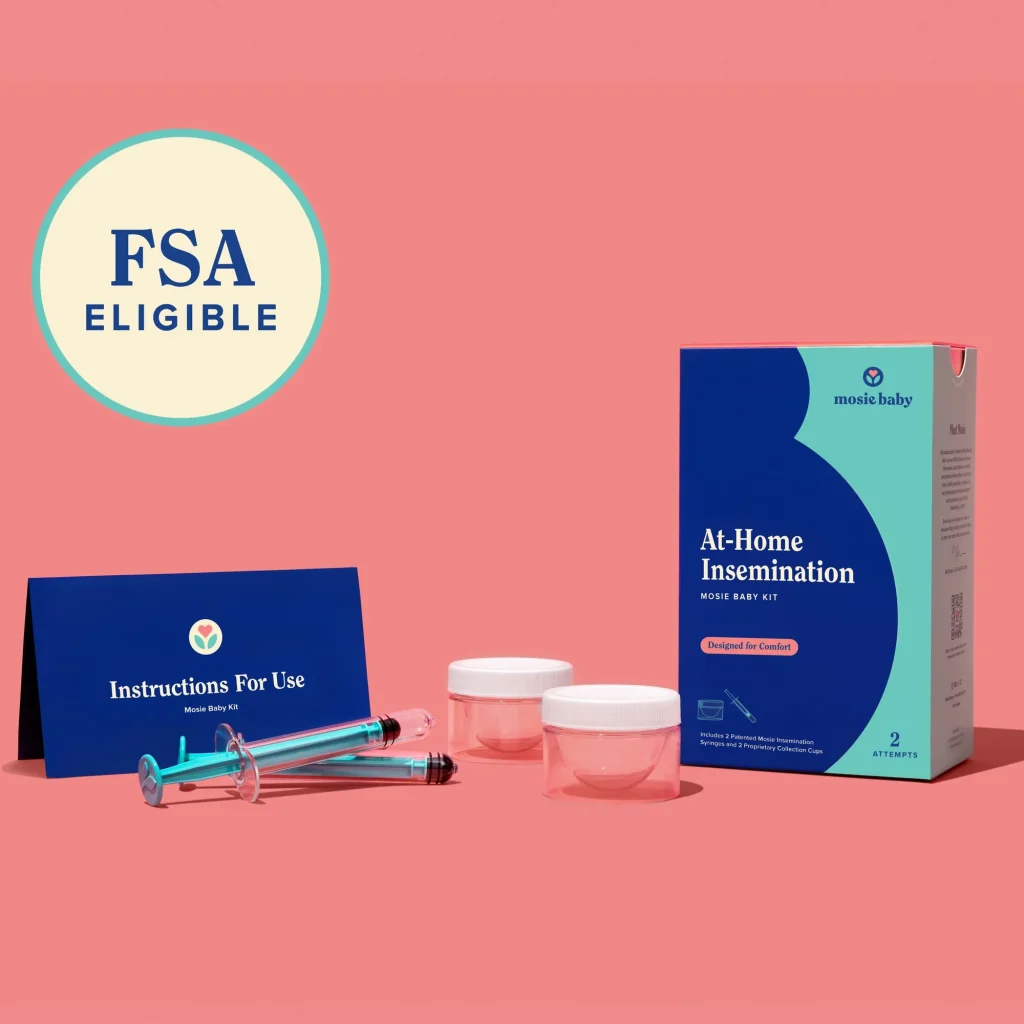
    There are also various devices available for at-home insemination, such as the Mosie Baby syringe or the Stork OTC. These devices are designed specifically for at-home insemination and make the process easier and more hygienic. They also come with detailed instructions and are generally more affordable than conception kits.

    3. DIY Insemination Solution Sets:
    For those looking for a more budget-friendly option, DIY insemination solution sets can be put together using household items. These sets typically include a syringe or turkey baster, a menstrual cup, and other necessary items. While these sets may be cheaper, they may not have the same level of sterility and precision as other solution sets.

    Benefits and Considerations of At-Home Insemination Solution Sets:

    1. Cost-effective:
    At-home insemination solution sets are generally more affordable than traditional fertility treatments, making them accessible to a wider range of individuals and couples.

    2. Convenience:
    Performing at-home insemination allows for more privacy and comfort compared to medical procedures. It also eliminates the need for frequent visits to a fertility clinic, making it a more convenient option for those with busy schedules or limited access to medical facilities.

    3. Control over the process:
    At-home insemination gives individuals and couples more control over the process and allows them to be more involved in their journey to parenthood.

    However, there are also some important considerations to keep in mind when using at-home insemination solution sets. These include:

    Mosie Baby kit with two jars, a syringe, and a supportive message card inside a colorful box.

    A Comprehensive Guide to At-Home Insemination Solution Sets

    1. Risk of infection:
    It is crucial to maintain a high level of sterility when performing at-home insemination to reduce the risk of infection. Make sure to follow the instructions provided and use sterile equipment to avoid any complications.

    2. Success rates:
    The success rates of at-home insemination may not be as high as traditional fertility treatments. It is important to have realistic expectations and be prepared to try multiple times before achieving pregnancy.

    3. Legal concerns:
    In some countries, at-home insemination may not be legally recognized, and the non-biological parent may face legal challenges in establishing parental rights. It is important to research and understand the laws and regulations in your country or state before proceeding with at-home insemination.

    Step-by-Step Guide to At-Home Insemination:

    1. Determine the most fertile time:
    Using an ovulation predictor kit or tracking your menstrual cycle, determine the most fertile time for insemination. This is usually around the time of ovulation, which occurs approximately 14 days after the first day of your last period.

    2. Prepare the sperm:
    If using donor sperm, make sure to follow the instructions provided by the sperm bank. If using a known donor, make sure to discuss any necessary testing and screening beforehand.

    3. Prepare the insemination solution set:
    Follow the instructions provided with the solution set to ensure proper sterilization of all equipment.

    4. Collect the sperm:
    Collect the sperm using the provided tools or a clean cup.

    5. Insert the sperm:
    Using the provided syringe or device, insert the sperm into the reproductive tract. The most common method is to place the sperm near the cervix, but other methods may vary depending on the type of device used.

    6. Remain in a reclined position:
    After insemination, it is recommended to remain in a reclined position for 15-20 minutes to increase the chances of successful fertilization.

    7. Take a pregnancy test:
    Wait at least two weeks and take a pregnancy test to determine if the insemination was successful. If the test is positive, make an appointment with a healthcare provider for confirmation and further guidance.

    Conclusion:

    At-home insemination solution sets offer a convenient and cost-effective option for individuals and couples looking to start a family. With various types of solution sets available, it is important to research and choose the one that best fits your needs and budget. By following the step-by-step guide and considering the benefits and considerations, you can increase your chances of a successful and safe at-home insemination.