Tag: fertility

  • The Role of Donor Selection in Insemination on Your Own Terms

    Blog Post:

    Insemination is a method of assisted reproduction that involves transferring sperm directly into the cervix, uterus, or fallopian tubes to increase the chances of fertilization. This method is often used by couples struggling with infertility, same-sex couples, and single individuals who are looking to start a family on their own terms.

    One of the key factors in successful insemination is donor selection. Choosing the right donor is crucial in ensuring a healthy and happy pregnancy. In this blog post, we will discuss the role of donor selection in insemination and how it can impact the experience of starting a family on your own terms.

    Importance of Donor Selection

    The process of donor selection involves carefully evaluating and choosing a sperm donor based on various factors such as physical characteristics, medical history, and personal preferences. This process is essential as the donor’s genetic material will play a significant role in the child’s physical and mental traits.

    One of the primary concerns in donor selection is the risk of passing on genetic diseases or disorders to the child. This is why it is crucial to thoroughly review the donor’s medical history and genetic screening results to ensure a healthy pregnancy and a healthy baby. Additionally, it is essential to consider any hereditary conditions that may run in the donor’s family and how it could potentially impact the child’s health.

    Another significant factor in donor selection is physical characteristics. Many individuals or couples prefer to choose a donor who shares similar physical traits, such as eye or hair color, to ensure a more seamless blending of genetics. While physical characteristics do not play a crucial role in a child’s health, it can be a vital factor for some people in creating a sense of connection and belonging.

    Lastly, personal preferences and values also play a role in donor selection. Some individuals or couples may prefer a donor who shares similar beliefs or interests, while others may prioritize finding a donor with a specific educational or professional background. These preferences are entirely valid and can contribute to the overall happiness and satisfaction of the parents and the child.

    Challenges in Donor Selection

    Despite the importance of donor selection, there are some challenges that individuals or couples may face in the process. One of the main challenges is the limited availability of donors, especially for those looking for specific traits or characteristics. This can make it difficult to find a suitable donor, leading to frustration and disappointment.
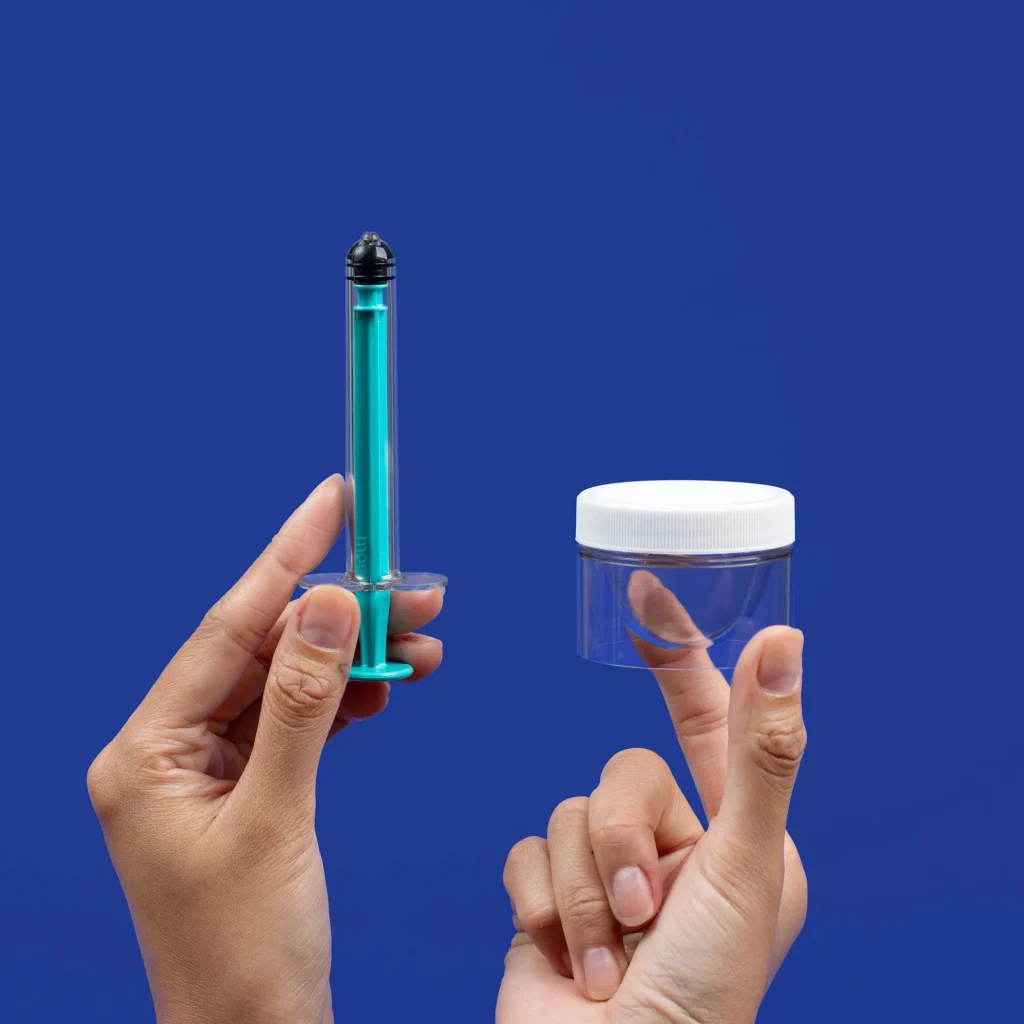
    home insemination kit components: a syringe and a collection container against a blue background.

    The Role of Donor Selection in Insemination on Your Own Terms

    Moreover, the cost of insemination and donor selection can also be a challenge for some individuals or couples. Insemination can be an expensive process, and adding the cost of donor selection and screening can be a significant financial burden for many. This can limit the options and choices for individuals or couples who are on a tight budget.

    Insemination on Your Own Terms

    Despite the challenges, the good news is that there are now more options for individuals or couples looking to start a family on their own terms. With the advancement of technology, there are now various ways to access donor sperm, such as sperm banks, fertility clinics, and online donor databases.

    Online donor databases, in particular, have become a popular option for many people. These databases allow individuals or couples to browse through a vast selection of donors and view detailed profiles, including physical characteristics, medical histories, and personal preferences. This gives individuals or couples more control and flexibility in their donor selection process.

    Additionally, some online donor databases also offer at-home insemination kits, making the process more accessible and affordable. This allows individuals or couples to have greater control over the insemination process and conduct it in the comfort of their own home.

    Insemination on your own terms also means having the option to choose a known donor, such as a friend or family member. This can be a preferred option for some individuals or couples, as it allows them to have a more personal connection with the donor and potentially involve them in the child’s life.

    Conclusion

    Insemination on your own terms is an empowering option for individuals or couples who are looking to start a family. Donor selection plays a crucial role in this process, and it is essential to carefully consider all factors and options to ensure a successful and fulfilling experience.

    Despite the challenges, advancements in technology have made donor selection more accessible and customizable. With the right donor, individuals or couples can create a happy and healthy family on their own terms.


    Summary:

    Insemination is a method of assisted reproduction that involves choosing a sperm donor and transferring sperm directly into the cervix, uterus, or fallopian tubes to increase the chances of fertilization. Donor selection is crucial in ensuring a healthy and happy pregnancy and involves evaluating factors such as medical history, physical characteristics, and personal preferences. Challenges in donor selection include limited availability and high costs, but advancements in technology have made insemination on your own terms more accessible and customizable. With the right donor, individuals or couples can create a happy and healthy family on their own terms.

  • and Fertile: Exploring Insemination on Your Own Terms for Women with Medical Conditions

    Blog Post Title: Fertile: Exploring Insemination on Your Own Terms for Women with Medical Conditions

    Summary:

    For many women, the journey to motherhood can be filled with challenges and obstacles. This is especially true for women with medical conditions that affect their fertility. However, with advancements in medical technology and a growing understanding of reproductive health, there are now more options available for women who want to conceive on their own terms. One of these options is insemination, a process that involves inserting sperm into a woman’s reproductive tract to facilitate fertilization.

    In this blog post, we will explore the topic of insemination for women with medical conditions. We will discuss the various types of insemination, the benefits and risks, and how women can navigate this process with their unique medical needs in mind. Through this, we hope to empower women with medical conditions to make informed decisions about their fertility and achieve their dream of motherhood.

    Types of Insemination:

    There are two main types of insemination – intrauterine insemination (IUI) and intracervical insemination (ICI). IUI involves placing washed and concentrated sperm directly into a woman’s uterus, while ICI involves placing the sperm near the cervix. Both procedures are relatively quick and painless, and can be done at a doctor’s office or at home.

    Benefits of Insemination:

    Insemination can be a beneficial option for women with medical conditions who are looking to conceive. This is because it bypasses any potential issues with ovulation or the fallopian tubes, which may be affected by certain conditions. It also allows for a more controlled and timed approach to conception, increasing the chances of success.

    Additionally, insemination can be a more affordable option compared to other fertility treatments such as in vitro fertilization (IVF). It also allows women to use their partner’s or a donor’s sperm, giving them the opportunity to have a biological connection to their child.

    Baby with blue eyes wearing a light blue onesie that says "made with Love" on a soft white background.

    and Fertile: Exploring Insemination on Your Own Terms for Women with Medical Conditions

    Risks of Insemination:

    While insemination is generally a safe procedure, there are some risks involved. The most common risk is infection, which can be minimized by following proper hygiene and using sterile equipment. There is also a small chance of multiple pregnancies, which can be managed through careful monitoring and adjusting the number of sperm used in the insemination.

    Navigating Insemination with Medical Conditions:

    Before considering insemination, it is important for women with medical conditions to consult with their doctor. They will be able to assess the individual’s medical history and determine if insemination is a safe and viable option. It is also important to discuss any medications or treatments that may impact fertility, and make any necessary adjustments.

    Women should also consider their emotional and mental well-being before embarking on insemination. It can be a stressful and emotional process, and it is important to have a supportive network and coping mechanisms in place. Seeking counseling or joining support groups can also be beneficial.

    For women who have conditions that may affect their ability to carry a pregnancy to full term, it is important to discuss the possibility of surrogacy or adoption with their doctor. While insemination can assist with conception, it may not address underlying issues that could cause complications during pregnancy.

    Insemination for Women with Medical Conditions: A Personal Choice

    Ultimately, the decision to undergo insemination is a personal one. Women should feel empowered to make choices that align with their values and medical needs. It is important to have open and honest communication with partners, doctors, and other support systems throughout the process.

    In conclusion, for women with medical conditions, insemination can be a viable option for achieving motherhood. It offers a more controlled and affordable approach to conception, and can be tailored to individual medical needs. By considering the different types of insemination, understanding the benefits and risks, and navigating the process with the guidance of a doctor, women can make informed decisions about their fertility and embark on their journey to motherhood on their own terms.

  • Insemination on Your Own Terms: A Step-by-Step Guide

    Blog Post Title: Insemination on Your Own Terms: A Step-by-Step Guide

    Summary:

    Insemination is a method of assisted reproduction that involves placing sperm into the reproductive tract in order to achieve pregnancy. While it is often associated with medical procedures such as intrauterine insemination (IUI) or in vitro fertilization (IVF), it is also possible to perform insemination at home without the supervision of a medical professional. This can be an empowering option for individuals or couples who want to take control of their fertility journey and do it on their own terms.

    In this step-by-step guide, we will outline the process of insemination on your own terms, from understanding the basics of fertility and ovulation to choosing the right method and tools for insemination. We will also discuss the legal and ethical considerations of home insemination and provide tips for a successful and safe experience.

    Step 1: Educate Yourself on Fertility and Ovulation

    Before embarking on any fertility journey, it is important to understand the basics of fertility and ovulation. Ovulation is the process in which a woman’s body releases an egg from the ovary, making it available for fertilization. This typically occurs once a month, around 12-16 days after the first day of your last period.

    Tracking your ovulation is crucial for successful insemination. There are various methods for tracking ovulation, including using ovulation predictor kits, tracking your basal body temperature, and monitoring changes in cervical mucus. It is also recommended to consult with a healthcare provider to ensure that you are ovulating regularly and that there are no underlying fertility issues.

    Step 2: Choose the Right Method of Insemination

    There are two main methods of insemination: intracervical insemination (ICI) and intrauterine insemination (IUI). ICI involves placing sperm near the cervix, while IUI involves placing sperm directly into the uterus. IUI is generally more effective than ICI, but it also requires more preparation and equipment.

    For those choosing to perform insemination at home, ICI may be the more feasible option as it can be done using a syringe or a cervical cap. However, it is important to note that ICI has a lower success rate compared to IUI, especially for couples with fertility issues.

    Step 3: Gather the Necessary Tools

    illustration comparing standard and Mosie syringe openings with text highlighting design benefits for home insemination

    Insemination on Your Own Terms: A Step-by-Step Guide

    In addition to understanding the different methods of insemination, it is also important to gather the necessary tools for a successful experience. These tools may include a sterile syringe or cervical cap, ovulation predictor kits, a cup to collect semen, and sterile gloves. It is also recommended to purchase a sperm-friendly lubricant to aid in the insemination process.

    Step 4: Consider Legal and Ethical Considerations

    Before proceeding with home insemination, it is important to consider the legal and ethical considerations. Laws and regulations around home insemination may vary depending on your location, so it is important to research and understand the laws in your area.

    It is also crucial to have open and honest communication with your partner, if applicable, and to discuss any potential emotional, legal, or financial implications of home insemination. It is recommended to have a legal contract in place to protect both parties involved.

    Step 5: Follow the Instructions Carefully

    Once you have gathered the necessary tools and have discussed all the legal and ethical considerations, it is time to proceed with the insemination process. It is important to follow the instructions carefully and to maintain a sterile environment to avoid any potential infections.

    Step 6: Be Patient and Take Care of Yourself

    The process of home insemination may not always result in a successful pregnancy, and it is important to be patient and take care of yourself during this time. It is also recommended to continue tracking your ovulation and trying again in the following months if necessary.

    In addition, it is important to take care of your physical and emotional well-being during this journey. Seek support from your partner, friends, or a healthcare provider if needed.

    In conclusion, insemination on your own terms can be a viable option for individuals or couples who want to take control of their fertility journey. By educating yourself on fertility and ovulation, choosing the right method and tools, and considering the legal and ethical considerations, you can have a successful and empowering experience with home insemination.

    SEO metadata:

  • and Ready to Take the Plunge: Overcoming Fears of Insemination on Your Own Terms

    Blog Post:

    Deciding to start a family is a big step for anyone, but for those who are considering insemination on their own, it can be an even more daunting decision. The thought of going through the process of fertility treatments and pregnancy without a partner can be overwhelming and bring up a lot of fears and insecurities. However, there is no reason to let those fears hold you back from pursuing your dreams of becoming a parent. With the right mindset and preparation, you can overcome your fears and take the plunge into insemination on your own terms.

    Acknowledge Your Fears

    The first step in overcoming any fear is acknowledging it. It’s normal to feel scared and uncertain about the idea of insemination on your own. You may fear the unknown, the judgment of others, or the financial and emotional costs of the process. Whatever your fears may be, it’s important to recognize and accept them. Avoiding or suppressing your fears will only make them grow stronger. Instead, try to understand where these fears stem from and address them head-on.

    Educate Yourself

    One of the best ways to overcome fears is to arm yourself with knowledge. Take the time to research and educate yourself about the insemination process, fertility treatments, and the options available to you. Understand the risks and potential challenges, but also the success rates and the support systems available to you. The more informed you are, the more empowered you will feel to make the right decisions for yourself.

    Find Support

    Going through insemination on your own can feel isolating, but it’s important to remember that you are not alone. Reach out to friends, family, or support groups for single parents by choice. Connecting with others who have gone through or are going through a similar journey can provide you with much-needed emotional support and guidance. You may also want to consider therapy to work through any fears or concerns you may have.

    Take Control of Your Reproductive Health

    Insemination may be a different path to parenthood, but it’s still a valid and legitimate choice. Don’t let societal pressures or others’ opinions dictate your decisions. Take control of your reproductive health and make the choices that feel right for you. This is your journey, and you have the right to make decisions that align with your values and desires.

    at-home insemination kit by Mosie Baby, featuring syringes, collection cups, and instructions on a pink background.

    and Ready to Take the Plunge: Overcoming Fears of Insemination on Your Own Terms

    Be Prepared Financially

    Insemination can be a costly process, and it’s important to be prepared financially. Start by researching the costs of different fertility treatments and consider saving up or looking into financial assistance options. If you have insurance, check to see if they cover any of the costs. You may also want to consider alternative options such as sperm banks or crowdfunding. Being financially prepared can help ease the stress and fears that come with insemination.

    Create a Supportive Environment

    As you embark on your journey towards insemination, it’s crucial to create a supportive environment for yourself. This may mean setting boundaries with friends and family who may not understand or support your decision. It may also mean surrounding yourself with positive and uplifting people who will encourage and support you through this process.

    Trust Your Instincts

    Throughout your journey towards insemination, there will be moments of doubt and uncertainty. However, it’s important to trust your instincts and remember why you made this decision in the first place. You know yourself and your desires better than anyone else. Stay true to yourself and trust that you are making the right choices for yourself and your future family.

    Celebrate Your Strength and Courage

    Insemination on your own is not an easy decision, but it takes strength and courage to pursue it. As you navigate through the process, don’t forget to celebrate yourself and your bravery. You are taking control of your own life and creating the family you’ve always wanted, despite any fears or challenges that may come your way.

    In summary, deciding to pursue insemination on your own may bring up fears and uncertainties, but it’s important to acknowledge and address them. Educate yourself, find support, take control of your reproductive health, and be financially prepared. Create a supportive environment and trust your instincts. And most importantly, celebrate your strength and courage as you embark on this journey towards creating the family of your dreams.

    SEO metadata:

  • and Independent: Choosing Insemination on Your Own Terms as a Single Woman

    Choosing to become a parent is a big decision for anyone, but for single women, it can often come with unique challenges and considerations. For those who desire to have a child but do not have a partner, the traditional path of pregnancy may not be an option. However, thanks to advancements in medical technology and changes in societal norms, more and more single women are choosing to become mothers through insemination on their own terms.

    Insemination, also known as artificial insemination or intrauterine insemination (IUI), is a fertility treatment where sperm is placed directly into a woman’s uterus in order to increase the chances of pregnancy. While this procedure was once only available for married couples struggling with infertility, it is now a viable option for single women who are ready to start a family.

    In this blog post, we will explore the reasons why single women may choose insemination as a means of becoming a parent, the process of choosing a sperm donor, and the emotional and financial considerations that come with this decision.

    Why Choose Insemination as a Single Woman?

    There are many reasons why a single woman may choose insemination as a means of starting a family. For some, it may be a desire to have a child without the pressure of finding a partner or waiting for the right time. Others may feel a strong maternal instinct and not want to miss out on the opportunity to become a parent.

    One of the main advantages of choosing insemination as a single woman is the ability to have full control over the process. Unlike traditional methods of conception, where a woman relies on a partner to provide the sperm, insemination allows a woman to choose a donor who aligns with her preferences and values. This can be especially important for single women who may have concerns about the genetic health of a potential partner or wish to have a child with specific physical traits.

    Additionally, insemination can be a more affordable option for single women compared to other fertility treatments such as in vitro fertilization (IVF). This can be a significant factor for those who may not have a partner to share the financial burden with.

    Choosing a Sperm Donor

    illustration comparing standard and Mosie syringe openings with text highlighting design benefits for home insemination

    and Independent: Choosing Insemination on Your Own Terms as a Single Woman

    One of the most important decisions in the insemination process is choosing a sperm donor. This can be a complex and emotional process, as the donor will play a significant role in the child’s life. As a single woman, it is crucial to consider what qualities and characteristics are important in a donor and how they may impact the child’s life.

    There are two main options for sperm donors: anonymous donors and known donors. Anonymous donors are typically chosen through a sperm bank and have no contact with the recipient or the child. On the other hand, known donors are individuals who the recipient knows personally, such as a friend or family member.

    Both options have their own advantages and disadvantages. Anonymous donors may provide a sense of privacy, but the child may have questions about their biological father in the future. Known donors can offer a more personal connection, but there may be legal and emotional complications if the donor is involved in the child’s life.

    It is essential for single women to carefully consider their options and discuss them with a trusted healthcare professional or counselor before making a decision.

    Emotional and Financial Considerations

    Becoming a parent through insemination as a single woman can come with its own set of emotional and financial considerations. It is important to understand and prepare for the potential challenges that may arise.

    For many single women, the idea of raising a child alone can be daunting. It is crucial to have a strong support system in place, whether it be family, friends, or a support group. Seeking therapy or counseling can also be beneficial in navigating the emotional aspects of insemination and parenthood.

    Finances can also be a significant concern for single women considering insemination. The cost of treatment, sperm donor fees, and potential medical expenses can add up quickly. It is essential to thoroughly research and understand the financial implications of insemination, including any potential insurance coverage or assistance programs that may be available.

    In summary, choosing insemination as a single woman can be a complex and emotional decision. It offers the opportunity for women to become mothers on their own terms, but it also comes with its own set of challenges. Careful consideration of the reasons for choosing insemination, the process of selecting a sperm donor, and the emotional and financial implications is crucial in making an informed decision.

  • The Role of Education in Choosing Insemination on Your Own Terms

    Blog Post:

    In the past, the idea of choosing to become a parent on your own terms may have seemed unconventional or even taboo. However, with advancements in reproductive technology and changing societal attitudes, more and more individuals are considering the option of insemination on their own terms. For those who are interested in pursuing this path, education plays a crucial role in making informed decisions and navigating the process successfully.

    First and foremost, education is essential in understanding the various options available for insemination on your own terms. While many may be familiar with traditional methods such as donor insemination, there are also newer options such as at-home insemination and reciprocal IVF (where one partner donates the egg and the other carries the pregnancy). By learning about these different methods, individuals can make an informed decision that best suits their needs and preferences.

    Education also plays a significant role in understanding the legal and financial implications of choosing insemination on your own terms. It is essential to research and understand the laws and regulations surrounding assisted reproduction in your country or state. This includes knowing your rights as a single parent and the legal rights of the donor. Additionally, education can help individuals navigate the financial aspect of insemination, including the cost of fertility treatments, sperm donors, and legal fees.

    Moreover, education can help individuals understand the medical aspects of insemination on their own terms. It is crucial to consult with a medical professional to determine if you are physically and emotionally prepared for the process. This may include undergoing fertility testing, understanding the risks involved, and preparing for potential complications. By being well-informed, individuals can make the best decision for their health and wellbeing.

    hand holding a syringe with a blue plunger against a solid blue background

    The Role of Education in Choosing Insemination on Your Own Terms

    Another essential aspect of education in choosing insemination on your own terms is understanding the emotional and psychological impact it may have. Becoming a parent is a significant decision that can bring about a range of emotions and challenges. For those who are single, it may be helpful to seek support from family, friends, or a therapist to navigate the emotional journey of parenthood. Additionally, education can also help individuals understand the potential impact on their relationships, both with their partner and their future child.

    One of the most significant benefits of education in choosing insemination on your terms is the empowerment it brings. By educating yourself on the process, you can take control of your reproductive choices and make decisions that align with your values and goals. This sense of empowerment can also help individuals feel more confident and prepared for the challenges that may arise during the process.

    In conclusion, education plays a vital role in choosing insemination on your own terms. It allows individuals to understand the various options, legal and financial implications, medical aspects, and emotional impact of this process. By being well-informed, individuals can make confident and empowered decisions that align with their desires and values.

    Summary:

    Choosing to become a parent through insemination on your own terms is becoming more common, and education is crucial in making informed decisions and navigating the process successfully. Education helps individuals understand the different options available, the legal and financial implications, the medical aspects, and the emotional impact of this process. It also empowers individuals to make decisions that align with their values and goals.

  • Insemination on Your Own Terms vs. Traditional Methods: Which is Right for You?

    Blog Post:

    Insemination is a process that involves the placement of sperm inside the female reproductive tract to fertilize an egg. This can be done through traditional methods, such as in a doctor’s office or fertility clinic, or on your own terms at home. While both methods have their own benefits and drawbacks, it is important to understand the differences between them in order to make an informed decision about which is right for you.

    Traditional methods of insemination, also known as artificial insemination, involve the use of medical equipment and a trained professional to assist in the process. There are two main types of artificial insemination: intrauterine insemination (IUI) and intracervical insemination (ICI). IUI involves placing sperm directly into the uterus, while ICI involves placing sperm at the opening of the cervix. These methods can be used with either a partner’s sperm or donor sperm.

    One of the main advantages of traditional insemination is the expertise and guidance of a medical professional. They can help to determine the best timing for insemination based on ovulation and other factors, as well as ensure that the sperm is properly prepared and placed in the correct location. This can increase the chances of successful fertilization and pregnancy.

    However, traditional insemination methods also come with some drawbacks. The process can be expensive, especially if multiple attempts are needed. In addition, it may not be accessible or comfortable for everyone, particularly those in the LGBTQ+ community or those who do not have a partner. Some individuals may also have concerns about the involvement of a third party in the process.

    illustration of Mosie Baby home insemination kit highlighting seamless transfer and size features

    Insemination on Your Own Terms vs. Traditional Methods: Which is Right for You?

    On the other hand, insemination on your own terms offers a more private and affordable option for those looking to conceive. This method, also known as self-insemination, can be done at home using a variety of techniques and tools. Some common methods include using a syringe or cervical cap to deposit sperm at the cervix or using a menstrual cup to collect sperm and then placing it at the cervix.

    One of the major benefits of self-insemination is the ability to control every aspect of the process. This can be particularly appealing for those who may have concerns about the involvement of a medical professional or a third party. It also allows for a more intimate and personal experience for those who may feel more comfortable conceiving in their own home.

    However, self-insemination also has its own set of challenges. Timing can be more difficult to determine without the guidance of a medical professional, and there may be a higher risk of contamination or improper placement of the sperm. In addition, some individuals may not feel comfortable or confident in performing the process on their own.

    When deciding between traditional insemination and self-insemination, it is important to consider your individual needs and preferences. Some factors to consider may include cost, accessibility, comfort level, and the involvement of a medical professional or third party. It may also be helpful to seek guidance from a fertility specialist or support group to discuss your options and address any concerns or questions you may have.

    In the end, the most important thing is to choose the method that feels right for you. Whether you choose traditional insemination or self-insemination, the goal is the same: to help you achieve your dream of starting or growing your family. By educating yourself and carefully considering your options, you can make an informed decision that is best for you and your unique situation.

    In summary, insemination can be done through traditional methods with the help of a medical professional, or on your own terms at home. Traditional insemination offers expertise and guidance, while self-insemination allows for more control and privacy. When deciding which method is right for you, consider factors such as cost, accessibility, and comfort level. Ultimately, the most important thing is to choose the method that feels right for you and your journey towards parenthood.

  • The Importance of Support in Insemination on Your Own Terms

    Insemination is the process of introducing sperm into the female reproductive tract in order to achieve pregnancy. While it is often associated with traditional methods such as sexual intercourse or artificial insemination, many individuals are now choosing to pursue insemination on their own terms. Whether it be due to fertility issues, lack of a partner, or personal preferences, self-insemination is becoming a popular option for those looking to start a family. However, this journey can be both physically and emotionally taxing, making it crucial to have a strong support system in place. In this blog post, we will discuss the importance of support in insemination on your own terms and how it can make all the difference in your journey towards parenthood.

    One of the main reasons for choosing self-insemination is the desire for autonomy and control over one’s reproductive health. This can be particularly empowering for individuals who have faced challenges in conceiving through traditional methods. However, this independence can also bring about feelings of isolation and loneliness. It is important to have a support system in place to provide emotional support, guidance, and reassurance throughout the process. This can include family members, friends, or even online communities of like-minded individuals who are also pursuing self-insemination.

    Another crucial aspect of having a support system in place is the practical assistance it can provide. Self-insemination can involve complex procedures and techniques, and having someone to lend a helping hand can make a significant difference. This can include assistance with sperm collection, tracking ovulation, and administering the insemination itself. Having a trusted individual to rely on can alleviate stress and ensure that the process is carried out correctly.

    In addition to emotional and practical support, a strong support system can also provide a sense of accountability. The journey towards parenthood through self-insemination can be a long and challenging one, and having someone to hold you accountable can keep you motivated and on track. This could be a trusted friend or family member who can check in on your progress and offer encouragement. It can also be helpful to have a support group of individuals going through a similar journey, as they can provide a sense of community and camaraderie.

    Mosie Baby kit with two jars, a syringe, and a supportive message card inside a colorful box.

    The Importance of Support in Insemination on Your Own Terms

    One of the most important roles a support system can play in self-insemination is that of a sounding board. Making the decision to pursue insemination on your own terms can come with its own set of doubts and uncertainties. Having someone to talk to and bounce ideas off of can provide much-needed clarity and perspective. A supportive and non-judgmental sounding board can also help to ease anxieties and fears that may arise throughout the process.

    It is crucial to remember that self-insemination is a deeply personal and individual journey. While a support system can provide invaluable assistance and guidance, ultimately the decision and process are entirely up to the individual or couple. It is important to establish boundaries and communicate openly with your support system to ensure that their involvement is beneficial and welcomed.

    In conclusion, the importance of support in insemination on your own terms cannot be overstated. Having a strong support system in place can provide emotional, practical, and accountability support, as well as serve as a sounding board throughout the journey. Insemination on your own terms is a brave and empowering decision, and having a supportive network can make all the difference in achieving your goal of starting a family.

    SEO metadata:

  • Single and Strong: The Rise of Insemination on Your Own Terms for Single Mothers

    Title: Single and Strong: The Rise of Insemination on Your Own Terms for Single Mothers

    In today’s society, there is a growing trend of single women choosing to become mothers on their own. This decision is often met with judgment and stigma, but these women are breaking barriers and showing that being a single mother is not only possible, but also empowering. With advancements in technology and changing societal norms, more and more women are opting for insemination on their own terms, giving rise to a new generation of single and strong mothers.

    The traditional path of marriage and starting a family is no longer the only option for women. Many women are now choosing to focus on their careers, personal growth, or simply not finding the right partner to start a family with. However, the desire to become a mother still exists for many of these women. This is where the option of insemination on their own terms comes in.

    Insemination, also known as artificial insemination, is the process of placing sperm into a woman’s reproductive tract to facilitate fertilization. In the past, this procedure was primarily used for couples struggling with fertility issues. However, with the rise of single mothers, more women are turning to insemination as a way to fulfill their dream of motherhood.

    One of the main reasons for the increasing popularity of insemination among single women is the advancements in technology. In the past, insemination required a sperm donor and a medical procedure. But now, with the help of at-home insemination kits and sperm banks, women can easily and discreetly inseminate themselves in the comfort of their own home. This not only reduces the cost and inconvenience of medical procedures but also gives women more control over the entire process.

    home insemination kit components: a syringe and a collection container against a blue background.

    Single and Strong: The Rise of Insemination on Your Own Terms for Single Mothers

    Another reason for the rise of insemination among single women is the changing societal norms and attitudes towards single motherhood. While there is still a stigma attached to being a single mother, it is slowly becoming more accepted and even celebrated. Women are no longer limited by societal expectations and are choosing to create their own paths to motherhood.

    Insemination on their own terms also allows single women to have more control over the genetic makeup of their child. With the option of choosing a sperm donor, women can select specific traits and characteristics they want their child to have. This can range from physical attributes to educational background and even medical history. This level of control is not possible with traditional methods of conception, making insemination an attractive option for single women.

    Aside from the practical reasons, choosing insemination on their own terms is also a way for single women to reclaim their power and independence. By making the decision to become a mother on their own, these women are defying societal expectations and taking control of their own lives. They are showing that being a single mother is not a sign of weakness, but rather a display of strength and determination.

    However, insemination on their own terms is not without its challenges. Fertility treatments can be expensive, and the success rate of insemination is not guaranteed. Moreover, single mothers may face additional challenges in raising a child without a partner, such as financial and emotional support. But despite these challenges, many single women are willing to take on the journey of motherhood on their own, embracing the joys and struggles that come with it.

    In conclusion, the rise of insemination on their own terms for single mothers is a reflection of the changing dynamics of our society. It is a testament to the strength and resilience of women who are determined to fulfill their dreams of motherhood, regardless of societal expectations. With technology and changing attitudes, single women now have more options and control over their journey to motherhood. They are showing that being a single mother is not a limitation, but rather a source of empowerment and pride.

  • and Ready: Making the Decision for Insemination on Your Own Terms

    Blog Post:

    Making the decision to have a baby is a big one, and it can be even more challenging when you are considering doing it on your own. Whether you are single, in a same-sex relationship, or have fertility issues, the option of insemination may seem daunting and overwhelming. However, with the right mindset and preparation, you can make the decision for insemination on your own terms and have a successful and fulfilling journey to motherhood. In this blog post, we will discuss the steps to take and considerations to make when considering insemination on your own terms.

    Step 1: Research and Educate Yourself

    Before making any major decision, it is important to gather as much information as possible. Start by researching the different methods of insemination, such as intrauterine insemination (IUI) or in vitro fertilization (IVF). Look into the success rates, costs, and potential risks of each method. It is also crucial to educate yourself about the legalities and requirements in your country or state, as they may vary. Seek out reputable sources and consult with a fertility specialist to get a better understanding of your options and what to expect.

    Step 2: Consider Your Finances

    Insemination can be a costly process, and it is essential to consider your financial situation before making any decisions. Take into account the cost of the procedure, medications, and any additional expenses such as travel and accommodation if you need to go to a fertility clinic. It may also be beneficial to look into financing options or grants that can help cover some of the costs. Understanding the financial aspect of insemination will help you plan and budget accordingly, reducing any potential stress or financial strain during the process.

    Step 3: Seek Support

    Making the decision to have a baby on your own can be overwhelming and emotional, and having a strong support system can make a huge difference. It is crucial to have people in your corner who will support and encourage you throughout the process. This can include close friends and family, a support group of individuals going through a similar experience, or even a therapist who can provide emotional support and guidance. Having a strong support system will help you stay positive and motivated during your journey.

    Step 4: Consider Your Fertility Options

    Mosie Baby Kit with a syringe and container, highlighting safety and usability features on a blue background.

    and Ready: Making the Decision for Insemination on Your Own Terms

    If you are considering insemination on your own, chances are you have already explored other fertility options. However, it is essential to consider all your options and make an informed decision. In some cases, it may be recommended to try other methods before resorting to insemination, such as fertility medications or artificial insemination. Consulting with a fertility specialist will help you understand your fertility options and determine the best course of action for your individual situation.

    Step 5: Take Care of Your Physical and Mental Health

    Insemination can be physically and emotionally demanding, and it is crucial to prioritize your physical and mental health during this time. Make sure to eat a healthy and balanced diet, stay hydrated, and get enough rest. Engage in stress-relieving activities such as yoga, meditation, or exercise to help cope with any emotional strain. It may also be helpful to seek out a therapist or counselor to work through any anxieties or fears you may have about the process.

    Step 6: Choose a Donor

    Choosing a sperm donor is a significant decision and one that should not be taken lightly. Take your time and consider what qualities are important to you in a donor, such as physical attributes, health history, and personality traits. You can either choose a known donor, such as a friend or family member, or use an anonymous donor from a sperm bank. It is crucial to thoroughly research and understand the legalities and implications of each option before making a decision.

    Step 7: Be Prepared for the Emotional Rollercoaster

    Insemination can be an emotional journey, and it is essential to prepare yourself for the ups and downs that may come. It is normal to experience a range of emotions, from excitement and hope to fear and frustration. It is crucial to acknowledge and work through these emotions, whether on your own or with the help of a therapist. Having a positive and resilient mindset will help you navigate any challenges that may arise during the process.

    Step 8: Trust the Process

    Ultimately, the decision to have a baby on your own terms is a personal one, and it is essential to trust yourself and the process. Stay informed, stay positive, and have faith in your decision. Insemination may not always be easy, but it can be a beautiful and empowering journey towards motherhood.

    In summary, making the decision for insemination on your own terms involves thorough research, financial planning, a strong support system, consideration of fertility options, prioritizing physical and mental health, choosing a donor, and being prepared for the emotional journey. Trusting yourself and the process will ultimately lead to a successful and fulfilling journey towards motherhood.