Tag: ovulation tracking

  • Natural Remedies for Improving Cervical Mucus Consistency

    Natural Remedies for Improving Cervical Mucus Consistency: 5 Tips for Optimal Fertility

    Cervical mucus is an important factor when it comes to fertility and conception. It plays a crucial role in helping sperm travel through the reproductive tract to reach the egg for fertilization. However, many women struggle with issues related to cervical mucus, such as dryness or inconsistency in its quality. This can make it difficult for couples trying to conceive. While there are various medical treatments available, there are also natural remedies that can help improve cervical mucus consistency. In this blog post, we will discuss five tips for optimal fertility by improving cervical mucus consistency.

    Tip 1: Stay Hydrated
    One of the simplest ways to improve cervical mucus consistency is to stay hydrated. Cervical mucus is made up of water and other substances, and dehydration can lead to dryness. It is important to drink plenty of water throughout the day to keep your body well hydrated. You can also include hydrating foods in your diet, such as fruits and vegetables, to help improve your overall hydration levels.

    Tip 2: Consume Foods Rich in Vitamin C
    Vitamin C is known for its role in boosting the immune system, but it also plays a crucial role in improving cervical mucus quality. This vitamin helps in the production of collagen, which is essential for maintaining the elasticity of cervical mucus. Foods rich in vitamin C include citrus fruits, broccoli, bell peppers, and berries. Including these foods in your diet can help improve cervical mucus consistency.

    logo of mosie baby featuring a heart and leaf design in blue, pink, and green colors

    Natural Remedies for Improving Cervical Mucus Consistency

    Tip 3: Try Evening Primrose Oil
    Evening primrose oil is a natural supplement that is known to improve cervical mucus consistency. It contains a fatty acid called gamma-linolenic acid (GLA), which helps in the production of cervical mucus. GLA is also known to reduce inflammation and promote hormonal balance, which can also have a positive impact on cervical mucus. However, it is important to consult with a healthcare professional before taking any supplements.

    Tip 4: Consider Using Fertility-Friendly Lubricants
    Many couples use lubricants during intercourse to enhance pleasure, but most lubricants on the market can actually harm sperm and decrease fertility. That’s why it is important to use fertility-friendly lubricants that are specifically designed to support sperm motility and survival. These lubricants mimic the consistency of cervical mucus, making it easier for sperm to travel through the reproductive tract. Some fertility-friendly lubricants also contain ingredients that can help improve cervical mucus quality over time.

    Tip 5: Track Your Ovulation
    It is important to track your ovulation cycle to determine the best time for conception. By tracking your ovulation, you can also keep an eye on your cervical mucus. As you approach ovulation, your cervical mucus will become more stretchy and clear, resembling the consistency of raw egg whites. This is known as fertile cervical mucus and is the best type for sperm to travel through. By tracking your ovulation and monitoring your cervical mucus, you can increase your chances of conception.

    In conclusion, cervical mucus consistency plays a crucial role in fertility and conception. By following these natural remedies, you can improve your cervical mucus quality and increase your chances of conception. Remember to stay hydrated, consume foods rich in vitamin C, consider using evening primrose oil, use fertility-friendly lubricants, and track your ovulation. These simple steps can make a big difference in your fertility journey.


  • The Importance of Cervical Mucus in Early Pregnancy Detection

    Cervical mucus is a natural and important substance produced by the cervix that plays a crucial role in early pregnancy detection. While many people may not be aware of the significance of cervical mucus, it is actually a key indicator of fertility and can help women track their ovulation and increase their chances of conceiving. In this blog post, we will explore the importance of cervical mucus in early pregnancy detection and how women can use it to their advantage.

    Understanding Cervical Mucus

    Before we dive into the topic of cervical mucus and pregnancy, it is important to understand what cervical mucus is and how it works. Cervical mucus is a fluid produced by glands in the cervix, which is the lower part of the uterus that connects to the vagina. It is a clear or milky white substance that can vary in consistency and appearance throughout a woman’s menstrual cycle.

    The Role of Cervical Mucus in Ovulation

    Cervical mucus plays a crucial role in the process of ovulation. During the first phase of a woman’s menstrual cycle, the cervix produces very little mucus. As the cycle progresses and ovulation approaches, estrogen levels rise and stimulate the cervix to produce more mucus. This mucus serves as a medium for sperm to travel through the cervix and into the uterus, increasing the chances of fertilization.

    Tracking Ovulation with Cervical Mucus

    For women who are trying to conceive, tracking ovulation is essential. Ovulation typically occurs around day 14 of a 28-day menstrual cycle, but it can vary from person to person. By tracking changes in cervical mucus, women can determine when they are most fertile and have the best chances of getting pregnant.

    As ovulation approaches, cervical mucus becomes more abundant, slippery, and stretchy, resembling the consistency of raw egg whites. This is known as fertile cervical mucus and indicates that a woman is in her most fertile window. By tracking these changes in cervical mucus, women can time intercourse accordingly and increase their chances of conceiving.

    Detecting Pregnancy with Cervical Mucus

    In addition to its role in ovulation, cervical mucus can also be an early indicator of pregnancy. After ovulation, the body produces a hormone called progesterone, which causes cervical mucus to thicken and become less abundant. However, if an egg is fertilized, the body will continue to produce estrogen, which can keep cervical mucus thin and abundant.

    Mosie Baby Kit with a syringe and container, highlighting safety and usability features on a blue background.

    The Importance of Cervical Mucus in Early Pregnancy Detection

    Some women may notice that their cervical mucus remains thin and abundant after ovulation, which can be a sign of pregnancy. However, this is not a foolproof method of pregnancy detection as hormonal changes can vary from person to person. Additionally, other factors such as diet, hydration, and medications can also affect cervical mucus consistency.

    Cervical Mucus and Home Pregnancy Tests

    Home pregnancy tests work by detecting the presence of the hormone human chorionic gonadotropin (hCG) in urine, which is only produced during pregnancy. This hormone is typically not present in the body until several days after fertilization, and it takes time for it to show up in urine. However, some women may experience an increase in cervical mucus as early as one week after conception.

    Therefore, women who are trying to conceive may be able to detect pregnancy earlier by monitoring their cervical mucus in addition to taking a home pregnancy test. If a woman notices that her cervical mucus remains thin and abundant after ovulation and has a positive pregnancy test, it is a good indication that she is pregnant.

    The Importance of Cervical Mucus in Early Pregnancy Detection

    Cervical mucus is an important indicator of fertility and can also be a useful tool in detecting early pregnancy. By tracking changes in cervical mucus, women can determine when they are most fertile and increase their chances of conceiving. Additionally, cervical mucus can also be an early indicator of pregnancy, potentially allowing women to detect pregnancy sooner than a home pregnancy test.

    However, it is important to note that cervical mucus should not be relied on as the sole method of pregnancy detection. Other factors, such as hormonal changes and individual variations, can affect cervical mucus consistency. Therefore, it is always best to confirm pregnancy with a home pregnancy test or a visit to a healthcare provider.

    In Conclusion

    Cervical mucus may not be a topic that is often discussed, but it plays a vital role in fertility and pregnancy detection. By understanding how cervical mucus changes throughout a woman’s menstrual cycle, women can track their ovulation and increase their chances of getting pregnant. Additionally, monitoring cervical mucus can also be an early indicator of pregnancy, potentially allowing women to detect pregnancy earlier. However, it should not be relied on as the only method of pregnancy detection and should always be confirmed with a home pregnancy test or a visit to a healthcare provider.

    In summary, cervical mucus is a natural and important substance that can help women track their fertility and detect early pregnancy. By paying attention to changes in cervical mucus, women can take charge of their reproductive health and increase their chances of conceiving.

  • Cervical Mucus and Ovulation: What Your Body Tells You After Ovulation

    Cervical mucus and ovulation are two important factors in a woman’s reproductive cycle. Understanding how they work and what your body tells you after ovulation is crucial for tracking fertility and planning for pregnancy. In this blog post, we will take an in-depth look at cervical mucus and ovulation, how they are related, and what changes occur in your body after ovulation.

    Cervical mucus is a fluid secreted by the cervix that plays a crucial role in fertility and ovulation. It is produced by the cervical glands and its consistency and texture changes throughout the menstrual cycle. Before ovulation, cervical mucus is thick, sticky, and opaque, making it difficult for sperm to penetrate. This is known as the infertile phase. As ovulation approaches, the mucus becomes thinner, clearer, and more stretchy, resembling raw egg whites. This fertile cervical mucus helps sperm to swim easily through the cervix and reach the egg for fertilization.

    Now let’s talk about ovulation. Ovulation is the process in which a mature egg is released from the ovary and travels down the fallopian tube for fertilization. It usually occurs around day 14 of a 28-day menstrual cycle, but can vary for each woman. Ovulation is triggered by a surge in luteinizing hormone (LH) which causes the ovarian follicle to rupture and release an egg. This is the most fertile time in a woman’s cycle and the best chance for conception.

    So, what happens to your body after ovulation? After ovulation, the ruptured follicle closes and forms a structure called the corpus luteum. This structure produces progesterone, a hormone that prepares the uterus for pregnancy. The increase in progesterone causes the cervical mucus to thicken and become less stretchy, creating a barrier for sperm. This is known as the post-ovulatory or infertile phase of the menstrual cycle. If the egg is not fertilized, the corpus luteum breaks down, and progesterone levels drop, causing the uterine lining to shed and menstrual bleeding to occur. This marks the end of one menstrual cycle and the beginning of a new one.

    pregnancy test kit features labeled for comfort and confidence on a teal background

    Cervical Mucus and Ovulation: What Your Body Tells You After Ovulation

    Tracking your cervical mucus and ovulation can help you understand your body’s natural fertility patterns and increase your chances of getting pregnant. Here are some key takeaways to keep in mind:

    1. Fertile cervical mucus is thin, clear, and stretchy, resembling raw egg whites.
    2. Ovulation occurs when a mature egg is released from the ovary.
    3. Progesterone thickens cervical mucus and makes it more difficult for sperm to reach the egg.
    4. If the egg is not fertilized, the corpus luteum breaks down, and menstrual bleeding occurs.
    5. Tracking your cervical mucus and ovulation can help you identify your most fertile days and improve your chances of conception.

    In addition to tracking your cervical mucus and ovulation, there are other ways to confirm ovulation and increase your chances of getting pregnant. These include using ovulation predictor kits, tracking basal body temperature, and monitoring changes in your cervix. Consulting with a fertility specialist can also provide valuable insights and guidance in your journey to conceive.

    In conclusion, cervical mucus and ovulation are important indicators of a woman’s reproductive health and fertility. By understanding how they work and what changes occur in your body after ovulation, you can take control of your fertility journey and increase your chances of getting pregnant. Remember to track your cervical mucus, use other methods of ovulation confirmation, and seek professional help if needed. Your body is constantly sending you signals, so pay attention and listen to what it’s telling you.

  • How to Tell the Difference Between Cervical Mucus and Semen During Ovulation Tracking

    Cervical mucus and semen are two common substances that may be present in a woman’s vaginal discharge during ovulation tracking. For those trying to conceive, it is important to be able to differentiate between these two fluids in order to accurately track ovulation and increase chances of pregnancy.

    Cervical mucus, also known as cervical fluid, is a natural substance produced by the cervix. Its main purpose is to help sperm travel through the reproductive tract and reach the egg for fertilization. Its consistency, color, and amount change throughout the menstrual cycle, with the most fertile mucus being clear, stretchy, and abundant.

    On the other hand, semen is a bodily fluid produced by the male reproductive system during ejaculation. Its main role is to deliver sperm to the female reproductive tract for fertilization. Semen is usually thick and whitish in color, and may also contain some clear, watery fluid.

    When trying to differentiate between cervical mucus and semen during ovulation tracking, there are a few key factors to consider:

    1. Time of occurrence:
    Cervical mucus is typically present throughout the menstrual cycle, but its appearance and consistency change during ovulation. On the other hand, semen will only be present if ejaculation occurs during or shortly before ovulation. This means that if vaginal discharge is observed outside of the fertile window, it is more likely to be cervical mucus rather than semen.

    2. Consistency:
    Cervical mucus is highly influenced by hormonal changes during the menstrual cycle. As ovulation approaches, estrogen levels rise and cause the mucus to become thin, clear, and stretchy, similar to raw egg whites. This type of mucus is known as “fertile mucus” and is the most conducive to sperm survival and movement. Semen, on the other hand, is usually thick and sticky in consistency.

    logo featuring a pink heart above two teal leaves on a blue circular background

    How to Tell the Difference Between Cervical Mucus and Semen During Ovulation Tracking

    3. Color:
    Cervical mucus during ovulation is usually clear or slightly cloudy, while semen is typically white or off-white in color. However, it is important to note that the color of cervical mucus can also vary depending on factors such as diet, hydration, or any infections or medications.

    4. Smell:
    Cervical mucus has a natural, mild odor, while semen may have a stronger, distinct smell. If the vaginal discharge has a strong, foul odor, it is more likely to be semen rather than cervical mucus.

    5. Amount:
    Cervical mucus during ovulation is usually abundant, with some women even experiencing “egg white” mucus dripping from their vagina. Semen, on the other hand, is typically present in smaller amounts and may not be as noticeable.

    6. Location:
    Cervical mucus is produced by the cervix and is usually found near the vaginal opening. Semen, on the other hand, is ejaculated into the vagina and can be found deeper inside.

    In summary, cervical mucus and semen can be differentiated by considering the time of occurrence, consistency, color, smell, amount, and location. Accurately tracking ovulation is crucial for those trying to conceive, and being able to distinguish between these two fluids can help increase chances of pregnancy.

    In conclusion, knowing the differences between cervical mucus and semen during ovulation tracking can provide valuable insights into a woman’s fertility and reproductive health. By paying attention to the factors mentioned above and understanding the changes in cervical mucus throughout the menstrual cycle, individuals can better track ovulation and increase their chances of conception.

  • Cervical Mucus and Ovulation: Tips for Tracking with Irregular Periods

    Summary:

    Cervical mucus and ovulation are two key indicators of a woman’s fertility and menstrual cycle. However, for those with irregular periods, tracking these signs can be challenging. In this blog post, we will discuss the importance of cervical mucus and ovulation, how they are related, and provide tips for effectively tracking them while dealing with irregular periods.

    Firstly, it is important to understand what cervical mucus is and its role in the reproductive process. Cervical mucus is a fluid produced by the cervix that changes throughout a woman’s cycle in response to hormonal changes. This mucus plays a crucial role in fertility as it helps sperm travel to the fallopian tubes and nourishes them, increasing the chances of fertilization.

    Ovulation, on the other hand, is the release of an egg from the ovary, which typically occurs once a month. This is the most fertile time of a woman’s cycle, and understanding when ovulation occurs is crucial for those trying to conceive or avoid pregnancy.

    For women with irregular periods, tracking cervical mucus and ovulation can be tricky, but not impossible. Here are some tips and methods that can help:

    1. Pay attention to changes in cervical mucus: As mentioned earlier, cervical mucus changes throughout the cycle. During ovulation, it becomes thinner, clearer, and stretchy, similar to the consistency of egg whites. This type of mucus is known as “fertile” mucus and indicates that ovulation is approaching.

    Mosie Baby ovulation test kit with packaging and instructions on a pink background.

    Cervical Mucus and Ovulation: Tips for Tracking with Irregular Periods

    2. Use an ovulation predictor kit: These kits are easily available and can be used at home to detect the surge of luteinizing hormone (LH) in a woman’s body, which occurs 12-36 hours before ovulation. This surge triggers the release of an egg and can help in predicting when ovulation will occur.

    3. Take note of other ovulation symptoms: Along with changes in cervical mucus, some women may experience other symptoms during ovulation, such as mild cramping, breast tenderness, and increased sex drive. Keeping track of these symptoms can provide additional clues about ovulation.

    4. Use a fertility tracking app: There are several apps available that can help track ovulation and cervical mucus. These apps use algorithms to predict the most fertile days based on the data entered by the user, such as basal body temperature, cervical mucus, and ovulation test results.

    5. Chart your basal body temperature (BBT): BBT is the lowest body temperature that occurs during rest, and it can be used to predict ovulation. A woman’s BBT rises slightly after ovulation and remains elevated until the next period. By tracking BBT over a few months, one can identify a pattern and predict when ovulation is likely to occur.

    6. Consult a healthcare provider: If you have been tracking your cycle for a few months and still have difficulty predicting ovulation or identifying fertile days, it is best to consult a healthcare provider. They may suggest further tests or methods to help track ovulation.

    In addition to these tips, it is essential to maintain a healthy lifestyle, as factors like stress, diet, and exercise can all affect ovulation and cervical mucus production. Furthermore, tracking cervical mucus and ovulation can also be beneficial for those not trying to conceive, as it can help identify potential health issues, such as hormonal imbalances or irregular ovulation.

    In conclusion, tracking cervical mucus and ovulation can be a useful tool for those with irregular periods. By paying attention to changes in cervical mucus, using ovulation predictor kits, taking note of other ovulation symptoms, using fertility tracking apps, charting BBT, and consulting a healthcare provider, one can effectively track ovulation and increase their chances of conceiving or understanding their reproductive health better.

  • Unlocking the Mysteries of Cervical Mucus for Successful Ovulation Tracking

    Summary:

    comparison of Mosie syringe opening versus standard syringe opening with text highlighting benefits

    Unlocking the Mysteries of Cervical Mucus for Successful Ovulation Tracking

    Cervical mucus may seem like a mysterious and unimportant bodily fluid, but it plays a crucial role in fertility and ovulation tracking. In this blog post, we will explore the science behind cervical mucus, its different types and stages, and how it can be used to successfully track ovulation for those trying to conceive. We will also discuss common misconceptions and myths surrounding cervical mucus, and provide tips for improving cervical mucus quality. By the end of this post, you will have a better understanding of cervical mucus and its importance in fertility, and be better equipped to use it as a tool for successful ovulation tracking.

  • Unlocking the Secrets of Cervical Mucus for Accurate Ovulation Tracking

    Unlocking the Secrets of Cervical Mucus for Accurate Ovulation Tracking

    Cervical mucus is a natural substance produced by the cervix that plays a crucial role in fertility and ovulation. While many women may not pay much attention to it, understanding and tracking changes in cervical mucus can provide valuable insights into their menstrual cycle and help them accurately predict ovulation.

    In this blog post, we will dive into the secrets of cervical mucus and how it can be used for accurate ovulation tracking.

    What is Cervical Mucus?

    Cervical mucus, also known as cervical fluid, is a substance produced by the cervix that helps to keep the reproductive system healthy and functioning. It is a clear or white sticky fluid that is secreted by the cervical glands and can be found in the vagina. Its main function is to provide a protective barrier against bacteria and other harmful substances entering the uterus.

    Throughout a woman’s menstrual cycle, the amount and consistency of cervical mucus changes, which is influenced by hormonal fluctuations. This makes it a useful tool for tracking ovulation and fertility.

    Types of Cervical Mucus

    There are generally four types of cervical mucus that women may experience throughout their menstrual cycle:

    1. Dry or Scanty Mucus: This type of mucus is usually present after menstruation and is characterized by a dry or sticky feeling. It is not conducive to sperm survival and indicates a low chance of fertility.

    2. Sticky Mucus: As ovulation approaches, the amount of mucus increases, and it becomes sticky and cloudy in appearance. This type of mucus does not support sperm survival but helps to keep the cervix moist.

    3. Creamy Mucus: This type of mucus is a sign of increased estrogen levels and is more conducive to sperm survival. It has a creamy and lotion-like consistency and can be stretched between the fingers.

    4. Egg White Mucus: Also known as fertile mucus, this is the most fertile type of cervical mucus. It is clear, slippery, and stretchy, resembling raw egg whites. This type of mucus is a sign of high fertility and indicates that ovulation is about to occur.

    Using Cervical Mucus for Ovulation Tracking

    By tracking changes in cervical mucus, women can accurately predict their fertile window and increase their chances of conception. Here’s how to use cervical mucus for ovulation tracking:

    comparison of Mosie syringe opening versus standard syringe opening with text highlighting benefits

    Unlocking the Secrets of Cervical Mucus for Accurate Ovulation Tracking

    1. Start Tracking: The best time to start tracking cervical mucus is right after menstruation ends. This will provide a baseline for comparison as the cycle progresses.

    2. Check Daily: It is important to check cervical mucus daily, preferably at the same time each day. The best way to check is by inserting a clean finger into the vagina and scooping out some mucus.

    3. Note the Consistency: Pay attention to the consistency of the mucus. Is it dry, sticky, creamy, or egg white? Note it down in a fertility tracking app or journal.

    4. Observe Changes: As ovulation approaches, the amount of mucus will increase, and the consistency will change. The most fertile mucus is egg white mucus, indicating that ovulation is about to occur.

    5. Confirm Ovulation: Once egg white mucus is observed, it is essential to confirm ovulation by tracking other signs such as basal body temperature and ovulation predictor kits.

    Benefits of Tracking Cervical Mucus

    Tracking cervical mucus has many benefits for women trying to conceive. These include:

    1. Increased Chances of Conception: By accurately predicting ovulation, women can time intercourse during their most fertile days, increasing their chances of conception.

    2. Identifying Fertility Issues: Changes in cervical mucus can also indicate potential fertility issues, such as hormonal imbalances or infections. Tracking mucus can help women identify these issues and seek treatment if necessary.

    3. Cost-Effective: Unlike other methods of ovulation tracking, such as fertility monitors or ovulation predictor kits, tracking cervical mucus is a cost-effective way to monitor fertility.

    4. Natural and Non-Invasive: Cervical mucus tracking is a natural and non-invasive method of ovulation tracking, making it suitable for women who may not want to use hormonal birth control or other invasive methods.

    Conclusion

    Cervical mucus may seem like a simple bodily fluid, but it holds valuable information about a woman’s fertility and ovulation. By understanding the different types of mucus and tracking changes throughout the menstrual cycle, women can accurately predict ovulation and increase their chances of conception.

    So, if you are trying to conceive or simply want to better understand your menstrual cycle, start tracking your cervical mucus today!

  • At-Home Insemination 101: Lauren and Ben’s Mosiebaby Journey

    Summary:

    In this blog post, we will be discussing the journey of Lauren and Ben, a couple who decided to try at-home insemination using the Mosiebaby method. At-home insemination is a popular option for same-sex couples, single individuals, and heterosexual couples who struggle with fertility issues. It involves using a syringe or insemination device to introduce sperm into the vagina, cervix, or uterus in hopes of achieving pregnancy. Lauren and Ben’s story will provide valuable insights and tips for anyone considering at-home insemination using Mosiebaby.

    The Beginning of Lauren and Ben’s Journey:

    Lauren and Ben had been trying to conceive for over a year before they came across the Mosiebaby method. They were both in their late 30s and had been together for five years. After multiple failed attempts with fertility treatments, they were ready to try a more natural and less invasive method. Upon researching, they found Mosiebaby, a patented syringe designed specifically for at-home insemination.

    The Mosiebaby Method:

    Mosiebaby is a simple, safe, and convenient method for at-home insemination. It consists of a syringe with a rounded tip and a plunger, which allows for the collection and transfer of semen. Unlike traditional syringes, Mosiebaby has a soft and flexible tip, making it more comfortable and gentle for the user. It also has a curved shape, making it easier to navigate through the cervix and into the uterus.

    Preparing for Insemination:

    Before using Mosiebaby, Lauren and Ben made sure to prepare themselves physically and emotionally. They consulted with a fertility specialist to ensure that they were both in good health and had no underlying fertility issues. They also discussed their expectations and fears with each other, which helped them to feel more confident and relaxed.

    Tracking Ovulation:

    Home insemination kit by Mosie Baby with instructions and colorful packaging.

    At-Home Insemination 101: Lauren and Ben's Mosiebaby Journey

    One of the key factors for successful at-home insemination is tracking ovulation. Lauren and Ben used an ovulation predictor kit (OPK) to determine when Lauren was ovulating. OPKs detect the surge of luteinizing hormone (LH) in urine, which occurs approximately 24-36 hours before ovulation. This helped them to time their insemination accurately.

    The Insemination Process:

    Lauren and Ben’s insemination process involved using Mosiebaby and a sperm sample provided by a donor. They followed the instructions provided by Mosiebaby, which included keeping the syringe and sperm sample at room temperature, preparing the sperm sample, and inserting the syringe into the vagina and through the cervix. After the insemination, Lauren laid down for 20 minutes with her hips elevated to help the sperm reach the cervix.

    The Two-Week Wait:

    After the insemination, Lauren and Ben entered the dreaded two-week wait period, which is the time between ovulation and when a pregnancy test can be taken. During this time, they tried to stay positive and distracted themselves with activities they enjoyed. They also kept track of any potential pregnancy symptoms, although they tried not to read too much into them.

    The Positive Pregnancy Test:

    Two weeks after the insemination, Lauren took a pregnancy test, and to their delight, it was positive. They couldn’t believe that their at-home insemination using Mosiebaby had worked on the first try. They were overjoyed and couldn’t wait to share the news with their friends and family.

    Tips for a Successful At-Home Insemination Using Mosiebaby:

    1. Consult with a fertility specialist before attempting at-home insemination.
    2. Track ovulation accurately using an ovulation predictor kit.
    3. Follow the instructions provided by Mosiebaby for the insemination process.
    4. Stay positive and try to distract yourself during the two-week wait period.
    5. Consider using a sperm donor from a reputable sperm bank.
    6. Communicate openly and honestly with your partner throughout the process.

    In conclusion, at-home insemination using Mosiebaby can be a successful and fulfilling journey for couples like Lauren and Ben. It offers a more natural and less invasive option for those struggling with fertility issues. By tracking ovulation, preparing mentally and physically, and following the instructions provided by Mosiebaby, couples can increase their chances of achieving their dream of starting a family.

  • Overcoming Obstacles: Emily and David’s Journey to Conceive with Mosiebaby

    Blog Post: Overcoming Obstacles: Emily and David’s Journey to Conceive with Mosiebaby

    Emily and David had been trying to conceive for over two years with no success. They had been through multiple rounds of fertility treatments, including intrauterine insemination (IUI) and in vitro fertilization (IVF), but nothing seemed to work. They were beginning to lose hope and felt like they were running out of options. That is until they discovered Mosiebaby.

    Mosiebaby is a at-home insemination kit that was created by a couple, Maureen and Marc, who had also struggled with infertility. After years of unsuccessful fertility treatments, they decided to try using a syringe to self-inseminate at home. To their surprise, they were able to conceive their daughter, Mosie, on the first try. Inspired by their success, they created Mosiebaby to help other couples like them who were struggling to conceive.

    Emily and David were initially skeptical about trying Mosiebaby. They had never heard of self-insemination and were worried that it wouldn’t be effective. But after doing some research and reading success stories from other couples, they decided to give it a try.

    The first step was to order the Mosiebaby kit, which included four syringes, two collection cups, and a step-by-step instruction manual. Emily and David were impressed by the simplicity and ease of use of the kit. They were also happy to learn that Mosiebaby was FDA-approved and made with medical-grade materials.

    The next step was to track Emily’s ovulation using ovulation predictor kits (OPKs) and basal body temperature (BBT) charting. This was crucial in determining the best time to use Mosiebaby for the highest chances of conception. Emily also made some lifestyle changes, such as reducing stress and incorporating fertility-friendly foods into her diet, to prepare her body for pregnancy.

    mosie baby logo featuring a heart and leaves in blue, pink, and green colors.

    Overcoming Obstacles: Emily and David's Journey to Conceive with Mosiebaby

    When the time came to use Mosiebaby, Emily and David followed the instructions carefully. They used the collection cup to collect David’s semen and then inserted it into the syringe. Emily then lay down with her hips elevated for about 20 minutes to allow the sperm to reach the cervix. They repeated this process for two more days during Emily’s fertile window.

    After two weeks of waiting, Emily took a pregnancy test and was overjoyed to see a positive result. She and David couldn’t believe it – they were finally pregnant! They were grateful for Mosiebaby and the role it played in helping them conceive.

    Throughout their pregnancy, Emily and David continued to use Mosiebaby to track and confirm their ovulation. They also recommended it to other couples struggling with infertility. They found that using Mosiebaby not only gave them control over their fertility journey, but it also brought them closer as a couple.

    When their daughter, Lily, was born, Emily and David couldn’t be happier. They were grateful for Mosiebaby and the support they received from the online community of Mosiebaby users. They were also happy to share their story and encourage others to not give up on their dreams of starting a family.

    Summary:

    Emily and David’s journey to conceive was filled with obstacles, including multiple unsuccessful fertility treatments. However, they found hope in Mosiebaby, an at-home insemination kit created by a couple who had also struggled with infertility. After tracking Emily’s ovulation and making lifestyle changes, they used Mosiebaby to successfully conceive their daughter, Lily. They were grateful for the simplicity and effectiveness of Mosiebaby and recommend it to other couples struggling to conceive.

  • The Science Behind At-Home Insemination and Mosiebaby’s Success

    Blog Post:

    At-home insemination has become a popular choice for couples and individuals looking to start a family. This method involves placing sperm into the reproductive tract of a female in hopes of fertilizing an egg. While many may think of insemination as a complex medical procedure, recent advancements in technology have allowed for a more accessible and affordable option – at-home insemination kits. One of the leading brands in this market is Mosiebaby, which has gained significant attention for its success in helping couples and individuals achieve pregnancy. In this blog post, we will explore the science behind at-home insemination and how Mosiebaby has become a game-changer in this field.

    The Basics of At-Home Insemination:

    Before delving into the science behind at-home insemination, it is essential to understand the basics of this method. At-home insemination involves inserting sperm into the vagina using a syringe, instead of the traditional method of intercourse. The goal is for the sperm to swim up through the cervix and fertilize an egg, just like in natural conception. This process can be done with the help of a partner or alone, making it a convenient option for same-sex couples, single individuals, or those with fertility challenges.

    The Science Behind At-Home Insemination:

    The success of at-home insemination relies on the science of fertility and reproduction. To understand this, we must first look at the female reproductive system. The vagina, cervix, and uterus all play crucial roles in the fertilization process. The vagina is the entryway for the sperm, while the cervix acts as a barrier, filtering out any abnormal or unhealthy sperm. The uterus is where the fertilized egg implants and develops into a baby.

    When it comes to fertility, timing is crucial. A woman is most fertile during her ovulation period, which is when an egg is released from the ovary. The egg then travels through the fallopian tube, where it can be fertilized by sperm. If the sperm is present in the fallopian tube at the same time as the egg, fertilization can occur, and pregnancy can begin.

    How Mosiebaby Works:

    Mosiebaby has gained popularity for its success rate in helping couples and individuals conceive. So, what makes it different from other at-home insemination kits? The answer lies in its design and unique features.

    Mosiebaby’s syringe is specifically designed for at-home insemination, with a rounded tip that closely mimics the shape of the cervix. This allows for a gentle and comfortable insertion, reducing the risk of trauma to the reproductive tract. The syringe also has a longer length, allowing the sperm to be deposited closer to the cervix, increasing the chance of fertilization.

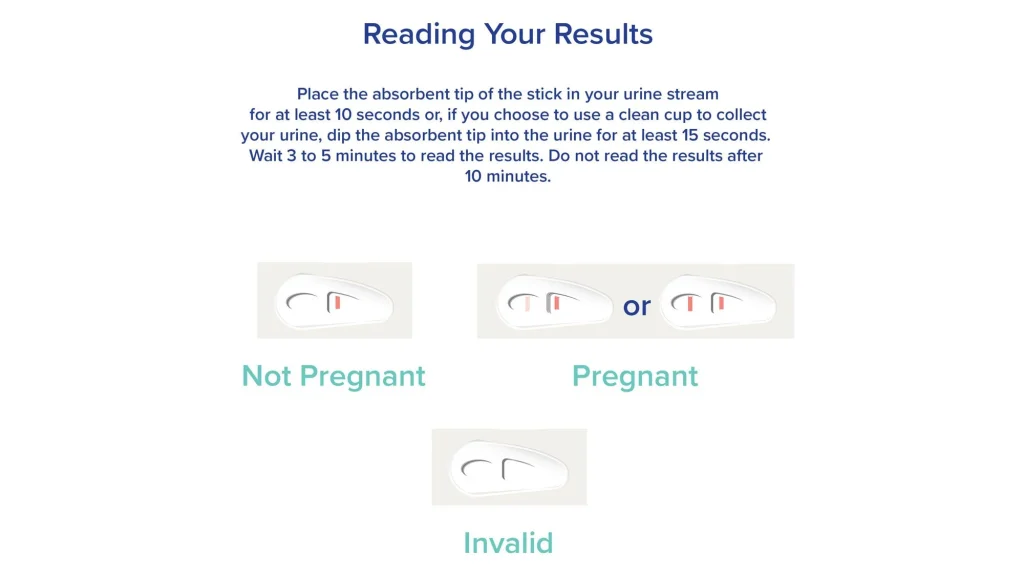
    Instructions for reading pregnancy test results with visual indicators for "Not Pregnant," "Pregnant," and "Invalid.

    The Science Behind At-Home Insemination and Mosiebaby's Success

    Another significant factor in Mosiebaby’s success is its pre-seed lubricant. Traditional lubricants can be harmful to sperm, hindering their ability to reach the egg. Mosiebaby’s pre-seed lubricant is specifically formulated to mimic the body’s natural fluids, creating an ideal environment for sperm to swim through.

    The Importance of Sperm Quality:

    While Mosiebaby’s design and features play a crucial role in its success, the quality of sperm also plays a significant factor in the fertilization process. Sperm quality is determined by its motility (ability to swim), count (number of sperm), and morphology (shape and structure). The higher the quality of sperm, the better the chances of successful fertilization.

    One of the benefits of at-home insemination is that it allows individuals to use donor sperm from a sperm bank. Donor sperm goes through rigorous testing and screening to ensure its quality, giving couples and individuals a higher chance of success.

    The Role of Ovulation Tracking:

    As mentioned earlier, timing is crucial in the fertilization process. To increase the chances of successful insemination, it is essential to track ovulation accurately. This can be done through various methods, such as tracking basal body temperature, monitoring cervical mucus, or using ovulation predictor kits. Knowing when ovulation occurs can help determine the best time for insemination, increasing the chances of sperm meeting the egg.

    In Conclusion:

    At-home insemination has become a viable option for many couples and individuals looking to start a family. With advancements in technology and companies like Mosiebaby, the process has become more accessible and affordable. The science behind at-home insemination relies on understanding the female reproductive system, sperm quality, and the importance of timing. With the right tools and knowledge, at-home insemination can be a successful method for achieving pregnancy.

    Summary:

    At-home insemination involves placing sperm into the reproductive tract of a female in hopes of fertilizing an egg. Mosiebaby, a leading brand in this market, has gained attention for its success in helping couples and individuals achieve pregnancy. The success of at-home insemination relies on the science of fertility and reproduction, with factors such as sperm quality and ovulation tracking playing crucial roles. Mosiebaby’s unique design and features, along with its pre-seed lubricant, have contributed to its high success rate. At-home insemination has become a convenient and affordable option for those looking to start a family.