Tag: stress management

  • Cervical Mucus Consistency and Infertility: What’s the Connection?

    Blog Post:

    Cervical mucus consistency is an important factor to consider when trying to conceive. Many people may not realize the impact that cervical mucus can have on fertility and the ability to get pregnant. In this blog post, we will explore the connection between cervical mucus consistency and infertility, and provide tips on how to improve fertility through monitoring and understanding cervical mucus.

    Cervical mucus is a fluid produced by the cervix that helps sperm travel through the reproductive tract to reach the egg. It also acts as a protective barrier for the sperm, providing an environment that is conducive to fertilization. The consistency of cervical mucus can vary throughout a woman’s menstrual cycle, and it is an important indicator of fertility.

    Cervical mucus can be classified into four main types: dry, sticky, creamy, and egg white. Dry and sticky cervical mucus is not favorable for fertilization, as it makes it difficult for sperm to swim through. Creamy cervical mucus is a sign that ovulation is approaching, and egg white cervical mucus is the most fertile type, indicating that ovulation is happening or about to happen.

    The role of cervical mucus in fertility is crucial. It not only helps sperm reach the egg but also protects the sperm from the acidic environment in the vagina. If the cervical mucus is too thick or too thin, it can have a negative impact on fertility, making it difficult for sperm to survive and reach the egg. This can lead to difficulty in getting pregnant and even infertility.

    So, what causes changes in cervical mucus consistency? Hormonal imbalances, certain medications, stress, and various health conditions can all affect the production and quality of cervical mucus. For example, hormonal imbalances, such as low estrogen levels, can lead to a lack of cervical mucus or thin, watery mucus, making it difficult for sperm to survive. On the other hand, high levels of estrogen can cause an increase in cervical mucus, but it may be too thick and hostile to sperm.

    Another common issue that affects cervical mucus and fertility is the use of certain medications. Some medications, such as antihistamines and decongestants, can dry out cervical mucus and make it difficult for sperm to swim through. It is essential to consult with a healthcare provider before taking any medication while trying to conceive.

    Stress can also play a significant role in cervical mucus consistency. When the body is under stress, it produces a hormone called cortisol, which can disrupt the balance of reproductive hormones and lead to changes in cervical mucus. Additionally, stress can affect ovulation and the release of an egg, further impacting fertility.

    hands using a blue syringe to extract contents from a clear container for a home insemination kit

    Cervical Mucus Consistency and Infertility: What's the Connection?

    Certain health conditions, such as polycystic ovary syndrome (PCOS), can also cause changes in cervical mucus consistency. PCOS is a hormonal disorder that affects ovulation and can lead to a lack of fertile cervical mucus. Other factors that can contribute to cervical mucus changes include age, diet, and lifestyle choices such as smoking and excessive alcohol consumption.

    Now that we understand the connection between cervical mucus consistency and fertility let’s explore ways to improve fertility by monitoring and understanding cervical mucus.

    The first step is to track your cervical mucus throughout your menstrual cycle. This can be done by simply checking the consistency of the mucus daily and recording it in a fertility tracking app or journal. This will help you identify the most fertile days in your cycle when you have egg white cervical mucus, indicating ovulation is occurring.

    It is also essential to pay attention to any changes in cervical mucus consistency. If you notice a sudden change in your mucus, it may be a sign of a hormonal imbalance or other underlying health issue that needs to be addressed.

    To improve cervical mucus consistency, it is crucial to maintain a healthy lifestyle. This includes eating a balanced diet, exercising regularly, managing stress levels, and avoiding harmful substances such as cigarettes and excessive alcohol. Certain supplements, such as evening primrose oil, can also help improve cervical mucus production and quality.

    In some cases, medical intervention may be necessary to address fertility issues related to cervical mucus. If you have been tracking your cervical mucus and notice consistent changes or have been trying to conceive for over a year with no success, it is recommended to speak with a healthcare provider. They can perform tests to identify any underlying issues and provide treatment options to improve fertility.

    In conclusion, cervical mucus consistency plays a significant role in fertility and the ability to conceive. Understanding the different types of cervical mucus and their impact on sperm survival is crucial for those trying to get pregnant. By tracking and monitoring cervical mucus, making lifestyle changes, and seeking medical advice when needed, individuals can improve their chances of getting pregnant and starting a family.

    Summary:

    Cervical mucus consistency is an important factor in fertility and the ability to conceive. Changes in cervical mucus can affect sperm survival and make it difficult to get pregnant. Hormonal imbalances, medications, stress, and health conditions can all impact cervical mucus production and quality. By tracking cervical mucus, making lifestyle changes, and seeking medical advice when needed, individuals can improve their fertility and chances of conceiving.


  • The Impact of Diet and Lifestyle on Cervical Mucus Quality

    Blog Post Title: The Impact of Diet and Lifestyle on Cervical Mucus Quality

    Cervical mucus is a crucial component of female fertility. It plays a vital role in the reproductive process by helping sperm reach and fertilize the egg. However, many women struggle with poor quality cervical mucus, which can significantly affect their chances of conceiving. In this blog post, we will explore the impact of diet and lifestyle on cervical mucus quality and provide tips on how to improve it.

    Understanding Cervical Mucus

    Before delving into the impact of diet and lifestyle on cervical mucus, it is essential to understand what it is and its role in the female reproductive system. Cervical mucus is a fluid produced by the cervix, the narrow passage that connects the uterus to the vagina. Its consistency and thickness vary throughout the menstrual cycle, depending on hormonal changes.

    During ovulation, when a woman is most fertile, cervical mucus becomes thin, slippery, and stretchy. This type of mucus, known as fertile cervical mucus, helps sperm swim through the cervix and towards the egg. On the other hand, during non-fertile times of the cycle, the mucus is thicker and forms a barrier, preventing sperm from reaching the egg.

    The Impact of Diet on Cervical Mucus Quality

    The food we eat has a significant impact on our overall health, including our reproductive health. A poor diet can lead to hormonal imbalances and nutritional deficiencies, both of which can affect cervical mucus quality.

    One of the most crucial nutrients for cervical mucus is vitamin C. This powerful antioxidant helps to protect the cervical mucus from damage and maintain its elasticity. Foods rich in vitamin C include citrus fruits, berries, kiwi, and dark leafy greens.

    Another essential nutrient for cervical mucus is vitamin E. This vitamin helps to thin the mucus, making it easier for sperm to swim through. Vitamin E can be found in foods such as avocados, nuts, and seeds.

    Omega-3 fatty acids are also crucial for cervical mucus quality. These healthy fats help to maintain the mucus’s consistency and support hormonal balance. Sources of omega-3s include fatty fish, flaxseeds, and chia seeds.

    On the other hand, a diet high in processed and sugary foods can lead to inflammation and hormonal imbalances, which can negatively impact cervical mucus quality. It is essential to focus on a diet rich in whole, nutrient-dense foods to support optimal cervical mucus production.

    The Impact of Lifestyle on Cervical Mucus Quality

    Aside from diet, lifestyle factors also play a significant role in cervical mucus quality. Here are some lifestyle habits that can affect the mucus:

    1. Smoking: Cigarette smoke contains toxins that can damage the cervical mucus, making it less effective in supporting fertility.

    logo of mosie baby featuring a heart and leaf design in blue, pink, and green colors

    The Impact of Diet and Lifestyle on Cervical Mucus Quality

    2. Alcohol consumption: Excessive alcohol consumption can disrupt hormonal balance and affect cervical mucus production.

    3. Stress: Chronic stress can lead to hormonal imbalances, which can affect cervical mucus quality. It is crucial to find ways to manage stress, such as through exercise, meditation, or therapy.

    4. Lack of sleep: Getting enough quality sleep is crucial for hormonal balance. Lack of sleep can lead to imbalances that can affect cervical mucus production.

    5. Medications: Certain medications, such as antihistamines and decongestants, can dry out cervical mucus, making it less fertile.

    How to Improve Cervical Mucus Quality

    If you are struggling with poor cervical mucus quality, there are steps you can take to improve it. Here are some tips to help you:

    1. Stay hydrated: Drinking enough water is essential for maintaining optimal cervical mucus production. Aim for at least eight glasses of water per day.

    2. Quit smoking: If you smoke, consider quitting to improve your cervical mucus quality and overall fertility.

    3. Limit alcohol and caffeine: Both alcohol and caffeine can affect hormonal balance and cervical mucus quality. It is best to limit your intake or avoid them altogether.

    4. Eat a healthy diet: As mentioned earlier, a diet rich in whole, nutrient-dense foods is crucial for cervical mucus quality. Make sure to include plenty of fruits, vegetables, healthy fats, and lean proteins in your diet.

    5. Consider supplements: If you are deficient in any of the essential nutrients for cervical mucus, consider taking supplements to support your body’s needs.

    6. Practice stress management: Find ways to manage stress, such as through exercise, meditation, or therapy, to support hormonal balance and cervical mucus production.

    Conclusion

    Cervical mucus quality is a crucial factor in female fertility. Diet and lifestyle play a significant role in maintaining optimal cervical mucus production. By making healthy choices and taking steps to improve your overall health, you can boost your chances of conceiving.

    Summary: In this blog post, we discussed the impact of diet and lifestyle on cervical mucus quality. Cervical mucus is a crucial component of female fertility, and its quality can significantly affect a woman’s chances of conceiving. We explored the role of essential nutrients such as vitamin C, vitamin E, and omega-3 fatty acids in maintaining optimal cervical mucus production. We also discussed lifestyle factors such as smoking, alcohol consumption, stress, lack of sleep, and certain medications that can affect cervical mucus quality. Finally, we provided tips on how to improve cervical mucus quality, such as staying hydrated, quitting smoking, eating a healthy diet, and managing stress. By following these tips, women can support their reproductive health and increase their chances of conceiving.

  • The Impact of Stress on Cervical Mucus and Ovulation

    Blog Post:

    Stress is a common and often unavoidable part of daily life. Whether it’s caused by work, relationships, or other external factors, stress can have a significant impact on our physical and mental well-being. One area that is often overlooked when it comes to the effects of stress is our reproductive health. In particular, stress can have a profound impact on cervical mucus and ovulation, two crucial components of the female reproductive cycle. In this blog post, we will explore the connection between stress and cervical mucus and ovulation, and how managing stress can improve fertility and overall reproductive health.

    Understanding Cervical Mucus and Ovulation:

    Before we delve into the effects of stress, it’s essential to understand the role of cervical mucus and ovulation in the female reproductive cycle. Cervical mucus is a fluid produced by the cervix that plays a crucial role in fertility. It provides a hospitable environment for sperm to survive and swim towards the egg, and also helps filter out any abnormal sperm. As a woman approaches ovulation, her cervical mucus becomes thinner, clearer, and more stretchy, making it easier for sperm to travel through the cervix.

    Ovulation is the process in which a mature egg is released from the ovary and travels down the fallopian tube, where it can potentially be fertilized by sperm. This usually occurs around day 14 of a 28-day menstrual cycle. Ovulation is a critical part of the female reproductive cycle, and any disruption to this process can affect a woman’s ability to conceive.

    The Impact of Stress on Cervical Mucus:

    Stress can have a significant impact on cervical mucus production and quality. When a person is under stress, the body releases a hormone called cortisol, which can interfere with the production of cervical mucus. High levels of cortisol can lead to a decrease in the amount of cervical mucus produced, making it harder for sperm to reach the egg.

    Moreover, stress can also affect the quality of cervical mucus. Instead of being thin, clear, and stretchy, it may become thick, cloudy, and sticky, making it difficult for sperm to swim through. This can significantly decrease the chances of fertilization and conception.

    The Impact of Stress on Ovulation:

    In addition to affecting cervical mucus, stress can also disrupt ovulation. The hypothalamus, a small gland in the brain responsible for regulating the menstrual cycle, is sensitive to stress. When a person is under a significant amount of stress, the hypothalamus may not function properly, leading to a delay or disruption in ovulation.

    comparison of Mosie syringe opening versus standard syringe opening with text highlighting benefits

    The Impact of Stress on Cervical Mucus and Ovulation

    Moreover, high levels of stress can also affect the production and balance of other hormones involved in ovulation, such as luteinizing hormone (LH) and follicle-stimulating hormone (FSH). This can lead to irregular or absent ovulation, making it challenging to predict the fertile window and conceive.

    Managing Stress to Improve Fertility:

    Given the significant impact of stress on cervical mucus and ovulation, it’s essential for women trying to conceive to manage their stress levels effectively. Here are some ways to reduce stress and improve fertility:

    1. Practice relaxation techniques: Techniques like deep breathing, meditation, and yoga can help reduce stress and promote relaxation.

    2. Exercise regularly: Regular physical activity can help release endorphins, which are natural stress-fighting hormones, and improve overall well-being.

    3. Prioritize self-care: Taking care of yourself and your needs is crucial for managing stress. Make time for activities you enjoy, and don’t hesitate to seek support from friends, family, or a therapist.

    4. Avoid overworking: It’s easy to get caught up in work and forget to take breaks. Set boundaries and try to limit your workload to avoid burnout.

    5. Get enough sleep: Quality sleep is essential for managing stress and maintaining overall health. Aim for 7-9 hours of uninterrupted sleep each night.

    Conclusion:

    Stress can have a significant impact on cervical mucus and ovulation, two crucial components of the female reproductive cycle. High levels of stress can reduce the quantity and quality of cervical mucus, making it harder for sperm to reach the egg. It can also disrupt ovulation, leading to irregular or absent periods and making it challenging to conceive. By managing stress effectively, women can improve their fertility and increase their chances of conception.

    In summary, stress can negatively affect cervical mucus and ovulation, leading to difficulties in conception. It’s essential to manage stress levels to improve reproductive health and fertility. Practicing relaxation techniques, exercising regularly, prioritizing self-care, avoiding overworking, and getting enough sleep are all effective ways to reduce stress and promote reproductive well-being.

  • Cervical Mucus and Fertility: The Link Between Vaginal pH and Conception

    Blog Post: Cervical Mucus and Fertility: The Link Between Vaginal pH and Conception

    For couples trying to conceive, understanding the role of cervical mucus and vaginal pH in fertility is crucial. Cervical mucus is the fluid produced by the cervix that plays a vital role in fertility and conception. It is a natural indicator of a woman’s fertile window and helps in the journey of sperm to meet the egg. Vaginal pH, on the other hand, refers to the level of acidity or alkalinity in the vagina, and it also plays a significant role in fertility. In this blog post, we will explore the link between cervical mucus and fertility, and how vaginal pH affects a woman’s chances of conception.

    The Role of Cervical Mucus in Fertility

    Cervical mucus is produced by the cervix throughout a woman’s menstrual cycle. It serves as a protective barrier for the sperm, helping them survive and swim to the egg. The consistency and amount of cervical mucus change throughout the menstrual cycle, and these changes can indicate a woman’s fertile window.

    At the beginning of the menstrual cycle, the cervix produces thick and sticky mucus, which prevents sperm from entering the uterus. As ovulation approaches, the body produces more estrogen, and the mucus becomes more watery and stretchy, creating a hospitable environment for sperm to travel through. This type of fertile mucus is often referred to as “egg white cervical mucus” and is a sign that a woman is in her fertile window.

    After ovulation, the cervical mucus becomes thick and sticky again, making it difficult for sperm to travel through. This change in mucus consistency indicates the end of the fertile window, and the chances of conception decrease until the next menstrual cycle.

    The Link Between Cervical Mucus and Vaginal pH

    The quality and quantity of cervical mucus are also affected by the pH level in the vagina. The optimal pH level for fertility is slightly acidic, between 3.8 and 4.5. This level of acidity creates a favorable environment for sperm to survive and reach the egg.

    When the vaginal pH is too high or too low, it can affect the quality of cervical mucus. If the pH level is too high (alkaline), it can make the mucus too thick and difficult for sperm to travel through. On the other hand, if the pH level is too low (acidic), it can kill off sperm before they even reach the cervix.

    Factors That Can Affect Vaginal pH

    Several factors can affect the pH level in the vagina, including diet, stress, hormonal imbalances, and certain medications. For example, a diet high in sugar and processed foods can make the vagina more alkaline, while a diet rich in probiotics and fermented foods can help maintain a healthy vaginal pH.

    logo featuring a pink heart above two teal leaves on a blue circular background

    Cervical Mucus and Fertility: The Link Between Vaginal pH and Conception

    Stress can also affect vaginal pH by disrupting hormone levels. Chronic stress can lead to increased levels of cortisol, which can cause an imbalance in the reproductive hormones, affecting cervical mucus production. Certain medications, such as antibiotics and antihistamines, can also alter the vaginal pH and disrupt the balance of good bacteria.

    How to Improve Vaginal pH for Fertility

    Maintaining a healthy vaginal pH is essential for fertility. Here are some tips to help improve and maintain a healthy pH level in the vagina:

    1. Eat a balanced diet: A diet rich in whole foods, probiotics, and fermented foods can help maintain a healthy vaginal pH.

    2. Stay hydrated: Drinking plenty of water can help flush out toxins and maintain a healthy pH level in the vagina.

    3. Manage stress: Finding ways to manage stress, such as meditation, yoga, or deep breathing, can help balance hormone levels and maintain a healthy pH level.

    4. Avoid douching and scented products: Douching can disrupt the natural balance of good bacteria in the vagina and increase the risk of infections. Avoid using scented products in the genital area, as they can also irritate and disrupt the pH balance.

    5. Consider supplements: Certain supplements, such as probiotics and vitamin C, can help maintain a healthy vaginal pH.

    In conclusion, cervical mucus and vaginal pH play a crucial role in fertility and conception. Understanding the changes in cervical mucus and maintaining a healthy vaginal pH can increase the chances of conceiving. By following a healthy lifestyle and taking care of your vaginal health, you can optimize your chances of getting pregnant.

    Summary:

    Cervical mucus is the fluid produced by the cervix that helps sperm travel to the egg for conception. It changes in consistency and amount throughout the menstrual cycle and can indicate a woman’s fertile window. Vaginal pH, the level of acidity or alkalinity in the vagina, also plays a significant role in fertility. A slightly acidic pH level is optimal for fertility, and factors such as diet, stress, and medications can affect it. Maintaining a healthy vaginal pH through a balanced diet, hydration, stress management, and avoiding douching and scented products can improve the chances of conception.

  • The Impact of Stress on Cervical Mucus and Fertility

    Cervical mucus, a substance produced by the cervix, plays a crucial role in fertility and reproductive health. It serves as a protective barrier, filters out unhealthy sperm, and helps sperm travel to the egg for fertilization. However, many factors can affect the quality and quantity of cervical mucus, including stress. In this blog post, we will explore the impact of stress on cervical mucus and fertility, and provide tips on how to manage stress to improve reproductive health.

    Stress is a natural response to challenging or threatening situations. It can be caused by various factors, such as work, relationships, financial problems, or health issues. When we experience stress, our body releases hormones like cortisol and adrenaline, which trigger the “fight or flight” response. While this response is essential for survival, prolonged or chronic stress can have negative effects on our overall health, including reproductive health.

    One of the ways stress can affect reproductive health is by altering the quality and quantity of cervical mucus. Under normal circumstances, cervical mucus is clear, thin, and stretchy, resembling raw egg whites. This type of mucus is considered fertile as it provides an ideal environment for sperm to survive and swim towards the egg. However, when stress hormones are constantly released in the body, it can lead to changes in cervical mucus, making it thicker, stickier, and less abundant. This type of mucus can hinder sperm movement and decrease the chances of conception.

    Moreover, stress can also disrupt the hormonal balance in the body, affecting the production of estrogen and progesterone, two hormones essential for a healthy menstrual cycle and fertility. High levels of cortisol, the primary stress hormone, can suppress the production of these hormones, leading to irregular or absent ovulation, and ultimately affecting fertility.

    Smiling baby in a blue onesie with "made with Love" text, lying on a light blue crocheted blanket.

    The Impact of Stress on Cervical Mucus and Fertility

    In addition to altering cervical mucus and hormonal balance, stress can also affect fertility indirectly. Many people who experience chronic stress may turn to unhealthy coping mechanisms, such as smoking, excessive drinking, or overeating, which can all have negative impacts on fertility. Stress can also lead to changes in sexual desire and intimacy with a partner, which can affect the frequency of intercourse and, consequently, fertility.

    So, what can you do to manage stress and improve your chances of conception? The first step is to identify the sources of stress in your life and find healthy ways to cope with them. This can include practicing relaxation techniques like deep breathing, meditation, or yoga, engaging in physical activity, or talking to a therapist or trusted friend or family member. Setting boundaries, saying no to commitments that add unnecessary stress, and prioritizing self-care can also help manage stress.

    Additionally, incorporating stress-reducing activities into your daily routine, such as taking a warm bath, reading a book, or listening to calming music, can help lower stress levels and improve overall well-being. It is also essential to maintain a healthy and balanced diet, as stress can affect appetite and lead to unhealthy eating habits. Eating a diet rich in fruits, vegetables, whole grains, and lean protein can provide the body with the necessary nutrients to cope with stress and support reproductive health.

    In some cases, seeking medical help may be necessary to manage stress and improve fertility. A healthcare provider may recommend medication or therapy to help address underlying mental health issues that contribute to stress. They may also prescribe fertility treatments, such as in vitro fertilization (IVF), to help couples conceive.

    In conclusion, stress can have a significant impact on cervical mucus and fertility. Chronic stress can alter the quality and quantity of cervical mucus, disrupt hormonal balance, and indirectly affect fertility through unhealthy coping mechanisms and changes in sexual desire. Therefore, it is crucial to identify and manage stress through healthy coping mechanisms, daily stress-reducing activities, and seeking medical help when necessary. By taking care of our mental and physical well-being, we can improve our reproductive health and increase our chances of conceiving.

  • The Fearless Fertility Method: Sarah and Tim’s Mosiebaby Experience

    Sarah and Tim were a young, happily married couple who dreamed of starting a family. However, after months of trying to conceive without success, they began to feel hopeless and discouraged. They had heard about the Fearless Fertility Method from a friend and decided to give it a try. Little did they know, this method would change their lives and lead them to their long-awaited pregnancy.

    The Fearless Fertility Method is a holistic approach to fertility that focuses on balancing the mind, body, and spirit to create the optimal environment for conception. It was created by fertility coach and author, Jane Matthews, who struggled with her own fertility journey and wanted to help others in a similar situation.

    Sarah and Tim were intrigued by the concept and immediately reached out to Jane for more information. She explained that the method combines various techniques such as mindset work, nutrition, and stress management to improve fertility outcomes. She also introduced them to a unique tool called Mosiebaby, which is a syringe designed specifically for at-home insemination.

    The couple was excited to get started and began implementing the Fearless Fertility Method into their daily routine. They started by making small changes to their diet, incorporating more fertility-friendly foods such as leafy greens, healthy fats, and protein. They also started practicing daily meditation and journaling to reduce stress and improve their mindset.

    Jane also recommended that they try using Mosiebaby during their ovulation window. Mosiebaby works by bypassing the cervix and delivering semen directly to the cervix, increasing the chances of conception. Sarah and Tim were a bit hesitant at first, as this was a new and unconventional method, but they decided to give it a try.

    To their surprise, after just three months of following the Fearless Fertility Method, Sarah and Tim received the news they had been waiting for – they were pregnant! They were overjoyed and couldn’t believe that a few simple changes had made all the difference.

    Two transparent syringes with teal accents positioned diagonally on a light gray background.

    The Fearless Fertility Method: Sarah and Tim's Mosiebaby Experience

    Sarah and Tim credit the Fearless Fertility Method and Mosiebaby for their success. They believe that the mind-body connection and the use of Mosiebaby were the key factors in their pregnancy. They also appreciated the support and guidance they received from Jane throughout their journey.

    The Fearless Fertility Method has helped numerous couples like Sarah and Tim achieve their dream of parenthood. It has a high success rate and is a more natural and affordable alternative to traditional fertility treatments. By addressing all aspects of fertility, it creates a more holistic and sustainable approach to conception.

    One of the key principles of the Fearless Fertility Method is the importance of mindset. It encourages individuals to let go of negative thoughts and beliefs surrounding fertility and to instead focus on positivity and self-care. This not only improves overall well-being but also creates a more fertile environment for conception.

    Another essential aspect of the method is nutrition. A balanced and nourishing diet can greatly impact fertility by providing the necessary nutrients for reproductive health. By incorporating fertility-friendly foods and reducing inflammatory foods, the body becomes better prepared for conception.

    Stress management is also a crucial component of the Fearless Fertility Method. Stress can negatively affect hormones and ovulation, making it more difficult to conceive. The method teaches various techniques to reduce stress and promote relaxation, such as meditation, yoga, and journaling.

    The use of Mosiebaby is a unique and effective addition to the Fearless Fertility Method. It eliminates the need for expensive and invasive procedures, making at-home insemination a more accessible option for couples trying to conceive. It also allows for a more intimate and stress-free experience for both partners.

    In summary, Sarah and Tim’s journey with the Fearless Fertility Method and Mosiebaby showcases the power of a holistic approach to fertility. By addressing the mind, body, and spirit, they were able to create a fertile environment and achieve their dream of starting a family. This method offers hope and a natural solution for those struggling with fertility, and the success stories speak for themselves.

  • The Role of Self-Care in Fertility: How Mary and John Nurtured Themselves on their Journey

    Summary:

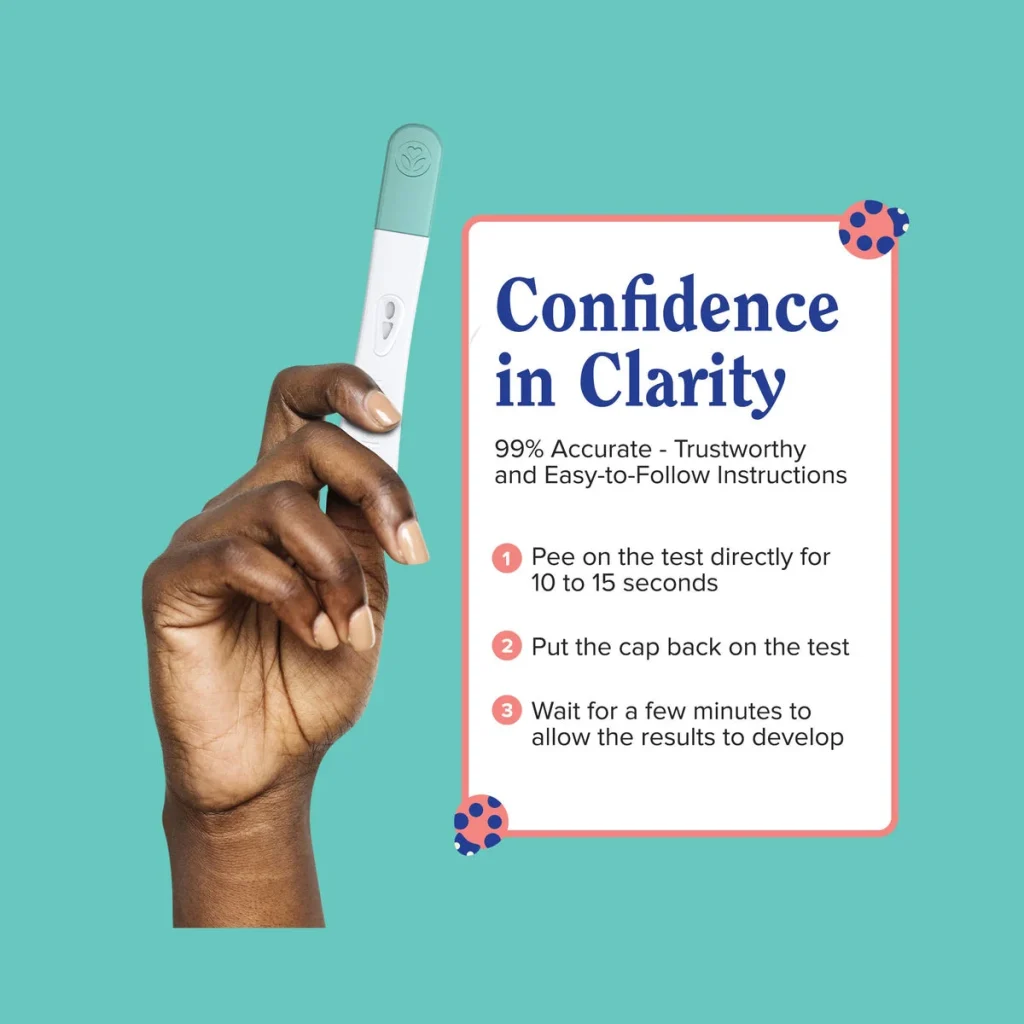
    hand holding a pregnancy test with instructions on a colorful background

    The Role of Self-Care in Fertility: How Mary and John Nurtured Themselves on their Journey

    Infertility can be a difficult and emotional journey for many couples. While there are various medical treatments and interventions available, it is important not to neglect the role of self-care in fertility. Mary and John, a fictional couple struggling with infertility, learned this lesson first-hand as they embarked on their fertility journey. Through self-care practices such as nutrition, exercise, stress management, and emotional support, they were able to nurture themselves and improve their chances of conceiving. In this blog post, we will explore the role of self-care in fertility and how Mary and John used it to support their journey.

  • The Power of Positivity: Jenna and Tyler’s Mosiebaby Success

    Summary:

    Jenna and Tyler, a young couple from California, had been trying to conceive for over two years with no success. They had tried various methods and treatments, but nothing seemed to work. Frustrated and discouraged, they were on the verge of giving up hope. However, something changed when they stumbled upon the concept of positivity and its impact on fertility. They decided to give it a try and incorporated positive thinking and mindset into their journey to conceive. To their surprise, they were able to achieve success with the help of Mosiebaby, a fertility aid. This blog post will explore the power of positivity and its role in Jenna and Tyler’s Mosiebaby success.

    The Power of Positivity:

    Positivity is defined as the practice of being optimistic and having a positive attitude towards life. It involves focusing on the good and trying to see the silver lining in every situation. In the case of Jenna and Tyler, they had been struggling with their fertility journey for over two years, and it had taken a toll on their mental and emotional well-being. They were constantly stressed, anxious, and felt like they were failing. However, when they stumbled upon the concept of positivity, they decided to change their mindset and approach towards trying to conceive.

    The Impact of Negativity on Fertility:

    Research has shown that stress and negativity can have a significant impact on fertility. When the body is under stress, it produces cortisol, also known as the stress hormone. Cortisol can interfere with the production of hormones necessary for ovulation and the menstrual cycle. Moreover, stress can also lead to a decrease in libido and affect the quality and quantity of sperm. Therefore, it is essential to manage stress and maintain a positive mindset when trying to conceive.

    Incorporating Positivity into the Journey to Conceive:

    Jenna and Tyler started their journey to incorporate positivity by practicing daily affirmations. They would start their day by saying positive statements such as, “I am fertile,” “My body is capable of conceiving,” and “I trust the timing of my journey.” This helped them shift their mindset from a place of doubt and fear to a place of hope and trust. They also started practicing gratitude and focusing on the good things in their life, instead of dwelling on what they did not have.

    guide and materials for using Mosie Baby fertility kit on a textured surface

    The Power of Positivity: Jenna and Tyler's Mosiebaby Success

    The Role of Mosiebaby:

    Mosiebaby is a fertility aid that utilizes a simple, at-home insemination technique. It was created by a couple, Maureen and Marc, who struggled with their own fertility journey. They wanted to provide a more natural and stress-free alternative to traditional fertility treatments. Jenna and Tyler decided to give Mosiebaby a try, and to their surprise, they were able to conceive after just two cycles of using it. They believe that their positive mindset and approach played a significant role in their success with Mosiebaby.

    The Mind-Body Connection:

    The mind and body are interconnected, and our thoughts and emotions can have a significant impact on our physical well-being. When we are constantly stressed and anxious, our body can go into survival mode, and our reproductive system may take a backseat. By incorporating positivity and managing stress, we can create a more conducive environment for conception to occur.

    The Importance of Support:

    Going through a fertility journey can feel isolating, and it is crucial to have a support system. Jenna and Tyler found support in each other and also joined a community of other couples going through a similar experience. They were able to share their struggles, fears, and successes, which provided them with a sense of comfort and understanding. Having a support system can also help in maintaining a positive mindset and provide encouragement during difficult times.

    Conclusion:

    Jenna and Tyler’s Mosiebaby success story is a testament to the power of positivity and its impact on fertility. By changing their mindset and incorporating positivity into their journey, they were able to achieve their dream of conceiving. The mind and body are connected, and by managing stress and maintaining a positive attitude, we can create a more conducive environment for conception to occur. Moreover, having a support system can also play a crucial role in our fertility journey. Jenna and Tyler’s story is a reminder to never lose hope and to trust in the power of positivity.

  • The Power of Positive Thinking: How Mosiebaby Helped Grace and Josh Conceive at Home

    Blog Post:

    The journey to starting a family can be a rollercoaster of emotions, especially for couples who struggle with infertility. Grace and Josh were one such couple, who had been trying to conceive for over two years with no success. They had exhausted all their options, from fertility treatments to medications, but nothing seemed to work. However, the power of positive thinking and the help of Mosiebaby changed everything for them, and they were able to conceive at home. In this blog post, we will explore the concept of positive thinking and how it played a pivotal role in Grace and Josh’s journey to parenthood.

    What is Positive Thinking?

    Positive thinking is a mental and emotional attitude that focuses on the good in any situation. It is the belief that one can overcome any challenges through a positive mindset and outlook. This mindset involves being grateful, optimistic, and confident in one’s abilities. Positive thinking is not about ignoring the negative aspects of life, but rather choosing to see the silver lining and finding solutions to problems.

    The Power of Positive Thinking in Conception

    When it comes to conception, the power of positive thinking has been proven to be a game-changer for many couples. Studies have shown that stress and anxiety can have a significant impact on fertility, making it harder to conceive. Negative thoughts and emotions can lead to hormonal imbalances, which can affect ovulation and sperm production. On the other hand, positive thoughts and emotions can create a conducive environment for conception by reducing stress levels and promoting hormonal balance.

    Grace and Josh’s Struggle with Infertility

    Grace and Josh had been trying to conceive for over two years, but their journey was filled with disappointment and heartache. They had been diagnosed with unexplained infertility, which meant that there was no medical reason for their inability to conceive. The couple had undergone several rounds of fertility treatments, but each time, they were met with disappointment. As time passed, they began to lose hope and started to feel defeated.

    illustration comparing standard and Mosie syringe openings with text highlighting design benefits for home insemination

    The Power of Positive Thinking: How Mosiebaby Helped Grace and Josh Conceive at Home

    Discovering Mosiebaby

    One day, while scrolling through social media, Grace stumbled upon a post about Mosiebaby, a home insemination kit designed to help couples conceive. Intrigued, she began to do her research and came across numerous success stories from couples who had used Mosiebaby. She immediately shared the information with Josh, and they both decided to give it a try.

    The Power of Positive Thinking and Mosiebaby

    As they waited for their Mosiebaby kit to arrive, Grace and Josh started to implement positive thinking into their daily lives. They focused on being grateful for what they had, visualized their desired outcome, and stayed optimistic. When their Mosiebaby kit arrived, they were both excited and hopeful.

    Using Mosiebaby was not only a practical solution for Grace and Josh, but it also brought them closer as a couple. They were able to support each other and stay positive throughout the process. They followed the instructions carefully and remained optimistic, believing that this time, they would be successful.

    Conceiving at Home with Mosiebaby

    After using Mosiebaby for two cycles, Grace and Josh received the news they had been waiting for – they were pregnant! They were overjoyed and could not believe that they had finally conceived after years of trying. The power of positive thinking and the help of Mosiebaby had made their dream of starting a family a reality.

    Summary:

    The journey to parenthood can be challenging for couples struggling with infertility. However, the power of positive thinking can make all the difference. Grace and Josh’s story is a testament to this, as they were able to conceive at home with the help of Mosiebaby. Positive thinking not only helps reduce stress and promote hormonal balance, but it also brings couples closer and keeps them focused on their end goal. With Mosiebaby, Grace and Josh were able to turn their dream of starting a family into a reality.

  • Mosiebaby and Mental Health: How It Can Help Couples Stay Positive

    Blog Post:

    Mental health is an essential aspect of our overall well-being, yet it is often overlooked and neglected. This is especially true for couples who are trying to conceive, as the stress and pressure of trying to start a family can take a toll on their mental health. However, there is a unique product on the market that can help couples struggling with infertility and mental health – Mosiebaby.

    Mosiebaby is a revolutionary at-home insemination kit specifically designed for couples trying to conceive. It is a simple and effective way to increase the chances of getting pregnant without the added stress and expense of clinical procedures. But beyond its primary purpose of aiding conception, Mosiebaby can also have a significant impact on the mental health of couples trying to start a family.

    In this blog post, we will explore the connection between Mosiebaby and mental health and how it can help couples stay positive during the challenging journey of trying to conceive.

    Infertility and Mental Health: The Struggle of Trying to Conceive

    Infertility is a widespread issue that affects approximately 1 in 8 couples. The journey of trying to conceive can be emotionally and mentally taxing, as it involves a rollercoaster of emotions, uncertainty, and disappointment. It is a constant battle of hope and disappointment, and it can take a toll on the mental health of couples.

    According to a study by the American Society for Reproductive Medicine, 27% of couples dealing with infertility experience depression, while 26% report feelings of anxiety. These numbers are significantly higher than the general population, highlighting the impact of infertility on mental health.

    The stress and anxiety that come with trying to conceive can affect every aspect of a couple’s life, including their relationship. The constant pressure to conceive can strain even the strongest of relationships, causing conflicts, and feelings of isolation and inadequacy. It is a challenging journey that can leave couples feeling overwhelmed and hopeless.

    The Role of Mosiebaby in Mental Health

    at-home insemination kit by Mosie Baby, featuring syringes and containers for comfort and convenience.

    Mosiebaby and Mental Health: How It Can Help Couples Stay Positive

    Mosiebaby is not just a fertility aid; it is also a mental health aid for couples trying to conceive. The unique design of this at-home insemination kit can help reduce the stress and anxiety associated with trying to conceive, allowing couples to stay positive and hopeful throughout their journey.

    One of the main reasons why Mosiebaby is beneficial for mental health is its simplicity. Traditional in-clinic procedures can be overwhelming and intimidating for some couples. The thought of going through invasive procedures and being in a clinical setting can add to the stress and anxiety of trying to conceive. With Mosiebaby, couples can perform the insemination in the comfort and privacy of their own home, creating a more relaxed and less stressful environment.

    Moreover, Mosiebaby is a cost-effective and convenient alternative to clinical procedures. The high cost of fertility treatments can be a significant burden for many couples, adding financial stress on top of the emotional toll of trying to conceive. Mosiebaby offers an affordable and accessible option for couples to increase their chances of getting pregnant without breaking the bank.

    The process of using Mosiebaby is also straightforward and easy to follow. The kit comes with step-by-step instructions, making it accessible for couples who may not have any medical background. The simplicity of the process eliminates the need for couples to constantly monitor and track their ovulation, reducing the stress and pressure of trying to conceive.

    Staying Positive with Mosiebaby

    The journey of trying to conceive can be overwhelming, but with Mosiebaby, couples can stay positive and hopeful. As mentioned earlier, the simplicity and convenience of Mosiebaby can significantly reduce the stress and anxiety associated with trying to conceive, allowing couples to focus on staying positive and optimistic.

    Mosiebaby can also help couples stay connected and strengthen their relationship. It is a process that involves both partners, creating a sense of teamwork and support. The act of using Mosiebaby together can also bring couples closer and help them communicate and express their feelings, reducing the strain on their relationship.

    Furthermore, Mosiebaby can also help couples regain a sense of control over their journey. Infertility can make couples feel powerless and out of control, but with Mosiebaby, they can take an active role in the conception process. This sense of control can help reduce the feelings of hopelessness and empower couples to keep moving forward.

    Summary:

    Infertility can take a toll on a couple’s mental health, causing stress, anxiety, and feelings of hopelessness. However, Mosiebaby, an at-home insemination kit, can not only aid in conception but also have a positive impact on the mental health of couples trying to conceive. Mosiebaby’s simplicity, affordability, and convenience can help reduce the stress and pressure of trying to conceive, allowing couples to stay positive and hopeful. It can also help strengthen relationships and give couples a sense of control over their journey, promoting overall well-being and mental health.