Tag: cervical mucus

  • Fertile vs. Non-Fertile: Decoding Cervical Mucus Differences

    Blog Post:

    Cervical mucus is a natural fluid produced by the cervix, a part of the female reproductive system. It plays a crucial role in fertility and conception by creating a hospitable environment for sperm to survive and reach the egg. The consistency and appearance of cervical mucus can vary throughout the menstrual cycle, and understanding these changes can help women track their fertility and increase their chances of pregnancy.

    In this blog post, we will explore the differences between fertile and non-fertile cervical mucus and how to decode these changes to better understand your body’s fertility.

    What is Cervical Mucus?

    Cervical mucus is a fluid secreted by the cervix, which is the lower part of the uterus that connects to the vagina. It is a mixture of water, electrolytes, enzymes, proteins, and other substances that are produced by the glands in the cervix. Cervical mucus serves as a protective barrier against any foreign substances entering the uterus and is also an essential component in the reproductive process.

    The Role of Cervical Mucus in Fertility

    Cervical mucus plays a vital role in fertility and conception. It acts as a natural filter, preventing any harmful substances or bacteria from entering the uterus. However, it also serves as a pathway for sperm to reach the egg and fertilize it.

    During the menstrual cycle, the consistency and appearance of cervical mucus can change due to hormonal fluctuations. These changes can indicate the most fertile time of the cycle, making it easier for couples to time intercourse and increase their chances of pregnancy.

    Fertile vs. Non-Fertile Cervical Mucus

    The consistency and appearance of cervical mucus can be categorized into two types: fertile and non-fertile. Understanding these differences can help women track their fertility and plan for pregnancy.

    Fertile Cervical Mucus

    Fertile cervical mucus is produced during the fertile window, which is the time before and during ovulation. It is thin, watery, and stretchy, similar to the consistency of raw egg whites. This type of mucus helps to nourish and protect sperm, creating a hospitable environment for them to survive for up to five days.

    hand holding a pregnancy test with instructions on a colorful background

    Fertile vs. Non-Fertile: Decoding Cervical Mucus Differences

    Women can track their fertile cervical mucus by checking their underwear or by using a clean finger to check the mucus at the opening of the vagina. Using a fertility tracking app or charting your cervical mucus changes can also help to pinpoint the most fertile days of your cycle.

    Non-Fertile Cervical Mucus

    Non-fertile cervical mucus is produced during the rest of the menstrual cycle, outside of the fertile window. It is thicker and stickier than fertile mucus and can range in color from white to yellow or cloudy. Non-fertile mucus creates a barrier that is not conducive for sperm survival, making it difficult for pregnancy to occur.

    Decoding Cervical Mucus Changes

    Understanding the changes in cervical mucus throughout the menstrual cycle can help women identify their most fertile days and increase their chances of pregnancy. Here are some tips for decoding cervical mucus changes:

    1. Track Your Cervical Mucus: Keeping track of your cervical mucus changes can help you identify patterns and pinpoint your fertile days. You can do this by logging your observations in a fertility tracking app or using a fertility chart.

    2. Pay Attention to Consistency: Fertile cervical mucus is thin, watery, and stretchy, while non-fertile mucus is thicker and stickier. Paying attention to the consistency of your mucus can help you determine your most fertile days.

    3. Observe Color and Texture: Fertile cervical mucus is usually clear or slightly cloudy, while non-fertile mucus can range in color from white to yellow. It is also essential to note any changes in texture, such as being slippery or tacky.

    4. Check Daily: To get an accurate picture of your cervical mucus changes, it is best to check daily. This can help you identify the different stages of your menstrual cycle and track your most fertile days.

    5. Use Ovulation Predictor Kits: If you are having difficulty tracking your cervical mucus changes, you can also use ovulation predictor kits. These kits detect the surge in luteinizing hormone (LH) that occurs before ovulation, indicating your most fertile days.

    In conclusion, understanding the differences between fertile and non-fertile cervical mucus can help women track their fertility and increase their chances of pregnancy. By paying attention to the consistency, color, and texture of cervical mucus, women can decode the changes that occur throughout the menstrual cycle and use this knowledge to plan for conception.

    Summary:

    Cervical mucus is a natural fluid produced by the cervix that plays a crucial role in fertility and conception. It can vary in consistency and appearance throughout the menstrual cycle, with fertile mucus being thin, watery, and stretchy, while non-fertile mucus is thicker and stickier. Understanding these differences can help women track their fertility and increase their chances of pregnancy. Daily tracking, paying attention to consistency, color, and texture, and using ovulation predictor kits can help decode cervical mucus changes and plan for conception.


  • Understanding the Importance of Cervical Mucus in Conception

    Cervical mucus is a natural fluid that is produced by the cervix, the opening of the uterus, and plays a crucial role in the process of conception. While many people may not be aware of its importance, understanding cervical mucus and its changes throughout a woman’s menstrual cycle can greatly increase the chances of successful conception. In this blog post, we will explore the role of cervical mucus in conception and why it is essential for couples trying to conceive.

    Firstly, let’s understand what cervical mucus is and its purpose. Cervical mucus is a fluid that is secreted by the cervix to help facilitate the movement of sperm towards the egg. It is produced by the cells in the cervical canal and changes in consistency and texture throughout a woman’s menstrual cycle. This is due to hormonal fluctuations and can be affected by factors such as age, medications, and certain health conditions.

    During the beginning of a woman’s cycle, the cervical mucus is usually thick and sticky, making it difficult for sperm to swim through. However, as ovulation approaches, the cervical mucus becomes thinner, clearer, and more elastic, creating a more hospitable environment for sperm to survive and reach the egg. This fertile cervical mucus is often referred to as “egg white” mucus due to its appearance and is a sign that the woman is at her most fertile.

    Understanding the changes in cervical mucus can greatly benefit couples trying to conceive. By tracking the changes in cervical mucus, women can determine when they are most fertile and plan intercourse accordingly. This can significantly increase the chances of sperm reaching the egg and fertilizing it, leading to conception.

    In addition to assisting with the movement of sperm, cervical mucus also plays a crucial role in nourishing and protecting sperm. The acidic environment of the vagina can be harmful to sperm, but the alkaline properties of cervical mucus help to neutralize this acidity and create a more sperm-friendly environment. The mucus also provides nutrients and fluids to keep the sperm healthy and viable, increasing the chances of successful fertilization.

    guide and materials for using Mosie Baby fertility kit on a textured surface

    Understanding the Importance of Cervical Mucus in Conception

    Furthermore, cervical mucus also acts as a barrier to prevent bacteria and other harmful substances from entering the uterus. This is particularly important during ovulation when the cervix is open to allow sperm to enter. The thick and sticky mucus at the beginning of the cycle creates a barrier to prevent any unwanted substances from entering the uterus, protecting both the sperm and the egg.

    Monitoring cervical mucus can also provide valuable insight into a woman’s overall reproductive health. Changes in the consistency, color, and amount of cervical mucus can indicate hormonal imbalances, infections, or other underlying health issues that may affect fertility. This information can be shared with a healthcare provider to identify and address any potential problems, increasing the chances of successful conception.

    In some cases, couples may face challenges with conception due to issues with cervical mucus. For example, women with a condition called hostile cervical mucus may have thicker than normal mucus that can prevent sperm from reaching the egg. In these cases, fertility treatments such as intrauterine insemination (IUI) or in vitro fertilization (IVF) may be recommended to bypass the cervix and increase the chances of successful conception.

    In summary, cervical mucus plays a crucial role in the process of conception. It helps sperm travel towards the egg, provides nourishment and protection, acts as a barrier to prevent harmful substances from entering the uterus, and can also provide valuable insight into a woman’s reproductive health. Understanding the changes in cervical mucus and tracking them can greatly increase the chances of successful conception and help identify any potential fertility issues. Couples who are trying to conceive should make sure to pay attention to cervical mucus and its changes throughout the menstrual cycle to optimize their chances of having a baby.

    In conclusion, cervical mucus is a vital aspect of conception that should not be overlooked. Its role in facilitating the movement of sperm, nourishing and protecting them, and providing information about a woman’s reproductive health makes it essential for successful conception. By understanding and tracking changes in cervical mucus, couples can increase their chances of conception and potentially identify any underlying fertility issues. So, for those who are trying to conceive, monitoring cervical mucus should be a key part of their journey towards parenthood.

  • Exploring the Role of Cervical Mucus in Fertility

    Summary:

    Cervical mucus is a natural substance secreted by a woman’s cervix that plays a vital role in fertility. It acts as a barrier, filter, and nourishment for sperm to reach the egg for fertilization. However, its consistency and quality can vary throughout a woman’s menstrual cycle, affecting her chances of conceiving. In this blog post, we will explore the role of cervical mucus in fertility and how understanding it can increase the chances of getting pregnant.

    The Importance of Cervical Mucus:

    Cervical mucus is a sticky, fluid-like substance that is produced by the cervix and can be found in the vagina. It is mostly made up of water, but also contains electrolytes, enzymes, proteins, and sugars. The production and consistency of cervical mucus are influenced by estrogen levels in a woman’s body. As they fluctuate throughout the menstrual cycle, the cervical mucus changes to facilitate or prevent pregnancy.

    Barrier and Filter:

    One of the essential roles of cervical mucus is to act as a barrier and filter for sperm. During most of the menstrual cycle, the mucus is thick and impenetrable, preventing sperm from entering the cervix. This is to protect the reproductive organs from any foreign substances that may cause infections. However, as a woman approaches her fertile window, the amount of estrogen increases, causing the mucus to thin out and become more stretchy. This change allows sperm to pass through and travel towards the egg for fertilization.

    Nourishment and Sperm Survival:

    home insemination kit components: a syringe and a collection container against a blue background.

    Exploring the Role of Cervical Mucus in Fertility

    Aside from acting as a barrier, cervical mucus also provides nourishment for sperm. The sugars and electrolytes present in the mucus help to sustain sperm and increase their chances of survival in the vagina. Without this nourishment, sperm would not be able to survive for more than a few hours in the acidic environment of the vagina.

    Tracking Cervical Mucus to Determine Fertility:

    By tracking the changes in cervical mucus, women can determine their most fertile days and increase their chances of conception. Observing the consistency, color, and stretchiness of the mucus can provide valuable information about where a woman is in her menstrual cycle. For example, during the first days of a woman’s cycle, the mucus may be dry or sticky, indicating low fertility. As she approaches her fertile window, the mucus becomes more abundant, watery, and stretchy, indicating high fertility. This method, known as the cervical mucus method, can be used alone or in combination with other fertility tracking methods such as basal body temperature and ovulation predictor kits.

    Cervical Mucus and Infertility:

    Issues with cervical mucus can also contribute to infertility. For some women, the mucus may not thin out enough during their fertile window, making it difficult for sperm to enter the cervix. This condition is known as hostile cervical mucus and can be caused by hormonal imbalances, infections, or certain medications. On the other hand, some women may experience a lack of cervical mucus, making it challenging for sperm to survive and reach the egg. This condition is known as insufficient cervical mucus and can also be caused by hormonal imbalances or certain medications.

    Improving Cervical Mucus for Fertility:

    For women experiencing issues with cervical mucus, there are ways to improve its quality and increase fertility. Maintaining a healthy diet and staying hydrated can help to ensure the production of good quality mucus. Certain supplements such as evening primrose oil and guaifenesin have also been known to improve cervical mucus production and consistency. Additionally, avoiding substances that can affect mucus production, such as smoking and certain medications, can also help.

    In conclusion, cervical mucus plays a crucial role in fertility. By understanding its function and tracking its changes, women can increase their chances of getting pregnant. If you are struggling with fertility, it is essential to consult with a healthcare provider to determine if any issues with cervical mucus are contributing to the problem. With proper care and attention, women can use their cervical mucus to their advantage in achieving their dream of starting a family.

  • Success Stories of Using Cervical Mucus to Achieve Pregnancy

    Success Stories of Using Cervical Mucus to Achieve Pregnancy

    Cervical mucus, also known as cervical fluid, is a natural substance produced by the cervix that plays a crucial role in a woman’s fertility. This slippery and stretchy fluid changes throughout the menstrual cycle and can provide valuable insights into a woman’s ovulation and fertility. While many women may not pay much attention to their cervical mucus, it has been proven to be a useful tool for those trying to conceive. In this blog post, we will explore success stories of women who have used cervical mucus to achieve pregnancy and how understanding this bodily fluid can increase the chances of conception.

    Understanding Cervical Mucus

    Before we dive into the success stories, it’s essential to understand what cervical mucus is and how it changes throughout the menstrual cycle. At the beginning of the cycle, cervical mucus is thick and sticky, acting as a barrier to sperm. As ovulation approaches, the mucus becomes more watery and stretchy, creating a hospitable environment for sperm to travel through the cervix and reach the egg. After ovulation, the mucus returns to its thick and sticky state, making it difficult for sperm to survive. By tracking these changes in cervical mucus, women can determine their most fertile days and increase their chances of getting pregnant.

    Success Stories of Using Cervical Mucus to Achieve Pregnancy

    1. Sarah’s Story

    Sarah had been trying to conceive for over a year without any success. She had been using ovulation predictor kits and tracking her basal body temperature, but she had not been paying attention to her cervical mucus. After doing some research and learning about the role of cervical mucus in fertility, Sarah started tracking her mucus and found that she had been missing her fertile window. By using her cervical mucus as a guide, Sarah was able to pinpoint her peak fertility days and successfully conceive after just a few months of trying.

    2. Maria’s Story

    hand holding a pregnancy test with instructions on a colorful background

    Success Stories of Using Cervical Mucus to Achieve Pregnancy

    Maria had been trying to get pregnant for over two years and had undergone multiple fertility treatments without success. She had been diagnosed with unexplained infertility and had almost given up hope of ever becoming a mother. However, after reading about the importance of cervical mucus, Maria decided to give it a try. She started tracking her mucus and found that she had a shorter fertile window than most women. With this knowledge, Maria was able to time intercourse correctly and finally became pregnant after just a few months of tracking her cervical mucus.

    3. Samantha’s Story

    Samantha had been trying to conceive for six months and had been using ovulation predictor kits, but she was not getting a positive result. Frustrated and confused, she stumbled upon an article about the importance of cervical mucus in fertility. After learning how to check her mucus and track its changes, Samantha discovered that she was not ovulating when she thought she was. By paying attention to her cervical mucus, Samantha was able to determine her peak fertility days and successfully conceive in her next cycle.

    4. Jenny’s Story

    Jenny had been trying to get pregnant for a year and had been diagnosed with polycystic ovary syndrome (PCOS). She had been using fertility medications to stimulate ovulation but was still not getting pregnant. After speaking to a friend who had successfully conceived by tracking her cervical mucus, Jenny decided to give it a try. She found that her mucus was not changing as it should during her cycle, indicating that she was not ovulating. With this information, Jenny was able to consult her doctor and adjust her medication, leading to a successful pregnancy.

    Benefits of Using Cervical Mucus for Fertility

    These success stories show how tracking cervical mucus can be a useful tool for women trying to conceive. By understanding the changes in their mucus, women can determine their most fertile days and increase their chances of getting pregnant. Unlike other methods of tracking fertility, such as ovulation predictor kits and basal body temperature, cervical mucus is a natural and free way to determine ovulation. It can also provide valuable insights into a woman’s overall reproductive health and any potential issues that may be hindering pregnancy.

    In conclusion, the success stories of women using cervical mucus to achieve pregnancy highlight the importance of understanding this bodily fluid. By paying attention to the changes in cervical mucus, women can increase their chances of getting pregnant and take control of their fertility journey. If you are trying to conceive, consider tracking your cervical mucus and consult with your doctor if you notice any irregularities. With the help of this natural and informative tool, you too can have your own success story of using cervical mucus to achieve pregnancy.

  • Cervical Mucus and Fertility: The Impact of Age

    Blog Post: Cervical Mucus and Fertility: The Impact of Age

    Cervical mucus is a natural fluid produced by the cervix that plays a crucial role in fertility and conception. It is often referred to as the “fertile window” as it helps sperm survive and travel through the reproductive system to fertilize an egg. However, the quality and quantity of cervical mucus can vary greatly depending on a woman’s age, and this can have a significant impact on her fertility.

    In this blog post, we will explore the importance of cervical mucus in fertility, how it changes with age, and what women can do to optimize their chances of conception.

    Understanding Cervical Mucus and Its Role in Fertility

    Cervical mucus is a fluid that is produced by the cervix, the lower part of the uterus that connects to the vagina. It is a clear or milky white liquid that changes in consistency and texture throughout a woman’s menstrual cycle. This is due to the fluctuations in hormones, particularly estrogen, which affect the quality and quantity of cervical mucus.

    During the early stages of the menstrual cycle, after a woman’s period ends, cervical mucus is typically thick and sticky. This type of mucus makes it difficult for sperm to survive and travel through the cervix. However, as ovulation approaches, estrogen levels increase, and this causes the cervical mucus to become thinner, clearer, and more stretchy, resembling the consistency of raw egg whites. This type of mucus is known as “fertile mucus” and is the most conducive for sperm survival and fertilization.

    The Impact of Age on Cervical Mucus and Fertility

    As women age, their ovarian reserve, which is the number of eggs they have in their ovaries, decreases. This also affects the quality and quantity of cervical mucus. The quality of cervical mucus is crucial for conception as it helps sperm reach the egg and fertilize it. As a woman gets closer to menopause, her cervical mucus becomes less abundant and thinner, making it more challenging for sperm to survive and reach the egg.

    Moreover, the hormonal changes that occur during perimenopause and menopause can also affect cervical mucus production. As estrogen levels decline, the quality of cervical mucus decreases, making it more hostile to sperm. This can significantly impact a woman’s chances of getting pregnant naturally.

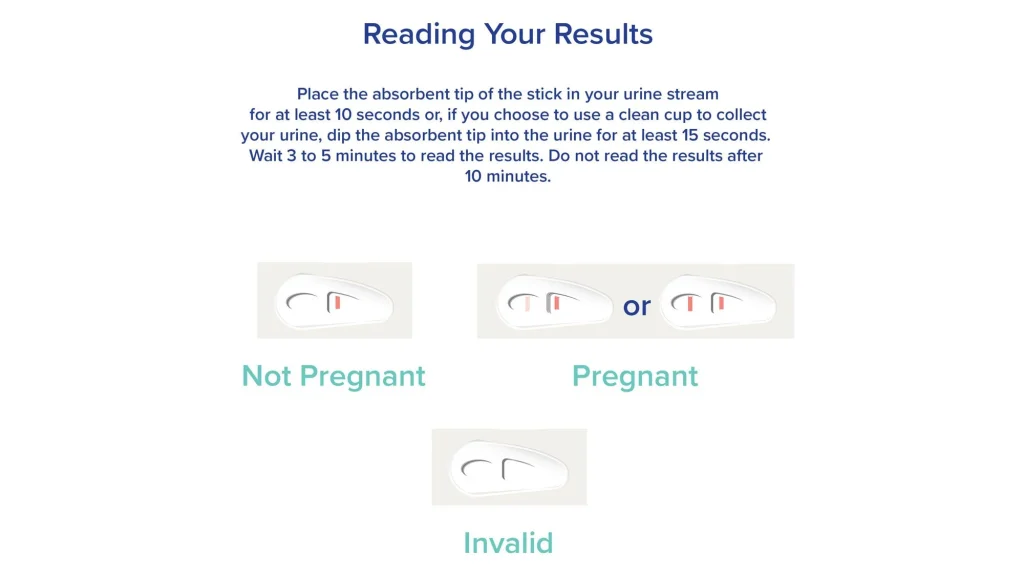
    Instructions for reading pregnancy test results with visual indicators for "Not Pregnant," "Pregnant," and "Invalid.

    Cervical Mucus and Fertility: The Impact of Age

    Additionally, age can also affect the timing of ovulation, which in turn affects the quality of cervical mucus. As women get older, they may experience irregular ovulation or even anovulation (lack of ovulation), which can lead to a lack of fertile mucus or no mucus at all.

    What Can Women Do to Optimize Their Chances of Conception?

    While age plays a significant role in the quality and quantity of cervical mucus, there are steps women can take to optimize their chances of conception.

    1. Track Your Menstrual Cycle – It is essential for women to track their menstrual cycle to determine when they are ovulating. This can be done by keeping track of their period start and end dates and monitoring changes in cervical mucus consistency and texture. This will help women identify their fertile window and increase their chances of conceiving.

    2. Use Fertility-Friendly Lubricants – As women get older, their cervical mucus may become thinner and less abundant, making it difficult for sperm to survive. Using fertility-friendly lubricants, such as Pre-Seed, can help mimic the consistency and pH level of fertile cervical mucus, making it easier for sperm to reach the egg.

    3. Consider Fertility Treatments – If a woman is struggling to conceive naturally due to age-related changes in cervical mucus or other fertility issues, she may want to consider fertility treatments such as in vitro fertilization (IVF) or intrauterine insemination (IUI). These treatments can help bypass any issues with cervical mucus and increase the chances of conception.

    4. Maintain a Healthy Lifestyle – A healthy lifestyle can also play a significant role in improving the quality of cervical mucus and overall fertility. This includes eating a balanced diet, exercising regularly, managing stress levels, and avoiding harmful substances such as tobacco and excessive alcohol consumption.

    Summary:

    Cervical mucus is a vital component of fertility and conception, as it helps sperm survive and travel to fertilize an egg. However, as women age, the quality and quantity of cervical mucus can diminish, making it more challenging to conceive naturally. As women approach menopause, the hormonal changes in their bodies can also affect cervical mucus production. To optimize their chances of conception, women can track their menstrual cycle, use fertility-friendly lubricants, consider fertility treatments, and maintain a healthy lifestyle.

  • Cervical Mucus and Fertility: A Personalized Approach

    Blog Post:

    Cervical mucus, also known as cervical fluid, is a natural substance produced by the cervix that plays a crucial role in female fertility. It is often overlooked, but understanding cervical mucus and its changes can greatly increase your chances of conception. In this blog post, we will explore the importance of cervical mucus in fertility, how to identify its changes, and how to use this information to personalize your approach to fertility.

    The Importance of Cervical Mucus in Fertility:

    Cervical mucus plays a vital role in the process of conception. It acts as a protective barrier for sperm, nourishing and protecting them as they travel through the cervix towards the fallopian tubes where fertilization occurs. Without sufficient and healthy cervical mucus, sperm may not be able to survive long enough to reach the egg. Additionally, cervical mucus also helps to filter out unhealthy or damaged sperm, ensuring that only the strongest sperm have a chance to fertilize the egg.

    Cervical mucus also changes throughout a woman’s menstrual cycle, reflecting the various hormonal changes that occur. This makes it an essential indicator of fertility and can help in identifying the most fertile days of a woman’s cycle.

    Identifying Changes in Cervical Mucus:

    The consistency and appearance of cervical mucus can change throughout a woman’s cycle, and these changes can indicate where a woman is in her fertile window. Just after menstruation, the cervix produces little to no mucus, making it difficult for sperm to survive. As a woman approaches ovulation, estrogen levels rise, causing the cervix to produce more mucus. This mucus is typically thin, slippery, and stretchy, resembling the consistency of egg whites. It creates a hospitable environment for sperm, helping them to swim towards the egg.

    After ovulation, the mucus becomes thicker and stickier, creating a barrier that makes it difficult for sperm to travel through. This is known as the post-ovulatory or infertile phase. By tracking these changes, women can pinpoint their most fertile days and time intercourse accordingly.

    Personalized Approach to Fertility:

    blue box with "mosie" logo, syringes, and informational pamphlet on a pink background

    Cervical Mucus and Fertility: A Personalized Approach

    Every woman’s body is unique, and therefore, their cervical mucus patterns may differ. This is why a personalized approach to fertility is key. Understanding your own cervical mucus changes can help you determine your most fertile days and improve your chances of conception.

    To track your cervical mucus, you can use the “finger test.” Wash your hands thoroughly and insert a clean finger into your vagina, reaching towards your cervix. Take note of the consistency, color, and stretchiness of the mucus. You can also use a fertility tracking app or chart to record your observations and track changes throughout your cycle.

    In addition to tracking cervical mucus, it is also essential to pay attention to other fertility signs such as basal body temperature and cervical position. Combining these methods can provide a more accurate picture of your fertility and help you determine your most fertile days.

    Factors Affecting Cervical Mucus:

    While understanding cervical mucus changes is crucial for fertility, it is also essential to note that various factors can affect the production and quality of cervical mucus. These factors include hormonal imbalances, certain medications, stress, and lifestyle choices such as smoking and excessive alcohol consumption.

    If you are having trouble with your cervical mucus, it is essential to speak to your healthcare provider. They can help identify any underlying issues and provide appropriate treatment to improve your cervical mucus and overall fertility.

    In Summary:

    Cervical mucus is a crucial factor in female fertility, as it helps sperm reach and fertilize the egg. By understanding the changes in cervical mucus throughout the menstrual cycle, women can determine their most fertile days and increase their chances of conception. A personalized approach to fertility, including tracking cervical mucus and other fertility signs, can greatly improve the chances of getting pregnant. Factors such as hormonal imbalances and lifestyle choices can also affect cervical mucus production, and it is important to address these issues with the help of a healthcare provider.

    SEO Metadata:

  • Cervical Mucus and Fertility: A Holistic Approach to Conception

    Blog Post:

    Cervical mucus is a topic that is often overlooked and underestimated when it comes to fertility and conception. However, it plays a crucial role in the process of getting pregnant. Understanding cervical mucus and how it changes throughout a woman’s menstrual cycle is essential for those who are trying to conceive. In this blog post, we will take a holistic approach to understanding cervical mucus and its impact on fertility, and provide tips on how to improve and track it for successful conception.

    What is Cervical Mucus?

    Cervical mucus is a fluid secreted by the cervix, the lower part of the uterus, throughout a woman’s menstrual cycle. Its main function is to help sperm travel through the vagina and into the uterus to fertilize an egg. Cervical mucus also acts as a protective barrier, preventing bacteria and other harmful substances from entering the uterus.

    The Characteristics of Cervical Mucus:

    Cervical mucus changes in consistency, color, and amount throughout a woman’s menstrual cycle due to hormonal fluctuations. These changes are an indicator of a woman’s fertility, and understanding them can greatly increase the chances of conception.

    1. Menstruation Phase:
    At the beginning of a woman’s menstrual cycle, her estrogen and progesterone levels are low, resulting in very little or no cervical mucus. The vagina may feel dry, and the mucus produced may be thick and sticky, making it difficult for sperm to survive.

    2. Follicular Phase:
    As the ovaries begin to prepare an egg for release, estrogen levels rise, causing cervical mucus to become more abundant and watery. This fertile cervical mucus is thin, stretchy, and clear, similar to raw egg whites. It creates a favorable environment for sperm to swim through and survive for up to five days.

    3. Ovulation Phase:
    During ovulation, a surge in estrogen triggers the production of the most fertile cervical mucus. This type of mucus is very slippery and stretchy, making it easier for sperm to swim through and reach the egg. It also helps sperm survive for longer, increasing the chances of fertilization.

    4. Luteal Phase:
    After ovulation, the body produces progesterone, which causes the cervical mucus to become thicker and less abundant. This type of mucus is not conducive to sperm survival, and its purpose is to act as a barrier to prevent any additional sperm from entering the uterus.

    How Cervical Mucus Affects Fertility:

    It is essential to have healthy cervical mucus for successful conception. Without fertile cervical mucus, sperm may not be able to survive long enough to fertilize an egg. If the mucus is too thick, it can act as a barrier and prevent sperm from entering the uterus. Additionally, any infections or imbalances in the vaginal flora can negatively impact the quality and quantity of cervical mucus, further reducing the chances of conception.

    A Holistic Approach to Improving Cervical Mucus:

    sperm-ready insemination kit with a syringe and container, featuring a screw top lid and non-tip safety wall

    Cervical Mucus and Fertility: A Holistic Approach to Conception

    1. Stay Hydrated:
    Drinking enough water is crucial for producing healthy cervical mucus. It helps keep the mucus thin and watery, making it easier for sperm to swim through.

    2. Eat a Balanced Diet:
    A diet rich in whole foods, fruits, and vegetables can help improve cervical mucus. Foods high in vitamin C, such as citrus fruits, can also aid in producing fertile cervical mucus.

    3. Avoid Harmful Substances:
    Smoking, excessive alcohol consumption, and drug use can all impact cervical mucus production. It is best to avoid or limit these substances when trying to conceive.

    4. Consider Supplements:
    Certain supplements, such as evening primrose oil and mucolytic enzymes, can help improve cervical mucus quality and production. It is important to consult with a healthcare provider before taking any supplements.

    5. Practice Self-Care:
    Stress can negatively affect hormone levels, which, in turn, can impact cervical mucus production. Engaging in activities such as yoga, meditation, and deep breathing can help reduce stress levels and improve overall health.

    Tracking Cervical Mucus for Conception:

    Keeping track of cervical mucus changes can be an effective way to determine the most fertile days of a woman’s menstrual cycle. There are various methods for tracking cervical mucus, including:

    1. Observing Cervical Mucus Changes:
    By regularly checking the consistency and amount of cervical mucus throughout the menstrual cycle, a woman can determine her most fertile days.

    2. Using an Ovulation Predictor Kit:
    Ovulation predictor kits (OPKs) can also be used to track cervical mucus changes by detecting the surge of luteinizing hormone (LH) that occurs before ovulation.

    3. Charting Basal Body Temperature (BBT):
    BBT charting involves tracking body temperature to determine when ovulation occurs. When combined with tracking cervical mucus changes, it can provide a more accurate prediction of fertile days.

    Conclusion:

    Cervical mucus is a vital aspect of fertility and conception. By understanding its role in the menstrual cycle and taking a holistic approach to improving and tracking it, couples can increase their chances of successful conception. Staying hydrated, eating a balanced diet, avoiding harmful substances, and practicing self-care are all crucial for maintaining healthy cervical mucus. By incorporating these tips into their daily routine, couples can take control of their fertility journey and increase their chances of starting a family.

    Summary:

    Cervical mucus plays a crucial role in fertility and conception. Its consistency, color, and amount change throughout a woman’s menstrual cycle, and understanding these changes is essential for successful conception. A holistic approach to improving cervical mucus includes staying hydrated, eating a balanced diet, avoiding harmful substances, and practicing self-care. Tracking cervical mucus changes can also help determine the most fertile days of a woman’s cycle. By incorporating these tips into their daily routine, couples can increase their chances of starting a family.

  • How to Improve Cervical Mucus Quality for Better Fertility

    Cervical mucus plays a vital role in fertility and conception. It is the fluid produced by the cervix that helps sperm reach the egg for fertilization. Low quality or insufficient cervical mucus can hinder this process, making it difficult for couples to get pregnant. In this blog post, we will discuss how to improve cervical mucus quality for better fertility.

    1. Stay Hydrated

    Staying hydrated is essential for overall health and also for cervical mucus production. When the body is dehydrated, the cervical mucus can become thick and sticky, making it difficult for sperm to reach the egg. Aim to drink at least 8-10 glasses of water per day to keep your body hydrated and your cervical mucus thin and slippery.

    2. Consume Foods Rich in Omega-3 Fatty Acids

    Omega-3 fatty acids are essential for cervical mucus production and quality. These healthy fats are found in foods like salmon, avocados, nuts, and seeds. Including these foods in your diet can help improve cervical mucus quality and increase your chances of fertility.

    3. Avoid Foods That Can Thicken Cervical Mucus

    Some foods can contribute to thickening of cervical mucus, making it difficult for sperm to reach the egg. These include dairy products, caffeine, and processed foods. Limiting or avoiding these foods can help improve cervical mucus quality.

    4. Take Fertility Supplements

    There are several supplements available in the market that claim to improve cervical mucus quality. These supplements contain ingredients like evening primrose oil, which is known to promote production of fertile cervical mucus. However, it is important to consult with your doctor before taking any supplements, as they may interact with other medications or have side effects.

    At-home insemination kit with ovulation and pregnancy tests, promoting fertility and family planning.

    How to Improve Cervical Mucus Quality for Better Fertility

    5. Use a Sperm-Friendly Lubricant

    Some couples may need to use a lubricant during intercourse, which can affect cervical mucus quality. Most lubricants contain ingredients that can harm or kill sperm, making it difficult for them to reach the egg. Using a sperm-friendly lubricant can help improve cervical mucus quality and increase chances of conception.

    6. Consider Acupuncture

    Acupuncture is an ancient Chinese practice that involves inserting thin needles into specific points in the body. Studies have shown that acupuncture can help improve cervical mucus quality by increasing blood flow to the reproductive organs. It can also help reduce stress, which can have a negative impact on fertility.

    7. Track Your Cervical Mucus

    It is important to track your cervical mucus throughout your menstrual cycle, as it can provide important information about your fertility. As you approach ovulation, your cervical mucus should become thin and stretchy, resembling the consistency of egg whites. If you notice any abnormalities in your cervical mucus, it could indicate an underlying issue that needs to be addressed.

    8. Address Underlying Health Issues

    Certain health conditions, such as polycystic ovary syndrome (PCOS) and hormonal imbalances, can affect cervical mucus production. If you have been trying to conceive for a while without success, it is important to consult with your doctor to rule out any underlying health issues that may be impacting your cervical mucus quality.

    In summary, there are several ways to improve cervical mucus quality for better fertility. Staying hydrated, consuming foods rich in omega-3 fatty acids, avoiding foods that can thicken cervical mucus, taking fertility supplements, using a sperm-friendly lubricant, considering acupuncture, tracking your cervical mucus, and addressing any underlying health issues can all contribute to improving cervical mucus quality and increasing your chances of conception.

  • The Benefits of Tracking Cervical Mucus for Fertility Awareness

    Tracking cervical mucus may not be a topic that comes up often in everyday conversation, but for women who are trying to conceive or avoid pregnancy, it can be a valuable tool. Cervical mucus, also known as cervical fluid, is a natural discharge produced by the cervix that changes throughout a woman’s menstrual cycle. Paying attention to these changes and tracking them can provide insights into a woman’s fertility and help her better understand her body. In this blog post, we will explore the benefits of tracking cervical mucus for fertility awareness.

    1. Identifies fertile days

    One of the main benefits of tracking cervical mucus is that it can help women identify the most fertile days of their cycle. Cervical mucus plays a crucial role in fertility as it helps sperm travel towards the egg. As a woman approaches ovulation, her cervical mucus changes in texture and consistency, becoming clearer, stretchier, and more abundant. By tracking these changes, women can identify when they are most likely to conceive and plan accordingly.

    2. Helps with natural family planning

    Tracking cervical mucus is also an essential aspect of natural family planning methods, such as the Billings Ovulation Method and the Creighton Model. These methods involve observing and tracking cervical mucus changes to determine when a woman is fertile and when she is not. This information can then be used to either achieve or avoid pregnancy. Natural family planning methods are a natural and effective form of birth control, with no side effects.

    3. Provides insight into hormonal health

    Cervical mucus is a reflection of a woman’s hormonal health. Changes in the texture, color, and amount of cervical mucus can indicate an imbalance in hormone levels. For example, if a woman is not producing enough estrogen, her cervical mucus may be scant and dry, making it difficult for sperm to survive and reach the egg. On the other hand, an increase in cervical mucus can be a sign of high levels of estrogen, which could indicate a fertile window. By tracking cervical mucus, women can gain insight into their hormonal health and address any imbalances that may be affecting their fertility.

    4. Cost-effective

    Mosie Baby Kit features a syringe and container, highlighting safety and usability tests on a blue background.

    The Benefits of Tracking Cervical Mucus for Fertility Awareness

    Tracking cervical mucus is a cost-effective way to monitor fertility. Unlike other fertility tracking methods, such as ovulation predictor kits and fertility monitors, which can be expensive, cervical mucus tracking only requires a woman to observe and note changes in her cervical mucus. This makes it accessible to women of all income levels.

    5. Non-invasive and natural

    Another significant benefit of tracking cervical mucus is that it is non-invasive and natural. Unlike other fertility tracking methods that involve taking medication or using devices, tracking cervical mucus only requires a woman to observe and record changes in her body. This makes it a safe and natural option for women who may want to avoid hormonal birth control or invasive procedures.

    6. Can help diagnose fertility issues

    Changes in cervical mucus can also be an indicator of underlying fertility issues. For example, if a woman consistently has no cervical mucus or very thick and sticky mucus, it could be a sign of anovulation, which is the lack of ovulation. Additionally, if a woman has an infection, her cervical mucus may have a foul odor or color, indicating a potential issue that needs to be addressed. By tracking cervical mucus, women can identify potential fertility issues and seek medical help if needed.

    7. Promotes body awareness and empowerment

    Tracking cervical mucus encourages women to become more aware of their bodies and their fertility. By paying attention to changes in their cervical mucus, women can better understand their menstrual cycles and how their bodies work. This knowledge can be empowering, as it allows women to take control of their fertility and make informed decisions about their reproductive health.

    In conclusion, tracking cervical mucus can have numerous benefits for women who are trying to conceive or avoid pregnancy. It can help identify the most fertile days, aid in natural family planning, provide insight into hormonal health, be cost-effective, non-invasive and natural, help diagnose fertility issues, and promote body awareness and empowerment. So, if you are looking for a natural and effective way to track your fertility, consider paying attention to your cervical mucus.

  • Maximizing Fertility with Cervical Mucus-Friendly Lubricants

    Maximizing Fertility with Cervical Mucus-Friendly Lubricants: A Complete Guide

    When trying to conceive, many couples often overlook the importance of cervical mucus in fertility. Cervical mucus plays a vital role in the reproductive process by creating a hospitable environment for sperm to travel and fertilize the egg. However, factors such as stress, diet, and certain medications can negatively impact the quality and quantity of cervical mucus, making it difficult for sperm to reach the egg. This is where cervical mucus-friendly lubricants come in. In this blog post, we will discuss the benefits of using these lubricants to maximize fertility and provide a guide on how to choose the best one for your needs.

    Understanding Cervical Mucus and its Role in Fertility

    Cervical mucus is a fluid produced by the cervix that changes in consistency and texture throughout a woman’s menstrual cycle. It is responsible for creating a favorable environment for sperm to survive and travel through the cervix to reach the egg. During ovulation, cervical mucus becomes thin, stretchy, and slippery, resembling the consistency of egg whites. This type of mucus is known as fertile cervical mucus, and it indicates the most fertile time of a woman’s cycle. On the other hand, during non-fertile times, cervical mucus is thicker, stickier, and not conducive to sperm survival.

    The Importance of Using Cervical Mucus-Friendly Lubricants

    Many couples who are trying to conceive often turn to lubricants to make sexual intercourse more comfortable and enjoyable. However, most commercial lubricants can harm sperm and hinder their journey to the egg. These lubricants contain ingredients such as glycerin, petroleum, and parabens, which can be toxic to sperm and decrease their motility. Furthermore, these ingredients can also change the pH balance of the vagina, making it more acidic and hostile to sperm.

    Cervical mucus-friendly lubricants, on the other hand, are specially formulated to mimic the consistency and pH balance of fertile cervical mucus. They are free of harmful chemicals and do not interfere with sperm’s ability to reach the egg. Using these lubricants can not only increase sperm motility but also improve the chances of fertilization and pregnancy.

    How to Choose the Right Cervical Mucus-Friendly Lubricant

    With so many lubricants available in the market, it can be overwhelming to choose the right one that is both safe and effective for fertility. Here are some factors to consider when selecting a cervical mucus-friendly lubricant:

    1. Look for “sperm-friendly” or “fertility-friendly” labels: When shopping for a lubricant, make sure to read the label carefully. Look for terms like “sperm-friendly” or “fertility-friendly” to ensure that the product is designed specifically for couples trying to conceive.

    mosie baby logo featuring a heart and leaves in blue, pink, and green colors.

    Maximizing Fertility with Cervical Mucus-Friendly Lubricants

    2. Avoid ingredients that can harm sperm: As mentioned earlier, ingredients like glycerin, petroleum, and parabens can hinder sperm’s ability to reach the egg. Look for lubricants that are free of these harmful chemicals.

    3. Check the pH balance: A woman’s vagina has a naturally acidic pH, but during ovulation, it becomes more alkaline to support sperm survival. Look for lubricants that have a pH balance similar to fertile cervical mucus (around 7.0 to 8.5).

    4. Consider the consistency: Fertile cervical mucus is thin, stretchy, and slippery, which helps sperm travel through the cervix. A good cervical mucus-friendly lubricant should have a similar consistency.

    5. Choose water-based lubricants: Water-based lubricants are the most sperm-friendly as they do not harm sperm and are easily absorbed by the body.

    6. Read reviews: Before purchasing a cervical mucus-friendly lubricant, do some research and read reviews from other couples who have used it. This can give you a better idea of its effectiveness and any potential side effects.

    Tips for Using Cervical Mucus-Friendly Lubricants

    1. Use the lubricant during ovulation: As mentioned earlier, cervical mucus is at its most fertile during ovulation. To maximize your chances of conception, use the lubricant during this time.

    2. Apply the lubricant near the cervix: To ensure that the sperm gets the most benefit from the lubricant, apply it near the cervix. This will create a path for the sperm to swim through and increase their chances of reaching the egg.

    3. Use the right amount: Using too much or too little of the lubricant can have adverse effects on sperm. Follow the instructions on the packaging and use the recommended amount for the best results.

    In conclusion, using cervical mucus-friendly lubricants can be a game-changer for couples trying to conceive. These lubricants provide a safe and effective way to improve sperm motility and support fertilization. By following the tips mentioned above, you can choose the right lubricant and maximize your chances of conception.