Blog Post Title: Beyond the Basics: Advanced Techniques for Home Insemination
Home insemination is a popular method for individuals or couples who are trying to conceive. It is a simple and cost-effective alternative to traditional methods such as intrauterine insemination (IUI) or in vitro fertilization (IVF). While the basic process of home insemination involves placing semen into the vagina near the cervix, there are advanced techniques that can increase the chances of success. In this blog post, we will explore some of the advanced techniques for home insemination that can help you achieve your goal of starting a family.
1. Tracking Ovulation
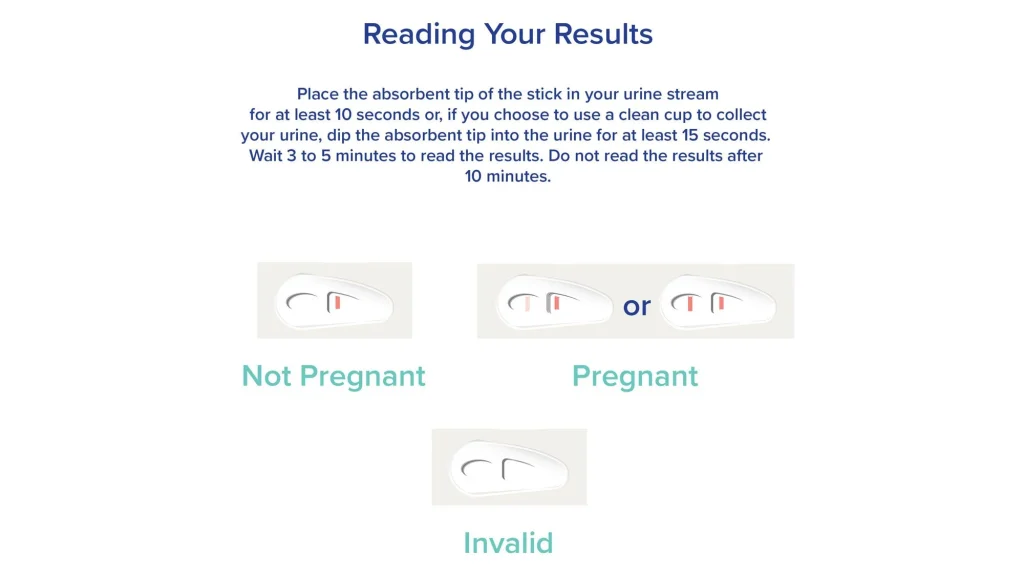
One of the key factors in successful home insemination is timing. It is important to know when you are ovulating in order to increase the chances of conception. There are several methods for tracking ovulation, such as using ovulation predictor kits, charting basal body temperature, or monitoring changes in cervical mucus. By tracking ovulation, you can plan your home insemination at the most fertile time, giving the sperm a better chance of reaching and fertilizing the egg.
2. Intrauterine Insemination (IUI) Syringe
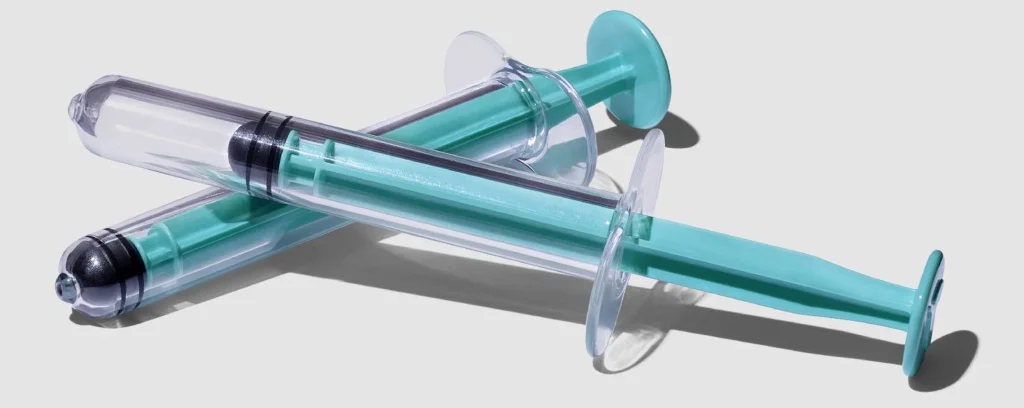
While the traditional method of home insemination involves using a needleless syringe to place semen near the cervix, an IUI syringe can be a more effective option. This syringe has a longer and thinner tip, making it easier to reach the cervix and deposit sperm closer to the uterus. This can increase the chances of the sperm reaching the fallopian tubes and fertilizing the egg. IUI syringes can be purchased online or through a fertility clinic.
3. Pre-seed Lubricant
Traditional lubricants can be harmful to sperm and decrease their motility, making it harder for them to reach the egg. Pre-seed lubricant is a fertility-friendly lubricant that mimics the natural fluids in the vagina and provides a safe environment for sperm. It can also make the process more comfortable for both partners. Pre-seed lubricant can be purchased online or at most drugstores.
4. Elevating Hips

Beyond the Basics: Advanced Techniques for Home Insemination
After insemination, it is recommended to elevate the hips for 15-20 minutes to allow the sperm to swim towards the cervix. This can be achieved by placing a pillow under the hips or lying on your back with your legs elevated against a wall. Elevating the hips can help the sperm reach the egg faster and increase the chances of fertilization.
5. Using a Soft Cup
A soft cup is a flexible, disposable cup that is inserted into the vagina after insemination. It helps to keep the sperm near the cervix, making it easier for them to swim towards the egg. Soft cups can be worn for up to 12 hours and do not interfere with daily activities. They can also be used during menstruation to collect menstrual flow, making them a versatile fertility tool.
6. Acupuncture
Acupuncture is an ancient Chinese practice that involves inserting thin needles into specific points on the body. It has been used to treat a variety of health conditions, including infertility. Studies have shown that acupuncture can improve the chances of conceiving by increasing blood flow to the uterus and ovaries, regulating hormones, and reducing stress. Some fertility clinics offer acupuncture as part of their services, but you can also find licensed acupuncturists in your area.
7. Supplements and Diet
Certain supplements and a healthy diet can also improve fertility and increase the chances of conception. Omega-3 fatty acids, folic acid, and Coenzyme Q10 are some of the supplements that have been linked to improved fertility. A diet rich in fruits, vegetables, whole grains, and lean proteins can also have a positive impact on fertility. It is important to consult with a healthcare provider before starting any supplements or making significant dietary changes.
8. Seeking Medical Advice
While home insemination can be a successful method for conception, it is important to seek medical advice if you have been trying for a long time without success. A fertility specialist can help identify any underlying issues that may be hindering conception and provide personalized recommendations for your specific situation. They can also offer more advanced techniques such as IUI or IVF if needed.
In conclusion, home insemination can be an effective method for conception, but using these advanced techniques can increase the chances of success. By tracking ovulation, using an IUI syringe, using pre-seed lubricant, elevating hips, using a soft cup, trying acupuncture, taking supplements, and seeking medical advice, you can optimize your chances of starting a family through home insemination. It is important to remember that every individual and situation is unique, and what works for one person may not work for another. Be patient, stay positive, and keep trying.