Tag: cervical mucus

  • Surprising Facts About Cervical Mucus and Fertility

    Cervical mucus is a substance produced by the cervix that plays a crucial role in fertility and conception. It may seem like a simple bodily fluid, but there are many surprising facts about cervical mucus and its impact on a woman’s fertility. In this blog post, we will uncover some interesting and lesser-known information about cervical mucus and its relationship with fertility.

    1. Cervical Mucus Acts as a Protective Barrier

    One of the main functions of cervical mucus is to protect the reproductive organs from bacteria and other harmful pathogens. As a woman goes through her menstrual cycle, the consistency and amount of cervical mucus changes. During ovulation, when a woman is most fertile, the cervical mucus becomes thinner and more watery, allowing sperm to travel through the cervix and into the uterus. This mucus also contains antibodies that help to fight off any potential infections.

    2. The Appearance of Cervical Mucus Changes Throughout the Menstrual Cycle

    As mentioned earlier, the consistency and amount of cervical mucus change throughout a woman’s menstrual cycle. After menstruation, the cervical mucus is usually dry and sticky, making it difficult for sperm to travel. As ovulation approaches, the mucus becomes thinner and more abundant, creating a more hospitable environment for sperm. After ovulation, the mucus becomes thicker and less abundant, acting as a barrier to prevent sperm from entering the uterus.

    3. Cervical Mucus Can Indicate Ovulation

    By tracking changes in cervical mucus, women can gain valuable insights into their ovulation cycle. As mentioned earlier, the mucus becomes thinner and more abundant during ovulation. This can help women determine the best time to try to conceive. Additionally, the consistency and appearance of cervical mucus can also indicate potential fertility issues. If the mucus is consistently dry and sticky, it could be a sign of hormonal imbalances or other fertility issues.

    4. Certain Factors Can Affect Cervical Mucus Production

    Various factors can affect the production and quality of cervical mucus. These include hormonal imbalances, certain medications, and lifestyle choices such as smoking and alcohol consumption. Stress can also have a significant impact on cervical mucus production. When a woman is stressed, her body may produce less mucus, making it more difficult for sperm to travel and increasing the chances of infertility.

    5. Cervical Mucus Can Be Used as a Natural Birth Control Method

    logo featuring a pink heart above two teal leaves on a blue circular background

    Surprising Facts About Cervical Mucus and Fertility

    Many women are aware of using cervical mucus to track ovulation and increase their chances of conceiving. However, it can also be used as a natural birth control method. By tracking changes in mucus consistency, women can determine when they are most fertile and avoid intercourse during that time to prevent pregnancy. This method, known as the “Billings Method,” has been found to be surprisingly effective in preventing pregnancy.

    6. Cervical Mucus Can Provide Clues About Your Overall Health

    The appearance and consistency of cervical mucus can also provide valuable insights into a woman’s overall health. For example, if the mucus is consistently yellow or green, it could be a sign of an infection. If it has a foul odor, it could be a sign of an underlying health issue. Changes in cervical mucus can also indicate hormonal imbalances or other reproductive health issues that may require medical attention.

    7. Certain Foods Can Affect Cervical Mucus Production

    Believe it or not, certain foods can have an impact on the production and quality of cervical mucus. Foods that are high in antioxidants, such as berries and leafy greens, can help to improve cervical mucus production. On the other hand, foods that are high in sugar and processed carbohydrates can decrease mucus production. Maintaining a healthy diet can not only improve overall health but also aid in fertility through the production of cervical mucus.

    8. Cervical Mucus Changes After Giving Birth

    After giving birth, a woman’s menstrual cycle and cervical mucus production may change. This is because the body goes through significant hormonal shifts during and after pregnancy. It is not uncommon for women to experience dryness or a lack of mucus production for a while after giving birth. However, the body usually returns to its normal pattern within a few months.

    9. Cervical Mucus Can Be Affected by Age

    As women age, the production and quality of cervical mucus can decrease. This is due to hormonal changes and a decrease in estrogen levels. As a result, women who are trying to conceive in their late 30s and 40s may experience more difficulty due to a decrease in cervical mucus production. However, this can vary from woman to woman and is not a definitive factor in fertility.

    In summary, cervical mucus is not just a simple bodily fluid, but a crucial factor in fertility and conception. Its production and consistency can provide valuable insights into a woman’s reproductive health and cycle. By understanding these surprising facts about cervical mucus, women can better track their fertility and make informed decisions about their reproductive health.


  • Cervical Mucus and Fertility: Separating Fact from Fiction

    Cervical mucus is a topic that is often surrounded by myths and misconceptions, especially when it comes to its role in fertility. Many people believe that cervical mucus is only important for tracking ovulation, while others think that it is the key to getting pregnant. In this blog post, we will separate fact from fiction when it comes to cervical mucus and fertility.

    First, let’s start with understanding what cervical mucus is and its role in the female reproductive system. Cervical mucus is a fluid produced by the cervix, the lower part of the uterus that connects to the vagina. Its main function is to keep the vagina clean and healthy by preventing bacteria and other harmful substances from entering the reproductive tract. Additionally, cervical mucus plays a crucial role in fertility by helping sperm survive and reach the egg.

    Now, let’s address some common myths and misconceptions about cervical mucus and fertility.

    Myth: Cervical mucus is only important for tracking ovulation.

    Fact: While cervical mucus is an essential sign of ovulation, it also plays a significant role in fertility. The consistency and appearance of cervical mucus can indicate changes in hormone levels and the fertile window. During the fertile window, cervical mucus becomes thin, watery, and stretchy, which helps sperm travel through the cervix and into the uterus. Tracking cervical mucus can be a useful tool for couples trying to conceive.

    Myth: The more cervical mucus, the better chances of getting pregnant.

    Fact: While cervical mucus is essential for fertility, more does not always mean better. The quality, rather than the quantity, of cervical mucus is more crucial for conception. For example, thick and sticky mucus can make it difficult for sperm to reach the egg, even if there is a lot of it. On the other hand, thin and stretchy mucus facilitates sperm transport and increases the chances of pregnancy.

    Myth: Cervical mucus can determine the sex of a baby.

    Fact: This is a common misconception, but there is no scientific evidence to support it. The sex of a baby is determined by the sperm, not the cervical mucus. The only way to increase the chances of conceiving a specific gender is through assisted reproductive techniques.

    Myth: If you don’t have fertile cervical mucus, you cannot get pregnant.

    Fact: While fertile cervical mucus can increase the chances of pregnancy, it is not the only factor. Many other factors, such as sperm quality and timing of intercourse, also play a significant role in conception. Additionally, some women may have fertility issues that affect the quality and quantity of their cervical mucus, but that does not mean they cannot get pregnant.

    Smiling baby in a blue onesie with "made with Love" text, lying on a light blue crocheted blanket.

    Cervical Mucus and Fertility: Separating Fact from Fiction

    Myth: Having cervical mucus after ovulation means you are pregnant.

    Fact: While increased cervical mucus after ovulation can be a sign of pregnancy, it is not a reliable indicator. Cervical mucus can change throughout the menstrual cycle due to hormonal fluctuations, and some women may experience an increase in mucus after ovulation without being pregnant. The only way to confirm pregnancy is through a pregnancy test.

    Myth: You can increase cervical mucus by drinking lots of water.

    Fact: While staying hydrated is essential for overall health, drinking lots of water will not increase cervical mucus. The amount and quality of cervical mucus are regulated by hormones, and drinking water will not affect hormone levels.

    Now that we have debunked some common myths, let’s discuss some tips for maintaining a healthy cervical mucus.

    – Stay hydrated: While drinking water won’t directly increase cervical mucus, staying hydrated is crucial for keeping cervical mucus healthy and thin.

    – Avoid certain medications: Some medications, such as antihistamines and decongestants, can dry out cervical mucus. If you are trying to conceive, it’s best to avoid these medications during your fertile window.

    – Quit smoking: Smoking can affect cervical mucus by making it thicker and more acidic, which can be harmful to sperm. Quitting smoking can improve the quality of cervical mucus and increase the chances of pregnancy.

    – Consider using fertility-friendly lubricants: Some lubricants can interfere with sperm motility and decrease the chances of pregnancy. If you need to use a lubricant, choose one that is labeled as fertility-friendly.

    In conclusion, cervical mucus plays a vital role in fertility, but it is not the only factor. While tracking cervical mucus can be a helpful tool for couples trying to conceive, it is essential to understand its limitations and not rely on it solely. Staying informed and understanding the facts about cervical mucus and fertility can help individuals make informed decisions about their reproductive health.

    Summary: Cervical mucus is a fluid produced by the cervix that plays a crucial role in fertility by helping sperm reach the egg. However, there are many myths and misconceptions surrounding its role in fertility. While it is an essential sign of ovulation, more does not always mean better, and it cannot determine the sex of a baby. Maintaining a healthy cervical mucus can be beneficial, but it is not the only factor in getting pregnant.

  • Cervical Mucus and Fertility: What You Need to Know

    Cervical mucus is a crucial factor in understanding a woman’s fertility and overall reproductive health. It plays a significant role in the process of conception and can be a useful tool for predicting ovulation and increasing chances of pregnancy. In this blog post, we will delve into the world of cervical mucus, its functions, and how it affects fertility.

    What is Cervical Mucus?

    Cervical mucus, also known as cervical fluid, is a fluid secreted by the cervix, the narrow passage at the lower end of the uterus. It is a natural bodily fluid that changes in consistency, texture, and color throughout a woman’s menstrual cycle. Its primary function is to assist in the fertilization process by providing a hospitable environment for sperm to travel through and reach the egg.

    Cervical Mucus and Fertility

    Cervical mucus is a crucial factor in fertility because it helps sperm travel through the vagina and into the uterus. Without enough fertile cervical mucus, sperm may not survive long enough to reach the egg and fertilize it. Therefore, understanding how cervical mucus changes throughout the menstrual cycle is essential for those trying to conceive.

    The Four Stages of Cervical Mucus

    Cervical mucus goes through four distinct stages during a woman’s menstrual cycle. The first stage is after menstruation, where the production of cervical mucus is minimal, and the consistency is thick and sticky, making it difficult for sperm to swim through. The second stage is the pre-ovulation stage, where estrogen levels rise, and the mucus becomes more slippery and stretchy, resembling raw egg whites. This type of mucus is known as fertile cervical mucus and is considered the most optimal for sperm to travel through.

    illustration of Mosie Baby home insemination kit highlighting seamless transfer and size features

    Cervical Mucus and Fertility: What You Need to Know

    The third stage is ovulation, where the cervical mucus is at its peak in terms of quantity and quality. This stage is when a woman is most fertile and has the highest chances of getting pregnant. The mucus is usually clear, slippery, and stretchy, making it easier for sperm to swim through and reach the egg. The fourth and final stage is post-ovulation, where the cervical mucus becomes thick, sticky, and less abundant, making it harder for sperm to survive.

    Using Cervical Mucus to Predict Ovulation

    Cervical mucus can also be used as a tool to predict ovulation, which is crucial for those trying to conceive. By tracking the changes in cervical mucus, women can determine when they are most fertile and plan intercourse accordingly. This method is known as the cervical mucus method and can be used in conjunction with other fertility tracking methods, such as basal body temperature and ovulation predictor kits.

    Factors That Affect Cervical Mucus

    Several factors can affect the production and quality of cervical mucus. These include hormonal imbalances, certain medications, infections, and lifestyle factors such as smoking and poor diet. It is essential to address any underlying issues that may be affecting cervical mucus production to improve fertility and overall reproductive health.

    Tips for Improving Cervical Mucus

    For those trying to conceive, there are some tips that can help improve cervical mucus production and quality. These include staying hydrated, avoiding products that can dry out cervical mucus (such as antihistamines), and incorporating certain supplements into the diet, such as evening primrose oil and vitamin C. It is also crucial to maintain a healthy lifestyle by eating a balanced diet, exercising regularly, and avoiding harmful substances such as tobacco and alcohol.

    In conclusion, cervical mucus is a vital aspect of female fertility and plays a significant role in the process of conception. By understanding the changes in cervical mucus throughout the menstrual cycle, women can use it as a tool to predict ovulation and increase their chances of pregnancy. It is essential to address any factors that may affect cervical mucus production and take steps to improve overall reproductive health.

  • The Fascinating Relationship Between Cervical Mucus and Fertility

    Blog Post: The Fascinating Relationship Between Cervical Mucus and Fertility

    Cervical mucus may not be a topic that is commonly discussed, but it plays a crucial role in a woman’s fertility. This thick, slippery fluid produced by the cervix is often overlooked, but understanding its fascinating relationship with fertility can help women better understand their bodies and increase their chances of conception. In this blog post, we will delve into the science behind cervical mucus and how it impacts a woman’s fertility.

    What is Cervical Mucus?

    Cervical mucus is a fluid produced by the cervix, the lower part of the uterus that connects to the vagina. It is a clear or white fluid that has a slippery consistency, similar to raw egg whites. The amount and consistency of cervical mucus varies throughout a woman’s menstrual cycle, and it is influenced by hormones such as estrogen and progesterone.

    The Role of Cervical Mucus in Fertility

    Cervical mucus plays a crucial role in a woman’s fertility as it helps sperm reach and fertilize an egg. During ovulation, the cervix produces more mucus to create a hospitable environment for sperm to survive and swim through to reach the egg. This fertile cervical mucus is also known as “egg white cervical mucus” or EWCM due to its consistency.

    The presence of EWCM is a sign that a woman is fertile and increases her chances of conception. It also helps to filter out abnormal or damaged sperm, ensuring that only the healthiest and strongest sperm reaches the egg. Without cervical mucus, sperm would struggle to survive in the acidic environment of the vagina and would not be able to reach the egg.

    Determining Fertility through Cervical Mucus

    By tracking changes in cervical mucus, women can determine when they are most fertile and increase their chances of conception. The amount and consistency of cervical mucus can indicate where a woman is in her menstrual cycle and when she is most likely to ovulate.

    Baby with blue eyes wearing a light blue onesie that says "made with Love" on a soft white background.

    The Fascinating Relationship Between Cervical Mucus and Fertility

    After the menstrual cycle, there is usually little to no cervical mucus present. As a woman approaches ovulation, the amount of cervical mucus increases, and it becomes thinner and more stretchy. This is the ideal type of mucus for sperm to travel through. Once ovulation has occurred, the amount of cervical mucus decreases, and it becomes thicker and stickier.

    By monitoring changes in cervical mucus, women can determine the best time to have intercourse for a higher chance of conception. Additionally, changes in cervical mucus can also indicate potential fertility issues if it is consistently absent or abnormal.

    Factors Affecting Cervical Mucus

    Several factors can affect the production and quality of cervical mucus, including hormonal imbalances, medications, stress, and lifestyle factors. For example, hormonal birth control can alter the consistency of cervical mucus and make it more difficult for sperm to travel through the cervix. Age also plays a role, as women tend to produce less cervical mucus as they get older, making it more challenging to conceive.

    How to Improve Cervical Mucus for Fertility

    If a woman is struggling with fertility issues due to poor quality or quantity of cervical mucus, there are ways to improve it. Staying hydrated and consuming a healthy, balanced diet rich in nutrients can help to produce more fertile cervical mucus. Avoiding smoking and excessive alcohol consumption can also improve the quality of cervical mucus.

    In some cases, medical interventions such as fertility medications or artificial insemination may be necessary to improve cervical mucus and increase fertility.

    Conclusion

    Cervical mucus may not be a topic that is often discussed, but it plays a critical role in a woman’s fertility. By understanding the relationship between cervical mucus and fertility, women can better track their menstrual cycles and increase their chances of conception. Monitoring changes in cervical mucus can also provide valuable insight into potential fertility issues and guide women towards seeking medical help if needed.

    In summary, cervical mucus is a fluid produced by the cervix that plays a crucial role in a woman’s fertility. It helps sperm reach and fertilize an egg and can indicate where a woman is in her menstrual cycle. Factors such as hormonal imbalances and age can affect the production and quality of cervical mucus, but there are ways to improve it. By understanding cervical mucus, women can take a proactive approach to their fertility and increase their chances of conceiving.

  • Decoding Cervical Mucus: A Guide to Fertility Tracking

    Blog Post:

    Decoding Cervical Mucus: A Guide to Fertility Tracking

    Have you ever heard of cervical mucus? If not, you’re not alone. Despite its importance in fertility tracking, many women are unaware of what cervical mucus is and how it can help them understand their menstrual cycle. Cervical mucus is a fluid produced by the cervix that plays a crucial role in fertility. By learning how to read and decode your cervical mucus, you can gain valuable insights into your body’s reproductive cycle and increase your chances of conceiving.

    In this blog post, we will dive deeper into the topic of cervical mucus and its role in fertility tracking. We will discuss what cervical mucus is, how it changes throughout the menstrual cycle, and how to interpret its different characteristics. So, let’s get started!

    What is Cervical Mucus?

    Cervical mucus is a fluid produced by the cervix, the lower part of the uterus that connects to the vagina. The cervix produces this fluid throughout the menstrual cycle, and its consistency and appearance change according to the hormonal fluctuations in a woman’s body. Cervical mucus serves several purposes, including protecting the uterus from harmful bacteria and providing a pathway for sperm to travel to reach the egg.

    Understanding the Menstrual Cycle

    Before delving into the details of cervical mucus, it’s essential to understand the menstrual cycle. The menstrual cycle is the monthly process that prepares a woman’s body for pregnancy. It usually spans around 28 days, but it can vary for each woman. The menstrual cycle is divided into three phases: the follicular phase, ovulation, and the luteal phase.

    The follicular phase starts on the first day of menstruation and lasts until ovulation. During this phase, the pituitary gland in the brain releases a hormone called follicle-stimulating hormone (FSH), which stimulates the ovaries to produce follicles. These follicles contain eggs that will mature and be released during ovulation.

    Ovulation is when a mature egg is released from one of the ovaries and travels down the fallopian tube. This is the most fertile time in a woman’s cycle, and the egg can be fertilized by sperm during this period.

    The luteal phase begins after ovulation and lasts until the next period. During this phase, the empty follicle that released the egg transforms into a temporary gland called the corpus luteum. The corpus luteum produces the hormone progesterone, which prepares the uterus for pregnancy. If the egg is not fertilized, the corpus luteum will break down, and the period will start again.

    How Cervical Mucus Changes Throughout the Menstrual Cycle

    As mentioned earlier, cervical mucus changes throughout the menstrual cycle due to hormonal fluctuations. These changes can be divided into three main types: dry, sticky, and wet.

    Dry cervical mucus is typically present at the beginning and end of the menstrual cycle. It is thick and pasty and helps prevent bacteria from entering the uterus.

    Mosie Baby Kit with a syringe and container, highlighting safety and usability features on a blue background.

    Decoding Cervical Mucus: A Guide to Fertility Tracking

    Sticky cervical mucus appears after the dry phase and is a sign that ovulation is approaching. It is thicker than dry mucus but still not suitable for sperm survival.

    Wet cervical mucus is the most fertile type of mucus and appears a few days before ovulation. It is clear, slippery, and resembles raw egg whites. This type of mucus helps sperm survive longer and swim through the cervix to reach the egg.

    Using Cervical Mucus to Track Fertility

    Now that we understand the different types of cervical mucus and how they change throughout the menstrual cycle, let’s discuss how to use this information for fertility tracking. By monitoring your cervical mucus, you can determine your most fertile days and increase your chances of getting pregnant.

    To track your cervical mucus, you will need to observe the discharge from your vagina daily. You can do this by either checking your underwear or using your fingers to collect a sample from the opening of your vagina. It’s essential to wash your hands before and after checking your cervical mucus to avoid introducing bacteria.

    After collecting the sample, you can use the following guidelines to determine the type of cervical mucus:

    – Dry: If you notice no discharge or a small amount of thick, pasty mucus, it means you are in the dry phase and not fertile.
    – Sticky: If you observe a sticky, cloudy, or white discharge, it means you are approaching ovulation and are in the less fertile phase of your cycle.
    – Wet: If you see a clear, slippery, or stretchy discharge, it means you are fertile and approaching ovulation, so it’s the best time to try and conceive.

    It’s essential to note that every woman’s cervical mucus may vary in consistency and appearance, so it’s crucial to track your own pattern and determine what is normal for you.

    Other Methods for Fertility Tracking

    While cervical mucus can be an excellent tool for predicting ovulation and fertility, it’s not the only method available. Many women also use basal body temperature (BBT) charting and ovulation predictor kits (OPKs) to track their fertility. BBT charting involves taking your temperature every morning to track the slight increase that occurs after ovulation. OPKs, on the other hand, detect the surge in luteinizing hormone (LH) that precedes ovulation.

    It’s essential to remember that no single method is 100% accurate, and combining different methods can provide a more accurate prediction of ovulation and fertility.

    In conclusion, understanding your cervical mucus and its changes throughout your menstrual cycle can be a valuable tool for fertility tracking. By paying attention to your body’s natural signs, you can increase your chances of conceiving and better understand your reproductive health. As always, it’s crucial to consult with your doctor if you have any concerns or questions about your fertility.

    Summary:

    Cervical mucus is a fluid produced by the cervix that changes throughout the menstrual cycle due to hormonal fluctuations. It serves several purposes, including protecting the uterus and aiding sperm in reaching the egg. By tracking the changes in cervical mucus, women can determine their most fertile days and increase their chances of conceiving. Other methods for fertility tracking, such as BBT charting and OPKs, can also be used in combination with cervical mucus tracking for a more accurate prediction. It’s essential to consult with a doctor if there are any concerns about fertility.

  • The Different Types of Cervical Mucus and What They Mean for Fertility

    Cervical mucus is a vital factor in a woman’s fertility. It plays a crucial role in the process of conception, as it helps sperm reach and fertilize the egg. However, not all cervical mucus is the same. In fact, there are different types of cervical mucus that can indicate various stages in a woman’s menstrual cycle and fertility. Understanding the different types of cervical mucus and what they mean for fertility can help women track their ovulation and increase their chances of getting pregnant.

    Before diving into the different types of cervical mucus, it’s essential to understand the role of cervical mucus in fertility. Cervical mucus is a fluid produced by the cervix, the lower part of the uterus. It changes throughout a woman’s menstrual cycle due to hormonal fluctuations. The texture, color, and consistency of cervical mucus can provide valuable insights into a woman’s fertility status.

    1. Dry or No Cervical Mucus

    At the beginning of a woman’s menstrual cycle, there is usually no cervical mucus present. This is known as the dry phase. During this phase, the cervix is closed, and there is minimal to no cervical mucus. The absence of cervical mucus makes it difficult for sperm to survive and reach the egg, making it a less fertile period.

    2. Sticky Cervical Mucus

    As a woman’s menstrual cycle progresses, she may notice a sticky or tacky cervical mucus. It is a white or cloudy discharge that feels sticky when rubbed between the fingers. This type of cervical mucus is not considered fertile as it can act as a barrier for sperm, making it difficult for them to swim through. However, it can be a sign that ovulation is approaching.

    3. Creamy Cervical Mucus

    Creamy cervical mucus is a thick, lotion-like discharge that is white or yellowish in color. It is a sign of increased estrogen levels, which typically occur before ovulation. The creamy texture of this type of mucus helps sperm stay alive and move towards the egg. It is considered a fertile type of cervical mucus and indicates that ovulation is approaching.

    4. Egg White Cervical Mucus

    Hands holding a syringe and a small container against a blue background.

    The Different Types of Cervical Mucus and What They Mean for Fertility

    Egg white cervical mucus (EWCM) is the most fertile type of cervical mucus. It has a clear and stretchy consistency, similar to raw egg whites, hence the name. EWCM is a sign of the peak of a woman’s fertility, indicating that ovulation is about to occur or has already occurred. This type of cervical mucus provides an ideal environment for sperm to swim through and reach the egg.

    5. Watery Cervical Mucus

    Watery cervical mucus is a clear, thin, and slippery discharge that resembles water. It is a sign of high estrogen levels, which occur a few days before ovulation. Watery cervical mucus is considered fertile as it helps sperm reach the egg and can keep them alive for a longer time.

    6. Brown or Pink Cervical Mucus

    Brown or pink cervical mucus is not a type of mucus but rather a sign of old blood mixed with cervical mucus. It can occur during ovulation or before and after periods. In some cases, it can also be a sign of implantation bleeding, which happens when a fertilized egg implants itself into the uterine lining. However, if brown or pink cervical mucus is accompanied by a foul odor or itching, it could be a sign of an infection and should be evaluated by a doctor.

    7. Yellow or Green Cervical Mucus

    Yellow or green cervical mucus is not a normal type of mucus and can indicate an infection. It is usually thick and may have a foul odor. Infections can affect fertility and should be treated promptly.

    In summary, cervical mucus changes throughout a woman’s menstrual cycle and can indicate different stages of fertility. Dry or no mucus is considered a less fertile period, while sticky and creamy mucus can be signs of approaching ovulation. Egg white and watery mucus are the most fertile types and indicate the peak of fertility. Brown or pink mucus can occur during ovulation or implantation, while yellow or green mucus can be a sign of infection.

    Tracking cervical mucus can help women identify their most fertile days and increase their chances of getting pregnant. It can also be used in conjunction with other fertility tracking methods, such as basal body temperature tracking and ovulation predictor kits, to get a better understanding of a woman’s menstrual cycle and fertility.

    In conclusion, understanding the different types of cervical mucus and what they mean for fertility is crucial for women trying to conceive. By paying attention to changes in their cervical mucus, women can gain valuable insights into their fertility status and take necessary steps to increase their chances of getting pregnant.

  • Empowering Women Through Knowledge of Cervical Mucus and Fertility

    Empowering Women Through Knowledge of Cervical Mucus and Fertility

    When it comes to reproductive health, knowledge is power. Understanding the intricacies of your body’s natural processes can not only help you make informed decisions about your fertility, but also empower you to take control of your reproductive health. One crucial aspect of reproductive health that is often overlooked is the role of cervical mucus in fertility. In this blog post, we will delve into the importance of understanding cervical mucus and its connection to fertility, as well as how this knowledge can empower women to make informed decisions about their reproductive health.

    What is Cervical Mucus?

    Cervical mucus is a fluid produced by the cervix, the lower part of the uterus that connects to the vagina. It plays a vital role in the reproductive process, as it helps sperm survive and travel through the reproductive tract to fertilize an egg. The consistency and amount of cervical mucus changes throughout the menstrual cycle, and understanding these changes can provide valuable insight into a woman’s fertility.

    The Role of Cervical Mucus in Fertility

    During the menstrual cycle, the body goes through a series of hormonal changes that prepare it for pregnancy. One of these changes is the production of cervical mucus, which is influenced by the hormone estrogen. As the levels of estrogen increase, so does the production of cervical mucus. This mucus helps create a hospitable environment for sperm, protecting them from the acidic environment of the vagina and providing them with the nutrients they need to survive.

    The consistency of cervical mucus also changes throughout the menstrual cycle. At the beginning of the cycle, the mucus is usually thick and sticky, making it difficult for sperm to swim through. As ovulation approaches, the mucus becomes thinner and more slippery, allowing sperm to move more easily through the reproductive tract. This fertile cervical mucus is often referred to as “egg white” mucus because of its resemblance to raw egg whites.

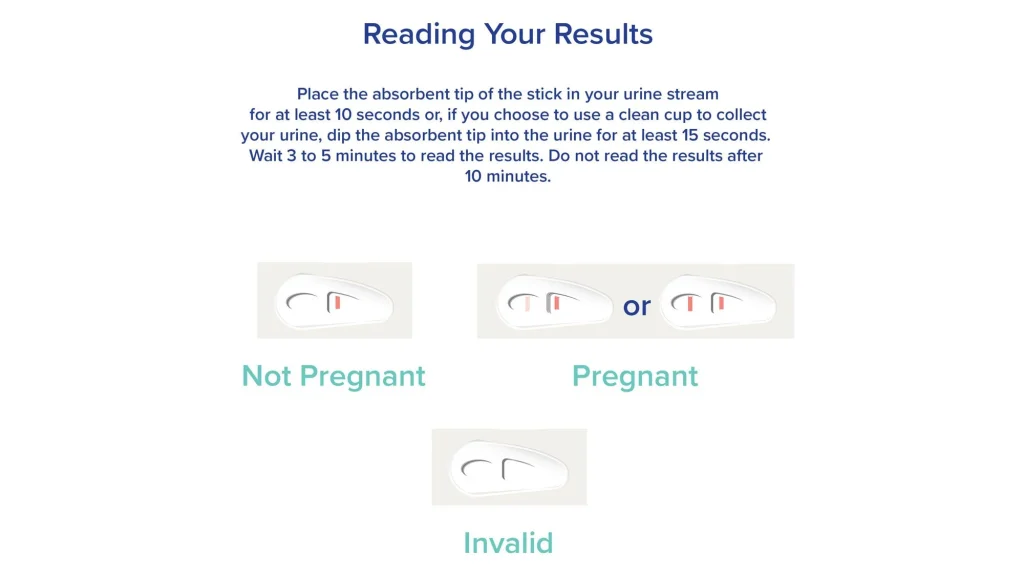
    Instructions for reading pregnancy test results with visual indicators for "Not Pregnant," "Pregnant," and "Invalid.

    Empowering Women Through Knowledge of Cervical Mucus and Fertility

    By tracking changes in cervical mucus, women can gain valuable information about their fertility. For example, if a woman is trying to conceive, monitoring the changes in her cervical mucus can help her identify her most fertile days and increase her chances of getting pregnant. On the other hand, if a woman is trying to avoid pregnancy, tracking her cervical mucus can help her determine when she is most likely to ovulate and abstain from intercourse during that time.

    Empowering Women Through Knowledge of Cervical Mucus

    Understanding the role of cervical mucus in fertility empowers women to take control of their reproductive health. By tracking changes in their cervical mucus, women can gain valuable insights into their menstrual cycle and fertility. This knowledge can also help women identify potential fertility issues, such as hormonal imbalances or ovulatory disorders, and seek appropriate medical treatment.

    Additionally, knowledge of cervical mucus can also help women make informed decisions about contraception. For example, women who are trying to avoid pregnancy can use fertility awareness methods, such as tracking their cervical mucus, to determine when they are most fertile and use barrier methods or abstain from intercourse during that time. This can be a more natural and effective alternative to hormonal contraception for some women.

    Moreover, understanding cervical mucus can also help women who are struggling with fertility issues. By tracking their cervical mucus, they can identify any abnormalities or changes that may indicate underlying fertility problems and seek medical assistance. This knowledge can also help women undergoing fertility treatments to better understand their body’s natural fertility signals and increase their chances of success.

    Incorporating cervical mucus tracking into fertility awareness can also strengthen the connection between a woman and her body. Many women feel disconnected from their reproductive health, relying solely on external methods of contraception and not fully understanding the natural processes of their body. By gaining knowledge about cervical mucus and its connection to fertility, women can reconnect with their bodies and take an active role in managing their reproductive health.

    In conclusion, understanding cervical mucus and its role in fertility can be a powerful tool for women to take control of their reproductive health. By tracking changes in their cervical mucus, women can gain valuable insights into their menstrual cycle and fertility, make informed decisions about contraception, and identify potential fertility issues. It is time to empower women through knowledge of cervical mucus and fertility, and allow them to take charge of their reproductive health.

    SEO Metadata:

  • The Impact of Diet and Lifestyle on Cervical Mucus and Fertility

    Blog Post:

    Cervical mucus is a fluid produced by the cervix that plays a crucial role in female fertility. It is often overlooked, but it is an important factor in the reproductive process. Cervical mucus helps sperm travel to the egg and protects them on their journey. It also changes in consistency and quantity throughout a woman’s menstrual cycle, indicating the most fertile times for conception. However, diet and lifestyle can greatly impact the quality of cervical mucus, and ultimately, fertility.

    In this blog post, we will explore the connection between diet, lifestyle, and cervical mucus, and how making positive changes can enhance fertility.

    The Importance of Cervical Mucus in Fertility

    Before delving into the impact of diet and lifestyle on cervical mucus, it is essential to understand the role it plays in fertility. Cervical mucus is a fluid secreted by the cervix that lines the entrance to the uterus. It serves as a protective barrier, preventing harmful bacteria from entering the reproductive organs.

    But more importantly, cervical mucus serves as a transport medium for sperm. During ovulation, the mucus becomes more abundant, thin, and stretchy, creating a favorable environment for sperm to travel through the cervix and into the uterus. This is known as “fertile mucus” and is crucial for conception.

    In contrast, during non-fertile times in a woman’s menstrual cycle, the cervical mucus is thicker, stickier, and less abundant, making it more difficult for sperm to reach the egg. Therefore, the quality and quantity of cervical mucus can significantly impact a woman’s chances of getting pregnant.

    Impact of Diet on Cervical Mucus

    The food we eat has a direct impact on our overall health, including our reproductive system. A diet high in processed foods, sugar, and unhealthy fats can lead to inflammation and hormonal imbalances, which can affect the quality of cervical mucus.

    For instance, a study published in the Journal of Human Reproduction found that women who consumed a diet high in trans fats had a higher risk of ovulatory infertility. Trans fats, commonly found in fried foods, packaged snacks, and baked goods, can increase inflammation in the body and disrupt hormonal balance, leading to changes in cervical mucus.

    On the other hand, a diet rich in whole, nutrient-dense foods can improve the quality of cervical mucus and enhance fertility. Foods such as leafy greens, fruits, vegetables, and healthy fats like avocado and olive oil provide essential vitamins and minerals that support reproductive health.

    Specific foods have also been linked to improved cervical mucus quality. For example, pineapple contains an enzyme called bromelain, which has been shown to have anti-inflammatory properties and may help thin the cervical mucus. Additionally, foods high in omega-3 fatty acids, such as salmon and chia seeds, can help regulate hormones and promote more fertile mucus.

    Baby with blue eyes wearing a light blue onesie that says "made with Love" on a soft white background.

    The Impact of Diet and Lifestyle on Cervical Mucus and Fertility

    Lifestyle Factors That Affect Cervical Mucus

    Aside from diet, certain lifestyle factors can also impact cervical mucus. These include stress, exercise, and smoking.

    Stress can have a significant impact on hormonal balance, which, in turn, can affect cervical mucus. Chronic stress can lead to an increase in the stress hormone cortisol, which can disrupt the delicate hormonal balance needed for optimal cervical mucus production.

    Regular exercise is essential for overall health, but excessive or intense exercise can also affect cervical mucus. The body may perceive intense exercise as a stressor and produce higher levels of cortisol, leading to changes in cervical mucus production. On the other hand, moderate exercise, such as walking or yoga, can help reduce stress and promote hormonal balance, potentially improving cervical mucus quality.

    Smoking is another lifestyle factor that can negatively impact cervical mucus and fertility. Studies have shown that smoking can decrease the amount of fertile cervical mucus and increase the risk of ovulatory infertility. It can also damage the delicate tissues of the cervix, making it difficult for sperm to travel through.

    Ways to Improve Cervical Mucus Quality for Optimal Fertility

    Now that we understand how diet and lifestyle can affect cervical mucus and fertility let’s explore ways to improve its quality.

    1. Eat a fertility-friendly diet: As mentioned earlier, a diet rich in whole, nutrient-dense foods can improve hormonal balance and promote optimal cervical mucus production. Incorporating fertility-boosting foods like leafy greens, fruits, vegetables, and healthy fats can also support overall reproductive health.

    2. Manage stress: Finding ways to manage stress, such as practicing relaxation techniques like meditation or deep breathing, can help reduce cortisol levels and promote hormonal balance.

    3. Exercise moderately: Engaging in moderate exercise can help reduce stress and promote hormone balance, leading to improved cervical mucus quality. However, it is essential to avoid excessive or intense exercise that can harm hormonal balance.

    4. Quit smoking: If you are a smoker, quitting can greatly improve your chances of conceiving by promoting healthier cervical mucus production.

    Summary:

    In summary, cervical mucus plays a crucial role in female fertility, serving as a protective barrier and a transport medium for sperm. The quality and quantity of cervical mucus can be affected by diet and lifestyle factors such as stress, exercise, and smoking. Making positive changes, such as eating a fertility-friendly diet, managing stress, and quitting smoking, can improve cervical mucus quality and enhance fertility.

  • Using Cervical Mucus to Achieve or Avoid Pregnancy

    Blog Post: Using Cervical Mucus to Achieve or Avoid Pregnancy

    Cervical mucus is a natural and important part of a woman’s reproductive cycle. It is produced by the cervix and plays a crucial role in fertility. The consistency, color, and amount of cervical mucus can give valuable information about a woman’s fertility status, making it a useful tool for those trying to achieve or avoid pregnancy. In this blog post, we will explore how cervical mucus can be used to achieve or avoid pregnancy and how to track and interpret changes in cervical mucus.

    Understanding Cervical Mucus
    Before diving into how cervical mucus can be used for fertility purposes, it is important to understand what cervical mucus is and how it changes throughout a woman’s cycle. Cervical mucus is a fluid produced by the cervix that helps sperm to travel through the reproductive tract. It also acts as a protective barrier against bacteria and other harmful substances. The consistency and texture of cervical mucus changes throughout the menstrual cycle under the influence of hormones.

    During the first phase of the menstrual cycle, the follicular phase, estrogen levels rise, causing the cervix to produce more mucus. This mucus is usually watery and more abundant, making it easier for sperm to travel towards the fallopian tubes. As ovulation approaches, estrogen levels peak and the mucus becomes thinner and stretchier, resembling the consistency of egg whites. This is known as fertile cervical mucus and is the optimal type of mucus for sperm to travel through. After ovulation, the cervical mucus becomes thicker and less hospitable to sperm, as progesterone levels rise.

    Using Cervical Mucus to Achieve Pregnancy
    For those trying to conceive, tracking changes in cervical mucus can be a helpful tool. By monitoring the consistency, color, and amount of cervical mucus, a woman can determine her most fertile days and time intercourse accordingly. The presence of fertile cervical mucus indicates that ovulation is approaching, and it is the best time to try to conceive. Couples can use this information to increase their chances of getting pregnant by having intercourse during this fertile window.

    Mosie Baby At-Home Insemination Kit instructions and storage guidelines on a blue background.

    Using Cervical Mucus to Achieve or Avoid Pregnancy

    To track cervical mucus, a woman can perform a simple daily check by wiping the vaginal opening with toilet paper or using clean fingers to collect a sample. It is important to wash your hands before and after checking and to avoid using scented soaps or lotions, as they can alter the mucus consistency. Cervical mucus can also be tracked using a fertility tracking app or a fertility chart.

    Using Cervical Mucus to Avoid Pregnancy
    On the other hand, for those looking to avoid pregnancy, tracking changes in cervical mucus can also be a useful method of natural family planning. By avoiding intercourse during the fertile window, couples can reduce their chances of pregnancy without using hormonal birth control or other artificial methods.

    It is important to note that cervical mucus alone is not a reliable method of contraception and should be used in combination with other fertility awareness methods, such as tracking basal body temperature and monitoring changes in cervical position. It is also crucial to have a good understanding of your own cycle and to be diligent in tracking changes in cervical mucus to avoid any unintended pregnancies.

    Interpreting Cervical Mucus Changes
    The key to using cervical mucus for fertility purposes is understanding and interpreting changes in its consistency and texture. As mentioned earlier, fertile cervical mucus is thin, watery and stretchy, resembling the consistency of egg whites. This type of mucus is alkaline, which is more favorable for sperm to survive in. On the other hand, infertile cervical mucus is thicker, stickier, and has a lower pH, making it less hospitable for sperm.

    Apart from the consistency, the color and amount of cervical mucus can also give valuable information about fertility. Fertile cervical mucus is usually clear and abundant, while infertile cervical mucus can be white, cloudy, or even yellowish in color. It is important to pay attention to these changes and note them down when tracking cervical mucus.

    Summary:
    Cervical mucus is a natural and important part of a woman’s reproductive cycle. It changes in consistency, color, and amount throughout the menstrual cycle under the influence of hormones. For those trying to achieve pregnancy, tracking changes in cervical mucus can help determine the most fertile days for intercourse. On the other hand, for those looking to avoid pregnancy, avoiding intercourse during the fertile window can be an effective method of natural family planning. Understanding and interpreting changes in cervical mucus can be a valuable tool for couples trying to achieve or avoid pregnancy.

  • The Link Between Cervical Mucus and Hormonal Imbalances

    Blog Post:

    Cervical mucus is a natural fluid produced by the cells lining the cervix. It plays a crucial role in the reproductive system, especially in fertility and menstruation. Many women are aware of the changes in their cervical mucus throughout their menstrual cycle, but what they may not know is that these changes can also be linked to hormonal imbalances.

    Hormonal imbalances occur when there is an abnormality in the production, release, or functioning of hormones in the body. This can lead to a wide range of health issues, including irregular periods, infertility, and even certain types of cancer. Cervical mucus is a valuable indicator of hormonal imbalances and can provide important insights into a woman’s reproductive health.

    In this blog post, we will explore the link between cervical mucus and hormonal imbalances, its significance, and how to identify and address potential issues.

    The Role of Cervical Mucus in the Menstrual Cycle:

    Before we dive into the connection between cervical mucus and hormonal imbalances, let’s first understand the role of cervical mucus in the menstrual cycle.

    During the first phase of the menstrual cycle, also known as the follicular phase, estrogen levels rise to stimulate the growth of the uterine lining and the development of follicles in the ovaries. As a result, the cervix begins to produce a clear, watery, and stretchy mucus that is favorable for sperm survival and movement. This type of mucus is known as fertile cervical mucus and is essential for conception.

    As ovulation approaches, estrogen levels peak, and the cervix produces even more cervical mucus, which becomes thicker and more abundant. This type of mucus is known as egg white cervical mucus (EWCM) due to its resemblance to raw egg whites. EWCM helps sperm to travel through the cervix and into the fallopian tubes, where fertilization takes place.

    After ovulation, the body starts to produce progesterone, which causes the cervical mucus to become thick, sticky, and less abundant. This type of mucus forms a barrier to prevent sperm from entering the uterus and helps to protect the uterus from infection.

    The Link Between Cervical Mucus and Hormonal Imbalances:

    Now that we understand the role of cervical mucus in the menstrual cycle, let’s explore how it can be affected by hormonal imbalances.

    One of the most common hormonal imbalances that affect cervical mucus is low estrogen levels. When estrogen levels are low, the cervix may not produce enough fertile cervical mucus, making it difficult for sperm to survive and reach the egg. This can lead to difficulty in conceiving and may require medical intervention to address.

    On the other hand, high estrogen levels can also impact cervical mucus. When there is too much estrogen in the body, the cervix may produce too much fertile cervical mucus, making it difficult for sperm to swim through and reach the egg. This can also lead to fertility issues.

    Two transparent syringes with teal accents positioned diagonally on a light gray background.

    The Link Between Cervical Mucus and Hormonal Imbalances

    Progesterone imbalances can also affect cervical mucus. Low progesterone levels can result in a lack of thick and sticky mucus, which can make it easier for sperm to enter the uterus and cause infections. This can increase the risk of sexually transmitted infections and may also cause vaginal infections.

    High progesterone levels, on the other hand, can cause cervical mucus to become too thick, making it difficult for sperm to enter the uterus and reach the egg. This can also result in difficulty in conceiving.

    Other hormonal imbalances, such as thyroid disorders and polycystic ovary syndrome (PCOS), can also impact cervical mucus production and quality. In PCOS, high levels of androgens (male hormones) can lead to a lack of fertile cervical mucus, making it difficult to conceive.

    Identifying and Addressing Hormonal Imbalances:

    As we can see, cervical mucus can provide valuable insights into hormonal imbalances. So, how can you identify if you have a hormonal imbalance affecting your cervical mucus?

    The most accurate way to determine if you have a hormonal imbalance is to get tested by a healthcare provider. They can perform blood tests to check your hormone levels and identify any potential issues.

    However, you can also track your cervical mucus changes throughout your menstrual cycle. If you notice any significant changes, such as a lack of fertile cervical mucus or an excessive amount of thick mucus, it may be a sign of a hormonal imbalance.

    If you suspect that you have a hormonal imbalance affecting your cervical mucus, it is essential to seek medical advice. Depending on the underlying cause, your healthcare provider may recommend treatments such as hormone therapy, lifestyle changes, or medication to help regulate your hormone levels and improve your cervical mucus.

    Conclusion:

    Cervical mucus is a vital part of the female reproductive system, and its changes can provide valuable insights into hormonal imbalances. Low estrogen, high estrogen, low progesterone, and high progesterone levels can all affect cervical mucus production and quality, leading to fertility issues and other health problems.

    If you suspect that you have a hormonal imbalance affecting your cervical mucus, it is crucial to seek medical advice. With proper diagnosis and treatment, you can address any underlying issues and improve your reproductive health.

    Summary:

    Cervical mucus is a natural fluid produced by the cervix and plays a crucial role in the menstrual cycle. Changes in cervical mucus can be linked to hormonal imbalances, such as low estrogen, high estrogen, low progesterone, and high progesterone levels. These imbalances can affect fertility and lead to other health issues. Tracking cervical mucus changes and seeking medical advice can help identify and address potential hormonal imbalances.