Tag: ovulation

  • How Cervical Mucus Changes Can Affect Your Fertility Treatment

    Cervical mucus is an essential factor in a woman’s reproductive health and can significantly impact fertility treatment. It is a fluid secreted by the cervix that plays a vital role in the process of conception. The consistency, texture, and amount of cervical mucus changes throughout a woman’s menstrual cycle, and these changes can affect her ability to conceive. In this blog post, we will dive deeper into how cervical mucus changes can impact fertility treatment and what you can do to optimize your chances of successful conception.

    Understanding the Role of Cervical Mucus in Fertility
    Cervical mucus is produced by the cervix, the narrow passage connecting the uterus to the vagina. It serves as a protective barrier, keeping bacteria and other harmful substances out of the reproductive organs. But more importantly, cervical mucus plays a crucial role in the process of conception by providing a conducive environment for sperm to reach and fertilize the egg.

    The texture of cervical mucus changes throughout a woman’s menstrual cycle due to hormonal fluctuations. During the beginning and end of the cycle, the mucus is thick and sticky, making it difficult for sperm to travel through. However, as ovulation approaches, the body produces more estrogen, causing the mucus to thin out and become clearer, creating a more hospitable environment for sperm.

    How Cervical Mucus Changes Can Affect Fertility Treatment
    Cervical mucus changes can significantly impact fertility treatment in several ways. First, it can affect the accuracy of ovulation prediction. Many fertility treatments, such as intrauterine insemination (IUI) and in vitro fertilization (IVF), rely on precise ovulation timing to increase the chances of successful conception. If a woman’s cervical mucus is not adequately observed and monitored, it can lead to inaccurate ovulation prediction, which can affect the timing of fertility treatments.

    Second, the quality and amount of cervical mucus can affect the success of fertility treatments. As mentioned earlier, cervical mucus plays a vital role in creating a conducive environment for sperm to reach and fertilize the egg. If the quality or amount of mucus is not optimal, it can hinder sperm from reaching the egg, reducing the chances of successful conception.

    at-home insemination kit with syringes, collection cups, and instructions on a pink background

    How Cervical Mucus Changes Can Affect Your Fertility Treatment

    Lastly, cervical mucus changes can also affect the results of fertility testing. Some fertility tests, such as the postcoital test and the semen analysis, require a sample of cervical mucus to be collected and examined. If the mucus is not observed or collected correctly, it can affect the accuracy of these tests and lead to incorrect diagnosis and treatment recommendations.

    Optimizing Cervical Mucus for Fertility Treatment
    Now that we understand the role of cervical mucus in fertility and how it can affect treatment, let’s explore ways to optimize it for better chances of conception. The first step is to track your cervical mucus changes throughout your menstrual cycle. You can do this by observing the consistency, texture, and amount of mucus daily and recording your findings in a fertility tracking app or chart. This will help you identify your most fertile days and improve the accuracy of ovulation prediction for fertility treatments.

    Another way to improve cervical mucus quality is by staying hydrated. Drinking enough water and other fluids can help thin out mucus and make it more hospitable for sperm. In addition, avoiding substances such as caffeine, alcohol, and tobacco can also help improve mucus quality.

    For women with conditions that affect cervical mucus, such as endometriosis or polycystic ovary syndrome (PCOS), consulting with a fertility specialist is crucial. They can provide personalized treatment and recommendations to optimize cervical mucus and increase the chances of successful conception.

    In conclusion, cervical mucus changes can significantly impact fertility treatment and should not be overlooked. Understanding the role of cervical mucus and tracking its changes can greatly improve the accuracy and success of fertility treatments. By staying hydrated and seeking medical advice when needed, women can optimize their cervical mucus and increase their chances of achieving their dream of parenthood.

    In summary, cervical mucus is a vital factor in a woman’s reproductive health and plays a crucial role in fertility treatment. Changes in its consistency and quality can affect the accuracy of ovulation prediction, the success of fertility treatments, and the results of fertility testing. By tracking cervical mucus changes and taking steps to optimize its quality, women can improve their chances of successful conception. And for those with conditions affecting cervical mucus, seeking medical advice is important for personalized treatment and recommendations.


  • Charting Your Cycle: Using Cervical Mucus to Predict Ovulation

    Charting Your Cycle: Using Cervical Mucus to Predict Ovulation

    Our bodies are complex and fascinating, especially when it comes to our reproductive cycles. For people who are trying to conceive, understanding and tracking ovulation is crucial. One method of predicting ovulation is by charting your cycle using cervical mucus. This method has been used for centuries and continues to be a reliable way to determine the most fertile days of your menstrual cycle. In this blog post, we will discuss what cervical mucus is, how it changes throughout your cycle, and how to use it to predict ovulation.

    What is Cervical Mucus?

    Cervical mucus, also known as cervical fluid, is produced by the cervix, the lower part of the uterus. The consistency, color, and amount of cervical mucus change throughout the menstrual cycle due to the fluctuation of hormones. Typically, cervical mucus is thick and sticky during most of the cycle, acting as a barrier to prevent sperm from entering the uterus. However, as ovulation approaches, the mucus becomes more watery and slippery, creating an ideal environment for sperm to travel through.

    How Does Cervical Mucus Change Throughout the Cycle?

    Understanding the changes in cervical mucus throughout the menstrual cycle is essential in predicting ovulation. The first day of menstruation marks the beginning of the menstrual cycle. During this time, there is little to no cervical mucus present, and the vagina may feel dry. As the cycle progresses, estrogen levels rise, causing the cervical mucus to become more abundant and less thick.

    As the body prepares for ovulation, around day 14 of a 28-day cycle, the amount of cervical mucus increases, and it becomes thinner and more slippery. This type of mucus is often referred to as “egg white cervical mucus” due to its resemblance to raw egg whites. This type of mucus is the most fertile, and it allows sperm to swim easily through the cervix and into the uterus.

    home insemination kit components: a syringe and a collection container against a blue background.

    Charting Your Cycle: Using Cervical Mucus to Predict Ovulation

    After ovulation occurs, typically around day 14, the cervical mucus will become thicker and less abundant. This is because progesterone levels rise, causing the mucus to become an impenetrable barrier for sperm. If fertilization does not occur, the cervical mucus will continue to become thicker until the start of the next cycle.

    How to Use Cervical Mucus to Predict Ovulation

    Now that we understand the changes in cervical mucus throughout the menstrual cycle, let’s discuss how to use this information to predict ovulation. The first step is to start tracking your cervical mucus every day. The best time to check is after bathing or using the bathroom, as this will give you a more accurate representation of your mucus.

    Using your fingers, gently feel the opening of your vagina and take note of the consistency and color of the mucus. Record your findings in a fertility tracking app or on a fertility chart. As you continue to track, you will notice a pattern in the texture and amount of your cervical mucus.

    Once you begin to see an increase in watery and slippery mucus, this indicates that ovulation is approaching. The day you notice the most egg white-like mucus is often referred to as “peak day” and is considered the most fertile day of your cycle. This is the best time to have intercourse if you are trying to conceive.

    Summarizing the Blog Post

    In summary, charting your cycle using cervical mucus is a reliable way to predict ovulation. Cervical mucus, also known as cervical fluid, changes throughout the menstrual cycle due to hormone fluctuations. By tracking the consistency, color, and amount of cervical mucus, you can determine when ovulation is approaching and the most fertile days of your cycle. This method has been used for centuries and continues to be a popular and effective way to predict ovulation.

  • The Importance of Cervical Mucus in Achieving Pregnancy

    Cervical mucus, also known as cervical fluid, is a vital component in the journey to achieving pregnancy. Many people may not realize the crucial role that cervical mucus plays in fertility and conception. In this blog post, we will dive into the importance of cervical mucus and how it can be a helpful tool in understanding your reproductive health.

    Cervical mucus is a fluid produced by the cervix, the lower part of the uterus, throughout a woman’s menstrual cycle. It is present in varying amounts, textures, and consistencies, depending on where a woman is in her cycle. The main function of cervical mucus is to help sperm reach and fertilize an egg, making it a crucial element in achieving pregnancy.

    During the first phase of the menstrual cycle, also known as the follicular phase, the cervix produces minimal mucus. This is because estrogen levels are low, and the body is preparing for ovulation. As a woman approaches ovulation, estrogen levels rise, causing the cervix to produce more cervical mucus. This mucus is typically thick, sticky, and opaque in appearance. It acts as a barrier to prevent sperm from entering the uterus during this time.

    As a woman’s body prepares for ovulation, it produces a different type of cervical mucus known as fertile cervical mucus. This mucus is more transparent, stretchy, and watery, making it easier for sperm to swim through and reach the egg. Fertile cervical mucus is essential for sperm survival and motility, increasing the chances of fertilization. It also provides a hospitable environment for sperm, protecting them from the acidic environment of the vagina.

    Tracking changes in cervical mucus can be a helpful tool in determining when a woman is most fertile. The presence of fertile cervical mucus indicates that ovulation is approaching or has already occurred. By monitoring changes in cervical mucus, women can pinpoint their most fertile days and time intercourse accordingly, increasing their chances of conception.

    Mosie Baby Kit features a syringe and container, highlighting safety and usability tests on a blue background.

    The Importance of Cervical Mucus in Achieving Pregnancy

    Additionally, the consistency and texture of cervical mucus can also provide valuable insights into a woman’s reproductive health. If a woman consistently has little to no cervical mucus or has thick, sticky mucus throughout her cycle, it may indicate a hormonal imbalance or potential fertility issues. On the other hand, excessive or abnormal cervical mucus could be a sign of an infection or other underlying health concerns.

    Cervical mucus is also crucial for sperm survival outside of the body. When a man ejaculates, sperm are initially deposited into the acidic environment of the vagina. Without a protective barrier, sperm would not survive long enough to reach the cervix and fertilize an egg. However, fertile cervical mucus acts as a sperm-friendly medium, helping sperm survive and reach their destination.

    In addition to its role in fertility and conception, cervical mucus also plays a crucial role in pregnancy. After fertilization, the cervix continues to produce mucus to form a plug, sealing off the uterus from the outside world. This mucus plug helps protect the developing embryo and prevents any harmful substances from entering the uterus.

    Furthermore, throughout pregnancy, cervical mucus remains present in varying amounts and consistencies. Changes in cervical mucus can indicate potential issues, such as premature labor or infections. Monitoring these changes and discussing them with a healthcare provider can help ensure a healthy pregnancy.

    In summary, cervical mucus plays an essential role in achieving pregnancy and maintaining reproductive health. Tracking changes in cervical mucus can help women pinpoint their most fertile days and identify any potential issues with their reproductive system. Additionally, cervical mucus is crucial for sperm survival and plays a vital role in pregnancy. Understanding the importance of cervical mucus can be an invaluable tool for anyone trying to conceive or maintain their reproductive health.

    In conclusion, cervical mucus is a vital component in the journey to achieving pregnancy. Its role in fertility, conception, and pregnancy cannot be overstated. By understanding the changes in cervical mucus throughout the menstrual cycle and monitoring any abnormalities, women can take control of their reproductive health and increase their chances of achieving pregnancy.

  • Boosting Your Chances of Conception: How Cervical Mucus Can Help

    Boosting Your Chances of Conception: How Cervical Mucus Can Help

    When it comes to trying to conceive, many couples are looking for ways to boost their chances of success. While there are various factors that can affect fertility, one important aspect that often goes overlooked is the role of cervical mucus. Cervical mucus, also known as cervical fluid, plays a crucial role in conception and understanding how it works can greatly increase the chances of pregnancy. In this blog post, we will dive into the importance of cervical mucus and how it can help boost your chances of conception.

    What is Cervical Mucus?

    Cervical mucus is a fluid produced by the cervix that helps to keep the vagina clean and healthy. It is mainly composed of water, but also contains various proteins, electrolytes, enzymes, and other substances. The consistency and amount of cervical mucus changes throughout a woman’s menstrual cycle, and these changes are closely linked to fertility.

    The Role of Cervical Mucus in Conception

    Cervical mucus plays a vital role in conception by creating a hospitable environment for sperm to survive and travel through the reproductive tract. During ovulation, the cervix produces a large amount of clear and slippery mucus, which helps sperm to swim through the vagina and cervix and reach the fallopian tubes where fertilization occurs. This fertile cervical mucus also provides sperm with nourishment and protects them from the acidic environment of the vagina.

    Tracking Cervical Mucus for Conception

    Understanding the changes in cervical mucus throughout your menstrual cycle can greatly increase your chances of conception. By tracking the consistency, color, and amount of cervical mucus, you can determine when you are most fertile. The most fertile cervical mucus is often described as being clear, stretchy, and resembling raw egg whites. This type of mucus allows sperm to easily travel through the reproductive tract and survive for several days. As ovulation approaches, the cervical mucus will become thinner, clearer, and more abundant.

    Ways to Improve Cervical Mucus for Conception

    pregnancy test kit with instructions, test device, and packaging on a white background

    Boosting Your Chances of Conception: How Cervical Mucus Can Help

    For some women, the quality and quantity of cervical mucus may be a barrier to conception. If you are struggling with fertility, there are a few ways to improve cervical mucus to increase your chances of pregnancy.

    1. Stay hydrated: Since cervical mucus is mainly composed of water, it is essential to stay hydrated to produce enough of it. Aim for at least 8 glasses of water per day.

    2. Avoid certain medications: Some medications, such as antihistamines and decongestants, can dry up cervical mucus. If possible, avoid these medications when trying to conceive.

    3. Use fertility-friendly lubricants: Some lubricants can hinder sperm movement and decrease the quality of cervical mucus. Look for fertility-friendly lubricants that are specifically designed for use when trying to conceive.

    4. Consider supplements: Certain supplements, such as evening primrose oil and guaifenesin, are believed to improve cervical mucus production and quality. However, it is essential to consult with a healthcare professional before starting any supplements.

    5. Reduce stress: Stress can have a significant impact on hormone levels, which can affect cervical mucus production. Finding ways to manage stress, such as practicing relaxation techniques or engaging in enjoyable activities, can help improve fertility.

    When to Seek Medical Help

    If you have been tracking your cervical mucus and still have trouble conceiving, it is essential to seek medical help. A fertility specialist can perform tests to determine if there are any underlying issues affecting cervical mucus production or quality. They can also provide guidance on the best course of action for improving fertility.

    In conclusion, understanding the role of cervical mucus in conception and tracking its changes can greatly increase your chances of getting pregnant. By staying hydrated, avoiding certain medications, using fertility-friendly lubricants, considering supplements, and managing stress, you can improve the quality and quantity of cervical mucus. However, if you are still struggling with fertility, do not hesitate to seek medical help. With proper care and guidance, you can boost your chances of conception and start the journey towards parenthood.

  • Cervical Mucus: Your Body’s Natural Fertility Indicator

    Blog Post: Cervical Mucus: Your Body’s Natural Fertility Indicator

    When it comes to tracking your fertility, there are several methods and tools available. From ovulation predictor kits to fertility apps, couples trying to conceive have a variety of options to choose from. However, there is one natural fertility indicator that often goes overlooked – cervical mucus. This often-ignored substance plays a crucial role in your fertility and can provide valuable insights into your body’s menstrual cycle. In this blog post, we will dive into the fascinating world of cervical mucus and how it can help you understand your fertility better.

    What is Cervical Mucus?
    Cervical mucus, also known as cervical fluid, is a substance produced by the cervix, the lower part of the uterus. It is a clear or milky white fluid that is secreted from the cervical glands and can be found in the cervix and vagina. The production of cervical mucus is regulated by hormones, primarily estrogen, and progesterone, which fluctuate throughout your menstrual cycle.

    Cervical mucus serves several purposes in the female reproductive system. It provides lubrication during sexual intercourse, prevents bacteria from entering the uterus, and acts as a protective barrier for sperm. But one of its most critical functions is its role in fertility.

    How Cervical Mucus Changes Throughout Your Cycle
    The amount and consistency of cervical mucus changes throughout your menstrual cycle, and these changes can indicate where you are in your cycle and your fertility status.

    Menstrual Phase: During your period, you may notice that your cervical mucus is thick, sticky, and opaque. This is because your body is shedding the lining of the uterus, and the cervix is closed to prevent bacteria from entering the uterus.

    Follicular Phase: After your period ends, your body begins to prepare for ovulation. Estrogen levels start to rise, causing the cervix to produce more mucus. You may notice an increase in the amount of cervical mucus, and it may become more watery and stretchy, similar to egg whites. This type of mucus is often referred to as “fertile mucus” and is a sign that you are approaching ovulation.

    Ovulation: As ovulation approaches, your cervical mucus will reach its peak. It will be clear, watery, and stretchy, making it easier for sperm to swim through and reach the egg. This type of mucus is ideal for fertilization and can increase your chances of getting pregnant.

    Hands holding a syringe and a small container against a blue background.

    Cervical Mucus: Your Body's Natural Fertility Indicator

    Luteal Phase: After ovulation, progesterone levels rise, causing the cervical mucus to become thicker and stickier. This type of mucus serves as a barrier, making it difficult for sperm to swim through. If fertilization does not occur, your cervical mucus will dry up, and your period will begin again.

    How to Track Your Cervical Mucus
    Tracking your cervical mucus can provide valuable information about your menstrual cycle and fertility. To start, you will need to become familiar with the changes in your cervical mucus throughout your cycle. You can do this by regularly checking the mucus on your underwear or by inserting a clean finger into your vagina and observing the consistency and color of the mucus.

    You can also use a fertility tracking app to record your cervical mucus observations and track your cycle. These apps often have a feature where you can input your cervical mucus observations and receive predictions about your fertile window and ovulation.

    Interpreting Cervical Mucus Changes
    Understanding the changes in your cervical mucus can help you determine your most fertile days and increase your chances of getting pregnant. Here are some key things to look out for:

    – Fertile mucus is typically clear, watery, and stretchy, similar to egg whites.
    – You may notice an increase in the amount of cervical mucus during your fertile window.
    – As ovulation approaches, cervical mucus will reach its peak, becoming the most clear, watery, and stretchy.
    – After ovulation, cervical mucus will become thicker and stickier.
    – A lack of cervical mucus could indicate a hormonal imbalance or a potential fertility issue.

    Using Cervical Mucus to Achieve Pregnancy or Avoid Pregnancy
    While tracking your cervical mucus can be beneficial for couples trying to conceive, it can also be a useful tool for those trying to avoid pregnancy. By understanding the changes in your cervical mucus, you can identify your fertile window and avoid intercourse during that time to prevent pregnancy.

    However, it’s important to note that tracking your cervical mucus should not be used as the sole method of birth control, as it is not always 100% reliable. It is best to combine it with other methods, such as using condoms or tracking your basal body temperature.

    In conclusion, cervical mucus is a natural and essential indicator of your fertility. By tracking its changes throughout your menstrual cycle, you can gain valuable insights into your body’s fertility status. Whether you are trying to conceive or avoid pregnancy, understanding your cervical mucus can help you make informed decisions about your reproductive health.

    Summary:
    Cervical mucus, also known as cervical fluid, is a clear or milky white fluid produced by the cervix that plays a crucial role in fertility. Its consistency and amount change throughout the menstrual cycle, providing valuable information about a woman’s fertility status. By tracking these changes, women can identify their fertile window and increase their chances of getting pregnant. Understanding cervical mucus can also be helpful for those trying to avoid pregnancy. However, it should not be used as the sole method of birth control and should be combined with other methods for maximum effectiveness.

  • Unlocking the Secrets of Cervical Mucus: A Guide for Women

    Blog Post Title: Unlocking the Secrets of Cervical Mucus: A Guide for Women

    Summary:

    Cervical mucus is a natural and important part of a woman’s reproductive system. It plays a crucial role in fertility and can also provide valuable insights into a woman’s overall health. However, many women are unaware of the secrets that their cervical mucus holds. In this blog post, we will delve into the world of cervical mucus and unlock its mysteries to help women better understand their bodies and reproductive health.

    Firstly, we will discuss the basics of cervical mucus, including what it is, where it comes from, and how it changes throughout a woman’s menstrual cycle. Understanding these basics is essential for interpreting the changes in cervical mucus and their significance.

    Next, we will explore the different types of cervical mucus and what they indicate about a woman’s fertility. From dry and sticky mucus to creamy and watery mucus, each type has a unique consistency and appearance that can provide valuable information about a woman’s ovulation and chances of conception.

    Mosie Baby ovulation test kit with packaging and instructions on a pink background.

    Unlocking the Secrets of Cervical Mucus: A Guide for Women

    We will then delve into the role of cervical mucus in fertility and how it helps or hinders sperm on their journey to the egg. We will also discuss how certain factors such as hormonal imbalances, medications, and lifestyle choices can affect the quality and quantity of cervical mucus, potentially impacting a woman’s fertility.

    One of the most significant secrets of cervical mucus is its ability to act as a natural fertility indicator. By tracking changes in cervical mucus, women can identify their most fertile days and increase their chances of conception. We will provide tips and methods for tracking cervical mucus, including the Billings Ovulation Method and the Creighton Model FertilityCare System.

    Aside from fertility, cervical mucus can also provide valuable insights into a woman’s overall health. Changes in the color, consistency, and smell of cervical mucus can indicate underlying health issues such as infections, hormonal imbalances, or even pregnancy. We will discuss the various changes in cervical mucus and what they can indicate about a woman’s health.

    Furthermore, we will address common misconceptions and myths surrounding cervical mucus, such as the idea that it is dirty or unhygienic. We will debunk these myths and emphasize the importance of cervical mucus in maintaining vaginal health and fertility.

    Lastly, we will provide tips and advice for maintaining healthy cervical mucus, including a balanced diet, hydration, and avoiding certain products that can disrupt its natural pH balance.

    In conclusion, cervical mucus is a fascinating and essential aspect of a woman’s reproductive health. By understanding its role and tracking its changes, women can gain valuable insights into their fertility and overall well-being. So let’s unlock the secrets of cervical mucus and use it to empower ourselves and take control of our reproductive health.

  • Tracking Your Fertility: Cervical Mucus as a Key Indicator

    Tracking Your Fertility: Cervical Mucus as a Key Indicator

    When it comes to fertility, understanding your body and its natural cycles can be incredibly beneficial. Many women and couples rely on various methods of fertility tracking, such as ovulation predictor kits and basal body temperature monitoring. However, one of the most overlooked yet reliable methods is tracking cervical mucus. In this blog post, we will dive into the details of cervical mucus and how it can serve as a key indicator of fertility.

    What is Cervical Mucus?

    Cervical mucus, also known as cervical fluid, is a clear or white sticky substance produced by the cells in the cervix. Its main function is to help sperm travel through the reproductive system to reach the egg and facilitate fertilization. Cervical mucus is also a great indicator of hormonal changes and can provide valuable insights into a woman’s fertility.

    How Cervical Mucus Changes Throughout the Menstrual Cycle

    The consistency and amount of cervical mucus can vary throughout the menstrual cycle due to hormonal changes. In the beginning, right after menstruation, there may be little to no cervical mucus present. As the cycle progresses, estrogen levels start to rise, causing the cervix to produce more mucus. The mucus becomes more abundant, slippery, and stretchy, resembling the consistency of egg whites, which is often referred to as “fertile mucus.” This type of mucus is essential for helping sperm reach the egg and can indicate that ovulation is approaching.

    After ovulation has occurred, the body starts producing progesterone, which thickens the cervical mucus, making it less stretchy and more opaque. This type of mucus is known as “infertile mucus” and serves as a barrier to prevent sperm from entering the uterus. If pregnancy does not occur, progesterone levels drop, and the cycle begins again.

    How to Track Cervical Mucus

    Tracking cervical mucus is a simple and non-invasive method of fertility monitoring. To get started, you will need to observe your cervical mucus daily and record the changes in a fertility chart or app. Here’s how to do it:

    1. Check your cervical mucus at the same time each day, preferably after urinating or bathing.

    2. Use clean fingers to collect a sample of mucus from the opening of the vagina.

    3. Observe the color, consistency, and stretchiness of the mucus. Record your findings in your fertility chart or app.

    4. Repeat this process every day throughout your menstrual cycle.

    5. You can also use a fertility monitor, such as the Clearblue Fertility Monitor, which tracks your hormonal changes and provides a fertility score based on your cervical mucus, basal body temperature, and other factors.

    What Your Cervical Mucus Can Tell You

    hands using a blue syringe to extract contents from a clear container for a home insemination kit

    Tracking Your Fertility: Cervical Mucus as a Key Indicator

    By tracking your cervical mucus, you can gain valuable insights into your fertility. Here’s what your cervical mucus can tell you:

    1. Ovulation: As mentioned earlier, the presence of “fertile mucus” can indicate that ovulation is approaching, making it the best time to try to conceive.

    2. Fertility window: The days leading up to the “fertile mucus” are considered your fertility window, and having intercourse during this time increases your chances of conception.

    3. Hormonal imbalances: Changes in the color, consistency, and amount of cervical mucus can indicate hormonal imbalances. If you notice any unusual changes, it’s essential to consult with your doctor.

    4. Non-fertile days: After ovulation has occurred, the cervical mucus becomes less receptive to sperm, indicating the end of your fertile days.

    5. Pregnancy: If you have been tracking your cervical mucus and notice a sustained increase in “fertile mucus” after your expected ovulation date, it could be a sign of pregnancy.

    Benefits of Tracking Cervical Mucus

    Tracking cervical mucus has several benefits, including:

    1. Cost-effective: Unlike ovulation predictor kits and fertility monitors, tracking cervical mucus doesn’t require any additional expenses, making it a cost-effective method of fertility tracking.

    2. Non-invasive: Unlike other methods that may require invasive procedures, tracking cervical mucus is non-invasive and doesn’t cause any discomfort.

    3. Natural: Cervical mucus tracking is a natural method that aligns with a woman’s natural cycle and doesn’t involve the use of any artificial hormones or chemicals.

    4. Empowering: By understanding your body and its natural cycles, you can feel more in control of your fertility and make informed decisions about your reproductive health.

    5. Can be used alongside other methods: Cervical mucus tracking can be used in conjunction with other fertility tracking methods, such as basal body temperature monitoring, to get a more complete picture of your fertility.

    In Conclusion

    Cervical mucus is a natural and reliable indicator of fertility that is often overlooked. By tracking your cervical mucus, you can gain valuable insights into your menstrual cycle, ovulation, and hormonal changes. It’s a cost-effective, non-invasive, and empowering method of fertility tracking that can be used alongside other methods. So, if you’re looking to understand your body and increase your chances of conception, start tracking your cervical mucus today.

  • The Science Behind Cervical Mucus: How it Changes Throughout Your Cycle

    Summary:

    Cervical mucus plays a crucial role in fertility and overall reproductive health. It is a fluid secreted by the cervix, and its consistency and amount can change throughout a woman’s menstrual cycle. This change is a result of hormonal fluctuations and can provide valuable insights into a woman’s fertility. In this blog post, we will dive into the science behind cervical mucus and how it changes throughout the menstrual cycle.

    Firstly, it is essential to understand the anatomy of the female reproductive system to understand the role of cervical mucus. The cervix is the lower part of the uterus, and it has a small opening that connects the uterus to the vagina. This opening is also known as the cervical canal, and it is lined with mucus-producing cells. The consistency and amount of mucus produced by these cells are controlled by the hormones estrogen and progesterone.

    During the menstrual cycle, the levels of estrogen and progesterone change, causing the cervical mucus to change as well. In the first phase of the cycle, known as the follicular phase, estrogen levels rise, causing the cervical mucus to become thin, watery, and stretchy. This type of mucus is known as fertile cervical mucus, and it helps sperm travel through the cervix and reach the egg for fertilization.

    As ovulation approaches, estrogen levels peak, causing the cervical mucus to become even thinner and more stretchy. This type of mucus is known as egg-white cervical mucus due to its resemblance to egg whites. It is the most fertile type of cervical mucus and provides the ideal environment for sperm to survive and travel towards the egg.

    Mosie Baby Kit with a syringe and container, highlighting safety and usability features on a blue background.

    The Science Behind Cervical Mucus: How it Changes Throughout Your Cycle

    After ovulation, progesterone levels rise, causing the cervical mucus to become thicker and stickier. This type of mucus is known as infertile cervical mucus, and it forms a barrier to prevent sperm from entering the uterus and reaching the egg. This change in cervical mucus consistency also helps to prevent infections and keep the uterus and reproductive organs healthy.

    Monitoring changes in cervical mucus can be an effective way to track ovulation and fertility. By observing the consistency and amount of cervical mucus, a woman can determine when she is most fertile and plan to have intercourse to increase the chances of conception. It is also a helpful tool for those trying to avoid pregnancy, as infertile cervical mucus indicates a lower chance of conceiving.

    In addition to fertility, cervical mucus can also provide information about overall reproductive health. Changes in the color, odor, or consistency of cervical mucus can indicate an infection or hormonal imbalance. It is essential to pay attention to these changes and seek medical advice if needed to ensure optimal reproductive health.

    Some factors can affect the production and quality of cervical mucus. These include certain medications, stress, dehydration, and smoking. It is crucial to maintain a healthy lifestyle and avoid these factors to ensure optimal cervical mucus production and quality.

    In conclusion, cervical mucus is a vital aspect of a woman’s reproductive health, and its changes throughout the menstrual cycle are a result of hormonal fluctuations. Monitoring these changes can provide valuable insights into fertility and overall reproductive health. It is essential to pay attention to cervical mucus and seek medical advice if any abnormalities or changes are noticed. By understanding the science behind cervical mucus, women can take charge of their reproductive health and make informed decisions about their fertility.

  • Understanding the Role of Cervical Mucus in Your Menstrual Cycle

    In every woman’s life, menstruation plays a significant role. It is a natural process that occurs every month, and it is a sign of a healthy reproductive system. While most people are familiar with the basics of the menstrual cycle, such as the shedding of the uterine lining and the release of an egg, there is one crucial element that often goes unnoticed – cervical mucus. In this blog post, we will dive deeper into the role of cervical mucus in the menstrual cycle and how understanding it can help you better understand your body and your fertility.

    What is Cervical Mucus?

    Cervical mucus, also known as cervical fluid, is a substance secreted by the cervix. It is a clear or white fluid that is produced by the glands in the cervix and plays a vital role in the reproductive process. Cervical mucus changes in consistency, texture, and amount throughout a woman’s menstrual cycle, and these changes are influenced by hormones, particularly estrogen and progesterone.

    The Role of Cervical Mucus in the Menstrual Cycle

    Cervical mucus plays a crucial role in the menstrual cycle as it helps create a hospitable environment for sperm to survive and travel towards the egg for fertilization. During the first few days of a woman’s cycle, when estrogen levels are low, cervical mucus is thick and sticky, making it difficult for sperm to reach the egg. As the estrogen levels rise, the mucus becomes more abundant, thinner, and more elastic, allowing sperm to swim through easily.

    During ovulation, when an egg is released from the ovary, the cervical mucus becomes even more fertile. It becomes clear, slippery, and stretchy, almost like raw egg whites. This type of mucus is referred to as “fertile mucus” and is the most conducive for sperm survival and fertilization. It also acts as a guide for sperm, directing them towards the egg.

    After ovulation, when the egg has either been fertilized or has disintegrated, the cervical mucus becomes thick and opaque again, acting as a barrier to prevent any bacteria or other foreign substances from entering the uterus. This thick mucus also signals the end of the fertile window and the beginning of the luteal phase of the menstrual cycle.

    Understanding Your Fertility through Cervical Mucus

    By tracking changes in cervical mucus, women can gain a better understanding of their fertility and menstrual cycle. Monitoring changes in mucus can help determine when ovulation is approaching, which is the most fertile time of the month. This information can be helpful for women trying to conceive, as they can time intercourse during their most fertile days to increase their chances of getting pregnant.

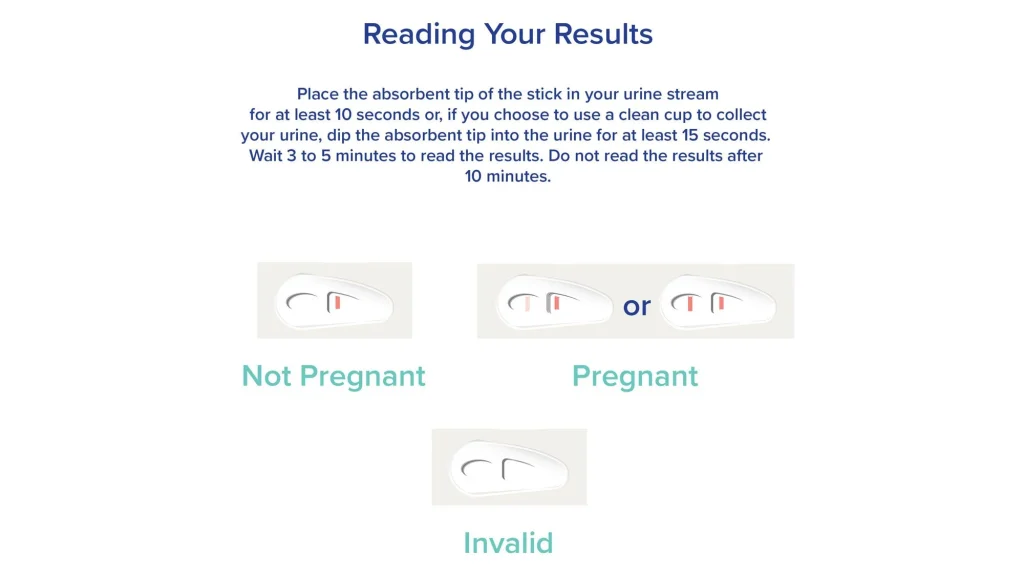
    Instructions for reading pregnancy test results with visual indicators for "Not Pregnant," "Pregnant," and "Invalid.

    Understanding the Role of Cervical Mucus in Your Menstrual Cycle

    On the other hand, women who are not trying to conceive can also benefit from tracking their cervical mucus. The changes in mucus can act as a natural form of birth control, known as the Billings Ovulation Method. By avoiding intercourse during the fertile window, couples can prevent unwanted pregnancies without using artificial birth control methods.

    Abnormal Cervical Mucus

    In some cases, women may experience abnormal changes in their cervical mucus, which can indicate underlying health issues. For example, a lack of cervical mucus or very thick mucus can indicate hormonal imbalances or problems with ovulation. On the other hand, excess cervical mucus or mucus with a foul odor can be a sign of infection or other health issues.

    It is essential to pay attention to any changes in cervical mucus and consult a healthcare professional if there are any concerns, as it can be an indication of overall reproductive health.

    Factors Affecting Cervical Mucus

    Several factors can affect the quality and quantity of cervical mucus. Hormonal imbalances, certain medications, and lifestyle choices such as smoking, excessive alcohol intake, and poor diet can all impact cervical mucus production. Age can also play a role, as women tend to have less fertile mucus as they approach menopause.

    In Conclusion

    Cervical mucus is a crucial element in the menstrual cycle that often goes unnoticed. However, understanding its role and tracking changes in mucus can provide valuable insights into a woman’s fertility and overall reproductive health. By paying attention to changes in cervical mucus, women can better understand their bodies and make informed decisions about their reproductive health.

    Summary:

    Cervical mucus is a clear or white fluid secreted by the cervix that plays a vital role in the menstrual cycle. It changes in consistency, texture, and amount throughout the cycle and is influenced by hormones. Cervical mucus helps create a hospitable environment for sperm to reach the egg for fertilization. By tracking changes in mucus, women can better understand their fertility and menstrual cycle. Abnormal cervical mucus can indicate underlying health issues, and several factors can affect its production. Ultimately, understanding the role of cervical mucus can help women make informed decisions about their reproductive health.

  • Exploring the Influence of Hormonal Birth Control on Cervical Mucus Production in Adolescents

    Exploring the Influence of Hormonal Birth Control on Cervical Mucus Production in Adolescents

    Hormonal birth control, also known as oral contraceptives, is a widely used method of preventing pregnancy. It works by altering the levels of hormones in a woman’s body, specifically estrogen and progesterone, to prevent ovulation and thicken the cervical mucus to block sperm from reaching the egg. While this method has been proven to be highly effective in preventing pregnancy, there is limited research on its impact on cervical mucus production in adolescents. In this blog post, we will explore the influence of hormonal birth control on cervical mucus production in adolescents and the potential implications it may have on their reproductive health.

    What is Cervical Mucus?

    Before delving into the influence of hormonal birth control on cervical mucus, it is important to understand what cervical mucus is and its role in the female reproductive system. Cervical mucus is a fluid secreted by the cervix, the lower part of the uterus, that helps sperm travel through the reproductive tract to fertilize an egg. It also acts as a barrier to protect the uterus from bacteria and other harmful substances. The consistency and amount of cervical mucus vary throughout a woman’s menstrual cycle, with the most fertile mucus being clear, stretchy, and slippery, similar to egg whites.

    The Role of Hormones in Cervical Mucus Production

    The production and quality of cervical mucus are heavily influenced by hormones, particularly estrogen and progesterone. Estrogen is responsible for increasing the amount of cervical mucus and making it more watery and stretchy, while progesterone thickens the mucus and makes it more difficult for sperm to penetrate. These hormones work together to create an optimal environment for sperm to survive and travel to the egg during ovulation.

    Impact of Hormonal Birth Control on Cervical Mucus

    Hormonal birth control methods, such as the pill, patch, or injectable, work by suppressing ovulation and changing the levels of estrogen and progesterone in the body. This altered hormonal balance can have a significant impact on cervical mucus production. With no ovulation occurring, the body does not produce the surge of estrogen that typically triggers the production of fertile cervical mucus. As a result, women using hormonal birth control may experience a decrease in the amount and quality of cervical mucus.

    Research on the Influence of Hormonal Birth Control on Cervical Mucus in Adolescents

    While there is a significant amount of research on the effects of hormonal birth control on cervical mucus in adult women, studies on adolescents are limited. However, the few studies that have been conducted show similar results. One study found that adolescents using hormonal birth control had significantly lower levels of cervical mucus compared to those not using any form of contraception. Another study found that the cervical mucus of adolescent girls using hormonal birth control had a lower sperm-carrying capacity, making it less effective in preventing pregnancy.

    hands using a blue syringe to extract contents from a clear container for a home insemination kit

    Exploring the Influence of Hormonal Birth Control on Cervical Mucus Production in Adolescents

    Implications for Adolescent Reproductive Health

    The influence of hormonal birth control on cervical mucus production in adolescents has important implications for their reproductive health. Cervical mucus plays a crucial role in natural fertility and conception, and its quality and quantity can affect a woman’s ability to get pregnant. The decrease in cervical mucus production in adolescents using hormonal birth control may not only decrease their chances of pregnancy but also make it difficult to track ovulation, which can be concerning for those who may want to conceive in the future.

    Another concern is the potential impact on sexual health. As mentioned, cervical mucus acts as a barrier to protect the uterus from bacteria and other harmful substances. The decrease in cervical mucus production may make adolescents more vulnerable to sexually transmitted infections (STIs) and other reproductive health issues.

    Alternative Birth Control Options

    For adolescents concerned about the impact of hormonal birth control on their cervical mucus production, there are alternative birth control options available. Non-hormonal methods, such as condoms, diaphragms, and copper IUDs, do not affect cervical mucus production and may be a better option for those wanting to avoid hormonal birth control.

    Additionally, there are hormonal birth control methods, such as the hormonal IUD and the contraceptive implant, that release progestin directly into the uterus, minimizing the impact on cervical mucus production. These options may be worth considering for adolescents who want the convenience of hormonal birth control without affecting their cervical mucus.

    Conclusion

    In conclusion, hormonal birth control has a significant influence on cervical mucus production in adolescents. Studies have shown a decrease in the amount and quality of cervical mucus in adolescents using hormonal birth control, which may have implications for their reproductive health. It is essential for healthcare providers to educate adolescents on the effects of hormonal birth control on cervical mucus and offer alternative options for contraception. Further research is needed to better understand the impact of hormonal birth control on cervical mucus production in adolescents and its potential long-term effects on their reproductive health.

    Summary:

    Hormonal birth control can have a significant impact on cervical mucus production in adolescents, leading to a decrease in the amount and quality of cervical mucus. This altered hormonal balance can affect their chances of pregnancy and may make them more vulnerable to STIs. Alternative birth control options, both non-hormonal and hormonal, are available for adolescents concerned about the impact of hormonal birth control on their cervical mucus production.