Tag: DIY

  • Fertility DIY: Tools for Improving Your Fertility Health

    Blog Post: Fertility DIY: Tools for Improving Your Fertility Health

    Fertility is a hot topic these days, with more and more couples struggling to conceive. While medical interventions and treatments are available, many people are turning to DIY methods to improve their fertility health. In this blog post, we will discuss some of the tools and techniques that can be used at home to boost fertility and increase the chances of conception.

    1. Fertility Tracking Apps

    One of the first steps in improving fertility health is understanding your cycle. Fertility tracking apps, such as Clue or Flo, can help you keep track of your menstrual cycle, ovulation, and fertile window. These apps use data such as temperature, cervical mucus, and period dates to predict when you are most likely to ovulate and conceive. By using these apps, you can better plan for intercourse during your fertile window, increasing the chances of conception.

    2. Fertility-Friendly Diet

    What you eat can have a significant impact on your fertility health. A diet rich in antioxidants, healthy fats, and lean protein can help improve egg and sperm health. Some fertility-boosting foods include leafy greens, nuts, berries, and fish. On the other hand, highly processed foods and excessive consumption of caffeine and alcohol can negatively affect fertility. By making small changes to your diet and incorporating fertility-friendly foods, you can improve your chances of conceiving naturally.

    3. Herbal Supplements

    Herbal supplements have been used for centuries to boost fertility in both men and women. Some commonly used herbal supplements include maca root, chasteberry, and ginseng. These supplements are believed to regulate hormones, improve egg and sperm quality, and increase libido. While there is limited scientific research on the effectiveness of these supplements, many people have reported positive results. It is essential to consult with your doctor before starting any herbal supplements, as they may interact with other medications or have adverse effects.

    4. Acupuncture

    Acupuncture is an ancient Chinese practice that involves inserting thin needles into specific points on the body. This technique is believed to improve blood flow, reduce stress, and balance hormones, all of which can have a positive impact on fertility. Studies have shown that acupuncture can improve the success rates of assisted reproductive technologies (ART) such as in vitro fertilization (IVF). It is also a safe and non-invasive method that can be used alongside other fertility treatments or on its own.

    5. Yoga and Meditation

    illustration comparing standard and Mosie syringe openings with text highlighting design benefits for home insemination

    Fertility DIY: Tools for Improving Your Fertility Health

    Stress can be a significant factor in fertility health, as it can disrupt hormone levels and ovulation. Yoga and meditation are effective tools for reducing stress and promoting relaxation. These practices can also improve blood flow to the reproductive organs, thus enhancing fertility. Several fertility-focused yoga poses, such as the butterfly pose and the lotus pose, can help increase blood flow to the pelvic area and stimulate the reproductive organs. Meditation can also be used to visualize a healthy pregnancy and connect with your body and reproductive system.

    6. Essential Oils

    Essential oils have gained popularity in recent years for their various health benefits. When it comes to fertility, certain essential oils can be used to regulate hormones, reduce stress, and promote relaxation. Some commonly used oils for fertility include rose, lavender, and geranium. These oils can be used in a diffuser, added to a warm bath, or applied topically (diluted with a carrier oil). It is essential to do your research and consult with a certified aromatherapist before using essential oils for fertility.

    7. Exercise

    Regular exercise is crucial for overall health, but it can also have a positive impact on fertility. Exercise can help regulate hormones, improve blood flow, and reduce stress. However, it is essential to strike a balance, as excessive exercise or intense workouts can have a negative effect on fertility. Low-impact exercises such as yoga, walking, and swimming are excellent options for improving fertility health.

    8. Fertility Massage

    Fertility massage is a gentle and non-invasive technique that involves massaging the abdomen and lower back to improve blood flow to the reproductive organs. This practice is believed to help release tension and promote relaxation in the pelvic area, thus improving fertility. Fertility massage can also help break up adhesions and scar tissue that may be hindering conception. It is recommended to seek out a certified fertility massage therapist for this technique.

    9. Mind-Body Therapies

    Mind-body therapies, such as Cognitive Behavioral Therapy (CBT) and Mindfulness-Based Stress Reduction (MBSR), can be helpful in managing stress and anxiety related to fertility. These therapies can also help individuals cope with the emotional toll of fertility struggles and provide tools for relaxation and positive thinking. Many fertility clinics offer mind-body programs for their patients, but there are also online resources and books available for individuals to practice at home.

    10. Education and Support

    Lastly, educating yourself about fertility and seeking support can be powerful tools in improving fertility health. There are many online resources, books, and support groups available for individuals and couples struggling with fertility. These resources can provide valuable information, tips, and emotional support throughout the fertility journey.

    In summary, there are various DIY tools and techniques that can be used at home to improve fertility health. From tracking apps to herbal supplements, yoga, and mind-body therapies, these tools can help regulate hormones, reduce stress, and promote relaxation, all of which can increase the chances of conceiving naturally. It is essential to consult with a healthcare professional before trying any DIY methods and to remember that each person’s fertility journey is unique.

  • DIY Fertility: Tools for Enhancing Your Relationship with Your Partner

    Blog Post:

    Fertility is a complex and deeply personal journey for many couples. While there are many medical interventions available to help couples conceive, there are also natural and DIY methods that can enhance a couple’s relationship and increase their chances of conception. In this blog post, we will explore some helpful tools for enhancing your relationship with your partner while trying to conceive.

    1. Open Communication
    The first and most important tool for enhancing your relationship with your partner during this journey is open communication. It’s essential to be open and honest with your partner about your thoughts, feelings, and concerns. Many couples struggle to conceive, and it can be a stressful and emotional time. By communicating openly and effectively, you can support each other and navigate this journey together.

    2. Mindfulness and Meditation
    Mindfulness and meditation are powerful tools for reducing stress and anxiety, which can negatively impact fertility. By taking the time to be present and calm your mind, you can improve your overall well-being and increase your chances of conception. Consider practicing mindfulness and meditation together as a couple, or individually, to enhance your relationship and improve your fertility.

    3. Nutrition and Exercise
    A healthy lifestyle is crucial for fertility, and it’s best to embark on this journey as a team. By improving your diet and exercise habits together, you can support each other and make positive changes for your fertility. Consider meal prepping together, trying new healthy recipes, and incorporating regular exercise into your routine as a couple.

    4. Acupuncture
    Acupuncture has been used for centuries to treat various health conditions, including fertility. Studies have shown that acupuncture can help regulate hormones, improve blood flow to the reproductive organs, and reduce stress. Consider trying acupuncture as a couple to enhance your fertility and deepen your connection with your partner.

    Baby with blue eyes wearing a light blue onesie that says "made with Love" on a soft white background.

    DIY Fertility: Tools for Enhancing Your Relationship with Your Partner

    5. Yoga
    Yoga is another beneficial practice for improving fertility and enhancing your relationship with your partner. Certain poses and breathing techniques can help improve blood flow to the reproductive organs, reduce stress, and promote relaxation. Consider taking a yoga class together or practicing at home to support each other on your fertility journey.

    6. Massage
    Massage is a fantastic way to relax and reduce stress, which can help improve fertility. Consider getting a couple’s massage or learning some massage techniques to use on each other at home. This can be a great way to connect with your partner and support each other during this challenging time.

    7. Intimacy and Sex
    It’s essential to continue to nurture your physical relationship with your partner while trying to conceive. While it can be tempting to focus solely on timing and tracking ovulation, it’s crucial to maintain intimacy and connection with your partner. Try to set aside time for date nights and focus on pleasure and intimacy rather than solely on conception.

    8. Journaling
    Journaling is an excellent way to release emotions, process thoughts, and reflect on your journey. Consider journaling together as a couple, sharing your thoughts and feelings, and supporting each other through the ups and downs of trying to conceive. This can be a powerful tool for enhancing your relationship and promoting emotional well-being.

    9. Support Groups
    Trying to conceive can feel isolating and overwhelming, but you don’t have to go through it alone. Consider joining a support group for couples struggling with fertility. Connecting with others who understand your journey can provide much-needed support and comfort. You can also consider starting a support group with other couples you know who are trying to conceive.

    Summary:
    Fertility is a personal and challenging journey for many couples, but there are DIY tools that can help enhance your relationship with your partner and improve your chances of conception. Open communication, mindfulness and meditation, nutrition and exercise, acupuncture, yoga, massage, intimacy and sex, journaling, and support groups are all helpful tools for couples trying to conceive.

  • Crafting Your Fertility Journey: DIY Support Tools

    Crafting Your Fertility Journey: DIY Support Tools

    For many individuals and couples, the journey to parenthood can be a challenging and emotional one. Infertility, whether diagnosed or unexplained, can take a toll on physical, emotional, and financial well-being. While seeking medical help is often necessary, it is also helpful to explore other avenues of support, such as DIY tools, to navigate this journey. In this blog post, we will discuss some effective DIY support tools that can aid in crafting your fertility journey.

    1. Journaling

    Journaling is a powerful and therapeutic tool that can help individuals process their emotions and thoughts. When dealing with infertility, it can be helpful to have a designated space to express your feelings and reflect on your journey. Consider keeping a fertility journal where you can write about your experiences, fears, hopes, and dreams. This can also serve as a record of your journey, which you can look back on in the future.

    2. Meditation and Mindfulness

    Infertility can cause a great deal of stress and anxiety, and finding ways to manage these emotions is crucial. Meditation and mindfulness practices have been shown to reduce stress levels and improve overall well-being. Consider incorporating a short meditation or mindfulness session into your daily routine. There are also many fertility-specific guided meditations available, which can help you connect with your body and reduce stress.

    3. Support Groups

    Connecting with others who are going through similar experiences can be incredibly comforting and empowering. Consider joining a support group for individuals or couples struggling with infertility. These groups can provide a safe and non-judgmental space to share your feelings, receive support, and learn from others. You can find support groups in your local community or online through social media or forums.

    hand holding a pregnancy test with instructions on a colorful background

    Crafting Your Fertility Journey: DIY Support Tools

    4. Fertility Apps

    In today’s digital age, there are many fertility apps available that can help individuals track their menstrual cycle, ovulation, and other fertility-related information. These apps can also provide valuable insights and predictions based on your data. Some apps even have a community feature, allowing you to connect with others on a similar journey and receive support and advice.

    5. Creative Outlets

    Engaging in creative activities can be an excellent way to channel your emotions and express yourself. Whether it’s painting, writing, or photography, find an outlet that speaks to you. You can even incorporate fertility-related themes into your creative projects, making them more meaningful and therapeutic.

    6. Exercise and Nutrition

    Maintaining a healthy lifestyle is essential for overall well-being and fertility. Regular exercise and a balanced diet can help regulate hormones, improve fertility, and reduce stress levels. Consider incorporating physical activity into your daily routine, whether it’s going for a walk, practicing yoga, or joining a fitness class. Pay attention to your nutrition and try to include fertility-boosting foods in your diet, such as leafy greens, whole grains, and healthy fats.

    7. Self-Care

    When dealing with infertility, it’s crucial to prioritize self-care. This can involve anything that makes you feel good, relaxed, and rejuvenated. It could be taking a bubble bath, spending time in nature, reading a book, or getting a massage. Whatever it may be, make sure to carve out time for self-care regularly.

    In conclusion, navigating the journey of infertility can be challenging, but incorporating DIY support tools into your routine can make a significant difference. Whether it’s journaling, meditation, support groups, or exercise, find what works best for you and make it a part of your fertility journey. Remember to be kind to yourself, seek support when needed, and never give up on your dream of becoming a parent.

  • From Infertility to Empowerment: DIY Fertility Support Tools

    Summary:

    Infertility is a challenging and emotional journey that many couples face when trying to conceive. The process can be physically, mentally, and financially draining, leaving couples feeling helpless and hopeless. However, there are ways to take control of your fertility journey and feel empowered through DIY fertility support tools. These tools range from natural remedies to lifestyle changes and can greatly improve your chances of conceiving. In this blog post, we will explore the different DIY fertility support tools and how they can help you on your journey from infertility to empowerment.

    Introduction:

    According to the World Health Organization, infertility affects 15% of couples worldwide. It is defined as the inability to conceive after one year of trying without the use of birth control. Infertility can be caused by a variety of factors, including hormonal imbalances, age, and underlying health conditions. The journey to conceive can be long, filled with disappointment, and often leads couples to seek expensive medical treatments. However, there are many natural and DIY fertility support tools that can help increase your chances of conceiving and empower you on your journey.

    Acupuncture:

    Acupuncture is an ancient Chinese medicine practice that involves inserting thin needles into specific points on the body. It has been shown to help regulate hormones, reduce stress, and improve blood flow to reproductive organs. Studies have also shown that acupuncture can increase the success rates of IVF treatments. This DIY fertility support tool can be done at home or with the help of a licensed acupuncturist.

    Herbal Supplements and Teas:

    There are many herbal supplements and teas that can help improve fertility. Some of the most commonly used herbs include red raspberry leaf, maca root, and vitex. These herbs can help regulate hormones, improve egg quality, and increase blood flow to the reproductive organs. It is important to consult with a healthcare professional before taking any herbal supplements, as they can interact with certain medications.

    Mosie Baby kit with two jars, a syringe, and a supportive message card inside a colorful box.

    From Infertility to Empowerment: DIY Fertility Support Tools

    Diet and Nutrition:

    What we eat and drink can have a significant impact on our fertility. A healthy and balanced diet is crucial for both women and men when trying to conceive. Foods rich in antioxidants, healthy fats, and protein can help improve egg and sperm quality. It is also important to limit or avoid processed foods, caffeine, and alcohol, which can have a negative effect on fertility. Making small changes to your diet can greatly improve your chances of conceiving.

    Exercise and Stress Management:

    Regular exercise and stress management techniques, such as yoga and meditation, can also be beneficial for fertility. Exercise can help regulate hormones, improve blood flow to the reproductive organs, and reduce stress levels. Stress can have a significant impact on fertility, as it can disrupt hormone levels and ovulation. Finding ways to manage stress can greatly improve your chances of conceiving.

    Tracking Ovulation:

    Knowing when you are ovulating is crucial for conceiving. There are various methods to track ovulation, including using ovulation predictor kits, monitoring basal body temperature, and tracking cervical mucus changes. These DIY fertility support tools can help you determine the best time to try to conceive and increase your chances of success.

    Conclusion:

    Facing infertility can be a difficult and overwhelming experience. However, by taking control of your fertility journey and using DIY fertility support tools, you can feel empowered and increase your chances of conceiving. From acupuncture and herbal supplements to diet and exercise, there are many natural and effective ways to support your fertility. It is important to consult with a healthcare professional before trying any new DIY fertility support tools and to remember that everyone’s journey is unique.

  • DIY Fertility: Tools for Creating a Positive Mindset

    Struggling with fertility can be a difficult and emotional journey for many individuals and couples. The pressure and stress of trying to conceive can often lead to negative thoughts and feelings, which can have a detrimental effect on both physical and mental health. However, there are ways to overcome these challenges and create a positive mindset through DIY fertility tools. In this blog post, we will discuss the importance of a positive mindset during fertility struggles and provide practical DIY tools to help you achieve it.

    The Power of Mindset in Fertility

    The mind-body connection has been widely studied and proven to have a significant impact on overall health and well-being. When it comes to fertility, having a positive mindset can greatly increase the chances of conceiving. Studies have shown that stress can disrupt hormonal balance and interfere with ovulation, making it harder to get pregnant. On the other hand, a positive mindset can reduce stress levels and increase the production of hormones that support fertility.

    Furthermore, dealing with fertility struggles can take a toll on one’s mental health. The constant disappointment and feelings of failure can lead to anxiety, depression, and even strain relationships. This is why it is crucial to prioritize and actively work on maintaining a positive mindset throughout the fertility journey.

    DIY Fertility Tools for Creating a Positive Mindset

    1. Self-Care Practices

    Self-care is essential for maintaining a positive mindset. It involves taking care of yourself physically, mentally, and emotionally. When dealing with fertility struggles, it is crucial to prioritize self-care, as it can help reduce stress and improve overall well-being. Some simple self-care practices include getting enough sleep, eating a healthy and balanced diet, and engaging in activities that bring joy and relaxation.

    2. Mindfulness and Meditation

    Mindfulness and meditation are powerful tools for managing stress and creating a positive mindset. Mindfulness involves being fully present in the moment and observing one’s thoughts and feelings without judgment. This can help individuals cope with negative thoughts and emotions related to fertility struggles. Meditation, on the other hand, involves focusing on the breath and quieting the mind. It can help reduce stress and promote relaxation, which is crucial for boosting fertility.

    3. Positive Affirmations

    Mosie Baby ovulation test kit with packaging and instructions on a pink background.

    DIY Fertility: Tools for Creating a Positive Mindset

    Affirmations are positive statements that can help reframe negative thoughts and beliefs. When dealing with fertility struggles, it is common to have negative thoughts such as “I am not capable of conceiving” or “I am a failure.” These thoughts can greatly impact one’s mindset and overall well-being. By replacing them with positive affirmations like “I am strong and capable of overcoming challenges” or “I am worthy of becoming a parent,” one can create a more positive and empowering mindset.

    4. Journaling

    Journaling is a powerful tool for self-reflection and releasing emotions. It involves writing down thoughts, feelings, and experiences, which can help individuals gain a better understanding of their emotions and thought patterns. When dealing with fertility struggles, journaling can be a helpful outlet for expressing feelings and working through any negative thoughts. It can also serve as a reminder of the progress and growth made throughout the journey.

    5. Gratitude Practice

    Practicing gratitude involves focusing on the positive aspects of life and being thankful for them. This can be especially beneficial when dealing with fertility struggles, as it can help shift the focus from what is lacking to what is present. Keeping a gratitude journal or simply taking a few moments each day to reflect on things to be grateful for can help cultivate a more positive mindset.

    6. Support System

    Having a strong support system is crucial for maintaining a positive mindset during fertility struggles. This can include family, friends, or even joining a support group with individuals going through similar experiences. Having a safe space to share feelings and receive support can help alleviate stress and feelings of isolation.

    7. Self-Love and Acceptance

    Lastly, it is important to practice self-love and acceptance during the fertility journey. It is easy to be hard on oneself and feel like a failure when struggling to conceive. However, it is essential to remember that fertility is not solely in one’s control, and it does not define one’s worth. Practicing self-love and acceptance involves being kind and compassionate toward oneself and acknowledging that fertility struggles do not make someone any less worthy or capable.

    In conclusion, maintaining a positive mindset during fertility struggles is crucial for both physical and mental well-being. By incorporating self-care practices, mindfulness and meditation, positive affirmations, journaling, gratitude, and self-love into one’s routine, individuals can create a more positive and empowering mindset. It is also essential to remember that everyone’s journey is unique, and it is okay to seek professional help if needed. With the right tools and mindset, one can navigate through fertility struggles with strength and resilience.

    In summary, struggling with fertility can be emotionally challenging, but maintaining a positive mindset is crucial. DIY fertility tools such as self-care practices, mindfulness and meditation, positive affirmations, journaling, gratitude, and self-love can greatly impact one’s mindset and overall well-being. It is essential to prioritize self-care and seek support when needed. Remember that everyone’s journey is unique, and with the right tools and mindset, one can overcome fertility struggles and achieve their dream of becoming a parent.

  • The Art of Fertility: DIY Support Tools for Conception

    The Art of Fertility: DIY Support Tools for Conception

    The journey to conception can be a challenging and emotional one for many couples. While there are medical treatments available, there is also a growing interest in natural methods and DIY support tools for fertility. From herbal remedies to stress-relieving techniques, there are various ways to support your body and increase your chances of conceiving. In this blog post, we will explore the art of fertility and share some DIY support tools that can aid in conception.

    Understanding Fertility

    The first step in the art of fertility is to understand how it works. Fertility is the ability to conceive and carry a child to full-term pregnancy. For women, fertility is determined by the ovaries releasing an egg and the uterus being able to support a growing embryo. For men, fertility is determined by the quality and quantity of sperm. Age, lifestyle factors, and medical conditions can all affect fertility and make it harder to conceive.

    DIY Support Tools for Conception

    1. Diet and Nutrition

    One of the most important DIY support tools for fertility is a healthy diet and proper nutrition. Eating a well-balanced diet that is rich in vitamins, minerals, and antioxidants can help improve overall health and boost fertility. Foods that are particularly beneficial for fertility include leafy greens, whole grains, healthy fats, and lean proteins. It is also important to stay hydrated and limit your intake of processed foods, caffeine, and alcohol.

    2. Exercise

    Regular physical activity is not only essential for maintaining a healthy weight but can also improve fertility. Exercise can help regulate hormones, reduce stress, and increase blood flow to the reproductive organs. However, it is important to find a balance as excessive exercise can have a negative impact on fertility. Low-impact exercises like yoga, walking, and swimming are great options for fertility-friendly workouts.

    3. Herbal Remedies

    blue box with "mosie" logo, syringes, and informational pamphlet on a pink background

    The Art of Fertility: DIY Support Tools for Conception

    Herbal remedies have been used for centuries to support fertility. Some herbs that are believed to aid in conception include red raspberry leaf, nettle leaf, maca root, and chasteberry. However, it is important to consult with a healthcare professional before incorporating any herbal remedies into your routine, as they can interact with medications or have side effects.

    4. Stress Management

    Stress can have a significant impact on fertility, as it can disrupt hormonal balance and interfere with ovulation. Finding ways to manage stress is crucial for those trying to conceive. Some effective stress-relieving techniques include meditation, deep breathing, and yoga. Additionally, acupuncture and massage therapy can also help reduce stress and promote relaxation.

    5. Tracking Ovulation

    Understanding your menstrual cycle and tracking ovulation is essential for increasing your chances of conceiving. There are various methods for tracking ovulation, such as using ovulation predictor kits, tracking basal body temperature, and monitoring changes in cervical mucus. Knowing your most fertile days can help you time intercourse for the best chance of conception.

    6. Fertility Supplements

    In addition to a healthy diet, certain supplements may also help boost fertility. Some supplements that are commonly recommended for fertility include folic acid, iron, vitamin D, and CoQ10. However, it is important to consult with a healthcare professional before adding any supplements to your routine, as they can interact with medications or have side effects.

    7. Mind-Body Practices

    The mind and body are closely connected, and incorporating mind-body practices into your routine can help support fertility. These practices include techniques such as visualization, positive affirmations, and journaling. They can help reduce stress, improve mood, and promote a positive mindset for conception.

    The Art of Fertility is a journey that requires patience, perseverance, and self-care. By incorporating these DIY support tools into your routine, you can not only increase your chances of conceiving but also improve your overall health and well-being. Remember to consult with a healthcare professional before making any significant changes to your diet or lifestyle, and stay positive and hopeful throughout your fertility journey.

    In summary, the art of fertility involves understanding how fertility works and implementing DIY support tools to increase the chances of conception. These support tools include a healthy diet and exercise, herbal remedies, stress management techniques, ovulation tracking, fertility supplements, and mind-body practices. By incorporating these tools into your routine, you can support your body and increase your chances of conceiving.

  • Fertility in Your Hands: DIY Support Tools to Try at Home

    Blog Post:

    Fertility is a topic that affects many people around the world, yet it is still surrounded by myths and misconceptions. Many couples struggle with fertility issues and spend a lot of time and money on medical treatments and procedures. However, there are also natural and DIY methods that can support fertility and increase the chances of conception. In this blog post, we will explore some of the DIY support tools that you can try at home to enhance fertility.

    1. Fertility Tracking Apps
    Technology has made it easier than ever to track fertility. There are numerous apps available that use algorithms to predict ovulation and fertile windows based on data such as menstrual cycles, basal body temperature, and cervical mucus. These apps can also track lifestyle factors such as diet, exercise, and stress levels, which can impact fertility. By using a fertility tracking app, you can get a better understanding of your body’s natural rhythm and increase your chances of conceiving.

    2. Fertility Massage
    Fertility massage is a gentle and non-invasive technique that aims to improve blood flow to the reproductive organs, balance hormones, and reduce stress. It involves specific massage techniques and acupressure points on the abdomen, lower back, and feet. Fertility massage can also help break up scar tissue and adhesions that may be hindering conception. You can either learn the massage techniques yourself or seek the help of a certified fertility massage therapist.

    3. Acupuncture
    Acupuncture is an ancient Chinese practice that involves inserting thin needles into specific points on the body to stimulate energy flow. This energy, known as qi, is believed to be vital for overall health and fertility. Acupuncture can help regulate hormones, reduce stress and anxiety, and improve blood flow to the reproductive organs. It can also be beneficial for men’s fertility by improving sperm quality and motility.

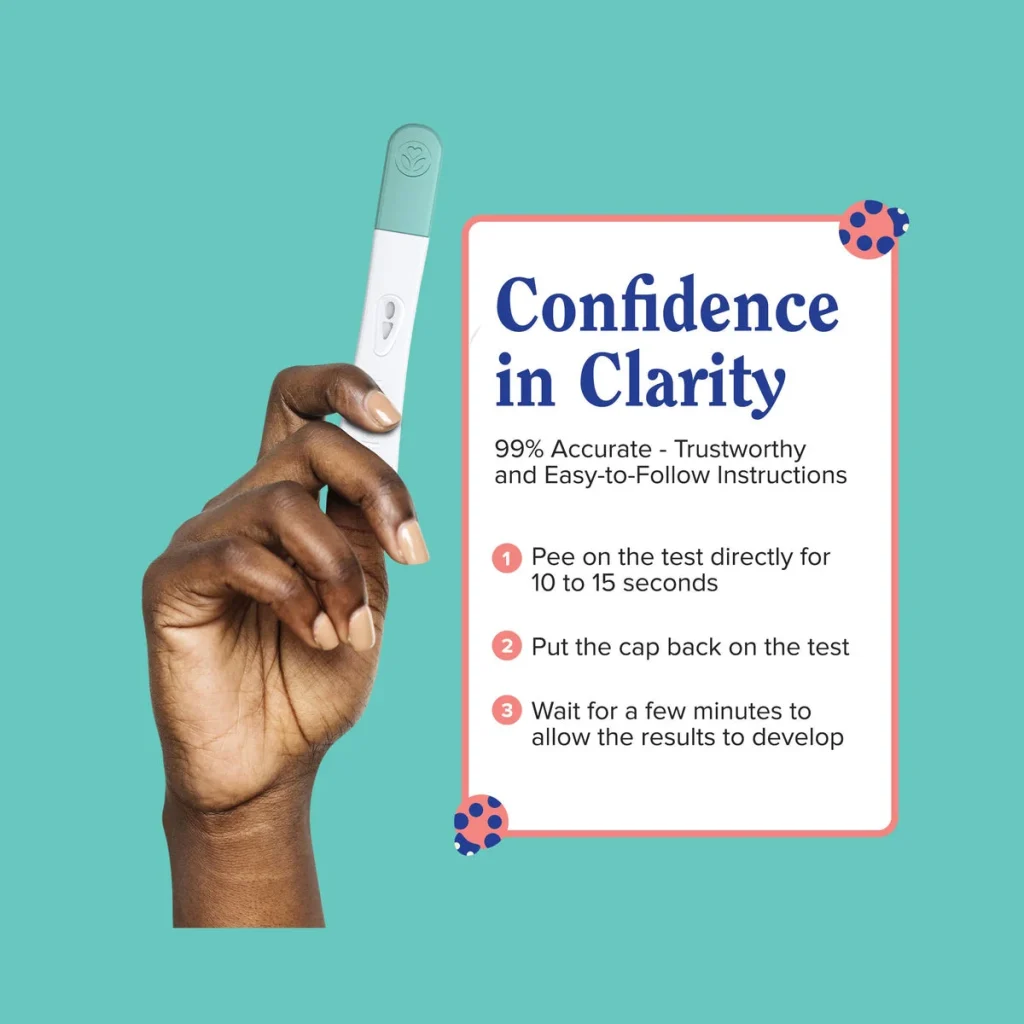
    pregnancy test kit features labeled for comfort and confidence on a teal background

    Fertility in Your Hands: DIY Support Tools to Try at Home

    4. Herbal Supplements
    There are several herbs and supplements that are believed to enhance fertility. Some of the most common ones include Vitex, Maca, and Red Raspberry Leaf. Vitex, also known as Chasteberry, can help balance hormones and regulate menstrual cycles. Maca has been shown to improve sperm quality and increase libido in both men and women. Red Raspberry Leaf is rich in vitamins and minerals, which can support a healthy reproductive system.

    5. Yoga and Meditation
    Stress can have a significant impact on fertility by disrupting hormone balance and ovulation. Yoga and meditation are effective tools for managing stress and promoting relaxation. Certain yoga poses, such as the butterfly pose and the reclining bound angle pose, can help increase blood flow to the reproductive organs and balance hormones. Meditation can also help calm the mind and reduce stress and anxiety, creating a more welcoming environment for conception.

    6. Aromatherapy
    Essential oils have been used for centuries for their therapeutic benefits. Some essential oils, such as clary sage, geranium, and ylang-ylang, are believed to improve fertility. These oils can help balance hormones, reduce stress, and promote relaxation. You can use them in a diffuser, add a few drops to your bath, or mix them with a carrier oil for a fertility massage.

    7. Diet and Nutrition
    What you eat can have a significant impact on your fertility. A healthy and balanced diet can help regulate hormones, maintain a healthy weight, and improve egg and sperm quality. Some key nutrients for fertility include folic acid, zinc, and omega-3 fatty acids. Foods such as leafy greens, nuts and seeds, and fatty fish like salmon are rich in these nutrients. It’s also essential to limit or avoid processed foods, alcohol, and caffeine, as they can negatively affect fertility.

    While these DIY support tools can be helpful in enhancing fertility, it’s essential to keep in mind that they may not work for everyone. It’s always best to consult with a healthcare professional before trying any new methods, especially if you have underlying medical conditions or are currently undergoing fertility treatments.

    In summary, fertility can be supported and improved through various DIY tools that can be easily tried at home. These include fertility tracking apps, fertility massage, acupuncture, herbal supplements, yoga and meditation, aromatherapy, and a healthy diet. It’s crucial to remember that every person’s fertility journey is unique, and what works for one may not work for another. It’s essential to be patient, stay positive, and seek professional guidance if needed.

  • Get Creative: DIY Fertility Support Tools You Haven’t Tried

    Trying to conceive can be a challenging and emotional journey for many couples. While there are various medical treatments and procedures available, some couples may prefer to try more natural and DIY approaches to support their fertility. In this blog post, we will explore some lesser-known DIY fertility support tools that you may not have tried yet.

    1. Fertility Yoga
    Yoga has been known to have numerous health benefits, including improved flexibility and stress relief. But did you know that it can also support fertility? Fertility yoga involves specific poses and breathing techniques that can help stimulate blood flow to the reproductive organs, balance hormones, and reduce stress. You can even find online classes and tutorials specifically designed for fertility support.

    2. Acupressure and Acupuncture
    Acupressure and acupuncture are ancient Chinese healing practices that involve applying pressure or needles to specific points on the body. These techniques are believed to help balance the body’s energy flow and promote overall wellness. When it comes to fertility, acupressure and acupuncture can help regulate hormones, improve blood flow to the reproductive organs, and reduce stress. You can try self-acupressure at home or visit a licensed acupuncturist for personalized treatment.

    3. Fertility Massage
    Similar to acupressure, fertility massage focuses on specific areas of the body to improve blood flow and promote hormonal balance. This type of massage can be done at home, using techniques such as abdominal massage to stimulate the ovaries and uterus. It can also be beneficial for men as it can improve sperm quality and motility. You can find instructional videos and books to guide you through fertility massage techniques.

    4. Seed Cycling
    Seed cycling involves incorporating specific seeds into your diet during different phases of your menstrual cycle. For example, during the first half of your cycle, you would consume pumpkin and flax seeds to support estrogen production. In the second half of your cycle, you would switch to sesame and sunflower seeds, which are believed to support progesterone production. While there is limited scientific research on the effectiveness of seed cycling, many women have reported positive results in regulating their menstrual cycles and supporting fertility.

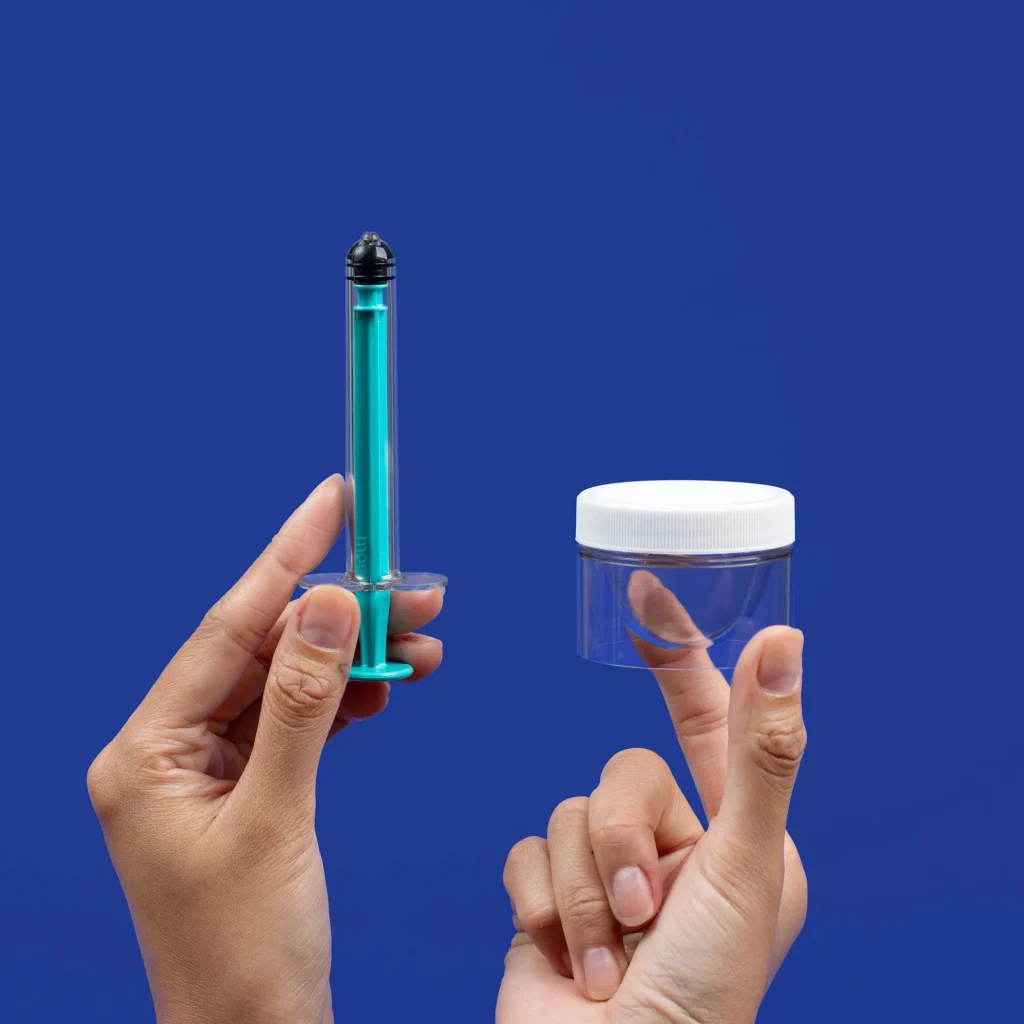
    home insemination kit components: a syringe and a collection container against a blue background.

    Get Creative: DIY Fertility Support Tools You Haven't Tried

    5. Essential Oils
    Essential oils have gained popularity in recent years for their therapeutic benefits. Some essential oils, such as clary sage and geranium, are believed to support hormonal balance and improve fertility. You can use them in a diffuser, add them to a warm bath, or dilute them with a carrier oil and apply them topically to certain areas of the body.

    6. Castor Oil Packs
    Castor oil packs have been used for centuries to support various health issues, including fertility. These packs involve applying a cloth soaked in castor oil to the lower abdomen for a designated period. It is believed that the oil can help stimulate circulation and detoxify the reproductive organs, making them more receptive to conception.

    7. Herbal Supplements
    There are various herbal supplements available that claim to support fertility. Some of the popular ones include maca root, vitex, and evening primrose oil. It is essential to do thorough research and consult with a healthcare professional before incorporating any herbal supplements into your routine, as they can have potential side effects and interactions with medications.

    8. Mind-Body Techniques
    The mind and body are closely connected, and stress can be a significant factor in fertility issues. Therefore, incorporating mind-body techniques such as meditation, deep breathing, and visualization can be beneficial in reducing stress levels and promoting relaxation. You can find guided meditations and relaxation techniques specifically designed for fertility online.

    Trying to conceive can be a challenging and emotional journey, but by incorporating some of these DIY fertility support tools, you may find some relief and support along the way. However, it is essential to remember that every person’s body is different, and what may work for one may not work for another. It is crucial to listen to your body, be patient, and seek professional medical advice if needed.

    In conclusion, there are various DIY fertility support tools that you may not have tried yet, such as fertility yoga, acupressure, massage, seed cycling, essential oils, castor oil packs, herbal supplements, and mind-body techniques. These tools may help improve blood flow, balance hormones, reduce stress, and support overall fertility. Remember to always do your research, listen to your body, and seek medical advice if necessary.

  • Fertility DIY: Tools for Taking Control of Your Journey

    Blog Post Title: Fertility DIY: Tools for Taking Control of Your Journey

    Fertility struggles can be an incredibly difficult and emotional experience for individuals and couples. The process of trying to conceive can often feel out of our control, leaving us feeling helpless and frustrated. However, there are many ways to take control of your fertility journey and empower yourself through DIY methods.

    In this blog post, we will explore some tools and resources that can help you take control of your fertility journey. From tracking your menstrual cycle to making lifestyle changes, these DIY methods can not only give you a sense of control, but also increase your chances of conceiving.

    1. Tracking Your Menstrual Cycle

    One of the first steps in taking control of your fertility journey is to track your menstrual cycle. This can help you understand your body and identify your most fertile days. You can use a simple calendar or a fertility tracking app to keep track of your period, ovulation, and any other changes in your body.

    There are also more advanced methods of tracking your cycle, such as using basal body temperature (BBT) charting and ovulation predictor kits (OPKs). These methods can help you pinpoint exactly when you are ovulating, giving you the best chance of conceiving.

    2. Nutrition and Supplements

    What we eat and the supplements we take can have a significant impact on our fertility. Making small changes to your diet and incorporating certain supplements can improve your overall reproductive health. Some key nutrients for fertility include folic acid, iron, vitamin D, and omega-3 fatty acids.

    In addition to these essential vitamins and minerals, there are also specific supplements that can aid in fertility. These include CoQ10, which can help improve egg quality, and maca root, which has been shown to increase sperm count and motility.

    3. Stress Management

    Stress can have a negative impact on fertility, making it difficult to conceive. It is important to find ways to manage stress and incorporate relaxation techniques into your daily routine. This can include yoga, meditation, or simply taking some time for yourself each day.

    Couples can also benefit from attending counseling or support groups to cope with the emotional toll of fertility struggles. These resources can help you manage stress and find healthy ways to cope with the challenges of trying to conceive.

    at-home insemination kit with syringes, collection cups, and instructions on a pink background

    Fertility DIY: Tools for Taking Control of Your Journey

    4. Acupuncture

    Acupuncture has been used for centuries to treat a wide range of health issues, including fertility. It involves the insertion of thin needles into specific points on the body, which are believed to help regulate the flow of energy and promote overall balance and wellness.

    Studies have shown that acupuncture can improve fertility by increasing blood flow to the reproductive organs, regulating hormones, and reducing stress. Many fertility clinics now offer acupuncture as a complementary treatment alongside traditional methods.

    5. Exercise and Movement

    Regular exercise can not only improve your overall health, but also boost your fertility. Physical activity can help regulate your hormones, improve blood flow to the reproductive organs, and reduce stress. It is important to find a form of exercise that you enjoy and that fits into your lifestyle.

    In addition to traditional forms of exercise, certain movements and exercises can specifically target the pelvic area, helping to improve fertility. These include yoga poses, pelvic tilts, and squats.

    6. Alternative Therapies

    There are many alternative therapies that can be helpful in addressing fertility issues. These include traditional Chinese medicine, herbal remedies, and homeopathy. While these methods may not be scientifically proven to improve fertility, many individuals have found success with these natural approaches.

    It is important to consult with a qualified practitioner before trying any alternative therapies, as some may not be suitable for everyone. It is also crucial to continue any prescribed medical treatments while incorporating these alternative methods.

    Taking control of your fertility journey can not only increase your chances of conceiving, but also give you a sense of empowerment and hope. By incorporating these DIY methods into your routine, you can actively participate in your own fertility and feel more in tune with your body.

    In addition to these tools and resources, it is important to have a support system in place. This can include your partner, friends and family, or a fertility support group. Remember to be patient and kind to yourself throughout this process, as it can be a challenging and emotional journey.

    In summary, fertility DIY methods can help you take control of your fertility journey and improve your chances of conceiving. From tracking your menstrual cycle to incorporating lifestyle changes and alternative therapies, there are many ways to empower yourself and actively participate in your own fertility.

  • Fertility on a Budget: DIY Support Tools That Work

    Blog post:

    Fertility is a topic that can bring up a wide range of emotions for couples who are trying to conceive. While there are many medical treatments and procedures available, these can often come with a hefty price tag. This can be a major barrier for couples who are on a budget or do not have insurance coverage for fertility treatments. However, there are DIY support tools that can be used to improve fertility and increase the chances of conceiving without breaking the bank.

    1. Fertility tracking apps

    Fertility tracking apps have become increasingly popular and are a great tool for couples on a budget. These apps use algorithms to predict a woman’s most fertile days based on her menstrual cycle and other fertility signs. This can help couples time intercourse during the most optimal days for conception. Fertility tracking apps are also a great way to monitor changes in the menstrual cycle and identify any potential issues that may be affecting fertility. Some popular fertility tracking apps include Flo, Clue, and Ovia.

    2. Basal body temperature (BBT) charting

    Basal body temperature (BBT) charting is a method of tracking ovulation by taking your temperature every morning before getting out of bed. A woman’s BBT rises slightly after ovulation, making this a useful tool for determining the most fertile days. BBT charting is an inexpensive way to monitor ovulation and can also help identify any potential issues with the menstrual cycle. All you need is a BBT thermometer and a chart to track your temperatures. There are also many free BBT tracking apps available to make the process easier.

    3. Ovulation predictor kits (OPKs)

    Ovulation predictor kits (OPKs) are a budget-friendly way to detect the surge in luteinizing hormone (LH) that occurs before ovulation. This surge indicates that ovulation is about to occur, making it the best time for conception. OPKs are similar to pregnancy tests and can be purchased at most drugstores or online. They are easy to use and can help pinpoint the most fertile days for couples trying to conceive.

    4. Diet and supplements

    A healthy diet and supplements can play a significant role in fertility. Certain foods, such as leafy greens, whole grains, and healthy fats, can help improve fertility by providing essential nutrients. Some supplements, such as folic acid, vitamin D, and omega-3 fatty acids, have also been found to improve fertility. These can be purchased inexpensively at most drugstores or online. However, it is important to consult with a healthcare provider before starting any new supplements.

    at-home insemination kit by Mosie Baby, featuring syringes, collection cups, and instructions on a pink background.

    Fertility on a Budget: DIY Support Tools That Work

    5. Stress management techniques

    Stress can have a significant impact on fertility, as it can disrupt hormonal balance and ovulation. Therefore, it is essential to find ways to manage stress while trying to conceive. This can include yoga, meditation, acupuncture, or simply taking time for self-care activities. These techniques can be done at home for little to no cost and can greatly improve fertility.

    6. DIY fertility massage

    Fertility massage is a gentle, non-invasive technique that can help improve blood flow to the reproductive organs and balance hormones. This can be done at home using specific massage techniques and essential oils. There are many tutorials and guides available online for DIY fertility massages, making it a budget-friendly option for couples trying to conceive.

    7. Cervical mucus monitoring

    Cervical mucus monitoring is another useful DIY tool for tracking ovulation. The consistency and amount of cervical mucus can change throughout the menstrual cycle, and these changes can indicate when ovulation is about to occur. By monitoring cervical mucus, couples can identify the most fertile days for conception. This method only requires observation and does not cost anything.

    8. Community support groups

    Trying to conceive can be a challenging and emotional experience, and having a supportive community can make a significant difference. There are many online and in-person support groups for couples struggling with fertility. These groups provide a safe space to share experiences, receive support and advice, and connect with others on a similar journey. They are often free or have a minimal cost and can be a valuable resource for couples on a budget.

    In conclusion, fertility support tools do not have to be expensive to be effective. By utilizing these DIY methods, couples can track ovulation, manage stress, and improve overall fertility without breaking the bank. It is essential to remember that every couple’s journey is unique, and what works for one may not work for another. It is always best to consult with a healthcare provider for personalized recommendations and to rule out any underlying fertility issues.

    Summary:

    Fertility treatments and procedures can be expensive, making it difficult for couples on a budget to conceive. However, there are DIY support tools that can be used to improve fertility without breaking the bank. These include fertility tracking apps, BBT charting, ovulation predictor kits, diet and supplements, stress management techniques, DIY fertility massage, cervical mucus monitoring, and community support groups. By utilizing these methods, couples can increase their chances of conceiving and manage the emotional toll of trying to conceive. It is essential to consult with a healthcare provider for personalized recommendations and to rule out any underlying fertility issues.