Tag: syringe kit

  • Maximizing Your Chances: Tips for Using a Syringe Kit for DIY Baby-Making

    Maximizing Your Chances: Tips for Using a Syringe Kit for DIY Baby-Making

    DIY baby-making, or using a syringe kit for at-home artificial insemination, has become a popular option for couples and individuals looking to start a family. This method allows for more control and privacy, and can also be a more affordable alternative to traditional fertility treatments. However, using a syringe kit for DIY baby-making requires careful planning and execution in order to maximize your chances of success. In this blog post, we will discuss tips for using a syringe kit for DIY baby-making to help you achieve your dream of starting a family.

    1. Familiarize Yourself with the Process

    Before using a syringe kit for DIY baby-making, it is important to familiarize yourself with the process. This includes understanding the different types of syringe kits available, as well as the steps involved in the procedure. There are two main types of syringe kits: oral syringe and catheter syringe. The oral syringe is a simple and inexpensive option, while the catheter syringe allows for more precise placement of the sperm. It is also important to understand the timing of ovulation and how to properly prepare the sperm for insemination. Doing your research and understanding the process will help you feel more confident and prepared.

    2. Choose Quality Sperm

    One of the most crucial factors in DIY baby-making is using quality sperm. If you are using a sperm donor, make sure to thoroughly research and select a reputable sperm bank. Look for donors who have been screened and tested for genetic and infectious diseases. If you are using sperm from a known donor, make sure they have undergone similar testing and have a clean bill of health. It is also important to consider the sperm count and motility of the sperm. A higher sperm count and motility will increase your chances of success.

    3. Create a Comfortable Environment
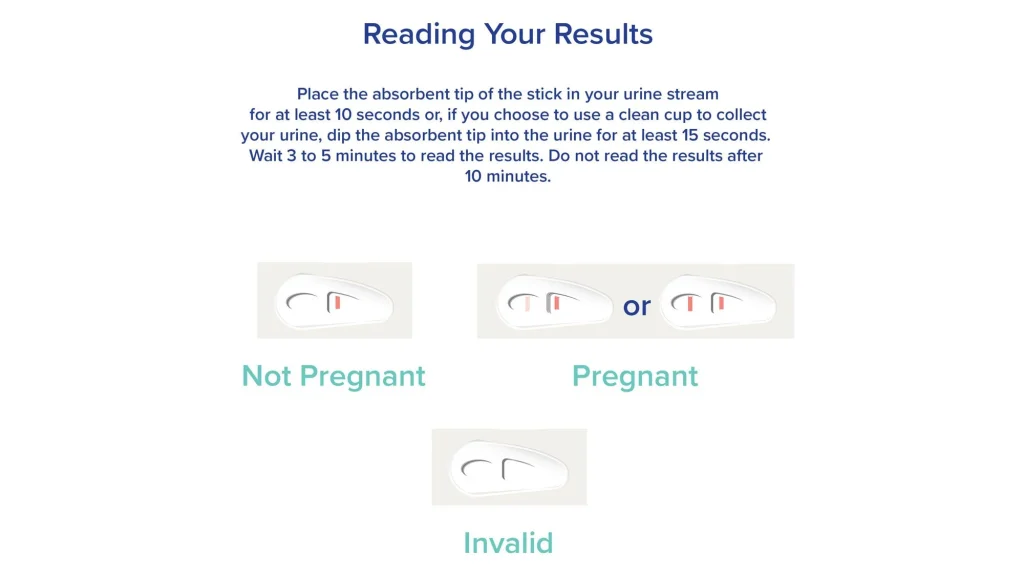
    Instructions for reading pregnancy test results with visual indicators for "Not Pregnant," "Pregnant," and "Invalid.

    Maximizing Your Chances: Tips for Using a Syringe Kit for DIY Baby-Making

    Creating a comfortable environment is key when using a syringe kit for DIY baby-making. Find a quiet and private space where you and your partner can relax and focus on the procedure. Set the mood with soft lighting, calming music, and comfortable seating. This will help reduce stress and improve the chances of success. It is also important to have all the necessary supplies and equipment within reach to avoid any interruptions or distractions.

    4. Follow Proper Hygiene Practices

    Maintaining proper hygiene is crucial when using a syringe kit for DIY baby-making. Make sure to thoroughly wash your hands and the genital area before and after the procedure. Use sterile gloves and clean all equipment before use. This will help reduce the risk of infection and improve the chances of success. It is also important to properly clean and sanitize the work area before and after the procedure.

    5. Find the Right Position

    Finding the right position for insemination can greatly impact the success of DIY baby-making. The most common positions are lying down with legs elevated, or using a pillow under the hips to tilt the pelvis. This allows for the sperm to travel closer to the cervix and increases the chances of fertilization. Experiment with different positions to find what works best for you and your partner.

    6. Be Patient and Positive

    DIY baby-making can be a long and emotional journey, and it is important to stay patient and positive. It may take a few cycles before achieving a successful pregnancy, so do not get discouraged if it does not happen right away. Stay positive and focus on the end goal of starting a family. Surround yourself with a support system of loved ones who can offer encouragement and understanding.

    In summary, using a syringe kit for DIY baby-making can be a successful and rewarding experience with proper planning and execution. Familiarize yourself with the process, choose quality sperm, create a comfortable environment, maintain proper hygiene, find the right position, and stay patient and positive. These tips will help maximize your chances of success and bring you one step closer to starting your own family.


  • The Power of Choice: Using a Syringe Kit for DIY Baby-Making

    Blog Post:

    In today’s society, we are constantly bombarded with the idea that having a baby is something that should be left to medical professionals. However, with the advancements in technology and the availability of resources, many couples are now choosing to take matters into their own hands. DIY baby-making is becoming a popular choice for those who want to start a family on their own terms. One of the key tools in this process is the syringe kit, which allows for at-home insemination. In this blog post, we will explore the power of choice when it comes to using a syringe kit for DIY baby-making.

    Choice is a fundamental human right, and when it comes to creating a family, it should be no different. In traditional methods of conception, couples often have limited options and must rely on the medical system to help them start a family. This can be a daunting and expensive process, with no guarantee of success. By using a syringe kit for DIY baby-making, couples have the power to take control of their fertility journey and make decisions that are best for them.

    One of the main advantages of using a syringe kit for DIY baby-making is the level of privacy it offers. Many couples may feel uncomfortable with the idea of discussing their fertility issues with medical professionals or even family and friends. By using a syringe kit, couples can maintain their privacy and handle the process in the comfort of their own home. This can alleviate a lot of stress and pressure, allowing couples to focus on their goal of starting a family.

    Another benefit of using a syringe kit for DIY baby-making is the cost-effectiveness. Traditional methods of conception can be extremely expensive, with the added costs of doctor’s appointments, tests, and procedures. The cost of a syringe kit is significantly lower, making it a more accessible option for couples who may not have the financial means to pursue other methods of conception. This can also be beneficial for same-sex couples or single individuals who may not have the same financial support as a couple.

    various medical supplies and containers organized in a clear plastic box on a wooden surface

    The Power of Choice: Using a Syringe Kit for DIY Baby-Making

    Using a syringe kit for DIY baby-making also allows for more flexibility in the process. Traditional methods of conception often require strict timing and scheduling, which can add an extra layer of stress for couples. With a syringe kit, couples can inseminate at home at a time that is convenient for them. This flexibility can also be helpful for couples who have busy schedules or live in remote areas, making it difficult to access medical facilities.

    Of course, the most significant advantage of using a syringe kit for DIY baby-making is the sense of empowerment it gives to couples. Starting a family is a deeply personal and emotional journey, and being able to take control of the process can be incredibly empowering. By using a syringe kit, couples are actively participating in the creation of their family, and this can have a positive impact on their overall well-being.

    It is essential to note that using a syringe kit for DIY baby-making is not a guarantee of success. As with any method of conception, there are risks and factors that can affect the outcome. It is crucial for couples to do their research and understand the process thoroughly before embarking on this journey. Seeking advice from medical professionals and joining support groups can also be beneficial in navigating this process.

    In summary, the power of choice is crucial when it comes to creating a family. By using a syringe kit for DIY baby-making, couples can take control of their fertility journey, maintain their privacy, save costs, and have more flexibility in the process. It also empowers couples to actively participate in the creation of their family, which can have a positive impact on their emotional well-being. However, it is essential to understand that this method is not a guarantee of success and should be approached with careful consideration and research.

    In conclusion, the power of choice is a powerful tool in the process of creating a family. With the availability of resources such as the syringe kit, couples can take control of their fertility journey and make decisions that are best for them. DIY baby-making may not be the right choice for everyone, but it is an option that is worth considering for those who want to start a family on their own terms.

  • Breaking the Taboo: DIY Baby-Making with a Syringe Kit

    Breaking the Taboo: DIY Baby-Making with a Syringe Kit

    The journey to parenthood can be a long and difficult one for many couples. From fertility treatments to adoption, there are numerous options available to those who are struggling to conceive. However, for some, these options may not be financially or emotionally feasible. This has led to a growing trend of DIY baby-making, specifically with the use of a syringe kit. While this may seem unconventional and even controversial to some, it has become a viable choice for those looking to start a family on their own terms.

    In this blog post, we will discuss the taboo of DIY baby-making with a syringe kit and explore the reasons why more and more people are turning to this method. We will also address the concerns and risks associated with DIY conception and provide information on how to safely and ethically navigate this process.

    The Rise of DIY Baby-Making

    The idea of using a syringe to self-inseminate is not a new one. In fact, it has been practiced for decades by women who are unable to conceive through traditional methods. However, with the rise of social media and online forums, the concept of DIY baby-making has become more mainstream and accessible.

    One of the main reasons for the increase in DIY baby-making is the high cost of fertility treatments. In vitro fertilization (IVF) can cost tens of thousands of dollars, making it out of reach for many couples. Adoption can also be a lengthy and expensive process. DIY baby-making, on the other hand, can cost as little as a few hundred dollars for a syringe kit and donor sperm.

    Another factor driving the trend is the desire for control and autonomy over the conception process. Many people, especially women, feel that traditional methods of conception take away their agency and decision-making power. With DIY baby-making, they are able to choose the timing, method, and donor of their choice.

    The Syringe Kit: What You Need to Know

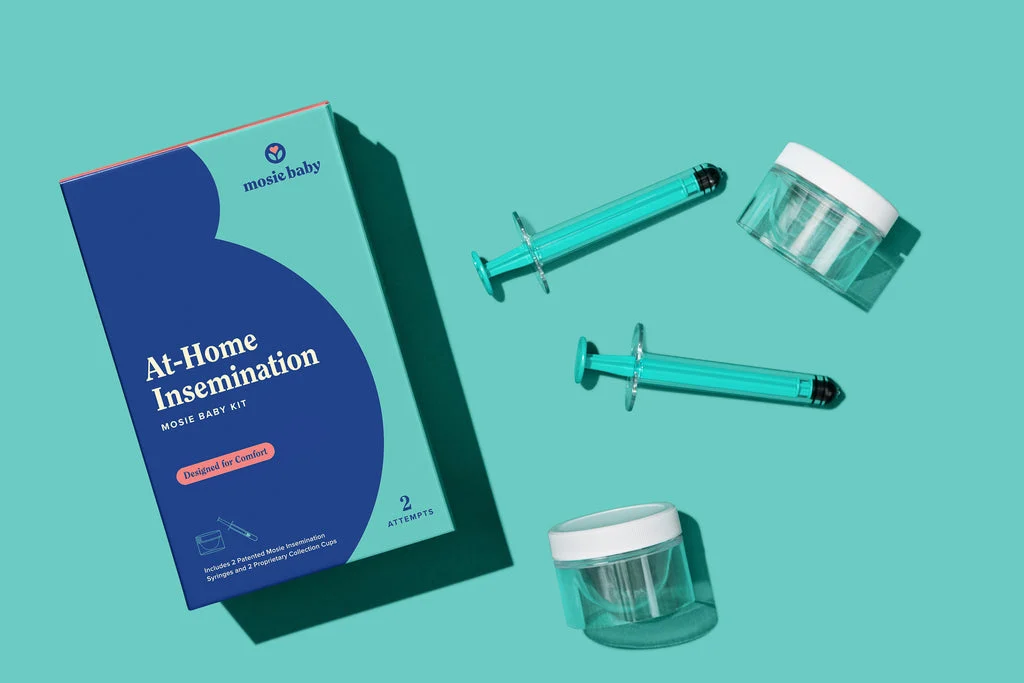
    A syringe kit, also known as an at-home insemination kit, typically includes a syringe, specimen cup, and instructions for use. These kits can be purchased online or at select pharmacies and are marketed as a safe and effective way to conceive at home.

    However, it is important to note that these kits are not regulated by the FDA and do not have to meet the same standards as medical devices. This means that the quality and safety of the syringes and other components may vary. It is crucial to do thorough research and purchase from a reputable source.

    two teal and clear syringes positioned on a white background

    Breaking the Taboo: DIY Baby-Making with a Syringe Kit

    The Risks and Concerns of DIY Baby-Making

    While DIY baby-making may seem like an appealing and cost-effective option, there are several risks and concerns to consider before embarking on this journey.

    Firstly, self-insemination does not guarantee success. The success rates of DIY baby-making are significantly lower than traditional methods, such as IVF. This is due to a number of factors, including the quality of the sperm, timing of insemination, and potential fertility issues.

    Secondly, there are potential health risks associated with using a syringe for self-insemination. If the syringe is not properly sterilized, it can lead to infections and other complications. It is important to follow the instructions carefully and take all necessary precautions to minimize the risk of infection.

    Lastly, there is the ethical concern of using a syringe kit without the involvement of a medical professional. Some argue that DIY baby-making goes against the medical and ethical standards of assisted reproduction and may potentially harm the child’s well-being in the future. It is important to consider these factors and have open and honest discussions with any potential co-parents or donors.

    Navigating the DIY Baby-Making Process

    If you have weighed the risks and decided to pursue DIY baby-making, there are certain steps you can take to ensure a safe and ethical process.

    Firstly, it is important to consult with a medical professional to rule out any potential fertility issues and to discuss the best course of action for your specific situation. They can also provide guidance on the proper use of the syringe kit and monitor your progress.

    Secondly, it is crucial to thoroughly research and choose a reputable sperm donor. This can be done through a sperm bank or through known donors, such as friends or acquaintances. It is important to have open and honest communication with the donor and to have a legal agreement in place to protect all parties involved.

    Lastly, it is important to seek support and guidance throughout the process. DIY baby-making can be emotionally and physically taxing, and having a support system in place can make a significant difference.

    In conclusion, while DIY baby-making with a syringe kit may seem unconventional and taboo, it has become a viable option for those looking to start a family on their own terms. However, it is important to educate oneself on the potential risks and concerns and to approach the process with caution and careful consideration.

  • DIY Baby-Making Made Easy: Using a Syringe Kit to Conceive

    Blog Post Title: DIY Baby-Making Made Easy: Using a Syringe Kit to Conceive

    Summary:

    Conceiving a child is a beautiful journey, but it can also be a stressful and emotionally draining process for many couples. While there are various methods available to aid in conception, one method that has gained popularity in recent years is using a syringe kit to self-inseminate at home. This DIY approach can be a more affordable and private option for couples who are struggling to conceive. In this blog post, we will discuss everything you need to know about using a syringe kit for at-home insemination, including its benefits, process, and tips for success.

    Benefits of Using a Syringe Kit for Conception:

    1. Affordability: The cost of fertility treatments and procedures can be expensive, making it difficult for some couples to afford. Using a syringe kit for at-home insemination can be a more affordable option, especially for those who do not have insurance coverage for fertility treatments.

    2. Privacy: For couples who prefer to keep their fertility journey private, using a syringe kit at home can provide a sense of privacy and intimacy. It eliminates the need to visit a fertility clinic or have a medical professional involved in the process.

    3. Flexibility: With at-home insemination, couples have the flexibility to choose the timing and frequency of the insemination process. This can be beneficial for couples who have busy schedules or those who want to try multiple times during their fertile window.

    The Process of Using a Syringe Kit for Conception:

    1. Understanding Your Fertile Window: Before attempting at-home insemination, it is important to understand your menstrual cycle and identify your fertile window. This is the time when you are most likely to conceive, and it usually occurs around the time of ovulation.

    logo featuring a pink heart above two teal leaves on a blue circular background

    DIY Baby-Making Made Easy: Using a Syringe Kit to Conceive

    2. Preparing the Syringe Kit: Syringe kits for at-home insemination can be purchased online or at most pharmacies. These kits usually include a syringe, a vial for holding the sperm, and a speculum for inserting the sperm into the cervix. It is important to follow the instructions provided with the kit for proper preparation.

    3. Collecting and Preparing the Sperm: The sperm can be collected from a partner or a sperm donor. If using a donor, it is important to have the sperm tested for any sexually transmitted infections (STIs) before using it for insemination. The sperm can then be placed into the vial and kept at room temperature until insemination.

    4. Inserting the Sperm: Once the sperm is collected and prepared, the next step is to insert it into the cervix using the speculum and syringe provided in the kit. It is important to follow the instructions for proper placement and to ensure that the sperm reaches the cervix.

    Tips for Successful At-Home Insemination:

    1. Track Your Ovulation: It is crucial to track your ovulation using methods such as ovulation predictor kits or tracking your basal body temperature. This will help you determine the best time for insemination.

    2. Stay Relaxed: Stress can have a negative impact on fertility, so it is important to stay relaxed during the insemination process. Consider using relaxation techniques such as deep breathing or meditation.

    3. Have Patience: It is important to remember that it may take several attempts before successfully conceiving with at-home insemination. Be patient and continue to track your ovulation to increase your chances of success.

    4. Seek Professional Help if Needed: If you have been attempting at-home insemination for a while without success, it may be time to seek professional help. A fertility specialist can provide guidance and assistance in achieving pregnancy.

    In conclusion, using a syringe kit for at-home insemination can be a convenient, private, and affordable option for couples struggling to conceive. It is important to understand the process and follow the instructions carefully for the best chances of success. Remember to stay relaxed, be patient, and seek professional help if needed. With a little bit of DIY effort and patience, you may just be able to welcome a new addition to your family.

  • Taking Control of Your Fertility: How a Syringe Kit Can Help with DIY Baby-Making

    Blog post:

    Taking Control of Your Fertility: How a Syringe Kit Can Help with DIY Baby-Making

    For many couples, starting a family is a natural and exciting step in their relationship. However, for some, the journey to parenthood may not be as smooth as they hoped. For those struggling with fertility issues, the process of conceiving a child can be overwhelming, expensive, and emotionally draining. In recent years, more and more couples have turned to do-it-yourself (DIY) methods of conception, using at-home insemination kits to take control of their fertility. In this blog post, we will discuss how a syringe kit can help with DIY baby-making and give you the information you need to make an informed decision about your own fertility journey.

    Understanding Fertility and the Importance of Timing

    Before we dive into how a syringe kit can aid in DIY baby-making, it’s important to have a basic understanding of fertility and the importance of timing. A woman’s fertility is determined by her menstrual cycle, which typically lasts 28 days. During this cycle, a woman releases an egg from her ovaries, which travels through the fallopian tubes to the uterus. If the egg is fertilized by sperm during this time, pregnancy occurs. However, the window for fertilization is relatively small, as the egg is only viable for 12-24 hours after ovulation. This means that timing is crucial when trying to conceive.

    The Role of At-Home Insemination Kits

    At-home insemination kits have become increasingly popular among couples trying to conceive. These kits typically include a syringe, a specimen cup for the sperm, and sometimes a cervical cap or softcup to aid in the process. The syringe is used to collect the sperm from the specimen cup and then insert it into the woman’s cervix or vagina, depending on the instructions provided with the kit.

    Why Use a Syringe Kit?

    Using a syringe kit for at-home insemination offers several benefits. First and foremost, it allows couples to take control of their fertility journey from the comfort of their own home. This can be particularly beneficial for those who may feel uncomfortable or anxious about the clinical environment of a fertility clinic. DIY insemination also eliminates the need for timed intercourse, which can add stress and pressure to a couple’s sex life.

    pregnancy test kit features labeled for comfort and confidence on a teal background

    Taking Control of Your Fertility: How a Syringe Kit Can Help with DIY Baby-Making

    In addition to the emotional benefits, using a syringe kit can also be more cost-effective than traditional fertility treatments. Fertility treatments such as intrauterine insemination (IUI) and in vitro fertilization (IVF) can be expensive and may not be covered by insurance. By using a syringe kit, couples can save money on appointments, procedures, and medications.

    Tips for Using a Syringe Kit

    While using a syringe kit for DIY insemination may seem straightforward, there are a few tips to keep in mind to ensure the best chances of success. First, it’s important to carefully read and follow the instructions provided with the kit. This will ensure that you are using the kit correctly and at the optimal time during your menstrual cycle. It’s also recommended to track your ovulation using methods such as ovulation predictor kits or basal body temperature (BBT) tracking. This will help you determine the best time to use the kit and increase the chances of conception.

    It’s also important to note that a syringe kit should not be used as a replacement for professional medical advice. If you have been struggling with fertility issues, it’s important to consult with a fertility specialist who can provide personalized guidance and treatment options.

    Considerations Before Using a Syringe Kit

    While using a syringe kit for at-home insemination can be a great option for many couples, there are a few considerations to keep in mind before making the decision to use one. First, it’s important to have open and honest communication with your partner. Discussing the potential challenges and emotions that may arise during the process can help strengthen your relationship and make the journey more manageable.

    It’s also important to understand that using a syringe kit does not guarantee pregnancy. The success rate of at-home insemination varies and can be affected by factors such as sperm quality and timing. If you have been trying to conceive for an extended period of time without success, it may be time to seek professional medical help.

    Summary:

    Taking control of your fertility journey can be empowering and rewarding. For couples struggling with fertility issues, using a syringe kit for at-home insemination can offer several benefits, including cost-effectiveness and the ability to take control of the process from the comfort of your own home. However, it’s important to have a basic understanding of fertility and the importance of timing, as well as carefully following the instructions provided with the kit and tracking ovulation. It’s also essential to have open communication with your partner, and to seek professional medical help if needed. By using a syringe kit, couples can take control of their fertility journey and increase their chances of starting a family on their own terms.

  • The Ins and Outs of Using a Syringe Kit for DIY Baby-Making

    Blog Post: The Ins and Outs of Using a Syringe Kit for DIY Baby-Making

    For many couples and individuals who are struggling with infertility, the high costs and emotional toll of assisted reproductive technologies can be daunting. This has led to a rise in the popularity of DIY (do-it-yourself) methods for conceiving a child, including the use of a syringe kit. In this blog post, we will delve into the ins and outs of using a syringe kit for DIY baby-making, including its effectiveness, safety, and legal considerations.

    What is a Syringe Kit?

    A syringe kit, also known as an insemination kit, is a medical device that includes a syringe, a catheter, and a specimen cup. These kits are commonly used in fertility clinics for intrauterine insemination (IUI), a procedure where sperm is placed directly into the uterus to increase the chances of fertilization.

    However, syringe kits are also used by individuals and couples who are trying to conceive at home. The process involves collecting semen from a male partner or a sperm donor and using the syringe to insert it into the vagina or cervix of the female partner during ovulation, in hopes of achieving pregnancy.

    Effectiveness of Syringe Kits for DIY Baby-Making

    The success rate of syringe kits for DIY baby-making varies, with some studies suggesting a success rate of 10-15%, while others report a higher success rate of up to 25%. It is important to note that the success rate also depends on various factors, such as the fertility of both partners, the timing of insemination, and the overall health of the female partner.

    Syringe kits are most effective for couples who have unexplained infertility or for those who have male factor infertility, where the male partner has low sperm count or motility. It is not recommended for couples with certain medical conditions or those with a history of sexually transmitted infections.

    Safety Considerations

    Using a syringe kit for DIY baby-making comes with some safety considerations that should not be ignored. It is crucial to follow the instructions provided with the kit and to ensure that the syringe and all other components are sterile before use.

    At-home insemination kit with syringes and collection cups on a teal background.

    The Ins and Outs of Using a Syringe Kit for DIY Baby-Making

    It is also important to keep in mind that DIY insemination does not offer the same level of protection against sexually transmitted infections as medical procedures performed in a clinic. Therefore, it is essential for partners to get tested for STIs before attempting to use a syringe kit for conception.

    Legal Considerations

    One of the biggest concerns surrounding DIY baby-making with a syringe kit is the legal implications. In most countries, the law recognizes the male partner as the legal father of a child conceived through insemination, even if the procedure was performed at home. This means that if the couple is not married, the male partner may have to go through a legal process to establish paternity, which can be a complicated and expensive process.

    It is also important to note that using donor sperm from a sperm bank or a known donor may have different legal implications. It is crucial to seek legal advice and have a written agreement in place before using donor sperm for DIY insemination.

    Alternatives to Syringe Kits

    While syringe kits may seem like a convenient and cost-effective option for DIY baby-making, there are other alternatives that may be more effective and safer. These include using a cervical cap, which is a small silicone cup that is placed over the cervix to aid in conception, or using a soft cup, which is a disposable cup inserted into the vagina to hold sperm close to the cervix.

    Another option is to try natural insemination, where the male partner ejaculates into the vagina during ovulation. However, this method comes with a higher risk of sexually transmitted infections and may not be suitable for couples struggling with male factor infertility.

    In conclusion, using a syringe kit for DIY baby-making can be an appealing option for couples and individuals who are struggling with infertility. However, it is essential to consider the effectiveness, safety, and legal implications before making a decision. Consulting with a fertility specialist and seeking legal advice can help individuals make an informed decision about the best course of action for their unique situation.

    Summary:

    DIY baby-making using a syringe kit is a popular option for individuals and couples struggling with infertility. Syringe kits include a syringe, catheter, and specimen cup, and are commonly used in fertility clinics for intrauterine insemination. The effectiveness of syringe kits varies, and safety and legal considerations should not be ignored. Alternatives to syringe kits include using a cervical cap, soft cup, or natural insemination. It is crucial to seek medical and legal advice before attempting DIY conception with a syringe kit.

  • DIY Baby-Making 101: Why a Syringe Kit is Your Best Bet

    DIY Baby-Making 101: Why a Syringe Kit is Your Best Bet

    In recent years, more and more people are turning to alternative methods for conceiving a child. Whether it’s due to infertility, same-sex couples, or simply choosing to be single parents, the DIY baby-making trend has become increasingly popular. And while there are many options available, one of the most effective and cost-efficient methods is using a syringe kit. In this blog post, we will explore why a syringe kit is your best bet for DIY baby-making and provide a comprehensive guide on how to use it.

    What is a Syringe Kit?

    A syringe kit, also known as an artificial insemination kit, is a simple and easy-to-use tool that assists in the process of at-home insemination. It typically includes a sterile syringe, a vial of sperm, and instructions on how to use it. Syringe kits can be purchased online or from a fertility clinic, making them easily accessible to anyone looking to conceive.

    Why Choose a Syringe Kit?

    1. Cost-Effective

    One of the main reasons why a syringe kit is the best option for DIY baby-making is its affordability. Unlike other methods, such as IVF or surrogacy, which can cost thousands of dollars, a syringe kit is relatively inexpensive. This is especially beneficial for those on a tight budget, as it eliminates the need for expensive fertility treatments.

    2. Convenience

    Using a syringe kit allows you to perform insemination in the comfort and privacy of your own home. This eliminates the need for frequent doctor appointments and invasive procedures. Additionally, since kits can be easily purchased online, it saves you time and effort from having to visit a fertility clinic.

    3. Increased Control and Privacy

    For many people, the idea of going through a fertility clinic and having a doctor involved in the process can be intimidating and overwhelming. By using a syringe kit, you have more control over the process and can maintain your privacy. This can be especially important for those who are single and looking to become parents, as it allows them to keep their journey private if they choose to do so.

    4. Safe and Effective

    Syringe kits have been proven to be safe and effective for at-home insemination. They are designed specifically for this purpose and come with detailed instructions, making them easy to use. The risk of infection is also significantly reduced as the kit is sterile and single-use.

    How to Use a Syringe Kit for DIY Baby-Making

    Instructions for reading pregnancy test results with visual indicators for "Not Pregnant," "Pregnant," and "Invalid.

    DIY Baby-Making 101: Why a Syringe Kit is Your Best Bet

    1. Consult with a Fertility Specialist

    Before using a syringe kit, it’s important to consult with a fertility specialist to ensure that you are a good candidate for at-home insemination. They can also provide guidance and answer any questions you may have about the process.

    2. Purchase a Syringe Kit

    Once you have determined that using a syringe kit is the right option for you, it’s time to purchase one. You can purchase kits online or from a fertility clinic. Make sure to follow the instructions carefully when selecting a kit to ensure that it is suitable for at-home insemination.

    3. Collect Sperm

    If you are using donor sperm, you can purchase it from a sperm bank or ask a known donor. If you are using sperm from a known donor, make sure to have them tested for any sexually transmitted infections beforehand. Alternatively, you can also use a sperm collection kit, which allows for the collection of sperm at home.

    4. Prepare the Syringe

    Before using the syringe, make sure to read the instructions carefully. Typically, the sperm vial will need to be attached to the syringe and the plunger pulled back to draw the sperm into the syringe.

    5. Prepare for Insemination

    To prepare for insemination, you will need to lie down with your hips elevated, making it easier for the sperm to reach the cervix. You can also use a pillow or cushion to prop up your hips. Make sure to relax and remain in this position for at least 20 minutes after insemination.

    6. Perform Insemination

    Insert the syringe into the vagina and gently push the plunger to release the sperm near the cervix. Make sure to follow the instructions provided with your kit for the best results.

    7. Rest and Monitor

    After insemination, it’s important to take it easy and avoid any strenuous activities. You can also use an ovulation tracker to monitor your cycle and increase your chances of conception. It’s recommended to perform insemination during your most fertile days.

    In summary, using a syringe kit is a cost-effective, convenient, and safe option for DIY baby-making. It provides increased control and privacy while also being proven to be effective in helping individuals and couples conceive. By following the simple steps outlined above, you can successfully use a syringe kit for at-home insemination and start your journey towards parenthood.

  • From Conception to Birth: Using a Syringe Kit for DIY Baby-Making

    Blog Post: From Conception to Birth: Using a Syringe Kit for DIY Baby-Making

    The journey to parenthood can be a challenging and emotional one, especially for couples struggling with fertility issues. In recent years, there has been a rise in do-it-yourself (DIY) methods for conception, including using a syringe kit for self-insemination. This alternative method allows individuals or couples to take control of their fertility journey and possibly increase their chances of achieving pregnancy. In this blog post, we will explore the process of using a syringe kit for DIY baby-making, from conception to birth.

    Conception

    The first step in using a syringe kit for DIY baby-making is understanding the process of conception. Conception occurs when a sperm fertilizes an egg, resulting in the formation of an embryo. This can happen through sexual intercourse or artificial insemination, where sperm is inserted into the female reproductive tract. With a syringe kit, individuals or couples can perform artificial insemination at home, eliminating the need for a medical professional.

    Choosing a Syringe Kit

    The next step is to choose the right syringe kit for your needs. There are various options available on the market, and it is essential to do thorough research before making a purchase. Some factors to consider include the type of syringe (plastic or glass), the size and shape of the syringe, and the type of needle. It is crucial to select a kit that is specifically designed for artificial insemination, as it will have features that make the process easier and more effective.

    Preparing for Insemination

    Once you have chosen your syringe kit, it is time to prepare for insemination. This involves tracking your ovulation cycle and choosing the right time to inseminate. Ovulation predictor kits or tracking your basal body temperature can help determine when you are most fertile. It is also essential to have a clean and sterile environment for the procedure. This may involve washing your hands, sterilizing the syringe, and preparing a clean surface for the process.

    Informative card introducing the Mosie Baby Kit and its mission for at-home insemination.

    From Conception to Birth: Using a Syringe Kit for DIY Baby-Making

    Performing the Insemination

    The actual insemination process involves inserting the sperm into the cervix using a syringe. The sperm can be obtained from a donor or from the male partner through masturbation. It is crucial to follow the instructions provided with the syringe kit to ensure proper insertion and placement of the sperm. It may be helpful to have a partner assist with the process to make it more comfortable and efficient.

    Post-Insemination Care

    After the insemination, it is essential to take care of your body and give the sperm the best chance of fertilizing the egg. This may involve lying down for 15-20 minutes after the procedure to allow the sperm to travel towards the egg. It is also recommended to avoid activities that may interfere with the sperm’s journey, such as taking a bath or using a tampon. It is crucial to continue tracking your ovulation and possibly perform a second insemination if needed.

    Pregnancy and Birth

    The next step in the journey is to wait for the pregnancy test. If the insemination was successful, the fertilized egg will implant into the uterus, and pregnancy will occur. It is essential to follow the recommended guidelines for pregnancy, such as taking prenatal vitamins, eating a healthy diet, and avoiding harmful substances. As the pregnancy progresses, it is also crucial to seek medical care and monitor the development of the baby.

    In the end, the DIY baby-making journey using a syringe kit is not much different from traditional methods. It still involves the same steps of conception, pregnancy, and birth. However, it offers individuals and couples a sense of control and a more intimate experience. It is essential to remember that not every DIY insemination attempt will be successful, and it is crucial to seek medical help if needed.

    In summary, using a syringe kit for DIY baby-making can be a viable option for those struggling with fertility or for same-sex couples. It involves choosing the right kit, tracking ovulation, performing the insemination, and taking care of your body during the pregnancy. It is essential to do thorough research and consult with a medical professional before embarking on this journey.

  • Breaking Down the Syringe Kit: A Must-Have for DIY Baby-Making

    Breaking Down the Syringe Kit: A Must-Have for DIY Baby-Making

    In recent years, there has been a growing trend of individuals and couples turning to at-home insemination or DIY baby-making methods. Whether it is due to medical reasons, financial limitations, or personal preferences, more and more people are choosing to take matters into their own hands when it comes to starting a family. And one essential tool for this process is the syringe kit.

    In this blog post, we will break down the syringe kit and its role in DIY baby-making. From understanding the different types of syringe kits available to the various steps involved in using one, this post will serve as a comprehensive guide for anyone considering this method of conception.

    Types of Syringe Kits

    Before delving into the details of using a syringe kit for DIY baby-making, it is essential to understand the different types of syringe kits available. The most common types include oral syringes, bulb syringes, and needleless syringes.

    Oral syringes are typically used for administering medication to babies and children. These syringes have a narrow, pointed tip and a plunger for pushing out the liquid. They are readily available at most pharmacies and are usually inexpensive.

    Bulb syringes, also known as ear syringes, are used for suctioning out mucus or other fluids from the nose or ears. These syringes have a bulb-shaped reservoir with a thin, tapered tip for easy insertion.

    Needleless syringes, also known as luer lock syringes, are the most commonly used type for DIY insemination. These syringes have a luer lock tip, which allows for the attachment of different size needles or tips. They are the most precise type of syringe and can hold a larger volume of liquid than oral or bulb syringes.

    Steps for Using a Syringe Kit for DIY Baby-Making

    Step 1: Choose the Right Syringe Kit

    As mentioned earlier, needleless syringes are the most commonly used type for DIY insemination. However, it is essential to choose a syringe kit that is specifically designed for this purpose. These kits usually come with a sterile syringe, a sterile cup for holding the semen, and a sterile catheter for insertion.

    Step 2: Prepare the Syringe Kit

    Before starting the insemination process, it is crucial to ensure that the syringe kit is sterile. This can be done by boiling the syringe and all its components in water for 10 minutes or by using a sterile syringe kit that is specifically designed for medical procedures.

    Step 3: Collect the Semen

    Baby with blue eyes wearing a light blue onesie that says "made with Love" on a soft white background.

    Breaking Down the Syringe Kit: A Must-Have for DIY Baby-Making

    The next step is to collect the semen sample. This can be done by using a collection cup or a condom during intercourse. If using a collection cup, make sure to keep it clean and sterile. If using a condom, make sure it is non-spermicidal and does not contain any lubricants.

    Step 4: Load the Syringe

    Once the semen sample has been collected, it is time to load the syringe. Attach the catheter to the syringe and draw the semen into the syringe by pulling back the plunger. It is essential to avoid air bubbles in the syringe, as they can be harmful to the sperm.

    Step 5: Insert the Catheter

    Once the syringe is loaded with the semen, it is time to insert the catheter. The best position for this step is lying down with the hips slightly elevated. Insert the catheter into the vagina and advance it towards the cervix. Once the catheter is near the cervix, push the plunger to release the semen.

    Step 6: Wait and Rest

    After the semen has been released, it is recommended to stay in the same position for at least 20 minutes to allow the sperm to reach the cervix. This will increase the chances of conception.

    Step 7: Clean Up and Repeat

    After the waiting period, remove the catheter and clean up. If using a syringe kit designed for multiple inseminations, repeat the process for another attempt. If not, dispose of the syringe and other components properly.

    The Importance of Using a Syringe Kit for DIY Baby-Making

    When it comes to DIY baby-making, using a syringe kit is crucial for several reasons. Firstly, it allows for a more precise and controlled insemination process, increasing the chances of conception. Secondly, it ensures that the semen is handled and inserted in a sterile environment, reducing the risk of infection. Lastly, it is a more affordable option compared to other methods such as intrauterine insemination (IUI) or in vitro fertilization (IVF).

    In conclusion, the syringe kit is a must-have for anyone considering DIY baby-making. It not only makes the process more manageable but also increases the chances of success. With different types of syringe kits available and a simple step-by-step guide, anyone can embark on this journey of starting a family at home.

    Summary:

    In recent years, more and more people are turning to at-home insemination or DIY baby-making methods. One essential tool for this process is the syringe kit, which comes in different types, including oral syringes, bulb syringes, and needleless syringes. The steps for using a syringe kit for DIY baby-making include choosing the right kit, preparing it, collecting the semen, loading the syringe, inserting the catheter, waiting and resting, and cleaning up. Using a syringe kit is important as it allows for a more controlled and sterile insemination process, increasing the chances of conception, and it is also a more affordable option compared to other methods.

  • The Benefits of Using a Syringe Kit for DIY Baby-Making

    Blog Post Title: The Benefits of Using a Syringe Kit for DIY Baby-Making

    Are you and your partner considering starting a family, but are unable to conceive naturally? Are you looking for an alternative method to traditional fertility treatments? Look no further than a syringe kit for DIY baby-making. This innovative and cost-effective method has gained popularity among couples and individuals who want to take control of their own fertility journey. In this blog post, we will discuss the benefits of using a syringe kit for DIY baby-making and how it can be a game changer for those struggling with infertility.

    1. Affordability

    One of the main benefits of using a syringe kit for DIY baby-making is its affordability. Traditional fertility treatments such as in vitro fertilization (IVF) can cost thousands of dollars, which may not be feasible for everyone. On the other hand, a syringe kit can cost as low as $100, making it a more accessible option for those on a budget. This can be especially beneficial for couples who have already spent a significant amount of money on fertility treatments with no success.

    2. Privacy

    For some couples, the process of trying to conceive can be a very personal and intimate experience. The thought of undergoing fertility treatments in a clinical setting can be overwhelming and may even feel invasive. With a syringe kit, the procedure can be done in the comfort and privacy of your own home. This can alleviate any feelings of discomfort or embarrassment and allows couples to have more control over their fertility journey.

    3. Convenience

    Going through fertility treatments can be a time-consuming process, requiring frequent visits to the doctor’s office and strict schedules to follow. With a syringe kit, the process can be done at home, on your own time. This can be especially beneficial for those with busy schedules or who live in rural areas where access to fertility clinics may be limited. Additionally, it eliminates the need for multiple appointments and can save couples time and money in the long run.

    4. Non-invasive

    two teal and clear syringes positioned on a white background

    The Benefits of Using a Syringe Kit for DIY Baby-Making

    Traditional fertility treatments often involve invasive procedures such as injections and surgeries. These procedures can be physically and emotionally taxing on individuals, especially for those who have a fear of needles or medical procedures. With a syringe kit, the process is non-invasive and does not require any injections or surgeries. This can be a more comfortable and less intimidating option for those who are looking for a less invasive method of trying to conceive.

    5. Increased Control

    Using a syringe kit for DIY baby-making gives couples and individuals more control over their fertility journey. Unlike traditional treatments, where doctors make all the decisions, using a syringe kit allows individuals to choose the donor, the timing of the insemination, and the number of attempts they want to make. This can be empowering for couples who want to take a more active role in their fertility journey.

    6. No Medical Intervention

    Fertility treatments can be physically and emotionally draining, and they are not without risks. With a syringe kit, there is no medical intervention involved, reducing the risk of complications. This can be especially beneficial for individuals who have underlying health conditions that may make traditional fertility treatments risky.

    7. Safe and Effective

    Insemination using a syringe kit has been proven to be a safe and effective method for DIY baby-making. A study published in the Journal of Assisted Reproduction and Genetics found that the success rates of using a syringe kit were comparable to traditional insemination methods. This means that couples and individuals can have peace of mind knowing that they are using a safe and effective method to try and conceive.

    8. Multiple Attempts

    Traditional fertility treatments often involve one attempt at a time, with a waiting period in between each attempt. This can be a frustrating and emotionally draining process for couples. With a syringe kit, multiple attempts can be made in one cycle, increasing the chances of success. This can be especially beneficial for individuals with low fertility or those who have been unsuccessful with traditional treatments.

    In summary, using a syringe kit for DIY baby-making has many benefits, including affordability, privacy, convenience, increased control, non-invasive, no medical intervention, safety and effectiveness, and the ability to make multiple attempts in one cycle. This method has helped many couples and individuals achieve their dream of starting a family and can be a game changer for those struggling with infertility. If you are considering this method, be sure to consult with a medical professional and do your research to ensure a safe and successful experience.