Blog Post:
Parenthood is a major milestone in many people’s lives, and for those who are struggling to conceive naturally, there are various methods available to assist in the process. Insemination is a popular choice for couples or individuals looking to start a family, and there are two main methods to consider: traditional methods and using an insemination syringe. While both options have their pros and cons, it’s important to understand the differences between the two and which may be the best for parenthood preparation.
Traditional methods of insemination involve the use of a male partner’s sperm being transferred into the female’s reproductive tract via intercourse. This method has been used for centuries and is the most commonly known way of conceiving a child. However, as technology and medical advancements have developed, insemination has evolved into a more controlled and precise process.
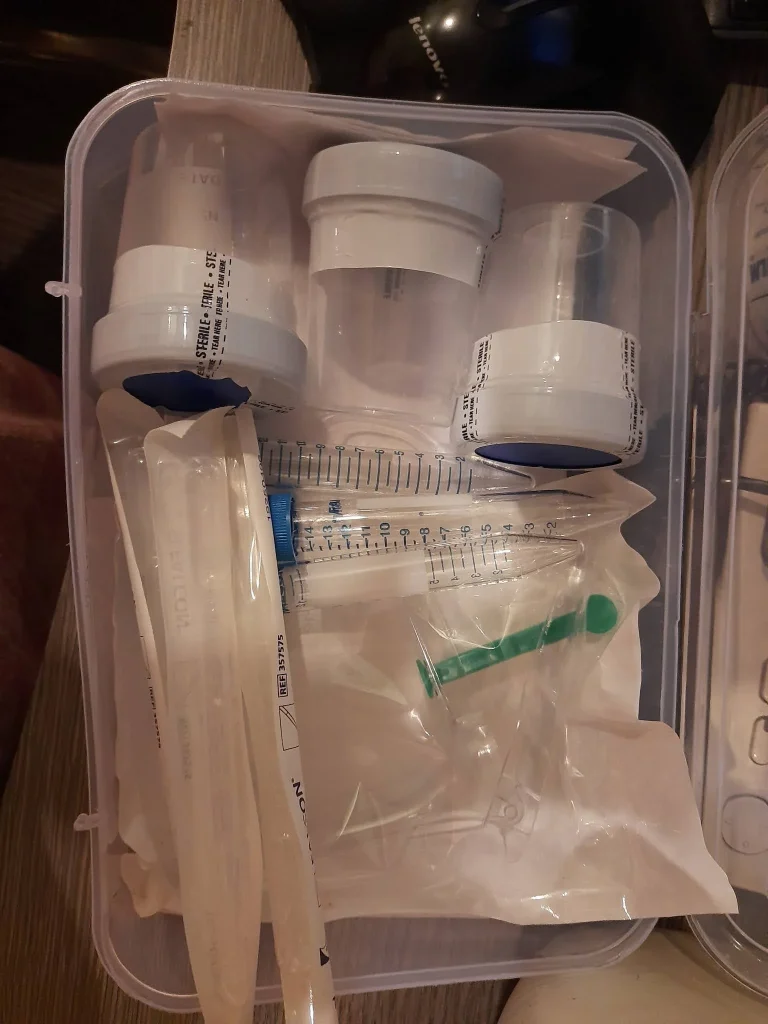
In contrast, using an insemination syringe involves the direct insertion of sperm into the female’s reproductive tract, bypassing the need for intercourse. This method can be done either at home or in a medical setting, and the sperm can come from a donor or the male partner. The insemination syringe is a device that resembles a large medical syringe and is used to deposit the sperm into the cervix or uterus.
One of the main advantages of using an insemination syringe is that it allows for more control and accuracy in the timing and placement of the sperm. Traditional methods rely on the female’s ovulation cycle and the timing of intercourse, which can be unpredictable. With an insemination syringe, the sperm can be placed directly into the reproductive tract at a specific time, increasing the chances of conception.
Additionally, using an insemination syringe can also be a more comfortable and less invasive option for both partners. Traditional methods may not be suitable for couples with certain medical conditions or for individuals who may have difficulty with intercourse. Insemination with a syringe eliminates the need for penetration and can be a more comfortable alternative.

Insemination Syringe vs. Traditional Methods: Which Is Best for Parenthood Prep?
Another benefit of using an insemination syringe is that it allows for the use of donor sperm. This can be beneficial for same-sex couples or for individuals who may have fertility issues with their partner’s sperm. Donor sperm can be screened for genetic diseases and other health concerns, providing peace of mind for the potential parents.
However, using an insemination syringe also has its drawbacks. The process can be costly, especially if done in a medical setting. It may also require multiple attempts before conception occurs, adding to the overall cost. In contrast, traditional methods are typically free and can be done at home without any medical assistance.
Another disadvantage of using an insemination syringe is the potential for incorrect placement of the sperm. If not done correctly, the sperm may not reach the cervix or uterus, reducing the chances of conception. This is where professional medical assistance can be beneficial, as a doctor or fertility specialist can ensure proper placement of the sperm.
On the other hand, traditional methods have a higher success rate as the sperm is deposited directly into the cervix and uterus during intercourse. This method also allows for natural fertilization to occur, which some people may prefer over the use of an insemination syringe.
Ultimately, the best method for parenthood preparation will vary for each individual or couple depending on their specific needs and preferences. It’s important to consult with a doctor or fertility specialist to discuss the options and determine the best course of action.
In summary, when considering parenthood preparation, there are two main methods of insemination to consider: traditional methods and using an insemination syringe. Traditional methods involve intercourse, while an insemination syringe allows for more control and accuracy in the timing and placement of sperm. Using an insemination syringe also allows for the use of donor sperm and may be a more comfortable and less invasive option. However, it can be more costly and may require multiple attempts before conception occurs. Traditional methods, on the other hand, are typically free, have a higher success rate, and allow for natural fertilization to occur.
In the end, the decision between traditional methods and using an insemination syringe will depend on individual circumstances and preferences. It’s important to weigh the pros and cons of each option and consult with a medical professional before making a decision. Parenthood is a significant journey, and choosing the right method for insemination can greatly impact the experience.