Tag: conception

  • Progesterone and Cervical Mucus: The Dynamic Duo for Fertility

    Progesterone and Cervical Mucus: The Dynamic Duo for Fertility

    When it comes to trying to conceive, many couples are familiar with the importance of tracking ovulation and having regular intercourse during the fertile window. However, what some may not realize is the crucial role of progesterone and cervical mucus in the process. These two factors work together in a dynamic duo to optimize fertility and increase the chances of conception. In this blog post, we will dive into the details of progesterone and cervical mucus and how they impact fertility.

    Understanding Progesterone

    Progesterone is a hormone produced by the ovaries after ovulation. Its main function is to prepare the uterus for pregnancy and support the developing embryo. Progesterone levels typically rise after ovulation and peak around 7-10 days post-ovulation. If fertilization occurs, progesterone levels will continue to rise, and if not, they will drop, leading to the start of a new menstrual cycle.

    Progesterone plays a crucial role in fertility as it helps thicken the lining of the uterus, making it more receptive to implantation. It also helps regulate the menstrual cycle and ensures that ovulation occurs regularly. Low levels of progesterone can lead to difficulty in conceiving and maintaining a pregnancy. So, it is essential to have optimal progesterone levels for successful conception.

    The Role of Cervical Mucus in Fertility

    Cervical mucus, also known as cervical fluid, is a secretion produced by the cervix throughout the menstrual cycle. Its main function is to provide a conducive environment for sperm to reach the egg. The consistency and quality of cervical mucus change throughout the menstrual cycle, making it a crucial indicator of fertility.

    At the beginning of the menstrual cycle, the cervix produces a thick, sticky mucus, which may hinder sperm from reaching the egg. However, as ovulation approaches, estrogen levels rise, causing the cervical mucus to become thinner, clearer, and more stretchy, resembling the consistency of egg whites. This type of cervical mucus, known as fertile cervical mucus, is ideal for sperm survival and transport.

    The Dynamic Duo: Progesterone and Cervical Mucus

    Progesterone and cervical mucus work together in a dynamic duo to optimize fertility and increase the chances of conception. After ovulation, progesterone levels increase, causing the cervix to produce thick, creamy cervical mucus. This type of cervical mucus acts as a barrier for sperm, preventing it from reaching the egg.

    Colorful promotional image for Mosie Baby, featuring home insemination kit and encouraging text.

    Progesterone and Cervical Mucus: The Dynamic Duo for Fertility

    However, as ovulation approaches, estrogen levels rise, causing the cervical mucus to become thinner and more stretchy. This type of cervical mucus is known as fertile cervical mucus and is ideal for sperm survival and transport. The increase in fertile cervical mucus coincides with the increase in progesterone levels, which helps keep the sperm alive for a longer period, increasing the chances of fertilization.

    Moreover, progesterone also plays a role in the quality of cervical mucus. It helps prevent the thickening of cervical mucus, ensuring that it remains thin and stretchy, making it easier for sperm to swim through. Without adequate progesterone levels, cervical mucus can become too thick, making it difficult for sperm to reach the egg.

    How to Optimize Progesterone and Cervical Mucus for Fertility

    Now that we understand the crucial role of progesterone and cervical mucus in fertility let’s explore some ways to optimize these factors for conception.

    1. Track Your Menstrual Cycle: Keeping track of your menstrual cycle can help you identify when ovulation is approaching. This will allow you to time intercourse during your fertile window when cervical mucus is optimal for sperm survival.

    2. Use Ovulation Predictor Kits: Ovulation predictor kits (OPKs) can help you pinpoint your ovulation day by detecting the surge of luteinizing hormone (LH) that occurs right before ovulation. This can help you time intercourse more accurately during your fertile window.

    3. Consider Progesterone Support: If you have been trying to conceive for a while and have been diagnosed with low progesterone levels, your doctor may recommend progesterone supplements to support your levels and optimize fertility.

    4. Stay Hydrated: Drinking plenty of water can help improve the quality and quantity of cervical mucus. Dehydration can cause cervical mucus to become thick and difficult for sperm to swim through.

    5. Avoid Certain Lubricants: Some lubricants can be harmful to sperm and may even interfere with cervical mucus production. It is best to avoid using lubricants when trying to conceive or opt for sperm-friendly options.

    In summary, progesterone and cervical mucus are a dynamic duo that plays a crucial role in fertility. Progesterone helps prepare the uterus for pregnancy and ensures regular ovulation, while cervical mucus provides a conducive environment for sperm to reach the egg. By understanding the role of these factors and optimizing them, couples can increase their chances of conceiving and starting a family.

  • Progesterone and Fertile Cervical Mucus: Key Factors for Conception

    Progesterone and Fertile Cervical Mucus: Key Factors for Conception

    Conception, the process of fertilization and implantation of an egg in the uterus, is a crucial step in becoming pregnant. While many factors play a role in conception, two key factors that are often overlooked are progesterone and fertile cervical mucus. In this blog post, we will dive into the importance of these two factors for conception and how they work together to increase the chances of getting pregnant.

    Understanding Progesterone

    Progesterone is a hormone produced by the ovaries after ovulation. Its main function is to prepare the uterus for pregnancy by thickening the lining and increasing blood flow to support a fertilized egg. Progesterone levels rise after ovulation and peak around 7 days before the start of the next period. If pregnancy does not occur, progesterone levels drop, signaling the body to shed the uterine lining and start a new cycle.

    Progesterone also plays a crucial role in regulating the menstrual cycle. It works in conjunction with estrogen to control the release of eggs from the ovaries, known as ovulation. Without enough progesterone, ovulation may not occur, leading to irregular or absent periods.

    The Importance of Progesterone for Conception

    Progesterone is essential for conception because it helps create an environment in the uterus that is conducive to fertilization and implantation. During the second half of the menstrual cycle, progesterone levels are elevated, and the cervical mucus becomes thicker and stickier. This type of cervical mucus, known as “fertile cervical mucus,” is essential for sperm survival and transport.

    Fertile Cervical Mucus: The Key to Conception

    Fertile cervical mucus is a type of cervical mucus that is thin, watery, and stretchy, similar to raw egg whites. It is produced by the cervix and is present during the fertile window, which is the time leading up to ovulation when pregnancy is most likely to occur.

    illustration of Mosie Baby home insemination kit highlighting seamless transfer and size features

    Progesterone and Fertile Cervical Mucus: Key Factors for Conception

    Fertile cervical mucus plays a crucial role in conception because it helps sperm survive and travel through the reproductive tract. It also provides a protective environment for sperm, allowing them to stay alive for up to five days, increasing the chances of fertilization.

    During ovulation, the cervix produces even more fertile cervical mucus, allowing sperm to swim more easily through the cervix and into the uterus. This fertile cervical mucus also contains essential nutrients and hormones that help sperm stay alive and healthy until they reach the egg.

    How Progesterone and Fertile Cervical Mucus Work Together

    Progesterone and fertile cervical mucus work together to increase the chances of conception. As mentioned earlier, progesterone helps create a thick uterine lining that can support a fertilized egg. It also causes the cervix to produce fertile cervical mucus, which helps sperm survive and travel to the egg.

    During the fertile window, when fertile cervical mucus is present, progesterone levels are at their peak, making it easier for sperm to reach and fertilize the egg. After ovulation, when fertile cervical mucus is no longer present, progesterone levels remain elevated, creating a thick uterine lining that can support implantation.

    Ensuring Adequate Levels of Progesterone and Fertile Cervical Mucus

    In some cases, women may experience low levels of progesterone or inadequate production of fertile cervical mucus, making it difficult to conceive. Several factors can contribute to this, including hormonal imbalances, certain medications, and underlying health conditions.

    To ensure adequate levels of progesterone and fertile cervical mucus, it is essential to maintain a healthy lifestyle, including a balanced diet, regular exercise, and stress management. Additionally, supplements such as vitamin B6, vitamin C, and zinc can help boost progesterone levels and promote the production of fertile cervical mucus.

    If you suspect you have low progesterone levels or inadequate production of fertile cervical mucus, it is crucial to consult with your healthcare provider. They can perform tests and provide appropriate treatment options to help improve your chances of conception.

    In summary, progesterone and fertile cervical mucus are two key factors for conception. Progesterone prepares the uterus for pregnancy and regulates the menstrual cycle, while fertile cervical mucus helps sperm survive and travel to the egg. Together, these two factors create an optimal environment for conception, making them essential for those trying to conceive.

  • Understanding the Importance of Progesterone in Fertile Cervical Mucus

    Understanding the Importance of Progesterone in Fertile Cervical Mucus

    Cervical mucus plays a crucial role in a woman’s fertility and chances of conceiving. It is a fluid produced by the cervix that changes in consistency throughout the menstrual cycle. During ovulation, the mucus becomes thinner and stretchier, creating an ideal environment for sperm to swim through and fertilize the egg. This fertile cervical mucus is essential for successful conception, and one of the key hormones responsible for its production is progesterone.

    Progesterone is a hormone produced by the ovaries after ovulation occurs. It prepares the uterus for pregnancy and helps maintain a healthy pregnancy. It is also responsible for thickening the uterine lining, which allows for implantation of a fertilized egg. However, progesterone also affects the quality and quantity of cervical mucus, making it a vital factor in fertility.

    In this blog post, we will explore the importance of progesterone in fertile cervical mucus and how it affects a woman’s chances of conceiving.

    The Role of Progesterone in Fertile Cervical Mucus

    As mentioned earlier, progesterone is crucial in preparing the uterus for pregnancy. It thickens the uterine lining, also known as the endometrium, which provides a nourishing environment for a fertilized egg to implant and grow. But progesterone also has a significant impact on the quality of cervical mucus.

    During the first half of the menstrual cycle, estrogen is the dominant hormone, and it causes the cervix to produce thin, watery mucus. This type of mucus does not support sperm survival and can even hinder its movement. However, as ovulation approaches, progesterone levels rise, and it changes the mucus’s consistency.

    Progesterone causes the mucus to become thicker, stickier, and more alkaline, creating a hospitable environment for sperm. The mucus also becomes stretchy, forming a pathway for sperm to swim through and reach the egg. This fertile cervical mucus can sustain sperm for up to five days, increasing the chances of fertilization.

    The Importance of Progesterone Levels in Fertility

    Progesterone levels are crucial for fertility, as they affect the quality and quantity of cervical mucus. Low levels of progesterone can lead to insufficient or poor quality mucus, making it difficult for sperm to reach the egg. This can result in difficulty conceiving or even recurrent miscarriages.

    Women with low progesterone levels may also experience luteal phase defect, where the lining of the uterus does not thicken enough to support pregnancy. This can lead to difficulty conceiving or early pregnancy loss.

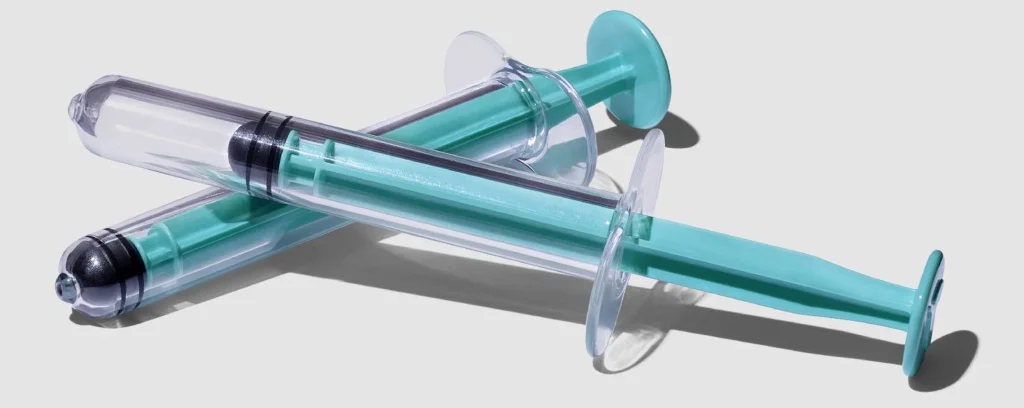
    Two transparent syringes with teal accents positioned diagonally on a light gray background.

    Understanding the Importance of Progesterone in Fertile Cervical Mucus

    On the other hand, high levels of progesterone can also have a negative impact on fertility. Too much progesterone can cause the mucus to become too thick, making it difficult for sperm to swim through. This can decrease the chances of fertilization and conception.

    Additionally, high levels of progesterone can also affect the timing of ovulation. If progesterone levels are too high, ovulation may be delayed, leading to a shorter fertile window and making it challenging to conceive.

    Progesterone and Infertility

    Understanding the role of progesterone in fertile cervical mucus can help in diagnosing and treating infertility. If a woman is having difficulty conceiving, her doctor may check her progesterone levels to determine if they are within the normal range.

    If low progesterone levels are detected, doctors may prescribe progesterone supplements to help support the uterine lining and increase the quality and quantity of cervical mucus. This can improve the chances of conception and reduce the risk of early pregnancy loss.

    However, it is essential to note that progesterone levels can fluctuate throughout the menstrual cycle and are affected by factors such as stress, diet, and exercise. It is crucial to work closely with a healthcare provider to monitor progesterone levels and determine the best course of treatment.

    In some cases, progesterone levels may be normal, but the body may not respond correctly to the hormone. This is known as progesterone resistance and can also affect fertility. In such cases, doctors may recommend a combination of fertility treatments, such as medications or assisted reproductive techniques, to help conceive.

    In Conclusion

    Progesterone plays a vital role in fertile cervical mucus and is essential for successful conception. It not only prepares the uterus for pregnancy but also influences the quality and quantity of mucus, which is crucial for sperm survival and fertilization.

    Low or high levels of progesterone can affect fertility and may require medical intervention to help conceive. It is essential to work closely with a healthcare provider to monitor progesterone levels and determine the best course of treatment for each individual case.

    Understanding the importance of progesterone in fertile cervical mucus can help women take control of their fertility and increase their chances of conceiving. By keeping progesterone levels in check, women can optimize their chances of a successful pregnancy and a healthy baby.

    SEO Metadata:

  • The Surprising Link Between Cervical Mucus and Sperm Motility: What You Need to Know

    Summary:

    When it comes to reproductive health and fertility, many factors play a role in the chances of conceiving. One surprising link that has been gaining more attention in recent years is the connection between cervical mucus and sperm motility. While cervical mucus may not seem like an important factor in fertility, it actually plays a crucial role in helping sperm reach and fertilize an egg.

    Cervical mucus is a fluid produced by the cervix that changes in consistency throughout a woman’s menstrual cycle. It serves as a protective barrier for the reproductive organs, helps sperm survive and swim towards the egg, and also provides important clues about a woman’s ovulation cycle. Sperm motility, on the other hand, refers to the ability of sperm to move and swim effectively. This is a crucial factor in successful fertilization.

    The link between cervical mucus and sperm motility lies in the composition of the mucus itself. As a woman’s body prepares for ovulation, the cervical mucus becomes thinner and more watery, allowing sperm to easily swim through it. This type of mucus, known as fertile cervical mucus, also contains high levels of certain proteins and enzymes that help sperm survive and navigate through the female reproductive tract. Without this fertile cervical mucus, sperm may struggle to reach and fertilize an egg.

    However, not all cervical mucus is created equal. In some cases, women may have conditions or hormonal imbalances that can affect the quality and quantity of their cervical mucus. For example, a hormonal imbalance can lead to a lack of fertile cervical mucus, making it difficult for sperm to reach the egg. Infections or certain medications can also alter the composition of cervical mucus, making it less hospitable for sperm.

    At-home insemination kit with ovulation and pregnancy tests, promoting fertility and family planning.

    The Surprising Link Between Cervical Mucus and Sperm Motility: What You Need to Know

    In addition to the quality of cervical mucus, timing also plays a crucial role in sperm motility and fertility. Cervical mucus is at its most fertile during ovulation, which is when an egg is released from the ovary. During this time, cervical mucus is thin, slippery, and stretchy, allowing sperm to easily travel through the cervix and into the uterus. This is why tracking ovulation and having intercourse during this time is often recommended for couples trying to conceive.

    On the other hand, if a woman has thicker, less fertile cervical mucus during ovulation, it can make it more difficult for sperm to reach the egg. This can result in a lower sperm count and reduced chances of fertilization. In some cases, this may also indicate an underlying issue with fertility, such as a blockage in the fallopian tubes.

    There are also certain lifestyle factors that can affect both cervical mucus and sperm motility. For example, smoking has been shown to decrease the amount of fertile cervical mucus and also negatively impact sperm motility. On the other hand, a healthy diet and regular exercise can help improve both cervical mucus and sperm quality.

    In conclusion, cervical mucus and sperm motility are closely linked and play a crucial role in fertility. Keeping track of ovulation and having intercourse during the most fertile times can increase the chances of successful fertilization. If you are struggling with fertility, it is important to pay attention to the quality and timing of your cervical mucus and consider consulting with a healthcare provider for further guidance.

    SEO metadata:

  • Improving Fertility: The Role of Cervical Mucus in Sperm Motility

    Blog Post:

    Fertility is a topic that is often surrounded by myths and misconceptions. Many couples struggle with conceiving, and it can be a frustrating and emotional journey. However, one factor that is often overlooked when it comes to fertility is the role of cervical mucus in sperm motility. In this blog post, we will discuss the importance of cervical mucus in fertility and how it can be improved to increase the chances of conception.

    What is Cervical Mucus?

    Cervical mucus, also known as cervical fluid, is a fluid secreted by the cervix located at the entrance of the uterus. It plays a crucial role in the reproductive system as it helps to protect and nourish the sperm as it travels through the female reproductive tract. Cervical mucus changes in consistency and texture throughout a woman’s menstrual cycle, influenced by hormones such as estrogen and progesterone.

    The Role of Cervical Mucus in Sperm Motility

    Sperm motility refers to the ability of sperm to swim and move through the female reproductive tract to reach the egg. Without proper motility, sperm cannot fertilize the egg, leading to difficulty conceiving. Cervical mucus plays a vital role in sperm motility by providing a conducive environment for sperm to swim and survive.

    During ovulation, when a woman is most fertile, the cervical mucus becomes thin, watery, and stretchy, resembling the consistency of egg whites. This type of mucus is known as fertile cervical mucus and is essential for sperm to survive and navigate through the female reproductive system. It also acts as a transport medium, helping sperm reach the egg more efficiently.

    On the other hand, during non-fertile times of the menstrual cycle, the cervical mucus is thicker and less favorable for sperm. This type of mucus acts as a barrier, making it difficult for sperm to pass through and reach the egg. Therefore, understanding and monitoring the changes in cervical mucus throughout the menstrual cycle is crucial for couples trying to conceive.

    mosie baby logo featuring a heart and leaves in blue, pink, and green colors.

    Improving Fertility: The Role of Cervical Mucus in Sperm Motility

    How to Improve Cervical Mucus for Better Fertility

    Many factors can affect the quality and quantity of cervical mucus, including age, hormonal imbalances, medications, diet, and lifestyle. However, there are ways to improve cervical mucus for better fertility. Here are some tips to consider:

    1. Stay Hydrated: Drinking enough water is essential for maintaining good cervical mucus production. When the body is dehydrated, cervical mucus becomes thicker, making it difficult for sperm to swim through.

    2. Avoid Certain Foods: Foods such as caffeine, alcohol, and processed foods can affect hormone levels and decrease cervical mucus production. It is best to limit these foods or avoid them altogether.

    3. Take Supplements: Certain supplements, such as evening primrose oil and vitamin C, can help improve the quality and quantity of cervical mucus. Consult with your doctor before taking any supplements.

    4. Use Pre-Seed Lubricant: Traditional lubricants can be harmful to sperm and decrease their motility. Pre-Seed lubricant is specifically designed to mimic fertile cervical mucus and can be used during intercourse to aid sperm in their journey.

    5. Consult with a Fertility Specialist: If you have been trying to conceive for a while without success, it is best to consult with a fertility specialist. They can perform tests to determine if there are any underlying issues affecting cervical mucus production and provide appropriate treatment.

    In summary, cervical mucus plays a crucial role in sperm motility and fertility. Understanding your menstrual cycle and monitoring changes in cervical mucus can increase your chances of conceiving. By following the tips mentioned above, you can improve the quality and quantity of cervical mucus and increase your chances of having a successful pregnancy.

  • Cervical Mucus and Sperm Motility: The Power Couple of Fertility

    Blog Post Title: Cervical Mucus and Sperm Motility: The Power Couple of Fertility

    Summary:

    Cervical mucus and sperm motility are two crucial components in the journey towards conception. These two factors work together to create the perfect environment for sperm to reach and fertilize the egg, making them the ultimate power couple of fertility.

    Cervical mucus, also known as cervical fluid, is a natural fluid produced by the cervix that plays a significant role in fertility. Its main function is to facilitate the movement of sperm through the female reproductive tract and protect them from the acidic environment of the vagina. The consistency and quality of cervical mucus change throughout a woman’s menstrual cycle, and these changes directly impact sperm motility.

    Sperm motility refers to the ability of sperm to swim and move effectively through the female reproductive tract. It is a crucial factor in fertility because sperm need to reach the egg within a specific timeframe to fertilize it. There are two types of sperm motility: progressive and non-progressive. Progressive motility refers to sperm that move forward in a straight line, while non-progressive motility refers to sperm that move in circles or do not move at all.

    at-home insemination kit by Mosie Baby, featuring syringes and containers for comfort and convenience.

    Cervical Mucus and Sperm Motility: The Power Couple of Fertility

    The relationship between cervical mucus and sperm motility is a critical one. During ovulation, the quality of cervical mucus changes to create a fertile environment for sperm. The mucus becomes thinner, clearer, and more stretchy, similar to the consistency of egg whites. This type of mucus, known as fertile cervical mucus, allows sperm to swim more freely and reach the egg more easily.

    In addition to providing a favorable environment for sperm, cervical mucus also helps to filter out abnormal or damaged sperm. This process is known as sperm selection and is crucial for successful fertilization. The mucus acts as a barrier, allowing only the healthiest and most viable sperm to pass through.

    The quality of sperm motility is also affected by the presence of cervical mucus. Studies have shown that fertile cervical mucus can significantly increase sperm motility, allowing them to reach the egg faster and with more efficiency. On the other hand, poor quality or hostile cervical mucus can hinder sperm motility and decrease the chances of conception.

    Several factors can affect the quality of cervical mucus and sperm motility. These include hormonal imbalances, certain medications, age, and lifestyle habits such as smoking and excessive alcohol consumption. It is crucial for both partners to maintain a healthy lifestyle and address any underlying health issues to optimize their chances of conception.

    In cases where cervical mucus quality is poor or absent, fertility treatments such as intrauterine insemination (IUI) or in vitro fertilization (IVF) can help bypass this barrier and improve the chances of fertilization. These treatments involve placing washed and concentrated sperm directly into the uterus or fallopian tubes, eliminating the need for sperm to swim through the cervix.

    In summary, cervical mucus and sperm motility are essential factors in fertility. They work together to create the ideal environment for sperm to reach and fertilize the egg. Understanding the relationship between these two factors and how they can be affected by various factors can help couples optimize their chances of conception.

  • Maximizing Your Chances of Conception: The Role of Cervical Mucus in Sperm Motility

    Maximizing Your Chances of Conception: The Role of Cervical Mucus in Sperm Motility

    Trying to conceive can be both an exciting and stressful time for couples. Many factors come into play when it comes to successful conception, including timing, lifestyle choices, and overall health. However, one crucial factor that often goes unnoticed is the role of cervical mucus in sperm motility.

    Cervical mucus is a fluid produced by the cervix, the narrow passage between the uterus and the vagina. It plays a vital role in the reproductive process by helping sperm survive and travel through the female reproductive system to fertilize an egg. In this blog post, we will dive into the details of how cervical mucus affects sperm motility and how you can maximize your chances of conception by understanding and optimizing this process.

    Understanding Cervical Mucus

    Before we discuss the role of cervical mucus in sperm motility, it is essential to understand its purpose and how it changes throughout a woman’s menstrual cycle. Cervical mucus is produced by the cervix in response to hormonal changes. It serves as a protective barrier for the sperm, providing an optimal environment for them to survive and swim towards the egg.

    During the first phase of the menstrual cycle, also known as the follicular phase, estrogen levels rise, causing the cervix to produce clear and stretchy mucus. This type of mucus is often referred to as “fertile mucus” as it allows sperm to swim easily through the cervix. As ovulation approaches, the amount of fertile mucus increases, creating a more hospitable environment for sperm.

    After ovulation, during the luteal phase, the cervix produces a thicker and stickier type of mucus that creates a barrier to sperm. This type of mucus is often referred to as “infertile mucus” and helps prevent bacteria and other substances from entering the uterus during this time.

    The Role of Cervical Mucus in Sperm Motility

    Sperm motility refers to the ability of sperm to move and swim through the female reproductive system to reach and fertilize an egg. Cervical mucus plays a crucial role in this process by providing a pathway for sperm to travel through the cervix and into the uterus.

    Fertile cervical mucus has a unique consistency that allows sperm to swim easily through it. It also provides the sperm with the necessary nutrients and electrolytes to maintain their energy levels and increase their chances of fertilization. Additionally, fertile mucus helps filter out abnormal or damaged sperm, ensuring that only the healthiest and strongest sperm can reach the egg.

    Timing is Key

    As mentioned earlier, the amount and consistency of cervical mucus change throughout a woman’s menstrual cycle. Therefore, timing intercourse around the presence of fertile mucus is crucial for successful conception. The most fertile window is a few days leading up to and including ovulation, as this is when the cervix produces the most fertile mucus.

    If you are trying to conceive, it is essential to track your menstrual cycle and monitor changes in your cervical mucus. This can be done by checking the consistency and color of your mucus daily and recording it in a fertility chart or using a fertility tracking app. By doing so, you can determine when you are most likely to ovulate and time intercourse accordingly.

    Factors That Affect Cervical Mucus and Sperm Motility

    Mosie Baby At-Home Insemination Kit instructions and storage guidelines on a blue background.

    Maximizing Your Chances of Conception: The Role of Cervical Mucus in Sperm Motility

    Several factors can affect the quality and quantity of cervical mucus, which, in turn, can impact sperm motility and fertility. These include:

    1. Hormonal imbalances: Any hormonal imbalances, such as low estrogen levels, can affect the production of fertile mucus, making it difficult for sperm to reach the egg.

    2. Age: As women age, the quality and quantity of cervical mucus tend to decrease, making it more challenging to conceive.

    3. Medications: Certain medications, such as antihistamines and decongestants, can dry up mucus and affect sperm motility.

    4. Lifestyle choices: Smoking, excessive alcohol consumption, and a poor diet can all impact cervical mucus and sperm motility.

    5. Underlying health conditions: Conditions like endometriosis, PCOS, and sexually transmitted infections can affect the quality of cervical mucus and sperm motility.

    Maximizing Your Chances of Conception

    Now that we understand the importance of cervical mucus in sperm motility let’s discuss some ways to optimize this process and maximize your chances of conception.

    1. Stay hydrated: Drinking plenty of water can help maintain the quality and quantity of cervical mucus, making it easier for sperm to travel through.

    2. Avoid harmful substances: As mentioned earlier, smoking and excessive alcohol consumption can dry up mucus and affect sperm motility. It is best to avoid these substances when trying to conceive.

    3. Consider fertility-friendly lubricants: Some lubricants can interfere with sperm motility and should be avoided when trying to conceive. Consider using fertility-friendly lubricants or natural alternatives like coconut oil.

    4. Talk to your doctor: If you have been trying to conceive for a while without success, it is essential to consult your doctor. They can perform tests to check your hormone levels and identify any underlying issues that may be affecting your cervical mucus and sperm motility.

    Conclusion

    In conclusion, cervical mucus plays a crucial role in sperm motility and ultimately, successful conception. By understanding how it changes throughout the menstrual cycle and how to optimize it, couples can maximize their chances of conceiving. Remember to stay hydrated, avoid harmful substances, and track your menstrual cycle to determine when you are most fertile. And if you are having trouble conceiving, don’t hesitate to seek medical advice.

    In summary, cervical mucus is a vital factor in the process of conception, as it helps sperm survive and swim towards the egg. Its quality and quantity change throughout a woman’s menstrual cycle, and timing intercourse around its presence is crucial for successful conception. Factors such as hormonal imbalances, age, and lifestyle choices can affect cervical mucus and sperm motility. By following the tips mentioned above and seeking medical advice if needed, couples can maximize their chances of conceiving.

  • Cervical Mucus and Sperm Motility: A Recipe for Fertility Success

    Cervical mucus and sperm motility are two key factors that play a crucial role in fertility. These two elements work together to create a recipe for fertility success, allowing for the successful conception of a healthy baby. In this blog post, we will explore the importance of cervical mucus and sperm motility in fertility, and how they work together to create the optimal conditions for conception.

    Cervical mucus is a fluid produced by the cervix that plays a vital role in the reproductive process. It serves as a protective barrier, keeping harmful bacteria and other substances out of the uterus. But, more importantly, cervical mucus also helps sperm reach the egg by providing them with a nourishing environment and guiding them through the cervix towards the fallopian tubes where fertilization takes place.

    The consistency and quality of cervical mucus change throughout a woman’s menstrual cycle, and this is due to hormonal fluctuations. During the beginning of the cycle, the mucus is thick and sticky, making it difficult for sperm to pass through. But as ovulation approaches, the levels of estrogen in the body increase, causing the mucus to become thinner and more watery. This type of mucus, known as “fertile mucus,” is the most conducive for sperm survival and mobility.

    Sperm motility, on the other hand, refers to the ability of sperm to move and swim towards the egg. This is a crucial factor in fertility because sperm need to travel through the female reproductive tract to reach the egg. Sperm with poor motility may not be able to make this journey successfully, leading to difficulty in conception.

    There are three types of sperm motility: progressive, non-progressive, and immotile. Progressive motility refers to sperm that are actively swimming in a straight line towards the egg. Non-progressive motility refers to sperm that are moving but not in a straight line, and immotile sperm are not moving at all. In order to successfully fertilize an egg, a high percentage of sperm must have progressive motility.

    Now, let’s take a closer look at how cervical mucus and sperm motility work together to create the perfect environment for fertilization. As mentioned earlier, cervical mucus helps sperm by providing them with a nourishing environment and guiding them through the cervix towards the fallopian tubes. But it also plays a crucial role in selecting the healthiest and most viable sperm.

    at-home insemination kit by Mosie Baby, featuring syringes, collection cups, and instructions on a pink background.

    Cervical Mucus and Sperm Motility: A Recipe for Fertility Success

    Fertile cervical mucus has a specific texture and consistency that allows healthy sperm to swim through it easily. This helps to filter out any weak or abnormal sperm, ensuring that only the strongest and healthiest sperm reach the egg. This is known as the “sperm selection process” and is a natural way for the body to ensure that only the best sperm fertilize the egg.

    In addition to providing a nourishing environment and selecting the healthiest sperm, cervical mucus also helps sperm to survive longer. Normally, sperm can only survive for a few hours in the female reproductive tract. However, fertile cervical mucus can provide a protective environment for sperm, allowing them to survive for up to 5 days. This is particularly important for women who are trying to conceive, as it gives the sperm a longer window of opportunity to fertilize the egg.

    Sperm motility is also crucial in this process, as sperm with poor motility may not be able to swim through the cervical mucus and reach the egg. This is why having a high percentage of sperm with progressive motility is essential for fertility success. The combination of fertile cervical mucus and healthy sperm with good motility creates the perfect environment for fertilization to occur.

    There are various factors that can affect cervical mucus and sperm motility, such as hormonal imbalances, certain medications, lifestyle choices, and age. For example, as women age, their cervical mucus may become less fertile, and men may experience a decrease in sperm motility. However, there are ways to improve both cervical mucus and sperm motility, such as maintaining a healthy diet, reducing stress levels, and avoiding harmful substances like alcohol and tobacco.

    In conclusion, cervical mucus and sperm motility are two essential components of fertility. They work together to create the perfect environment for fertilization, ensuring that only the healthiest sperm reach the egg. By understanding the role of cervical mucus and sperm motility in fertility, couples can take necessary steps to optimize these factors and increase their chances of conceiving a healthy baby.

    In summary, cervical mucus and sperm motility are key factors in fertility success. Cervical mucus, produced by the cervix, provides a nourishing environment, guides sperm towards the egg, and helps to select the healthiest sperm. Sperm motility, the ability of sperm to move and swim, is crucial in allowing sperm to reach the egg. Together, these two elements create the optimal conditions for fertilization, making them essential for couples trying to conceive.

  • The Dynamic Duo: Cervical Mucus and Its Impact on Sperm Motility

    The Dynamic Duo: Cervical Mucus and Its Impact on Sperm Motility

    When it comes to fertility and reproduction, there are many factors at play. One factor that is often overlooked but plays a crucial role is cervical mucus. This slippery, gel-like substance produced by the cervix may seem insignificant, but it actually plays a major role in sperm motility and overall fertility. In this blog post, we will explore the dynamic duo of cervical mucus and sperm motility, and how understanding their relationship can help couples trying to conceive.

    What is Cervical Mucus?

    Cervical mucus, also known as cervical fluid, is a natural substance produced by the cervix. It is primarily made up of water, along with trace amounts of sugars, proteins, and electrolytes. The amount and consistency of cervical mucus changes throughout a woman’s menstrual cycle under the influence of hormones, particularly estrogen. It is typically thicker and more acidic at the beginning of the cycle, acting as a barrier to sperm, and becomes thinner and more alkaline around ovulation, creating a more hospitable environment for sperm to swim through.

    The Role of Cervical Mucus in Fertility

    Cervical mucus plays a crucial role in fertility by helping sperm reach and fertilize the egg. Sperm are microscopic cells that need to travel a long distance through the female reproductive tract in order to reach the egg. The cervix is the gateway to the uterus, and cervical mucus acts as a key that can either open or close this gateway. During the fertile window, when a woman is most likely to conceive, cervical mucus becomes more watery and slippery, creating a hospitable environment for sperm to swim through. It also provides a protective shield, nourishing and protecting the sperm from the acidic and hostile environment of the vagina.

    The pH level of cervical mucus also plays a crucial role in fertility. Sperm thrive in an alkaline environment, and the more alkaline the cervical mucus is, the better the chances of sperm survival and motility. This is why the consistency and pH level of cervical mucus are important factors to consider when trying to conceive.

    Impact of Cervical Mucus on Sperm Motility

    two teal and clear syringes positioned on a white background

    The Dynamic Duo: Cervical Mucus and Its Impact on Sperm Motility

    Sperm motility refers to the ability of sperm to move and swim through the female reproductive tract towards the egg. This is a crucial factor in successful fertilization and pregnancy. Poor sperm motility is a common cause of male infertility, and the quality of cervical mucus can have a significant impact on this. As mentioned earlier, cervical mucus provides a hospitable environment for sperm to swim through. The thinner and more alkaline the mucus, the easier it is for sperm to move through it.

    Moreover, cervical mucus also contains enzymes that help break down barriers that may impede sperm’s movement. These enzymes, along with the slippery consistency of cervical mucus, help create a “swimming lane” for sperm, making it easier for them to reach the egg. On the other hand, if cervical mucus is thick and acidic, it can act as a barrier to sperm, making it difficult for them to reach the egg and decreasing the chances of fertilization.

    Cervical Mucus and Ovulation Tracking

    Understanding the changes in cervical mucus throughout the menstrual cycle can also be useful for tracking ovulation. As mentioned earlier, cervical mucus becomes thinner and more slippery around ovulation, and this is known as the “egg-white” cervical mucus. This type of mucus is considered the most fertile and indicates that ovulation is near. By tracking changes in cervical mucus, women can identify their most fertile days and time intercourse accordingly, increasing their chances of conception.

    How to Improve Cervical Mucus Quality

    For couples trying to conceive, it is important to have a healthy balance of cervical mucus. If the quality or quantity of cervical mucus is poor, it can affect fertility and decrease the chances of conception. Some ways to improve cervical mucus quality include staying hydrated, maintaining a healthy diet, and avoiding certain medications and products that can disrupt its production. Additionally, certain supplements and fertility treatments can also help improve cervical mucus quality.

    In conclusion, cervical mucus and sperm motility are a dynamic duo that plays a crucial role in fertility and conception. Understanding the relationship between the two can help couples trying to conceive by tracking ovulation, improving sperm motility, and increasing the chances of fertilization. By paying attention to cervical mucus and taking steps to improve its quality, couples can increase their chances of achieving their dream of starting a family.

    Summary:

    Cervical mucus, the gel-like substance produced by the cervix, plays a crucial role in fertility and conception. Its consistency and pH level change throughout a woman’s menstrual cycle, creating a hospitable environment for sperm to swim through during the fertile window. Cervical mucus also contains enzymes that help break down barriers and improve sperm motility. By understanding the relationship between cervical mucus and sperm motility, couples can track ovulation, improve sperm quality, and increase their chances of conception. Taking steps to improve cervical mucus quality, such as staying hydrated and maintaining a healthy diet, can also increase the chances of successful fertilization.

  • Cervical Mucus and Sperm Motility: Working Together for Fertility

    Cervical mucus and sperm motility are two key factors that play a crucial role in fertility. While both may seem like separate entities, they actually work together in a complex and coordinated manner to increase the chances of conception. In this blog post, we will dive into the details of how cervical mucus and sperm motility work together to enhance fertility.

    Cervical mucus, also known as cervical fluid, is a natural substance produced by the cervix. Its main function is to provide a protective and nourishing environment for sperm as they travel through the female reproductive system. Cervical mucus is made up of water, electrolytes, proteins, and carbohydrates, and its consistency and volume change throughout a woman’s menstrual cycle.

    During the beginning of the menstrual cycle, cervical mucus is thick and sticky, making it difficult for sperm to penetrate. This type of mucus acts as a barrier to prevent bacteria and other foreign substances from entering the uterus. As a woman approaches ovulation, the levels of estrogen in her body increase, causing the cervical mucus to become thinner and more watery. This type of mucus, known as fertile cervical mucus, is more conducive to sperm survival and mobility.

    The role of cervical mucus in fertility is crucial because it helps sperm to swim through the reproductive tract and reach the egg. Without fertile cervical mucus, sperm would not be able to survive for long in the acidic environment of the vagina. Additionally, the presence of cervical mucus helps to filter out abnormal sperm and only allows the healthiest sperm to reach the egg.

    On the other hand, sperm motility refers to the ability of sperm to move and swim in a coordinated manner. Sperm motility is essential for fertilization as it allows sperm to navigate through the female reproductive tract and reach the egg. There are two types of sperm motility: progressive and non-progressive. Progressive motility refers to the sperm’s ability to move in a straight line, while non-progressive motility refers to the sperm’s ability to move but not in a straight line.

    at-home insemination kit by Mosie Baby, featuring syringes, collection cups, and instructions on a pink background.

    Cervical Mucus and Sperm Motility: Working Together for Fertility

    Several factors can affect sperm motility, including genetics, lifestyle, and environmental factors. However, one of the most critical factors that can affect sperm motility is the quality and quantity of cervical mucus. As mentioned earlier, fertile cervical mucus provides a nourishing environment for sperm, allowing them to move more efficiently. Additionally, the thin consistency of fertile cervical mucus allows sperm to swim through it with less resistance, thereby increasing their chances of reaching the egg.

    Moreover, cervical mucus also plays a role in sperm capacitation, which is the process that prepares sperm for fertilization. During this process, the cervical mucus provides nutrients and enzymes that help to activate and mature the sperm, making them more capable of fertilizing an egg.

    In summary, cervical mucus and sperm motility work hand in hand to increase the chances of conception. Cervical mucus provides a protective and nourishing environment for sperm, while also filtering out abnormal sperm. At the same time, sperm motility allows sperm to navigate through the reproductive tract and reach the egg, with the help of the cervical mucus.

    While both cervical mucus and sperm motility are essential for fertility, there are some instances where they may be compromised. Factors like age, hormonal imbalances, certain medications, and health conditions can affect the production and quality of cervical mucus. Similarly, lifestyle choices like smoking, excessive alcohol consumption, and a poor diet can also affect sperm motility.

    If you and your partner are trying to conceive and are facing challenges, it is essential to consult a fertility specialist who can evaluate both partners’ fertility health. The specialist may recommend various treatments to improve cervical mucus production and sperm motility, such as hormone therapy, lifestyle changes, or assisted reproductive techniques like intrauterine insemination (IUI) or in vitro fertilization (IVF).

    In conclusion, cervical mucus and sperm motility are two essential factors that work together to enhance fertility. Understanding the role of cervical mucus and sperm motility in the conception process can help couples struggling with fertility to seek appropriate treatment and increase their chances of starting a family.