Tag: conception

  • Improving Sperm Motility: How Cervical Mucus Can Help

    Improving Sperm Motility: How Cervical Mucus Can Help

    When it comes to fertility and conception, one of the key factors is sperm motility. Sperm motility refers to the ability of sperm to move and swim towards the egg for fertilization. Low sperm motility can greatly reduce the chances of conception, making it a major concern for couples trying to conceive. However, there are ways to improve sperm motility, and one of them is through the help of cervical mucus. In this blog post, we will explore what cervical mucus is, how it affects sperm motility, and what steps can be taken to improve sperm motility through cervical mucus.

    What is Cervical Mucus?

    Cervical mucus is a fluid produced by the cervix, the lower part of the uterus. It plays a crucial role in the reproductive process, as it helps sperm reach and fertilize the egg. The consistency and quantity of cervical mucus change throughout a woman’s menstrual cycle, with the most fertile mucus being produced around the time of ovulation.

    How Cervical Mucus Affects Sperm Motility

    Cervical mucus not only provides a medium for sperm to swim through, but it also acts as a protective barrier for sperm. The acidic environment of the vagina can be harmful to sperm, but cervical mucus contains alkaline properties that help neutralize the acidity, creating a more favorable environment for sperm to survive. It also contains nutrients that can nourish and support sperm on their journey to the egg.

    Furthermore, cervical mucus plays a crucial role in sperm selection. The mucus acts as a filter, allowing only the healthiest and most motile sperm to pass through and reach the egg. This natural selection process helps ensure that only the strongest sperm have a chance at fertilizing the egg. This is particularly important for couples struggling with male factor infertility, as it increases the chances of a successful pregnancy.

    logo featuring a pink heart above two teal leaves on a blue circular background

    Improving Sperm Motility: How Cervical Mucus Can Help

    How to Improve Sperm Motility through Cervical Mucus

    1. Track your ovulation: As mentioned earlier, the quality and quantity of cervical mucus change throughout the menstrual cycle, with the most fertile mucus being produced around ovulation. By tracking your ovulation, you can time intercourse during the most fertile days, increasing the chances of sperm reaching the egg. Ovulation can be tracked through methods such as basal body temperature charting, ovulation predictor kits, and monitoring changes in cervical mucus.

    2. Stay hydrated: Dehydration can lead to thicker and less fertile cervical mucus, making it difficult for sperm to swim through. It is essential to stay hydrated by drinking plenty of water and other fluids to maintain a healthy level of cervical mucus.

    3. Avoid spermicides: Spermicides, such as certain lubricants and contraceptive gels, can be harmful to sperm and decrease their motility. It is best to avoid using these products when trying to conceive.

    4. Consider supplements: Certain supplements, such as mucolytics, can help thin out cervical mucus, making it easier for sperm to travel through. It is always best to consult with a doctor before taking any supplements, as they may interact with other medications or have adverse effects.

    5. Try fertility-friendly lubricants: While spermicides can be harmful to sperm, there are lubricants specifically designed to be fertility-friendly. These lubricants mimic the natural consistency and pH of cervical mucus, creating a more favorable environment for sperm.

    6. Seek medical help: If you have been actively trying to conceive for a year or more without success, it may be time to seek medical help. A fertility specialist can conduct tests to determine the cause of low sperm motility and provide personalized recommendations for improving it.

    In summary, cervical mucus plays a significant role in sperm motility and can greatly impact a couple’s chances of conceiving. By understanding the role of cervical mucus and taking steps to improve its quality, couples can increase their chances of successful conception. Tracking ovulation, staying hydrated, avoiding spermicides, considering supplements, using fertility-friendly lubricants, and seeking medical help are all ways to improve sperm motility through cervical mucus. So, if you are trying to conceive, don’t overlook the importance of cervical mucus and its role in sperm motility.


  • Decoding the Connection Between Cervical Mucus and Sperm Motility

    Decoding the Connection Between Cervical Mucus and Sperm Motility

    Cervical mucus and sperm motility are two crucial factors when it comes to fertility and conception. While many people may not give much thought to these bodily fluids, they play a significant role in the reproductive process. Understanding the connection between cervical mucus and sperm motility can provide valuable insights into fertility and may even help couples struggling with conception.

    In this blog post, we will delve into the details of cervical mucus and sperm motility, their individual functions, and the correlation between the two. We will explore how cervical mucus supports and enhances sperm motility, as well as how it affects fertility. So, let’s dive in and decode this important connection.

    What is Cervical Mucus?

    Cervical mucus is a fluid secreted by the cervix, the lower part of the uterus that connects to the vagina. It plays a crucial role in the reproductive process as it helps sperm travel through the female reproductive tract to reach the egg. The consistency of cervical mucus changes throughout a woman’s menstrual cycle due to hormonal fluctuations.

    At the beginning of the menstrual cycle, cervical mucus is thick and sticky, acting as a barrier to prevent bacteria and other harmful substances from entering the reproductive tract. As a woman approaches ovulation, the consistency of the cervical mucus changes to become more thin, stretchy, and watery. This type of mucus, also known as fertile cervical mucus, helps sperm swim more easily towards the egg.

    How Does Cervical Mucus Affect Fertility?

    Cervical mucus plays a significant role in fertility. Without it, sperm would not be able to reach the egg for fertilization. Additionally, the consistency of cervical mucus can indicate when a woman is most fertile. During ovulation, when the cervical mucus is thin and watery, sperm can survive and swim through it more easily.

    On the other hand, during the non-fertile phases of a woman’s menstrual cycle, the cervical mucus acts as a barrier, making it difficult for sperm to reach the egg. This is why tracking changes in cervical mucus can help women identify their most fertile days and increase their chances of conception.

    What is Sperm Motility?

    Mosie Baby Kit features a syringe and container, highlighting safety and usability tests on a blue background.

    Decoding the Connection Between Cervical Mucus and Sperm Motility

    Sperm motility refers to the ability of sperm to swim and move in a forward direction. It is a crucial factor for successful fertilization, as sperm must be able to swim through the female reproductive tract to reach the egg. Sperm motility is affected by various factors, including genetics, lifestyle, and environmental factors.

    Healthy sperm should have at least 40% motility, meaning that 40% of the sperm are moving in a forward direction. Low sperm motility can result in male infertility and can make it difficult for couples to conceive.

    The Connection Between Cervical Mucus and Sperm Motility

    The relationship between cervical mucus and sperm motility is a crucial aspect of fertility. Cervical mucus acts as a medium for sperm to swim through and reach the egg. Without the presence of cervical mucus, sperm would struggle to survive in the acidic environment of the female reproductive tract and would not be able to reach the egg.

    Furthermore, fertile cervical mucus has a similar consistency to that of semen, which helps sperm swim more easily. As sperm travel through the cervical mucus, they are nourished by the nutrients present in it, increasing their chances of survival and successful fertilization.

    The quality and amount of cervical mucus also play a role in sperm motility. If a woman has a low amount of fertile cervical mucus, sperm may not be able to swim through it effectively, reducing their chances of reaching the egg.

    How to Improve Sperm Motility Through Cervical Mucus

    There are several ways to improve sperm motility through cervical mucus. One of the most important factors is staying hydrated. Drinking plenty of water can help thin out cervical mucus, making it easier for sperm to swim through.

    Additionally, certain foods, such as fruits and vegetables, are known to improve the quality and consistency of cervical mucus. On the other hand, smoking, alcohol consumption, and exposure to toxins can harm the quality of cervical mucus and decrease sperm motility.

    In some cases, women may have a condition called hostile cervical mucus, where the cervical mucus is too thick and acidic, making it difficult for sperm to survive. In such cases, fertility treatments, such as intrauterine insemination (IUI), may be recommended to bypass the cervical mucus and improve the chances of conception.

    In summary, cervical mucus and sperm motility are two essential factors for fertility and conception. Cervical mucus provides a medium for sperm to swim through and nourishes them, while sperm motility is crucial for sperm to reach and fertilize the egg. Understanding the connection between the two and taking steps to improve their quality can greatly increase the chances of successful fertilization and conception.

  • Cervical Mucus and Sperm Motility: A Winning Combination for Conception

    Blog Post:

    Cervical mucus and sperm motility are two essential factors in achieving successful conception. Cervical mucus plays a vital role in the journey of sperm towards the egg, while sperm motility determines the ability of sperm to reach and fertilize the egg. When these two factors work together, they create a winning combination for conception.

    Cervical mucus is a fluid produced by the cervix that plays a crucial role in the reproductive process. It serves as a protective barrier for sperm, providing a nourishing environment for them to survive and swim towards the egg. Cervical mucus also acts as a filter, allowing only healthy and viable sperm to pass through and reach the egg.

    The quality and quantity of cervical mucus can vary throughout a woman’s menstrual cycle. It is influenced by hormones, especially estrogen, and can change in consistency and texture. During ovulation, when a woman is most fertile, cervical mucus becomes thin, slippery, and stretchy, resembling the consistency of egg whites. This change in cervical mucus is known as “fertile mucus” and is considered to be the most conducive environment for sperm to survive and swim towards the egg.

    Sperm motility, on the other hand, refers to the ability of sperm to move and swim towards the egg. This is crucial for the sperm to reach the egg and fertilize it. Sperm motility is affected by various factors such as age, diet, lifestyle, and underlying medical conditions. The healthier the sperm, the better their motility, and the higher the chances of successful conception.

    When cervical mucus and sperm motility work together, they create a winning combination for conception. The fertile mucus provides a nourishing environment for sperm to survive and swim towards the egg, while sperm motility ensures that the sperm can reach and fertilize the egg successfully.

    It is essential to understand the role of both cervical mucus and sperm motility in the conception process to increase the chances of pregnancy. Here are some ways to improve both factors:

    guide and materials for using Mosie Baby fertility kit on a textured surface

    Cervical Mucus and Sperm Motility: A Winning Combination for Conception

    1. Track your ovulation: Knowing when you ovulate can help you time intercourse during your most fertile days when cervical mucus is at its peak and sperm motility is optimal.

    2. Stay hydrated: Drinking plenty of water can improve the quality and quantity of cervical mucus. It also helps in keeping sperm well hydrated, increasing their motility.

    3. Maintain a healthy diet: A balanced and nutritious diet can improve the quality of cervical mucus and sperm. Incorporate foods rich in antioxidants, vitamins, and minerals to support reproductive health.

    4. Avoid toxic substances: Exposure to toxins such as alcohol, tobacco, and drugs can harm sperm motility and reduce the quality of cervical mucus. It is best to avoid these substances when trying to conceive.

    5. Consider fertility supplements: Certain supplements like folic acid, zinc, and CoQ10 have shown to improve sperm motility and cervical mucus quality. Consult with your doctor before taking any supplements.

    In conclusion, cervical mucus and sperm motility are two crucial factors in the conception process. When they work together, they create a winning combination for successful conception. By understanding the role of these factors and taking steps to improve them, you can increase your chances of achieving pregnancy.

    Summary:

    Cervical mucus and sperm motility are essential factors in the journey towards conception. Cervical mucus acts as a protective barrier and filter for sperm, while sperm motility determines their ability to reach and fertilize the egg. When these two factors work together, they create a winning combination for successful conception. To improve cervical mucus and sperm motility, it is essential to track ovulation, stay hydrated, maintain a healthy diet, avoid toxic substances, and consider fertility supplements.

  • The Role of Cervical Mucus in Sperm Motility: What Every Couple Should Know

    Title: The Role of Cervical Mucus in Sperm Motility: What Every Couple Should Know

    Cervical mucus may not be a topic that many people are comfortable discussing, but it plays a crucial role in fertility and conception. This fluid, produced by the cervix, is often overlooked but it is essential for successful sperm motility and fertilization. Understanding the role of cervical mucus can greatly increase your chances of getting pregnant and help you and your partner navigate the journey to parenthood. In this blog post, we will discuss what cervical mucus is, its function in sperm motility, and how to improve its quality for optimal fertility.

    What is Cervical Mucus?

    Cervical mucus is a clear or milky fluid that is produced by the cervix, the lower part of the uterus. It is also known as cervical fluid, cervical discharge, or simply, mucus. The consistency, texture, and amount of cervical mucus can vary throughout a woman’s menstrual cycle due to hormonal changes. At different stages of the cycle, the mucus may be thin, thick, sticky, or stretchy. These changes are influenced by estrogen and progesterone levels, which are responsible for preparing the body for pregnancy.

    The Function of Cervical Mucus in Sperm Motility

    The main function of cervical mucus is to help sperm travel through the female reproductive system to reach the egg for fertilization. The mucus acts as a protective barrier, filtering out unhealthy or slow-moving sperm, and allowing only the healthiest and fastest sperm to pass through. It also provides a nourishing environment for sperm, keeping them alive and active as they make their way to the egg.

    Cervical mucus also plays a crucial role in sperm motility, which refers to the sperm’s ability to swim and move effectively. Mucus that is too thick or acidic can hinder sperm movement, making it difficult for them to reach the egg. On the other hand, mucus that is too thin or watery can dilute the sperm, reducing their chances of fertilizing an egg. Therefore, the quality of cervical mucus is essential for successful sperm motility and conception.

    Baby wearing a blue shirt with "made with Love" text, surrounded by colorful floral and butterfly designs.

    The Role of Cervical Mucus in Sperm Motility: What Every Couple Should Know

    How to Improve Cervical Mucus Quality for Optimal Fertility

    If you and your partner are trying to conceive, it is essential to understand the importance of cervical mucus and how to improve its quality for optimal fertility. Here are a few tips to help you achieve this:

    1. Stay Hydrated: Drinking plenty of water can help improve the quality of your cervical mucus. Dehydration can lead to thicker, stickier mucus, making it difficult for sperm to swim through.

    2. Eat a Balanced Diet: A diet rich in fruits, vegetables, and healthy fats can contribute to better cervical mucus quality. These foods contain essential nutrients that can influence hormone levels and improve mucus production.

    3. Avoid Certain Products: Some products, such as lubricants, spermicides, and even some types of birth control, can affect the quality of cervical mucus. It is best to avoid these when trying to conceive.

    4. Time Intercourse Wisely: Knowing your most fertile days can greatly increase your chances of getting pregnant. Cervical mucus is typically thin, slippery, and stretchy around ovulation, making it easier for sperm to reach the egg. Tracking your menstrual cycle and monitoring changes in your cervical mucus can help determine the best time to have intercourse.

    5. Seek Medical Help: If you have been trying to conceive for a year without success, it may be time to consult a fertility specialist. They can perform tests to determine the quality of your cervical mucus and suggest ways to improve it.

    In conclusion, cervical mucus plays a vital role in sperm motility and conception. Understanding its function and how to improve its quality can greatly increase your chances of getting pregnant. By staying hydrated, eating a balanced diet, avoiding certain products, timing intercourse wisely, and seeking medical help if needed, you and your partner can work together to optimize your fertility. So, don’t overlook the importance of cervical mucus in your journey to parenthood.

  • Maximizing Fertility: Understanding the Relationship Between Cervical Mucus and Sperm Motility

    Blog Post Title: Maximizing Fertility: Understanding the Relationship Between Cervical Mucus and Sperm Motility

    Summary: Fertility is a complex and sensitive topic for many couples trying to conceive. While there are various factors that can affect fertility, one important aspect to consider is the relationship between cervical mucus and sperm motility. Cervical mucus is a substance produced by the cervix that plays a crucial role in helping sperm reach and fertilize the egg. In this blog post, we will explore the connection between cervical mucus and sperm motility and discuss how to maximize fertility through understanding and managing these factors.

    Firstly, it’s important to understand the role of cervical mucus in the reproductive process. Cervical mucus acts as a protective barrier for sperm, helping them to survive and swim towards the egg. It also provides a hospitable environment for sperm, creating a pH balance that is favorable for their survival. Without the presence of cervical mucus, sperm would not be able to reach the egg and fertilize it.

    The quality and quantity of cervical mucus can vary throughout a woman’s menstrual cycle. During the non-fertile phase, the mucus is typically thick and acidic, making it difficult for sperm to survive. However, as a woman approaches ovulation, the mucus becomes thinner, clearer, and more alkaline, creating a better environment for sperm to thrive. This is known as the fertile window, and it is the best time for couples to try to conceive.

    at-home insemination kit with syringes, collection cups, and instructions on a pink background

    Maximizing Fertility: Understanding the Relationship Between Cervical Mucus and Sperm Motility

    Now, let’s dive into the relationship between cervical mucus and sperm motility. Sperm motility refers to the ability of sperm to swim and move efficiently towards the egg. The quality and quantity of cervical mucus can greatly impact sperm motility. Thick and acidic mucus can hinder sperm movement, while thin and alkaline mucus can support and enhance it.

    To maximize fertility, it is crucial to understand and track your cervical mucus throughout your cycle. One way to do this is through the cervical mucus method, which involves observing and recording the changes in the consistency and color of your mucus. By tracking these changes, you can identify your fertile window and time intercourse accordingly.

    In addition to tracking cervical mucus, there are other ways to improve sperm motility and increase the chances of conception. Maintaining a healthy lifestyle is key, as factors such as smoking, excessive alcohol consumption, and poor nutrition can negatively impact sperm quality and motility. Regular exercise, a balanced diet, and stress management can all contribute to improving sperm motility.

    For couples struggling with fertility issues, there are also medical interventions available. Intrauterine insemination (IUI) and in vitro fertilization (IVF) are common procedures that can increase the chances of conception by bypassing any issues with sperm motility or cervical mucus.

    In conclusion, understanding the relationship between cervical mucus and sperm motility is crucial for maximizing fertility. By tracking and managing these factors, couples can increase their chances of conceiving and starting a family. Remember to maintain a healthy lifestyle, track your cervical mucus, and seek medical assistance if needed. With the right knowledge and steps, you can improve your chances of achieving a successful pregnancy.

  • Cervical Mucus: The Key to Unlocking Successful Sperm Motility

    Cervical mucus, a natural secretion produced by the cervix, plays a crucial role in the process of conception. While it may seem like a simple bodily fluid, cervical mucus actually serves as a key factor in successful sperm motility. In this blog post, we will discuss the importance of cervical mucus, how it affects sperm movement, and how understanding and tracking it can increase your chances of getting pregnant.

    The Role of Cervical Mucus in Conception

    Cervical mucus, also known as cervical fluid, is produced by the cells in the cervix and is influenced by hormonal changes throughout the menstrual cycle. Its main function is to provide a conducive environment for sperm to travel through the cervix and into the uterus.

    During most of the menstrual cycle, cervical mucus is thick and sticky, making it difficult for sperm to pass through. However, as a woman approaches ovulation, the hormone estrogen causes the cervical mucus to become thinner and more watery, creating a more hospitable environment for sperm to swim through. This is known as fertile cervical mucus and it is a crucial factor in conception.

    How Cervical Mucus Affects Sperm Motility

    Sperm motility refers to the movement of sperm, which is essential for fertilization to occur. Without the help of cervical mucus, sperm would have a difficult time reaching the egg. The cervical mucus serves as a protective barrier, shielding sperm from the acidic environment of the vagina and providing them with the necessary nutrients to survive and move towards the egg.

    In addition to providing a nourishing environment, cervical mucus also acts as a sort of roadmap for sperm. The consistency and quality of the cervical mucus can guide sperm towards the egg, helping them navigate through the cervix and into the uterus.

    Understanding and Tracking Cervical Mucus

    Now that we understand the importance of cervical mucus in conception, it is essential to know how to track and interpret it. The consistency and appearance of cervical mucus can change throughout the menstrual cycle, and the changes can indicate fertility levels.

    After a woman’s period ends, she may experience a few days of dryness, where there is little to no cervical mucus present. As she approaches ovulation, the cervical mucus becomes thinner, clearer, and more stretchy. This is known as the egg white cervical mucus (EWCM) and is the most fertile type of cervical mucus. Ovulation occurs when EWCM is present, and it typically lasts for about 2-3 days.

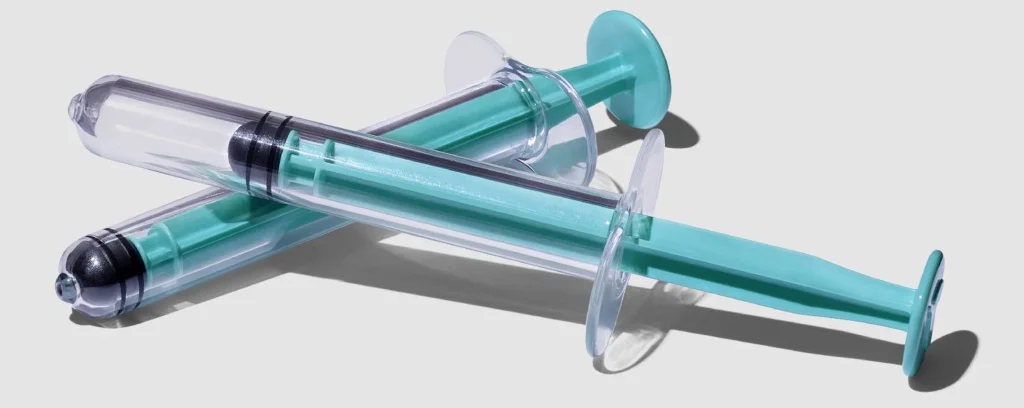
    Two transparent syringes with teal accents positioned diagonally on a light gray background.

    Cervical Mucus: The Key to Unlocking Successful Sperm Motility

    After ovulation, the cervical mucus returns to a thicker, stickier consistency, making it difficult for sperm to pass through. This is known as the infertile phase of the menstrual cycle. By tracking changes in cervical mucus, a woman can determine her most fertile days and time intercourse accordingly, increasing the chances of sperm reaching the egg and fertilization occurring.

    Tools for Tracking Cervical Mucus

    There are several methods for tracking cervical mucus, and it is essential to find the one that works best for you. The most popular methods include:

    1. Observing and recording the consistency and appearance of cervical mucus daily on a fertility chart.

    2. Using fertility tracking apps that allow you to input the information and track changes in cervical mucus over time.

    3. Using ovulation predictor kits (OPKs) that detect the rise in luteinizing hormone (LH) in the urine, indicating ovulation is about to occur.

    4. Using a fertility monitor that tracks multiple fertility signs, including cervical mucus, to determine the most fertile days.

    By using one of these methods, you can gain a better understanding of your menstrual cycle and your most fertile days, increasing the chances of successful sperm motility and conception.

    In Conclusion

    Cervical mucus is often overlooked, but it plays a crucial role in the process of conception. By understanding the changes in cervical mucus throughout the menstrual cycle and tracking it, couples can increase their chances of successful sperm motility and ultimately, pregnancy. Whether you are trying to conceive or simply want to better understand your body, paying attention to your cervical mucus can provide valuable insights and help you achieve your fertility goals.

  • The Impact of Cervical Mucus on Sperm Motility: Exploring the Connection

    Summary:

    Cervical mucus, a fluid secreted by the cervix, plays a crucial role in fertility and conception. While it may seem like a simple bodily fluid, cervical mucus actually has a complex composition that can greatly impact sperm motility and ultimately, the success of conception. In this blog post, we will explore the connection between cervical mucus and sperm motility, and how understanding this relationship can help couples trying to conceive.

    Firstly, it is important to understand the role of cervical mucus in fertility. The main function of cervical mucus is to act as a protective barrier for the cervix and the reproductive organs. It also serves as a medium for sperm transport, helping them reach the fallopian tubes where fertilization occurs. Cervical mucus also undergoes changes throughout a woman’s menstrual cycle, which are largely influenced by hormones.

    One of the key factors that affect sperm motility is the consistency and quality of cervical mucus. During ovulation, when a woman is most fertile, cervical mucus becomes thin and stretchy, resembling the consistency of egg whites. This type of mucus, known as fertile cervical mucus, is ideal for sperm to swim through and reach the egg. It provides them with the necessary nutrients and protection, and also helps to filter out abnormal or damaged sperm.

    On the other hand, during the rest of the menstrual cycle, cervical mucus is thicker and more acidic, making it difficult for sperm to survive. This is because the acidic environment is designed to protect the reproductive organs from harmful bacteria and pathogens. However, the acidic nature of cervical mucus can also hinder sperm motility, making it harder for them to reach the egg.

    Mosie Baby pregnancy test kit with two tests and packaging, featuring a mint green color scheme.

    The Impact of Cervical Mucus on Sperm Motility: Exploring the Connection

    In addition to consistency and acidity, the quantity of cervical mucus also plays a role in sperm motility. A lack of fertile cervical mucus can make it difficult for sperm to swim through the cervix and reach the egg. This can be caused by various factors such as hormonal imbalances, certain medications, or underlying health conditions. It is important for women to track their cervical mucus changes throughout their menstrual cycle to determine their most fertile days.

    Moreover, studies have shown that the presence of certain proteins and enzymes in cervical mucus can also affect sperm motility. For example, the enzyme hyaluronidase, which is found in fertile cervical mucus, helps to break down the thick protein coating around sperm, allowing them to swim more freely. Additionally, the protein ZP3, found in the zona pellucida of the egg, may interact with sperm and influence their motility.

    Furthermore, cervical mucus can also be affected by lifestyle factors such as diet and stress. A diet high in processed foods and low in nutrients can lead to changes in cervical mucus consistency and quality. Similarly, chronic stress can disrupt hormone levels and affect cervical mucus production, making it harder for sperm to reach the egg.

    So, what does all this mean for couples trying to conceive? Understanding the impact of cervical mucus on sperm motility can help couples identify potential issues that may be hindering their chances of conception. If a woman is experiencing a lack of fertile cervical mucus or has an acidic environment, there are various fertility-friendly lubricants and supplements available that can help improve sperm motility. Additionally, making lifestyle changes such as eating a healthy diet and managing stress can also positively impact cervical mucus production.

    In conclusion, cervical mucus is a vital component in the journey towards conception. It not only serves as a protective barrier for the reproductive organs but also plays a crucial role in sperm motility. By understanding the connection between cervical mucus and sperm, couples can take proactive steps to improve their chances of conceiving.

  • The Intricate Dance of Cervical Mucus and Sperm Motility

    The Intricate Dance of Cervical Mucus and Sperm Motility: A Detailed Look at Fertility and Conception

    When it comes to fertility and conception, there are many factors at play. From hormone levels to egg quality, everything must align perfectly for a successful pregnancy to occur. One crucial component that often goes unnoticed is the intricate dance between cervical mucus and sperm motility. In this blog post, we will dive deep into this fascinating process and explore how it affects fertility and conception.

    Understanding Cervical Mucus

    Cervical mucus is a fluid produced by the cervix that plays a vital role in the reproductive process. It is a clear, gel-like substance that lines the walls of the cervix and changes in consistency and amount throughout a woman’s menstrual cycle. The purpose of cervical mucus is to create a hospitable environment for sperm to travel through and reach the egg.

    During the first phase of the menstrual cycle, the follicular phase, estrogen levels rise, causing the cervix to produce more mucus. This mucus is watery and thin, allowing sperm to swim easily through it. As ovulation approaches, estrogen levels peak, and the mucus becomes stretchy and clear, resembling the consistency of egg whites. This type of mucus is called fertile cervical mucus, and it is the most conducive to sperm survival and motility.

    The Role of Sperm Motility

    Sperm motility refers to the ability of sperm to swim and move towards the egg. It is a crucial factor in fertility as it determines whether sperm can reach and fertilize an egg. Sperm motility is affected by various factors, including genetics, lifestyle, and environmental factors. However, the quality and quantity of cervical mucus play a significant role in sperm motility.

    The Journey of Sperm through Cervical Mucus

    Once released into the vagina during intercourse, sperm must navigate their way through the cervical mucus to reach the egg. The thick, watery mucus produced during the follicular phase makes it difficult for sperm to swim through. However, as ovulation approaches, the fertile cervical mucus provides the perfect environment for sperm to thrive.

    The stretchy and clear consistency of fertile cervical mucus creates a channel for sperm to swim through, protecting them from the acidic environment of the vagina. The mucus also acts as a filter, only allowing healthy and viable sperm to pass through.

    Baby with blue eyes wearing a light blue onesie that says "made with Love" on a soft white background.

    The Intricate Dance of Cervical Mucus and Sperm Motility

    The Importance of Timing

    Timing is crucial when it comes to the intricate dance between cervical mucus and sperm motility. A woman is most fertile during the days leading up to and including ovulation. This is when the cervical mucus is at its most fertile, providing the best environment for sperm to travel through.

    If sperm is released too early or too late in a woman’s cycle, it may not survive long enough to fertilize the egg. This is why tracking ovulation and knowing when you are most fertile is essential for couples trying to conceive.

    Factors That Affect Cervical Mucus and Sperm Motility

    Several factors can affect the quality and quantity of cervical mucus and sperm motility. These include hormonal imbalances, certain medications, smoking, excessive alcohol consumption, and exposure to toxins. It is important to address these factors to optimize fertility and increase the chances of conception.

    Improving Cervical Mucus and Sperm Motility

    If you are trying to conceive, there are several things you can do to improve cervical mucus and sperm motility. These include maintaining a healthy weight, quitting smoking, limiting alcohol intake, and avoiding environmental toxins. Additionally, staying hydrated, consuming a nutrient-rich diet, and taking supplements such as folic acid and zinc can also improve the quality of cervical mucus and sperm motility.

    In some cases, couples may need medical intervention to address issues with cervical mucus and sperm motility. Fertility treatments such as intrauterine insemination (IUI) or in vitro fertilization (IVF) can help overcome these challenges and increase the chances of conception.

    Summary:

    Cervical mucus and sperm motility play a crucial role in the fertility and conception process. Cervical mucus provides a hospitable environment for sperm to travel through, while sperm motility determines their ability to reach and fertilize the egg. Tracking ovulation and understanding the changes in cervical mucus throughout the menstrual cycle can help couples optimize their chances of conceiving. Factors such as hormonal imbalances, lifestyle choices, and exposure to toxins can affect the quality of cervical mucus and sperm motility, but making healthy lifestyle choices and seeking medical intervention when necessary can help improve these factors.

  • Improving Your Chances of Conception: Cervical Mucus and Sperm Motility

    Are you and your partner trying to conceive but having difficulty getting pregnant? There are many factors that can affect fertility, and one important aspect to consider is cervical mucus and sperm motility. In this blog post, we will discuss the role of cervical mucus and sperm motility in conception and explore ways to improve them to increase your chances of getting pregnant.

    Cervical mucus is a fluid secreted by the cervix that plays a crucial role in the reproductive process. It helps to nourish and protect sperm, as well as create a hospitable environment for them to swim through. The consistency and quality of cervical mucus can greatly impact the success of conception. For example, if the mucus is too thick, it can make it difficult for sperm to swim through and reach the egg. On the other hand, if the mucus is too thin or watery, it may not provide enough nourishment for the sperm to survive long enough to fertilize the egg.

    Similarly, sperm motility, which refers to the ability of sperm to move and swim, is essential for conception. Sperm with poor motility may not be able to reach the egg in time, reducing the chances of fertilization. Therefore, both cervical mucus and sperm motility are crucial factors to consider when trying to conceive.

    So, how can you improve your chances of conception by optimizing your cervical mucus and sperm motility? Here are some tips to consider:

    1. Stay hydrated: Drinking plenty of water can help improve the quality and consistency of cervical mucus. Dehydration can lead to thicker, stickier mucus, making it harder for sperm to swim through. Aim to drink at least eight glasses of water a day to keep your body well-hydrated.

    2. Eat a healthy diet: A balanced and nutritious diet is essential for overall health, including reproductive health. Include plenty of fruits, vegetables, whole grains, and lean proteins in your meals. Foods rich in vitamin C, zinc, and folic acid can help improve sperm motility and overall fertility.

    sperm-ready insemination kit with a syringe and container, featuring a screw top lid and non-tip safety wall

    Improving Your Chances of Conception: Cervical Mucus and Sperm Motility

    3. Avoid harmful substances: Smoking, excessive alcohol consumption, and drug use can all have a negative impact on fertility. These substances can affect sperm motility and the quality of cervical mucus. If you are trying to conceive, it is best to avoid these harmful substances altogether.

    4. Time intercourse correctly: Knowing your ovulation cycle can greatly increase your chances of conception. Cervical mucus is typically most fertile and conducive to sperm survival during ovulation. Therefore, timing intercourse around this period can improve the chances of fertilization.

    5. Consider using fertility-friendly lubricants: Most commercial lubricants can be harmful to sperm and may impede their movement. If you need to use lubricants, consider using fertility-friendly options such as Pre-Seed or Conceive Plus, which mimic the consistency and pH of cervical mucus and help sperm swim better.

    6. Consult a doctor: If you have been trying to conceive for a while without success, it may be a good idea to consult a doctor. They can perform tests to assess your cervical mucus quality and sperm motility and provide guidance on how to improve them.

    In conclusion, cervical mucus and sperm motility are crucial factors in the conception process. By taking steps to improve their quality and consistency, you can increase your chances of getting pregnant. Remember to stay hydrated, eat a healthy diet, avoid harmful substances, time intercourse correctly, and consider using fertility-friendly lubricants. And if you are facing fertility challenges, consult a doctor for further guidance.

    Improving your chances of conception may take time, patience, and effort, but by focusing on the health of your cervical mucus and sperm motility, you can increase your chances of starting a family. Best of luck on your journey to parenthood!

  • The Role of Cervical Mucus in Sperm Motility: A Comprehensive Guide

    Summary:

    hands using a blue syringe to extract contents from a clear container for a home insemination kit

    The Role of Cervical Mucus in Sperm Motility: A Comprehensive Guide

    Cervical mucus plays a crucial role in sperm motility, which is the ability of sperm to move and reach the egg for fertilization. In this comprehensive guide, we will discuss the importance of cervical mucus, its composition, and how it affects sperm motility. We will also explore various factors that can affect cervical mucus and provide tips on how to optimize it for successful conception.