Tag: conception

  • Boosting Fertility at Home: The Ultimate Conception Support Kit

    Are you and your partner trying to conceive but facing challenges? You’re not alone. Infertility affects millions of couples worldwide. While there are various medical treatments available, there are also natural ways to boost fertility at home. In this blog post, we’ll explore the ultimate conception support kit, consisting of various tools and techniques that can help increase your chances of getting pregnant.

    Before we dive into the specifics, it’s important to understand the factors that can affect fertility. These include age, hormonal imbalances, certain medical conditions, and lifestyle factors such as diet and stress. By addressing these factors and incorporating the following items into your daily routine, you can create a powerful fertility support kit to aid in your journey towards conception.

    1. Fertility Tracking Apps
    One of the first steps in boosting fertility is understanding your menstrual cycle. Fertility tracking apps, such as Glow and Clue, can help you keep track of your periods, ovulation, and fertile window. These apps also allow you to log other relevant information, such as your basal body temperature and cervical mucus, to provide a more accurate prediction of ovulation. By knowing your fertile window, you can time intercourse accordingly, increasing your chances of conception.

    2. Ovulation Predictor Kits
    For a more precise determination of ovulation, you can use ovulation predictor kits (OPKs). These kits detect the presence of luteinizing hormone (LH) in your urine, which surges just before ovulation. By testing daily around the time of ovulation, you can pinpoint the exact day you are most likely to conceive.

    3. Essential Oils
    Certain essential oils have been known to support fertility and hormone balance. Examples include clary sage, geranium, and ylang-ylang. These oils can be diffused, added to a bath, or diluted and applied to the skin. They can help reduce stress, regulate hormones, and promote relaxation, creating a favorable environment for conception.

    4. Herbal Teas
    Herbal teas have been used for centuries to support reproductive health. Some popular options for boosting fertility include red raspberry leaf, nettle leaf, and peppermint. These teas are rich in antioxidants and can help regulate hormones and improve overall reproductive function. Just be sure to consult with your doctor before incorporating any new herbal teas into your routine, especially if you are taking any medications.

    5. Supplements
    Certain vitamins and minerals are essential for reproductive health and can be taken as supplements to boost fertility. These include folic acid, zinc, and vitamin D. Folic acid is crucial for fetal development and can help prevent birth defects. Zinc is essential for sperm production and can improve sperm quality. Vitamin D is necessary for hormonal balance and can help regulate menstrual cycles. Be sure to consult with your doctor before taking any new supplements, as they may interact with other medications.

    at-home insemination kit featuring a syringe and container for fresh or donor sperm conception

    Boosting Fertility at Home: The Ultimate Conception Support Kit

    6. Healthy Diet
    Eating a healthy, balanced diet is crucial for fertility. Avoid processed foods and focus on whole, nutrient-dense foods. Incorporate plenty of fruits, vegetables, lean protein, and healthy fats into your meals. Some foods that are particularly beneficial for fertility include leafy greens, avocados, salmon, and eggs. These foods are rich in vitamins, minerals, and antioxidants that can help regulate hormones and improve overall reproductive function.

    7. Regular Exercise
    Regular physical activity not only promotes overall health, but it can also improve fertility. Exercise helps reduce stress, regulate hormones, and maintain a healthy weight, all of which can contribute to a favorable environment for conception. Aim for at least 30 minutes of moderate exercise, such as brisk walking or yoga, most days of the week.

    8. Stress Management
    Stress can have a significant impact on fertility. When we are stressed, our bodies produce high levels of cortisol, which can interfere with reproductive hormones. Finding ways to manage stress, such as meditation, yoga, or counseling, can help reduce cortisol levels and create a more conducive environment for conception.

    9. Acupuncture
    Acupuncture, a traditional Chinese medicine practice, has been shown to be beneficial for fertility. It involves the insertion of thin needles into specific points on the body to stimulate energy flow. This can help regulate hormones, improve blood flow, and reduce stress, all of which can contribute to increased fertility.

    10. Fertility Massage
    Fertility massage is a type of abdominal massage that is specifically designed to support reproductive health. It involves gentle, targeted movements to improve blood flow and stimulate the reproductive organs. Fertility massage can help regulate hormones, improve egg quality, and increase the chances of conception.

    By incorporating these items into your daily routine, you can create a powerful conception support kit to boost fertility and increase your chances of getting pregnant naturally. Remember to consult with your doctor before trying any new methods, and be patient and kind to yourself as you embark on this journey. With the right tools and techniques, you can increase your chances of conceiving and welcome a new addition to your family.

    In summary, boosting fertility at home involves addressing factors that can affect fertility, such as age, hormonal imbalances, and lifestyle. By incorporating fertility tracking apps, ovulation predictor kits, essential oils, herbal teas, supplements, a healthy diet, regular exercise, stress management techniques, acupuncture, and fertility massage into your daily routine, you can create a powerful conception support kit to aid in your journey towards conception.

  • The Non-Invasive Insemination Process: Step-by-Step Guide for Couples in Their 30s

    Summary:

    Couples in their 30s who are struggling with fertility issues may turn to non-invasive insemination as a way to conceive. This process involves using donated sperm to fertilize the woman’s egg without the need for surgery or invasive procedures. In this step-by-step guide, we will walk through the non-invasive insemination process and provide helpful tips for couples in their 30s who are considering this option.

    Step 1: Consultation with a Fertility Specialist

    The first step in the non-invasive insemination process is to schedule a consultation with a fertility specialist. This doctor will review your medical history and perform any necessary tests to determine if you are a good candidate for insemination. They will also discuss the different methods of insemination and help you decide which one is best for you.

    Step 2: Choose a Donor

    Once you have decided to move forward with non-invasive insemination, you will need to choose a sperm donor. This can be done through a sperm bank or through a known donor, such as a friend or family member. It’s important to thoroughly screen the donor for any genetic or health issues, and to ensure that they have been properly tested for sexually transmitted infections.

    Step 3: Ovulation Monitoring

    Before insemination can occur, the woman’s ovulation must be closely monitored. This can be done through at-home ovulation kits or through ultrasounds at the fertility clinic. It’s important to time the insemination correctly to increase the chances of success.

    Step 4: Preparation for Insemination

    On the day of insemination, the woman will need to prepare her body by taking ovulation-inducing medication or receiving hormone injections. This will help to stimulate the production of eggs and increase the chances of conception.

    Step 5: Insemination Procedure

    at-home insemination kit by Mosie Baby, featuring syringes, collection cups, and instructions on a pink background.

    The Non-Invasive Insemination Process: Step-by-Step Guide for Couples in Their 30s

    The actual insemination procedure is a quick and painless process. The sperm is collected and prepared in the clinic, and then inserted into the woman’s uterus using a catheter. The entire procedure takes only a few minutes and can be done in the doctor’s office.

    Step 6: Rest and Recovery

    After the insemination, the woman will need to rest for a short period of time before going home. It’s important to avoid strenuous activity for the rest of the day to allow the sperm to reach the egg and increase the chances of conception.

    Step 7: Pregnancy Testing

    Two weeks after the insemination procedure, a pregnancy test will be taken to determine if the procedure was successful. If the test is positive, the woman will need to schedule a follow-up appointment with her fertility specialist for further monitoring and care.

    Tips for Couples in Their 30s

    1. Be patient: Non-invasive insemination may not be successful on the first try. It’s important to be patient and give your body time to adjust to the process.

    2. Seek emotional support: The process of trying to conceive can be emotionally draining. It’s important for couples to seek emotional support from each other, as well as from friends and family.

    3. Consider other options: If non-invasive insemination is not successful, there are other fertility treatments available, such as in vitro fertilization (IVF) or adoption.

    4. Take care of your health: Eating a healthy diet, exercising regularly, and reducing stress can all help to improve fertility and increase the chances of success with non-invasive insemination.

    5. Be open and honest: Communication is key during this process. Be open and honest with your partner and your fertility specialist about any concerns or questions you may have.

    In conclusion, non-invasive insemination is a viable option for couples in their 30s who are struggling with fertility issues. By following this step-by-step guide and taking care of your emotional and physical health, you can increase your chances of success and start your journey towards parenthood.

  • Non-Invasive Insemination: A Less Invasive and More Affordable Fertility Option

    Non-invasive insemination, also known as intrauterine insemination (IUI), is a fertility treatment option that has gained popularity in recent years due to its less invasive nature and affordability. This method involves placing sperm directly into the woman’s uterus, increasing the chances of fertilization and pregnancy. Compared to other assisted reproductive technologies, non-invasive insemination offers a more natural approach to conception and can be a viable option for couples struggling with fertility issues.

    The Process of Non-Invasive Insemination
    Non-invasive insemination involves the insertion of sperm into the woman’s uterus using a thin, flexible catheter. This is usually done around the time of ovulation to increase the chances of successful conception. Prior to the procedure, the sperm is washed and prepared in a laboratory to remove any non-motile or unhealthy sperm, ensuring that only the strongest and healthiest sperm are used for insemination. This process also helps to increase the sperm count, making it more likely for fertilization to occur.

    Reasons to Choose Non-Invasive Insemination
    There are several reasons why couples may choose non-invasive insemination as a fertility treatment option. One of the main reasons is that it is less invasive compared to other assisted reproductive technologies such as in vitro fertilization (IVF). IVF involves extracting eggs from the woman’s ovaries and fertilizing them with sperm in a laboratory before transferring the embryos back into the uterus. This process can be physically and emotionally demanding, making non-invasive insemination a more appealing option for couples.

    Additionally, non-invasive insemination is also more affordable compared to IVF and other fertility treatments. IVF can cost thousands of dollars, and it may not be covered by insurance. On the other hand, non-invasive insemination is a simpler procedure that can be done in a doctor’s office without the need for expensive equipment or facilities. This makes it a more accessible option for couples who may not be able to afford other fertility treatments.

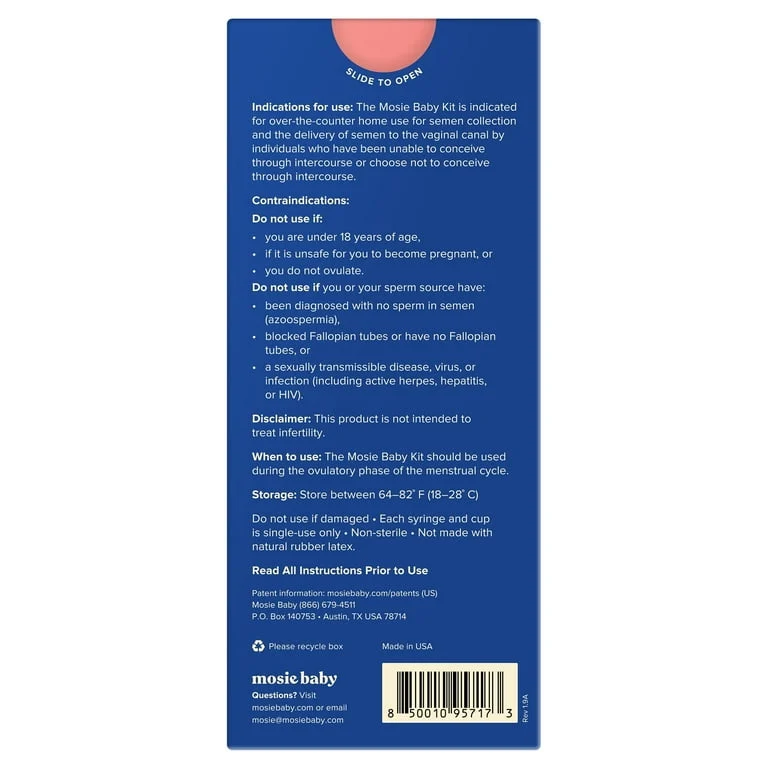
    Mosie Baby At-Home Insemination Kit instructions and storage guidelines on a blue background.

    Non-Invasive Insemination: A Less Invasive and More Affordable Fertility Option

    Non-invasive insemination is also a more natural approach to conception compared to other assisted reproductive technologies. It does not involve the use of hormones or drugs, making it a safer option for some women who may have health conditions that prevent them from using these treatments. It also allows for a closer connection between the couple, as the sperm is directly inserted into the woman’s uterus by the partner or donor.

    Who Can Benefit from Non-Invasive Insemination?
    Non-invasive insemination can be a suitable option for couples who have been trying to conceive for a year or more without success. It is also a viable option for same-sex couples and single women who want to have a child. In some cases, non-invasive insemination may also be recommended for couples with mild fertility issues, such as low sperm count or cervical mucus problems.

    Risks and Success Rates of Non-Invasive Insemination
    As with any medical procedure, there are some risks associated with non-invasive insemination. The most common risk is multiple pregnancies, as the procedure increases the chances of releasing more than one egg during ovulation. This can lead to a higher risk of complications during pregnancy and delivery. Other risks may include infection or discomfort during the procedure, but these are rare.

    The success rate of non-invasive insemination varies depending on factors such as age, health, and fertility issues. On average, the success rate is around 10-20% per cycle, but this can increase with multiple cycles. It is important to discuss the chances of success with a fertility specialist before deciding on this treatment option.

    In conclusion, non-invasive insemination is a less invasive and more affordable fertility option that can be a viable choice for couples struggling with fertility issues. It offers a more natural approach to conception and can be a less stressful option compared to other assisted reproductive technologies. However, it is important to consult with a fertility specialist to determine if this treatment is suitable for your specific situation.

  • and Ready for Parenthood? Non-Invasive Insemination Makes It Possible

    Becoming a parent is a life-changing experience that many people dream of. However, for couples struggling with infertility or same-sex couples, parenthood may seem out of reach. In the past, traditional methods of conception such as IVF (In Vitro Fertilization) or adoption were the only options available. But now, thanks to advancements in medical technology, non-invasive insemination has become a viable and accessible option for those ready to start a family.

    Non-invasive insemination, also known as artificial insemination, has been around for decades but has recently gained popularity due to its high success rates and minimalistic approach. This method involves the introduction of sperm directly into the cervix or uterus through non-surgical means, making it a less invasive and more affordable option compared to other fertility treatments.

    One of the main benefits of non-invasive insemination is its accessibility to a wider range of individuals and couples. Unlike traditional methods, it does not require the use of expensive fertility drugs or the harvesting of eggs, making it a more affordable option. This means that more people, regardless of their financial situation, can have the chance to become parents.

    Non-invasive insemination also offers a less stressful and more natural approach to conception. Unlike IVF, which involves the retrieval and fertilization of eggs in a lab, non-invasive insemination allows for the sperm to meet the egg in the woman’s body, mimicking the natural process of conception. This can be a less intimidating and more emotionally fulfilling experience for couples.

    For same-sex couples, non-invasive insemination provides a way for them to have a biological connection to their child. Through the use of donor sperm, one partner can carry the pregnancy, allowing for a shared biological connection between both partners and their child.

    Furthermore, non-invasive insemination has a higher success rate compared to other fertility treatments. Studies have shown that intrauterine insemination (IUI), a type of non-invasive insemination, has a success rate of 10-20% per cycle, while IVF has a success rate of 30-35% per cycle. This makes non-invasive insemination a more effective and less physically demanding option for couples trying to conceive.

    Informative card introducing the Mosie Baby Kit and its mission for at-home insemination.

    and Ready for Parenthood? Non-Invasive Insemination Makes It Possible

    But how exactly does non-invasive insemination work? The process starts with the selection of a sperm donor. This can be done through a sperm bank or through a known donor. The sperm is then washed and prepared in a lab to remove any non-motile sperm or debris. This ensures that the sperm used for insemination is of high quality and increases the chances of pregnancy. The prepared sperm is then inserted into the cervix or uterus through a catheter, which is a thin, flexible tube. The procedure is usually painless and does not require anesthesia.

    Non-invasive insemination can be done at home with the help of a fertility kit or at a fertility clinic. At-home insemination involves the use of a syringe or cervical cap to deposit the sperm into the cervix. However, it is important to note that this method has a lower success rate compared to insemination done at a clinic, as it is not performed by a medical professional.

    While non-invasive insemination may seem like a simple and straightforward process, it is important to consult with a fertility specialist before undergoing the procedure. They can assess your individual situation and determine if non-invasive insemination is the best option for you. They can also provide guidance and support throughout the process, increasing the chances of success.

    It is also important to note that non-invasive insemination may not be suitable for everyone. It is most effective for couples with unexplained infertility, mild male factor infertility, or cervical issues. It may not be suitable for those with severe male factor infertility or blocked fallopian tubes.

    In conclusion, non-invasive insemination has opened up new possibilities for those ready for parenthood. It is a more affordable, less invasive, and more natural approach to conception with a higher success rate compared to other fertility treatments. It also provides a way for same-sex couples to have a biological connection to their child. However, it is important to consult with a fertility specialist and consider all factors before undergoing the procedure.

    In summary, non-invasive insemination is an accessible and effective option for those ready for parenthood. It offers a less invasive and more affordable approach to conception, and has a higher success rate compared to other fertility treatments. It also provides a way for same-sex couples to have a biological connection to their child. However, it is important to consult with a fertility specialist and consider all factors before undergoing the procedure.

  • The Non-Invasive Insemination Solution: A Game-Changer for Fertility Treatments

    Summary:

    Fertility treatments have come a long way in recent years, with advancements in technology and medical procedures making it possible for more couples to achieve their dream of starting a family. One such advancement is the non-invasive insemination solution, a game-changing method that offers a more natural and less invasive option for those struggling with fertility issues.

    In this blog post, we will explore the benefits and process of non-invasive insemination, also known as intrauterine insemination (IUI), and how it has revolutionized fertility treatments. We will also address common concerns and misconceptions about the procedure and provide helpful tips for those considering this option.

    Firstly, it’s important to understand what non-invasive insemination is and how it differs from other fertility treatments. Unlike in vitro fertilization (IVF), which involves removing eggs from the woman’s ovaries and fertilizing them with sperm in a laboratory, IUI involves placing washed and concentrated sperm directly into the uterus, closer to the fallopian tubes where fertilization takes place. This method mimics natural conception, making it a more natural and less invasive option for couples.

    One of the main benefits of non-invasive insemination is its lower cost compared to other fertility treatments. IVF can be a costly and lengthy process, while IUI is a relatively simple and affordable procedure. It also has a higher success rate compared to other less invasive treatments such as timed intercourse or fertility medications. This makes it an attractive option for couples who have been struggling to conceive and want to avoid the expenses and potential risks of more invasive procedures.

    hand holding a pregnancy test with instructions on a colorful background

    The Non-Invasive Insemination Solution: A Game-Changer for Fertility Treatments

    Another advantage of non-invasive insemination is that it can be used in a variety of fertility situations. It can be used in cases of unexplained infertility, mild male factor infertility, and even certain cases of endometriosis or polycystic ovary syndrome (PCOS). It also allows for the use of donor sperm, which can be helpful for same-sex couples or individuals who need to use a sperm donor for medical reasons.

    The process of non-invasive insemination is relatively simple and can be done in a doctor’s office without the need for anesthesia. It starts with the woman taking fertility medications to stimulate the ovaries and increase the chances of ovulation. The man provides a semen sample, which is then washed to remove any impurities and concentrate the healthy sperm. The sperm is then placed into a catheter and inserted into the uterus through the cervix. This process is painless and only takes a few minutes to complete.

    One common concern about non-invasive insemination is the risk of multiple pregnancies. While it is possible to conceive twins or even triplets with this method, the chances are significantly lower compared to IVF. This is because IUI typically only involves placing a small amount of high-quality sperm into the uterus, reducing the chances of multiple eggs being fertilized. Additionally, doctors closely monitor the woman’s response to fertility medications to prevent the release of too many eggs.

    Another misconception about non-invasive insemination is that it is only effective for younger women. While age can affect fertility, IUI can still be a successful option for women in their late 30s and even early 40s. It’s important to consult with a fertility specialist to determine if this method is suitable for individual circumstances.

    For those considering non-invasive insemination, there are a few helpful tips to increase the chances of success. Firstly, maintaining a healthy lifestyle, including a balanced diet and regular exercise, can improve fertility. It’s also essential to track ovulation and have intercourse around the time of insemination to increase the chances of the sperm reaching the egg. Additionally, reducing stress levels can also help with fertility, so it’s important to find ways to relax and manage stress during this process.

    In conclusion, non-invasive insemination has revolutionized fertility treatments, offering a more natural and less invasive option for couples struggling to conceive. Its lower cost, higher success rate, and versatility make it an attractive option for many. With proper guidance and support from a fertility specialist, it can be a game-changer for those trying to start a family.

  • The Advantages of Non-Invasive Insemination: A Comprehensive Guide

    Non-invasive insemination, also known as artificial insemination or assisted reproductive technology, is a method of conception that has been growing in popularity in recent years. This method involves the placement of sperm into a woman’s reproductive tract, bypassing the need for sexual intercourse. While there are many different types of non-invasive insemination, they all offer a range of benefits over traditional methods of conception. In this comprehensive guide, we will explore the advantages of non-invasive insemination and why it may be the right choice for you.

    1. Increased Chances of Pregnancy

    One of the main advantages of non-invasive insemination is the increased chances of pregnancy. This method allows for the precise placement of sperm directly into the woman’s reproductive tract, bypassing any potential obstacles or issues that may be hindering conception. This can be especially helpful for couples who have been struggling with fertility issues or have a low sperm count. In fact, research has shown that non-invasive insemination has a success rate of around 10-15% per cycle, making it a viable option for those looking to conceive.

    2. No Need for Sexual Intercourse

    For couples who have difficulty with sexual intercourse or those who are in a same-sex relationship, non-invasive insemination provides a way to conceive without the need for sexual intercourse. This can alleviate any potential stress or discomfort that may arise from trying to conceive through traditional methods. Additionally, this method can also be used by single women who want to become pregnant without a partner.

    3. Less Invasive and Painless

    As the name suggests, non-invasive insemination is a less invasive method of conception compared to other fertility treatments. It does not require any surgical procedures or anesthesia, making it a painless and relatively comfortable experience. This can also be beneficial for women who have had previous surgical procedures or are uncomfortable with invasive methods.

    4. Cost-Effective

    Compared to other fertility treatments such as in vitro fertilization (IVF), non-invasive insemination is a more cost-effective option. IVF can cost upwards of tens of thousands of dollars, while non-invasive insemination typically costs a few hundred dollars per cycle. This makes it a more accessible option for couples who may not have the financial means to pursue other fertility treatments.

    5. Less Time-Consuming

    Another advantage of non-invasive insemination is that it is a relatively quick and simple process. Unlike IVF, which can take several weeks or months to complete, non-invasive insemination can be done in a matter of minutes. This can be beneficial for couples who are eager to start their family or for those who have busy schedules and cannot commit to lengthy fertility treatments.

    comparison of Mosie syringe opening versus standard syringe opening with text highlighting benefits

    The Advantages of Non-Invasive Insemination: A Comprehensive Guide

    6. Can Be Done at Home

    While non-invasive insemination is typically performed at a fertility clinic, there are also options for at-home insemination kits. These kits provide all the necessary tools and instructions for couples to perform the procedure in the comfort of their own home. This can be a more private and intimate experience for couples and can also save time and money on frequent visits to a fertility clinic.

    7. Lower Risk of Multiple Pregnancies

    One of the major concerns with fertility treatments is the risk of multiple pregnancies, which can lead to complications for both the mother and the babies. With non-invasive insemination, the risk of multiple pregnancies is significantly lower compared to IVF. This is because only a small amount of sperm is used, reducing the likelihood of multiple eggs being fertilized.

    8. Can Be Used with Donor Sperm

    For couples or individuals who require donor sperm, non-invasive insemination is a viable option. The sperm can be safely and accurately placed into the woman’s reproductive tract, increasing the chances of conception. This can be particularly helpful for same-sex couples or single women who want to become pregnant.

    9. Can Be Used for Certain Fertility Issues

    Non-invasive insemination can also be used for certain fertility issues, such as cervical factor infertility. This occurs when the cervix is unable to produce fertile mucus, making it difficult for sperm to reach the egg. With non-invasive insemination, sperm can be directly placed into the uterus, bypassing the need for cervical mucus.

    10. Can Help Identify Fertility Issues

    In some cases, non-invasive insemination can help identify any underlying fertility issues that may be hindering conception. If the procedure is unsuccessful, it can indicate issues with sperm quality or the woman’s reproductive tract, allowing for further testing and treatment options.

    In summary, non-invasive insemination offers a range of advantages for couples and individuals looking to conceive. From increased chances of pregnancy to being a cost-effective and less invasive option, it is a viable alternative to traditional methods of conception. With the advancements in technology and the growing acceptance of assisted reproductive technology, non-invasive insemination is becoming a more accessible and successful option for those looking to start a family.

  • Reasons Why Non-Invasive Insemination is a Game-Changer for Same-Sex Couples

    Summary:

    Non-invasive insemination, also known as intrauterine insemination (IUI), has been a game-changer for same-sex couples who are trying to conceive. This procedure allows couples to have a biological child without the need for sexual intercourse or invasive fertility treatments. In this blog post, we will discuss the top reasons why non-invasive insemination has been a revolutionary option for same-sex couples.

    1. Equality in Parenthood

    One of the main reasons why non-invasive insemination is a game-changer for same-sex couples is because it allows them to have equal opportunities in parenthood. Before this procedure, same-sex couples had limited options for starting a family. They either had to adopt or go through expensive and invasive fertility treatments. With non-invasive insemination, both partners can be involved in the conception process and have a biological connection to their child.

    2. Simple and Less Invasive Procedure

    Compared to other fertility treatments, non-invasive insemination is a simple and less invasive procedure. It involves placing sperm directly into the uterus, bypassing the cervix, increasing the chances of fertilization. This procedure can be done in a doctor’s office and typically takes less than 30 minutes. It does not require any anesthesia and has minimal discomfort. This makes it a convenient option for same-sex couples who want to start a family.

    3. Option for Known or Anonymous Donor

    Non-invasive insemination also gives same-sex couples the option to choose between a known or anonymous sperm donor. A known donor can be a friend or family member, allowing the couple to have a closer connection to their child’s biological father. On the other hand, an anonymous donor can provide a sense of privacy and eliminate any potential complications that may arise from involving a known donor. This flexibility in choosing a donor allows couples to make the best decision for their family.

    Mosie Baby kit with two jars, a syringe, and a supportive message card inside a colorful box.

    Reasons Why Non-Invasive Insemination is a Game-Changer for Same-Sex Couples

    4. Increased Chances of Conception

    Non-invasive insemination has a higher success rate compared to other fertility treatments. According to the American Pregnancy Association, the success rate for IUI is about 20% per cycle. This is because the sperm is placed directly into the uterus, reducing the distance the sperm needs to travel to reach the egg. Additionally, fertility medications can be used to stimulate the ovaries and increase the number of eggs produced, further increasing the chances of conception.

    5. Affordable Option

    Fertility treatments can be costly, but non-invasive insemination is a more affordable option. The cost of IUI can range from $300 to $1000 per cycle, making it a more accessible option for couples who may not be able to afford more expensive treatments like in vitro fertilization (IVF). Insurance coverage for fertility treatments also varies, but IUI may be more likely to be covered compared to more complex procedures.

    6. Less Stressful and Time-Consuming

    The process of trying to conceive can be stressful and time-consuming for same-sex couples. With non-invasive insemination, the process is less stressful and time-consuming compared to other fertility treatments. The procedure itself is quick, and there is no need for frequent doctor’s appointments or extensive monitoring. This allows couples to continue with their daily lives without the added stress and burden of fertility treatments.

    7. Empowerment and Control

    Non-invasive insemination also gives same-sex couples a sense of empowerment and control over their family planning journey. They can choose when they want to start trying to conceive and have control over the entire process. This can be a significant factor for couples who may have felt that their options for starting a family were limited.

    In conclusion, non-invasive insemination has been a game-changer for same-sex couples who want to have biological children. It provides them with equal opportunities in parenthood, a simple and less invasive procedure, flexibility in choosing a donor, increased chances of conception, affordability, less stress, and a sense of empowerment and control. This procedure has opened up a whole new world of possibilities for same-sex couples, making their dream of starting a family a reality.

  • Non-Invasive Insemination Success Stories from Around the World

    As advancements in medical technology continue to improve, more and more couples are turning to non-invasive insemination as a method of conceiving a child. Non-invasive insemination, also known as artificial insemination, is a procedure where sperm is inserted into the uterus without the need for surgical intervention. This method has been successful for many couples around the world, and their stories are a testament to the effectiveness of non-invasive insemination.

    One of the most heartwarming success stories comes from a couple in the United States. After struggling with infertility for years, they decided to try non-invasive insemination. With the support of their doctor, they were able to successfully conceive and give birth to a healthy baby boy. This couple is now overjoyed to be parents and is grateful for the non-invasive insemination procedure that made it possible.

    In Europe, a same-sex couple in Spain also had a successful non-invasive insemination experience. After exploring different options to start a family, they decided to use a sperm donor and undergo non-invasive insemination. Despite initial doubts and fears, the couple was able to conceive on their first try. They welcomed a beautiful baby girl into their lives and are now enjoying every moment of parenthood.

    Moving to Asia, there is a heartwarming story of a couple in Japan who struggled with male factor infertility. After several failed attempts at natural conception, they decided to try non-invasive insemination. The procedure was successful and the couple now has two healthy children. They credit non-invasive insemination for giving them the family they always dreamed of.

    In South America, a couple in Brazil had a similar experience. After trying for years to conceive without success, they decided to pursue non-invasive insemination. The procedure was successful and they were able to welcome their first child. They were so thrilled with the results that they decided to undergo the procedure again and now have two children through non-invasive insemination.

    at-home insemination kit with syringes, collection cups, and instructions on a pink background

    Non-Invasive Insemination Success Stories from Around the World

    In Africa, a couple in Ghana also had a successful non-invasive insemination experience. After struggling with infertility for years, they were able to conceive on their first try with non-invasive insemination. This joyful couple now has a beautiful daughter and are grateful to have completed their family through this procedure.

    These are just a few of the many non-invasive insemination success stories from around the world. Each story is unique, but they all share a common thread of struggle, perseverance, and ultimately, success. These couples are a true testament to the power of non-invasive insemination and the hope it brings to those struggling with infertility.

    Non-invasive insemination has become a popular choice for couples struggling with infertility due to its high success rates and minimal invasiveness. It is a safe and effective procedure that can be used for a variety of reasons, including male factor infertility, ovulation problems, and cervical issues. It is also a more affordable option compared to other fertility treatments.

    The procedure itself is relatively simple. It involves inserting washed and concentrated sperm into the uterus using a thin catheter. This can be done at a fertility clinic or at home with the help of a donor or a partner. The success of non-invasive insemination depends on various factors, including the age and health of the woman, the quality of the sperm, and the timing of the procedure.

    While non-invasive insemination may not be suitable for every couple, it has provided hope and fulfilled dreams for many around the world. It offers a less invasive and more affordable option for couples struggling with infertility and has a high success rate when done correctly.

    In conclusion, non-invasive insemination has been a life-changing procedure for many couples around the world. These success stories showcase the power of this procedure to overcome infertility and fulfill the dreams of parenthood. With continued advancements in medical technology, non-invasive insemination will continue to be a popular and successful option for couples looking to start a family.

  • Non-Invasive Insemination: A Cost-Effective Fertility Solution

    Summary:

    Non-invasive insemination, also known as artificial insemination, is a fertility treatment that involves placing sperm directly into the uterus or cervix to increase the chances of conception. This procedure is often used as a first-line treatment for couples struggling with infertility or same-sex couples who want to have a biological child. Non-invasive insemination is a cost-effective and less invasive alternative to other fertility treatments, such as in-vitro fertilization (IVF). In this blog post, we will explore the process of non-invasive insemination, its benefits and risks, and why it is a popular choice for couples seeking fertility solutions.

    The Process of Non-Invasive Insemination:

    Non-invasive insemination is a simple and painless procedure that can be done in a fertility clinic or at home with the help of a fertility specialist. The process involves collecting semen from a male partner or a sperm donor and preparing it for insemination. The semen is washed and concentrated to increase the number of viable sperm. Then, a thin tube called a catheter is inserted into the vagina and guided through the cervix into the uterus. The prepared sperm is then injected into the uterus through the catheter, increasing the chances of fertilization.

    Benefits of Non-Invasive Insemination:

    comparison of Mosie syringe opening versus standard syringe opening with text highlighting benefits

    Non-Invasive Insemination: A Cost-Effective Fertility Solution

    One of the most significant advantages of non-invasive insemination is its cost-effectiveness. Compared to other fertility treatments, such as IVF, which can cost thousands of dollars, non-invasive insemination is a much more affordable option. It is also a less invasive procedure, meaning it has fewer risks and complications. The procedure can be done in a fertility clinic or at home, making it a convenient option for couples who want to try it in the comfort of their own home. Additionally, non-invasive insemination can be performed using a male partner’s sperm, allowing for a more natural conception process.

    Risks of Non-Invasive Insemination:

    While non-invasive insemination is generally a safe procedure, there are some potential risks to consider. The most common risk is infection, which can occur if proper hygiene and sterilization protocols are not followed during the procedure. There is also a small risk of damage to the cervix or uterus during the insertion of the catheter, but this is rare. It is essential to discuss any potential risks with a fertility specialist before undergoing the procedure.

    Who Can Benefit from Non-Invasive Insemination?

    Non-invasive insemination is a suitable option for couples who are struggling with male factor infertility, meaning the male partner has a low sperm count or poor sperm quality. It is also a popular choice for same-sex couples who want to have a biological child. Women who have trouble conceiving due to ovulation issues, cervical problems, or unexplained infertility may also benefit from this procedure. It is essential to consult with a fertility specialist to determine if non-invasive insemination is the right option for you.

    In conclusion, non-invasive insemination is a cost-effective and less invasive fertility treatment that can help couples achieve their dream of having a child. It is a simple and safe procedure with a high success rate, making it a popular choice for couples seeking fertility solutions. While there are potential risks to consider, they are rare, and the benefits of non-invasive insemination make it a viable option for many couples struggling with infertility. If you are considering this procedure, it is crucial to consult with a fertility specialist to determine if it is the right option for you.

  • DIY Baby-Making Assistance for Women Over 35: What You Need to Know

    Blog Post:

    In today’s society, many women are choosing to have children later in life for various reasons, such as pursuing a career, finding the right partner, or simply not feeling ready to start a family. However, as a woman ages, her fertility starts to decline, making it more challenging to conceive. This can be especially true for women over 35, as their egg quality and quantity decrease significantly. Fortunately, there are many DIY baby-making assistance options available for women over 35 to help increase their chances of conceiving. In this blog post, we will discuss everything you need to know about DIY baby-making assistance for women over 35.

    1. Understand Your Fertility

    The first step in any DIY baby-making journey is to understand your fertility. As a woman ages, her fertility starts to decline, and by the time she reaches 35, her chances of getting pregnant decrease significantly. This is because a woman is born with a finite number of eggs, and as she ages, the quality and quantity of these eggs diminish. It is essential to be aware of your fertility levels and consult with a fertility specialist if needed. They can help assess your ovarian reserve (the number of eggs you have left) and suggest the best course of action for you.

    2. Track Your Menstrual Cycle

    Tracking your menstrual cycle is crucial when trying to conceive, especially for women over 35. As a woman ages, her menstrual cycle becomes less regular, making it more challenging to predict ovulation. Knowing when you are ovulating is crucial, as it is the prime time for conception. There are various methods to track your menstrual cycle, such as using an ovulation predictor kit, tracking basal body temperature, or monitoring cervical mucus. Choose the method that works best for you and make sure to track your cycle consistently.

    3. Optimize Your Lifestyle

    As a woman over 35, it is essential to optimize your lifestyle to increase your chances of conceiving. This means maintaining a healthy weight, avoiding tobacco, drugs, and excessive alcohol consumption, and incorporating exercise into your routine. Additionally, certain foods and supplements can also help boost fertility, such as folic acid, iron, and omega-3 fatty acids. Consult with your healthcare provider to ensure you are taking the right supplements and following a healthy lifestyle to support your fertility.

    4. Consider Natural Remedies

    Informative card introducing the Mosie Baby Kit and its mission for at-home insemination.

    DIY Baby-Making Assistance for Women Over 35: What You Need to Know

    Many natural remedies claim to boost fertility and help women over 35 conceive. These remedies include herbs, acupuncture, and yoga. While there is limited scientific evidence to support their effectiveness, many women have found success in using these methods. It is essential to consult with your doctor before trying any natural remedies, as some may interact with any medications you are taking.

    5. Explore At-Home Insemination

    At-home insemination is a popular option for DIY baby-making assistance for women over 35. This method involves using a donor’s sperm and inserting it into the vagina or cervix during the ovulation window. There are various at-home insemination kits available, making it an accessible and affordable option for women. However, it is crucial to consider the legal and medical implications of using donor sperm, as well as the potential risks of at-home insemination.

    6. Try Intrauterine Insemination (IUI)

    Intrauterine insemination (IUI) is a more advanced DIY baby-making option for women over 35. It involves placing washed sperm directly into the uterus during ovulation, increasing the chances of fertilization. IUI requires medical assistance and monitoring, but some women choose to do it at home with the help of a partner. It is essential to consult with a fertility specialist to determine if IUI is a suitable option for you and to ensure the process is done safely and effectively.

    7. Consider In Vitro Fertilization (IVF)

    For women over 35 who have been trying to conceive without success, in vitro fertilization (IVF) may be the best option. This method involves retrieving eggs from a woman’s ovaries and fertilizing them with sperm in a laboratory. Then, the fertilized eggs are transferred back into the uterus, increasing the chances of pregnancy. While IVF is a more invasive and expensive option, it has a higher success rate for women over 35. It is crucial to consult with a fertility specialist to determine if IVF is the right choice for you.

    8. Be Prepared for Emotional Challenges

    Trying to conceive can be an emotional rollercoaster, especially for women over 35. As the chances of getting pregnant decrease with age, it can be stressful and overwhelming. It is essential to have a support system in place, whether it is your partner, family, or friends, to help you through the process. It may also be beneficial to seek counseling or join support groups to connect with other women going through a similar journey.

    In summary, women over 35 who are trying to conceive have various DIY baby-making assistance options available to them. Understanding your fertility, tracking your menstrual cycle, optimizing your lifestyle, considering natural remedies, and exploring at-home insemination, IUI, or IVF are all viable options. It is crucial to consult with a fertility specialist to determine the best approach for you and to have a support system in place to help you through the emotional challenges. Remember, every woman’s journey is different, and what works for one may not work for another. Stay positive, and never lose hope.




