Tag: intrauterine insemination

  • and Struggling with Fertility? Non-Invasive Insemination Could be the Answer

    Struggling with fertility can be an incredibly difficult and emotional journey for many couples. The desire to start a family and have children is a natural and fundamental aspect of human life, and when this dream is met with challenges, it can take a toll on both the physical and emotional well-being of individuals. Fortunately, modern medical advancements have made it possible for couples to overcome fertility issues and fulfill their dream of parenthood. Non-invasive insemination, also known as intrauterine insemination (IUI), is one such solution that has been proven to be successful for many couples struggling with fertility.

    Non-invasive insemination involves placing washed and concentrated sperm directly into the uterus, increasing the chances of fertilization. This method can be used for couples with a variety of fertility issues, including low sperm count, unexplained infertility, and ovulation disorders. In this blog post, we will discuss the process of non-invasive insemination and how it can be a viable option for couples struggling with fertility.

    The first step in the non-invasive insemination process is to undergo a series of fertility tests to determine the cause of infertility. These tests may include blood work, ultrasound, and semen analysis. Based on the results, a personalized treatment plan will be developed by a fertility specialist. This plan may include fertility medication to stimulate ovulation and improve the chances of pregnancy.

    Once the woman’s ovulation is closely monitored, the insemination process can begin. The male partner will provide a semen sample, which will then be washed and concentrated in a laboratory to remove any impurities and increase the sperm’s mobility. The concentrated sperm will then be placed into a thin catheter and inserted into the uterus through the cervix. This process is relatively painless and does not require anesthesia.

    After the insemination, the woman will be asked to lie down for about 20-30 minutes to allow the sperm to swim towards the egg. The entire procedure takes about 15 minutes and can be done in the comfort of a fertility clinic. The success rate of non-invasive insemination varies depending on the individual’s fertility issues and age, but on average, it has a success rate of 10-15% per cycle.

    hands using a blue syringe to extract contents from a clear container for a home insemination kit

    and Struggling with Fertility? Non-Invasive Insemination Could be the Answer

    One of the significant advantages of non-invasive insemination is that it is a minimally invasive and less expensive option compared to other fertility treatments such as in vitro fertilization (IVF). IVF involves retrieving eggs from the woman’s ovaries and fertilizing them with sperm in a laboratory before transferring the embryos into the uterus. IVF is a more complex and costly procedure, making non-invasive insemination a more accessible option for couples struggling with fertility.

    Non-invasive insemination also has a lower risk of multiple pregnancies compared to IVF, where multiple embryos are often transferred to increase the chances of pregnancy. This reduces the risk of complications for both the mother and the babies.

    In addition to being a less invasive and more affordable option, non-invasive insemination also allows couples to use donor sperm if needed. This can be beneficial for same-sex couples or couples where the male partner has a low sperm count or genetic conditions that may be passed on to the child. The use of donor sperm is a personal decision, and couples can choose to use an anonymous donor or someone they know.

    It is essential to note that non-invasive insemination is not a one-time solution. Couples may need to undergo multiple insemination cycles before achieving a successful pregnancy. However, the success rate increases with each cycle, and couples are encouraged to remain patient and hopeful throughout the process.

    In conclusion, struggling with fertility can be a challenging and overwhelming experience for couples. However, non-invasive insemination offers a viable solution for couples with various fertility issues. It is a minimally invasive, affordable, and accessible option that has helped many couples achieve their dream of parenthood. If you are struggling with fertility, do not lose hope – non-invasive insemination could be the answer you have been searching for.

  • The Non-Invasive Insemination Solution: A Game-Changer for Fertility Treatments

    Summary:

    Fertility treatments have come a long way in recent years, with advancements in technology and medical procedures making it possible for more couples to achieve their dream of starting a family. One such advancement is the non-invasive insemination solution, a game-changing method that offers a more natural and less invasive option for those struggling with fertility issues.

    In this blog post, we will explore the benefits and process of non-invasive insemination, also known as intrauterine insemination (IUI), and how it has revolutionized fertility treatments. We will also address common concerns and misconceptions about the procedure and provide helpful tips for those considering this option.

    Firstly, it’s important to understand what non-invasive insemination is and how it differs from other fertility treatments. Unlike in vitro fertilization (IVF), which involves removing eggs from the woman’s ovaries and fertilizing them with sperm in a laboratory, IUI involves placing washed and concentrated sperm directly into the uterus, closer to the fallopian tubes where fertilization takes place. This method mimics natural conception, making it a more natural and less invasive option for couples.

    One of the main benefits of non-invasive insemination is its lower cost compared to other fertility treatments. IVF can be a costly and lengthy process, while IUI is a relatively simple and affordable procedure. It also has a higher success rate compared to other less invasive treatments such as timed intercourse or fertility medications. This makes it an attractive option for couples who have been struggling to conceive and want to avoid the expenses and potential risks of more invasive procedures.

    hand holding a pregnancy test with instructions on a colorful background

    The Non-Invasive Insemination Solution: A Game-Changer for Fertility Treatments

    Another advantage of non-invasive insemination is that it can be used in a variety of fertility situations. It can be used in cases of unexplained infertility, mild male factor infertility, and even certain cases of endometriosis or polycystic ovary syndrome (PCOS). It also allows for the use of donor sperm, which can be helpful for same-sex couples or individuals who need to use a sperm donor for medical reasons.

    The process of non-invasive insemination is relatively simple and can be done in a doctor’s office without the need for anesthesia. It starts with the woman taking fertility medications to stimulate the ovaries and increase the chances of ovulation. The man provides a semen sample, which is then washed to remove any impurities and concentrate the healthy sperm. The sperm is then placed into a catheter and inserted into the uterus through the cervix. This process is painless and only takes a few minutes to complete.

    One common concern about non-invasive insemination is the risk of multiple pregnancies. While it is possible to conceive twins or even triplets with this method, the chances are significantly lower compared to IVF. This is because IUI typically only involves placing a small amount of high-quality sperm into the uterus, reducing the chances of multiple eggs being fertilized. Additionally, doctors closely monitor the woman’s response to fertility medications to prevent the release of too many eggs.

    Another misconception about non-invasive insemination is that it is only effective for younger women. While age can affect fertility, IUI can still be a successful option for women in their late 30s and even early 40s. It’s important to consult with a fertility specialist to determine if this method is suitable for individual circumstances.

    For those considering non-invasive insemination, there are a few helpful tips to increase the chances of success. Firstly, maintaining a healthy lifestyle, including a balanced diet and regular exercise, can improve fertility. It’s also essential to track ovulation and have intercourse around the time of insemination to increase the chances of the sperm reaching the egg. Additionally, reducing stress levels can also help with fertility, so it’s important to find ways to relax and manage stress during this process.

    In conclusion, non-invasive insemination has revolutionized fertility treatments, offering a more natural and less invasive option for couples struggling to conceive. Its lower cost, higher success rate, and versatility make it an attractive option for many. With proper guidance and support from a fertility specialist, it can be a game-changer for those trying to start a family.

  • The Evolution of Non-Invasive Insemination: A Historical Perspective

    The evolution of non-invasive insemination has been a remarkable journey, with advancements in technology and societal attitudes leading to more accessible and successful methods of assisted reproduction. From the early days of artificial insemination to the current use of assisted reproductive technologies, the history of non-invasive insemination is a testament to the determination and innovation of scientists and medical professionals.

    Artificial insemination, also known as AI, has been used for centuries as a way to assist in animal breeding. However, it wasn’t until the late 1800s that artificial insemination was first attempted in humans. In 1884, Austrian physician Dr. William Pancoast used a glass syringe to inject a man’s sperm into his wife’s cervix, resulting in a successful pregnancy. This was a groundbreaking moment in the history of non-invasive insemination, paving the way for further research and developments.

    In the early 1900s, the use of artificial insemination became more widespread, with the development of new techniques and equipment. However, it was still a controversial and often secretive practice, as societal attitudes towards assisted reproduction were not yet accepting. This changed in the 1960s and 1970s, as the feminist movement and advancements in birth control and reproductive rights led to a shift in attitudes towards assisted reproduction.

    During this time, scientists and researchers began to explore new methods of non-invasive insemination, such as intrauterine insemination (IUI) and in-vitro fertilization (IVF). In 1978, the first successful IVF procedure resulted in the birth of Louise Brown, known as the world’s first “test-tube baby.” This breakthrough solidified the potential of assisted reproduction and opened the door for further advancements in non-invasive insemination.

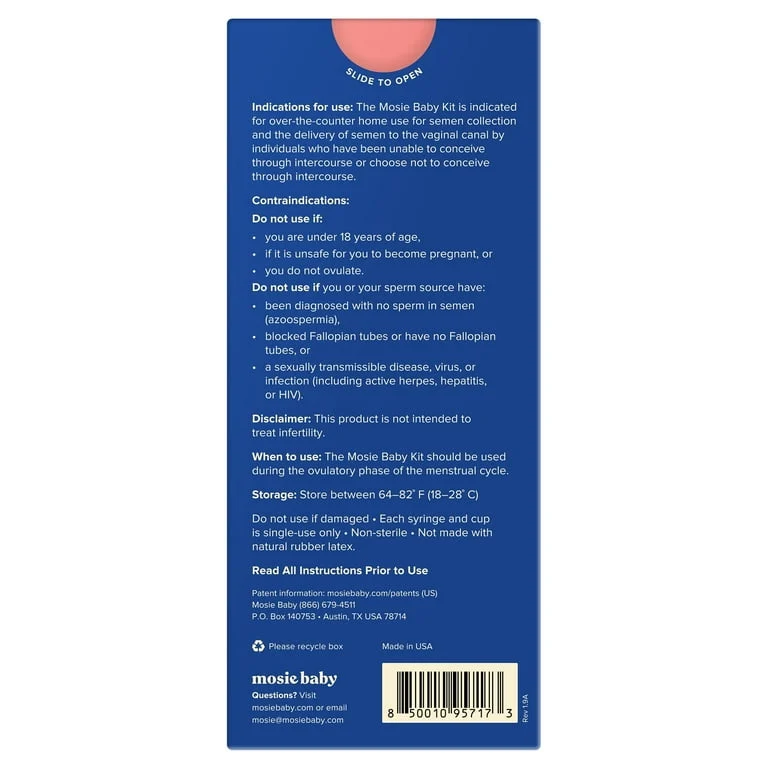
    Mosie Baby At-Home Insemination Kit instructions and storage guidelines on a blue background.

    The Evolution of Non-Invasive Insemination: A Historical Perspective

    As technology continued to advance, new techniques such as intracytoplasmic sperm injection (ICSI) and preimplantation genetic screening (PGS) were developed, allowing for more precise and successful methods of non-invasive insemination. These techniques have revolutionized the field of assisted reproduction, making it possible for couples struggling with infertility to conceive and have healthy pregnancies.

    The evolution of non-invasive insemination has not only impacted the lives of those seeking to conceive but has also had a significant impact on society as a whole. With the rise of same-sex marriages and single-parent households, the use of donor sperm and assisted reproduction techniques has become more prevalent and accepted. This has also led to debates and discussions surrounding ethical and legal implications of assisted reproduction, such as the rights of donors and the well-being of the resulting children.

    In recent years, there has been a focus on making non-invasive insemination more accessible and affordable to a wider range of individuals and couples. This has led to the development of new techniques, such as at-home insemination kits and the use of frozen donor sperm. These advancements have not only made the process more convenient but have also allowed for individuals and same-sex couples to conceive without the need for a male partner.

    Today, non-invasive insemination continues to evolve, with ongoing research and advancements in technology. Scientists and medical professionals are constantly seeking ways to improve success rates and make assisted reproduction more accessible and effective. Additionally, there is a growing focus on the psychological and emotional well-being of individuals and couples undergoing non-invasive insemination, with support groups and counseling services becoming more readily available.

    In conclusion, the history of non-invasive insemination is a testament to the perseverance and innovation of scientists and medical professionals. From the early days of artificial insemination to the current use of advanced techniques, the evolution of non-invasive insemination has had a profound impact on the lives of individuals and society as a whole. As technology continues to advance, it is clear that the future of non-invasive insemination holds even more potential for success and accessibility.

  • Breaking the Stigma: Non-Invasive Insemination and LGBTQ+ Families

    Breaking the Stigma: Non-Invasive Insemination and LGBTQ+ Families

    In recent years, there has been a significant increase in visibility and acceptance of the LGBTQ+ community. However, there are still many stigmas and challenges that members of this community face, particularly when it comes to starting a family. In the past, the only option for LGBTQ+ couples to have children was through adoption or expensive and invasive fertility treatments. But now, with the advancement of technology and medical procedures, non-invasive insemination has become a viable and accessible option for LGBTQ+ families.

    Non-invasive insemination, also known as intrauterine insemination (IUI), is a fertility treatment that involves placing sperm directly into the uterus during the ovulation period. Unlike traditional insemination methods, IUI does not require any surgical procedures or medications, making it a less invasive and more affordable option for couples and individuals who want to conceive.

    One of the biggest benefits of non-invasive insemination for LGBTQ+ families is that it allows same-sex couples and individuals to have a biological connection to their child. For decades, same-sex couples have faced barriers when it comes to starting a family, and many have been forced to navigate through complex and often discriminatory adoption processes. Non-invasive insemination offers a more accessible and inclusive option for LGBTQ+ families to have children that are genetically related to one or both parents.

    Another stigma that surrounds non-invasive insemination and LGBTQ+ families is the misconception that it is only for same-sex couples. While it is an excellent option for same-sex couples, non-invasive insemination is also a viable option for single individuals and heterosexual couples struggling with infertility. This procedure provides hope and an alternative to traditional methods that may not be suitable for all individuals or couples.

    mosie baby logo featuring a heart and leaves in blue, pink, and green colors.

    Breaking the Stigma: Non-Invasive Insemination and LGBTQ+ Families

    In addition to breaking down barriers for LGBTQ+ families, non-invasive insemination also challenges the notion that a traditional nuclear family is the only acceptable family structure. With this procedure, families can be created in various forms, including two mothers, two fathers, single parents, or any other combination that individuals or couples identify with. It allows for diverse and inclusive family structures, breaking the stigma that a family must consist of a mother, father, and child.

    Despite the many benefits of non-invasive insemination, there is still a stigma surrounding this procedure and the LGBTQ+ community. Many individuals and couples may face judgment and discrimination from their families, friends, and society as a whole. It is essential to educate and raise awareness about non-invasive insemination and the LGBTQ+ community to break down these stigmas and promote inclusivity and acceptance.

    It is also crucial to note that non-invasive insemination is not a guarantee for pregnancy, and it may not be the right option for everyone. As with any medical procedure, there are risks and limitations, and it is essential to consult with a healthcare professional to determine if it is the best option for an individual or couple.

    In conclusion, non-invasive insemination is a groundbreaking and inclusive option for LGBTQ+ families to conceive and have children. It allows for a biological connection and challenges traditional family structures, promoting diversity and inclusivity. However, there is still a stigma surrounding this procedure and the LGBTQ+ community, and it is crucial to continue raising awareness and educating others to break down these barriers and promote acceptance.

    Summary:

    Non-invasive insemination, also known as intrauterine insemination (IUI), is a fertility treatment that has become a viable and accessible option for LGBTQ+ families. It offers a less invasive and more affordable option for same-sex couples, single individuals, and heterosexual couples struggling with infertility to have children that are genetically related to one or both parents. It also challenges traditional family structures and promotes diversity and inclusivity. However, there is still a stigma surrounding this procedure and the LGBTQ+ community, and it is crucial to continue raising awareness and educating others to break down these barriers and promote acceptance.

  • Non-Invasive Insemination vs. Traditional Insemination: Which is Right for You?

    Summary:

    Insemination is a common fertility treatment option for individuals and couples struggling with infertility. However, there are two main types of insemination: non-invasive and traditional. Non-invasive insemination involves placing sperm directly into the female’s reproductive tract, while traditional insemination involves placing sperm into the uterus. Both methods have their own advantages and disadvantages, and it’s important to understand them in order to choose the right option for your specific needs.

    Non-Invasive Insemination:

    Non-invasive insemination, also known as intrauterine insemination (IUI), is a relatively simple and painless procedure. It involves placing washed and concentrated sperm directly into the female’s reproductive tract, bypassing the cervix and increasing the chances of fertilization. This method is often recommended for individuals or couples with unexplained infertility, mild male factor infertility, or cervical issues. It can also be a good option for same-sex couples or single women who want to conceive.

    One of the major advantages of non-invasive insemination is that it can be done in a doctor’s office and does not require anesthesia. This makes it a more affordable option compared to other fertility treatments. It also has a lower risk of complications and does not require a long recovery time. Additionally, non-invasive insemination allows the sperm to bypass the cervical mucus, which can sometimes act as a barrier to conception.

    However, there are also some limitations to non-invasive insemination. The success rates are lower compared to other fertility treatments, making it a better option for individuals with mild infertility issues. It also requires a certain level of fertility in the female partner’s reproductive system, as well as a good quality sperm sample. This method also does not address any underlying fertility issues, such as blocked fallopian tubes or severe male factor infertility.

    Traditional Insemination:

    logo of mosie baby featuring a heart and leaf design in blue, pink, and green colors

    Non-Invasive Insemination vs. Traditional Insemination: Which is Right for You?

    Traditional insemination, also known as intra-cervical insemination (ICI), involves placing washed and concentrated sperm into the uterus through the cervix. This method is often recommended for couples with severe male factor infertility, unexplained infertility, or issues with the female partner’s reproductive system, such as blocked fallopian tubes. It can also be used for individuals or couples who have not had success with non-invasive insemination.

    One of the major advantages of traditional insemination is that it has higher success rates compared to non-invasive insemination. This is because the sperm is placed directly into the uterus, increasing the chances of fertilization. It also allows for the sperm to be washed and concentrated, which can improve the quality of the sperm sample. Additionally, traditional insemination can address underlying fertility issues, making it a more effective option for couples with more severe infertility.

    However, traditional insemination also has some drawbacks. It can be a more invasive and uncomfortable procedure, requiring anesthesia and a longer recovery time. It also has a higher risk of complications, such as infection. Traditional insemination is also more expensive compared to non-invasive insemination, as it requires more specialized equipment and a trained medical professional.

    Which is Right for You?

    Choosing between non-invasive insemination and traditional insemination ultimately depends on your specific fertility issues and goals. It’s important to consult with a fertility specialist to determine the best treatment option for you. They will take into consideration your medical history, fertility test results, and any underlying issues to recommend the most effective method.

    In some cases, a combination of both methods may be recommended, such as starting with non-invasive insemination and then moving on to traditional insemination if there are no results. It’s important to keep in mind that success rates can vary for each individual, and it may take multiple cycles to achieve pregnancy.

    In conclusion, both non-invasive insemination and traditional insemination have their own advantages and limitations. It’s important to understand these differences and consult with a fertility specialist to determine the best option for your specific needs. With the right treatment, many individuals and couples are able to overcome fertility struggles and achieve their dream of starting a family.

  • Couples Share Their Success Stories with Non-Invasive Insemination

    Blog Post Title: Couples Share Their Success Stories with Non-Invasive Insemination

    Introduction:

    For many couples struggling with infertility, the options for conceiving a child can be overwhelming and costly. In vitro fertilization (IVF), surrogacy, and adoption are often the first solutions that come to mind, but they can also be invasive and expensive. However, there is another option that has been gaining popularity in recent years – non-invasive insemination. This method involves the insertion of sperm into the female reproductive tract without the need for any medical intervention. In this blog post, we will explore the success stories of couples who have used non-invasive insemination to start or expand their families.

    What is Non-Invasive Insemination?

    Non-invasive insemination, also known as artificial insemination or intrauterine insemination, is a fertility treatment that involves the direct placement of sperm into the uterus or cervix of a woman. It is a simple, painless, and less invasive procedure compared to other fertility treatments. The sperm can be obtained from the male partner or a sperm donor and is then washed and prepared before being inserted into the female’s reproductive tract. This method increases the chances of fertilization by placing the sperm closer to the egg.

    Success Stories:

    1. The Johnsons: After trying to conceive for two years without success, the Johnsons decided to try non-invasive insemination. They were hesitant at first, but after learning about the success rates and the less invasive nature of the procedure, they decided to give it a try. To their delight, the Johnsons found out they were expecting just a few months after their first insemination. They now have a beautiful baby girl, and they credit non-invasive insemination for making their dream of becoming parents a reality.

    2. The Browns: After multiple failed attempts at IVF, the Browns were feeling discouraged and unsure if they would ever be able to have a biological child. They then came across non-invasive insemination and decided to give it a try. To their surprise, they were able to conceive on their first try. The Browns welcomed a healthy baby boy into their lives, and they are grateful for this less invasive and more affordable option.

    3. The Jacksons: For the Jacksons, non-invasive insemination was not their first choice, but it ended up being their saving grace. After struggling with male infertility, they were told that their only hope for a biological child was through IVF. However, they could not afford the high costs of the procedure. They then learned about non-invasive insemination and decided to give it a try. To their amazement, they were able to conceive on their second try, and they now have a beautiful baby girl.

    Hands holding a syringe and a small container against a blue background.

    Couples Share Their Success Stories with Non-Invasive Insemination

    4. The Rodriguez: The Rodriguez had been trying to conceive for over five years before they heard about non-invasive insemination. They had undergone numerous fertility treatments, including IVF, with no success. They were hesitant to try yet another method, but they decided to give it a try. After multiple inseminations, the Rodriguez finally got the positive pregnancy test they had been waiting for. They now have two beautiful children, and they are grateful for non-invasive insemination for helping them complete their family.

    Benefits of Non-Invasive Insemination:

    1. Affordability: Compared to other fertility treatments, non-invasive insemination is much more affordable. The cost of IVF can range from $12,000 to $15,000 per cycle, while non-invasive insemination costs around $500 to $1,000 per cycle. This makes it a more accessible option for couples who cannot afford the high costs of other treatments.

    2. Less invasive: Non-invasive insemination does not require any medical intervention, making it a much less invasive option compared to IVF or surrogacy. The procedure is painless and can be easily done in a doctor’s office without the need for anesthesia.

    3. Higher success rates: Non-invasive insemination has a success rate of 10-20%, which is comparable to that of IVF. The chances of success also increase with multiple attempts, making it a viable option for couples who have been unsuccessful with other methods.

    4. Convenience: Non-invasive insemination can be done at the comfort of a doctor’s office, and the procedure only takes a few minutes. This makes it a convenient option for busy couples who do not want to go through the hassle of more invasive treatments.

    Conclusion:

    Non-invasive insemination has proven to be a successful and less invasive option for couples struggling with infertility. With its affordability, convenience, and comparable success rates to other treatments, it is no surprise that more and more couples are turning to this method to start or expand their families. The success stories shared by these couples are a testament to the effectiveness of non-invasive insemination, and it gives hope to those who are still trying to conceive.

    Summary:

    Non-invasive insemination is a fertility treatment that involves the direct placement of sperm into the reproductive tract without any medical intervention. It has been gaining popularity as a less invasive and more affordable option compared to other treatments. Many couples have shared their success stories with non-invasive insemination, crediting it for making their dream of becoming parents a reality. The benefits of this method include affordability, less invasiveness, higher success rates, and convenience. These success stories and benefits serve as hope for couples struggling with infertility.

  • Innovative Non-Invasive Insemination Methods

    Blog Post Title: “Revolutionizing Reproduction: Exploring Innovative Non-Invasive Insemination Methods”

    Introduction:
    Reproduction is a fundamental aspect of life, and advancements in technology have led to innovative methods for fertilization and conception. One such advancement is the development of non-invasive insemination methods, which offer a less invasive and more accessible option for individuals and couples seeking to start a family. In this blog post, we will explore the various types of non-invasive insemination methods and how they are revolutionizing the field of reproduction.

    What is Insemination?
    Before delving into non-invasive methods, let’s first understand what insemination is. Insemination is the process of introducing sperm into the female reproductive tract to fertilize an egg. Traditionally, this has been done through sexual intercourse or through invasive medical procedures such as intrauterine insemination (IUI) or in vitro fertilization (IVF). However, with the advancements in technology, non-invasive options have emerged, offering a more comfortable and less costly alternative.

    Non-Invasive Insemination Methods:
    1. Intrauterine Insemination (IUI) with Donor Sperm:
    IUI involves placing washed and prepared sperm directly into the uterus through a catheter, bypassing the need for the sperm to travel through the cervix. This procedure can be done with either the partner’s sperm or donor sperm. While IUI is not entirely non-invasive, it is less invasive than other methods as it does not require any surgical procedures.

    2. Intracervical Insemination (ICI):
    ICI is a non-invasive method that involves placing washed and prepared sperm into the cervix using a syringe or a cervical cap. This method can be done at home, making it a more convenient and less expensive option. However, the success rates of ICI are lower than other methods, and it may not be suitable for individuals or couples with fertility issues.

    3. Intravaginal Insemination (IVI):
    IVI involves placing washed and prepared sperm into the vagina using a syringe, similar to ICI. However, this method is done in a clinical setting, making it more controlled and potentially more effective. IVI is also a less invasive option than IUI, as it does not require the sperm to be placed directly into the uterus.

    Mosie Baby pregnancy test kit with two tests and packaging, featuring a mint green color scheme.

    Innovative Non-Invasive Insemination Methods

    4. Transvaginal Ultrasound-Guided Insemination (TVU-GI):
    TVU-GI is a relatively new non-invasive method that involves using ultrasound guidance to place sperm directly into the uterus. This method offers a more precise delivery of sperm, potentially increasing the chances of successful fertilization. It is also less invasive than traditional IUI, as it does not require a catheter to be inserted into the uterus.

    Benefits of Non-Invasive Insemination Methods:
    1. Less Invasive:
    One of the most significant benefits of non-invasive insemination methods is that they are less invasive than traditional methods. This makes them a more comfortable and less stressful option for individuals or couples seeking to start a family.

    2. Cost-effective:
    Compared to traditional methods, non-invasive insemination methods are more cost-effective. This is because they do not require expensive surgical procedures, making them a more accessible option for those with limited financial resources.

    3. Increased Privacy:
    Non-invasive insemination methods can be done at home or in a clinical setting, offering increased privacy and control over the process. This is especially beneficial for individuals or couples who may feel uncomfortable with the invasive nature of traditional methods.

    4. Suitable for Different Situations:
    Non-invasive insemination methods are suitable for a variety of situations, including same-sex couples, single individuals, and those with fertility issues. This makes them a more inclusive and versatile option for starting a family.

    Conclusion:
    Innovative non-invasive insemination methods are revolutionizing the field of reproduction by offering a less invasive, more accessible, and cost-effective option for individuals and couples seeking to start a family. These methods not only provide more privacy and control over the process but are also suitable for a variety of situations. With continued advancements in technology, we can expect to see even more innovative non-invasive methods emerge in the future.

    Summary:
    The field of reproduction has seen significant advancements with the development of non-invasive insemination methods. These methods offer a less invasive, more cost-effective, and versatile option for individuals and couples seeking to start a family. From IUI with donor sperm to TVU-GI, there are various non-invasive options available, making the process more comfortable and accessible for all. With increased privacy and suitability for different situations, these methods are revolutionizing the way we approach reproduction.

  • Syringe Kit: The Key to Unlocking Your Fertility Potential

    Blog Post:

    For many people, starting a family is a deeply desired and cherished dream. However, for some, this dream may seem out of reach due to fertility struggles. In today’s world, infertility is a common issue affecting millions of couples worldwide. The good news is that with advancements in medical technology and treatments, there are now more options than ever before to help individuals and couples achieve their dream of parenthood. One such solution is the Syringe Kit – a revolutionary tool that has become the key to unlocking fertility potential for many.

    The Syringe Kit is a simple yet effective tool that has been designed to make fertility treatments more efficient and less invasive. It consists of a syringe with a soft, flexible catheter attached to the end. This allows for precise and comfortable delivery of sperm or medication to the uterus, making the process less stressful for both patients and healthcare providers. This innovative device has proven to be a game-changer in the world of fertility treatments, making it a must-have for anyone struggling with fertility issues.

    One of the biggest advantages of using the Syringe Kit is its ease of use. Unlike other fertility treatments that may require multiple visits to the doctor’s office, the Syringe Kit can be used at home, making it a convenient and less time-consuming option. This is especially beneficial for couples who have busy schedules or live in remote areas, as it eliminates the need for frequent trips to the clinic. Additionally, the Syringe Kit is a cost-effective option compared to other fertility treatments, saving couples from the financial burden that often comes with trying to conceive.

    Another significant advantage of the Syringe Kit is its high success rate. Studies have shown that using a syringe rather than a traditional catheter can increase the chances of pregnancy by up to 50%. This is because the catheter used in the Syringe Kit is softer and more flexible, making it easier to navigate through the cervix and into the uterus. This also reduces the risk of injury or discomfort to the patient, making the entire process more comfortable and less stressful.

    at-home insemination kit featuring a syringe and container for fresh or donor sperm conception

    Syringe Kit: The Key to Unlocking Your Fertility Potential

    Furthermore, the Syringe Kit has been proven to be beneficial for a variety of fertility treatment options, including artificial insemination, intrauterine insemination (IUI), and in-vitro fertilization (IVF). It can also be used for self-insemination, making it an ideal choice for same-sex couples or single individuals looking to start a family. This versatility and adaptability make the Syringe Kit a valuable tool for anyone seeking fertility treatment.

    Aside from its practical uses, the Syringe Kit has also been praised for its psychological benefits. For many couples struggling with infertility, the process of undergoing fertility treatments can be emotionally and mentally taxing. The Syringe Kit offers a more intimate and private approach to fertility treatments, allowing couples to be more involved in the process and feel a sense of control. This can help reduce stress and anxiety, which can significantly impact fertility.

    In addition to its success in fertility treatments, the Syringe Kit has also been used in a variety of other medical procedures, such as endometrial biopsies and cervical mucus tests. This versatility makes it a valuable tool for medical professionals, as it can be used for multiple purposes.

    In conclusion, the Syringe Kit has become the key to unlocking fertility potential for many individuals and couples. Its ease of use, high success rate, and psychological benefits make it a preferred choice for fertility treatments. With its ability to be used in various procedures, the Syringe Kit has proven to be a valuable tool for both patients and healthcare providers. If you or someone you know is struggling with fertility issues, consider the Syringe Kit as a potential solution to help make your dream of starting a family a reality.

    Summary:

    The Syringe Kit is a revolutionary tool that has become the key to unlocking fertility potential for many individuals and couples. This simple yet effective device offers a convenient and cost-effective option for fertility treatments, with a high success rate and psychological benefits. Its versatility and ability to be used in various medical procedures make it a valuable tool for both patients and healthcare providers.

  • Syringe Method for Natural Conception: Overcoming Infertility Naturally

    Blog Post:

    Infertility is a common issue that affects many couples around the world. While there are various medical treatments available, some couples prefer a more natural approach to conception. One such method is the Syringe Method for Natural Conception, which has been gaining popularity in recent years. This method involves using a syringe to place sperm directly into the cervix, bypassing the vaginal route and increasing the chances of conception. In this blog post, we will explore the Syringe Method in detail and how it can help couples overcome infertility naturally.

    Understanding the Syringe Method:

    The Syringe Method for Natural Conception, also known as the “Turkey Baster Method,” involves placing sperm directly into the cervix using a syringe. This method is based on the concept of intrauterine insemination (IUI), where sperm is placed directly into the uterus through a catheter. However, the Syringe Method is a simple and cost-effective alternative to IUI that can be done at home.

    The Process of Syringe Method:

    The first step in the Syringe Method is to collect sperm from the male partner. This can be done through masturbation or by using a special condom that collects sperm after ejaculation. Next, the female partner lies down with her hips elevated, allowing the cervix to tilt downwards. The sperm is then drawn into a sterile syringe and gently inserted into the cervix. The syringe is slowly pushed, releasing the sperm into the cervix. The female partner may then lie down for 20-30 minutes to allow the sperm to travel towards the egg.

    Advantages of Syringe Method:

    One of the main advantages of the Syringe Method is that it allows sperm to bypass the acidic environment of the vagina, which can sometimes be hostile to sperm. By placing the sperm directly into the cervix, it increases the chances of the sperm reaching and fertilizing the egg. This method is also beneficial for couples who have issues with vaginal penetration, such as vaginismus or erectile dysfunction. Additionally, the Syringe Method can be done at home, making it a more private and comfortable option for many couples.

    Effectiveness of Syringe Method:

    The effectiveness of the Syringe Method for Natural Conception varies from couple to couple. Some studies have shown a success rate of up to 20%, while others have reported a success rate of only 5%. The success of this method depends on various factors, such as the age and health of the partners, the quality and quantity of sperm, and the timing of the insemination in relation to ovulation. It is essential to consult with a healthcare provider before trying this method and to track ovulation carefully to increase the chances of success.

    Colorful promotional image for Mosie Baby, featuring home insemination kit and encouraging text.

    Syringe Method for Natural Conception: Overcoming Infertility Naturally

    Tips for Successful Syringe Method:

    To increase the chances of success with the Syringe Method, here are some tips to keep in mind:

    1. Track ovulation: It is crucial to track ovulation accurately to ensure that the sperm is inseminated at the right time. This can be done through various methods, such as using an ovulation predictor kit or tracking basal body temperature.

    2. Use fresh sperm: It is recommended to use fresh sperm for the Syringe Method, as frozen sperm may have a lower success rate. If using frozen sperm, make sure to thaw it properly before insemination.

    3. Maintain hygiene: It is essential to maintain proper hygiene during the Syringe Method to prevent any infections. Make sure to use a sterile syringe and to wash your hands before the procedure.

    4. Consider supplements: Certain supplements, such as folic acid and zinc, have been shown to improve sperm quality and increase the chances of conception. Consult with a healthcare provider before taking any supplements.

    5. Be patient: It is essential to be patient and not get discouraged if the Syringe Method does not work immediately. Keep trying for a few cycles before considering other options.

    Possible Risks and Side Effects:

    While the Syringe Method is generally considered safe, there are some risks and side effects to be aware of. These include infections, discomfort or pain during the procedure, and possible damage to the cervix if not done correctly. It is crucial to follow proper hygiene and technique to minimize these risks. If any pain or discomfort persists, it is essential to consult with a healthcare provider.

    Summary:

    The Syringe Method for Natural Conception is a simple and cost-effective alternative to medical treatments for infertility. It involves placing sperm directly into the cervix using a syringe and can be done at home. This method has advantages such as bypassing the acidic environment of the vagina and being beneficial for couples with penetration issues. However, its effectiveness varies and depends on various factors. It is essential to consult with a healthcare provider and track ovulation carefully while trying this method. With proper hygiene and patience, the Syringe Method can be a successful and natural way to overcome infertility.

  • The Syringe Method and Its Success Rate for Natural Conception

    Blog Post:

    When it comes to trying to conceive, many couples face challenges and obstacles that can make the process frustrating and overwhelming. While there are various fertility treatments available, some couples may prefer a more natural approach. One method that has been gaining popularity in recent years is the Syringe Method for natural conception. In this blog post, we will discuss what the Syringe Method is, how it works, and its success rate for couples trying to conceive naturally.

    What is the Syringe Method?

    The Syringe Method, also known as the At-Home Insemination Method, is a natural conception technique that involves using a syringe to insert semen into the vagina during ovulation. It is a simple and cost-effective method that can be done at home without the need for medical assistance. This method is often used by same-sex couples or single women who are trying to conceive using donor sperm. However, it can also be used by heterosexual couples who are struggling to conceive through intercourse.

    How does it work?

    The Syringe Method is based on the principle of intrauterine insemination (IUI), which is a fertility treatment where sperm is placed directly into the uterus. However, with the Syringe Method, the sperm is inserted into the vagina instead of the uterus. The goal is to bring the sperm as close to the cervix as possible to increase the chances of fertilization.

    To perform the Syringe Method, you will need a sterile syringe, a collection cup or condom, and a clean, private space. The male partner can collect the semen sample by masturbating into the collection cup or by using a condom during intercourse. Once the sample is collected, it can be transferred into the syringe. The female partner can then insert the syringe into the vagina and gently push the semen near the cervix. It is recommended to remain in a lying position for 15-30 minutes after the insemination to allow the sperm to travel towards the cervix.

    pregnancy test kit with instructions, test device, and packaging on a white background

    The Syringe Method and Its Success Rate for Natural Conception

    What is the success rate of the Syringe Method?

    The success rate of the Syringe Method for natural conception varies depending on various factors such as age, fertility status, and timing of ovulation. According to a study published in the Journal of Assisted Reproduction and Genetics, the pregnancy rate for the Syringe Method was 19% per cycle, which is comparable to the pregnancy rate of IUI using washed sperm. Another study published in Fertility and Sterility reported a pregnancy rate of 26% per cycle using the Syringe Method.

    Some experts suggest that the success rate of the Syringe Method can be improved by using ovulation predictor kits (OPKs) to accurately determine the timing of ovulation and by using sperm-friendly lubricants to help the sperm reach the cervix more easily. It is also recommended to repeat the procedure for multiple cycles to increase the chances of conception.

    Benefits of the Syringe Method

    One of the main benefits of the Syringe Method is that it can be done at home without the need for medical intervention. This makes it a more private and less invasive option for couples who may feel uncomfortable with clinical procedures. The Syringe Method is also cost-effective compared to other fertility treatments, which can be a significant advantage for couples on a budget. Additionally, this method allows couples to have more control over the insemination process and allows them to feel more involved in the conception journey.

    Conclusion

    In conclusion, the Syringe Method is a simple and natural way to increase the chances of conception for couples struggling to conceive. While it may not be suitable for everyone, it has shown promising success rates and can be a more affordable and private option compared to other fertility treatments. If you are considering using the Syringe Method, it is essential to consult with a healthcare provider to ensure that it is the right option for you and to get guidance on how to properly perform the method.

    SEO Metadata:






