Blog Post:
Deciding to start a family is an exciting and monumental decision, and for some couples, the journey to conception may require a little extra effort. If you and your partner have been trying to conceive without success, you may be considering alternative methods like home insemination. This DIY approach to conception has gained popularity in recent years, offering a more affordable and intimate option for couples who are ready to start a family. In this blog post, we will explain the ins and outs of home insemination and provide a step-by-step guide to help you navigate this process.
Home insemination, also known as at-home insemination, is a method of achieving pregnancy by placing sperm directly into the vagina or cervix without the use of medical equipment or procedures. This method can be used by same-sex couples, single individuals, or heterosexual couples who are experiencing fertility issues. While it may sound intimidating, home insemination can be a safe and effective way to conceive if done correctly.
Before beginning the home insemination process, it’s important to understand the basics of fertility and ovulation. Ovulation typically occurs around day 14 of a woman’s menstrual cycle, but this can vary from person to person. It’s crucial to track your ovulation using methods like ovulation predictor kits or tracking your basal body temperature to determine the best time for insemination.
The next step is to find a sperm donor. This can be a known donor, such as a friend or family member, or you can purchase donor sperm from a sperm bank. If using a known donor, it’s important to have a legal agreement in place to protect all parties involved. When purchasing donor sperm, you will have the option to choose between fresh or frozen sperm. Fresh sperm must be used within a few hours of collection, while frozen sperm can be stored for longer periods of time. It’s important to follow the instructions provided by the sperm bank when handling and thawing frozen sperm.
Once you have determined the best time for insemination and have obtained the sperm, it’s time to prepare for the insemination process. The first step is to create a comfortable and sterile environment. This can be done by thoroughly washing your hands, sterilizing any equipment that will be used, and laying out all necessary supplies.

The DIY Approach to Conception: Home Insemination Explained
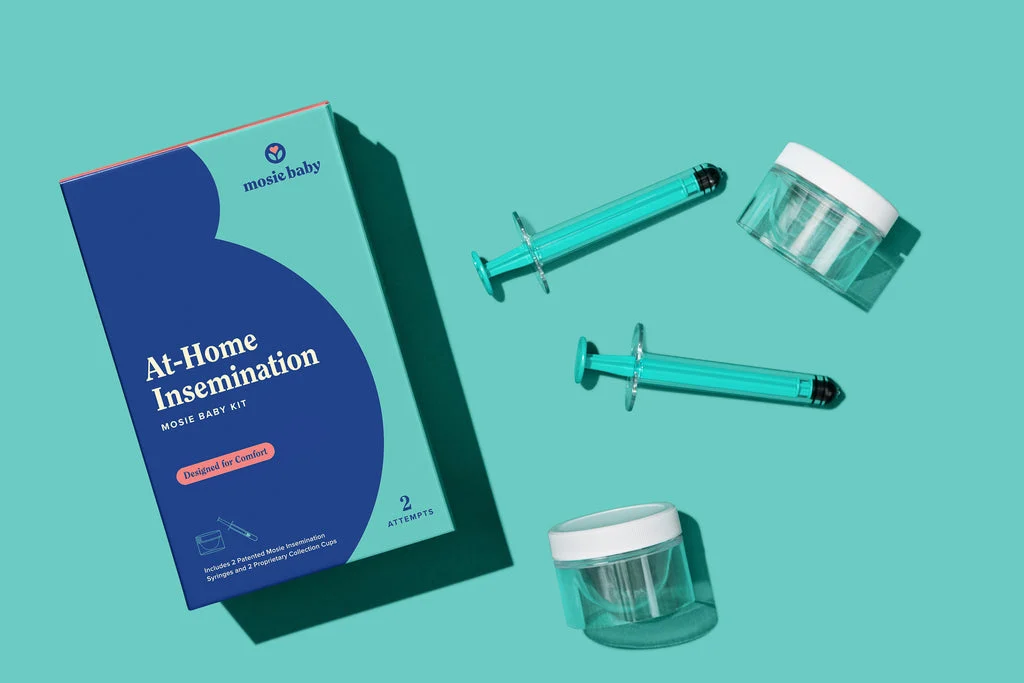
Next, you will need to use a syringe to collect the sperm. If using fresh sperm, the donor can ejaculate directly into the syringe. If using frozen sperm, you will need to thaw the sperm according to the instructions provided by the sperm bank. Once the sperm is collected, remove any air bubbles from the syringe and gently insert it into the vagina, aiming towards the cervix. Slowly inject the sperm into the cervix and remove the syringe. It’s important to remain laying down for at least 20 minutes after insemination to allow the sperm to travel towards the egg.
After the insemination process, there are a few things you can do to increase your chances of pregnancy. Elevating your hips using a pillow or placing your legs against a wall can help the sperm reach the cervix more easily. It’s also recommended to avoid using the bathroom for at least 30 minutes after insemination to prevent any sperm from being expelled.
It’s important to note that home insemination does not guarantee pregnancy and may require multiple attempts. It’s also essential to have open communication with your partner and to seek medical advice if you have been trying to conceive for an extended period of time without success.
In conclusion, home insemination can be a safe and intimate way to conceive, and with proper preparation and understanding, it can be an effective method for starting a family. Remember to track your ovulation, use sterile techniques, and remain patient throughout the process. With perseverance and determination, you can achieve your dream of becoming a parent.
Summary:
Home insemination, also known as at-home insemination, is a method of achieving pregnancy by placing sperm directly into the vagina or cervix without the use of medical equipment or procedures. This DIY approach to conception can be used by same-sex couples, single individuals, or heterosexual couples experiencing fertility issues. Tracking ovulation, finding a sperm donor, and creating a sterile environment are essential steps in the home insemination process. After insemination, it’s important to elevate your hips and avoid using the bathroom to increase chances of pregnancy. It’s essential to have open communication with your partner and seek medical advice if needed. With perseverance and determination, home insemination can be an effective and intimate way to start a family.