Tag: relaxation

  • Simple Self-Care Practices for Busy Individuals

    Blog Post: Simple Self-Care Practices for Busy Individuals

    In today’s fast-paced world, it can be easy to neglect our own well-being in the midst of busy schedules, work demands, and family responsibilities. However, self-care is crucial for maintaining physical, mental, and emotional health. It is important to remember that taking care of ourselves should not be seen as a luxury, but rather as a necessary part of a healthy lifestyle. In this blog post, we will explore some simple self-care practices that busy individuals can incorporate into their daily routines.

    1. Prioritize Sleep
    In order to function at our best, it is essential to get enough sleep. Unfortunately, many of us sacrifice sleep in order to get more things done, but this can have negative effects on our health and productivity. Aim for at least 7-8 hours of sleep each night and try to establish a consistent bedtime routine. This can include turning off electronics an hour before bed, taking a warm bath, or reading a book to help relax and unwind.

    2. Make Time for Exercise
    Regular physical activity not only benefits our physical health, but it also has positive effects on our mental well-being. Even if you have a busy schedule, try to find small pockets of time throughout the day to be active. This can include taking a walk during your lunch break, doing some stretches at your desk, or taking the stairs instead of the elevator. Incorporating exercise into your daily routine can improve your mood, boost energy levels, and reduce stress and anxiety.

    3. Practice Mindfulness
    Mindfulness is the practice of being present and fully engaged in the current moment. It can help reduce stress, improve focus and productivity, and promote overall well-being. Incorporate mindfulness into your day by taking a few minutes to focus on your breathing, going for a mindful walk, or simply taking a moment to appreciate your surroundings. These small practices can help you stay grounded and reduce feelings of overwhelm.

    two teal and clear syringes positioned on a white background

    Simple Self-Care Practices for Busy Individuals

    4. Nourish Your Body
    Eating well is an important part of self-care. When we are busy, it can be tempting to reach for quick and unhealthy food options, but this can leave us feeling sluggish and drained. Instead, try to make time to prepare healthy meals and snacks. This can include packing your own lunch for work, keeping healthy snacks on hand, and making time for breakfast in the morning. Eating nutritious foods can provide the energy and fuel our bodies need to tackle our busy days.

    5. Disconnect from Technology
    In today’s digital age, it can be difficult to disconnect from technology, but constantly being connected can take a toll on our mental health. Make it a priority to unplug and disconnect from technology for a set amount of time each day. This can include turning off your phone during meals, setting boundaries for work emails after hours, or taking a break from social media. Disconnecting can help reduce stress and promote a sense of calm and balance in our lives.

    6. Schedule Time for Relaxation
    It is important to make time for relaxation and activities that bring us joy. This can include reading a book, watching a movie, or spending time with loved ones. Whatever brings you happiness and helps you unwind, make sure to prioritize it in your schedule. Just like any other task on your to-do list, self-care activities should also be scheduled and treated as a priority.

    7. Get Outside
    Spending time in nature has been shown to have numerous benefits for our well-being. It can help reduce stress, boost mood, and improve overall health. Even if you have a busy schedule, try to make time to get outside and enjoy some fresh air and sunshine. This can include taking a walk in a nearby park, eating lunch outside, or simply spending a few minutes sitting on a bench and taking in your surroundings.

    In summary, self-care is essential for maintaining a healthy and balanced life, especially for busy individuals. By prioritizing sleep, exercise, mindfulness, healthy eating, disconnecting from technology, scheduling time for relaxation, and spending time in nature, we can take better care of ourselves and improve our overall well-being. Remember, self-care should not be seen as a luxury, but rather as a necessary part of our daily routines. Make self-care a priority and watch as it positively impacts all areas of your life.


  • Self-Care Practices to Help You Relax and Unwind

    Self-care has become a buzzword in recent years, but what does it really mean? At its core, self-care is about taking care of ourselves physically, mentally, and emotionally. In today’s fast-paced world, it’s easy to get swept up in the hustle and bustle of everyday life, leaving us feeling drained and overwhelmed. That’s where self-care practices come in. By intentionally setting aside time to focus on our well-being, we can relax and unwind, allowing us to recharge and be our best selves. In this blog post, we’ll explore some self-care practices that can help you relax and unwind.

    1. Mindful Breathing
    One of the simplest yet most effective self-care practices is mindful breathing. Taking a few moments to focus on our breath can help us calm our minds and reduce stress. Find a comfortable seated position, close your eyes, and take deep, slow breaths. As you inhale, imagine filling your lungs with fresh, calming air. As you exhale, release any tension or negative thoughts. Repeat this for a few minutes, and you’ll feel more relaxed and centered.

    2. Practice Gratitude
    It’s easy to get caught up in the negatives and stresses of everyday life. But taking a moment to reflect on the things we’re grateful for can shift our perspective and bring a sense of peace. Start a gratitude journal and write down three things you’re grateful for each day. It can be as simple as having a roof over your head or a hot cup of coffee in the morning. By focusing on the good in our lives, we can cultivate a more positive mindset and decrease stress and anxiety.

    3. Disconnect from Technology
    In today’s digital age, it’s challenging to disconnect from technology. We’re constantly bombarded with notifications and updates, making it difficult to truly relax and unwind. Set aside some time each day to disconnect from technology. Put your phone on silent and enjoy some screen-free time. You can use this time to read a book, take a walk, or engage in a hobby. By unplugging, you’ll give your mind a break and allow yourself to be present in the moment.

    4. Establish a Relaxing Nighttime Routine
    A good night’s sleep is crucial for our well-being, but it can be challenging to unwind after a long day. Establishing a relaxing nighttime routine can help you wind down and prepare for a restful sleep. Start by turning off all screens an hour before bedtime. You can then use this time for activities such as reading, taking a warm bath, or practicing a relaxing yoga sequence. By creating a routine, your body will learn to associate these activities with sleep, making it easier to relax and fall asleep.

    At-home insemination kit with ovulation and pregnancy tests, promoting fertility and family planning.

    Self-Care Practices to Help You Relax and Unwind

    5. Connect with Nature
    Spending time in nature has numerous benefits for our mental and emotional well-being. It can help reduce stress, improve mood, and increase creativity. Take some time to go for a hike, have a picnic in the park, or simply sit outside and soak up some vitamin D. Connecting with nature can help us slow down and appreciate the beauty around us, allowing us to relax and unwind.

    6. Get Moving
    Exercise is not only essential for our physical health, but it also has numerous benefits for our mental and emotional well-being. When we exercise, our bodies release endorphins, which are natural mood-boosters. Find an activity that you enjoy, whether it’s going for a run, taking a dance class, or practicing yoga. Not only will you be taking care of your body, but you’ll also be giving your mind a break and reducing stress.

    7. Treat Yourself
    Self-care isn’t just about taking care of our physical and mental well-being. It’s also about indulging in activities that bring us joy and make us happy. Treat yourself to something you love, whether it’s a spa day, a new book, or a night out with friends. By making time for activities that bring us joy, we can recharge and feel more fulfilled.

    8. Get Enough Sleep
    We mentioned the importance of sleep in establishing a nighttime routine, but it’s worth highlighting again. Getting enough sleep is crucial for our overall well-being. Lack of sleep can lead to increased stress, decreased cognitive function, and a weakened immune system. Make sure to prioritize getting at least 7-8 hours of sleep each night. You’ll wake up feeling more rested and ready to take on the day.

    In summary, self-care practices are essential for our well-being. By intentionally setting aside time to focus on ourselves, we can relax and unwind, reducing stress and improving our mental and emotional health. Mindful breathing, practicing gratitude, disconnecting from technology, establishing a relaxing nighttime routine, connecting with nature, exercising, treating ourselves, and getting enough sleep are all effective ways to incorporate self-care into our daily lives. So take a break, prioritize your well-being, and let yourself relax and unwind.

  • The Ultimate Guide to Practicing Self-Care: 22 Must-Try Techniques

    Blog Post: The Ultimate Guide to Practicing Self-Care: 22 Must-Try Techniques

    Self-care has become a buzzword in recent years, and for good reason. In today’s fast-paced and hectic world, it’s easy to neglect our own well-being in favor of work, family, and other responsibilities. However, taking care of ourselves is crucial for our mental, emotional, and physical health. Practicing self-care means intentionally setting aside time to nurture ourselves and recharge our batteries. It’s not a luxury, but a necessity.

    In this ultimate guide, we will explore 22 must-try techniques for practicing self-care. These techniques are practical, easy to implement, and can be tailored to fit your individual needs and preferences. Whether you have five minutes or an entire day to dedicate to self-care, there is something here for everyone.

    1. Start Your Day with a Positive Affirmation
    The way we start our day sets the tone for the rest of it. Instead of immediately reaching for your phone and checking emails or social media, take a few minutes for yourself. Set an intention for the day and repeat a positive affirmation to yourself. This could be something as simple as “I am capable and worthy” or “Today is going to be a great day.” Starting your day with positivity can help boost your mood and mindset.

    2. Practice Gratitude
    It’s easy to get caught up in the negative aspects of our lives, but practicing gratitude can help shift our focus to the positive. Take a few minutes each day to write down three things you are grateful for. This can be anything from your morning cup of coffee to your supportive friends and family. By focusing on the good, we can cultivate a more positive outlook on life.

    3. Engage in Mindful Breathing
    Our breath is a powerful tool for relaxation and stress management. Take a few moments throughout the day to focus on your breath. Slowly inhale through your nose, hold for a few seconds, and exhale through your mouth. This simple technique can help calm your mind and body, and bring you back to the present moment.

    4. Get Moving
    Exercise is not only essential for our physical health but also for our mental well-being. Find an activity that you enjoy, whether it’s going for a run, taking a yoga class, or dancing in your living room. Not only does exercise release endorphins, but it also gives us a break from our thoughts and can boost our self-confidence.

    5. Take a Break from Technology
    In today’s digital age, it’s easy to become overwhelmed and overstimulated by technology. Make it a habit to take breaks from your phone, computer, and TV. Use this time to engage in other activities such as reading, journaling, or spending quality time with loved ones.

    6. Practice Mindful Eating
    Eating should be a mindful and enjoyable experience, but often we find ourselves mindlessly snacking or rushing through meals. Take the time to savor your food, paying attention to the taste, smell, and texture. This can not only help you enjoy your food more, but also help with portion control and mindful eating.

    7. Get Enough Sleep
    A good night’s sleep is crucial for our overall well-being. Make sure to prioritize getting enough quality sleep each night. This can mean setting a bedtime routine, avoiding screens before bed, and creating a comfortable sleep environment.

    8. Set Boundaries
    Learning to say no and setting boundaries is an important part of self-care. It’s okay to say no to things that do not align with your values or do not serve you. This can include saying no to extra work projects, social events, or anything else that may cause you stress or overwhelm.

    9. Try a New Hobby
    Engaging in activities we enjoy can bring us joy and a sense of accomplishment. Take some time to explore different hobbies and find something that sparks your interest. This could be anything from painting, cooking, or learning a new language.

    10. Spend Time in Nature
    Nature has a way of grounding us and putting things into perspective. Whether it’s taking a walk in the park, going for a hike, or simply sitting in your backyard, spending time in nature can be incredibly therapeutic.

    Smiling baby in a blue onesie with "made with Love" text, lying on a light blue crocheted blanket.

    The Ultimate Guide to Practicing Self-Care: 22 Must-Try Techniques

    11. Connect with Others
    Humans are social creatures, and having a strong support system is crucial for our well-being. Make time to connect with friends, family, or join a community that shares your interests. Having people to talk to and lean on can help us navigate through life’s challenges.

    12. Declutter Your Space
    A cluttered space can lead to a cluttered mind. Take some time to declutter your living and working spaces. This can help reduce stress and create a more peaceful environment.

    13. Take a Mental Health Day
    Just like we take a sick day when we have a physical illness, it’s essential to take a mental health day when we need it. This could mean taking a day off work to relax, recharge, and focus on self-care.

    14. Read a Book
    Reading can be a great form of self-care. It allows us to escape our own thoughts and immerse ourselves in a different world. Find a book that interests you and take some time each day to read a few chapters.

    15. Practice Self-Compassion
    We are often our own worst critics. Practice self-compassion by speaking to yourself kindly, as you would a friend. Acknowledge your mistakes and imperfections, but also recognize your strengths and accomplishments.

    16. Take a Bath
    Taking a bath can be both relaxing and rejuvenating. Add some candles, essential oils, and calming music to enhance the experience.

    17. Laugh
    Laughter truly is the best medicine. Watch a funny movie or TV show, read a humorous book, or spend time with someone who makes you laugh. Laughter can help reduce stress and improve our mood.

    18. Volunteer
    Helping others can be a great way to practice self-care. It not only makes a positive impact on others but also gives us a sense of purpose and fulfillment.

    19. Create a Self-Care Routine
    Just like we have a routine for brushing our teeth or going to work, it’s important to have a self-care routine. This could include daily, weekly, or monthly activities that promote self-care and well-being.

    20. Practice Forgiveness
    Holding onto grudges and resentment can weigh us down and impact our mental health. Practice forgiveness, not only towards others but also towards yourself. Let go of past hurts and focus on moving forward.

    21. Listen to Music
    Music has the power to evoke emotions and change our mood. Create a playlist of songs that make you happy, calm, or motivated, and listen to it when you need a pick-me-up.

    22. Seek Professional Help
    If you are struggling with your mental health, do not hesitate to seek professional help. Therapy can be a valuable tool for working through issues and improving overall well-being.

    In summary, self-care is crucial for our mental, emotional, and physical health. It’s about taking intentional and purposeful actions to nurture ourselves and prioritize our well-being. With these 22 must-try techniques, you can create a self-care routine that works for you and helps you lead a happier, healthier life.

  • The Top 18 Home Decor Styles for a Relaxing and Zen Space

    Blog Post:

    In today’s fast-paced world, it’s important to have a relaxing and zen space to come home to. Your home decor can play a major role in creating a peaceful and calming atmosphere. With so many different home decor styles to choose from, it can be overwhelming to find the perfect one for your space. However, there are certain styles that are known for their ability to create a serene and tranquil environment. In this blog post, we will explore the top 18 home decor styles for a relaxing and zen space.

    1. Scandinavian
    The Scandinavian style is known for its simplicity and minimalism, making it a perfect choice for a calming space. The color palette is light and neutral, with pops of natural elements like wood and plants. This style also incorporates plenty of natural light and open spaces, creating a sense of airiness and tranquility.

    2. Japanese
    The Japanese style, also known as “Zen” style, is all about embracing nature and simplicity. It emphasizes natural materials like wood, bamboo, and stone, and often incorporates elements of water, such as a small indoor fountain or a rock garden. The color palette is neutral and subdued, with a focus on creating a harmonious and balanced space.

    3. Bohemian
    Bohemian decor is a popular choice for those seeking a relaxed and free-spirited atmosphere. This style incorporates a mix of colors, patterns, and textures, creating a warm and cozy space. It also incorporates natural elements like plants and woven materials, bringing a sense of nature indoors.

    4. Coastal
    For a calming and beachy vibe, the coastal style is a great option. This style incorporates a lot of white and blue hues, along with natural materials like rattan and driftwood. It also often features nautical elements like ropes, shells, and anchors, bringing a sense of serenity and relaxation to the space.

    5. Minimalist
    Similar to Scandinavian style, the minimalist style focuses on simplicity and functionality. It embraces a “less is more” approach, with clean lines, neutral colors, and clutter-free spaces. This style is perfect for creating a peaceful and uncluttered atmosphere.

    6. Farmhouse
    The farmhouse style is all about creating a cozy and rustic feel. It incorporates natural materials like wood and distressed finishes, along with warm and inviting colors. This style also often features vintage and handmade elements, creating a sense of nostalgia and comfort.

    7. Mid-Century Modern
    With its sleek and clean lines, the mid-century modern style can create a calming and sophisticated atmosphere. This style incorporates natural materials like wood and leather, along with pops of bold colors. It also features geometric patterns, bringing a sense of harmony and balance to the space.

    8. Rustic
    The rustic style is perfect for creating a cozy and inviting atmosphere. It often features natural materials like wood and stone, along with warm colors and textures. This style also incorporates elements of nature, such as animal prints and antlers, bringing a sense of the outdoors into the space.

    Mosie Baby Kit with a syringe and container, highlighting safety and usability features on a blue background.

    The Top 18 Home Decor Styles for a Relaxing and Zen Space

    9. Moroccan
    The Moroccan style is known for its bold and vibrant colors, intricate patterns, and exotic elements. It also incorporates natural materials like wood and woven fabrics, creating a warm and inviting atmosphere. This style also often includes candles and lanterns, adding a touch of coziness and relaxation to the space.

    10. Industrial
    The industrial style is all about embracing raw and unfinished elements, such as exposed brick, metal, and concrete. It also often features a neutral color palette with pops of bold colors and industrial-inspired furniture. This style can create a unique and calming atmosphere in a space.

    11. Traditional
    For those who prefer a classic and timeless look, the traditional style is a great option. It often features elegant furniture, rich colors, and intricate details. This style creates a sense of warmth and comfort, making it a perfect choice for a relaxing space.

    12. French Country
    The French country style is all about creating a charming and romantic atmosphere. It often incorporates natural materials like wood and stone, along with soft and muted colors. This style also features floral patterns and vintage elements, creating a sense of tranquility and relaxation.

    13. Shabby Chic
    The shabby chic style is perfect for creating a cozy and feminine atmosphere. It often features distressed furniture, soft colors, and floral patterns. This style also incorporates vintage and antique elements, creating a sense of nostalgia and calmness in a space.

    14. Scandinavian Boho
    A mix of Scandinavian and bohemian styles, the Scandinavian boho style is perfect for creating a cozy and relaxed atmosphere. It incorporates natural materials like wood and woven fabrics, along with pops of colors and patterns. This style also often features plants, bringing a touch of nature into the space.

    15. Tropical
    For a vacation-like atmosphere, the tropical style is a great choice. It often features bright and bold colors, along with natural materials like bamboo and rattan. This style also incorporates tropical elements like palm leaves and floral patterns, creating a sense of relaxation and escape in a space.

    16. Retro
    The retro style is all about embracing the past and creating a fun and nostalgic atmosphere. It often features bright colors, geometric patterns, and vintage elements. This style can create a playful and laid-back vibe in a space.

    17. Modern Farmhouse
    A blend of modern and farmhouse styles, the modern farmhouse style is perfect for creating a cozy and relaxing atmosphere. It incorporates natural materials like wood and stone, along with neutral colors and clean lines. This style also often features vintage and rustic elements, creating a sense of warmth and comfort in a space.

    18. Art Deco
    For a touch of glamour and sophistication, the art deco style is a great choice. It often features bold and geometric patterns, luxurious materials like velvet and brass, and a mix of colors and textures. This style can create a luxurious and calming atmosphere in a space.

    In summary, when it comes to creating a relaxing and zen space, there are many home decor styles to choose from. Whether you prefer a minimalistic Scandinavian look or a cozy farmhouse vibe, these top 18 styles can help you create a peaceful and tranquil environment in your home.

  • City Breaks: Top Urban Destinations for Families to Relax and Recharge

    City breaks are a popular choice for families looking to relax and recharge. These short trips to urban destinations offer a perfect balance of adventure, culture, and relaxation. With so many options to choose from, it can be overwhelming to decide on the best city break for your family. That’s why we’ve compiled a list of the top urban destinations that are perfect for families to unwind and enjoy a much-needed break.

    1. London, England

    London is a city that has something for everyone, making it an ideal destination for families. From world-renowned museums to iconic landmarks like the Buckingham Palace and the London Eye, there is no shortage of things to see and do. Families can also enjoy a stroll through the beautiful parks, such as Hyde Park and Regent’s Park, or take a boat ride along the River Thames. With a variety of family-friendly accommodations and restaurants, London is a great choice for a city break.

    2. Paris, France

    Known as the “City of Love,” Paris may not seem like an obvious choice for a family city break. However, this beautiful city has plenty to offer for families with children. The iconic Eiffel Tower is a must-visit, and kids will love taking a ride to the top for stunning views of the city. Other popular attractions for families include Disneyland Paris, the Louvre Museum, and the Luxembourg Gardens. With its charming cafes, delicious cuisine, and picturesque streets, Paris is a great destination for families to relax and create unforgettable memories.

    3. Barcelona, Spain

    Barcelona is another fantastic city break destination for families. The city’s vibrant culture, stunning architecture, and beautiful beaches make it a perfect choice for a family vacation. Families can explore the famous Park Güell, designed by the renowned architect Antoni Gaudí, or take a stroll through the Gothic Quarter, known for its narrow streets and historic buildings. Kids will also love the Tibidabo Amusement Park, which offers thrilling rides and spectacular views of the city.

    4. New York City, USA

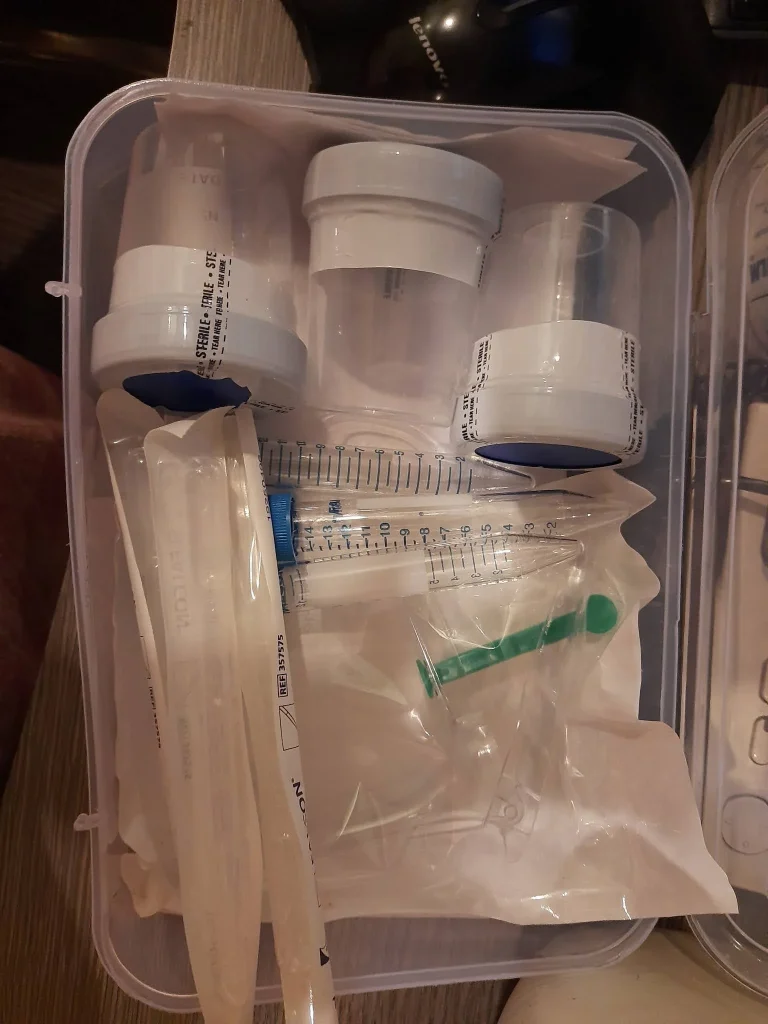
    various medical supplies and containers organized in a clear plastic box on a wooden surface

    City Breaks: Top Urban Destinations for Families to Relax and Recharge

    New York City is a bustling metropolis that offers endless opportunities for families to have a fun and relaxing city break. The city is home to iconic landmarks like the Statue of Liberty, the Empire State Building, and Times Square. Families can also enjoy a stroll through Central Park, visit world-class museums like the American Museum of Natural History, or catch a Broadway show. With its diverse cuisine, vibrant energy, and numerous family-friendly activities, New York City is a perfect choice for a city break.

    5. Tokyo, Japan

    Tokyo may not be the first city that comes to mind when thinking of family city breaks, but it’s a fantastic destination for families looking for a unique and memorable experience. Tokyo offers a perfect blend of traditional and modern, with its stunning temples and shrines, high-tech attractions, and delicious cuisine. Families can visit the famous Tokyo Disneyland, explore the bustling Tsukiji Fish Market, or take a ride on the futuristic Tokyo Skytree for breathtaking views of the city.

    6. Dubai, United Arab Emirates

    Dubai is a city that’s known for its luxury and opulence, but it also offers plenty of family-friendly attractions and activities. Families can visit the world’s tallest building, the Burj Khalifa, or spend a day at the famous Atlantis, The Palm, which offers a waterpark, aquarium, and even a dolphin encounter. The city also has beautiful beaches, including the popular Jumeirah Beach, making it a perfect destination for families to relax and recharge.

    7. Singapore

    Singapore is a small but vibrant city that offers a perfect mix of culture, nature, and adventure. Families can visit the famous Gardens by the Bay, a beautiful nature park with stunning gardens and a massive indoor waterfall. Kids will also love the Singapore Zoo, which is known for its open-concept exhibits and interactive animal experiences. Other popular attractions for families include Universal Studios Singapore and the iconic Marina Bay Sands.

    In summary, city breaks are a great way for families to relax and recharge. With so many fantastic destinations to choose from, families can enjoy a mix of culture, adventure, and relaxation in some of the world’s most exciting cities. From London to Singapore, these urban destinations offer something for everyone and are sure to create unforgettable memories for the whole family.

  • Stress Management Techniques for Improving Cervical Mucus Production

    Blog Post: Stress Management Techniques for Improving Cervical Mucus Production

    Cervical mucus is a vital part of a woman’s reproductive system, playing a crucial role in fertility and conception. It acts as a protective barrier for sperm to travel through and provides the ideal environment for fertilization to occur. However, many women struggle with low cervical mucus production, which can make it difficult to get pregnant. One factor that can contribute to this issue is stress. Chronic stress can have a negative impact on the body and disrupt the delicate balance of hormones responsible for cervical mucus production. In this blog post, we will discuss stress management techniques that can help improve cervical mucus production and increase the chances of conception.

    1. Practice Mindfulness and Relaxation Techniques

    One of the most effective ways to manage stress is through mindfulness and relaxation techniques. These practices can help you become more aware of your thoughts and emotions and learn to respond to them in a calm and positive way. Some popular techniques include deep breathing, meditation, and yoga. These practices can help reduce stress levels, improve mood, and promote overall well-being. By incorporating mindfulness and relaxation techniques into your daily routine, you can lower your stress levels and improve cervical mucus production.

    2. Exercise Regularly

    Regular exercise is not only crucial for physical health but also for mental health. It can help reduce stress, improve mood, and boost self-esteem. Exercise also stimulates the production of endorphins, which are natural stress-relieving hormones. Additionally, physical activity can help regulate hormone levels, including those responsible for cervical mucus production. Aim for at least 30 minutes of moderate exercise, such as walking, jogging, or cycling, five days a week to reap the stress-reducing benefits.

    3. Get Enough Sleep

    Lack of sleep or poor sleep quality can significantly contribute to stress levels. When we are sleep-deprived, our bodies produce more of the stress hormone cortisol, which can negatively impact cervical mucus production. Getting enough quality sleep is essential for hormonal balance and overall well-being. Aim for 7-9 hours of sleep each night and establish a bedtime routine to help you relax and promote better sleep.

    Instructions for reading pregnancy test results with visual indicators for "Not Pregnant," "Pregnant," and "Invalid.

    Stress Management Techniques for Improving Cervical Mucus Production

    4. Eat a Healthy Diet

    What we eat can also impact our stress levels and overall health. A diet rich in processed foods, sugar, and unhealthy fats can contribute to inflammation in the body and lead to stress. On the other hand, a diet high in whole foods, fruits, vegetables, and lean proteins can help reduce stress and promote hormonal balance. Some foods that are particularly beneficial for cervical mucus production include avocado, olive oil, flaxseeds, and salmon. Consult with a healthcare professional or a registered dietitian for personalized dietary recommendations.

    5. Identify and Manage Triggers

    Identifying and managing stress triggers can be a powerful tool in reducing stress levels. Take some time to reflect on situations or events that tend to cause you stress. This could be work-related, family-related, or personal triggers. Once you have identified your triggers, come up with a plan to manage or avoid them. This could include setting boundaries, saying no to extra responsibilities, or seeking support from loved ones. By managing your stress triggers, you can prevent unnecessary stress and improve your overall well-being.

    6. Seek Professional Help

    If you feel overwhelmed by stress and are struggling to manage it on your own, do not hesitate to seek professional help. A therapist or counselor can provide you with the necessary tools and techniques to cope with stress effectively. They can also help you identify any underlying issues that may be contributing to your stress levels and work with you to address them. Seeking professional help is a sign of strength and can greatly benefit your mental and physical health.

    Summary:

    Cervical mucus production is crucial for fertility and conception, but stress can disrupt the delicate balance of hormones responsible for it. By practicing mindfulness and relaxation techniques, exercising regularly, getting enough sleep, eating a healthy diet, identifying and managing stress triggers, and seeking professional help if needed, women can improve their cervical mucus production and increase their chances of conception.

  • The Dos and Don’ts of Using Mosiebaby for At-Home Insemination: Lessons from Rachel and Alex

    Blog Post: The Dos and Don’ts of Using Mosiebaby for At-Home Insemination: Lessons from Rachel and Alex

    For many couples struggling with infertility or same-sex couples wanting to start a family, the process of conceiving can be a daunting and expensive journey. In recent years, there has been a rise in at-home insemination methods, and one popular option is using Mosiebaby. This unique insemination kit provides a simple and affordable way for couples to try to conceive in the comfort of their own home. However, like any fertility method, there are important dos and don’ts to keep in mind for a successful experience. To help guide you, we spoke with Rachel and Alex, a couple who successfully used Mosiebaby to conceive their baby girl, and they shared their dos and don’ts for using Mosiebaby.

    DO: Do Your Research and Consult with a Doctor
    Before starting any fertility method, it is essential to do your research and consult with a doctor. This is especially important for at-home insemination, as it involves handling and inserting sperm, which can carry potential risks if not done correctly. Rachel and Alex stress the importance of consulting with a doctor and getting a full health check before using Mosiebaby. They also advise researching the process and reading reviews from other couples who have used Mosiebaby to get a better understanding of what to expect.

    DON’T: Don’t Skip the Pre-Seed Lubricant
    One crucial aspect of using Mosiebaby is the use of pre-seed lubricant. This sperm-friendly lubricant is essential for creating a more hospitable environment for the sperm and increasing the chances of conception. Rachel and Alex highly recommend using pre-seed lubricant and suggest using it every time before insemination, even if you have no issues with natural lubrication.

    DO: Do Take Your Time and Relax
    One of the most significant advantages of using Mosiebaby is that you can do it in the comfort of your own home. This allows you to take your time and create a relaxed and intimate environment for the process. Rachel and Alex emphasize the importance of taking your time and not rushing through the insemination process. They found that when they took their time and focused on being in the moment, it helped them feel more connected and increased their chances of success.

    comparison of Mosie syringe opening versus standard syringe opening with text highlighting benefits

    The Dos and Don'ts of Using Mosiebaby for At-Home Insemination: Lessons from Rachel and Alex

    DON’T: Don’t Use Too Much Sperm
    Another essential aspect of using Mosiebaby is the amount of sperm used. The recommended amount is 1-2cc, which is equivalent to one full syringe. Rachel and Alex warn against using too much sperm, as it can cause discomfort and may not increase your chances of success. They suggest starting with a smaller amount and gradually increasing if needed.

    DO: Do Use the Right Position
    The position you use during the insemination process can make a significant difference in the effectiveness of Mosiebaby. Rachel and Alex recommend using the missionary position, as it allows for deeper insertion of the syringe and a better chance of reaching the cervix. They also suggest using a pillow to elevate the hips and help keep the sperm in place for longer.

    DON’T: Don’t Overdo It
    When trying to conceive, it can be tempting to use Mosiebaby multiple times in one cycle to increase your chances of success. However, Rachel and Alex advise against this. Overuse of Mosiebaby can cause irritation and may decrease your chances of success. They recommend following the instructions and only using Mosiebaby once per cycle.

    DO: Do Stay Positive and Keep Trying
    Conceiving can be a long and challenging journey, and it is essential to stay positive and keep trying. Rachel and Alex stress the importance of not getting discouraged if you don’t get pregnant on the first try. They share that it took them four cycles of using Mosiebaby before they successfully conceived their daughter. They encourage others to stay positive and keep trying, as every cycle is a new chance for success.

    In summary, using Mosiebaby for at-home insemination can be a game-changer for couples trying to conceive. To increase your chances of success, it is crucial to do your research, consult with a doctor, use pre-seed lubricant, take your time, use the right position, and not overdo it. And most importantly, stay positive and keep trying. With patience and perseverance, you too can have a successful Mosiebaby experience like Rachel and Alex.

  • Tips for Practicing Self-Care During Insemination Syringe Collection

    Blog Post:

    Insemination syringe collection can be a stressful and overwhelming process, both physically and emotionally. Whether you are going through this process alone or with a partner, it is important to prioritize self-care during this time. Self-care can help ease anxiety, promote relaxation, and support your overall well-being. In this blog post, we will discuss some tips for practicing self-care during insemination syringe collection.

    1. Prepare Your Body and Mind

    Before the insemination syringe collection, it is important to prepare your body and mind. This can include getting enough rest, eating nourishing foods, and staying hydrated. It is also helpful to practice relaxation techniques such as deep breathing, meditation, or yoga. These practices can help reduce stress and promote a sense of calmness.

    2. Create a Comfortable Environment

    The environment in which you undergo insemination syringe collection can greatly impact your experience. Make sure to create a comfortable, relaxing space. This can include dim lighting, soothing music, and comfortable pillows or blankets. You can also consider using essential oils or candles to create a calming atmosphere.

    3. Communicate Your Needs

    Communication is key during the insemination syringe collection process. It is important to communicate your needs and preferences with your healthcare provider. This can include any concerns or fears you may have, as well as any physical discomfort you may experience. Your healthcare provider can work with you to find ways to make the process more comfortable and manageable.

    4. Practice Self-Compassion

    comparison of Mosie syringe opening versus standard syringe opening with text highlighting benefits

    Tips for Practicing Self-Care During Insemination Syringe Collection

    Insemination syringe collection can bring up a range of emotions, including fear, anxiety, and disappointment. It is important to practice self-compassion during this time. This means being kind and understanding towards yourself, and acknowledging that it is okay to feel a range of emotions. Remember to be patient and gentle with yourself throughout the process.

    5. Find Support

    Going through insemination syringe collection can feel isolating, but it is important to remember that you are not alone. Finding support can help you feel less alone and provide you with a sense of belonging. You can reach out to friends and family, join online support groups, or seek out a therapist to talk to. Having a support system can make a significant difference in managing stress and promoting self-care.

    6. Engage in Self-Care Activities

    Engaging in self-care activities can help you relax and unwind during the insemination syringe collection process. This can include taking a warm bath, going for a walk in nature, reading a book, or watching a movie. Find activities that bring you joy and make you feel good, and make time for them regularly.

    7. Be Mindful of Your Triggers

    Insemination syringe collection can bring up various triggers, such as past traumas or fears. It is important to be mindful of these triggers and find ways to cope with them. This can include seeking professional help, practicing grounding techniques, or journaling. Being aware of your triggers can help you better manage them and prioritize your mental health.

    8. Stay Positive

    Finally, it is important to stay positive throughout the insemination syringe collection process. This can be challenging, especially if you have been trying to conceive for a while. However, staying positive can help you maintain a sense of hope and optimism. It can also help reduce stress and promote overall well-being.

    In summary, self-care is crucial during the insemination syringe collection process. Taking care of yourself physically, mentally, and emotionally can help ease stress and promote relaxation. Remember to prepare your body and mind, create a comfortable environment, communicate your needs, practice self-compassion, find support, engage in self-care activities, be mindful of triggers, and stay positive.

  • Tips for Making the Syringe Insemination Pack Process More Comfortable

    Blog Post Title: Tips for Making the Syringe Insemination Pack Process More Comfortable

    Introduction:

    Syringe insemination is a common method used for at-home insemination, and it involves using a syringe to deposit sperm into the vagina. While this process can be effective, it can also be uncomfortable and intimidating for many people. In this blog post, we will discuss some tips for making the syringe insemination pack process more comfortable and less stressful.

    1. Choose a comfortable position:

    The position you are in during the syringe insemination process can greatly affect your comfort level. It is important to choose a position that feels comfortable and allows for easy access to the vagina. Some common positions include lying on your back with your legs propped up, squatting, or even using a pillow to elevate your hips.

    2. Use a lubricant:

    Using a lubricant can make the syringe insemination process much more comfortable. It can help the syringe glide smoothly and reduce any potential discomfort or friction. When choosing a lubricant, make sure to use a sperm-friendly option, as some lubricants can actually hinder sperm motility.

    3. Practice beforehand:

    If you are new to the syringe insemination process, it can be helpful to practice beforehand. This will allow you to get comfortable with the process and find the best position and technique for your body. You can use a water-based lubricant and a clean syringe to simulate the process and see what works best for you.

    4. Relax and take deep breaths:

    It is important to relax during the syringe insemination process, as tension can make it more difficult and uncomfortable. Take deep breaths and try to stay calm. You can also try incorporating relaxation techniques such as meditation or listening to calming music to help you relax during the process.

    5. Use a smaller syringe:

    hand holding a syringe with a blue plunger against a solid blue background

    Tips for Making the Syringe Insemination Pack Process More Comfortable

    Using a smaller syringe can make the process more comfortable, especially for those who may have a smaller vaginal opening. A 3ml syringe is a common size used for syringe insemination and may be more comfortable for some individuals. However, make sure to follow the instructions provided by your healthcare provider or fertility specialist.

    6. Have a partner or friend assist you:

    Having a partner or friend assist you during the syringe insemination process can make it more comfortable and less stressful. They can help you with positioning, holding the syringe, and providing emotional support. If you do not have a partner or friend available, you can also consider using a mirror to help you see what you are doing.

    7. Take your time:

    It is important to take your time during the syringe insemination process. Rushing can cause discomfort and make it more difficult to deposit the sperm accurately. Make sure to follow the instructions provided by your healthcare provider or fertility specialist and take breaks if needed.

    8. Consider using a syringe with a bendable tip:

    Some syringes come with a bendable tip, which can make it easier to navigate the vaginal canal and deposit the sperm in the right location. This can be especially helpful for those who may have a tilted or hard-to-reach cervix.

    9. Stay hydrated:

    Drinking plenty of water and staying hydrated can make the syringe insemination process more comfortable. It can help thin out the cervical mucus, making it easier for the sperm to reach the egg. It can also help with any potential discomfort or cramping during the process.

    10. Seek support:

    Going through the syringe insemination process can be emotionally challenging, and it is important to have a support system in place. Seek support from your partner, friends, or a support group for individuals going through the same process. Talking about your feelings and experiences can help alleviate stress and make the process more comfortable.

    Summary:

    Syringe insemination can be a daunting process, but there are steps you can take to make it more comfortable. Choosing a comfortable position, using a lubricant, and practicing beforehand are just a few ways to make the process more comfortable. Relaxing, taking your time, and seeking support can also greatly improve your experience. Remember to stay hydrated and consider using a smaller syringe or one with a bendable tip. With these tips, you can make the syringe insemination process more comfortable and less stressful.

  • The Mind-Body Connection: How Insemination Kits Can Help Improve Fertility Through Relaxation

    The Mind-Body Connection: How Insemination Kits Can Help Improve Fertility Through Relaxation

    The journey to parenthood can be a stressful and emotional one, especially for couples struggling with fertility issues. Many couples turn to assisted reproductive technologies, such as in vitro fertilization (IVF), as a solution. While these methods can be effective, they also come with a hefty price tag and can be physically and emotionally draining. However, recent research has shown that there is a strong mind-body connection when it comes to fertility and that relaxation techniques can significantly improve the chances of conception. In this blog post, we will explore the mind-body connection and how insemination kits can help improve fertility through relaxation.

    Understanding the Mind-Body Connection

    The mind-body connection refers to the link between our thoughts, emotions, and physical health. It is a well-established concept in the field of psychology, and recent studies have shown that this connection also plays a significant role in fertility. Stress and anxiety can have a direct impact on our reproductive systems, causing hormonal imbalances and disrupting ovulation and sperm production. On the other hand, relaxation techniques, such as meditation, yoga, and deep breathing, have been shown to reduce stress and improve fertility outcomes.

    The Role of Relaxation in Fertility

    In today’s fast-paced world, stress has become a common factor in our daily lives. Constantly juggling work, family, and other responsibilities can take a toll on our mental and physical well-being. When it comes to fertility, stress can have a significant impact on our ability to conceive. High levels of stress can disrupt hormone production, leading to irregular menstrual cycles, inhibited ovulation, and decreased sperm production. Furthermore, stress can also affect our sex drive and intimacy with our partner, making it harder to conceive.

    various medical supplies and containers organized in a clear plastic box on a wooden surface

    The Mind-Body Connection: How Insemination Kits Can Help Improve Fertility Through Relaxation

    On the other hand, relaxation techniques have been proven to reduce stress levels and improve fertility outcomes. Studies have shown that women who practice relaxation techniques while undergoing fertility treatments have a higher chance of getting pregnant. These techniques can help regulate hormones, reduce the negative effects of stress on the reproductive system, and improve overall well-being. For men, relaxation techniques can also help improve sperm quality and motility, leading to a better chance of fertilization.

    How Insemination Kits Can Help

    Insemination kits, also known as at-home insemination or artificial insemination kits, have been gaining popularity as a more affordable and less invasive fertility treatment option. These kits allow couples to perform insemination at home, without the need for expensive medical procedures. However, what many people do not realize is that insemination kits can also play a significant role in relaxation and improving fertility outcomes.

    Firstly, using an insemination kit at home can reduce the stress and pressure that couples may feel when undergoing fertility treatments. Instead of having to schedule appointments and go through invasive procedures, couples can perform insemination in the comfort of their own home, at a time that is convenient for them. This can help reduce stress and anxiety levels, which, in turn, can improve fertility outcomes.

    Secondly, the process of using an insemination kit can also be a form of relaxation. The act of coming together with your partner to perform insemination can be a bonding experience and can help improve intimacy and communication. Additionally, the use of relaxation techniques, such as deep breathing and visualization, during the insemination process can further reduce stress levels and increase the chances of conception.

    In conclusion, the mind-body connection plays a crucial role in fertility, and relaxation techniques can significantly improve fertility outcomes. Insemination kits not only offer a more affordable and less invasive fertility treatment option but also provide a way for couples to incorporate relaxation techniques into their journey to parenthood. By reducing stress and improving overall well-being, insemination kits can help couples increase their chances of conceiving and bring them one step closer to their dream of starting a family.