Tag: relaxation techniques

  • Stress and Cervical Mucus: Understanding the Hormonal Link

    Stress and Cervical Mucus: Understanding the Hormonal Link

    Stress is a common part of our daily lives, but did you know that it can also affect our reproductive health? One of the ways stress can impact our bodies is through changes in cervical mucus. Cervical mucus is a fluid produced by the cervix that plays a crucial role in fertility and the reproductive process. In this blog post, we will explore the hormonal link between stress and cervical mucus and how it can impact our overall health.

    The Role of Cervical Mucus in Fertility

    Before we dive into the connection between stress and cervical mucus, let’s first understand the role of cervical mucus in fertility. Cervical mucus helps to create a hospitable environment for sperm, allowing it to survive and swim towards the egg for fertilization. It also acts as a barrier against bacteria and other harmful substances, protecting the reproductive organs.

    Throughout a woman’s menstrual cycle, the amount and consistency of cervical mucus change due to hormonal fluctuations. During the first half of the cycle, the mucus is typically thick and sticky, making it difficult for sperm to swim through. As ovulation approaches, the mucus becomes thinner, clearer, and more stretchy, creating a better environment for sperm to travel. After ovulation, the mucus becomes thicker again, acting as a barrier against sperm and preventing pregnancy.

    The Connection Between Stress and Hormones

    Now that we understand the role of cervical mucus in fertility, let’s delve into the connection between stress and hormones. When we experience stress, our bodies release a hormone called cortisol. Cortisol is known as the “stress hormone” and plays a vital role in our body’s fight or flight response. However, chronic stress can lead to consistently high levels of cortisol in the body, which can disrupt the delicate balance of hormones in the reproductive system.

    High levels of cortisol can suppress the production of luteinizing hormone (LH) and follicle-stimulating hormone (FSH), both of which are essential for ovulation and the production of cervical mucus. When these hormones are not produced in the right amounts, it can lead to changes in the quality and quantity of cervical mucus, making it difficult for sperm to reach the egg.

    Impact of Stress on Cervical Mucus

    Stress can have a significant impact on the quality and quantity of cervical mucus, which can affect fertility in various ways. Here are some of the ways stress can affect cervical mucus:

    1. Changes in Mucus Consistency

    Stress can cause changes in the consistency of cervical mucus, making it thicker and stickier than usual. This can make it difficult for sperm to swim through and reach the egg, hindering the chances of conception.

    2. Decreased Mucus Production

    High levels of cortisol can also suppress the production of cervical mucus, leading to a decrease in the amount of mucus present. Less mucus means there is a lower chance of sperm survival and fertilization.

    3. Delayed Ovulation

    two teal and clear syringes positioned on a white background

    Stress and Cervical Mucus: Understanding the Hormonal Link

    Stress can also delay ovulation, causing changes in the timing of mucus production. This can make it difficult to predict the fertile window, making it challenging to time intercourse for conception.

    Managing Stress for Better Cervical Mucus

    Now that we understand the impact of stress on cervical mucus, it’s essential to find ways to manage and reduce stress for better reproductive health. Here are some tips to help manage stress:

    1. Practice Relaxation Techniques

    Incorporating relaxation techniques such as deep breathing, meditation, and yoga into your daily routine can help reduce stress levels and promote hormonal balance.

    2. Exercise Regularly

    Regular exercise can help reduce cortisol levels and promote the production of endorphins, which can improve mood and reduce stress.

    3. Get Enough Sleep

    Getting enough sleep is crucial for our overall health, including hormonal balance. Aim for 7-9 hours of quality sleep each night to help reduce stress levels.

    4. Seek Support

    Don’t be afraid to seek support from friends, family, or a professional therapist to help manage stress and improve your mental well-being.

    Conclusion

    Stress can have a significant impact on our reproductive health, particularly on cervical mucus. By understanding the hormonal link between stress and cervical mucus, we can take steps to manage stress and promote better reproductive health. Remember to prioritize self-care and seek support when needed to reduce stress levels and improve your overall well-being.

    Summary:

    Stress can affect our reproductive health by disrupting the delicate balance of hormones in the body, particularly those responsible for ovulation and cervical mucus production. High levels of cortisol, the “stress hormone,” can lead to changes in the quality and quantity of cervical mucus, making it difficult for sperm to reach the egg and hindering fertility. To manage stress and promote better cervical mucus, it’s essential to incorporate relaxation techniques, exercise regularly, get enough sleep, and seek support when needed.

  • Fighting Stress for a Healthier Cervical Mucus Environment

    Blog Post Title: Fighting Stress for a Healthier Cervical Mucus Environment

    Summary:

    Stress is a common factor in our daily lives, and it can have a significant impact on our overall health and wellness. Not only does it affect our mental and emotional well-being, but it can also have physical consequences, such as affecting the quality of our cervical mucus.

    Cervical mucus plays a crucial role in our reproductive health, as it helps sperm reach and fertilize the egg. However, when we are stressed, our bodies produce cortisol, a hormone that can disrupt the hormone balance and decrease the production of cervical mucus. This can make it more challenging to conceive and can also affect our overall reproductive health.

    In this blog post, we will discuss the effects of stress on our cervical mucus and provide tips on how to fight stress for a healthier cervical mucus environment.

    The Impact of Stress on Cervical Mucus:

    When we are under stress, our bodies release cortisol, also known as the “stress hormone.” This hormone can have various effects on our body, including disrupting the delicate balance of hormones that regulate our reproductive cycle. Cortisol can also suppress the production of estrogen and progesterone, which are essential for the quality and quantity of cervical mucus.

    Estrogen is responsible for the production of cervical mucus, which changes throughout our menstrual cycle. During ovulation, the cervical mucus becomes thinner and more stretchy, creating a fertile environment for sperm to swim and reach the egg. However, when we are stressed, the production of estrogen is affected, leading to a decrease in cervical mucus production. This can make it more challenging for sperm to reach the egg, making it more difficult to conceive.

    Moreover, stress can also affect the quality of cervical mucus. When we are stressed, our bodies produce more thick and sticky mucus, which can hinder sperm movement and decrease their chances of reaching the egg. This can ultimately affect our fertility and reproductive health.

    Tips for Fighting Stress for a Healthier Cervical Mucus Environment:

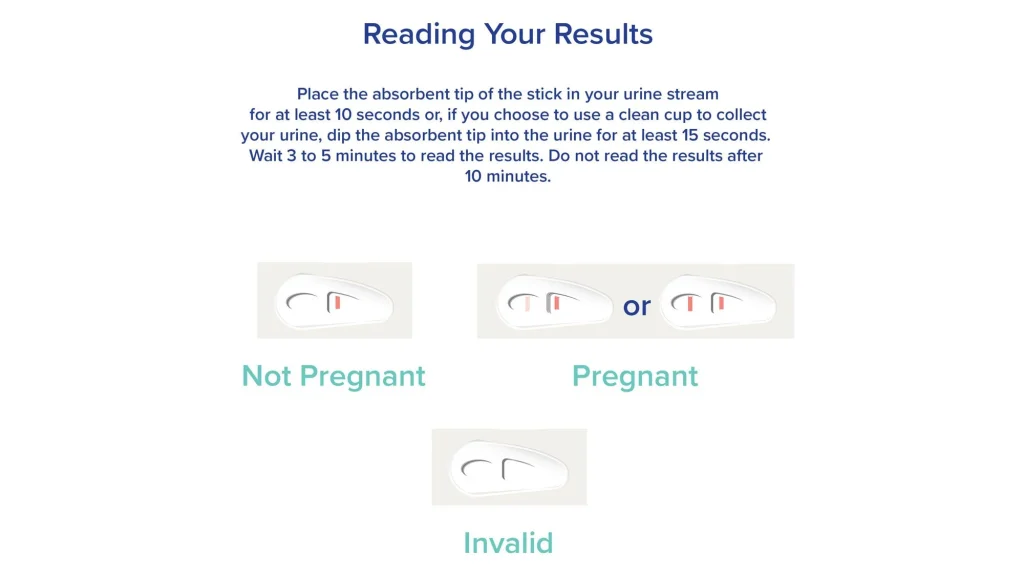
    Instructions for reading pregnancy test results with visual indicators for "Not Pregnant," "Pregnant," and "Invalid.

    Fighting Stress for a Healthier Cervical Mucus Environment

    1. Practice Relaxation Techniques:

    One of the most effective ways to combat stress is through relaxation techniques such as deep breathing, meditation, and yoga. These practices can help calm the mind and body, reduce cortisol levels, and improve hormone balance. They can also promote better sleep, which is essential for reducing stress.

    2. Exercise Regularly:

    Regular physical activity is not only beneficial for our overall health, but it can also help reduce stress. Exercise releases endorphins, also known as “feel-good” hormones, which can improve our mood and help reduce stress levels. It can also promote better sleep, which is essential for stress management.

    3. Get Enough Sleep:

    Lack of sleep can significantly contribute to stress levels. It is crucial to get at least 7-8 hours of quality sleep each night to allow our bodies to rest and recharge. Adequate sleep can also help regulate hormone production and reduce cortisol levels.

    4. Eat a Balanced Diet:

    What we eat can also affect our stress levels. Consuming a balanced and nutritious diet can support our bodies’ ability to cope with stress. Foods rich in antioxidants, such as fruits and vegetables, can also help reduce inflammation and promote better overall health.

    5. Talk to a Professional:

    If stress is significantly impacting your life and overall well-being, it is essential to seek help from a mental health professional. They can provide you with tools and strategies to manage stress effectively and improve your mental and emotional health.

    In conclusion, stress can have a significant impact on our cervical mucus and overall reproductive health. By incorporating relaxation techniques, regular exercise, adequate sleep, a balanced diet, and seeking professional help when needed, we can fight stress and create a healthier environment for our cervical mucus.

  • Why Managing Stress is Crucial for Optimal Cervical Mucus Production

    Summary:

    Cervical mucus, also known as cervical fluid, plays a crucial role in a woman’s fertility and reproductive health. It is the natural fluid produced by the cervix that helps sperm travel through the reproductive system to fertilize an egg. However, many women struggle with low-quality or insufficient cervical mucus, which can make it difficult to conceive. While there are various factors that can affect cervical mucus production, one often overlooked aspect is stress management.

    In this blog post, we will explore the link between stress and cervical mucus production and why managing stress is crucial for optimal cervical mucus production. We will also discuss some effective stress management techniques that can help improve cervical mucus quality and increase the chances of conception.

    The Connection Between Stress and Cervical Mucus:

    Stress is a natural response to demanding or challenging situations, and it affects us both mentally and physically. When we experience stress, our bodies release a hormone called cortisol, which can have a significant impact on our reproductive system. High levels of cortisol can interfere with the production of estrogen, a hormone responsible for regulating cervical mucus production.

    Stress can also cause changes in the immune system, leading to inflammation and the release of prostaglandins, which can affect the quality and quantity of cervical mucus. Additionally, stress can disrupt the balance of hormones that play a crucial role in the menstrual cycle, such as luteinizing hormone (LH) and follicle-stimulating hormone (FSH), which can further impact cervical mucus production.

    How Stress Affects Cervical Mucus Production:

    Stress can affect cervical mucus in various ways, including:

    1. Decreased Cervical Mucus Production:
    Stress can cause the body to produce less cervical mucus or produce cervical mucus that is not of good quality. This can make it difficult for sperm to survive and swim through the reproductive tract, decreasing the chances of conception.

    guide and materials for using Mosie Baby fertility kit on a textured surface

    Why Managing Stress is Crucial for Optimal Cervical Mucus Production

    2. Changes in Cervical Mucus Consistency:
    Under stress, the cervical mucus may become thicker, stickier, or clumpier, making it harder for sperm to penetrate and reach the egg.

    3. Shortened Fertile Window:
    Stress can also affect the timing of ovulation, causing the fertile window (the time when a woman is most likely to get pregnant) to be shorter. This means there is a smaller window of opportunity for sperm to meet the egg, further reducing the chances of conception.

    Effective Stress Management Techniques for Optimal Cervical Mucus Production:

    1. Practice Relaxation Techniques:
    Relaxation techniques such as deep breathing, meditation, and yoga can help reduce stress and promote relaxation. These techniques can also help improve blood flow to the reproductive organs, including the cervix, and support the production of cervical mucus.

    2. Engage in Regular Physical Activity:
    Regular exercise can help reduce stress and improve overall health. It can also help regulate hormone levels and improve blood flow to the reproductive organs, which can have a positive impact on cervical mucus production.

    3. Get Adequate Sleep:
    Lack of sleep can increase stress levels and disrupt the body’s hormonal balance, affecting cervical mucus production. Getting at least 7-9 hours of sleep per night can help reduce stress and support optimal cervical mucus production.

    4. Eat a Balanced Diet:
    Eating a balanced diet rich in nutrients, including vitamins A, C, and E, can help support cervical mucus production. These vitamins are essential for maintaining a healthy reproductive system and can help improve the quality and quantity of cervical mucus.

    5. Practice Self-Care:
    Taking care of oneself is crucial for managing stress levels. Engage in activities that you enjoy, spend time with loved ones, and prioritize self-care to reduce stress and promote overall well-being.

    In conclusion, managing stress is crucial for optimal cervical mucus production. Stress can have a significant impact on the quality and quantity of cervical mucus, making it difficult to conceive. By incorporating stress management techniques into our daily lives, we can support our bodies’ natural processes and improve our chances of conception.

    SEO metadata:

  • The Connection Between Stress and Cervical Mucus Changes

    The Connection Between Stress and Cervical Mucus Changes

    Stress is a natural part of life and can manifest in various ways. It can be caused by work, relationships, financial struggles, and even day-to-day tasks. While some stress can be beneficial in motivating us to achieve our goals, chronic and excessive stress can have negative effects on our overall health, including our reproductive health. In particular, stress has been found to have a direct impact on cervical mucus, which plays a crucial role in fertility and overall vaginal health. In this blog post, we will explore the connection between stress and cervical mucus changes, and how managing stress can improve fertility and overall vaginal health.

    What is Cervical Mucus?

    Before we dive into the connection between stress and cervical mucus changes, it is important to understand what cervical mucus is and its role in the female reproductive system. Cervical mucus is a fluid produced by the cervix, the narrow passage that connects the uterus to the vagina. It acts as a protective barrier, preventing bacteria and other harmful substances from entering the uterus. Cervical mucus also plays a crucial role in fertility by helping sperm travel through the reproductive tract to reach and fertilize an egg.

    The menstrual cycle and hormonal changes throughout the cycle affect the quantity and quality of cervical mucus. Typically, cervical mucus is thick and sticky during the non-fertile phase of the menstrual cycle, acting as a barrier to sperm. As ovulation approaches, estrogen levels increase, causing the cervical mucus to become thinner and more slippery, creating a more hospitable environment for sperm.

    Stress and Cervical Mucus Changes

    Stress has been found to have a significant impact on the hormones that regulate the menstrual cycle, including estrogen. When the body is under stress, it produces a hormone called cortisol, which can disrupt the balance of other hormones in the body. This can lead to changes in the cervical mucus, making it thicker and less conducive to sperm survival.

    Chronic stress can also cause irregular or delayed ovulation, further affecting the quality and quantity of cervical mucus. This can make it more difficult for sperm to reach the egg, reducing the chances of conception. Additionally, stress can also affect the pH level of the vagina, making it more acidic, which can be harmful to sperm.

    Studies have shown that women who experience high levels of stress have lower levels of cervical mucus and a decreased likelihood of conception. In fact, a study conducted on women undergoing in vitro fertilization (IVF) showed that those who reported higher levels of stress had lower levels of cervical mucus and a lower chance of successful embryo implantation.

    Stress and Vaginal Health

    Smiling baby in a blue onesie with "made with Love" text, lying on a light blue crocheted blanket.

    The Connection Between Stress and Cervical Mucus Changes

    Aside from its impact on fertility, stress can also affect overall vaginal health, leading to changes in cervical mucus. Chronic stress can weaken the immune system, making the body more susceptible to infections. This can lead to an imbalance in the vaginal microbiome, the community of microorganisms that live in the vagina and play a crucial role in maintaining vaginal health.

    The imbalance of the vaginal microbiome can result in conditions such as bacterial vaginosis and yeast infections, which can cause changes in cervical mucus. Bacterial vaginosis, for example, can lead to an increase in vaginal discharge, which can alter the consistency and quantity of cervical mucus. Stress can also increase inflammation in the body, which can further affect the quality of cervical mucus.

    Managing Stress for Improved Cervical Mucus and Vaginal Health

    As we have discussed, stress can have a significant impact on cervical mucus and overall vaginal health. Therefore, it is essential to find ways to manage and reduce stress to improve fertility and maintain a healthy vagina. Here are some tips for managing stress:

    1. Practice relaxation techniques: Find activities that help you relax, such as yoga, meditation, or deep breathing exercises. These techniques can help reduce stress and promote overall well-being.

    2. Exercise regularly: Regular exercise can help reduce stress and improve overall physical and mental health. It can also help regulate hormonal imbalances and promote a healthy vaginal microbiome.

    3. Get enough sleep: Lack of sleep can increase stress levels and affect overall health. Make sure to prioritize getting enough quality sleep to help manage stress.

    4. Seek support: Talking to a therapist or joining a support group can be beneficial in managing stress. It can provide a safe space to express your feelings and find ways to cope with stress.

    5. Make time for self-care: Taking time for yourself to do things you enjoy can help reduce stress and improve overall well-being. This can include activities like reading, taking a bath, or spending time outdoors.

    Summary:

    Stress is a natural part of life and can have a direct impact on cervical mucus, which plays a crucial role in fertility and overall vaginal health. Chronic stress can lead to changes in cervical mucus, making it more difficult for sperm to reach the egg and increasing the risk of vaginal infections. Managing stress through relaxation techniques, regular exercise, getting enough sleep, seeking support, and practicing self-care can help improve fertility and maintain a healthy vagina.

  • Managing Stress for Improved Cervical Mucus and Fertility

    Managing Stress for Improved Cervical Mucus and Fertility: How to Reduce Stress for Better Chances of Conception

    Stress is an unavoidable part of daily life, and it affects us in many ways. One area that is often overlooked when it comes to stress is its impact on fertility. In today’s fast-paced world, many couples struggle with fertility issues, and stress is often a contributing factor. In particular, stress can have a significant impact on cervical mucus, which plays a crucial role in the conception process. In this blog post, we will explore the relationship between stress and cervical mucus and provide tips on how to manage stress for improved fertility.

    Understanding Cervical Mucus and Its Role in Fertility

    Cervical mucus is a fluid produced by the cervix that helps sperm travel through the female reproductive tract to reach and fertilize an egg. It also acts as a protective barrier, keeping bacteria and other harmful substances from entering the uterus. The quality and quantity of cervical mucus are crucial for the success of conception.

    During a woman’s menstrual cycle, the amount and consistency of cervical mucus change. Just after a period, there is little to no mucus present. As ovulation approaches, the mucus becomes more abundant, clear, and stretchy, resembling raw egg whites. This fertile cervical mucus helps sperm survive and swim towards the egg, increasing the chances of conception.

    The Impact of Stress on Cervical Mucus

    Stress affects the body in many ways, and one of its effects is on the reproductive system. When we are stressed, our bodies produce high levels of the hormone cortisol, which can interfere with the production of cervical mucus. Studies have shown that women with high levels of stress have less fertile cervical mucus, making it more difficult for sperm to reach the egg.

    Additionally, stress can also affect the timing of ovulation, leading to irregular menstrual cycles and unpredictable changes in cervical mucus. This can make it challenging to track ovulation and plan for conception.

    Ways to Manage Stress for Improved Cervical Mucus and Fertility

    While stress is a part of life, there are ways to manage it effectively to improve cervical mucus and fertility. Here are some tips to help you reduce stress and increase your chances of conception:

    1. Practice Relaxation Techniques

    Relaxation techniques such as deep breathing, meditation, and yoga can help reduce stress levels and improve overall well-being. These activities can also help improve blood flow to the reproductive organs, promoting healthy cervical mucus production.

    2. Exercise Regularly

    Mosie Baby pregnancy test kit with two tests and packaging, featuring a mint green color scheme.

    Managing Stress for Improved Cervical Mucus and Fertility

    Regular exercise is not only beneficial for physical health but also for mental health. It can help reduce stress and promote relaxation. Choose activities that you enjoy, such as walking, swimming, or dancing, and make time for them in your daily routine.

    3. Get Enough Sleep

    Lack of sleep can contribute to stress and hormonal imbalances, which can affect cervical mucus production. Aim for 7-9 hours of quality sleep each night to help your body relax and restore itself.

    4. Incorporate Stress-Reducing Foods into Your Diet

    Certain foods can help reduce stress and promote relaxation. These include foods rich in magnesium, such as leafy greens, nuts, and whole grains, and foods high in vitamin C, such as citrus fruits and berries. These nutrients can help regulate cortisol levels and support healthy cervical mucus production.

    5. Seek Support

    Talking to a trusted friend or family member can help alleviate stress and provide emotional support. You can also join a support group for couples struggling with fertility issues. Sometimes, just knowing that you are not alone can help reduce stress levels.

    6. Consider Acupuncture or Massage Therapy

    Acupuncture and massage therapy have been shown to reduce stress and promote relaxation. They can also help improve blood flow to the reproductive organs, supporting healthy cervical mucus production.

    7. Take Time for Self-Care

    Make time for activities that bring you joy and help you relax, such as reading, listening to music, or taking a bath. It’s essential to prioritize self-care, especially when dealing with stress and fertility issues.

    In Summary

    Stress can have a significant impact on cervical mucus and fertility. By managing stress through relaxation techniques, regular exercise, adequate sleep, and a healthy diet, you can improve your chances of conception. Seek support from your loved ones and consider alternative therapies such as acupuncture and massage to help reduce stress levels. And most importantly, prioritize self-care and make time for activities that bring you joy and relaxation.

  • The Role of Stress in Cervical Mucus Production and Quality

    Blog Post:

    Cervical mucus is an important component of a woman’s reproductive system. It plays a crucial role in the process of conception and can be a key indicator of fertility. However, many women may not be aware of the impact that stress can have on their cervical mucus production and quality. In this blog post, we will explore the relationship between stress and cervical mucus, and how managing stress can lead to improved fertility outcomes.

    The Link between Stress and Cervical Mucus:

    Before delving into the role of stress in cervical mucus production, it is important to understand the function of cervical mucus. Cervical mucus is a fluid produced by the cervix that helps to create a healthy environment for sperm and protects them on their journey to the egg. It also serves as a barrier to prevent harmful bacteria from entering the reproductive tract.

    Stress has been shown to have a significant impact on the body’s reproductive system. When we experience stress, our body releases cortisol, also known as the stress hormone. This can lead to a cascade of hormonal changes that can affect the production and quality of cervical mucus. Research has shown that high levels of stress can disrupt the delicate balance of hormones that regulate the menstrual cycle, leading to changes in cervical mucus production.

    Effects of Stress on Cervical Mucus Production and Quality:

    Stress can affect cervical mucus production in several ways. One of the most common effects is a decrease in the amount of cervical mucus produced. This can make it difficult for sperm to reach the egg, as there is not enough mucus to create a conducive environment for them to survive. Additionally, stress can also alter the consistency and pH level of cervical mucus, making it difficult for sperm to swim through and reach the egg.

    Furthermore, stress can also decrease the quality of cervical mucus. Normally, cervical mucus is thick and stretchy, providing a channel for sperm to travel through. However, under stress, the mucus can become clumpy and less stretchy, making it difficult for sperm to move through and reach the egg. This can significantly decrease the chances of conception.

    Managing Stress for Improved Cervical Mucus:

    Baby wearing a blue shirt with "made with Love" text, surrounded by colorful floral and butterfly designs.

    The Role of Stress in Cervical Mucus Production and Quality

    Now that we understand the impact of stress on cervical mucus, it is important to explore ways to manage stress for improved fertility outcomes. Here are some effective strategies:

    1. Mindfulness and Relaxation Techniques: Mindful practices such as meditation, deep breathing, and yoga can help to reduce stress levels and promote relaxation. These techniques can also improve overall well-being, leading to better reproductive health.

    2. Exercise: Regular physical activity has been shown to reduce stress levels and improve mood. It can also help to regulate hormonal balance, which in turn can lead to better cervical mucus production.

    3. Adequate Sleep: Proper sleep is essential for the body to repair and recharge. Lack of sleep can increase stress levels and disrupt hormonal balance, which can negatively impact cervical mucus production.

    4. Support Network: Having a strong support system can help to reduce stress levels. Talking to friends and family, or seeking professional counseling, can provide much-needed emotional support during stressful times.

    5. Fertility Supplements: Some supplements, such as omega-3 fatty acids and B vitamins, have been shown to help reduce stress levels and improve cervical mucus production. Consult with a healthcare provider before adding any supplements to your routine.

    Conclusion:

    In summary, stress can have a significant impact on cervical mucus production and quality. By understanding this relationship and implementing effective stress management strategies, women can improve their chances of conception. It is important to prioritize self-care and make lifestyle changes to reduce stress levels for optimal reproductive health.

    SEO metadata:

  • Cervical Mucus and Stress: Understanding the Connection

    Blog Post Title: Cervical Mucus and Stress: Understanding the Connection

    Cervical mucus is a natural and important substance produced by a woman’s cervix that plays a crucial role in her reproductive health. It serves as a protective barrier, helps sperm travel to the egg, and indicates changes in fertility throughout the menstrual cycle. However, many women are unaware of the connection between cervical mucus and stress, and how stress can impact their reproductive health. In this blog post, we will dive deeper into this topic and explore the ways in which stress can affect cervical mucus and, ultimately, a woman’s fertility.

    The Basics of Cervical Mucus

    Before we dive into the connection between cervical mucus and stress, let’s first understand what cervical mucus is and its role in a woman’s reproductive system. Cervical mucus is a fluid secreted by glands in the cervix, the lower part of the uterus that connects to the vagina. Its consistency, color, and amount can change throughout a woman’s menstrual cycle, and these changes are regulated by hormones such as estrogen and progesterone.

    Cervical mucus serves as a protective barrier for the uterus, preventing bacteria and other harmful substances from entering. It also acts as a medium for sperm to travel through the cervix and into the uterus to fertilize an egg. Additionally, cervical mucus can indicate a woman’s fertility status. For example, during ovulation, when a woman is most fertile, her cervical mucus becomes thin, slippery, and stretchy, making it easier for sperm to travel to the egg. On the other hand, during non-fertile times, cervical mucus is thicker and less conducive to sperm survival.

    The Impact of Stress on Cervical Mucus

    Stress is a common and natural part of life, and our bodies have evolved to handle short-term stressors. However, chronic stress, which is prolonged and ongoing, can have a detrimental effect on our physical and mental health. When our bodies are under chronic stress, they produce high levels of the hormone cortisol, commonly known as the “stress hormone.” This hormone can disrupt the delicate balance of hormones that regulate the menstrual cycle, including estrogen and progesterone.

    One of the ways in which stress can affect the menstrual cycle is by altering the production and quality of cervical mucus. Studies have shown that women experiencing high levels of stress have lower levels of estrogen, which can result in reduced cervical mucus production. This can make it more challenging for sperm to travel through the cervix and fertilize an egg. Additionally, stress can change the consistency and quality of cervical mucus, making it less favorable for sperm survival.

    Furthermore, chronic stress can disrupt the hormones responsible for regulating ovulation, resulting in irregular or absent ovulation. This, in turn, can lead to changes in cervical mucus production and quality. For example, women with polycystic ovary syndrome (PCOS), a condition characterized by irregular ovulation, often have thicker and stickier cervical mucus, making it harder for sperm to reach the egg.

    Stress and Fertility Treatments

    Informative card introducing the Mosie Baby Kit and its mission for at-home insemination.

    Cervical Mucus and Stress: Understanding the Connection

    For women undergoing fertility treatments, understanding the connection between stress and cervical mucus is crucial. Stress can not only impact the quality and quantity of cervical mucus but also interfere with the success of fertility treatments. A study published in the journal Fertility and Sterility found that women undergoing in vitro fertilization (IVF) had higher pregnancy rates when they reported lower levels of stress.

    Furthermore, the use of certain fertility medications can also affect cervical mucus. For example, some medications used to stimulate ovulation can result in thicker and less favorable cervical mucus. In such cases, managing stress levels becomes even more critical to counteract the impact of medication on cervical mucus and improve the chances of conception.

    Ways to Manage Stress and Improve Cervical Mucus

    Now that we understand the connection between stress and cervical mucus, it’s essential to explore ways to manage stress and improve cervical mucus production and quality. Here are some tips that can help:

    1. Practice Relaxation Techniques: Engage in activities that help you relax, such as yoga, meditation, or deep breathing exercises. These techniques can help reduce cortisol levels and promote a sense of calm.

    2. Exercise Regularly: Physical activity is a great way to relieve stress and promote overall well-being. Aim for at least 30 minutes of moderate exercise daily.

    3. Get Enough Sleep: Lack of sleep can contribute to stress, so make sure you get enough rest each night. Aim for 7-9 hours of sleep per night.

    4. Eat a Healthy Diet: A balanced and nutritious diet can help reduce stress levels and support reproductive health. Include plenty of fruits, vegetables, lean proteins, and whole grains in your meals.

    5. Seek Support: Talking to a therapist, joining a support group, or confiding in a trusted friend or family member can help you manage stress and improve your overall well-being.

    Summary:

    Cervical mucus is a vital component of a woman’s reproductive health, playing a crucial role in fertility and indicating changes in fertility throughout the menstrual cycle. However, stress can significantly impact cervical mucus production and quality, making it more challenging for sperm to travel to the egg and leading to irregular ovulation. For women undergoing fertility treatments, managing stress is essential to improve the chances of conception. Practicing relaxation techniques, exercising regularly, getting enough sleep, and seeking support are some ways to manage stress and improve cervical mucus production and quality.

  • The Connection Between Stress and Cervical Mucus Quality

    Blog Post: The Connection Between Stress and Cervical Mucus Quality

    We’ve all experienced stress at one point or another in our lives. Whether it’s from work, school, relationships, or other sources, stress can have a significant impact on our overall health and well-being. But did you know that it can also affect the quality of our cervical mucus? Cervical mucus is a vital component in a woman’s fertility and can provide valuable insights into her reproductive health. In this blog post, we will explore the connection between stress and cervical mucus quality and how it can affect a woman’s fertility.

    Understanding Cervical Mucus and Its Role in Fertility

    Before we dive into the connection between stress and cervical mucus quality, it’s essential to understand what cervical mucus is and its role in fertility. Cervical mucus is a fluid produced by the cervix that acts as a protective barrier for sperm and facilitates their journey to the egg. It also helps to nourish and sustain sperm, making it easier for them to survive in the female reproductive tract. In addition, cervical mucus provides a fertile environment for sperm to thrive, increasing the chances of fertilization.

    Cervical mucus also goes through different changes throughout a woman’s menstrual cycle, indicating the most fertile days for conception. During ovulation, a woman’s cervical mucus becomes thin, watery, and stretchy, resembling the consistency of egg whites. This fertile cervical mucus allows sperm to swim freely and reach the egg for fertilization. On the other hand, during non-fertile days, cervical mucus is thicker and less abundant, making it difficult for sperm to survive and reach the egg.

    The Impact of Stress on Cervical Mucus Quality

    Stress can affect a woman’s fertility in various ways, including disrupting the quality of her cervical mucus. When our body experiences stress, it releases a hormone called cortisol, also known as the “stress hormone.” Cortisol can suppress the production of estrogen and progesterone, the hormones responsible for regulating the menstrual cycle and cervical mucus production. As a result, stress can lead to changes in the quality and quantity of cervical mucus, making it difficult for sperm to survive and reach the egg for fertilization.

    Mosie Baby ovulation test kit with packaging and instructions on a pink background.

    The Connection Between Stress and Cervical Mucus Quality

    Moreover, stress can also cause a woman’s body to produce more inflammatory cytokines, which can interfere with the quality of cervical mucus. These cytokines can lead to an increase in white blood cells, causing the cervical mucus to become thicker and more acidic, making it hostile to sperm. Additionally, the production of inflammatory cytokines can also cause inflammation in the reproductive organs, further affecting the quality of cervical mucus.

    Stress can also disrupt the delicate hormonal balance in a woman’s body, leading to hormonal imbalances that can affect cervical mucus quality. When our body is under stress, it can produce more prolactin, the hormone responsible for milk production, which can cause a decrease in estrogen levels. As a result, cervical mucus may become thicker, making it difficult for sperm to travel through the reproductive tract.

    Managing Stress to Improve Cervical Mucus Quality

    Now that we understand the impact of stress on cervical mucus quality let’s explore ways to manage stress and improve fertility. The first step is to identify the sources of stress in your life and find ways to reduce or eliminate them. This may include making lifestyle changes, such as getting enough sleep, eating a healthy diet, and engaging in regular physical activity.

    Practicing relaxation techniques such as yoga, meditation, and deep breathing can also help reduce stress levels. These techniques can help to calm the mind and body, allowing the body to produce less cortisol and inflammatory cytokines, thus improving cervical mucus quality.

    In some cases, seeking professional help from a therapist or counselor may be necessary to manage stress effectively. A therapist can help you identify the root causes of stress and provide you with coping mechanisms to reduce its impact on your life.

    Summary:

    Stress can have a significant impact on a woman’s fertility, including the quality of her cervical mucus. Cervical mucus plays a crucial role in a woman’s fertility, and changes in its quality can make it difficult for sperm to survive and reach the egg for fertilization. Stress can affect cervical mucus quality by disrupting hormone levels, increasing inflammation, and causing hormonal imbalances. To improve cervical mucus quality, it’s essential to manage stress effectively through lifestyle changes, relaxation techniques, and seeking professional help when needed.

  • The Impact of Stress on Cervical Mucus Quality and Fertility

    Blog Post:

    Stress is an inevitable part of our daily lives, and it affects us in various ways. From work pressure to personal relationships, stress can have a significant impact on our physical and mental health. But did you know that stress can also affect our fertility? In particular, stress can impact the quality of cervical mucus, which plays a crucial role in fertility. In this blog post, we will explore the connection between stress and cervical mucus quality and its impact on fertility.

    What is Cervical Mucus?

    Cervical mucus is a fluid produced by the cervix, the narrow passage connecting the uterus and the vagina. It plays a vital role in the process of conception by creating a favorable environment for sperm to survive and travel to the egg. Cervical mucus also helps filter out abnormal sperm and protects the uterus from any external bacteria.

    The quality of cervical mucus is essential for fertility as it affects the sperm’s ability to reach and fertilize the egg. It also provides clues about a woman’s menstrual cycle and can help identify the most fertile days for conception.

    The Role of Stress in Cervical Mucus Quality

    Stress can have a significant impact on the quality of cervical mucus. When we experience stress, our body releases a hormone called cortisol, also known as the “stress hormone.” Cortisol is responsible for the fight or flight response, which prepares our body to deal with stressful situations.

    However, prolonged stress can lead to an increase in cortisol levels, which can disrupt the delicate hormonal balance in our body. This hormonal imbalance can affect the production of cervical mucus, leading to changes in its quality and quantity.

    Stress can also lead to dehydration, which can cause the cervical mucus to become thicker and less conducive for sperm to travel through. This can significantly affect a woman’s fertility and reduce the chances of conception.

    Impact of Stress on Fertility

    The impact of stress on fertility is a topic that has been extensively studied, and the results are alarming. According to a study published in the Journal of Psychosomatic Obstetrics & Gynecology, stress can significantly reduce fertility rates in couples undergoing fertility treatments. The study found that women with high levels of stress had a 29% lower chance of conceiving compared to those with low levels of stress.

    various medical supplies and containers organized in a clear plastic box on a wooden surface

    The Impact of Stress on Cervical Mucus Quality and Fertility

    Moreover, stress can also disrupt the menstrual cycle, leading to irregular periods, which can make it challenging to track ovulation and identify the most fertile days. This, in turn, can reduce the chances of conception.

    Stress can also affect male fertility by reducing sperm count and motility. A study published in Fertility and Sterility found that men with higher levels of stress had lower sperm concentration and motility compared to those with lower stress levels.

    How to Reduce Stress for Better Cervical Mucus Quality and Fertility

    While it is impossible to completely eliminate stress from our lives, there are steps we can take to reduce its impact on our fertility. Here are a few tips to help reduce stress and improve cervical mucus quality:

    1. Practice relaxation techniques: Engaging in activities like yoga, meditation, or deep breathing can help reduce stress levels and promote relaxation.

    2. Prioritize self-care: Take time for yourself and engage in activities that you enjoy. This can help reduce stress and improve overall well-being.

    3. Seek support: Talk to your partner, friends, or a therapist about your stress. Having a support system can help alleviate stress and improve mental health.

    4. Exercise regularly: Regular physical activity can help reduce stress levels and promote hormonal balance.

    5. Get enough sleep: Lack of sleep can increase stress levels, so make sure to get enough rest every night.

    Conclusion

    Stress can have a significant impact on cervical mucus quality, which in turn, can affect fertility. By understanding the connection between stress and cervical mucus, we can take steps to reduce stress levels and improve our chances of conception. Remember to prioritize self-care, seek support, and engage in stress-reducing activities to improve your overall well-being and fertility.

    In summary, stress can have a significant impact on cervical mucus quality and fertility. Prolonged stress can lead to hormonal imbalances, dehydration, and irregular menstrual cycles, which can all affect the quality of cervical mucus. This, in turn, can reduce the chances of conception. However, by managing stress levels and prioritizing self-care, we can improve cervical mucus quality and increase our chances of conceiving.

  • The Mind-Body Connection in Fertility: Mary and John’s Experience with Mosiebaby

    **Summary:**

    The mind-body connection has long been recognized in the field of fertility, with many experts stressing the importance of a positive mindset and overall well-being in the journey towards conception. In this blog post, we will explore the personal experience of Mary and John, a couple who struggled with fertility issues for years before discovering Mosiebaby, a home insemination kit. Through their journey, we will see how the mind-body connection played a crucial role in their success with Mosiebaby, and how this innovative product helped them achieve their dream of starting a family.

    Mary and John’s story began when they decided to start trying for a baby after being married for three years. However, after months of unsuccessful attempts, they began to feel overwhelmed and discouraged. Despite seeking medical help, Mary and John were diagnosed with unexplained infertility, leaving them even more frustrated and hopeless. They knew they needed to change something in their approach to conception, and that’s when they came across Mosiebaby.

    Mosiebaby is a simple and effective home insemination kit that is designed to help couples conceive in the comfort of their own home. What sets Mosiebaby apart is its focus on the mind-body connection and the belief that a positive mindset and relaxation techniques can greatly impact fertility. The kit comes with a syringe and a soft, flexible catheter that is specifically designed to make the insemination process as comfortable and stress-free as possible.

    Mary and John were initially skeptical but decided to give Mosiebaby a try. They were pleasantly surprised by how easy and stress-free the process was, compared to their previous attempts at insemination. But what truly stood out to them was the emphasis on relaxation and positivity throughout the entire process. Mosiebaby’s founders, Maureen and Marc Brown, believe that stress and anxiety can greatly impact fertility and have incorporated mindfulness techniques into their product to combat these negative emotions.

    pregnancy test kit with instructions, test device, and packaging on a white background

    The Mind-Body Connection in Fertility: Mary and John's Experience with Mosiebaby

    Mary and John incorporated these techniques into their insemination routine, including deep breathing exercises, guided meditations, and positive affirmations. They also took advantage of Mosiebaby’s fertility support community, where they could connect with other couples going through similar experiences and receive emotional support and encouragement.

    To their delight, Mary and John successfully conceived after just three cycles of using Mosiebaby. While they acknowledge that there could be various factors at play, they firmly believe that the mind-body connection played a significant role in their success. The relaxation techniques helped them to stay calm and positive throughout the process, reducing stress and anxiety, which can inhibit fertility.

    Furthermore, the simplicity and convenience of Mosiebaby allowed Mary and John to take control of their journey towards conception. They no longer had to rely solely on medical interventions and appointments, but instead, they could actively participate in the process in the comfort of their own home. This sense of empowerment and control also positively impacted their mindset and overall well-being.

    In addition to their personal experience, Mary and John were impressed by the scientific research that supports the mind-body connection in fertility. Studies have shown that stress and anxiety can lead to hormonal imbalances, which can affect ovulation and sperm production. By incorporating relaxation techniques, couples can reduce these negative effects and increase their chances of conceiving.

    In conclusion, Mary and John’s experience with Mosiebaby highlights the importance of the mind-body connection in fertility. By staying positive, reducing stress and anxiety, and taking an active role in their journey, they were able to achieve their dream of starting a family. Mosiebaby’s emphasis on relaxation techniques and its convenient and user-friendly design make it a valuable tool for couples struggling with fertility issues. With the mind-body connection becoming increasingly recognized in the field of fertility, products like Mosiebaby offer a new and holistic approach to conception, giving hope to couples on their journey towards parenthood.

    **Keyphrase:** Mind-Body Connection in Fertility