Tag: patience

  • Non-Invasive Insemination Tips for a Successful Pregnancy

    Blog Post: Non-Invasive Insemination Tips for a Successful Pregnancy

    Non-invasive insemination, also known as artificial insemination, is a common fertility treatment used to help couples conceive. Unlike invasive procedures such as in vitro fertilization, non-invasive insemination involves placing sperm directly into the woman’s reproductive tract in a minimally invasive way. This method has a high success rate and is often recommended for couples who have been struggling to conceive for a prolonged period of time. However, there are certain tips and precautions that can increase the chances of a successful pregnancy through non-invasive insemination. In this blog post, we will discuss some important non-invasive insemination tips to help you achieve your dream of becoming a parent.

    1. Find a Qualified and Experienced Doctor

    The first and most important tip for a successful non-invasive insemination is to find a qualified and experienced doctor. It is crucial to choose a doctor who is well-versed in this procedure and has a good track record of successful pregnancies. A reputable doctor will be able to guide you through the entire process and provide you with the necessary support and care.

    2. Understand the Process

    Before undergoing non-invasive insemination, it is essential to have a clear understanding of the process. Educate yourself about the different types of non-invasive insemination, such as intrauterine insemination (IUI) and intracervical insemination (ICI). Also, familiarize yourself with the steps involved in the procedure, the success rates, and the potential risks and side effects. This will help you make an informed decision and prepare yourself mentally and physically for the procedure.

    3. Monitor Your Ovulation

    Timing is crucial when it comes to non-invasive insemination. It is essential to monitor your ovulation cycle and determine the most fertile days for insemination. This can be done through various methods, such as tracking your basal body temperature, using ovulation predictor kits, or monitoring changes in your cervical mucus. Having intercourse or undergoing insemination during your most fertile days can significantly increase the chances of a successful pregnancy.

    4. Consider Sperm Quality
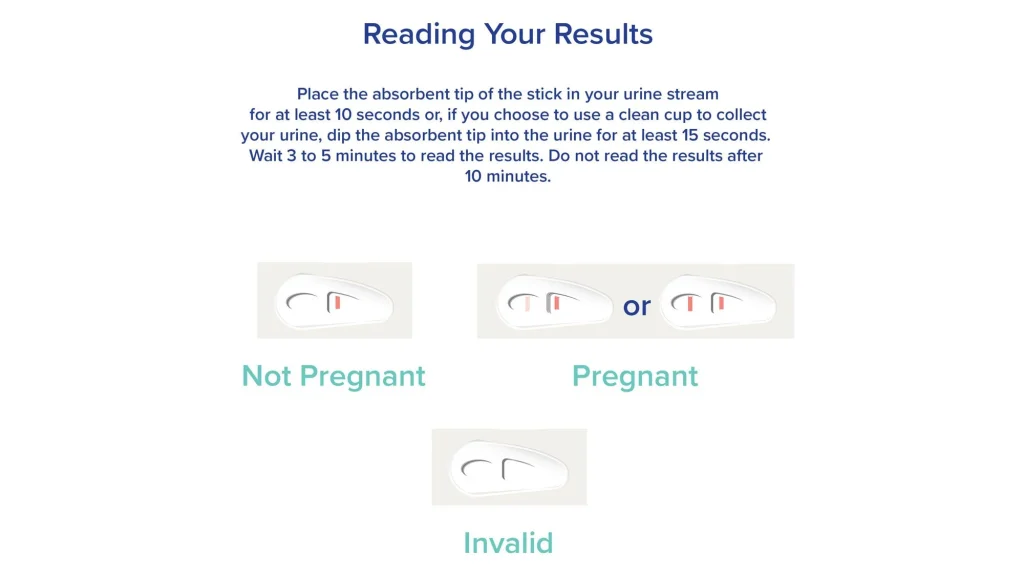
    Instructions for reading pregnancy test results with visual indicators for "Not Pregnant," "Pregnant," and "Invalid.

    Non-Invasive Insemination Tips for a Successful Pregnancy

    The quality of sperm used in non-invasive insemination plays a significant role in the success of the procedure. It is essential to have a thorough evaluation of the male partner’s sperm to determine its quality, count, and motility. If the sperm is of poor quality, your doctor may recommend using donor sperm, which has a higher chance of fertilizing the egg and resulting in a successful pregnancy.

    5. Follow Pre- and Post-Insemination Instructions

    Your doctor will provide you with specific instructions to follow before and after the insemination procedure. It is crucial to follow these instructions carefully to ensure the best possible outcome. These instructions may include abstaining from intercourse for a certain period, taking fertility medications, and avoiding certain activities that can interfere with the procedure’s success. Following these instructions can significantly increase the chances of a successful pregnancy.

    6. Take Care of Your Health

    Maintaining good overall health is essential for a successful non-invasive insemination. A healthy body can increase the chances of conception and a healthy pregnancy. Eat a well-balanced diet, exercise regularly, and avoid unhealthy habits such as smoking and excessive alcohol consumption. It is also crucial to manage stress levels and get enough rest to prepare your body for the insemination procedure.

    7. Be Patient and Positive

    The journey to parenthood can be emotionally and physically draining, and it is essential to stay patient and positive throughout the process. Non-invasive insemination may not result in a pregnancy in the first attempt. It may take multiple cycles for conception to occur. It is crucial to stay optimistic and not lose hope. Surround yourself with a strong support system, and seek counseling if needed to cope with the emotional ups and downs of the process.

    In conclusion, non-invasive insemination can be a highly effective method for couples struggling to conceive. By following these tips, you can increase the chances of a successful pregnancy through non-invasive insemination. Remember to choose a qualified doctor, understand the process, monitor your ovulation, consider sperm quality, follow instructions, take care of your health, and stay patient and positive. With the right approach and mindset, you can achieve your dream of becoming a parent through non-invasive insemination.

    Summary:

    Non-invasive insemination, also known as artificial insemination, is a common fertility treatment used to help couples conceive. To increase the chances of a successful pregnancy through this procedure, it is crucial to find a qualified doctor, understand the process, monitor ovulation, consider sperm quality, follow instructions, take care of your health, and stay patient and positive. By following these tips, couples can increase their chances of conceiving and achieving their dream of becoming parents.


  • The Emotional Journey of Home Insemination: What to Expect

    Blog Post:

    Home insemination, also known as at-home insemination, is a fertility option that allows individuals or couples to perform the insemination process in the comfort of their own home. With the advancements in technology and accessibility of at-home insemination kits, more and more people are turning to this method to start or expand their families. While it may seem like a simple and straightforward process, the emotional journey of home insemination can be complex and overwhelming. In this blog post, we will discuss the different emotional stages that individuals or couples may experience during the home insemination process, and offer tips on how to navigate them.

    Stage 1: Excitement and Hope
    The decision to try home insemination often comes with a sense of excitement and hope. For many, this is the first step in their journey towards parenthood. This stage is filled with anticipation and optimism, as individuals or couples imagine their dream of starting a family becoming a reality. It is important to embrace this excitement and hold on to the hope that this process brings.

    Stage 2: Anxiety and Doubt
    As the insemination process approaches, it is common to experience feelings of anxiety and doubt. There may be worries about the success of the insemination, or doubts about one’s ability to conceive. It is important to acknowledge these feelings and find healthy ways to cope with them. Talking to a partner, friend, or therapist can help ease these anxieties and provide support during this stage.

    Stage 3: Disappointment and Frustration
    For those who have been trying to conceive for some time, the disappointment of unsuccessful attempts can be difficult to handle. This stage can be emotionally draining, and it is important to give yourself time to grieve and process these feelings. It is also common to feel frustrated with the process and wonder if it will ever work. It is important to remember that home insemination may take several attempts before achieving a successful pregnancy.

    Stage 4: Patience and Perseverance
    As the journey of home insemination continues, it is important to remain patient and stay committed to the process. It may take a few months or even longer to achieve a successful pregnancy. During this stage, it is important to take care of your physical and emotional well-being. This can include maintaining a healthy diet, exercising regularly, and seeking support from loved ones. It is also important to stay positive and remember the end goal.

    Stage 5: Joy and Gratitude
    Finally, the day comes when a positive pregnancy test is received. This is a moment of pure joy and gratitude, as all the hard work and emotions of the home insemination process pay off. It is important to celebrate this milestone and embrace the excitement of welcoming a new life into the world.

    various medical supplies and containers organized in a clear plastic box on a wooden surface

    The Emotional Journey of Home Insemination: What to Expect

    Tips for Navigating the Emotional Journey of Home Insemination:
    1. Communicate with your partner: It is important to have open and honest communication with your partner throughout the home insemination process. Share your feelings and support each other through the ups and downs.

    2. Seek support: Whether it’s from a friend, family member, or therapist, it is important to have a support system during this emotional journey. Talking to someone who understands and can offer guidance can be incredibly helpful.

    3. Take care of yourself: It is important to prioritize self-care during this process. This can include eating well, exercising, and finding healthy ways to cope with stress and emotions.

    4. Stay positive: It can be easy to get discouraged during the home insemination process, but it is important to stay positive and keep a hopeful mindset. Visualize your end goal and stay focused on the journey.

    5. Be patient: Home insemination may take time before achieving a successful pregnancy. It is important to be patient and trust in the process.

    In conclusion, the emotional journey of home insemination can be a rollercoaster of emotions. It is important to acknowledge and embrace these feelings, and find healthy ways to cope with them. With patience, perseverance, and support, the end goal of starting or expanding a family through home insemination can be achieved.

    Summary:
    Home insemination is a popular fertility option that allows individuals or couples to perform the insemination process at home. However, the emotional journey of home insemination can be complex and overwhelming. This process can be divided into five stages: excitement and hope, anxiety and doubt, disappointment and frustration, patience and perseverance, and joy and gratitude. It is important to communicate with your partner, seek support, take care of yourself, stay positive, and be patient throughout this journey.

  • The Importance of Patience in Home Insemination

    Blog Post:

    In recent years, the world of fertility has seen a rise in the popularity of home insemination. This method involves using a donor’s sperm to artificially inseminate oneself at home, without the assistance of a medical professional. While this may seem like a convenient and cost-effective option for those looking to start a family, it is important to understand the importance of patience when it comes to home insemination.

    Patience is defined as the ability to wait calmly in the face of frustration or adversity. In the context of home insemination, this means being able to endure the ups and downs of the process and understanding that it may take time to achieve the desired result. Here are some reasons why patience is crucial when it comes to home insemination.

    1. It Takes Time to Find the Right Donor

    One of the first steps in home insemination is finding a suitable sperm donor. This can be a long and challenging process as you want to make sure the donor has the desired characteristics and medical history. It is important to thoroughly research potential donors and take the time to get to know them before making a decision.

    Furthermore, finding a donor who is willing to participate in home insemination can also be a time-consuming process. It is important to be patient and not rush into a decision, as the donor will play a significant role in the creation of your family.

    2. Timing is Crucial

    Timing is everything when it comes to home insemination. Unlike traditional methods of conception, where a doctor can monitor the ovulation cycle and determine the best time for insemination, in home insemination, it is up to the individual or couple to track their ovulation. This means being patient and diligent in tracking ovulation and waiting for the most optimal time for insemination.

    Additionally, it is important to remember that it may take multiple attempts before conception occurs. It is essential to stay patient and not get discouraged if the first few attempts are unsuccessful. It is recommended to wait at least six months before seeking medical assistance if pregnancy does not occur.

    3. The Emotional Rollercoaster

    pregnancy test kit features labeled for comfort and confidence on a teal background

    The Importance of Patience in Home Insemination

    Home insemination can be an emotional rollercoaster. The anticipation, excitement, and disappointment that come with each attempt can take a toll on one’s emotional well-being. It is crucial to stay patient and have a support system in place to help navigate these emotions. Remember that it is a journey and that patience is key in achieving the desired result.

    4. Preparation is Key

    Preparing for home insemination also requires patience. It is essential to have all the necessary supplies, such as a donor’s sperm, ovulation kits, and syringes, on hand. These items may need to be ordered in advance, and it is important to have them ready before ovulation occurs.

    Additionally, it is crucial to have a thorough understanding of the insemination process and how to properly perform it. Taking the time to research and educate oneself on the process will help ensure a smoother and more successful home insemination.

    5. It’s a Learning Process

    Home insemination is a learning process, and it may take multiple attempts before one becomes comfortable with the process. Each attempt can teach you something new, and it is important to stay patient and not get discouraged. Remember that practice makes perfect, and with each attempt, you are one step closer to achieving your goal.

    In conclusion, patience is of utmost importance when it comes to home insemination. It takes time to find the right donor, track ovulation, and prepare for the insemination process. It is essential to have a support system in place, be emotionally prepared for the ups and downs, and have a thorough understanding of the process. Remember to stay patient, as it may take multiple attempts before achieving the desired result. Home insemination is a journey, and patience is key in making it a successful one.

    Summary:

    Home insemination is a popular method of fertility that involves using a donor’s sperm to artificially inseminate oneself at home. However, it is crucial to understand the importance of patience when it comes to this process. Patience is key in finding the right donor, tracking ovulation, emotionally preparing for the process, and learning how to properly perform home insemination. It is also important to have a support system in place and not get discouraged if pregnancy does not occur after the first few attempts.

    SEO Metadata:

  • Making the Most of the Syringe Method: Tips for Successful Natural Conception

    Blog Post:

    For couples who are struggling to conceive, the syringe method can be a helpful tool for natural conception. This method involves using a syringe to insert sperm directly into the cervix, increasing the chances of fertilization. While it may seem like a simple process, there are certain tips and techniques that can help maximize its effectiveness. In this blog post, we will discuss how to make the most of the syringe method for successful natural conception.

    1. Understand the Ovulation Cycle

    Before attempting the syringe method, it is important to have a thorough understanding of the ovulation cycle. This is the window of time when a woman is most likely to conceive. The egg is only viable for 12-24 hours after ovulation, so it is crucial to time the syringe method correctly. Ovulation typically occurs around day 14 of a 28-day cycle, but this can vary for each individual. Keeping track of your menstrual cycle and using ovulation predictor kits can help identify the most fertile days for conception.

    2. Quality of Sperm

    The success of the syringe method also depends on the quality of the sperm being used. It is recommended to use fresh sperm from a trusted donor, such as a partner or a sperm bank. The sperm should be collected on the day of ovulation or the day before for optimal results. It is important to note that frozen sperm may not survive as well during the insertion process.

    3. Preparation is Key

    Proper preparation is crucial for a successful syringe method. Both the sperm and the syringe should be at room temperature before insertion. The syringe should also be thoroughly cleaned and sterilized before use. It is recommended to use a syringe with a catheter tip for easier insertion. Additionally, the woman should be in a comfortable and relaxed position to make the process as smooth as possible.

    4. Know the Anatomy

    pregnancy test kit with instructions, test device, and packaging on a white background

    Making the Most of the Syringe Method: Tips for Successful Natural Conception

    Understanding the anatomy of the cervix is essential for the syringe method. The cervix is located at the end of the vaginal canal and is the opening to the uterus. It has a small opening that allows sperm to enter and travel to the fallopian tubes where fertilization occurs. During ovulation, the cervix produces cervical mucus that helps sperm travel through to the uterus. This mucus is thin and slippery, making it easier for sperm to reach the egg. It is important to be aware of this mucus and use it as a guide for the syringe insertion.

    5. Insertion Technique

    Inserting the sperm with a syringe can be a delicate process, and it is important to do it correctly for the best results. The syringe should be filled with the sperm and then inserted into the vagina. The tip of the syringe should be gently guided towards the cervix and inserted into the opening. Once the syringe is in place, the sperm should be slowly and steadily released into the cervix. It is important to avoid any sudden movements or forceful insertion as this can cause discomfort or even injury.

    6. Relax and Stay Positive

    Trying to conceive can be a stressful and emotional journey, but it is important to stay relaxed and positive during the syringe method. Stress can have a negative impact on fertility, so it is important to find ways to relax and reduce stress. This can include practicing breathing exercises, meditation, or engaging in activities that bring joy and relaxation. Positive thoughts and emotions can also improve the chances of conception, so it is important to maintain a positive mindset throughout the process.

    7. Be Patient

    While the syringe method can be an effective tool for natural conception, it may not work for everyone on the first try. It is important to be patient and not get discouraged if it does not result in pregnancy immediately. It may take a few attempts before achieving success, so it is important to keep trying and not give up hope.

    In conclusion, the syringe method can be a helpful option for couples struggling with natural conception. By understanding the ovulation cycle, using high-quality sperm, proper preparation, knowing the anatomy, and using the correct insertion technique, the chances of success can be maximized. Staying relaxed, positive, and patient are also key factors in the process. With these tips in mind, couples can make the most of the syringe method and increase their chances of successful natural conception.

    Summary:

    The syringe method can be a helpful tool for couples trying to conceive naturally. To make the most of this method, it is important to understand the ovulation cycle, use high-quality sperm, properly prepare, know the anatomy, and use the correct insertion technique. Staying relaxed, positive, and patient are also crucial for success. By following these tips, couples can increase their chances of successful natural conception using the syringe method.

  • Simplify Your Fertility Journey with Home Insemination

    Blog Post:

    Trying to conceive can be a long and complicated journey for many couples. From tracking ovulation to undergoing fertility treatments, the process can be overwhelming both emotionally and financially. However, there is a less known option that can simplify the fertility journey for some couples: home insemination.

    Home insemination, also known as artificial insemination, is the process of using a syringe or a specialized cervical cap to deposit sperm into the vagina or cervix in order to facilitate conception. This method can be done at home, eliminating the need for frequent doctor visits and invasive procedures. In this blog post, we will discuss how home insemination can simplify the fertility journey and provide some tips for those considering this option.

    1. Cost-effective

    One of the biggest advantages of home insemination is its cost-effectiveness. Fertility treatments can be expensive and may not be covered by insurance. Home insemination, on the other hand, can be done at a fraction of the cost. The only expenses involved are the purchase of a syringe or cervical cap, and possibly a fertility-friendly lubricant. This makes it a more accessible option for couples who may not have the financial resources for other fertility treatments.

    2. Convenient and Private

    Home insemination can be done in the comfort and privacy of your own home. There is no need for frequent visits to the doctor’s office or to schedule appointments around ovulation. This can be especially beneficial for couples who live in rural areas or have busy schedules. It also allows for a more intimate and less clinical experience, which can be important for some couples.

    3. No Medications or Hormonal Side Effects

    Unlike other fertility treatments, home insemination does not involve the use of medications or hormones. This means there are no potential side effects to worry about. Many women experience uncomfortable side effects from fertility medications, such as mood swings and bloating. With home insemination, there is no need to worry about these potential side effects.

    4. Can Be Used with Donor Sperm

    For couples who are unable to conceive with their own sperm, home insemination can be a great option when using donor sperm. This allows for a wider range of options when it comes to choosing a sperm donor. It also eliminates the need for invasive procedures such as intrauterine insemination or in-vitro fertilization, which can be expensive and emotionally taxing.

    5. Less Stressful

    The fertility journey can be a stressful time for couples, with constant tracking of ovulation, doctor appointments, and the uncertainty of whether or not conception will occur. Home insemination can reduce some of this stress by allowing couples to take control of the process in a more relaxed and private setting. This can also help couples to feel more connected and involved in the conception process.

    Tips for Home Insemination:

    home insemination kit components: a syringe and a collection container against a blue background.

    Simplify Your Fertility Journey with Home Insemination

    1. Consult with a Fertility Specialist

    Before starting home insemination, it is important to consult with a fertility specialist to ensure that there are no underlying fertility issues that may prevent conception. They can also provide guidance on the best methods and timing for home insemination.

    2. Use High-Quality Sperm

    If using donor sperm, it is important to choose a reputable sperm bank that provides high-quality sperm. This can increase the chances of successful conception.

    3. Track Ovulation

    Tracking ovulation is crucial for successful home insemination. There are many methods available, such as ovulation predictor kits or tracking basal body temperature. Knowing when ovulation occurs can help determine the best time for insemination.

    4. Use a Fertility-Friendly Lubricant

    Regular lubricants can hinder sperm movement and decrease the chances of conception. It is important to use a fertility-friendly lubricant, such as Pre-Seed, during home insemination to improve sperm mobility.

    5. Be Patient

    Conceiving through home insemination may take longer than other fertility treatments. It is important to be patient and not get discouraged if conception does not occur right away. It may take a few cycles to achieve pregnancy.

    In conclusion, home insemination can be a cost-effective, convenient, and less stressful option for couples on their fertility journey. It is important to consult with a fertility specialist and follow some tips to increase the chances of successful conception. With its potential benefits, home insemination is definitely worth considering for couples looking to simplify their fertility journey.

    Summary:

    In this blog post, we discussed the benefits of home insemination for couples trying to conceive. We highlighted its cost-effectiveness, convenience, and lack of medications or hormones as advantages over other fertility treatments. We also provided tips for those considering home insemination, such as consulting with a fertility specialist and tracking ovulation. With its potential to simplify the fertility journey and provide a more intimate experience, home insemination is a viable option for couples looking to expand their family.

    SEO metadata:

  • DIY Fertility: Mastering Home Insemination

    Blog Post:

    Fertility is a topic that affects many individuals and couples, and for those struggling to conceive, it can be a difficult and emotional journey. While assisted reproductive technologies, such as in vitro fertilization, can be effective, they can also be expensive and invasive. As a result, many people are turning to DIY fertility methods, including home insemination, as a more affordable and private option. In this blog post, we will discuss everything you need to know about mastering home insemination as a DIY fertility method.

    First, let’s start with the basics. Home insemination, also known as artificial insemination, is the process of placing sperm into the female reproductive tract to facilitate fertilization. This can be done using a variety of methods, including using a syringe, a cervical cap, or a soft cup. The goal of home insemination is to simulate natural intercourse and increase the chances of fertilization.

    Now that we understand what home insemination is, let’s discuss the steps to mastering this DIY fertility method. The first step is to track your ovulation. Timing is crucial when it comes to home insemination, as sperm can only survive for a few days in the female reproductive tract. Therefore, it’s essential to know when you are ovulating to ensure that the sperm is present when the egg is released. There are various ways to track ovulation, including using ovulation predictor kits, tracking your basal body temperature, or monitoring changes in your cervical mucus.

    Next, you will need to collect the sperm. You can either use a sperm donor or collect the sperm from a partner. If using a sperm donor, it’s essential to ensure that the sperm has been tested for infections and diseases and is screened for genetic abnormalities. If using sperm from a partner, it’s vital to collect the sperm in a sterile container and use it within an hour for maximum effectiveness.

    Once you have collected the sperm, you will need to prepare for the home insemination process. It’s crucial to have a comfortable and private space to perform the insemination. You will also need to have a clean and sterile syringe, cervical cap, or soft cup, depending on your chosen method. It’s also recommended to have a mirror to help guide the placement of the sperm.

    comparison of Mosie syringe opening versus standard syringe opening with text highlighting benefits

    DIY Fertility: Mastering Home Insemination

    Now, it’s time for the actual home insemination process. The first step is to insert the sperm into the chosen device. If using a syringe, you will need to remove the needle and attach a catheter tip to the syringe. If using a cervical cap or soft cup, you will need to insert the sperm into the device using a clean finger. Next, you will need to insert the device into the vagina and place it near the cervix. For better placement, you can use a mirror to guide you. Once the device is correctly positioned, you can release the sperm into the cervix.

    After the insemination process, it’s essential to remain lying down for 15-20 minutes to allow the sperm to travel to the fallopian tubes. If using a cervical cap or soft cup, it’s recommended to keep it in place for at least six hours to increase the chances of fertilization.

    Now that you have completed the home insemination process, the waiting game begins. It’s essential to take a pregnancy test in about two weeks to see if the insemination was successful. If the test is positive, congratulations! If not, don’t be discouraged. Home insemination may take a few attempts before success, just like natural intercourse.

    In addition to following these steps, there are a few other tips to keep in mind when mastering home insemination. Firstly, it’s essential to maintain a healthy lifestyle, including a balanced diet and regular exercise. This will not only improve your overall health but also increase your chances of conception. It’s also recommended to reduce stress and anxiety, as they can negatively impact fertility. Additionally, some supplements, such as folic acid and zinc, have been shown to improve fertility in both men and women.

    In conclusion, DIY fertility methods, such as home insemination, can be an effective and affordable option for those struggling to conceive. By tracking ovulation, preparing for the process, and following the steps mentioned above, you can master home insemination as a DIY fertility method. Remember to stay positive and patient, and don’t hesitate to seek professional help if needed. With determination and proper knowledge, you can increase your chances of having a successful home insemination and achieving your dream of starting a family.

    Summary:

    DIY fertility methods, such as home insemination, are becoming a popular choice for individuals and couples struggling to conceive due to its affordability and privacy. First and foremost, it’s crucial to track ovulation to ensure that sperm is present when the egg is released. Next, the sperm can be collected from a donor or partner and inserted using a syringe, cervical cap, or soft cup. It’s essential to have a comfortable and private space for the insemination process and to remain lying down for 15-20 minutes afterward. A healthy lifestyle, reduced stress, and certain supplements can also improve fertility. Lastly, it’s essential to stay positive and patient and seek professional help if needed.

  • The Importance of Patience in Home Insemination: A Starter Pack for the Journey

    Summary:

    For many couples, starting a family is a dream that they hold close to their hearts. However, for some, conceiving a child naturally may not be possible due to various reasons. This is where home insemination comes into play. Home insemination is a process that involves using a donor’s sperm to impregnate the female partner, without medical intervention. It is a convenient and affordable option for couples who are trying to conceive.

    While the idea of home insemination may seem simple and straightforward, it is important to remember that it is a journey that requires patience and dedication. In this blog post, we will discuss the importance of patience in home insemination and provide a starter pack to guide you on this journey.

    The first and most crucial aspect of home insemination is understanding that it is not a quick fix. It takes time and effort, and patience is the key to success. It is essential to have realistic expectations and understand that it may not work on the first try. It is a journey that requires perseverance and resilience.

    The next step is to do your research. It is vital to educate yourself about the process, the risks involved, and the legal implications. Knowing the ins and outs of home insemination will help you make an informed decision and prepare you mentally and emotionally for the journey ahead.

    It is also essential to have a strong support system. Going through home insemination can be emotionally taxing, and having a partner or a friend who understands and supports you can make a significant difference. It is crucial to have someone to talk to, share your fears and doubts, and celebrate your successes.

    Baby with blue eyes wearing a light blue onesie that says "made with Love" on a soft white background.

    The Importance of Patience in Home Insemination: A Starter Pack for the Journey

    Another crucial aspect of home insemination is tracking your ovulation cycle. This is important because it will help you identify your most fertile days, increasing your chances of success. There are various methods to track your ovulation, such as using ovulation predictor kits, tracking your basal body temperature, and monitoring changes in cervical mucus.

    One of the most challenging parts of home insemination is the waiting period. After the insemination process, you may have to wait for a couple of weeks to take a pregnancy test. This waiting period can be stressful and filled with anxiety. It is essential to find healthy ways to cope with this uncertainty, such as practicing relaxation techniques, staying active, and seeking support from your loved ones.

    It is also crucial to have a backup plan in case the first attempt at home insemination is unsuccessful. This can be emotionally draining, but it is important to remember that it is not a failure. There are various reasons why the first try may not be successful, such as timing, sperm quality, or underlying fertility issues. Having a backup plan will help you stay positive and motivated to try again.

    Another essential aspect of home insemination is communication. It is vital to have open and honest communication with your partner throughout the process. This includes discussing your expectations, fears, and concerns. It is also essential to communicate with your donor, if you are using one, and have a clear understanding of their involvement in the process.

    Lastly, it is crucial to take care of yourself physically and emotionally during the home insemination journey. This includes maintaining a healthy diet, getting enough rest, and managing stress. It is also important to seek professional help if you are struggling with your mental health.

    In conclusion, home insemination is a journey that requires patience, dedication, and a positive mindset. It is essential to have realistic expectations, educate yourself, have a strong support system, track your ovulation, cope with the waiting period, have a backup plan, communicate openly, and take care of yourself. With patience and perseverance, your dream of starting a family through home insemination can become a reality.

    Metadata:

  • DIY Conception: How to Use a Natural Aid Kit for Optimal Results

    Blog Post:

    When it comes to starting a family, many couples struggle with fertility issues and the high costs of medical interventions. However, there is a growing trend of DIY conception where couples are using natural aid kits to improve their chances of conceiving. These kits contain a combination of herbs, supplements, and lifestyle changes that are designed to support the body’s natural processes and optimize fertility. In this blog post, we will discuss how to use a natural aid kit for optimal results.

    Step 1: Understand Your Body’s Cycle

    The first step in using a natural aid kit for conception is to understand your body’s cycle. This includes knowing when you ovulate and the length of your menstrual cycle. Ovulation typically occurs around day 14 of a 28-day cycle, but it can vary from woman to woman. There are also various methods to track ovulation, such as using ovulation predictor kits, tracking basal body temperature, or monitoring changes in cervical mucus.

    Step 2: Choose the Right Natural Aid Kit

    There are many natural aid kits available on the market, so it’s important to choose one that is right for you. Look for kits that contain a variety of herbs and supplements specifically targeted for fertility and hormone balance. Some common ingredients in natural aid kits include maca root, chasteberry, and red raspberry leaf. It’s also essential to choose a reputable brand with good reviews and a money-back guarantee.

    Step 3: Follow the Instructions Carefully

    Once you have chosen your natural aid kit, it’s crucial to follow the instructions carefully. These kits often come with a specific regimen that needs to be followed for a certain period of time. It’s essential to not skip doses or deviate from the instructions for optimal results. It’s also important to note that these kits are not a quick fix, and it may take several months to see results.

    logo of mosie baby featuring a heart and leaf design in blue, pink, and green colors

    DIY Conception: How to Use a Natural Aid Kit for Optimal Results

    Step 4: Incorporate a Healthy Lifestyle

    While using a natural aid kit, it’s essential to also incorporate a healthy lifestyle to boost your chances of conceiving. This includes eating a balanced diet rich in fruits, vegetables, and whole grains, as well as cutting back on processed foods and sugar. Regular exercise and managing stress levels are also critical for fertility. It’s also important to avoid smoking, excessive alcohol consumption, and exposure to toxins.

    Step 5: Consider Acupuncture

    Acupuncture has been used for centuries as a natural aid for fertility. This traditional Chinese medicine practice involves the insertion of thin needles into specific points in the body to stimulate energy flow. It’s believed that acupuncture can improve blood flow to the reproductive organs and regulate hormone levels, making it an effective complement to natural aid kits. It’s essential to find a licensed acupuncturist with experience in treating fertility issues.

    Step 6: Be Patient and Stay Positive

    Using a natural aid kit for conception requires patience and a positive mindset. It’s important to remember that everyone’s journey to conception is different, and results may take time. It’s essential to stay positive and maintain a healthy mindset throughout the process. Consider joining a support group or talking to a therapist if you are feeling overwhelmed or discouraged.

    In conclusion, using a natural aid kit for conception can be an effective and affordable option for couples struggling with fertility issues. By understanding your body’s cycle, choosing the right kit, following the instructions carefully, incorporating a healthy lifestyle, and considering acupuncture, you can increase your chances of conceiving naturally. Remember to be patient, stay positive, and seek support when needed. With dedication and perseverance, your dream of starting a family can become a reality.

    Summary:

    DIY conception is becoming a popular option for couples struggling with fertility issues and high medical costs. Natural aid kits contain herbs, supplements, and lifestyle changes that can optimize fertility. To use a natural aid kit for optimal results, it’s important to understand your body’s cycle, choose the right kit, follow the instructions carefully, incorporate a healthy lifestyle, consider acupuncture, and stay patient and positive. With dedication and perseverance, these kits can increase your chances of conceiving naturally.

  • Tips for Maintaining a Positive Mindset During At-Home Insemination with the Syringe Method

    Summary:

    Maintaining a positive mindset during at-home insemination with the syringe method can be challenging, but it is crucial for the success of the process. In this blog post, we will discuss some tips and strategies for staying positive and reducing stress during this journey.

    1. Educate yourself: The first step to maintaining a positive mindset is to educate yourself about the process of at-home insemination. This includes understanding the anatomy and physiology of conception, the proper techniques for using the syringe method, and any potential complications or risks.

    2. Stay organized: Creating a schedule and staying organized can help reduce stress and anxiety during at-home insemination. This includes keeping track of ovulation dates, medications, and appointments. Having a plan in place can give you a sense of control and reduce uncertainty.

    3. Focus on self-care: Taking care of your physical and mental well-being is crucial during this process. Make sure to eat a balanced diet, exercise regularly, and get enough sleep. Engage in activities that bring you joy and relaxation, such as yoga, meditation, or reading.

    4. Communicate with your partner: At-home insemination can be a team effort, and it is essential to communicate openly with your partner throughout the process. Share your feelings, fears, and hopes with each other. This can help strengthen your relationship and provide emotional support.

    At-home insemination kit with ovulation and pregnancy tests, promoting fertility and family planning.

    Tips for Maintaining a Positive Mindset During At-Home Insemination with the Syringe Method

    5. Seek support: It is normal to experience a range of emotions during at-home insemination, and it is essential to have a support system in place. This can include friends, family, or support groups for individuals going through similar experiences. Don’t be afraid to ask for help or talk to a professional if needed.

    6. Be patient: The journey of at-home insemination can be a long and emotional one, and it is crucial to be patient with yourself and the process. Remember that conception may not occur immediately, and it is normal to experience setbacks. Stay positive and trust in the process.

    7. Don’t obsess over symptoms: During the two-week wait, it is common to analyze every little symptom and try to determine if it is a sign of pregnancy. However, it is essential to remember that many pregnancy symptoms are similar to premenstrual symptoms. Don’t let these symptoms cause unnecessary stress and anxiety.

    8. Practice positive affirmations: Our thoughts have a significant impact on our emotions, so it is crucial to practice positive self-talk and affirmations. Repeat phrases such as “I am capable of conceiving” or “I trust my body to do what it needs to do” to help maintain a positive mindset.

    9. Prepare for different outcomes: As with any fertility journey, it is essential to prepare for different outcomes. While we hope for a positive pregnancy test, it is also important to have a plan in place for a negative result. This can include talking to your doctor about next steps or taking time to process your emotions.

    10. Celebrate the small victories: Lastly, it is crucial to celebrate the small victories throughout the at-home insemination process. This can include successfully tracking ovulation, properly administering the insemination, or simply making it through a particularly challenging day. Remember to acknowledge and celebrate your progress and achievements.

    In conclusion, maintaining a positive mindset during at-home insemination with the syringe method is vital for the success of the process. It is essential to educate yourself, stay organized, practice self-care, communicate with your partner, seek support, be patient, avoid obsessing over symptoms, practice positive affirmations, prepare for different outcomes, and celebrate small victories. Remember to trust in the process and stay positive throughout this journey.