Tag: conception

  • Important Factors to Consider Before Attempting At-Home Insemination with a Syringe

    Blog Post:

    In recent years, more and more couples and individuals have turned to at-home insemination with a syringe as a means of conceiving a child. This method involves using a syringe to manually inject semen into the vagina, bypassing traditional sexual intercourse. While it can be a viable option for some, there are important factors that must be considered before attempting at-home insemination with a syringe.

    1. Medical Considerations

    Before attempting at-home insemination, it is crucial to consult with a medical professional. They can provide valuable insight and information on your individual fertility and health, as well as any potential risks or complications that may arise from the procedure. They can also provide guidance on the proper use of a syringe and potential alternatives to at-home insemination if it is not a suitable option for you.

    2. Sperm Quality

    The quality of the sperm used in at-home insemination is a crucial factor in the success of the procedure. It is recommended to have a semen analysis done to determine the sperm count, motility, and overall health. Low sperm count or poor sperm quality can significantly decrease the chances of conception, making it important to address any potential issues before proceeding with at-home insemination.

    3. Timing and Ovulation

    Timing is everything when it comes to at-home insemination. It is essential to track your menstrual cycle and pinpoint ovulation, as this is the optimal time for insemination. Ovulation predictor kits can help determine the most fertile days, and it is recommended to inseminate within 12-24 hours of ovulation for the best chances of success.

    Smiling baby in a blue onesie with "made with Love" text, lying on a light blue crocheted blanket.

    Important Factors to Consider Before Attempting At-Home Insemination with a Syringe

    4. Sterility and Hygiene

    At-home insemination requires a high level of sterility and hygiene to prevent any potential infections or complications. It is crucial to thoroughly wash and disinfect the syringe and any other tools used in the procedure. It is also recommended to use a sterile lubricant and to avoid using saliva as it can contain bacteria that can interfere with the sperm.

    5. Emotional and Mental Preparation

    At-home insemination can be a challenging and emotional process, and it is essential to be mentally prepared for any potential outcomes. It is important to discuss your feelings and expectations with your partner or a trusted support system. Seeking counseling or therapy can also be beneficial in preparing for the emotional journey of at-home insemination.

    6. Legal Considerations

    Before attempting at-home insemination, it is crucial to consider the legal implications and rights of all parties involved. If using a known sperm donor, it is recommended to have a legal agreement in place to establish parental rights and responsibilities. It is also important to research the laws and regulations in your area regarding at-home insemination and donor conception.

    7. Alternative Options

    At-home insemination is not the only option for those looking to conceive without traditional intercourse. Intrauterine insemination (IUI) is a similar procedure that is done in a medical setting and can offer a higher success rate. In vitro fertilization (IVF) is another option that involves fertilizing an egg with sperm in a laboratory and then implanting it into the uterus. It is important to explore all options and consult with a medical professional to determine the best course of action for your individual situation.

    In summary, at-home insemination with a syringe can be a viable option for those looking to conceive, but there are important factors to consider before attempting the procedure. Consulting with a medical professional, ensuring sperm quality, timing and ovulation, maintaining sterility and hygiene, preparing emotionally and mentally, understanding legal implications, and exploring alternative options are all crucial steps in the process. By carefully considering these factors, individuals can make informed decisions and increase their chances of success with at-home insemination.


  • How to Make the Syringe Method for At-Home Insemination More Comfortable

    At-home insemination using the syringe method is becoming a popular option for couples trying to conceive. This method involves using a syringe to deposit semen into the cervix or vagina, mimicking the process of natural insemination. While this process may seem simple, it can be uncomfortable and even painful for some individuals. In this blog post, we will discuss tips and techniques to make the syringe method for at-home insemination more comfortable and stress-free.

    First and foremost, it is important to create a comfortable and relaxing environment for the insemination process. This can include dimming the lights, playing soothing music, and using scented candles or essential oils. Creating a calming atmosphere can help reduce anxiety and tension, making the experience more enjoyable.

    Next, it is crucial to have the right tools and supplies for the syringe method. This includes a sterile syringe, ovulation predictor kits, and a collection cup for semen. It is also recommended to use a water-based lubricant to make the process smoother and more comfortable. Avoid using oil-based lubricants as they can damage the sperm and hinder the fertilization process.

    Timing is key when it comes to at-home insemination. It is important to track ovulation and plan the insemination process accordingly. Ovulation predictor kits can help determine the most fertile days for conception. It is recommended to inseminate within 12-24 hours after the LH surge, which indicates ovulation is about to occur. This increases the chances of success and minimizes the number of attempts needed.

    Before proceeding with the insemination, it is important to prepare the syringe and semen. The syringe should be filled with the semen, leaving a small amount of air at the top. This will create a cushion and make it easier to control the flow of semen. It is also recommended to keep the syringe and semen at body temperature to mimic the natural environment.

    at-home insemination kit by Mosie Baby, featuring syringes, collection cups, and instructions on a pink background.

    How to Make the Syringe Method for At-Home Insemination More Comfortable

    When it comes to the actual insemination process, it is important to find a comfortable position. Some individuals prefer to lay down with their legs elevated, while others prefer to stand or squat. Experiment with different positions to find what works best for you. It is also recommended to use pillows for support and to elevate the hips for better access to the cervix.

    Once in position, gently insert the syringe into the vagina, aiming towards the cervix. Slowly depress the plunger, releasing the semen into the cervix or vagina. Take your time and go at your own pace to minimize discomfort. It is also helpful to have a partner assist with the process to make it easier and more comfortable.

    After the insemination, it is recommended to remain in the same position for 10-15 minutes to allow the sperm to travel towards the cervix. This will increase the chances of fertilization. Some individuals also choose to use a menstrual cup or soft cup to keep the sperm close to the cervix and prevent leakage.

    It is important to keep in mind that at-home insemination may not be successful on the first try. It may take multiple attempts before conception occurs. Therefore, it is important to stay positive and be patient. The more relaxed and comfortable you are during the process, the better the chances of success.

    In conclusion, the syringe method for at-home insemination can be made more comfortable by creating a relaxing environment, timing the process correctly, using the right tools and supplies, and finding a comfortable position. Taking your time and going at your own pace can also help minimize discomfort. Remember to stay positive and be patient, as it may take multiple attempts before successful conception occurs.

    In summary, at-home insemination using the syringe method can be made more comfortable by creating a relaxing environment, using the right tools and supplies, timing the process correctly, finding a comfortable position, and taking your time. Remember to stay positive and be patient, as it may take multiple attempts for successful conception to occur.

  • The Benefits of Using the Syringe Method for At-Home Insemination

    Blog Post:

    At-home insemination is becoming an increasingly popular method for couples who are trying to conceive. It offers a more intimate and cost-effective alternative to clinical insemination, and it can also be a great option for same-sex couples or single individuals looking to start a family. While there are various methods of at-home insemination, one that has gained traction in recent years is the syringe method. In this blog post, we will explore the benefits of using the syringe method for at-home insemination.

    What is the Syringe Method?

    The syringe method, also known as the “turkey baster” method, involves using a sterile syringe to deposit sperm into the cervix or vagina. It is a simple and affordable technique that can be done at home without the need for medical assistance. The syringe method can be used with fresh or frozen sperm, making it a versatile option for couples.

    Benefits of Using the Syringe Method for At-Home Insemination:

    1. Cost-Effective

    One of the main benefits of using the syringe method for at-home insemination is the cost. Clinical insemination can be expensive, and for some couples, it may not be financially feasible. The syringe method, on the other hand, only requires a sterile syringe, which can be purchased at a low cost from a pharmacy or online. This makes it a more affordable option for couples who are trying to conceive.

    2. Increased Intimacy

    At-home insemination using the syringe method allows couples to be more involved in the process of conception. Unlike clinical insemination, where a medical professional performs the procedure, using the syringe method allows couples to be in control and share the experience together. This can create a more intimate and bonding experience for partners.

    3. Convenience and Privacy

    at-home insemination kit featuring a syringe and container for fresh or donor sperm conception

    The Benefits of Using the Syringe Method for At-Home Insemination

    Another advantage of using the syringe method is the convenience and privacy it offers. Couples can perform the insemination in the comfort of their own home, eliminating the need to schedule appointments and travel to a clinic. This also provides more privacy, which can be important for some couples who may feel uncomfortable with the idea of clinical insemination.

    4. No Medical Intervention

    For some couples, the thought of medical intervention can be daunting. Using the syringe method for at-home insemination eliminates the need for any medical assistance, making it a more natural and non-invasive option. This can be especially beneficial for couples who may have concerns about the potential side effects of fertility medications or other medical procedures.

    5. Can Be Used With Frozen Sperm

    The syringe method can be used with fresh or frozen sperm, providing couples with more flexibility. Frozen sperm can be purchased from a sperm bank, making it accessible to couples who may not have a male partner. This also allows same-sex couples and single individuals to use the syringe method for at-home insemination.

    6. Easy to Learn and Perform

    Performing the syringe method for at-home insemination is a simple process that can be easily learned. There are various resources available, including instructional videos and step-by-step guides, which can help couples understand the process and perform it correctly. This makes it a viable option for couples who may not have access to a fertility specialist or for those who may not feel comfortable with the idea of a medical professional performing the insemination.

    7. No Need for Ovulation Monitoring

    Unlike other methods of at-home insemination, the syringe method does not require ovulation monitoring. This can be a relief for couples who may find ovulation tracking to be stressful or invasive. The syringe method can be performed at any time during the fertile window, making it a more relaxed and stress-free option for couples.

    In summary, the syringe method offers a cost-effective, intimate, and convenient alternative to clinical insemination. It can be used with fresh or frozen sperm, requires no medical intervention, and is easy to learn and perform. The syringe method also eliminates the need for ovulation monitoring, providing a more relaxed and stress-free approach to at-home insemination.

    In conclusion, the syringe method for at-home insemination has many benefits that make it a popular choice for couples who are trying to conceive. Its affordability, intimacy, convenience, and ease of use make it a viable option for couples of all backgrounds. Whether it is used as the primary method of at-home insemination or in conjunction with other methods, the syringe method can help couples achieve their dream of starting a family.

  • The Role of Mindfulness in the At-Home Insemination Process

    Blog Post:

    The process of at-home insemination can be both exciting and overwhelming for individuals and couples who are trying to conceive. While it may seem like a daunting task, incorporating mindfulness into the at-home insemination process can have numerous benefits for both physical and emotional well-being. In this blog post, we will explore the role of mindfulness in the at-home insemination process and how it can help individuals and couples on their journey towards parenthood.

    What is Mindfulness?

    Mindfulness is the practice of being present and aware of one’s thoughts, feelings, and surroundings without judgment. It involves focusing on the present moment and accepting it as it is, without trying to change or control it. Mindfulness has its roots in Buddhist meditation but has gained popularity in the Western world as a way to reduce stress and improve overall well-being. It has been proven to have numerous physical and mental health benefits, making it a valuable tool in the at-home insemination process.

    The Importance of Mindfulness in the At-Home Insemination Process

    Mindfulness can play a crucial role in the at-home insemination process, both before and during the procedure. Here are some ways in which mindfulness can benefit individuals and couples during this journey:

    1. Reducing Stress and Anxiety: Trying to conceive can be a stressful and emotional process, and the pressure to get pregnant can cause anxiety and feelings of inadequacy. Mindfulness can help individuals and couples to manage their stress and anxiety by promoting relaxation and a sense of calmness. By focusing on the present moment and letting go of worries about the future, individuals can reduce their stress levels and create a more positive environment for conception.

    2. Improving Fertility: Studies have shown that stress and anxiety can have a negative impact on fertility. By reducing stress levels, mindfulness can help to improve fertility and increase the chances of successful conception. Additionally, the relaxation techniques used in mindfulness can also help to regulate hormone levels, which can play a crucial role in the reproductive process.

    3. Enhancing Connection and Communication: At-home insemination can put a strain on relationships, especially if one partner is carrying the child and the other is not. Mindfulness can help couples to enhance their connection and communication by promoting empathy, understanding, and open communication. By being present with each other and practicing active listening, couples can strengthen their bond and support each other throughout the at-home insemination process.

    comparison of Mosie syringe opening versus standard syringe opening with text highlighting benefits

    The Role of Mindfulness in the At-Home Insemination Process

    4. Coping with Setbacks: Despite the best efforts, at-home insemination may not always be successful on the first try. This can be disheartening and challenging for individuals and couples, but mindfulness can help them cope with setbacks and stay positive. By focusing on the present moment and accepting the situation as it is, individuals can let go of disappointment and keep moving forward with a positive mindset.

    Incorporating Mindfulness into the At-Home Insemination Process

    Now that we have explored the benefits of mindfulness in the at-home insemination process, here are some practical ways to incorporate it into your routine:

    1. Practice Meditation: Meditation is a powerful tool for cultivating mindfulness. Set aside some time each day to sit in a quiet and comfortable space, focus on your breath, and let go of any thoughts or distractions. You can also try guided meditations specifically designed for fertility and conception.

    2. Use Mindful Breathing Techniques: Deep breathing is a simple yet effective way to reduce stress and bring yourself into the present moment. Whenever you feel overwhelmed or anxious, take a few deep breaths, and focus on the sensation of the breath moving in and out of your body.

    3. Keep a Gratitude Journal: Gratitude is an essential aspect of mindfulness. Each day, write down three things that you are grateful for. This can help to shift your focus from negative thoughts to positive ones and promote a sense of well-being.

    4. Practice Mindful Eating: Mindful eating involves paying attention to the food you are consuming, savoring each bite, and being aware of how it makes you feel. This can help to improve digestion and promote a healthy relationship with food, which is crucial for fertility and overall well-being.

    Summary:

    The at-home insemination process can be an emotional and stressful journey for individuals and couples trying to conceive. However, incorporating mindfulness into this process can have numerous benefits, including reducing stress and anxiety, improving fertility, enhancing connection and communication, and coping with setbacks. Mindfulness can be practiced through meditation, breathing techniques, gratitude journaling, and mindful eating. By incorporating these practices into their routine, individuals and couples can create a more positive and supportive environment for conception.

  • The Evolution of At-Home Insemination Technology

    Blog Post:

    The process of at-home insemination has come a long way in recent years, with advancements in technology making it more accessible and efficient than ever before. In the past, at-home insemination was a complex and often unreliable process, but thanks to the evolution of technology, it has become a viable option for many couples and individuals looking to start a family. In this blog post, we will explore the evolution of at-home insemination technology, from its early beginnings to the present day.

    Early Methods of At-Home Insemination

    Before the advancements in technology, at-home insemination was a difficult and often unsuccessful process. In the 1950s, the most common method was known as the “turkey baster” method, where sperm was collected in a cup and then inserted into the vagina using a turkey baster. This method was not only unhygienic but also had a low success rate as the sperm had to travel a long distance to reach the egg.

    In the 1970s, a new method known as the “syringe method” was introduced. This involved using a syringe to inject the sperm into the vagina, making it a more direct and hygienic method compared to the turkey baster. However, the success rate was still low, and there was no way to know if the sperm was reaching the cervix.

    The Introduction of Intrauterine Insemination (IUI)

    In the 1980s, the first major leap in at-home insemination technology came with the introduction of intrauterine insemination (IUI). This method involves inserting washed and prepared sperm directly into the uterus, bypassing the cervix and increasing the chances of conception. However, this method still required a doctor’s assistance and was not feasible for many couples and individuals.

    Ovulation Predictor Kits (OPKs)

    In the 1990s, the development of ovulation predictor kits (OPKs) revolutionized at-home insemination. These kits use urine or saliva samples to detect the surge of luteinizing hormone (LH) that occurs just before ovulation. This allowed individuals to accurately track their ovulation and time insemination accordingly, increasing the chances of conception.

    Baby with blue eyes wearing a light blue onesie that says "made with Love" on a soft white background.

    The Evolution of At-Home Insemination Technology

    Home Insemination Kits

    In the early 2000s, the first home insemination kits were introduced, making the process more convenient and accessible. These kits typically include pre-filled syringes, ovulation predictor kits, and instructions for at-home insemination. They also often include information on fertility and tips for maximizing the chances of conception.

    The Rise of Digital Technology

    In recent years, the evolution of at-home insemination technology has been greatly influenced by digital technology. With the rise of smartphones, fertility tracking apps have become increasingly popular. These apps allow individuals to track their menstrual cycle, ovulation, and even their basal body temperature, making it easier to determine the best time for insemination.

    Another significant development has been the introduction of at-home sperm testing kits. These kits use a smartphone app and a mini microscope to analyze sperm count, motility, and morphology, providing valuable information for those trying to conceive.

    The Future of At-Home Insemination Technology

    The future of at-home insemination technology looks bright, with ongoing advancements and innovations in the field. One of the most exciting developments is the use of at-home fertility monitors. These devices use saliva or urine samples to analyze hormone levels and predict the best time for insemination.

    There is also ongoing research into the use of artificial intelligence (AI) in fertility tracking and at-home insemination. This technology could potentially analyze data from various sources, such as hormone levels and sperm quality, to provide personalized recommendations for insemination.

    Summary:

    At-home insemination technology has come a long way since its early beginnings in the 1950s. From the unhygienic “turkey baster” and “syringe” methods to the more advanced intrauterine insemination (IUI) and ovulation predictor kits (OPKs), technology has played a crucial role in making at-home insemination more accessible and efficient. The rise of digital technology has brought about even more advancements, such as smartphone apps for fertility tracking and at-home sperm testing kits. With ongoing research and developments, the future of at-home insemination technology looks promising, with the potential for artificial intelligence (AI) to revolutionize the process even further.

  • At-Home Insemination: A Sustainable and Green Solution

    Blog Post Title: At-Home Insemination: A Sustainable and Green Solution

    In recent years, there has been a growing trend towards sustainable and eco-friendly practices in all aspects of life. From using reusable bags to composting, people are becoming more conscious about their impact on the environment. And this mindset also extends to fertility and reproduction. Traditional methods of conceiving, such as in-vitro fertilization (IVF), can be energy-intensive and produce a lot of waste. This has led to the rise of at-home insemination as a sustainable and green solution for starting a family. In this blog post, we will explore the benefits of at-home insemination and why it is a great option for those looking to conceive in an environmentally friendly way.

    What is At-Home Insemination?

    At-home insemination is a method of conception where the sperm is placed directly into the vagina using a syringe or other insemination device. This can be done at home, without the need for medical intervention. It is a simple and straightforward process that can be easily done with the help of a partner or a donor.

    Benefits of At-Home Insemination

    1. Reduces Carbon Footprint

    One of the biggest benefits of at-home insemination is its positive impact on the environment. Traditional methods of conception, such as IVF, require a lot of energy and resources. From the use of medical equipment to the disposal of hazardous materials, the carbon footprint of these procedures can be significant. On the other hand, at-home insemination eliminates the need for medical intervention, thus significantly reducing its environmental impact.

    2. Cost-Effective

    Another advantage of at-home insemination is its cost-effectiveness. IVF and other fertility treatments can be very expensive, often ranging in the thousands of dollars. At-home insemination, on the other hand, is a relatively inexpensive option. With the right supplies, it can be done at a fraction of the cost of traditional methods.

    3. More Intimate and Personal

    At-home insemination allows couples or individuals to conceive in the comfort and privacy of their own home. This can be a more intimate and personal experience, compared to clinical settings. It also gives individuals more control over the process, allowing them to create a more relaxed and stress-free environment for conception.

    4. Can Be Done on Your Schedule

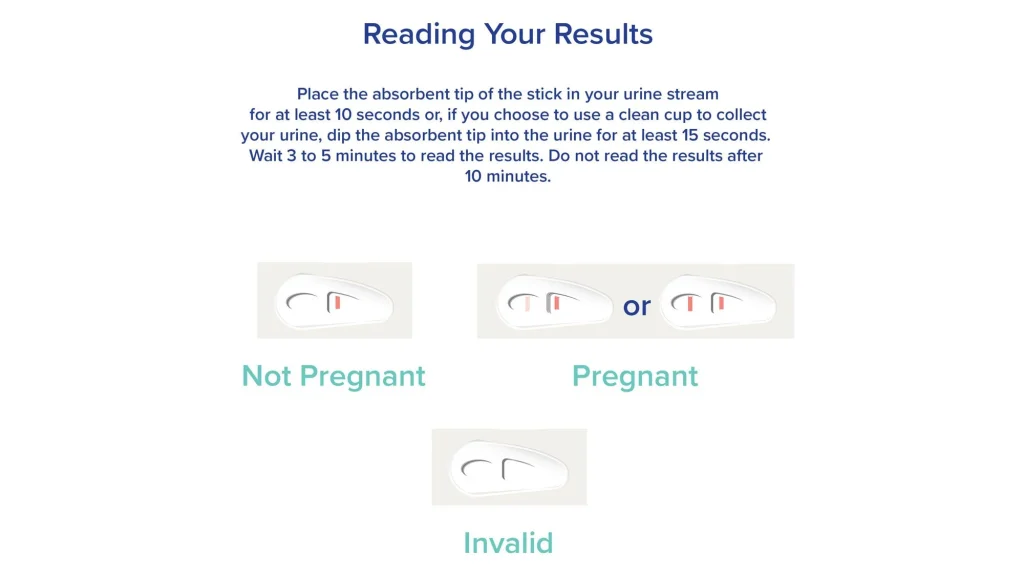
    Instructions for reading pregnancy test results with visual indicators for "Not Pregnant," "Pregnant," and "Invalid.

    At-Home Insemination: A Sustainable and Green Solution

    One of the biggest challenges with traditional methods of conception is the strict timing and scheduling that is required. This can be stressful and inconvenient for couples, especially if they have busy schedules. At-home insemination, on the other hand, can be done on your own schedule, making it a more convenient option for those trying to conceive.

    5. Inclusive for LGBTQ+ Couples

    At-home insemination is a great option for LGBTQ+ couples who want to start a family. It allows same-sex couples to have a biological connection to their child, without the need for a sperm donor or medical intervention. This can be a more affordable and accessible option for LGBTQ+ couples who may face barriers in traditional fertility treatments.

    How to Do At-Home Insemination

    1. Choose a Donor or Use Partner’s Sperm

    The first step in at-home insemination is to choose a donor or use the sperm of the partner. If using a donor, it is important to discuss any health concerns and undergo necessary testing to ensure the sperm is healthy. If using the partner’s sperm, it is recommended to ejaculate into a sterile cup for collection.

    2. Prepare the Insemination Device

    There are various insemination devices available, including syringes and cervical caps. These can be purchased online or at a local pharmacy. It is important to follow the instructions for use and ensure the device is sterile.

    3. Insert the Sperm

    Once the sperm is collected, it can be inserted into the vagina using the insemination device. This can be done by the individual or with the help of a partner. It is recommended to remain in a lying position for 10-15 minutes to increase the chances of conception.

    4. Repeat the Process

    At-home insemination may require multiple attempts before conception occurs. It is recommended to repeat the process during the most fertile days of the menstrual cycle to increase the chances of success.

    In Summary, at-home insemination is a sustainable and green solution for starting a family. It reduces the carbon footprint, is cost-effective, and can be done on your own schedule. It also provides a more intimate and personal experience for couples and is inclusive for LGBTQ+ couples. With proper preparation and following instructions, at-home insemination can be a simple and effective method of conception.

  • At-Home Insemination: A Solution for Those Who Struggle with Traditional Conception Methods

    At-Home Insemination: A Solution for Those Who Struggle with Traditional Conception Methods

    Conceiving a child is a deeply personal and often emotional journey for many couples. While some may have no trouble getting pregnant, others may face various challenges and struggle with traditional conception methods. This can be due to fertility issues, same-sex partnerships, or other personal reasons. However, there is a solution that is gaining popularity among those who face difficulties with traditional conception methods – at-home insemination. In this blog post, we will explore the concept of at-home insemination, its benefits and drawbacks, and how it can be a viable option for those who are struggling to conceive through traditional methods.

    What is At-Home Insemination?

    At-home insemination, also known as home artificial insemination, is the process of manually inserting sperm into the cervix or vagina of a woman in order to achieve pregnancy. This can be done with the help of a medical professional or through self-insemination using a donor’s sperm. It is a more affordable and less invasive alternative to traditional methods, such as intrauterine insemination (IUI) and in vitro fertilization (IVF). At-home insemination is usually done using a syringe, turkey baster, or a specific insemination kit.

    Benefits of At-Home Insemination

    One of the main advantages of at-home insemination is the cost. Traditional fertility treatments can be extremely expensive, with IUI and IVF costing thousands of dollars per cycle. At-home insemination, on the other hand, can cost as little as a few hundred dollars for the necessary supplies. This makes it a much more accessible option for those who may not have the financial means to pursue traditional methods.

    Another benefit of at-home insemination is the privacy and comfort it offers. Many individuals or couples may feel uncomfortable or embarrassed discussing their fertility issues with a medical professional, and at-home insemination allows them to bypass this discomfort. It can be done in the comfort of their own home, without any outside interference. It also allows for more control over the process, as the individual or couple can choose the timing and frequency of insemination, rather than relying on a medical professional’s schedule.

    At-home insemination also has a lower risk of complications compared to traditional methods. With IUI and IVF, there is a higher risk of infection and other complications due to the medical procedures involved. At-home insemination, when done correctly, is a safe and simple process that carries minimal risk.

    Mosie Baby At-Home Insemination Kit instructions and storage guidelines on a blue background.

    At-Home Insemination: A Solution for Those Who Struggle with Traditional Conception Methods

    Drawbacks of At-Home Insemination

    While at-home insemination can be an appealing option for many, there are some drawbacks to consider. The success rates of at-home insemination are generally lower than that of traditional methods. This is because the sperm is not inserted directly into the uterus, which is the case with IUI and IVF. As a result, it may take longer to achieve pregnancy through at-home insemination, and there is a higher chance of multiple attempts being necessary.

    Another disadvantage is the lack of medical supervision. While at-home insemination can be done without the assistance of a medical professional, it is important to note that there is a higher risk of error. This can include using the wrong method or not inserting the sperm correctly, which can reduce the chances of success. It is crucial for individuals or couples considering at-home insemination to thoroughly research and understand the process before attempting it.

    Is At-Home Insemination Right for You?

    At-home insemination can be a viable option for those who struggle with traditional conception methods. It provides a more affordable and private alternative, and can be a good option for individuals or couples who may not be able to undergo traditional fertility treatments. However, it is important to consult with a medical professional before making a decision, as they can provide valuable guidance and ensure that the process is done safely and correctly.

    In conclusion, at-home insemination is a solution that is gaining popularity among those who face difficulties with traditional conception methods. It offers a more affordable and private option, with minimal risk of complications. However, it is important to thoroughly research and understand the process, and consult with a medical professional before attempting it.

    Summary

    At-home insemination is a process of manually inserting sperm into the cervix or vagina in order to achieve pregnancy. It is a more affordable and private alternative to traditional methods, with a lower risk of complications. While it may have lower success rates and lacks medical supervision, it can be a viable option for those who struggle with traditional conception methods. It is important to consult with a medical professional and thoroughly research the process before attempting it.

  • The Role of Support and Education in At-Home Insemination

    Blog Post: The Role of Support and Education in At-Home Insemination

    In today’s society, it is becoming increasingly common for couples and individuals to explore alternative methods of conception, one of which being at-home insemination. This method involves using a donor’s sperm to fertilize the egg, either through self-insemination or with the help of a medical professional. While at-home insemination may seem simple, there are many important factors to consider, such as support and education, that can greatly impact the success of the process.

    The role of support in at-home insemination cannot be underestimated. It is a journey that can be emotionally and physically taxing, and having a strong support system can make all the difference. This support can come from a partner, family member, friend, or even a support group. Having someone to talk to, share experiences with, and lean on during the process can provide a sense of comfort and reassurance.

    In addition to emotional support, having access to education and information is crucial for those considering at-home insemination. There are many aspects to consider, such as choosing a donor, tracking ovulation, and understanding the process of insemination itself. It is important to have a thorough understanding of these factors in order to increase the chances of success. This education can come from various sources, such as online resources, books, or healthcare professionals.

    Choosing the right donor is a key factor in at-home insemination, and it is not a decision to be taken lightly. It is essential to consider the donor’s medical history, genetics, and personal characteristics. This information can be obtained through reputable sperm banks or through known donors. It is also important to have proper legal agreements in place when using a known donor to protect all parties involved.

    Instructions for reading pregnancy test results with visual indicators for "Not Pregnant," "Pregnant," and "Invalid.

    The Role of Support and Education in At-Home Insemination

    Tracking ovulation is another crucial aspect of at-home insemination. Ovulation predictor kits, charting basal body temperature, and monitoring cervical mucus are all methods that can help identify the most fertile time for insemination. It is important to have a clear understanding of these methods and their effectiveness in order to increase the chances of conception.

    The process of insemination itself can be daunting, especially for those who are attempting it for the first time. It is important to have a thorough understanding of the steps involved and to follow a proper protocol. This may involve using sterile equipment, such as syringes and speculums, and having a clean and hygienic environment. Seeking guidance from a healthcare professional or attending educational workshops can provide valuable information and guidance in this area.

    In addition to support and education, at-home insemination also requires patience and perseverance. It may not be successful on the first attempt, and it is important to be prepared for setbacks and to keep trying. Having a positive mindset and remaining determined can greatly increase the chances of success.

    In conclusion, support and education play a significant role in the success of at-home insemination. Having a strong support system and access to accurate information and resources can make the journey less daunting and increase the chances of conception. It is also important to approach the process with patience and determination, as it may not always be successful on the first try. With the right support and knowledge, at-home insemination can be a viable option for those looking to start a family.

    Summary:

    At-home insemination is becoming a popular alternative method of conception, but it requires proper support and education for success. A strong support system can provide emotional comfort, while access to accurate information and resources is crucial for understanding important factors such as choosing a donor, tracking ovulation, and the process of insemination itself. Having patience and determination is also key in this journey. With the right support and knowledge, at-home insemination can be a viable option for starting a family.

  • At-Home Insemination: A Personalized Approach to Fertility

    At-Home Insemination: A Personalized Approach to Fertility

    Infertility affects millions of couples worldwide, making the dream of starting a family seem impossible for many. While traditional fertility treatments, such as in vitro fertilization, can be costly and invasive, there is another option that allows for a more personalized and intimate approach to conception: at-home insemination.

    At-home insemination involves placing semen into the vagina or cervix in hopes of fertilizing an egg and achieving pregnancy. This method can be done in the comfort and privacy of one’s own home, making it a popular choice for those who may feel uncomfortable with clinical procedures. Additionally, at-home insemination can be a more affordable option compared to other fertility treatments.

    But before we dive into the process of at-home insemination, let’s first understand the basics of fertility and the various factors that can affect it.

    Understanding Fertility
    Fertility refers to a person’s ability to conceive and carry a pregnancy to term. It is influenced by a variety of factors, including age, health conditions, lifestyle habits, and more. For women, fertility is at its peak in their 20s and starts to decline in their 30s, with a more significant decrease after the age of 35. For men, fertility also declines with age, but at a slower rate.

    Health conditions such as polycystic ovary syndrome (PCOS), endometriosis, and hormonal imbalances can also affect fertility in both men and women. Lifestyle habits, such as smoking, excessive alcohol consumption, and a poor diet, can also impact fertility negatively.

    The Process of At-Home Insemination
    At-home insemination involves placing sperm into the reproductive tract through a variety of methods. The most common method is using a syringe or a soft cup to deposit the sperm into the vagina or cervix. This can be done with fresh or frozen sperm, and the sperm can be from a partner or a donor.

    Before starting the process, it is crucial to track ovulation to determine the best time to attempt at-home insemination. Ovulation predictor kits or tracking basal body temperature can help pinpoint the most fertile days.

    Colorful promotional image for Mosie Baby, featuring home insemination kit and encouraging text.

    At-Home Insemination: A Personalized Approach to Fertility

    Next, the sperm should be collected in a sterile cup or condom and kept at room temperature for 15-30 minutes to allow it to liquefy. This process helps increase the chances of sperm survival and motility. Once the sperm is ready, it can be drawn into a syringe or inserted into a soft cup for placement into the vagina or cervix.

    It is recommended to stay lying down for 20-30 minutes after insemination to allow the sperm to travel through the reproductive tract. This can increase the chances of fertilization and conception.

    Benefits of At-Home Insemination
    One of the significant advantages of at-home insemination is the privacy and intimacy it provides. Many couples may feel uncomfortable with the clinical setting of fertility treatments and prefer the option of trying to conceive in the comfort of their own home.

    At-home insemination is also a more affordable option compared to other fertility treatments, such as in vitro fertilization, which can cost thousands of dollars. This makes it a more accessible choice for those who may not have the financial means for other treatments.

    Another benefit of at-home insemination is the ability to choose a sperm donor. This option is especially helpful for same-sex couples or single individuals who want to start a family. There are many sperm banks available that offer a variety of donors, including physical characteristics, medical history, and personal information.

    Risks and Considerations
    While at-home insemination can be a viable option for many couples, it is essential to understand the potential risks and considerations before attempting it. One of the main risks is the possibility of infection if the equipment used is not sterile. It is crucial to follow proper hygiene and sterilization techniques to reduce this risk.

    Another consideration is the possibility of multiple pregnancies. At-home insemination does not involve the monitoring and control of the number of eggs released, increasing the chances of multiple pregnancies, such as twins or triplets.

    It is also essential to manage expectations when attempting at-home insemination. While it can be successful, it may take multiple attempts before achieving pregnancy. Consulting a fertility specialist can be helpful in determining the best course of action for individual situations.

    In summary, at-home insemination offers a more personalized and intimate approach to fertility treatments. It can be a more affordable option compared to traditional treatments and provides the ability to choose a sperm donor. However, it is essential to understand the risks and considerations involved and manage expectations.

  • From A to Z: A Comprehensive Guide to At-Home Insemination

    Title: From A to Z: A Comprehensive Guide to At-Home Insemination

    Summary:

    At-home insemination is a method of artificial insemination that can be done in the comfort and privacy of your own home. It is a popular option for individuals and couples who are unable to conceive naturally or who are looking to start a family without the involvement of a sperm donor. In this comprehensive guide, we will discuss the basics of at-home insemination, including the different methods, the necessary supplies, and the steps to take for a successful insemination.

    We will begin by discussing the different methods of at-home insemination, including intracervical insemination (ICI) and intrauterine insemination (IUI). ICI involves inserting the semen into the cervix using a syringe or soft cup, while IUI involves placing the semen directly into the uterus using a catheter. We will talk about the pros and cons of each method and help you determine which one is best for you.

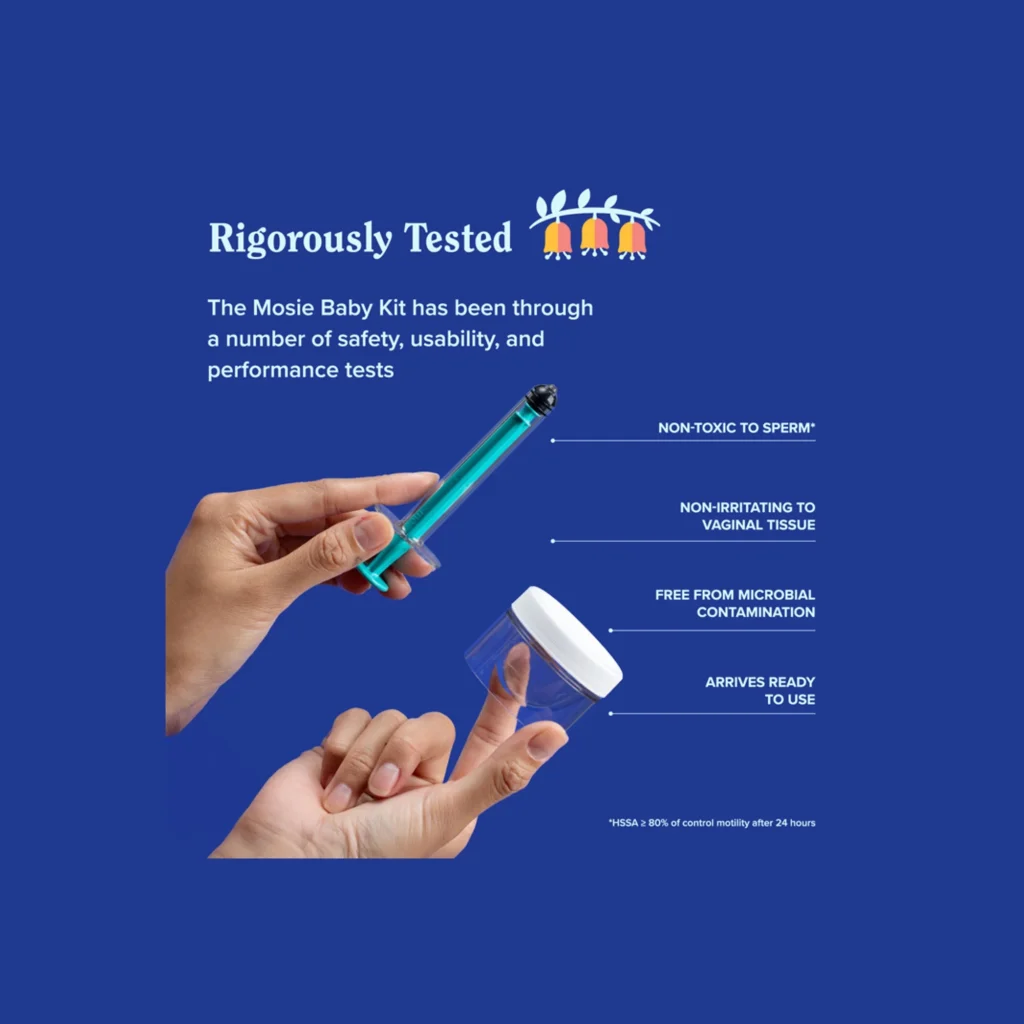
    Mosie Baby Kit features a syringe and container, highlighting safety and usability tests on a blue background.

    From A to Z: A Comprehensive Guide to At-Home Insemination

    Next, we will cover the necessary supplies for at-home insemination. These include a sperm collection device, such as a cup or condom, a syringe or catheter, and a way to keep the sperm at the correct temperature during transport. We will also discuss optional supplies, such as ovulation predictor kits, which can help you determine the best time for insemination.

    The next section will focus on the steps to take for a successful at-home insemination. This includes choosing the right sperm donor, preparing for the insemination, and performing the insemination itself. We will provide tips on how to make the process as comfortable and stress-free as possible, as well as advice on how to increase your chances of conception.

    We will also address some common concerns and questions about at-home insemination, such as the legality of the process and the safety of using donor sperm. We will also discuss the emotional aspect of at-home insemination and how to navigate the potential challenges that may arise.

    Finally, we will provide some additional resources for those interested in at-home insemination, including reputable sperm banks and online communities for support and advice.

    In conclusion, at-home insemination is a viable option for those looking to start a family. With the right information, supplies, and preparation, it can be a successful and fulfilling experience. We hope this comprehensive guide has provided you with the knowledge and confidence to pursue at-home insemination as a means to achieve your family-planning goals.