Tag: conception

  • Understanding the Different Types of Non-Invasive Insemination

    Understanding the Different Types of Non-Invasive Insemination

    In the world of fertility treatments, there are many different options available to couples and individuals who are struggling to conceive. One of these options is non-invasive insemination, which involves the introduction of sperm into the female reproductive tract without the need for surgery or other invasive procedures. However, not all non-invasive insemination methods are the same, and it can be confusing to understand the differences between them. In this blog post, we will explore the different types of non-invasive insemination and provide a better understanding of how they work and who they may be suitable for.

    What is Non-Invasive Insemination?

    Non-invasive insemination is a method of assisted reproduction that involves placing sperm into the female reproductive tract without the need for surgery or other invasive procedures. This can be done using a variety of techniques, but the goal is always to make it easier for sperm to reach the egg and increase the chances of conception. Non-invasive insemination is typically used for couples or individuals who are struggling with fertility issues, but it can also be used by same-sex couples and single individuals who want to have a child.

    There are several different types of non-invasive insemination, each with its own unique process and benefits. The most common types are intrauterine insemination (IUI), intracervical insemination (ICI), and intravaginal insemination (IVI). Let’s take a closer look at each of these methods.

    Intrauterine Insemination (IUI)

    IUI is the most common type of non-invasive insemination. It involves placing washed and prepared sperm directly into the uterus using a thin, flexible catheter. This procedure is usually done around the time of ovulation when the chances of fertilization are highest. IUI is often recommended for couples with unexplained infertility, mild male factor infertility, or in cases where the sperm needs assistance to reach the egg.

    The process of IUI is relatively simple and painless, and it can be done in a doctor’s office without the need for anesthesia. The success rate of IUI varies depending on the individual’s fertility and other factors, but it is generally around 10-20% per cycle.

    Intracervical Insemination (ICI)

    ICI is another type of non-invasive insemination that involves placing sperm inside the cervix using a syringe or a cervical cap. Unlike IUI, ICI does not require the use of a catheter and can be done at home without the need for a doctor’s visit. This makes it a more convenient and less expensive option for some individuals.

    Mosie Baby kit with two jars, a syringe, and a supportive message card inside a colorful box.

    Understanding the Different Types of Non-Invasive Insemination

    However, ICI is not as effective as IUI, and it is often recommended for couples with no known fertility issues. It is also a popular choice for same-sex couples and single individuals who want to conceive at home. The success rate of ICI varies, but it is typically lower than IUI at around 5-15% per cycle.

    Intravaginal Insemination (IVI)

    IVI is a relatively new method of non-invasive insemination that involves placing sperm into the vagina using a syringe or a softcup. This method is similar to ICI, but the sperm is inserted higher up in the vagina, closer to the cervix. IVI is often recommended for couples with no known fertility issues and can also be done at home without the need for a doctor’s visit.

    The success rate of IVI is similar to ICI, at around 5-15% per cycle. However, some studies have shown that IVI may have a higher success rate in certain cases, such as with unexplained infertility or for women using donor sperm.

    Which Method is Right for You?

    With so many different types of non-invasive insemination available, it can be challenging to determine which method is right for you. The best way to decide is to consult with a fertility specialist who can assess your individual situation and recommend the most suitable option. Factors such as age, fertility status, and overall health will all play a role in determining which method will have the best chances of success for you.

    It is also essential to consider the cost and convenience of each method. IUI and IVI will typically require a doctor’s visit, while ICI can be done at home. However, IUI may have a higher success rate and may be more suitable for individuals with known fertility issues. Ultimately, the decision will depend on your specific needs and preferences.

    In conclusion, non-invasive insemination offers a less invasive and more affordable option for individuals and couples looking to conceive. With different types available, it is essential to understand their differences and consult with a fertility specialist to determine the most suitable option for your unique situation. Whether it is IUI, ICI, or IVI, non-invasive insemination can provide a ray of hope for those struggling with fertility issues.

    Summary:

    Non-invasive insemination is a method of assisted reproduction that involves placing sperm into the female reproductive tract without the need for surgery or other invasive procedures. The most common types are intrauterine insemination (IUI), intracervical insemination (ICI), and intravaginal insemination (IVI). IUI is the most common and effective option, while ICI and IVI offer more convenience but may have lower success rates. Consulting with a fertility specialist can help determine the best method for each individual’s unique situation.


  • Reasons to Consider Non-Invasive Insemination for Family Planning

    Blog Post:

    When it comes to starting a family, there are many different paths that couples can choose to take. While some may opt for traditional methods of conception, such as natural intercourse or assisted reproductive technologies like in vitro fertilization, others may choose non-invasive insemination as a means of family planning. Non-invasive insemination, also known as “artificial insemination,” is a process in which sperm is placed inside a woman’s reproductive tract in order to achieve pregnancy. While it may not be the most well-known method of conception, there are several reasons why couples may want to consider non-invasive insemination for their family planning needs. In this blog post, we will explore some of the top reasons why non-invasive insemination may be the right choice for you and your partner.

    1. Less Invasive and Physically Demanding

    One of the main benefits of non-invasive insemination is that it is a less invasive and physically demanding process compared to other methods of conception. Unlike in vitro fertilization, which involves retrieving eggs from the woman’s ovaries and fertilizing them in a laboratory, non-invasive insemination is a much simpler and less physically demanding procedure. It typically involves inserting a small catheter into the woman’s cervix and injecting the sperm directly into the uterus. This can be done in a doctor’s office and does not require any anesthesia or surgical procedures.

    2. More Affordable

    Another reason why non-invasive insemination is becoming a popular choice for family planning is its affordability. In vitro fertilization can cost tens of thousands of dollars, making it unattainable for many couples. On the other hand, non-invasive insemination is a much more affordable option, with costs ranging from a few hundred to a few thousand dollars per cycle. This makes it a more accessible option for couples who may not have the financial means for more expensive fertility treatments.

    3. Can be Done at Home

    While non-invasive insemination is typically done in a medical setting, it is also possible to perform the procedure at home. This is known as “home insemination” and involves purchasing a kit that contains everything needed to safely perform the procedure. Some couples may prefer this option as it allows for privacy and can also be more cost-effective. However, it is important to note that home insemination should only be done after consultation with a doctor and with proper education on how to perform the procedure correctly and safely.

    4. Can Help with Fertility Issues

    Mosie Baby Kit with a syringe and container, highlighting safety and usability features on a blue background.

    Reasons to Consider Non-Invasive Insemination for Family Planning

    Non-invasive insemination can also be a helpful option for couples who are struggling with fertility issues. For women with cervical or uterine abnormalities, or for men with low sperm count or motility, non-invasive insemination can increase the chances of conception by placing the sperm closer to the egg. Additionally, non-invasive insemination can also be used with donor sperm, making it a viable option for same-sex couples or single women who want to start a family.

    5. Less Risk of Multiple Births

    One of the potential risks of assisted reproductive technologies like in vitro fertilization is the increased chance of multiple births, which can lead to complications for both the mother and the babies. Non-invasive insemination, on the other hand, typically only results in a single pregnancy. This can be a reassuring factor for couples who are concerned about the potential risks of multiple births.

    6. More Control over Timing

    Unlike natural intercourse, where timing can be unpredictable and may not align with a woman’s ovulation cycle, non-invasive insemination allows for more control over timing. This can be especially beneficial for couples who are trying to conceive on a specific schedule, such as for work or travel purposes. Additionally, non-invasive insemination can also be used with fertility medication to stimulate ovulation, further increasing the chances of conceiving during a specific time frame.

    7. Can Help Preserve Privacy and Discretion

    For some couples, maintaining privacy and discretion during the conception process is important. Non-invasive insemination offers a more private and discreet option compared to other methods, as it can be done in the comfort of one’s own home or in a private medical setting. This can be especially beneficial for those who may not want to share their fertility journey with others or who may feel uncomfortable with the more invasive procedures involved in other methods of conception.

    8. Can Be Used for Future Pregnancies

    Non-invasive insemination can also be used for future pregnancies, making it a versatile option for family planning. In vitro fertilization, on the other hand, may require multiple rounds of treatment for each pregnancy, which can be physically and emotionally draining for couples. With non-invasive insemination, the process can be repeated as many times as needed without the need for additional procedures or treatments.

    In summary, non-invasive insemination offers many benefits for couples looking to start a family. It is a less invasive and more affordable option, can help with fertility issues, offers more control over timing, and can also be used for future pregnancies. Whether done in a medical setting or at home, non-invasive insemination provides a versatile and accessible option for family planning.

  • Must-Have Items for Your Non-Invasive Insemination Starter Pack

    Are you and your partner considering starting a family through non-invasive insemination? If so, you may be feeling overwhelmed with the various options and products available on the market. However, having the right tools and resources on hand can make the process much smoother and more successful. In this blog post, we will discuss the must-have items for your non-invasive insemination starter pack, so you can feel prepared and confident in your journey towards parenthood.

    1. Ovulation Predictor Kit
    The first item on your non-invasive insemination starter pack should be an ovulation predictor kit. This kit will help you determine when you are ovulating, which is crucial for timing your insemination. Ovulation predictor kits work by detecting the surge of luteinizing hormone (LH) in your urine, which occurs 12-36 hours before ovulation. By tracking your LH surge, you can pinpoint the best time to inseminate and increase your chances of conception.

    2. Basal Body Thermometer
    Tracking your basal body temperature (BBT) is another important aspect of determining when you are ovulating. Your BBT is your body’s temperature at rest, and it rises slightly after ovulation due to the release of progesterone. By tracking your BBT over the course of a few months, you can identify patterns and predict when you are most likely to ovulate. This information is crucial for timing your insemination.

    3. Pre-Seed Lubricant
    When it comes to non-invasive insemination, using the right lubricant is crucial. Regular lubricants can hinder sperm motility and decrease the chances of conception. This is where Pre-Seed lubricant comes in. It is specifically designed for use during fertility treatments and is sperm-friendly, meaning it won’t harm or hinder sperm movement. Pre-Seed also mimics natural cervical mucus, making it easier for sperm to reach the egg.

    4. Soft Cups
    Soft cups, also known as menstrual cups, are a popular choice for non-invasive insemination. These flexible cups are inserted into the vagina and sit against the cervix, creating a seal to keep sperm close to the cervix. This increases the chances of sperm reaching the egg and can be left in place for up to 12 hours, giving sperm ample time to swim towards the egg.

    5. Syringe or Needleless Baby Medicine Dropper
    Insemination can be done with either a syringe or a needleless baby medicine dropper. Both options are effective, but some people prefer the precision and control of a syringe. Whichever option you choose, make sure it is sterile and easy to use.

    hand holding a pregnancy test with instructions on a colorful background

    Must-Have Items for Your Non-Invasive Insemination Starter Pack

    6. Fertility-Friendly Vitamins
    Taking fertility-friendly vitamins can also be beneficial for your non-invasive insemination journey. These vitamins and supplements can help regulate hormones, improve egg quality, and increase sperm production. Some popular options include folic acid, vitamin D, and CoQ10. It is essential to consult with your doctor before taking any supplements to ensure they are safe for you and your partner.

    7. Fertility Tracking App
    In today’s digital age, there are many fertility tracking apps available that can make monitoring your cycle and tracking your ovulation much more manageable. These apps allow you to input data such as your BBT, LH surge, and other relevant information, and can even predict your fertile window. They also allow you to track your insemination attempts and any symptoms you may be experiencing.

    8. Comfortable Pillows
    Although it may seem like an odd addition to a non-invasive insemination starter pack, comfortable pillows can make a significant difference. After insemination, it is recommended to stay lying down for 10-15 minutes to give the sperm time to travel towards the egg. Having a comfortable pillow to prop your hips up can help keep the sperm close to the cervix and increase the chances of conception.

    9. Stress-Relieving Activities
    Trying to conceive can be a stressful and emotional journey, and it is essential to take care of your mental health during this time. Incorporating stress-relieving activities into your routine, such as yoga, meditation, or spending time in nature, can help reduce stress levels and improve your overall well-being. It is crucial to take care of yourself physically and emotionally during this process.

    10. Supportive Community
    Lastly, having a supportive community can make a significant difference in your non-invasive insemination journey. Whether it’s friends, family, or online support groups, having people to turn to for advice, encouragement, and understanding can be incredibly valuable. Remember, you are not alone in this process, and having a supportive community can make all the difference.

    In conclusion, starting a family through non-invasive insemination can be an exciting and rewarding experience. By having the right tools and resources on hand, you can increase your chances of success and feel more confident in your journey towards parenthood. Remember to consult with your doctor before trying any fertility treatments and take care of yourself physically and emotionally throughout the process. With the right mindset and support, you can achieve your dream of starting a family.

  • The Art of DIY Conception: Essential Tools for Making a Baby at Home

    The Art of DIY Conception: Essential Tools for Making a Baby at Home

    In recent years, there has been a growing interest in do-it-yourself (DIY) conception, or the act of intentionally conceiving a child at home without the assistance of medical professionals. This trend is often associated with the natural birth and home birth movements, as more and more people are seeking alternative methods for bringing new life into the world. While DIY conception may not be for everyone, for those who are interested, it is important to understand the essential tools and techniques for successfully conceiving a baby at home.

    In this blog post, we will explore the art of DIY conception and provide a guide for those looking to embark on this journey. From tracking ovulation to creating a welcoming environment for conception, we will cover the essential tools and strategies for increasing the chances of a successful DIY conception.

    Understanding Ovulation

    The first and most important step in DIY conception is understanding ovulation. Ovulation is the process in which a mature egg is released from the ovary and is ready to be fertilized. This typically occurs once a month, around day 14 of a 28-day menstrual cycle. However, every woman’s body is different, and it is important to track ovulation in order to have the best chance of conceiving.

    There are several methods for tracking ovulation, including using ovulation predictor kits, tracking basal body temperature, and monitoring changes in cervical mucus. Ovulation predictor kits work by detecting the surge in luteinizing hormone (LH) that occurs right before ovulation. Basal body temperature (BBT) tracking involves taking your temperature every morning before getting out of bed and looking for a slight increase, which indicates ovulation has occurred. Changes in cervical mucus can also signal ovulation, as it becomes thinner and more slippery around the time of ovulation.

    Creating a Welcoming Environment

    Once ovulation has been tracked and identified, it is important to create a welcoming environment for conception. This includes both physical and emotional factors. Physically, it is important to create a comfortable and relaxing space for the act of conception. This may involve using candles, music, or other calming elements.

    Emotional factors are just as important, as stress and anxiety can greatly impact fertility. It is important to approach DIY conception with a positive and relaxed mindset. This may involve practicing mindfulness techniques, talking to a therapist, or engaging in stress-relieving activities such as yoga or meditation.

    Timing is Everything

    Mosie Baby pregnancy test kit with two tests and packaging, featuring a mint green color scheme.

    The Art of DIY Conception: Essential Tools for Making a Baby at Home

    Timing is crucial when it comes to DIY conception. In order to have the best chance of success, intercourse should occur during the fertile window – the days leading up to and including ovulation. This typically spans a 6-day period, with the two days before ovulation being the most fertile.

    In addition to timing intercourse, it is also important to consider the timing of conception in relation to your menstrual cycle. For example, if you have a regular 28-day cycle, conception should occur around day 14. However, if your cycle is longer or shorter, it is important to adjust the timing accordingly.

    The Role of Nutrition and Exercise

    In addition to tracking ovulation and creating a welcoming environment, nutrition and exercise play a critical role in DIY conception. Eating a well-balanced and nutritious diet can help improve fertility by providing the body with the necessary nutrients for hormone production and reproductive health. This includes foods rich in folic acid, iron, and omega-3 fatty acids.

    Regular exercise is also important for fertility, as it helps regulate hormone levels and improve overall health. However, it is important to find a balance, as excessive exercise can actually have a negative impact on fertility. It is recommended to engage in moderate exercise, such as walking, yoga, or swimming, for at least 30 minutes a day.

    The Importance of Patience and Persistence

    DIY conception may not happen on the first try, and it is important to be patient and persistent. It may take multiple cycles to successfully conceive, and it is important to not get discouraged. Keep tracking ovulation, creating a welcoming environment, and practicing good nutrition and exercise habits.

    If after several months of trying there is still no success, it may be time to consult a medical professional for additional support and guidance.

    In summary, the art of DIY conception involves understanding ovulation, creating a welcoming environment, timing intercourse, and focusing on nutrition and exercise. It requires patience and persistence, but for those who are dedicated to this journey, it can be a rewarding and empowering experience.

    SEO metadata:

  • From Conception to Creation: DIY Baby-Making Must-Haves

    From Conception to Creation: DIY Baby-Making Must-Haves

    Bringing a new life into this world is an exciting and fulfilling journey. From the moment you decide to start trying for a baby, to the moment you hold your little one in your arms, there are many steps and preparations involved. While most people rely on medical interventions and treatments to help them conceive, there is a growing trend of DIY baby-making methods. Whether you are looking to save money or take a more natural approach, here are some must-haves for those who want to embark on the journey of DIY baby-making.

    1. Ovulation Predictor Kits

    Timing is crucial when it comes to conceiving. Ovulation predictor kits (OPKs) are an essential tool for DIY baby-making. These kits work by detecting the surge of luteinizing hormone (LH) in your urine, which happens 24-48 hours before ovulation. By tracking your LH surge, you can determine the best time to have intercourse for the highest chances of conception. OPKs are widely available over-the-counter and are easy to use. They can be particularly helpful for women with irregular menstrual cycles or those who have trouble tracking their fertile window.

    2. Basal Body Thermometer

    Another essential item for DIY baby-making is a basal body thermometer (BBT). Unlike a regular thermometer, a BBT is more sensitive and can detect even slight changes in your body temperature. Tracking your basal body temperature every morning before getting out of bed can help you pinpoint when you ovulate. Your BBT will rise slightly after ovulation and stay elevated until your next period, indicating that you have successfully ovulated. It is crucial to have a reliable BBT and record your temperature accurately to get the most accurate results.

    3. Fertility-Friendly Lubricant

    Did you know that some lubricants can hinder sperm movement and decrease your chances of conceiving? If you are trying to conceive, it is essential to use a fertility-friendly lubricant to avoid any potential barriers for sperm. These lubricants are specially formulated to mimic the natural fluids in a woman’s body and create an optimal environment for sperm to swim towards the egg. They are also free of harmful chemicals and spermicides that can affect sperm quality. Using a fertility-friendly lubricant can help increase your chances of conception and make the process more enjoyable.

    mosie baby logo featuring a heart and leaves in blue, pink, and green colors.

    From Conception to Creation: DIY Baby-Making Must-Haves

    4. Supplements and Vitamins

    Having a balanced and healthy diet is crucial for overall health, including fertility. However, even with a well-balanced diet, it can be challenging to get all the essential nutrients needed for optimal fertility. That’s where supplements and vitamins come in. Folic acid, iron, and vitamin D are some of the key nutrients that can boost your fertility. Folic acid is vital for the development of a healthy baby, while iron can help improve egg quality. Vitamin D has also been linked to increased fertility in both men and women. Consult with your doctor about which supplements are right for you and your partner.

    5. Natural Fertility Boosters

    In addition to supplements, there are also natural fertility boosters that can aid in the conception process. These include herbs, teas, and essential oils that have been used for centuries to improve fertility. Some popular options include red raspberry leaf tea, maca root, and evening primrose oil. These natural remedies can help regulate hormones, improve egg quality, and increase sperm count. However, it is essential to do your research and consult with a healthcare professional before incorporating them into your routine, as they may not be suitable for everyone.

    6. Fertility Tracking Apps

    In this age of technology, there are many apps available that can help you track your fertility. These apps use algorithms based on your cycle length, BBT, and other factors to predict your fertile window and ovulation. They can also help you keep track of your period, symptoms, and other useful information for conception. Some apps even allow you to input data from OPKs and BBTs, making it easier to see patterns and trends in your fertility. These apps can be useful for those who prefer a more tech-savvy approach to DIY baby-making.

    7. Mind and Body Practices

    Conceiving a child involves more than just the physical aspect; it also requires a healthy mind and body. Stress and anxiety can negatively impact fertility, making it harder to conceive. Engaging in mind and body practices such as yoga, meditation, and acupuncture can help reduce stress and promote relaxation. These practices can also improve blood flow to the reproductive organs, balance hormones, and regulate the menstrual cycle. Incorporating these practices into your routine can not only benefit your fertility but also your overall well-being.

    In conclusion, DIY baby-making may require a bit more effort and preparation, but it can be a rewarding and empowering experience. By using the must-haves mentioned above, you can increase your chances of conception and take a more natural approach to starting a family. Remember to consult with your doctor and be patient, as it may take some time to achieve your goal. With the right tools and mindset, you can make your dream of having a baby a reality.

  • Crafting Parenthood: DIY Baby-Making Essentials for Conception

    Crafting Parenthood: DIY Baby-Making Essentials for Conception

    Parenthood is a beautiful journey, but for many couples, the path to conception can be a challenging one. While there are various medical interventions available, many couples are turning to natural methods and DIY techniques to increase their chances of conception. From tracking ovulation to making lifestyle changes, there are many ways to improve fertility and increase the chances of getting pregnant. In this blog post, we will discuss some essential DIY techniques and natural remedies that can help with conception and make the journey to parenthood a little smoother.

    1. Track Your Ovulation

    One of the key factors in getting pregnant is timing. A couple needs to have intercourse during the woman’s fertile window, which is usually around the time of ovulation. To increase the chances of conception, it is essential to track ovulation accurately. There are various methods for tracking ovulation, including using ovulation predictor kits, tracking basal body temperature, and monitoring cervical mucus. However, these methods can be expensive and sometimes unreliable. A more budget-friendly and accurate way to track ovulation is by using the Fertility Awareness Method (FAM). FAM involves tracking changes in the body, such as basal body temperature and cervical mucus, to determine when ovulation is about to occur. By understanding your body’s natural signs, you can pinpoint your fertile window and increase the chances of conceiving.

    2. Make Healthy Lifestyle Changes

    Your lifestyle can play a significant role in your fertility. Making healthy lifestyle changes can improve your overall health and increase your chances of conception. For women, maintaining a healthy weight is crucial for fertility. Being underweight or overweight can disrupt the hormonal balance and make it difficult to conceive. Eating a balanced diet and exercising regularly can help maintain a healthy weight and improve fertility. For men, quitting smoking, reducing alcohol consumption, and avoiding exposure to harmful chemicals can improve sperm health and increase the chances of conception.

    3. Try Natural Remedies

    In addition to making healthy lifestyle changes, there are some natural remedies that can help with conception. Some herbs, such as red raspberry leaf, nettle leaf, and red clover, are known for their fertility-boosting properties. These herbs can regulate hormones and improve the chances of ovulation. Other supplements, such as CoQ10 and vitamin D, can also improve fertility in both men and women. It is always essential to consult with a healthcare professional before taking any supplements to ensure they are safe for you.

    4. Use Essential Oils

    at-home insemination kit featuring a syringe and container for fresh or donor sperm conception

    Crafting Parenthood: DIY Baby-Making Essentials for Conception

    Essential oils have been used for centuries to treat various health conditions, including infertility. Some essential oils, such as clary sage, geranium, and rose, have been shown to have hormone-balancing properties and can help with fertility. These oils can be applied topically, diffused, or used in a relaxing bath. However, it is crucial to use high-quality, pure essential oils and consult with an aromatherapist before using them for fertility purposes.

    5. Reduce Stress

    Stress can have a significant impact on fertility. When the body is under stress, it releases the hormone cortisol, which can disrupt the balance of other hormones involved in the reproductive cycle. This disruption can make it challenging to conceive. To reduce stress, couples can try relaxation techniques such as yoga, meditation, or deep breathing exercises. Additionally, acupuncture has been shown to reduce stress and improve fertility in some individuals.

    6. Make DIY Fertility Treatments

    There are various fertility treatments available, such as intrauterine insemination (IUI) and in vitro fertilization (IVF). However, these treatments can be expensive and not accessible to everyone. Some couples are turning to DIY fertility treatments, such as the “turkey baster method” and the “soft cup method.” These methods involve using a syringe or menstrual cup to deposit semen close to the cervix, making it easier for sperm to reach the egg. While there is no scientific evidence to support these methods, some couples have had success using them.

    7. Consult with a Fertility Specialist

    If you have been trying to conceive for over a year with no success, it may be time to consult with a fertility specialist. They can perform tests and determine if there are any underlying medical issues that may be affecting your fertility. They can also offer guidance and treatment options to help you conceive. Consulting with a specialist can also provide peace of mind and help alleviate any stress or anxiety surrounding fertility and conception.

    In conclusion, there are various DIY techniques and natural remedies that couples can try to increase their chances of conception. From tracking ovulation to making lifestyle changes, these methods can help improve fertility and make the journey to parenthood a little easier. However, it is essential to keep in mind that fertility is a complex issue, and what works for one couple may not work for another. It is always recommended to consult with a healthcare professional before trying any DIY techniques or natural remedies for fertility.

    SEO metadata:

  • Create Your Own Baby-Making Essentials Set: DIY Tools for Conception

    Summary:

    Creating a baby-making essentials set can be an exciting and empowering experience for couples looking to conceive. With the rising popularity of do-it-yourself (DIY) tools and techniques for conception, there are now numerous options available for couples who want to take control of their fertility journey. In this blog post, we will discuss how to create your own DIY baby-making essentials set and the various tools and techniques that can aid in conception.

    Firstly, it is essential to understand the importance of a healthy lifestyle when trying to conceive. Eating a nutritious diet, exercising regularly, and managing stress levels are all crucial aspects of preparing your body for pregnancy. Therefore, the first step in creating a DIY baby-making essentials set is to focus on your overall health and well-being.

    Next, it is crucial to understand your menstrual cycle and fertile window. Tracking your menstrual cycle and ovulation can significantly improve your chances of conceiving. Several tools can aid in this process, such as ovulation predictor kits, fertility apps, and basal body temperature thermometers. These tools can help pinpoint your most fertile days, allowing you to time intercourse accordingly.

    Baby wearing a blue shirt with "made with Love" text, surrounded by colorful floral and butterfly designs.

    Create Your Own Baby-Making Essentials Set: DIY Tools for Conception

    Another essential aspect of creating a DIY baby-making essentials set is understanding the role of sperm health in conception. Improving sperm health can significantly increase the chances of conception. Some tools that can aid in this process include fertility supplements, sperm-friendly lubricants, and sperm analysis kits. These tools can help optimize sperm quality and increase the chances of fertilization.

    In addition to physical health and fertility tools, it is also essential to focus on the emotional and mental aspects of conception. Trying to conceive can be a stressful and emotional journey, so it is crucial to find ways to relax and reduce stress. Some DIY tools that can help with this include meditation apps, fertility yoga, and aromatherapy. These tools can help you de-stress and improve your overall well-being, creating a more conducive environment for conception.

    Another DIY tool that can aid in conception is a fertility journal. Keeping track of your fertility journey, thoughts, and emotions in a journal can be a therapeutic and empowering experience. It can also help you track any changes or patterns in your cycle and identify any potential issues that may need to be addressed.

    Finally, it is essential to consider the role of your partner in the conception process. While most fertility tools and techniques focus on the female partner, it is crucial to involve the male partner as well. Some DIY tools that can help improve male fertility include a healthy diet, exercise, and supplements.

    In conclusion, creating a DIY baby-making essentials set can be a fun and empowering experience for couples looking to conceive. By focusing on overall health, tracking your menstrual cycle, optimizing sperm health, and including mental and emotional well-being, you can increase your chances of conceiving. With the numerous DIY tools and techniques available, you can take control of your fertility journey and create the ultimate essentials set for conception.

  • The DIY Approach to Baby-Making: Essential Tools for Conception Success

    Blog Post Title: The DIY Approach to Baby-Making: Essential Tools for Conception Success

    Summary:

    For couples trying to conceive, the process can often feel overwhelming and stressful. While there are many medical options available to help with fertility, some couples may choose to take a more natural and DIY approach to baby-making. This can involve making lifestyle changes, tracking ovulation, and using essential tools to increase chances of conception. In this blog post, we will discuss the essential tools for conception success in the DIY approach to baby-making.

    Firstly, it is important to note that before attempting to conceive, it is crucial for both partners to be in good overall health. This includes maintaining a healthy weight, eating a balanced diet, and reducing alcohol and caffeine intake. These lifestyle changes can greatly improve fertility and increase the chances of conception.

    Next, tracking ovulation is a crucial step in the DIY approach to baby-making. Ovulation is the process of releasing an egg from the ovary, which is when a woman is most fertile. By tracking ovulation, couples can determine the best time to have intercourse for conception. There are many methods for tracking ovulation, including using ovulation predictor kits, tracking basal body temperature, and monitoring cervical mucus. It is important to find the method that works best for you and to be consistent with tracking.

    In addition to tracking ovulation, there are essential tools that can be used to increase the chances of conception. These tools include fertility supplements, fertility-friendly lubricants, and fertility monitors.

    illustration of Mosie Baby home insemination kit highlighting seamless transfer and size features

    The DIY Approach to Baby-Making: Essential Tools for Conception Success

    Fertility supplements, such as prenatal vitamins and folic acid, can improve overall fertility and increase the chances of conception. Prenatal vitamins contain folic acid, which is essential for the development of a healthy baby. Folic acid has been shown to reduce the risk of neural tube defects in babies. Additionally, supplements like CoQ10 and Vitamin D have been linked to increased fertility in both men and women.

    Fertility-friendly lubricants are another essential tool for conception success. Traditional lubricants may contain ingredients that can harm sperm and decrease fertility. Fertility-friendly lubricants are specially formulated to mimic the natural environment of cervical mucus and help sperm reach the egg. These lubricants can be used during intercourse to increase the chances of conception.

    Fertility monitors are also highly recommended for couples trying to conceive. These devices use advanced technology to track fertility by monitoring hormone levels in urine or saliva. They can help pinpoint the most fertile days in a woman’s cycle and increase the chances of conception. Some monitors also come with additional features, such as tracking basal body temperature and providing personalized fertility advice.

    In addition to these essential tools, there are other DIY methods that can be used to increase fertility and improve chances of conception. These include acupuncture, yoga, and stress reduction techniques. Acupuncture has been shown to increase fertility by improving blood flow to the reproductive organs and balancing hormone levels. Yoga and stress reduction techniques can also help reduce stress and promote relaxation, which can improve fertility.

    It is important to remember that the DIY approach to baby-making may not work for everyone. If you have been trying to conceive for a year or more without success, it may be time to consult with a fertility specialist. They can provide further guidance and recommend medical options that may be more suitable for your specific situation.

    In conclusion, the DIY approach to baby-making involves making lifestyle changes, tracking ovulation, and using essential tools to increase the chances of conception. By maintaining good overall health, tracking ovulation, and using tools such as fertility supplements, fertility-friendly lubricants, and fertility monitors, couples can increase their chances of conceiving naturally. Remember to consult with a fertility specialist if you are experiencing difficulties conceiving.

  • Building Your Perfect Baby-Making Kit: DIY Essentials for Conception

    Building Your Perfect Baby-Making Kit: DIY Essentials for Conception

    Are you and your partner thinking about starting a family? Preparing for conception is an exciting and important step in the journey of parenthood. While there are many factors that can affect fertility, one thing you can do to increase your chances of conceiving is to create a baby-making kit filled with essential items to support a healthy conception process. In this blog post, we will discuss the key components of a DIY baby-making kit and how they can help you on your journey towards parenthood.

    1. Fertility Supplements

    Fertility supplements are a great way to boost your chances of conceiving. They are typically made from natural ingredients that support reproductive health and can help regulate hormones, improve egg quality, and increase sperm count and motility. Some popular fertility supplements include folic acid, vitamin D, and Coenzyme Q10. It is important to consult with your doctor before starting any supplements to ensure they are safe for you and your partner.

    2. Ovulation Predictor Kits

    Tracking your ovulation is crucial when trying to conceive. Ovulation predictor kits (OPKs) are a simple and effective way to determine when you are most fertile. These kits test for the presence of luteinizing hormone (LH), which surges right before ovulation. By using OPKs, you can pinpoint your most fertile days and time intercourse accordingly.

    3. Basal Body Thermometer (BBT)

    Another way to track ovulation is by monitoring your basal body temperature (BBT). This involves taking your temperature first thing in the morning before getting out of bed. A rise in temperature indicates that ovulation has occurred. By tracking your BBT over several months, you can determine your most fertile days and increase your chances of conceiving. BBT thermometers are specifically designed for this purpose and can be purchased at most drugstores or online.

    mosie baby logo featuring a heart and leaves in blue, pink, and green colors.

    Building Your Perfect Baby-Making Kit: DIY Essentials for Conception

    4. Pregnancy Tests

    Once you have tracked your ovulation and had intercourse during your most fertile days, the next step is to take a pregnancy test. These tests can detect the presence of human chorionic gonadotropin (hCG) in your urine, which is produced by the developing embryo. There are many different types of pregnancy tests available, including digital and early detection tests. It is important to wait until you have missed your period to take a pregnancy test for the most accurate results.

    5. Lubricant

    Believe it or not, the type of lubricant you use during intercourse can affect your chances of conceiving. Many commercial lubricants contain ingredients that can be harmful to sperm and may hinder their ability to reach the egg. It is best to use a fertility-friendly lubricant that is specifically designed for trying to conceive. These lubricants are pH balanced and do not contain any harmful ingredients, making them safe for sperm and supportive of conception.

    6. Conception-Friendly Diet

    In addition to using the right tools and supplements, it is important to maintain a healthy diet when trying to conceive. Eating a well-balanced diet that is rich in nutrients such as iron, folate, and omega-3 fatty acids can help support reproductive health and increase your chances of conception. Some foods that are beneficial for fertility include leafy greens, whole grains, lean protein, and fruits and vegetables. It is also important to limit your intake of caffeine and alcohol, as these can negatively impact fertility.

    7. Stress-Relief Tools

    Trying to conceive can be a stressful and emotional journey, and stress can have a significant impact on fertility. Therefore, it is important to include stress-relief tools in your baby-making kit. This could include things like meditation, yoga, or even a journal to help you process your feelings and emotions. By incorporating stress-relief techniques into your daily routine, you can create a more positive and relaxed environment for conception to occur.

    In summary, building a DIY baby-making kit can greatly increase your chances of conceiving. Including fertility supplements, ovulation predictor kits, a basal body thermometer, pregnancy tests, a fertility-friendly lubricant, a conception-friendly diet, and stress-relief tools can help support your reproductive health and create a positive environment for conception. Remember to always consult with your doctor before starting any new supplements or tools. With the right tools and mindset, you can increase your chances of successfully conceiving and starting your journey towards parenthood.

  • DIY Conception Magic: Essential Tools for Making a Baby

    Blog Post Title: DIY Conception Magic: Essential Tools for Making a Baby

    Summary:

    Conceiving a baby is a magical experience, but it can also be a challenging process for some couples. While there are various medical interventions available, many people are turning towards natural methods to increase their chances of conception. DIY conception magic involves using essential tools and techniques to boost fertility and create the perfect environment for a baby to be conceived. In this blog post, we will discuss the top essential tools for making a baby, including diet and lifestyle changes, fertility tracking, supplements, and stress management. By incorporating these tools into your routine, you can increase your chances of conceiving and embark on the journey towards parenthood.

    Diet and Lifestyle Changes:
    The first and most crucial tool for DIY conception magic is making changes to your diet and lifestyle. A healthy diet rich in nutrients such as folic acid, iron, and zinc can improve fertility in both men and women. It is also essential to maintain a healthy weight and avoid alcohol, smoking, and excessive caffeine consumption. Incorporating regular exercise into your routine can also help in regulating hormones and improving overall health, leading to a higher chance of conception.

    Fertility Tracking:
    Understanding your menstrual cycle and knowing when you are most fertile is key to successful conception. Fertility tracking involves monitoring your body’s ovulation and fertile window to determine the best time to try to conceive. There are various methods of fertility tracking, including using ovulation predictor kits, tracking basal body temperature, and monitoring cervical mucus changes. By knowing your fertile days, you can time intercourse to increase your chances of conception.

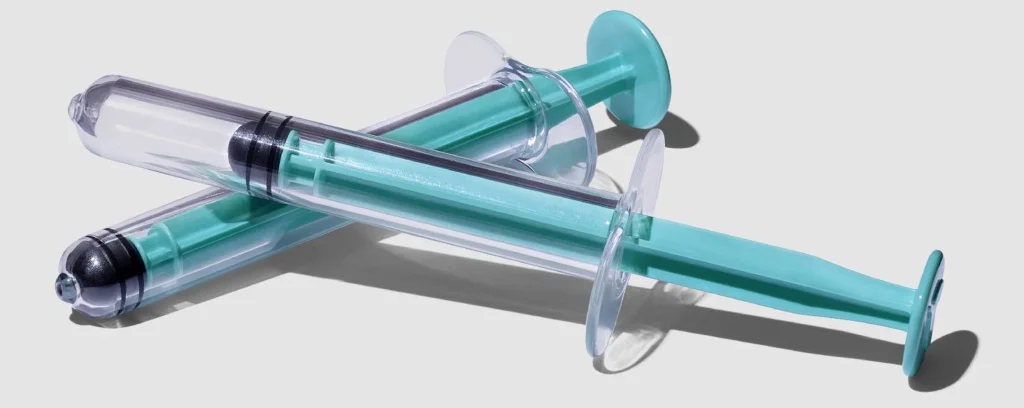
    Two transparent syringes with teal accents positioned diagonally on a light gray background.

    DIY Conception Magic: Essential Tools for Making a Baby

    Supplements:
    In addition to a healthy diet, supplements can also play a vital role in DIY conception magic. Women can take prenatal vitamins to ensure they are getting enough essential nutrients for a healthy pregnancy. For men, supplements such as zinc and vitamin C can improve sperm health and increase fertility. It is crucial to consult with a healthcare professional before starting any supplements to ensure they are safe and suitable for your specific needs.

    Stress Management:
    Stress can have a significant impact on fertility, and finding ways to manage it is essential for DIY conception magic. High levels of stress can affect hormone levels and ovulation in women and can also decrease sperm quality in men. Meditation, yoga, and other relaxation techniques are beneficial in reducing stress levels. It is also crucial to communicate with your partner and seek support from loved ones during this emotional journey.

    Alternative Therapies:
    In addition to the essential tools mentioned above, some alternative therapies can also aid in conception. Acupuncture is a popular option that can help regulate hormones, improve egg quality and sperm health, and reduce stress. Chiropractic care and massage therapy can also be beneficial in preparing the body for pregnancy.

    Creating a Conception-Friendly Environment:
    Apart from the tools mentioned above, creating a conception-friendly environment is crucial for DIY conception magic. Avoiding exposure to harmful chemicals and toxins, such as pesticides and certain cleaning products, is essential for both men and women. It is also crucial to limit exposure to radiation and heat, such as hot tubs and laptops, which can affect sperm health. Creating a peaceful and positive environment can also help reduce stress and promote fertility.

    In conclusion, DIY conception magic involves a combination of essential tools and techniques to improve fertility and create the perfect environment for a baby to be conceived. By making changes to your diet and lifestyle, tracking fertility, taking supplements, managing stress, and creating a conception-friendly environment, you can increase your chances of conception and embark on the beautiful journey of parenthood.