Tag: LGBTQ+

  • The Impact of At-Home Insemination on Society and Culture

    Blog post:

    In recent years, the concept of at-home insemination has gained popularity and sparked discussions about its impact on society and culture. At-home insemination, also known as self-insemination, is the process of using a donor’s sperm to impregnate oneself without the assistance of a medical professional. This method has revolutionized the way people approach parenthood, and its effects are being felt in various aspects of society and culture. In this blog post, we will explore the impact of at-home insemination on society and culture.

    Firstly, at-home insemination has challenged traditional notions of family and parenthood. In the past, the norm was for a heterosexual couple to conceive a child through sexual intercourse. However, with the rise of same-sex couples and single individuals desiring to have children, at-home insemination has provided an alternative method for them to start a family. This has led to a shift in the definition of family, with many people now recognizing that a family can be made up of various configurations, not just the traditional nuclear family. This has also opened up discussions about the importance of genetics and biology in defining a family, as opposed to love and care.

    Moreover, at-home insemination has also challenged the societal stigma surrounding infertility. For many years, infertility was seen as a taboo topic, and those who struggled with it often faced shame and isolation. However, at-home insemination has provided a more private and accessible option for people facing fertility issues. This has allowed individuals and couples to take charge of their reproductive health and expand their options for starting a family. As a result, the conversation around infertility has become more open and accepted in society, reducing the stigma and providing support for those experiencing it.

    Another significant impact of at-home insemination on society is the empowerment of women. Historically, women have been expected to rely on men for reproduction, and their role in the process was often minimized. However, with at-home insemination, women can take control of their reproductive choices and become independent of men. This has challenged traditional gender roles and empowered women to make decisions about their bodies and their families. Additionally, at-home insemination has allowed women to delay motherhood and focus on their careers or personal goals without the pressure of finding a suitable partner to start a family with.

    Mosie Baby pregnancy test kit with two tests and packaging, featuring a mint green color scheme.

    The Impact of At-Home Insemination on Society and Culture

    Furthermore, at-home insemination has also sparked discussions about the ethical and legal implications of the process. As the use of donor sperm is not regulated, there are concerns about the rights and responsibilities of the donor and the recipient. In some cases, donors have been sued for child support, while some recipients have faced legal battles over custody and visitation rights. The lack of regulations and clear guidelines surrounding at-home insemination has raised questions about the potential risks and consequences of using this method for conception.

    In terms of culture, at-home insemination has also had a significant impact on the LGBTQ+ community. With the rise of same-sex couples and individuals using at-home insemination to start a family, the traditional idea of a heterosexual family has been challenged. This has led to a more inclusive and diverse representation of family structures in media and popular culture. Additionally, at-home insemination has also provided a way for LGBTQ+ individuals to have children without facing discrimination or barriers from adoption agencies.

    Moreover, the rise of at-home insemination has also sparked debates about the commodification of sperm. With the increasing demand for donor sperm, the market for sperm banks and online donor services has grown. This has raised concerns about the commercialization of reproductive materials and the potential exploitation of donors. It has also brought attention to the lack of regulations and screening processes for donors, leading to calls for more oversight in the industry.

    In conclusion, at-home insemination has had a significant impact on society and culture. It has challenged traditional notions of family, empowered women, and provided alternative options for starting a family. However, it has also raised ethical and legal concerns and sparked debates about the commodification of reproductive materials. As society continues to evolve and embrace diversity, the impact of at-home insemination is likely to continue shaping our understanding of parenthood and family.

    Summary:

    At-home insemination, also known as self-insemination, is the process of using a donor’s sperm to impregnate oneself without the assistance of a medical professional. This method has challenged traditional notions of family, reduced the stigma surrounding infertility, and empowered women to take control of their reproductive choices. It has also sparked discussions about the ethical and legal implications, as well as the commodification of sperm. Additionally, at-home insemination has had a significant impact on the LGBTQ+ community and has raised questions about the definition of family and the importance of genetics in defining it.

  • At-Home Insemination and the LGBTQ+ Community: A Growing Trend

    At-Home Insemination and the LGBTQ+ Community: A Growing Trend

    In recent years, there has been a growing trend of at-home insemination among the LGBTQ+ community. This method of assisted reproduction has become a popular choice for queer individuals and couples who are looking to start a family. With advancements in technology and more acceptance of non-traditional families, at-home insemination has become a viable option for those who want to become parents. In this blog post, we will explore the reasons behind this trend, how at-home insemination works, and its impact on the LGBTQ+ community.

    Understanding At-Home Insemination

    At-home insemination, also known as self-insemination or artificial insemination, is a method of assisted reproduction where the sperm is directly placed into the cervix or uterus of a person with a uterus. This can be done either with a partner or through the use of a donor sperm. The process involves purchasing a donor sperm kit, which contains a syringe, speculum, and instructions for use. The sperm is then inserted into the vagina using the syringe during the person’s fertile window.

    Why At-Home Insemination is Popular among the LGBTQ+ Community

    One of the main reasons why at-home insemination has become a popular choice among the LGBTQ+ community is the lack of access to traditional methods of assisted reproduction. In many countries, same-sex couples and single individuals are not allowed to use reproductive technologies such as in vitro fertilization (IVF) or intrauterine insemination (IUI), making at-home insemination their only option for starting a family.

    Moreover, at-home insemination is a more affordable option compared to traditional assisted reproduction methods. The cost of IVF or IUI can be prohibitively expensive for many LGBTQ+ individuals and couples, especially if they have to pay for donor sperm and other related expenses. At-home insemination, on the other hand, can be done at a fraction of the cost, making it a more accessible option for those with limited financial resources.

    At-home insemination also offers a sense of privacy and control for LGBTQ+ individuals and couples. Traditional methods of assisted reproduction often involve multiple visits to a fertility clinic, which can be intimidating and uncomfortable for some queer individuals. By using at-home insemination, they can have a more intimate and personal experience while trying to conceive.

    Impact on the LGBTQ+ Community

    Smiling baby in a blue onesie with "made with Love" text, lying on a light blue crocheted blanket.

    At-Home Insemination and the LGBTQ+ Community: A Growing Trend

    The adoption of at-home insemination by the LGBTQ+ community has had a significant impact on queer families. It has provided a way for same-sex couples and single individuals to have biological children, which was not possible before. This has allowed them to create families that are biologically connected, which is essential for many queer individuals who have faced discrimination and rejection from their own families.

    At-home insemination has also challenged the traditional concept of family and parenting. With LGBTQ+ individuals and couples taking control of their reproductive journey, it has shown that there is no one-size-fits-all approach to starting a family. This has led to a more diverse and inclusive understanding of what it means to be a family, breaking down societal barriers and stigma surrounding non-traditional parenting.

    Challenges and Considerations

    While at-home insemination has opened up new possibilities for the LGBTQ+ community, there are also some challenges and considerations that need to be addressed. One of the main concerns is the lack of regulations and oversight surrounding at-home insemination. Unlike traditional assisted reproduction methods, at-home insemination is not closely monitored, which can lead to potential risks and complications.

    There is also the issue of legal parentage and rights. In some countries, the person who gives birth is considered the legal parent, regardless of their relationship with the sperm donor. This can create complex legal issues for LGBTQ+ individuals and couples, especially if they are using donor sperm from someone they know.

    Moreover, at-home insemination may not be suitable for everyone. It requires a certain level of knowledge and understanding of the reproductive process, as well as a stable and supportive environment. It is crucial for individuals and couples to carefully consider all the implications and seek professional guidance before embarking on this journey.

    In Conclusion

    At-home insemination has become a popular trend among the LGBTQ+ community, offering a more accessible and affordable option for starting a family. It has provided a way for queer individuals and couples to have biological children and challenge societal norms surrounding family and parenting. However, there are also challenges and considerations that need to be addressed, and it is essential for individuals and couples to carefully consider all aspects before embarking on this journey.

    In summary, at-home insemination has become a growing trend among the LGBTQ+ community due to its affordability, accessibility, and privacy. It has had a significant impact on queer families, challenging traditional notions of family and parenting. However, there are also challenges and considerations to be addressed, and careful consideration is necessary before pursuing this method of assisted reproduction.

  • The Legalities of At-Home Insemination: What You Need to Know

    Blog Post Title: The Legalities of At-Home Insemination: What You Need to Know

    At-home insemination, also known as self-insemination, is the process of using a donor’s sperm to impregnate oneself at home without the involvement of a medical professional. This method has become increasingly popular among LGBTQ+ couples and single individuals who want to start a family. However, there are several legal considerations to take into account before embarking on this journey. In this blog post, we will discuss the legalities of at-home insemination and provide you with important information that you need to know.

    The Legality of At-Home Insemination
    Before delving into the legal aspects of at-home insemination, it is essential to understand the difference between at-home insemination and traditional artificial insemination. At-home insemination involves the use of a donor’s sperm without the guidance or assistance of a medical professional. On the other hand, traditional artificial insemination is performed by a doctor or fertility specialist, and the sperm is typically obtained from a sperm bank. In most countries, traditional artificial insemination is regulated and requires the involvement of a licensed medical professional. However, the laws surrounding at-home insemination are often less clear.

    In the United States, at-home insemination is generally legal, but it is not explicitly regulated. This means that there are no laws specifically prohibiting or regulating the practice. However, this does not mean that at-home insemination is entirely risk-free from a legal standpoint. The lack of regulations means that there is no oversight or protection for both the donor and the recipient, leaving them vulnerable to potential legal issues.

    Legal Considerations for Recipients
    As a recipient of at-home insemination, there are a few legal considerations that you need to be aware of. The most crucial aspect is the paternity and legal rights of the donor. In most countries, the donor of the sperm used in at-home insemination is considered the legal father of the child. This means that the donor may have rights to custody and visitation, and they may also be held responsible for child support. It is essential to discuss and clarify these matters with your donor before proceeding with at-home insemination.

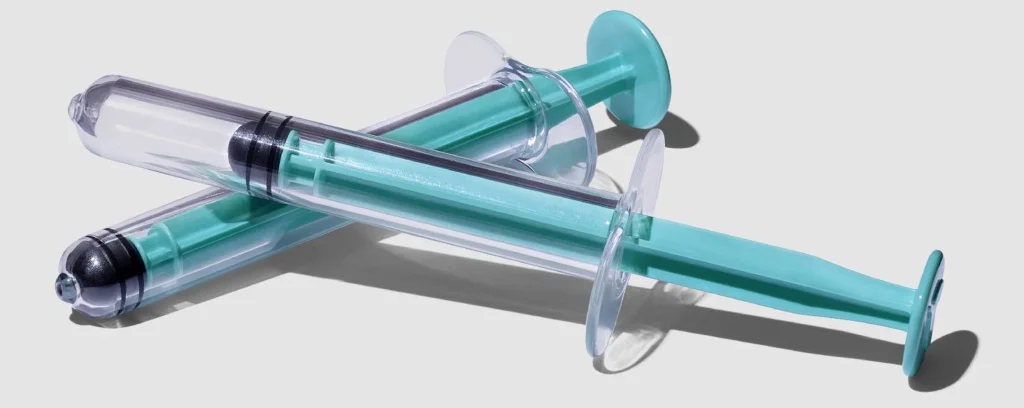
    Two transparent syringes with teal accents positioned diagonally on a light gray background.

    The Legalities of At-Home Insemination: What You Need to Know

    Another crucial legal consideration for recipients is the potential risk of using a known donor. A known donor is someone that you have a personal relationship with, such as a friend or family member. While using a known donor may seem like a convenient and comfortable option, it can also lead to legal complications. For example, if the donor is married, their spouse may have parental rights over the child, and they may also be held responsible for child support. It is advisable to seek legal advice and have a written agreement in place with a known donor to avoid any potential legal disputes.

    Legal Considerations for Donors
    As a donor in at-home insemination, you also have legal considerations to be aware of. As mentioned earlier, in most countries, the donor is considered the legal father of the child. This means that they may be held responsible for child support and other parental rights and obligations. It is crucial for donors to understand their legal rights and obligations before agreeing to donate their sperm for at-home insemination. It is also advisable for donors to have a written agreement in place with the recipient to avoid any potential legal issues in the future.

    Other Legal Considerations
    Aside from the legal considerations for recipients and donors, there are other legal aspects to be aware of when it comes to at-home insemination. These include the potential risks of using unregulated sperm donors and the lack of medical supervision during the insemination process. It is crucial to thoroughly screen potential donors and use proper sterilization techniques to avoid the risk of contracting sexually transmitted infections. It is also recommended to consult with a medical professional before proceeding with at-home insemination to ensure that both the donor and recipient are in good health and to understand the potential risks involved.

    In addition to medical considerations, it is also essential to be aware of the legal rights of the child born through at-home insemination. In most countries, the child has the right to know their biological father’s identity, and they may be entitled to certain legal rights and benefits from the donor. It is advisable to seek legal advice and have a clear understanding of these rights and obligations before proceeding with at-home insemination.

    In Conclusion
    At-home insemination can be a viable option for individuals and couples who want to start a family, but it is essential to be aware of the legal considerations involved. It is crucial to seek legal advice and have a written agreement in place with the donor to avoid any potential legal disputes. It is also recommended to consult with a medical professional and thoroughly screen potential donors to ensure the safety and well-being of all parties involved. By understanding the legalities of at-home insemination, you can make an informed decision and start your journey to parenthood with peace of mind.

    Summary: At-home insemination, or self-insemination, is a popular method for starting a family among LGBTQ+ couples and single individuals. While it is generally legal in the United States, there are several important legal considerations to be aware of before proceeding with at-home insemination. These include the legal rights and responsibilities of both the donor and recipient, the potential risks of using a known donor, and the lack of medical supervision during the insemination process. It is crucial to seek legal advice and have a written agreement in place to avoid any potential legal disputes. Additionally, it is recommended to consult with a medical professional and thoroughly screen potential donors to ensure the safety and well-being of all parties involved.

  • Breaking Down Barriers: Accessibility and Inclusivity in At-Home Insemination

    Breaking Down Barriers: Accessibility and Inclusivity in At-Home Insemination

    In recent years, there has been a growing trend towards at-home insemination as a method for individuals and couples to start or expand their families. However, this process can often be challenging and inaccessible for many people, particularly those in the LGBTQ+ community, people with disabilities, and those from marginalized communities. In this blog post, we will explore the barriers that exist for these individuals when it comes to at-home insemination and discuss ways to break them down through increased accessibility and inclusivity.

    Understanding At-Home Insemination

    At-home insemination, also known as self-insemination, involves using a donor’s sperm to fertilize an egg at home, without the involvement of a medical professional. This method is often chosen by individuals and couples who are unable or choose not to conceive through traditional methods, such as sexual intercourse or in-clinic insemination. While at-home insemination can be an empowering and intimate process for many, it can also be daunting and inaccessible for others.

    Barriers to At-Home Insemination

    One of the main barriers to at-home insemination is the lack of access to reproductive healthcare for marginalized communities. For example, members of the LGBTQ+ community may face discrimination and barriers to accessing fertility treatments, including at-home insemination. This can be due to a lack of understanding and training among healthcare providers, as well as legal restrictions in some countries.

    Another barrier is the high cost associated with at-home insemination. The process can involve purchasing sperm from a sperm bank, fertility drugs, and various supplies and equipment, all of which can quickly add up. This can make it difficult for low-income individuals and couples to afford at-home insemination, limiting their options for starting or expanding their families.

    In addition to financial barriers, there are also physical and emotional barriers that can make at-home insemination difficult for some individuals. People with disabilities, for example, may face challenges in terms of mobility and dexterity, making it challenging to perform the necessary steps for at-home insemination. Similarly, people with mental health issues, such as anxiety or depression, may struggle with the emotional toll of the process.

    hands using a blue syringe to extract contents from a clear container for a home insemination kit

    Breaking Down Barriers: Accessibility and Inclusivity in At-Home Insemination

    Breaking Down Barriers Through Accessibility

    To make at-home insemination more accessible, it is essential to address these barriers and find ways to overcome them. One way to do this is by providing education and resources for marginalized communities, including the LGBTQ+ community, to understand their options and rights when it comes to fertility treatments. This can be achieved through partnerships with LGBTQ+ organizations and advocacy groups, as well as training for healthcare providers on how to provide inclusive and respectful care.

    Another crucial aspect of accessibility is addressing the cost of at-home insemination. This can be achieved through lowering the cost of sperm donations and fertility drugs, as well as providing financial assistance programs for low-income individuals and couples. Additionally, increasing insurance coverage for at-home insemination can make it more accessible for those who may not be able to afford the process on their own.

    In terms of breaking down physical barriers, it is crucial to provide accessible and adaptive equipment for at-home insemination. For example, sperm banks can offer options for wheelchair users or individuals with limited hand mobility to safely and effectively perform at-home insemination. It is also essential to consider the emotional and mental toll of the process and provide support and resources for individuals and couples who may be struggling.

    Promoting Inclusivity in At-Home Insemination

    Inclusivity in at-home insemination means ensuring that all individuals and couples, regardless of their sexual orientation, gender identity, or ability, have equal access to the process. To promote inclusivity, it is essential to recognize and address the unique needs and challenges faced by different communities. This can include providing gender-neutral and inclusive language and imagery in educational materials and creating safe and welcoming spaces for individuals and couples to discuss their options.

    Additionally, it is crucial to involve and include individuals from marginalized communities in the development and promotion of at-home insemination options. This can help to ensure that their needs and perspectives are considered and that the process is truly inclusive.

    In conclusion, at-home insemination can be a powerful and meaningful way for individuals and couples to start or expand their families. However, it is essential to recognize and address the barriers that exist for many people, particularly those from marginalized communities. By promoting accessibility and inclusivity in at-home insemination, we can break down these barriers and make this process more accessible and empowering for all.

  • Dispelling Myths and Misconceptions About At-Home Insemination

    Blog Post:

    Dispelling Myths and Misconceptions About At-Home Insemination

    In recent years, at-home insemination has become a popular option for those looking to start or grow their family. However, with this rise in popularity, there has also been an increase in myths and misconceptions surrounding the process. Many people have misconceptions about at-home insemination, and these beliefs can often prevent them from considering it as a viable option. In this blog post, we will address and dispel some of the most common myths and misconceptions about at-home insemination.

    Myth #1: At-Home Insemination is Not Safe

    One of the most common misconceptions about at-home insemination is that it is not a safe option. This belief often stems from the idea that medical procedures should only be performed by trained professionals in a sterile environment. However, the truth is that at-home insemination can be a safe and effective option for those who are unable to conceive naturally or choose not to use medical interventions.

    When performed correctly, at-home insemination is a safe and hygienic process. It involves using a sterile syringe or insemination kit to insert sperm into the vagina, similar to the process used in a doctor’s office. It is essential to follow proper hygiene practices, such as washing hands and properly sterilizing equipment, to minimize the risk of infection. Additionally, using donor sperm from a reputable sperm bank further reduces the risk of any complications.

    Myth #2: At-Home Insemination is Only for Same-Sex Couples

    Another common misconception about at-home insemination is that it is only for same-sex couples. While at-home insemination is a popular option for same-sex couples, it is not limited to them. At-home insemination can also be a viable option for heterosexual couples struggling with fertility issues or those who are unable to conceive naturally.

    At-home insemination can be used by anyone, regardless of their sexual orientation or gender identity. The process is the same for all individuals and does not require any specific medical procedures or interventions.

    Myth #3: At-Home Insemination is Inexpensive

    Many people believe that at-home insemination is a cheap alternative to medical fertility treatments. However, while at-home insemination may be more affordable than some medical procedures, it is not necessarily inexpensive. The cost of at-home insemination can vary depending on factors such as the cost of donor sperm, fertility tracking tools, and insemination kits.

    It is essential to consider all costs associated with at-home insemination before making a decision. While it may be a more affordable option for some, it may still require a significant financial investment.

    Myth #4: At-Home Insemination is Not as Effective as Medical Procedures

    illustration comparing standard and Mosie syringe openings with text highlighting design benefits for home insemination

    Dispelling Myths and Misconceptions About At-Home Insemination

    Some people believe that at-home insemination is not as effective as medical procedures, such as intrauterine insemination (IUI) or in vitro fertilization (IVF). While it is true that medical procedures have a higher success rate, at-home insemination can also be an effective option for many individuals and couples.

    The success rate of at-home insemination can vary, depending on factors such as the individual’s fertility, the quality of the sperm used, and the timing of the insemination. However, with proper timing and the use of high-quality sperm, at-home insemination can have a success rate of up to 20%.

    Myth #5: At-Home Insemination is Not Legal

    There is a common misconception that at-home insemination is not legal. However, this is not entirely accurate. While the laws regarding at-home insemination may vary from state to state, it is generally legal as long as the donor sperm is obtained from a reputable sperm bank.

    It is essential to research the laws and regulations in your specific state before proceeding with at-home insemination. Additionally, it is recommended to consult with a legal professional to ensure that all parties involved are protected.

    Myth #6: At-Home Insemination is Only for Younger Women

    Many people believe that at-home insemination is only suitable for younger women who are trying to conceive. However, at-home insemination can be a viable option for women of all ages, as long as they have a healthy reproductive system and are ovulating regularly.

    In fact, at-home insemination can be particularly beneficial for older women who may have a lower ovarian reserve or a decreased chance of conceiving naturally. By using donor sperm and tracking ovulation, older women can increase their chances of getting pregnant through at-home insemination.

    Myth #7: At-Home Insemination Can Cause Emotional or Legal Complications

    One of the most significant concerns for individuals or couples considering at-home insemination is the potential for emotional or legal complications. However, this is not necessarily the case. As long as all parties involved have clearly communicated and consented to the process, there should not be any emotional or legal complications.

    It is essential to have open and honest communication with your partner or donor about expectations, boundaries, and any potential legal concerns. Additionally, having a written agreement in place can help prevent any misunderstandings or conflicts in the future.

    Dispelling these myths and misconceptions about at-home insemination is crucial to ensure that individuals and couples are fully informed about their options when it comes to starting or growing their families. At-home insemination can be a safe, effective, and legal option for many people, and it is essential to have accurate information to make an informed decision.

    In summary, at-home insemination is a safe and viable option for individuals and couples looking to start or grow their family. It is not limited to same-sex couples, nor is it only for younger women. While it may require a financial investment and proper research, at-home insemination can have a high success rate when performed correctly. By dispelling these myths and misconceptions, we hope to encourage more people to consider at-home insemination as a legitimate option.

    SEO metadata:

  • The Rise of At-Home Insemination: Why More Couples are Choosing this Option

    Blog Post:

    In recent years, there has been a significant increase in the number of couples turning to at-home insemination as a method of starting or expanding their families. This trend is not just limited to same-sex couples or those struggling with fertility issues, but also includes heterosexual couples who are choosing at-home insemination as a more convenient and cost-effective option. With the advancements in technology and the growing acceptance and availability of alternative family-building methods, the rise of at-home insemination is a clear indication of a shift in societal norms and attitudes towards parenthood.

    So, what exactly is at-home insemination and why are more couples choosing this option? At-home insemination, also known as alternative insemination, is the process of using donated sperm to fertilize an egg outside of a traditional medical setting. This can be done through various methods such as using a syringe, a menstrual cup, or a home insemination kit. The sperm can be obtained from a known donor, a sperm bank, or through online donor networks. Compared to traditional methods such as in vitro fertilization (IVF) or intrauterine insemination (IUI), at-home insemination is a much more affordable and less invasive option. This is one of the main reasons why more couples are turning to it.

    Cost is a major factor in the decision-making process when it comes to starting a family. Traditional methods of assisted reproduction, such as IVF or IUI, can cost thousands of dollars and may not be covered by insurance. On the other hand, at-home insemination can be done at a fraction of the cost, making it a more accessible option for many couples. In addition, at-home insemination can be done in the comfort and privacy of one’s own home, eliminating the need for multiple doctor visits or procedures. This is especially appealing for couples who may live in areas with limited access to fertility clinics or for those who may feel uncomfortable with the medical setting.

    Another reason for the rise of at-home insemination is the increasing acceptance and availability of alternative family-building methods. In the past, adoption or traditional surrogacy were the only options for couples who were unable to conceive naturally. However, with the advancement of technology and the changing societal attitudes towards the LGBTQ+ community, alternative methods such as at-home insemination are becoming more widely accepted and accessible. This has opened up new possibilities for couples who may have previously felt limited in their options for starting a family.

    sperm-ready insemination kit with a syringe and container, featuring a screw top lid and non-tip safety wall

    The Rise of At-Home Insemination: Why More Couples are Choosing this Option

    Furthermore, at-home insemination allows for more control and involvement in the conception process for both partners. In traditional methods, the sperm is typically inserted directly into the uterus, leaving the non-biological parent feeling left out or disconnected from the process. With at-home insemination, both partners can be actively involved in the process, making it a more inclusive and intimate experience. This also allows for a stronger bond to form between the non-biological parent and the child from the start.

    At-home insemination also offers a greater selection of donors. In traditional methods, the sperm is usually obtained from a fertility clinic, limiting the options available. With at-home insemination, couples can choose from a wider pool of donors, including known donors, sperm banks, or online donor networks. This allows couples to find a donor who aligns with their values and preferences, making the process more personal and meaningful.

    However, as with any alternative method, there are also some risks and challenges associated with at-home insemination. The most significant risk is the possibility of the donor carrying a genetic disease or infection. Unlike sperm obtained from a fertility clinic, donors in at-home insemination are not required to undergo rigorous testing and screening. This is why it is crucial for couples to thoroughly research and screen potential donors before proceeding with the process. In addition, at-home insemination does not guarantee success and may require multiple attempts, which can be emotionally taxing for couples.

    In conclusion, the rise of at-home insemination is a reflection of society’s changing attitudes towards parenthood and the increasing acceptance and availability of alternative family-building methods. With its affordability, convenience, and inclusivity, more couples are turning to at-home insemination as a viable option for starting or expanding their families. However, it is essential for couples to thoroughly research and understand the risks and challenges associated with this method before embarking on the journey of parenthood.

    Summary:

    At-home insemination, also known as alternative insemination, is the process of using donated sperm to fertilize an egg outside of a traditional medical setting. This method is becoming increasingly popular among couples due to its affordability, convenience, and inclusivity. With at-home insemination, couples have more control and involvement in the conception process and a wider selection of donors to choose from. However, there are also risks and challenges associated with this method, such as the potential for genetic diseases or infections and the need for multiple attempts. Overall, the rise of at-home insemination is a clear indication of a shift in societal norms and attitudes towards parenthood.

  • DIY Baby Making: The Modern Way to Start a Family

    DIY Baby Making: The Modern Way to Start a Family

    In the past, the idea of do-it-yourself (DIY) baby making was almost unheard of. Couples who were struggling to conceive would immediately turn to medical interventions, such as fertility treatments or adoption. However, with the advancement of technology and the rise of the internet, more and more people are turning to DIY methods in order to start their families. In this blog post, we will explore the concept of DIY baby making, its benefits and challenges, and how it has become a popular option for modern couples.

    What is DIY Baby Making?

    DIY baby making, also known as at-home insemination, is the process of using artificial insemination techniques in the comfort of your own home. The most common method is through the use of a home insemination kit, which includes a syringe, vial of donor sperm, and instructions on how to perform the procedure. This method allows couples to bypass traditional medical interventions and take control of their own fertility journey.

    Benefits of DIY Baby Making

    One of the main reasons why DIY baby making has become popular is because it is a much more affordable option compared to medical interventions. Fertility treatments can cost thousands of dollars, making it unattainable for many couples. With DIY methods, the cost is significantly lower, making it accessible to a wider range of individuals.

    Another benefit of DIY baby making is the privacy it offers. Many couples may feel uncomfortable with the idea of sharing their fertility struggles with medical professionals, and may prefer to handle the process on their own. DIY methods allow for a more intimate and private experience, which can be comforting for some couples.

    Challenges of DIY Baby Making

    While DIY baby making may sound like an ideal option, it is not without its challenges. One of the main challenges is the lack of medical supervision. Unlike medical interventions, DIY methods do not have the support and guidance of trained medical professionals. This can be a concern for those who have underlying fertility issues or are at risk for complications during pregnancy.

    logo of mosie baby featuring a heart and leaf design in blue, pink, and green colors

    DIY Baby Making: The Modern Way to Start a Family

    Another challenge is finding a reliable source of donor sperm. While there are many sperm banks available, the quality and safety of the sperm may not be guaranteed. This can lead to potential health risks for both the mother and the child. It is important to thoroughly research and choose a reputable sperm bank before proceeding with DIY baby making.

    The Legalities of DIY Baby Making

    The legal aspects of DIY baby making can also be a concern for couples. In some countries, at-home insemination is not regulated, and there may be legal implications for using donor sperm without the involvement of a medical professional. It is important to research and understand the laws and regulations in your country or state before embarking on DIY baby making.

    Tips for Successful DIY Baby Making

    If you and your partner have decided to pursue DIY baby making, there are a few tips to keep in mind for a successful experience. Firstly, it is important to track your ovulation cycle and ensure that you are inseminating during your most fertile days. Secondly, make sure to follow the instructions provided in the home insemination kit carefully to ensure the best chances of conception. Lastly, it is recommended to have a fertility specialist perform a semen analysis on the donor sperm to ensure its quality and viability.

    DIY Baby Making and LGBTQ+ Couples

    DIY baby making has also become a popular option for LGBTQ+ couples who are looking to start a family. Same-sex couples or single individuals can use donor sperm to inseminate at home and fulfill their desire to have children. This has opened up a whole new world of possibilities for those who may have thought that starting a family was out of reach.

    In addition, many sperm banks now offer a variety of donors, including those who identify as LGBTQ+, making it easier for couples to find a donor that they can relate to. This has helped to break down barriers and provide more opportunities for LGBTQ+ couples to start their own families.

    In conclusion, DIY baby making has become a popular option for modern couples who are looking to start their families. While it may have its challenges and concerns, the affordability, privacy, and accessibility of this method make it an attractive choice for many. With proper research and preparation, DIY baby making can be a successful and fulfilling way to start a family.

  • Conception on Your Terms: How the Conception Companion Syringe Kit Empowers You

    Summary:

    Conceiving a child is a deeply personal and intimate experience, and for some, it may not come easily. However, advancements in technology and medicine have given individuals and couples more control over their conception journey. One such innovation is the Conception Companion Syringe Kit, a groundbreaking tool that empowers individuals to take control of their fertility and conceive on their terms.

    In this blog post, we will explore how the Conception Companion Syringe Kit works and how it can benefit those who are trying to conceive. We will also discuss the importance of empowerment and autonomy in the conception process and how this kit helps individuals and couples feel more in control of their fertility journey.

    The Conception Companion Syringe Kit: A Revolutionary Tool

    The Conception Companion Syringe Kit is a simple, yet revolutionary tool designed to help individuals and couples take charge of their fertility. The kit includes a syringe, a vial of sperm, and step-by-step instructions, making it easy to use at home.

    The process is straightforward: the individual or couple collects the semen sample in the provided vial, prepares the syringe, and then inserts the sperm into the vagina or cervix at the most optimal time for conception. This process eliminates the need for costly and invasive medical procedures and allows individuals to take control of their own fertility journey.

    Benefits of Using the Conception Companion Syringe Kit

    There are numerous benefits to using the Conception Companion Syringe Kit for those trying to conceive. Firstly, it eliminates the need for clinical visits, which can be stressful and time-consuming. This kit allows individuals and couples to avoid the hassle of scheduling appointments and traveling to fertility clinics.

    Mosie Baby Kit with a syringe and container, highlighting safety and usability features on a blue background.

    Conception on Your Terms: How the Conception Companion Syringe Kit Empowers You

    Moreover, the Conception Companion Syringe Kit allows individuals and couples to maintain privacy and intimacy in their conception journey. For some, discussing fertility issues with a doctor or undergoing medical procedures in a clinical setting can be uncomfortable or embarrassing. This kit provides an alternative that allows individuals to take matters into their own hands and keep their fertility journey private.

    Empowering Individuals and Couples

    One of the most significant benefits of the Conception Companion Syringe Kit is the sense of empowerment it gives to individuals and couples. Conceiving a child is a deeply personal and emotional experience, and the traditional medical approach of fertility treatments can often leave individuals feeling like they have little control over their own bodies.

    The Conception Companion Syringe Kit changes that. It puts the power back in the hands of individuals and allows them to take an active role in their fertility journey. By eliminating the need for medical professionals, individuals can feel more in control of their bodies and their conception process.

    The Importance of Autonomy in the Conception Process

    The conception process is often portrayed as a purely medical issue, but the reality is that it is a deeply personal and emotional experience. Many individuals and couples struggle with feelings of loss of control and a lack of autonomy during this journey. The Conception Companion Syringe Kit addresses these concerns by allowing individuals to make their own decisions and take control of their conception process.

    Moreover, this kit is especially beneficial for members of the LGBTQ+ community and single individuals who may face additional barriers to traditional fertility treatments. The Conception Companion Syringe Kit gives them the opportunity to conceive on their own terms, without the need for a partner or expensive medical procedures.

    In conclusion, the Conception Companion Syringe Kit is a game-changing tool that empowers individuals and couples to take control of their fertility journey. It eliminates the need for costly and invasive medical procedures, maintains privacy and intimacy, and gives individuals a sense of autonomy in the conception process. This revolutionary kit is a true game-changer in the world of fertility and is giving individuals the power to conceive on their own terms.

  • Conception Made Easy: The Benefits of the Conception Companion Syringe Kit

    Blog Post Title: Conception Made Easy: The Benefits of the Conception Companion Syringe Kit

    Are you and your partner trying to conceive but struggling with the process? Or are you a single parent looking for a convenient and reliable way to conceive? Look no further than the Conception Companion Syringe Kit. This innovative product has been designed to make conception easier and more efficient for couples and individuals alike. In this blog post, we will explore the benefits of the Conception Companion Syringe Kit and how it can help you achieve your dream of starting a family.

    What is the Conception Companion Syringe Kit?

    The Conception Companion Syringe Kit is a fertility aid that helps couples and individuals with the process of conception. It consists of a syringe and a cervical cap, both of which are FDA-approved and made of medical-grade materials. The syringe is designed to deposit semen directly into the cervix, and the cervical cap helps to keep the semen in place for a longer period of time. This kit can be used at home and is a safe and convenient alternative to traditional methods of conception.

    Benefits of the Conception Companion Syringe Kit

    1. Increased Chances of Conception

    Using the Conception Companion Syringe Kit can significantly increase your chances of conception. The direct deposit of semen into the cervix ensures that the sperm is closer to the egg, increasing the chances of fertilization. Traditional methods such as intercourse or using a turkey baster do not deposit the semen as close to the cervix, making it less likely for the sperm to reach the egg.

    2. Eliminates the Need for Intercourse Timing

    One of the biggest challenges couples face when trying to conceive is timing intercourse correctly. With the Conception Companion Syringe Kit, this is no longer an issue. You can use the kit at any time during your ovulation window, eliminating the stress and pressure of trying to time intercourse.

    3. Convenient and Private

    Two transparent syringes with teal accents positioned diagonally on a light gray background.

    Conception Made Easy: The Benefits of the Conception Companion Syringe Kit

    The Conception Companion Syringe Kit can be used in the comfort of your own home, making it a convenient and private option for conception. This is especially beneficial for couples who may feel uncomfortable with the idea of using a clinic or healthcare provider for fertility treatments. The kit is discreet and easy to use, allowing you to maintain your privacy while trying to conceive.

    4. Safe and Hygienic

    The materials used in the Conception Companion Syringe Kit are FDA-approved and medical-grade, ensuring the safety and hygiene of the product. This is important for both the person using the kit and the potential pregnancy. The syringe and cervical cap are also disposable, eliminating the risk of cross-contamination or infection.

    5. Suitable for Single Parents and LGBTQ+ Couples

    The Conception Companion Syringe Kit is not just limited to heterosexual couples struggling with fertility. It is also a great option for single parents and LGBTQ+ couples looking to conceive. It eliminates the need for a male partner and allows for same-sex couples to use the kit without any barriers or complications.

    6. Cost-Effective

    Fertility treatments and procedures can be expensive and may not be accessible to everyone. The Conception Companion Syringe Kit is a cost-effective option for those who cannot afford or do not want to undergo traditional fertility treatments. It is a one-time purchase that can be used multiple times, making it a more affordable option in the long run.

    7. Can Be Used with Fertility Medications

    The Conception Companion Syringe Kit can be used in conjunction with fertility medications, such as Clomid, to further increase the chances of conception. This makes it a versatile and effective tool for couples and individuals who may be struggling with fertility issues.

    In summary, the Conception Companion Syringe Kit is a game-changer for couples and individuals trying to conceive. It offers a safe, convenient, and cost-effective alternative to traditional methods of conception, with a higher success rate. Whether you are struggling with fertility issues or simply looking for a more efficient way to conceive, the Conception Companion Syringe Kit is definitely worth considering.




