Tag: Support

  • Tips for Finding Support and Resources for At-Home Insemination with the Syringe Method

    Blog Post:

    At-home insemination with the syringe method can be an affordable and convenient option for individuals and couples looking to start a family. However, it can also be a confusing and overwhelming process, especially when it comes to finding support and resources. In this blog post, we will discuss some tips for finding the necessary support and resources for at-home insemination with the syringe method.

    1. Research and Educate Yourself

    The first step in finding support and resources for at-home insemination is to research and educate yourself on the process. There are many online resources, such as blogs, forums, and educational websites, that can provide valuable information on the syringe method and how to properly perform it. Additionally, reading books or articles written by experts can be beneficial in understanding the process and any potential risks or precautions.

    2. Join Online Communities

    Joining online communities can be a great way to find support and connect with others who have experience with at-home insemination. There are various forums and social media groups dedicated to individuals and couples going through the same process. These communities can provide a safe space to ask questions, share experiences, and receive support and advice from others who have been through or are currently going through the same journey.

    3. Consult with a Doctor

    While at-home insemination can be done without the help of a doctor, it is always best to consult with a medical professional before starting the process. They can provide guidance on the proper techniques and also perform necessary tests to ensure the process is safe for both the donor and recipient. Doctors can also provide resources and referrals to reputable sperm banks if needed.

    4. Find a Sperm Donor

    pregnancy test kit with instructions, test device, and packaging on a white background

    Tips for Finding Support and Resources for At-Home Insemination with the Syringe Method

    Finding a suitable sperm donor is a crucial step in the at-home insemination process. There are various options for finding a donor, such as using a known donor, using a sperm bank, or finding a donor through online communities or forums. It is important to thoroughly research and vet any potential donors to ensure they are healthy and have undergone necessary testing.

    5. Seek Counseling

    Insemination can be an emotional and stressful process, and it is essential to seek counseling if needed. Counseling can provide a safe space to discuss any fears, concerns, or doubts and can also help prepare for the emotional journey of parenthood. Additionally, some clinics or sperm banks may offer counseling services as part of their support for at-home insemination.

    6. Attend Workshops or Support Groups

    Attending workshops or support groups specifically designed for at-home insemination can be beneficial in finding support and resources. These events often include educational sessions, group discussions, and the opportunity to connect with others going through the same process. They can also provide valuable information on the latest techniques and advancements in the field.

    7. Consider Legal Advice

    Before starting the insemination process, it is essential to consider the legal implications and seek legal advice if needed. This is especially important for same-sex couples or single individuals who may have different legal rights and regulations regarding parenthood. Consulting with a lawyer can help ensure that all parties involved are legally protected.

    Summary:

    At-home insemination with the syringe method can be a daunting process, but with the right support and resources, it can be a successful and rewarding journey. By researching and educating yourself, joining online communities, consulting with a doctor, finding a suitable sperm donor, seeking counseling, attending workshops or support groups, and considering legal advice, you can find the necessary support and resources for at-home insemination with the syringe method.
  • The Role of Support and Education in At-Home Insemination

    Blog Post: The Role of Support and Education in At-Home Insemination

    In today’s society, it is becoming increasingly common for couples and individuals to explore alternative methods of conception, one of which being at-home insemination. This method involves using a donor’s sperm to fertilize the egg, either through self-insemination or with the help of a medical professional. While at-home insemination may seem simple, there are many important factors to consider, such as support and education, that can greatly impact the success of the process.

    The role of support in at-home insemination cannot be underestimated. It is a journey that can be emotionally and physically taxing, and having a strong support system can make all the difference. This support can come from a partner, family member, friend, or even a support group. Having someone to talk to, share experiences with, and lean on during the process can provide a sense of comfort and reassurance.

    In addition to emotional support, having access to education and information is crucial for those considering at-home insemination. There are many aspects to consider, such as choosing a donor, tracking ovulation, and understanding the process of insemination itself. It is important to have a thorough understanding of these factors in order to increase the chances of success. This education can come from various sources, such as online resources, books, or healthcare professionals.

    Choosing the right donor is a key factor in at-home insemination, and it is not a decision to be taken lightly. It is essential to consider the donor’s medical history, genetics, and personal characteristics. This information can be obtained through reputable sperm banks or through known donors. It is also important to have proper legal agreements in place when using a known donor to protect all parties involved.

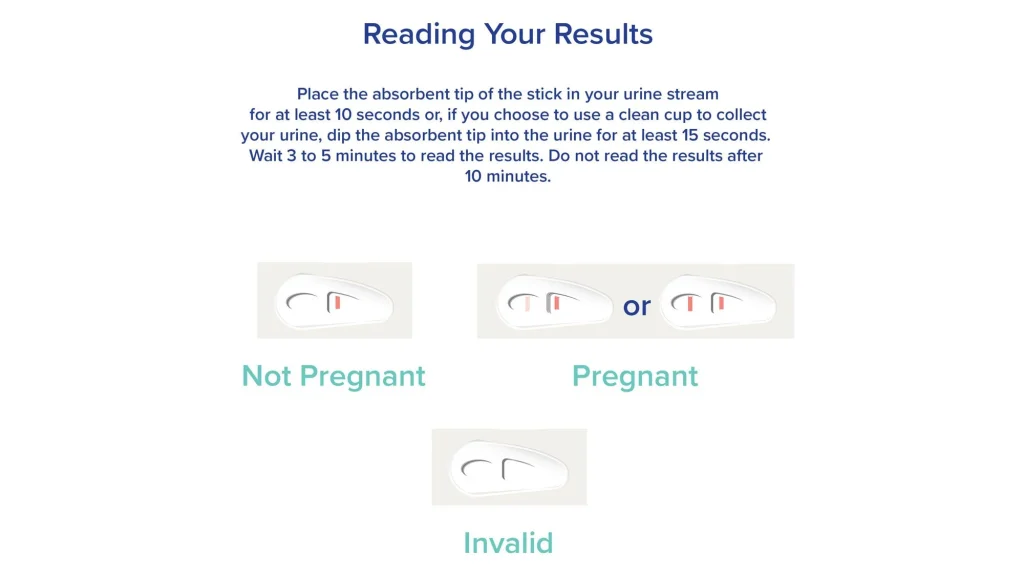
    Instructions for reading pregnancy test results with visual indicators for "Not Pregnant," "Pregnant," and "Invalid.

    The Role of Support and Education in At-Home Insemination

    Tracking ovulation is another crucial aspect of at-home insemination. Ovulation predictor kits, charting basal body temperature, and monitoring cervical mucus are all methods that can help identify the most fertile time for insemination. It is important to have a clear understanding of these methods and their effectiveness in order to increase the chances of conception.

    The process of insemination itself can be daunting, especially for those who are attempting it for the first time. It is important to have a thorough understanding of the steps involved and to follow a proper protocol. This may involve using sterile equipment, such as syringes and speculums, and having a clean and hygienic environment. Seeking guidance from a healthcare professional or attending educational workshops can provide valuable information and guidance in this area.

    In addition to support and education, at-home insemination also requires patience and perseverance. It may not be successful on the first attempt, and it is important to be prepared for setbacks and to keep trying. Having a positive mindset and remaining determined can greatly increase the chances of success.

    In conclusion, support and education play a significant role in the success of at-home insemination. Having a strong support system and access to accurate information and resources can make the journey less daunting and increase the chances of conception. It is also important to approach the process with patience and determination, as it may not always be successful on the first try. With the right support and knowledge, at-home insemination can be a viable option for those looking to start a family.

    Summary:

    At-home insemination is becoming a popular alternative method of conception, but it requires proper support and education for success. A strong support system can provide emotional comfort, while access to accurate information and resources is crucial for understanding important factors such as choosing a donor, tracking ovulation, and the process of insemination itself. Having patience and determination is also key in this journey. With the right support and knowledge, at-home insemination can be a viable option for starting a family.