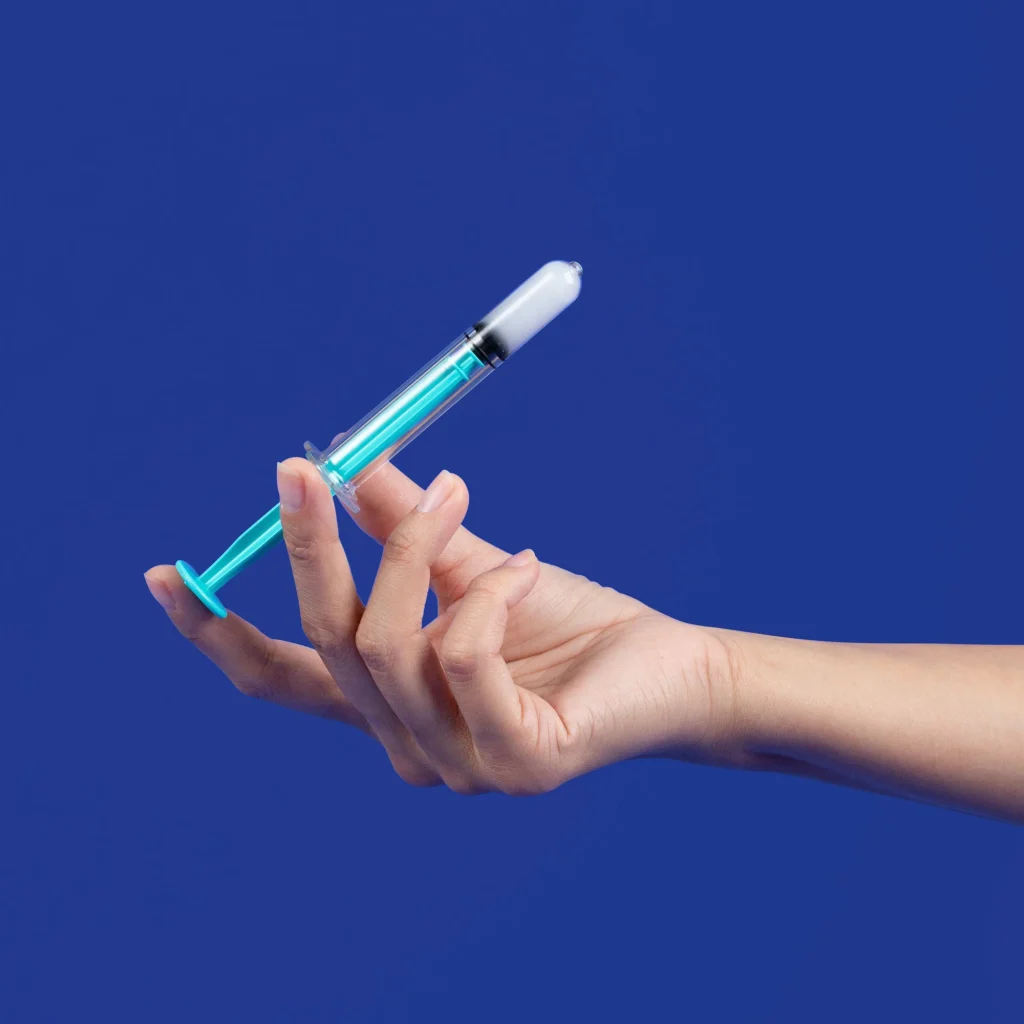
Have you been considering using an insemination syringe kit at home to try and conceive? This option can be a more affordable and convenient alternative to traditional fertility treatments. However, if you have never used an insemination syringe kit before, it can seem overwhelming and intimidating. But don’t worry, we have got you covered with this step-by-step guide to using an insemination syringe kit at home.
Step 1: Gather Your Supplies
Before you begin the insemination process, make sure you have all the necessary supplies. This includes the insemination syringe kit, a specimen cup, a timer, and a comfortable and sanitary location for the procedure.
Step 2: Prepare the Specimen
The first step in using an insemination syringe kit is to prepare the specimen. This can either be sperm from a donor or your partner’s ejaculate. If using donor sperm, make sure it has been properly stored and thawed according to the instructions provided. If using your partner’s ejaculate, have them ejaculate into the specimen cup.
Step 3: Load the Syringe
Once you have the specimen ready, it’s time to load the syringe. Remove the cap from the syringe and attach the bulb to the end. Gently squeeze the bulb to expel any air from the syringe. Then, insert the tip of the syringe into the specimen cup and slowly pull back on the bulb to draw in the specimen.
Step 4: Prepare for Insemination
Before you begin the insemination process, make sure you are in a comfortable and sanitary location. Wash your hands thoroughly and put on gloves if desired. Lay down on a towel or with a pillow under your hips to elevate them.
Step 5: Insert the Syringe
With the syringe loaded and ready, it’s time to insert it into the vagina. Gently insert the syringe into the vaginal opening and push the plunger to release the semen. Make sure to insert the syringe as far as it will comfortably go to ensure the semen is deposited near the cervix.

A Step-by-Step Guide to Using an Insemination Syringe Kit at Home
Step 6: Time the Insemination
After the semen has been deposited, remove the syringe and set a timer for 20-30 minutes. This allows the sperm to have the best chance of reaching the egg for fertilization. During this time, it’s important to stay lying down with your hips elevated.
Step 7: Clean Up
Once the time is up, you can get up and go about your day. Make sure to clean up any spills or messes and properly dispose of the syringe and gloves. Wash your hands thoroughly after handling any materials.
Step 8: Rest and Relax
After the insemination process, it’s important to rest and relax. Some women find it helpful to lay down with their hips elevated for a little while longer. Others may choose to take a warm bath or do some relaxation techniques to help reduce stress and increase the chances of success.
Step 9: Repeat the Process
To increase the chances of conception, it’s recommended to repeat the insemination process every other day for up to three days. This allows for a higher concentration of sperm near the cervix and increases the likelihood of fertilization.
Step 10: Take a Pregnancy Test
After two weeks, you can take a pregnancy test to see if the insemination was successful. If the test is positive, congratulations! You are pregnant. If the test is negative, you can repeat the process in the next cycle.
Using an insemination syringe kit at home can be a simple and effective way to try and conceive. Just make sure to follow these steps and consult with your doctor if you have any concerns or questions. With patience and persistence, you may just be on your way to starting or expanding your family.
In summary, using an insemination syringe kit at home involves gathering the necessary supplies, preparing the specimen, loading the syringe, inserting it into the vagina, timing the insemination, cleaning up, resting and repeating the process for up to three days. It’s important to remember to stay relaxed and consult with your doctor if needed. With this step-by-step guide, you can confidently and successfully use an insemination syringe kit at home to try and conceive.