Tag: sperm donor

  • Creating Your Dream Family with an Insemination Made Easy Starter Pack

    Blog Post Title: Creating Your Dream Family with an Insemination Made Easy Starter Pack

    Starting a family is a dream for many individuals and couples, but for some, the traditional methods of conception may not be an option. Insemination, also known as artificial insemination, is a form of assisted reproductive technology that can help individuals and couples achieve their dream of parenthood. With the advancement of technology, insemination can now be done at home with the help of an Insemination Made Easy Starter Pack. In this blog post, we will discuss how this starter pack can help you create your dream family, the benefits of at-home insemination, and everything you need to know to get started.

    Benefits of At-Home Insemination

    Insemination is a popular option for those who are struggling with fertility issues, single individuals, same-sex couples, or anyone who wants to have a child without a partner. In the past, insemination was only available through a medical facility, which can be expensive and time-consuming. However, with an at-home insemination starter pack, the process is now more accessible and convenient.

    One of the main benefits of at-home insemination is the privacy and comfort it provides. Many people feel uncomfortable with the idea of going to a clinic for insemination and prefer to do it in the privacy of their own home. With the starter pack, you can perform insemination in the comfort of your own home without the need for medical professionals.

    Another advantage of at-home insemination is the cost. Traditional insemination can cost thousands of dollars, but with an at-home starter pack, you can save a significant amount of money. The starter pack includes all the necessary items for insemination, eliminating the need for expensive medical procedures.

    How the Insemination Made Easy Starter Pack Works

    The Insemination Made Easy Starter Pack is designed to make the process of at-home insemination simple and stress-free. The pack includes all the necessary items to perform insemination, such as a syringe, ovulation predictor kit, and pregnancy test. It also comes with detailed instructions on how to use each item and perform the insemination process.

    The first step is to track your ovulation using the ovulation predictor kit included in the starter pack. This will help you determine the best time to perform insemination for the highest chances of conception. The pack also includes a pregnancy test, allowing you to confirm the success of the insemination after the recommended time.

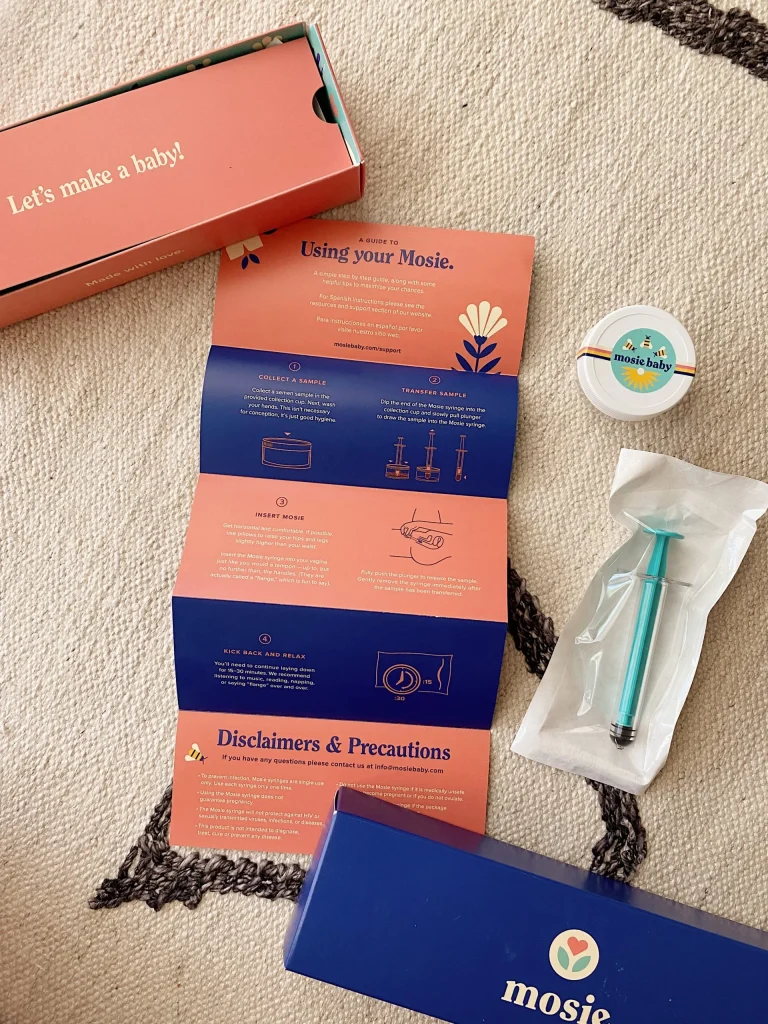
    blue box with "mosie" logo, syringes, and informational pamphlet on a pink background

    Creating Your Dream Family with an Insemination Made Easy Starter Pack

    The next step is to prepare the sperm for insemination. The starter pack comes with a syringe, which will be used to collect the sperm from the donor. It is important to note that the donor should undergo a series of tests to ensure the sperm is healthy and safe for insemination.

    Once the sperm is collected, the insemination process can begin. The starter pack provides step-by-step instructions on how to properly insert the sperm into the cervix using the syringe. It is crucial to follow the instructions carefully to ensure the best chances of conception.

    What to Consider When Using the Starter Pack

    While at-home insemination with the help of the starter pack is a convenient option, there are a few things to consider before beginning the process. It is essential to have a healthy lifestyle and be in good physical and emotional health before attempting insemination. You should also consult with a healthcare professional to ensure that you are a suitable candidate for insemination.

    Another crucial factor to consider is finding a reliable sperm donor. The starter pack does not provide sperm, and it is up to the individual or couple to find a donor. It is important to have a thorough discussion with the donor and undergo necessary testing to ensure the sperm is safe for use.

    Additionally, it is essential to have a support system in place throughout the process. Insemination can be a challenging and emotional journey, and having a support system can make a significant difference.

    In Conclusion

    Insemination Made Easy Starter Pack has made at-home insemination a possibility for many individuals and couples. It provides a convenient and cost-effective option for those who want to start a family. However, it is crucial to do thorough research and consult with a healthcare professional before attempting insemination. With the right preparation and mindset, the starter pack can help you create your dream family.

    Summary:

    Insemination Made Easy Starter Pack is a convenient and cost-effective option for individuals and couples who want to start a family. With the advancement of technology, at-home insemination has become more accessible and provides privacy and comfort. The starter pack includes all the necessary items, such as an ovulation predictor kit, syringe, and pregnancy test, and comes with detailed instructions on how to use them. It is important to consider factors such as overall health, finding a reliable sperm donor, and having a support system before attempting at-home insemination.

  • From Conception to Delivery: Your Insemination Made Easy Starter Pack

    Blog Post:

    Insemination, also known as artificial insemination, is a method of assisted reproduction that involves placing sperm directly into a woman’s reproductive tract in order to facilitate fertilization. This process can be used by couples struggling with fertility issues, same-sex couples, and single individuals looking to start a family. While the idea of insemination may seem daunting, there are now starter packs available that make the process easy and accessible for anyone looking to conceive. In this blog post, we will walk you through the journey from conception to delivery with the help of the From Conception to Delivery: Your Insemination Made Easy Starter Pack.

    Step 1: Understanding the Basics
    Before embarking on your insemination journey, it is important to have a thorough understanding of the process. Insemination involves placing sperm directly into a woman’s cervix or uterus, bypassing any potential barriers that may prevent fertilization. This can be done using a variety of methods such as intrauterine insemination (IUI) or intracervical insemination (ICI). It is important to consult with a healthcare professional to determine the best method for your individual situation.

    Step 2: Choosing a Donor
    The next step in the process is choosing a sperm donor. This can be done through a sperm bank or by using a known donor. When using a sperm bank, you will have access to detailed information about the donors, including their physical characteristics, education, and medical history. It is important to carefully consider your options and choose a donor that aligns with your preferences and values.

    Step 3: Preparing for Insemination
    Once you have chosen a donor, it is important to prepare your body for insemination. This may include tracking your ovulation using ovulation predictor kits or basal body temperature charting. Additionally, certain lifestyle changes such as quitting smoking and reducing alcohol consumption can improve your chances of conception.

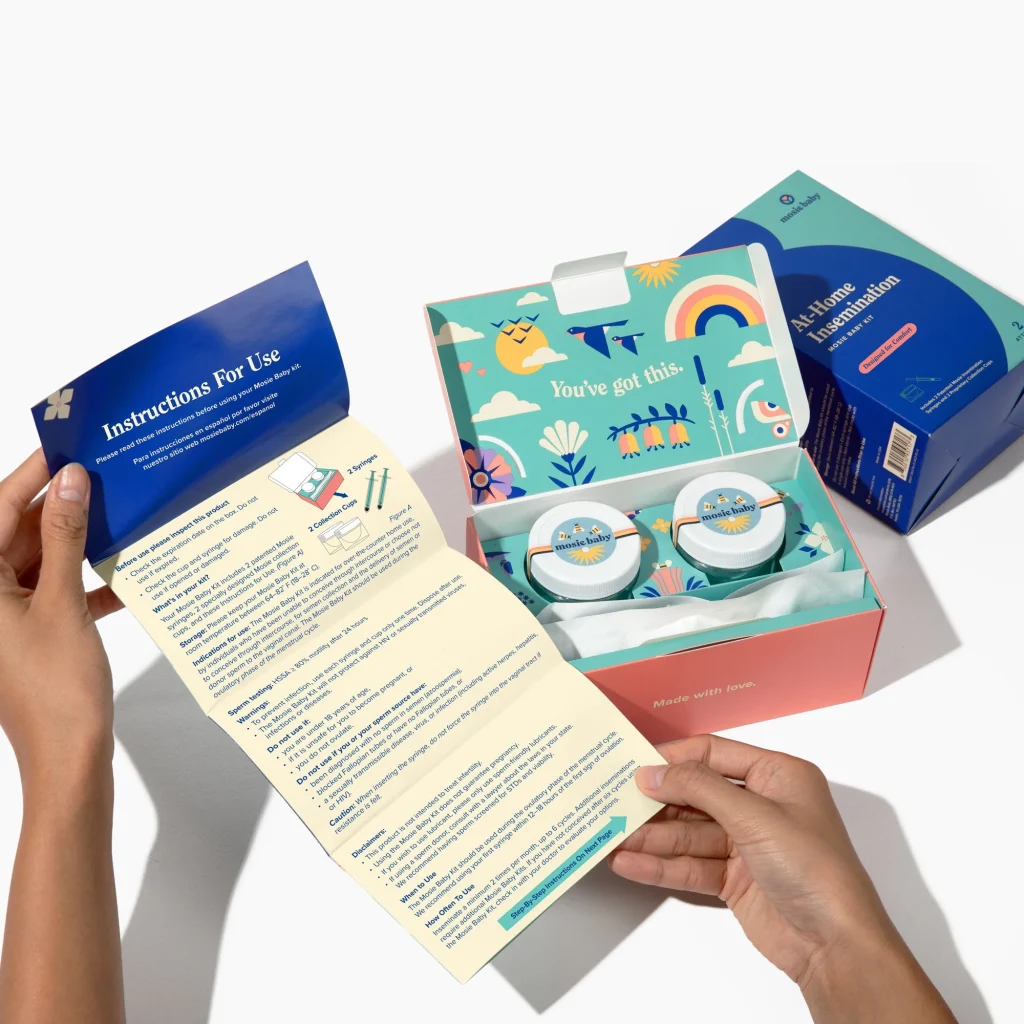
    Home insemination kit by Mosie Baby with instructions and colorful packaging.

    From Conception to Delivery: Your Insemination Made Easy Starter Pack

    Step 4: Using the Starter Pack
    The From Conception to Delivery: Your Insemination Made Easy Starter Pack includes all the necessary tools and instructions for a successful insemination. This includes sterile collection cups to collect the sperm, a syringe for insemination, and ovulation predictor kits to help track your fertile window. The pack also includes detailed instructions on how to use each component and when to perform the insemination.

    Step 5: The Insemination Process
    When the time comes for insemination, it is important to follow the instructions provided in the starter pack carefully. This may include using ovulation predictor kits to determine when to perform the insemination, as well as following a specific technique for placing the sperm into the cervix or uterus. It is recommended to have an empty bladder and to be in a comfortable position during the process.

    Step 6: The Two Week Wait
    After insemination, it is important to give your body time to rest and allow the sperm to reach the egg. This is known as the two week wait, and it can be a nerve-wracking time for many individuals. It is important to stay positive and keep yourself occupied during this time.

    Step 7: Pregnancy Testing and Beyond
    If you have successfully conceived, a pregnancy test will confirm the good news. From there, it is important to continue receiving prenatal care and following a healthy lifestyle to support the growth and development of your baby.

    In summary, the From Conception to Delivery: Your Insemination Made Easy Starter Pack provides a comprehensive and user-friendly solution for anyone looking to conceive through insemination. By understanding the basics, choosing a donor, preparing for insemination, and using the starter pack, you can make your insemination journey as smooth and stress-free as possible.

  • Natural Conception on Your Own Terms: The Syringe Method

    Natural conception is a beautiful and miraculous process that allows individuals to create new life. However, for some people, traditional methods of conception may not be an option due to various reasons such as medical conditions, fertility issues, or personal preferences. In these cases, the syringe method, also known as “natural insemination,” provides a natural and empowering alternative for individuals who want to conceive on their own terms.

    The syringe method involves using a syringe to manually transfer sperm from a donor into the vagina, close to the cervix, during ovulation. This method can be done at home and does not require any medical interventions or procedures, making it a convenient and cost-effective option for those who want to conceive naturally.

    One of the main benefits of the syringe method is that it allows individuals to have control over their own conception journey. They can choose their own donor, whether it be a trusted friend or a donor from a sperm bank, and may even involve the donor in the process if desired. This gives individuals the freedom to create a unique and personalized experience, unlike traditional methods where a medical professional may be involved in the insemination process.

    Another advantage of the syringe method is its accessibility. Unlike other assisted reproductive techniques, the syringe method does not require any invasive procedures or medications. This makes it a viable option for individuals who are unable or unwilling to undergo medical interventions for various reasons. Additionally, the syringe method can be used by people of all genders, sexual orientations, and relationship statuses, making it an inclusive and versatile option for conception.

    pregnancy test kit with instructions, test device, and packaging on a white background

    Natural Conception on Your Own Terms: The Syringe Method

    Many individuals who have used the syringe method have reported feeling more connected to the conception process and their bodies. In traditional methods, conception can often feel detached and clinical, with little involvement from the individuals themselves. However, with the syringe method, individuals actively participate in the process and have a better understanding of their own fertility and ovulation cycles. This can be a powerful and empowering experience, as individuals feel more in tune with their bodies and the conception journey.

    One of the common concerns about the syringe method is the risk of sexually transmitted infections (STIs). However, if proper precautions are taken, such as using a sterile syringe and ensuring the donor has been tested for STIs, the risk can be minimized. It is also recommended to consult with a healthcare professional before attempting the syringe method to ensure the individual is in good reproductive health and to discuss any potential risks.

    Some individuals may also have concerns about the legal and social implications of using the syringe method. In most cases, the donor has no legal rights or responsibilities to the child, and the individual or couple using the method is considered the legal parents. However, it is important to research and understand the laws and regulations around donor conception in your specific location to ensure a clear understanding of the legal implications.

    In summary, the syringe method is a natural and empowering option for individuals who want to conceive on their own terms. It offers control, accessibility, and a more intimate and connected experience compared to traditional methods. While it may not be the right choice for everyone, it provides an alternative for those who are unable or unwilling to use medical interventions for conception.

  • Syringe Method Success Stories: Real Women Share Their Journeys to Motherhood

    Blog Post: Syringe Method Success Stories: Real Women Share Their Journeys to Motherhood

    For many women, the journey to motherhood is not always easy. Infertility, medical complications, or financial constraints can make it challenging to conceive a child naturally. But thanks to modern technology and innovative methods, more and more women are achieving their dream of becoming mothers. One such method that has gained popularity in recent years is the syringe method. This technique involves using a syringe to self-inseminate at home, making it a more affordable and convenient option for many women. In this blog post, we will share the inspiring stories of real women who have successfully used the syringe method to start their families.

    1. Sara’s Story: Overcoming Infertility with the Syringe Method
    Sara had been trying to conceive for over two years with no success. After undergoing several fertility treatments and spending a significant amount of money, she was still not pregnant. Feeling discouraged and exhausted, she stumbled upon the syringe method while doing her research. With the help of a sperm donor, Sara successfully used the syringe method and became pregnant on her first try. She gave birth to a healthy baby boy and credits the syringe method for making her dream of motherhood a reality.

    2. Lisa’s Journey: A Single Mother’s Choice
    Lisa had always known that she wanted to become a mother, but as a single woman, she didn’t see how it was possible. Adoption was an option, but she longed to carry and give birth to her child. That’s when she discovered the syringe method. Lisa used a sperm donor and self-inseminated at home, and nine months later, she gave birth to a beautiful baby girl. She believes that the syringe method gave her the chance to become a mother on her terms, and she couldn’t be happier.

    Instructions for reading pregnancy test results with visual indicators for "Not Pregnant," "Pregnant," and "Invalid.

    Syringe Method Success Stories: Real Women Share Their Journeys to Motherhood

    3. Maria’s Success: Overcoming Financial Constraints
    Maria and her husband had been trying to conceive for years, but due to financial constraints, they couldn’t afford expensive fertility treatments. They had almost given up hope when Maria’s friend told her about the syringe method. After discussing it with her husband, they decided to give it a try. Maria used a donor sperm and self-inseminated at home, and to their surprise, she became pregnant on the first attempt. They now have a healthy baby girl, and Maria is grateful for the syringe method, which made it possible for them to start their family.

    4. Emily’s Miracle: A Solution for Same-Sex Couples
    Emily and her wife had been trying to conceive for years with no success. As a same-sex couple, they had limited options, and fertility treatments were costly. They were about to give up when they came across the syringe method. Emily’s wife provided the donor sperm, and Emily self-inseminated at home. After a few attempts, they finally became pregnant with twins. Emily and her wife are now proud parents to a beautiful boy and girl, and they couldn’t be happier.

    5. Anna’s Blessing: A Second Chance at Motherhood
    Anna had been through a difficult divorce and was raising her teenage daughter as a single mother. She never thought she would have another child, but when she met her new partner, they both knew they wanted to start a family together. However, at 40 years old, Anna was worried about her fertility. They couldn’t afford expensive fertility treatments, but then they discovered the syringe method. Anna used a sperm donor and self-inseminated at home, and incredibly, she became pregnant with twins. She now has a happy and complete family, thanks to the syringe method.

    The Syringe Method: A Convenient and Affordable Option for Women
    These are just a few of the many success stories of women who have used the syringe method to start their families. This method offers a more affordable and convenient option for women who are struggling with infertility, financial constraints, or other obstacles. It also provides a solution for same-sex couples and single women who want to become mothers. With proper research, preparation, and guidance from a healthcare professional, the syringe method can be a safe and effective way to achieve pregnancy.

    In conclusion, the journey to motherhood can be challenging, but these inspiring stories show that with determination and the right resources, anything is possible. The syringe method has given many women the opportunity to become mothers, and it continues to be a viable option for those who are looking to start or expand their families.

  • A Comprehensive Guide to Using At-Home Insemination Solution Sets

    Summary:

    At-home insemination is becoming a popular method for individuals and couples who are trying to conceive. It offers a convenient and cost-effective way to increase the chances of pregnancy without having to undergo expensive medical procedures. In this comprehensive guide, we will discuss everything you need to know about using at-home insemination solution sets.

    Firstly, we will cover the basics of at-home insemination, including what it is, how it works, and who it is suitable for. We will also delve into the various types of at-home insemination solution sets available, such as cervical cap, syringe, and softcup. Each type has its own benefits and drawbacks, so it’s essential to understand them before making a decision.

    Next, we will discuss the necessary steps to prepare for at-home insemination, including tracking ovulation, choosing the right donor, and creating a conducive environment. We will also provide tips on how to increase the chances of success, such as using fertility-friendly lubricants and maintaining a healthy lifestyle.

    at-home insemination kit featuring a syringe and container for fresh or donor sperm conception

    A Comprehensive Guide to Using At-Home Insemination Solution Sets

    The blog post will then cover the step-by-step process of using at-home insemination solution sets, including how to collect and prepare the sperm, how to insert the solution set, and how to clean up afterward. It’s essential to follow these steps carefully to ensure the best results.

    Additionally, we will address common concerns and questions about at-home insemination, such as the safety and effectiveness of the method, legal considerations, and potential risks. It’s crucial to be well-informed and address any concerns before starting the process.

    Furthermore, we will discuss alternative methods of insemination, such as intrauterine insemination (IUI) and in vitro fertilization (IVF). While at-home insemination is a viable option for many, it may not be suitable for everyone, and it’s essential to explore all options before making a decision.

    Finally, we will provide additional resources and recommendations for those interested in at-home insemination. This includes reputable sperm banks and fertility clinics, as well as support groups and online communities for individuals and couples going through the process.

    In conclusion, at-home insemination solution sets offer a convenient and affordable way to increase the chances of pregnancy. By understanding the basics, preparing properly, following the correct steps, and addressing any concerns, individuals and couples can have a positive experience with at-home insemination. As always, it’s essential to consult with a medical professional for personalized advice and guidance.

  • The Future of Fertility: Exploring At-Home Insemination Solution Sets

    The Future of Fertility: Exploring At-Home Insemination Solution Sets

    In recent years, there has been a significant increase in the number of couples and individuals turning to fertility treatments to conceive. While traditional methods such as in vitro fertilization (IVF) and intrauterine insemination (IUI) have been the go-to options for many, there is a growing interest in at-home insemination as a more convenient and cost-effective alternative. With advancements in technology and the availability of at-home insemination kits, the future of fertility is looking brighter for those struggling to conceive. In this blog post, we will explore the concept of at-home insemination and its potential as a solution for fertility challenges.

    What is At-Home Insemination?

    At-home insemination is a process in which sperm is manually placed into the vagina or cervix of a woman in hopes of achieving pregnancy. It is often used by same-sex couples, single individuals, and heterosexual couples who are unable to conceive through traditional means. This method can be performed at home without the need for medical assistance, making it a more accessible option for many.

    The Rise of At-Home Insemination Solution Sets

    The rise of at-home insemination solution sets can be attributed to the advancements in technology and the increasing demand for alternative fertility options. These kits typically include everything needed for the insemination process, such as a syringe, sperm-friendly lubricant, and instructions. Some kits even come with ovulation and pregnancy tests to help individuals track their cycles and determine the best time for insemination.

    Benefits of At-Home Insemination

    One of the main benefits of at-home insemination is its convenience. Unlike traditional fertility treatments that require multiple visits to a clinic, at-home insemination can be done in the comfort and privacy of one’s own home. This eliminates the need for time off work, travel, and the stress of dealing with medical appointments.

    Smiling baby in a blue onesie with "made with Love" text, lying on a light blue crocheted blanket.

    The Future of Fertility: Exploring At-Home Insemination Solution Sets

    Another advantage is the cost. Traditional fertility treatments can be expensive, with one round of IVF costing an average of $12,000. In comparison, at-home insemination kits can cost as little as $50, making it a more affordable option for those on a budget.

    At-home insemination also gives individuals more control over the process. They can choose the sperm donor, timing, and method that best suits their needs and preferences. This can be especially beneficial for same-sex couples and single individuals who may not have the option of using their partner’s sperm.

    Challenges and Considerations

    While at-home insemination has many benefits, there are also some challenges and considerations to keep in mind. One of the biggest concerns is the effectiveness of the method. Success rates for at-home insemination vary and are generally lower than traditional fertility treatments. The lack of medical supervision and monitoring can also make it difficult to determine the cause of any fertility issues.

    Additionally, at-home insemination may not be suitable for everyone. It is not recommended for individuals with certain medical conditions or those with a history of fertility problems. It is important to consult with a healthcare provider before attempting at-home insemination to ensure it is a safe and appropriate option.

    The Future of Fertility: A Promising Outlook

    Despite the challenges, the future of fertility looks promising with the rise of at-home insemination solution sets. As technology continues to advance, we can expect to see more user-friendly and effective kits on the market. There is also potential for at-home insemination to become a more widely accepted and regulated fertility treatment option.

    In conclusion, at-home insemination offers a convenient, cost-effective, and accessible solution for those facing fertility challenges. While it may not be suitable for everyone, it has the potential to revolutionize the field of fertility treatments. As we look towards the future, at-home insemination solution sets are likely to play a significant role in helping individuals and couples achieve their dream of starting a family.

  • Setting Realistic Expectations: What to Expect with Home Insemination

    Blog Post:

    Home insemination is becoming a popular option for individuals and couples looking to start a family. With advances in technology and access to information, more and more people are choosing to take control of their reproductive journey and try home insemination. However, with any new process, it’s important to set realistic expectations and understand what to expect. In this blog post, we will dive into the details of home insemination and provide valuable insight on what you can expect when embarking on this journey.

    First, it’s important to understand what home insemination is. Home insemination is the process of using a donor’s sperm to impregnate oneself in the comfort of your own home. This can be done through the use of a syringe, cervical cap, or other insemination devices. Home insemination is often seen as a more affordable and convenient alternative to traditional insemination methods, such as intrauterine insemination (IUI) or in vitro fertilization (IVF).

    One of the first things to expect with home insemination is the preparation process. Before attempting home insemination, it’s crucial to do your research and understand the steps involved. This includes understanding your ovulation cycle, tracking your fertility window, and selecting the right sperm donor. It’s important to note that the success rate of home insemination can vary greatly depending on various factors, such as age and overall health. It’s essential to have realistic expectations and understand that it may take more than one attempt to achieve pregnancy.

    Another important aspect of home insemination is obtaining sperm from a donor. There are various options available, including using a known donor, purchasing sperm from a sperm bank, or using a donor through a fertility clinic. It’s important to thoroughly research and consider all options before making a decision. Additionally, it’s crucial to follow all safety protocols when handling and storing sperm to avoid any potential health risks.

    Mosie Baby ovulation test kit with packaging and instructions on a pink background.

    Setting Realistic Expectations: What to Expect with Home Insemination

    Once you have completed all the necessary preparation steps, it’s time to start the home insemination process. This may involve using a syringe or other insemination device to insert the sperm into the vagina or cervix. It’s important to follow the instructions carefully and make sure everything is done correctly to increase the chances of success. It’s also essential to stay relaxed and comfortable during the process, as stress and tension can hinder the success of home insemination.

    After the insemination process, it’s time to wait and see if pregnancy occurs. This can be an anxious and emotional waiting period, as it may take a few weeks to know if the home insemination was successful. If you do not achieve pregnancy on the first try, it’s important to not get discouraged and keep trying. It may take multiple attempts to achieve pregnancy, and it’s crucial to have patience and perseverance during this time.

    It’s also essential to have realistic expectations about the success rate of home insemination. While it can be a successful and affordable option for many individuals and couples, it’s important to understand that the success rate is not 100%. Factors such as age and overall health can greatly impact the success rate. It’s crucial to have a backup plan in case home insemination does not result in pregnancy, such as trying other fertility treatments or seeking the help of a fertility specialist.

    In addition to understanding the process and success rate of home insemination, it’s also important to consider the emotional aspect. Home insemination can be a rollercoaster of emotions, from the excitement and hope of trying to conceive to the disappointment and frustration if it doesn’t work. It’s important to have a support system in place and to seek professional help if needed. It’s also crucial to have open and honest communication with your partner or support person throughout the process.

    Another aspect to consider with home insemination is the financial commitment. While it may be a more affordable option compared to other fertility treatments, there are still costs involved, such as sperm donation fees, fertility tracking kits, and insemination devices. It’s important to budget and plan accordingly to avoid any added stress during the home insemination process.

    In summary, home insemination is a popular and viable option for individuals and couples looking to start a family. However, it’s crucial to set realistic expectations and understand what to expect when embarking on this journey. This includes preparing for the process, selecting a sperm donor, following safety protocols, and understanding the emotional and financial commitments. It’s also important to have a backup plan and to have open communication with your partner or support person. With the right preparation and mindset, home insemination can be a successful and fulfilling path to parenthood.

  • The Role of Timing in Home Insemination Success

    Blog Post:

    When it comes to home insemination, timing is key. The success of the process relies heavily on understanding and effectively tracking ovulation, as well as properly timing the insemination. While this may seem overwhelming, it is an essential aspect of the process that cannot be ignored. In this blog post, we will delve into the role of timing in home insemination success and provide tips and advice on how to increase your chances of a successful outcome.

    Understanding Ovulation:

    The first step in timing home insemination is understanding ovulation. Ovulation is the process in which a mature egg is released from the ovary and travels down the fallopian tube, where it may be fertilized by sperm. This typically occurs around day 14 of a 28-day menstrual cycle, but can vary from person to person. Tracking ovulation is crucial because it is the prime time for conception to occur.

    There are various methods to track ovulation, including using ovulation predictor kits, tracking basal body temperature, and monitoring cervical mucus. Ovulation predictor kits work by detecting the surge of luteinizing hormone (LH) in urine, which occurs 12-36 hours before ovulation. Tracking basal body temperature involves taking your temperature every morning and recording it to detect a slight rise, which indicates ovulation. Lastly, monitoring cervical mucus involves paying attention to changes in the consistency and color of vaginal discharge, which becomes thin, clear, and stretchy around ovulation.

    Timing the Insemination:

    Once ovulation has been identified, it is important to time the insemination correctly. This is because sperm can survive in the reproductive tract for up to five days, while an egg is only viable for 12-24 hours after ovulation. This means that sperm must already be present in the fallopian tubes when the egg is released to increase the chances of fertilization.

    The best time to inseminate is 24-48 hours before ovulation. This gives the sperm enough time to travel and be present in the fallopian tubes when the egg is released. It is important to note that sperm can survive for up to five days, and having sperm present too early can decrease their quality and motility. On the other hand, inseminating too close to ovulation may result in the sperm not having enough time to reach the egg.

    guide and materials for using Mosie Baby fertility kit on a textured surface

    The Role of Timing in Home Insemination Success

    Tips for Successful Timing:

    1. Chart Your Cycle: To effectively time your home insemination, it is crucial to chart your menstrual cycle. This involves tracking your periods, ovulation, and any other changes in your body, such as cervical mucus. By doing this, you can better understand your cycle and determine the best time for insemination.

    2. Use Ovulation Predictor Kits: As mentioned earlier, ovulation predictor kits are a handy tool for tracking ovulation. They are easy to use and can provide accurate results. Make sure to follow the instructions carefully and test at the same time every day for the best results.

    3. Consider Sperm Donor Timing: If you are using a sperm donor, it is important to communicate with them and plan accordingly. Make sure to coordinate with the donor to ensure the sperm is delivered or collected on time for insemination.

    4. Avoid Stress: Stress can have a significant impact on your menstrual cycle, and it is crucial to avoid it as much as possible while trying to conceive. Stress can delay ovulation or even prevent it altogether, making it difficult to time the insemination correctly.

    5. Be Patient: It is essential to remember that timing is not an exact science, and it may take a few tries to get it right. Don’t get discouraged if the first attempt is not successful. Keep tracking your cycle, and with time and practice, you will be able to time the insemination correctly.

    In conclusion, timing plays a crucial role in the success of home insemination. By understanding ovulation and using the right tools and techniques, you can increase your chances of a successful outcome. Remember to be patient and communicate with your partner or sperm donor to ensure the best possible timing. With the right approach and a little bit of luck, you can achieve your dream of starting a family through home insemination.

    Summary:

    Timing is an essential aspect of home insemination success, as it relies on understanding and tracking ovulation. Ovulation is the process in which a mature egg is released and must be fertilized by sperm within 12-24 hours. To increase the chances of fertilization, it is recommended to inseminate 24-48 hours before ovulation. Tips for successful timing include charting your cycle, using ovulation predictor kits, coordinating with a sperm donor, avoiding stress, and being patient. With the right approach, timing can play a significant role in achieving your dream of starting a family through home insemination.

  • Unlocking the Secrets of Home Insemination

    Unlocking the Secrets of Home Insemination: How to Start Your Journey Towards Parenthood

    In today’s society, there are many options available for couples or individuals who are looking to start a family. One of these options is home insemination, which allows individuals to bypass traditional methods of conception and try for a baby in the comfort of their own home. While this may seem like a daunting process, with the right information and resources, home insemination can be a successful and empowering experience. In this blog post, we will delve into the secrets of home insemination and provide you with all the necessary information to start your journey towards parenthood.

    Understanding Home Insemination

    First and foremost, it is important to understand what home insemination is and how it differs from other methods of conception. Home insemination, also known as self-insemination or artificial insemination at home, is the process of placing sperm into the vagina or cervix to fertilize an egg. This can be done using a variety of methods, such as using a syringe or a soft cup. Unlike traditional methods of conception, home insemination allows individuals to bypass medical procedures and try for a baby in the comfort of their own home.

    The Benefits of Home Insemination

    There are many reasons why individuals may choose to pursue home insemination as their method of conception. One of the main benefits is that it is a more private and intimate experience, as it can be done in the comfort of your own home. It also allows individuals to have more control over the process and to choose a method that best suits their needs. Additionally, home insemination can be a more affordable option compared to other methods of conception.

    Preparing for Home Insemination

    At-home insemination kit with ovulation and pregnancy tests, promoting fertility and family planning.

    Unlocking the Secrets of Home Insemination

    Before embarking on your journey towards home insemination, there are a few important steps to take to ensure a successful experience. The first step is to consult with a healthcare provider to discuss your options and make sure you have all the necessary information and resources. It is also important to track your ovulation cycle to determine the best time for insemination. You can do this by using ovulation predictor kits or tracking your basal body temperature. Once you have determined your ovulation window, it is important to choose a sperm donor or collect sperm from a partner.

    Methods of Home Insemination

    As mentioned earlier, there are a few different methods that can be used for home insemination. The most common methods include using a syringe or a soft cup. A syringe is a simple and cost-effective method that involves collecting sperm in a clean container and then using a needleless syringe to deposit it into the vagina or cervix. The soft cup method involves using a flexible cup to collect and deposit sperm into the vagina, which can be left in place for a few hours to increase the chances of fertilization.

    Tips for Success

    While home insemination can be a successful method of conception, there are a few tips that can increase your chances of success. First and foremost, it is important to have a healthy lifestyle, including eating a balanced diet, exercising regularly, and managing stress levels. It is also important to have open and honest communication with your partner or sperm donor throughout the process. Additionally, using fertility-friendly lubricants and following proper hygiene practices can also improve your chances of success.

    Risks and Considerations

    While home insemination can be a safe and effective method of conception, there are some risks and considerations to keep in mind. It is important to ensure that all equipment and materials used are clean and sterile to avoid the risk of infection. It is also important to carefully select a sperm donor and to have them undergo necessary testing to ensure their sperm is healthy and free of any diseases. It is recommended to consult with a healthcare provider and have regular check-ups throughout the process to monitor your progress and address any potential issues.

    In conclusion, home insemination can be a successful and empowering method of starting a family. By understanding the process, preparing properly, and following tips for success, individuals can increase their chances of conceiving through home insemination. It is important to do thorough research, consult with a healthcare provider, and have open communication with your partner or sperm donor throughout the process. With the secrets of home insemination unlocked, individuals can start their journey towards parenthood with confidence and excitement.

  • The Insemination on Your Own Terms Kit: Making Fertility Options More Accessible

    Blog Post Summary:

    The Insemination on Your Own Terms Kit is a revolutionary product that aims to make fertility options more accessible to individuals who are looking to start a family. This kit allows individuals to perform insemination procedures in the comfort and privacy of their own home, without having to go through the expensive and often intimidating process of assisted reproduction clinics. With its easy-to-use design and affordable price point, this kit is breaking barriers and giving people the power to take control of their own fertility journey.

    The blog post starts by addressing the rising costs of fertility treatments and the overall lack of accessibility for many individuals. It then introduces the Insemination on Your Own Terms Kit as a solution to these issues. The kit comes with all the necessary materials for an at-home insemination procedure, including a step-by-step guide and a high-quality donor sperm sample. This eliminates the need for expensive clinic visits and gives individuals the flexibility to perform the procedure at a time and place that works best for them.

    The blog post then discusses the importance of privacy and comfort when it comes to fertility treatments. Many people may feel uncomfortable or embarrassed going through the process in a clinical setting, and the Insemination on Your Own Terms Kit offers a more discreet and personal option. It also allows individuals to involve their partners or support system in the process, creating a more intimate and supportive experience.

    comparison of Mosie syringe opening versus standard syringe opening with text highlighting benefits

    The Insemination on Your Own Terms Kit: Making Fertility Options More Accessible

    Next, the blog post delves into the potential challenges and concerns that may arise when considering at-home insemination. These include the need for proper education and preparation, as well as the importance of choosing a reputable sperm donor. The Insemination on Your Own Terms Kit addresses these concerns by providing thorough instructions and partnering with trusted sperm banks to ensure the quality and safety of the donor sperm.

    The blog post also highlights the inclusivity of the Insemination on Your Own Terms Kit, as it caters to individuals of different sexual orientations and gender identities. This is a significant step towards making fertility options more accessible and inclusive for all.

    The blog post concludes by emphasizing the empowering nature of the Insemination on Your Own Terms Kit. It allows individuals to take control of their fertility journey and make decisions on their own terms. It also highlights the positive impact this kit can have on individuals who may have previously felt excluded or discouraged from starting a family due to financial or logistical barriers.

    Overall, the Insemination on Your Own Terms Kit is a game-changing product that is making fertility options more accessible, affordable, and inclusive for all individuals.