Tag: support system

  • DIY Fertility: Tools for Navigating Fertility Treatment Options

    Summary:

    Fertility can be a sensitive and complex topic, as couples and individuals navigate the emotional, physical, and financial challenges of trying to conceive. With various fertility treatment options available, it can be overwhelming to know where to start. DIY fertility, or do-it-yourself fertility, is a growing trend where individuals take a more proactive and hands-on approach to their fertility journey. In this blog post, we will discuss the tools that can help you navigate the world of DIY fertility and make informed decisions about your treatment options.

    The first tool for DIY fertility is knowledge. Understanding the basics of fertility and the different factors that can impact it is crucial for making informed decisions. This includes knowing your fertility window, understanding ovulation and menstrual cycles, and being aware of common fertility issues and their treatments. The internet can be a valuable resource for gathering information, but it’s important to fact-check and consult with medical professionals for accurate and personalized advice.

    Tracking your fertility can also be a useful tool in DIY fertility. This can involve using ovulation predictor kits, tracking basal body temperature, and monitoring cervical mucus changes. These methods can help you pinpoint the most fertile days in your cycle and increase your chances of conception. Additionally, tracking your fertility can give you valuable information to share with your doctor, which can aid in diagnosis and treatment planning.

    Another DIY fertility tool is lifestyle changes. While there is no guaranteed way to improve fertility, making healthy lifestyle choices can positively impact your chances of conception. This includes maintaining a balanced diet, exercising regularly, and avoiding harmful substances such as tobacco and alcohol. It’s also important to manage stress levels, as high levels of stress can affect fertility. Incorporating relaxation techniques such as yoga, meditation, or therapy can be helpful in managing stress.

    two teal and clear syringes positioned on a white background

    DIY Fertility: Tools for Navigating Fertility Treatment Options

    Supplements and natural remedies can also be utilized in DIY fertility. While there is limited research on the effectiveness of these methods, some individuals have found success in using supplements such as CoQ10, omega-3 fatty acids, and vitamin D to improve fertility. It’s important to consult with a healthcare professional before starting any supplements and to research their potential side effects and interactions.

    In addition to these DIY tools, it’s important to have a support system in place. Fertility can be an emotionally taxing journey, and having a strong support system can make a significant difference. This can include a partner, family and friends, or joining a fertility support group. Connecting with others who are going through similar experiences can provide a sense of community and understanding.

    It’s also essential to have a plan in place when pursuing DIY fertility. This can involve setting realistic goals, creating a budget, and researching different treatment options. DIY fertility treatments can include intrauterine insemination (IUI), in vitro fertilization (IVF), and fertility medications. It’s important to understand the risks, success rates, and costs of each treatment and to consult with a fertility specialist to determine the best option for your specific situation.

    Finally, it’s crucial to prioritize self-care in DIY fertility. This can involve taking breaks from actively trying to conceive, seeking therapy or counseling, and practicing self-compassion. Fertility can be a rollercoaster of emotions, and it’s important to take care of your mental and emotional well-being throughout the process.

    In conclusion, DIY fertility can be a challenging but empowering journey. By utilizing tools such as knowledge, fertility tracking, lifestyle changes, supplements, a support system, and a plan, individuals can take a more active role in their fertility journey. However, it’s crucial to remember that every person’s fertility journey is unique, and what works for one person may not work for another. It’s important to consult with medical professionals and to prioritize self-care throughout the process. With the right tools and support, individuals can navigate the world of DIY fertility and make informed decisions about their treatment options.


  • and Ready for a Baby? Non-Invasive Insemination for Couples with Age-Related Fertility Issues

    Blog Post:

    Deciding to start a family is a big decision for any couple, but for those facing age-related fertility issues, it can be a particularly daunting and emotional journey. With the advances in modern medicine, there are now more options available for couples who struggle with conceiving naturally. One such option is non-invasive insemination, which has become a popular choice for couples who are ready for a baby but are struggling with age-related fertility issues. In this blog post, we will explore what non-invasive insemination is, how it works, and why it may be the right choice for you and your partner as you embark on your journey to parenthood.

    What is Non-Invasive Insemination?

    Non-invasive insemination, also known as intrauterine insemination (IUI), is a fertility treatment that involves placing sperm directly into a woman’s uterus to increase the chances of fertilization. This procedure is often used for couples who have been trying to conceive for a year or more without success, or for those who have been diagnosed with age-related fertility issues. It is a less invasive and less expensive option compared to other fertility treatments such as in vitro fertilization (IVF).

    How Does Non-Invasive Insemination Work?

    The first step in non-invasive insemination is to undergo a fertility evaluation. This will involve a series of tests for both the male and female partner to determine the cause of infertility. Once the evaluation is complete and the couple is deemed eligible for the procedure, the woman will be given fertility drugs to stimulate ovulation and increase the chances of pregnancy. The man will also be asked to provide a sperm sample, which will be washed and prepared in the laboratory to ensure the best quality sperm for the procedure.

    On the day of the insemination, the sperm will be placed into the woman’s uterus using a thin, flexible catheter. This is a painless and quick procedure that can be done in the doctor’s office. After the insemination, the woman will be asked to rest for a short period before resuming her normal activities. A pregnancy test will be done about two weeks after the insemination to determine if the procedure was successful.

    Why Choose Non-Invasive Insemination for Age-Related Fertility Issues?

    Smiling baby in a blue onesie with "made with Love" text, lying on a light blue crocheted blanket.

    and Ready for a Baby? Non-Invasive Insemination for Couples with Age-Related Fertility Issues

    Non-invasive insemination is a popular choice for couples facing age-related fertility issues for several reasons. Firstly, it is a less invasive option compared to other fertility treatments, which can be a major concern for couples who are already dealing with the emotional stress of infertility. The procedure is also relatively painless and quick, making it less intimidating for couples who may have a fear of medical procedures.

    Moreover, non-invasive insemination is less expensive compared to other fertility treatments, making it a more affordable option for couples. This is especially important for those who may have already spent a significant amount of money on other fertility treatments without success. Additionally, non-invasive insemination has a higher success rate compared to trying to conceive naturally, increasing the chances of pregnancy for couples with age-related fertility issues.

    Preparing for Non-Invasive Insemination

    Before undergoing non-invasive insemination, it is essential for couples to prepare themselves physically and emotionally. This may involve making lifestyle changes such as quitting smoking, reducing alcohol consumption, and maintaining a healthy weight. It is also important to have open and honest communication with your partner and healthcare provider about any concerns or fears you may have. Seeking support from friends, family, or a support group can also be beneficial during this time.

    It is also crucial to have realistic expectations when undergoing non-invasive insemination. While it has a higher success rate compared to natural conception, it is not a guarantee for pregnancy. It may take more than one cycle of insemination to achieve a successful pregnancy, and it is essential to prepare for this possibility.

    In Conclusion

    For couples facing age-related fertility issues, non-invasive insemination can be a viable option for starting a family. With its high success rate, affordability, and less invasive nature, it has become a popular choice for many couples. It is important to remember that fertility treatments can be emotionally and physically taxing, and having a strong support system and realistic expectations can make the journey more manageable. With the help of modern medicine and the support of your partner, you can be one step closer to welcoming a precious little one into your lives.

    Summary:

    Non-invasive insemination, also known as intrauterine insemination (IUI), is a popular fertility treatment for couples facing age-related fertility issues. This less invasive and less expensive option involves placing sperm directly into the woman’s uterus to increase the chances of fertilization. Before undergoing the procedure, couples will undergo a fertility evaluation and have realistic expectations. Non-invasive insemination has a higher success rate compared to natural conception and can be emotionally and physically taxing, but with the support of a strong partner and a realistic mindset, it can be a viable option for starting a family.

  • Ways to Cope with the Emotional Rollercoaster of Non-Invasive Insemination

    Blog Post:

    Non-invasive insemination, also known as donor insemination, is a fertility treatment option for individuals or couples struggling with conception. It involves using donor sperm to fertilize the egg, without the need for surgical procedures. While this method is less invasive compared to other fertility treatments, it can still be an emotional rollercoaster for those going through it. The process can bring about feelings of hope, excitement, disappointment, and frustration. In this blog post, we will discuss some ways to cope with the emotional rollercoaster of non-invasive insemination.

    1. Educate yourself about the process

    One of the first steps in coping with the emotional rollercoaster of non-invasive insemination is to educate yourself about the process. This includes understanding how the procedure works, the success rates, and the potential risks and side effects. Knowing what to expect can help ease any anxiety or fears you may have. It can also help you prepare mentally and emotionally for the journey ahead.

    2. Seek support

    Going through non-invasive insemination can be overwhelming, and it’s important to have a support system in place. This can include your partner, family members, friends, or a support group. Having someone to talk to and lean on during the highs and lows of the process can make a significant difference in your emotional well-being. You can also consider joining online support groups where you can connect with others going through a similar experience.

    3. Practice self-care

    It’s important to take care of yourself during this emotional journey. Make time for activities that bring you joy and help you relax. This can include exercise, meditation, reading, or spending time with loved ones. It’s also essential to prioritize your physical health by eating well, getting enough sleep, and avoiding unhealthy coping mechanisms such as excessive alcohol or drug use.

    4. Be prepared for the emotional ups and downs

    at-home insemination kit by Mosie Baby, featuring syringes and containers for comfort and convenience.

    Ways to Cope with the Emotional Rollercoaster of Non-Invasive Insemination

    Non-invasive insemination can be a rollercoaster of emotions. You may feel excited and hopeful during the waiting period, only to feel disappointed and frustrated when the results are not what you had hoped for. It’s essential to recognize that these emotional ups and downs are normal and to be prepared for them. Allow yourself to feel the emotions and find healthy ways to cope with them, such as talking to a therapist or journaling.

    5. Communicate with your partner

    If you are going through non-invasive insemination with a partner, it’s crucial to communicate openly and honestly with each other. The process can put a strain on your relationship, and it’s essential to support each other through it. Share your thoughts and feelings, and work together to make decisions and cope with any challenges that may arise.

    6. Have realistic expectations

    It’s essential to have realistic expectations when going through non-invasive insemination. While it can be a successful fertility treatment option, it’s not a guarantee for pregnancy. Understand that it may take multiple attempts before achieving a successful pregnancy and that there may also be setbacks along the way. Having realistic expectations can help manage disappointment and keep you focused on your ultimate goal of starting or expanding your family.

    7. Seek professional help if needed

    If you find that you are struggling to cope with the emotional rollercoaster of non-invasive insemination, it’s important to seek professional help. A therapist or counselor can provide you with the necessary support and guidance to navigate through this challenging time. They can also help you develop coping strategies and provide a safe space for you to express your emotions.

    Summary:

    Non-invasive insemination can be an emotional rollercoaster for those going through it. It’s essential to educate yourself about the process, seek support, and practice self-care. Be prepared for the emotional ups and downs and communicate openly with your partner. It’s also crucial to have realistic expectations and seek professional help if needed.

  • Steps to Prepare Your Body for Non-Invasive Insemination

    Blog Post Title: Steps to Prepare Your Body for Non-Invasive Insemination

    Non-invasive insemination is a form of assisted reproductive technology that involves placing sperm into the reproductive tract of a woman without the use of any medical instruments or procedures. This method is commonly used by couples and individuals who are struggling with fertility issues. It is a less invasive and less expensive option compared to other fertility treatments, making it a popular choice for many. However, just like any medical procedure, it is important to properly prepare your body for non-invasive insemination to increase your chances of success. In this blog post, we will discuss the steps you can take to prepare your body for non-invasive insemination.

    Step 1: Consult with a Fertility Specialist
    The first step in preparing your body for non-invasive insemination is to consult with a fertility specialist. They will be able to assess your individual situation and recommend the best course of action for you. They will also be able to give you important information about the procedure, what to expect, and any potential risks or complications. It is important to be open and honest with your fertility specialist about your medical history and any concerns you may have.

    Step 2: Understand Your Menstrual Cycle
    Non-invasive insemination is typically done at a specific time during a woman’s menstrual cycle. It is important to understand your menstrual cycle and track it using methods such as ovulation predictor kits or basal body temperature charting. This will help you determine the best time to undergo the procedure, as it is most effective when done during the woman’s fertile window.

    Step 3: Make Lifestyle Changes
    Lifestyle factors such as diet, exercise, and stress can all have an impact on fertility. To prepare your body for non-invasive insemination, it is important to make healthy lifestyle changes. This includes eating a balanced diet and maintaining a healthy weight, as being underweight or overweight can affect fertility. Regular exercise can also help improve fertility by reducing stress and maintaining a healthy weight. Additionally, finding ways to manage stress, such as through relaxation techniques or therapy, can also be beneficial.

    at-home insemination kit by Mosie Baby, featuring syringes, collection cups, and instructions on a pink background.

    Steps to Prepare Your Body for Non-Invasive Insemination

    Step 4: Quit Smoking and Limit Alcohol Consumption
    Both smoking and excessive alcohol consumption can have a negative impact on fertility. It is important to quit smoking and limit alcohol intake before undergoing non-invasive insemination. Smoking can affect the quality and quantity of a woman’s eggs, while alcohol can affect sperm production and quality. It is recommended to completely quit smoking and limit alcohol intake to one or two drinks per week.

    Step 5: Take Prenatal Vitamins
    Prenatal vitamins are important for women who are trying to conceive. They contain important nutrients such as folic acid, which can help prevent birth defects. It is recommended to start taking prenatal vitamins at least three months before undergoing non-invasive insemination. Your fertility specialist may also recommend additional supplements based on your individual needs.

    Step 6: Prepare for the Procedure
    Before the procedure, your fertility specialist may recommend certain preparations to help increase the chances of success. This may include avoiding intercourse for a certain period of time, abstaining from alcohol and caffeine, and using sperm-friendly lubricants. It is important to follow these recommendations to ensure the best possible outcome.

    Step 7: Have a Support System
    Undergoing any fertility treatment can be emotionally challenging. It is important to have a support system in place during this time. This can include your partner, family, and friends, or joining a support group for individuals undergoing fertility treatment. Having a strong support system can help reduce stress and anxiety, which can have a positive impact on fertility.

    In summary, preparing your body for non-invasive insemination involves consulting with a fertility specialist, understanding your menstrual cycle, making healthy lifestyle changes, quitting smoking and limiting alcohol consumption, taking prenatal vitamins, preparing for the procedure, and having a support system in place. By following these steps, you can increase your chances of success with non-invasive insemination and take an active role in your fertility journey.

  • Ways to Stay Positive During the Non-Invasive Insemination Process

    Blog Post:

    The process of non-invasive insemination, also known as artificial insemination, can be a challenging and emotional journey for many individuals and couples. It involves a series of medical procedures and can create a lot of stress and anxiety. However, it is important to stay positive throughout this process in order to increase the chances of success and maintain your overall well-being. In this blog post, we will discuss some ways to stay positive during the non-invasive insemination process.

    1. Educate yourself

    One of the best ways to stay positive during the non-invasive insemination process is to educate yourself about the procedure, its success rates, and potential challenges. This will help you understand what to expect and make informed decisions. You can attend informational sessions at your fertility clinic, read books or articles, and consult with your doctor. Having a good understanding of the process can help alleviate fears and uncertainties.

    2. Find a support system

    Going through the non-invasive insemination process alone can be overwhelming and isolating. It is important to have a support system in place to lean on during this time. This can include your partner, family members, friends, or a support group of individuals going through a similar experience. Talking to others who understand what you are going through can provide comfort, encouragement, and a sense of community.

    3. Practice self-care

    During the non-invasive insemination process, it is crucial to take care of your physical, emotional, and mental well-being. This can include getting enough rest, eating a healthy diet, exercising regularly, and engaging in activities that bring you joy and relaxation. It is also important to prioritize your mental health and seek professional help if needed. Taking care of yourself can help reduce stress and anxiety, and promote a positive mindset.

    4. Stay hopeful but realistic

    logo featuring a pink heart above two teal leaves on a blue circular background

    Ways to Stay Positive During the Non-Invasive Insemination Process

    It is natural to feel anxious and worried during the non-invasive insemination process, but it is important to balance those emotions with hope and positivity. While it is important to stay hopeful, it is also important to be realistic about the outcome. Not every attempt will be successful, and it is important to prepare yourself for that possibility. However, remember that each attempt brings you one step closer to your goal of starting a family.

    5. Communicate with your partner

    The non-invasive insemination process can also take a toll on your relationship with your partner. It is important to communicate openly and honestly with each other about your feelings, fears, and expectations. This can help strengthen your bond and provide much-needed support during this journey. It is also important to take breaks from talking about the process and focus on other aspects of your relationship.

    6. Practice relaxation techniques

    Dealing with fertility treatments can be stressful, and it is important to find ways to relax and reduce stress. This can include practicing meditation, deep breathing, yoga, or other relaxation techniques. These activities can help you stay calm and centered during the process and manage any negative emotions that may arise.

    7. Celebrate small victories

    While the ultimate goal may be to conceive, it is important to celebrate small victories along the way. This can include completing a procedure, receiving good news from your doctor, or simply making it through a difficult day. These small victories can help boost your mood and keep you motivated on your journey.

    Summary:

    The non-invasive insemination process can be a challenging and emotional journey, but it is important to stay positive throughout the process. Some ways to do so include educating yourself, finding a support system, practicing self-care, staying hopeful but realistic, communicating with your partner, practicing relaxation techniques, and celebrating small victories. These strategies can help you maintain a positive mindset and increase your chances of success.

  • Ways to Prepare Your Home for a New Baby with DIY Baby-Making Assistance

    Blog Post Title: Ways to Prepare Your Home for a New Baby with DIY Baby-Making Assistance

    Becoming a parent is an exciting and life-changing experience, but it also comes with a lot of preparation. From decorating the nursery to stocking up on diapers, there are many things to consider when welcoming a new baby into your home. However, for some couples, the journey to parenthood may involve using DIY baby-making assistance methods such as at-home insemination or fertility treatments. In this blog post, we will discuss ways to prepare your home for a new baby while utilizing DIY baby-making assistance.

    1. Create a Relaxing and Calming Environment
    Whether you are trying to conceive naturally or using assisted reproductive techniques, stress can have a negative impact on fertility. Therefore, it is important to create a calming and relaxing environment in your home. This can be achieved by decluttering and organizing your space, incorporating soothing colors and scents, and adding some plants for a touch of nature.

    2. Stock Up on Baby Essentials
    Having a baby means being prepared for all the necessities they will need. This includes diapers, wipes, bottles, and other baby gear. While you may not know the exact due date, it is never too early to start stocking up on these essentials. Consider buying in bulk or at discount stores to save money. You can also start a baby registry and share it with family and friends who want to help you prepare for your little one’s arrival.

    3. Prepare the Nursery
    The nursery is where your baby will spend a significant amount of time, so it is important to create a comfortable and functional space. Start by choosing a theme or color scheme and then work on decorating the room accordingly. You can also consider using eco-friendly and non-toxic products for your baby’s bedding and furniture. Make sure to also install baby-proofing measures, such as cabinet locks and outlet covers, to ensure your baby’s safety.

    mosie baby logo featuring a heart and leaves in blue, pink, and green colors.

    Ways to Prepare Your Home for a New Baby with DIY Baby-Making Assistance

    4. Consider Your Finances
    Having a baby is a significant financial responsibility, so it is important to consider your finances before the arrival of your little one. If you are using DIY baby-making assistance, you may have already incurred some costs for fertility treatments or other methods. Make a budget and start saving for your baby’s needs, such as healthcare expenses, childcare, and other essentials.

    5. Prepare for the Unexpected
    As much as we plan and prepare, sometimes things don’t go as expected. This is especially true when it comes to pregnancy and childbirth. It is important to prepare for the unexpected by having a backup plan in case of complications during pregnancy or delivery. This can include having a trusted family member or friend on standby to help, researching nearby hospitals and pediatricians, and knowing the signs of labor and when to seek medical assistance.

    6. Create a Support System
    Becoming a parent can be overwhelming, both physically and emotionally. Therefore, it is important to have a support system in place. This can include family, friends, or even online communities of other parents. Having a support system can provide you with advice, help, and emotional support during this exciting but challenging time.

    7. Educate Yourself
    Whether you are using DIY baby-making assistance or not, it is important to educate yourself about pregnancy, childbirth, and parenting. Read books, attend classes, and talk to other parents to gain knowledge and insight into what to expect. This will not only help you feel more prepared but also give you the confidence to handle any challenges that may come your way.

    In summary, preparing your home for a new baby with DIY baby-making assistance involves creating a calming environment, stocking up on baby essentials, preparing the nursery, considering your finances, preparing for the unexpected, creating a support system, and educating yourself. While the journey to parenthood may have its challenges, with proper preparation and support, you can create a loving and welcoming home for your new bundle of joy.

  • DIY Baby-Making Assistance for Same-Sex Couples

    In recent years, the world has made great strides towards equality and acceptance for the LGBTQ+ community. This has also resulted in many same-sex couples choosing to start families and have children of their own. However, unlike heterosexual couples, same-sex couples face unique challenges when it comes to conceiving a child. Fortunately, with advancements in technology and a growing support for alternative family structures, there are now several DIY options available for same-sex couples to assist them in their journey towards parenthood. In this blog post, we will explore some of these options and provide resources and tips for same-sex couples who are looking to start a family.

    One of the most popular forms of DIY baby-making assistance for same-sex couples is at-home insemination. This method involves using a donor sperm to artificially inseminate the partner who will carry the child. There are several ways to obtain donor sperm, including using a known donor (a friend or family member) or purchasing it from a sperm bank. It is important to note that using a known donor can come with its own set of legal and emotional complexities, so it is crucial to have thorough discussions and agreements in place before proceeding with this option.

    For those who choose to purchase donor sperm from a sperm bank, there are many reputable and LGBTQ+ friendly options available. Some popular sperm banks that cater specifically to same-sex couples include Xytex, California Cryobank, and Fairfax Cryobank. These banks offer a variety of donor profiles, including detailed medical history, physical characteristics, and personal essays, to help couples find the perfect match for their family.

    Once the donor sperm is obtained, the next step is to perform the insemination at home. This can be done through a variety of methods, such as using a sterile syringe or a cervical cap. It is essential to carefully follow the instructions provided by the sperm bank or consult with a healthcare professional to ensure the best chances of success. It is also recommended to track ovulation and use an ovulation predictor kit to increase the likelihood of conception.

    Another popular option for same-sex couples is using a surrogate. This involves a third-party carrying the child for the couple, either through traditional surrogacy (where the surrogate’s own egg is used) or gestational surrogacy (where the surrogate carries an embryo created through IVF using the intended parents’ or donor’s sperm and egg). Surrogacy can be a more expensive and complex process, but it allows both partners to have a biological connection to the child. It is crucial to work with a reputable surrogacy agency and have a thorough legal contract in place to protect all parties involved.

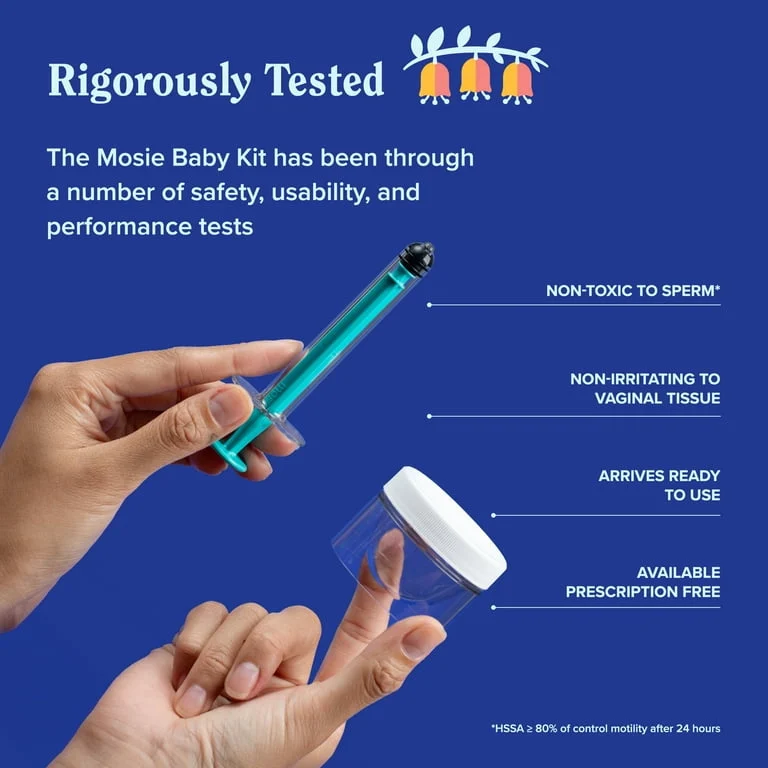
    Mosie Baby Kit with a syringe and container, highlighting safety and usability features on a blue background.

    DIY Baby-Making Assistance for Same-Sex Couples

    In addition to at-home insemination and surrogacy, there are also other DIY options available for same-sex couples, such as using a known donor through IVF or reciprocal IVF. With IVF, eggs are retrieved from one partner or a donor, fertilized with sperm, and then implanted into the other partner’s uterus or a surrogate’s uterus. This allows both partners to have a biological connection to the child and can be a great option for couples who want to share the experience of pregnancy and childbirth.

    Reciprocal IVF, also known as “shared motherhood,” is a form of IVF where one partner provides the eggs and the other carries the pregnancy. This option can be a great way for both partners to be involved in the conception and pregnancy process and can also help alleviate any legal concerns related to parentage.

    In addition to these DIY options, there are also resources available for same-sex couples who are looking to start a family through adoption. LGBTQ+ adoption rights have come a long way in recent years, and many adoption agencies now welcome and support same-sex couples. However, it is essential to do thorough research and find an agency that is both reputable and LGBTQ+ friendly. It is also recommended to work with an adoption attorney who has experience in helping same-sex couples navigate the legal aspects of adoption.

    Aside from the various DIY options available, it is also important for same-sex couples to have a strong support system in place. Starting a family can be a challenging and emotional journey, and having a network of friends, family, and support groups can make all the difference. There are several online and in-person support groups specifically for LGBTQ+ families, and these can provide a safe and understanding space for couples to share their experiences and seek advice.

    In conclusion, same-sex couples have several DIY options available to help them start a family. Whether it is at-home insemination, surrogacy, IVF, or adoption, there are resources and support available for couples to navigate the process. It is essential to do thorough research, seek legal advice, and have open and honest conversations with all parties involved before embarking on this journey. With determination, patience, and love, same-sex couples can fulfill their dream of becoming parents and create a beautiful family of their own.

  • The Importance of a Support System During the Conception Journey

    Blog Post:

    Conception is a journey that is filled with both excitement and challenges. It is a process that involves not only physical changes but also emotional, mental, and financial changes. For couples who are trying to conceive, it can be a rollercoaster of emotions and uncertainties. In such a journey, having a strong support system is crucial for the well-being and success of both partners. In this blog post, we will discuss the importance of a support system during the conception journey.

    1. Emotional Support:

    The journey of conception can be emotionally draining for both partners. It is common for couples to feel anxious, stressed, and overwhelmed during this time. This is where having a support system can make a significant difference. Whether it’s your partner, family, or friends, having someone to talk to and share your feelings with can provide a sense of relief and comfort. It is essential to have someone who can listen to your concerns, offer words of encouragement, and understand what you are going through. Emotional support can help reduce stress levels, improve mental well-being, and strengthen the bond between partners.

    2. Physical Support:

    The conception journey can also take a toll on the physical health of both partners. From tracking ovulation and taking fertility medications to undergoing medical procedures, it can be physically exhausting. This is where a support system can come in handy. Having someone who can accompany you to doctor appointments, help with household chores, and provide assistance when needed can be a great help. This physical support can alleviate the burden and stress of going through the process alone.

    3. Financial Support:

    mosie baby logo featuring a heart and leaves in blue, pink, and green colors.

    The Importance of a Support System During the Conception Journey

    The conception journey can be financially taxing for couples. With the cost of fertility treatments, medications, and other related expenses, it can put a strain on a couple’s finances. This is where a support system can be vital. Family and friends can offer financial assistance or help with fundraising efforts. They can also provide practical support, such as helping with budgeting and finding affordable options for treatments. Having a strong support system can ease the financial burden and allow couples to focus on their journey without worrying about money.

    4. Knowledge and Information:

    The conception journey can be overwhelming, especially for first-time parents. There are many decisions to make, and it can be challenging to navigate through all the information available. This is where a support system can be beneficial. Family and friends who have gone through a similar journey can offer advice, share their experiences, and provide valuable information. They can also connect you with resources such as support groups, online forums, and educational materials. Having a support system can help couples make informed decisions and feel more confident throughout the journey.

    5. Coping with Setbacks:

    The road to conception may not always be smooth. Couples may face setbacks such as failed fertility treatments, miscarriages, or other challenges. These can be devastating and can take a toll on a couple’s emotional well-being. Having a support system during these difficult times is crucial. Family and friends can provide a shoulder to cry on, offer words of comfort, and help couples cope with their feelings. They can also provide practical support, such as helping with funeral arrangements or offering a place to stay. A support system can help couples get through setbacks and come out stronger on the other side.

    In summary, having a strong support system during the conception journey is crucial for emotional, physical, and financial well-being. It can provide much-needed comfort, alleviate stress, and offer practical help. Whether it’s your partner, family, or friends, having someone to share your journey with can make all the difference. So, reach out to your loved ones and build a strong support system to help you through this journey.

    SEO Metadata:

  • Preparing for Home Insemination: Physical and Mental Health

    Blog Post: Preparing for Home Insemination: Physical and Mental Health

    Bringing a new life into the world is a beautiful and exciting journey, and for some individuals or couples, home insemination may be the path they choose. Whether it be due to fertility struggles, wanting to have a child without a partner, or any other personal reason, home insemination allows individuals or couples to take control of their reproductive journey. However, before embarking on this venture, it is essential to prepare both physically and mentally for this process. In this blog post, we will discuss the necessary steps to take to ensure a successful and healthy home insemination experience.

    Physical Health Preparation

    1. Consult with a Healthcare Provider

    Before proceeding with home insemination, it is crucial to consult with a healthcare provider. They will be able to give you personalized advice and recommendations based on your medical history and any potential risk factors. They can also perform any necessary tests to ensure that you and your partner are physically ready for the insemination process.

    2. Track Your Ovulation

    Tracking your ovulation is a crucial step in the home insemination process. This involves monitoring your menstrual cycle and identifying when you are most fertile. There are various methods of tracking ovulation, including using ovulation predictor kits, tracking basal body temperature, or monitoring changes in cervical mucus. Knowing your ovulation window will help you time the insemination at the most optimal time for conception.

    3. Practice Good Hygiene

    Maintaining good hygiene is of utmost importance when preparing for home insemination. This includes washing your hands and any equipment used in the process thoroughly. It is also recommended to avoid any scented products in the genital area, as they can interfere with sperm motility.

    4. Consider Supplements and Nutrition

    comparison of Mosie syringe opening versus standard syringe opening with text highlighting benefits

    Preparing for Home Insemination: Physical and Mental Health

    Certain supplements and nutrition can help improve fertility and increase the chances of successful insemination. These include folic acid, vitamin D, and omega-3 fatty acids. It is essential to consult with a healthcare provider before starting any new supplements or making significant changes to your diet.

    Mental Health Preparation

    1. Communicate with Your Partner

    Open and honest communication with your partner is crucial when preparing for home insemination. This journey can be emotionally taxing, and it is essential to have a supportive partner by your side. Talk about your feelings, expectations, and any concerns you may have. This will help strengthen your bond and ensure that you are both on the same page.

    2. Seek Support from Friends and Family

    Having a strong support system during this journey can make a significant difference in your mental health. Reach out to friends and family who you feel comfortable sharing this experience with. They can provide emotional support and be a source of positivity and encouragement.

    3. Educate Yourself

    The more you know about the home insemination process, the more confident and prepared you will feel. Do your research and educate yourself on the various methods of insemination, potential risks, and what to expect during and after the process. You can also seek guidance from online forums or support groups of individuals who have gone through home insemination themselves.

    4. Practice Relaxation Techniques

    The home insemination process can be stressful, and it is essential to find ways to relax and manage any anxiety or tension. This can include practices such as meditation, yoga, deep breathing, or any activity that helps you destress. Relaxation techniques can also be beneficial during the actual insemination process to help you stay calm and focused.

    In summary, preparing for home insemination involves both physical and mental health preparation. It is crucial to consult with a healthcare provider, track ovulation, practice good hygiene, and consider supplements and nutrition for physical health preparation. For mental health preparation, communicate with your partner, seek support from friends and family, educate yourself, and practice relaxation techniques. By taking these steps, you can ensure a healthy and successful home insemination experience.

  • The Importance of Preparation for Home Insemination

    Blog Post:

    In recent years, more and more couples are turning to home insemination as a means of starting a family. This method involves the direct insertion of semen into the cervix or uterus, bypassing the need for sexual intercourse. While home insemination can be a convenient and cost-effective option for many, it is crucial to understand the importance of preparation before embarking on this journey.

    First and foremost, it is essential to consult with a medical professional before attempting home insemination. A doctor can provide guidance on the process and ensure that both partners are in good health. They can also rule out any underlying fertility issues that may affect the success of the insemination.

    Once you have the green light from your doctor, it is crucial to prepare your body for the insemination process. This includes tracking ovulation, maintaining a healthy diet and lifestyle, and taking necessary supplements. Tracking ovulation is crucial because it helps determine the best time for insemination. This can be done through ovulation predictor kits, fertility apps, or monitoring changes in cervical mucus. It is also essential to maintain a healthy diet and lifestyle to optimize your chances of conception. This includes eating a balanced diet, avoiding harmful substances like alcohol and tobacco, and exercising regularly. Additionally, taking supplements such as folic acid, vitamin D, and zinc can help boost fertility and increase the chances of a successful insemination.

    Aside from physical preparation, it is essential to also prepare emotionally and mentally for home insemination. Starting a family is a big decision, and it can be an emotional rollercoaster for both partners. It is crucial to have open and honest communication with your partner about your expectations, fears, and concerns. Seeking support from friends, family, or a therapist can also be helpful in managing any emotional challenges that may arise during the process.

    guide and materials for using Mosie Baby fertility kit on a textured surface

    The Importance of Preparation for Home Insemination

    Another crucial aspect of preparation for home insemination is having all the necessary supplies and equipment. This includes a sterile syringe or turkey baster for insemination, ovulation predictor kits, and a clean and comfortable environment for the process. It is also essential to have a backup plan in case the first attempt is not successful. This can include having extra supplies and scheduling a follow-up insemination if needed.

    Furthermore, it is crucial to research and understand the legal implications of home insemination. In some countries, home insemination is not regulated, while in others, it is considered a medical procedure and requires a licensed professional. It is important to know the laws and regulations in your area to avoid any legal issues.

    Lastly, it is crucial to have a support system in place during the home insemination process. This can include your partner, friends, family, or a support group. Having people to lean on and share your experience with can make the process less daunting and more manageable.

    In conclusion, the importance of preparation for home insemination cannot be overstated. It is crucial to consult with a medical professional, prepare your body physically and emotionally, have all the necessary supplies, understand the legal implications, and have a support system in place. By taking the time to prepare adequately, you can increase your chances of a successful home insemination and start your journey towards parenthood.

    Summary:

    Home insemination is a popular method for couples looking to start a family without sexual intercourse. However, preparation is crucial for a successful insemination. This includes consulting with a doctor, tracking ovulation, maintaining a healthy lifestyle, and taking necessary supplements. It is also essential to prepare emotionally, have all the necessary supplies, understand the legal implications, and have a support system in place. By adequately preparing, couples can increase their chances of success and start their journey towards parenthood.