Tag: Hormonal Balance

  • Beyond Basal Body Temperature: The Benefits of Tracking Cervical Mucus for Ovulation

    Beyond Basal Body Temperature: The Benefits of Tracking Cervical Mucus for Ovulation

    For couples who are trying to conceive, tracking ovulation is a crucial step in the process. While many people are familiar with using basal body temperature (BBT) as a method for tracking ovulation, there is another method that is gaining popularity – tracking cervical mucus. In this blog post, we will explore what cervical mucus is, how it changes throughout the menstrual cycle, and the benefits of tracking it for ovulation.

    What is cervical mucus?

    Cervical mucus, also known as cervical fluid, is a natural bodily fluid secreted by the cervix. It serves several important functions, including protecting the uterus from bacteria, helping sperm travel to the egg, and providing nutrients for sperm to survive. Cervical mucus is produced by glands in the cervix and changes in consistency and texture throughout the menstrual cycle.

    How does cervical mucus change throughout the menstrual cycle?

    The consistency and texture of cervical mucus is influenced by the hormones estrogen and progesterone. In the first half of the menstrual cycle, estrogen levels rise and cause the cervical mucus to become thinner, clearer, and more stretchy. This type of mucus, known as “egg white cervical mucus” (EWCM), is the most fertile type of cervical mucus. As ovulation approaches, EWCM helps sperm travel to the egg and provides an ideal environment for fertilization.

    After ovulation, progesterone levels rise and cause the cervical mucus to become thicker, cloudier, and less stretchy. This type of mucus, known as “creamy cervical mucus,” is less fertile and serves as a barrier to sperm. If pregnancy does not occur, estrogen levels will drop and the cycle will begin again.
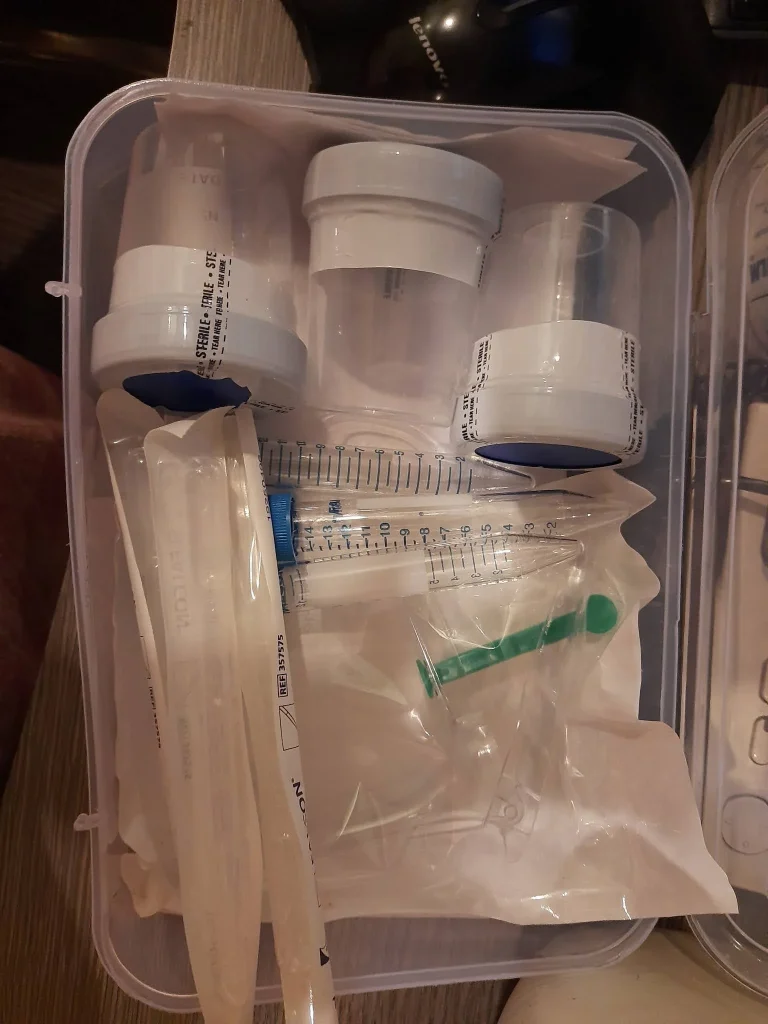
    various medical supplies and containers organized in a clear plastic box on a wooden surface

    Beyond Basal Body Temperature: The Benefits of Tracking Cervical Mucus for Ovulation

    How is tracking cervical mucus beneficial for ovulation?

    1. Identifying the most fertile days: By tracking cervical mucus, women can identify their most fertile days and time intercourse accordingly. EWCM is a clear indicator of ovulation and is a sign that the body is ready for fertilization. Tracking cervical mucus can help couples maximize their chances of conception.

    2. Monitoring hormonal changes: As mentioned earlier, cervical mucus is influenced by estrogen and progesterone levels. By tracking changes in cervical mucus, women can gain insight into their hormonal balance and identify any potential issues that may be affecting their fertility.

    3. Complements BBT tracking: While BBT tracking is a useful method for identifying ovulation, it does not provide a complete picture. By combining BBT tracking with cervical mucus tracking, women can gain a more accurate understanding of their fertile window.

    4. Detecting potential fertility issues: Changes in cervical mucus can be an indication of potential fertility issues. For example, a lack of EWCM can be a sign of low estrogen levels, while an abundance of creamy cervical mucus can be a sign of high progesterone levels. Tracking cervical mucus can help women identify these issues and seek treatment if necessary.

    5. Cost-effective and non-invasive: Unlike other methods of tracking ovulation, such as ovulation predictor kits or fertility monitors, tracking cervical mucus is a cost-effective and non-invasive option. It only requires observation and does not involve purchasing any additional products.

    In conclusion, tracking cervical mucus can be a valuable tool for women who are trying to conceive. By understanding the changes in cervical mucus throughout the menstrual cycle and the benefits of tracking it, women can gain insight into their fertility and increase their chances of conception. So, if you’re trying to get pregnant, consider adding cervical mucus tracking to your ovulation tracking routine.


  • Cervical Mucus and Fertility: The Role of Progesterone

    Cervical mucus is a natural fluid produced by the cervix that plays a crucial role in fertility. It is often overlooked, but its quality and quantity can greatly impact a woman’s chances of conception. In this blog post, we will explore the importance of cervical mucus and the role of progesterone in maintaining a healthy and fertile reproductive system.

    The Role of Cervical Mucus in Fertility

    Cervical mucus is a clear or white fluid that is secreted by the cervix throughout a woman’s menstrual cycle. Its consistency and texture change throughout the cycle, reflecting the different hormonal changes that occur in the body.

    During the follicular phase of the menstrual cycle, which is the time between the first day of menstruation and ovulation, estrogen levels rise and stimulate the production of cervical mucus. This mucus is often thin, watery, and stretchy, resembling the consistency of egg whites. This type of mucus helps to create a friendly environment for sperm to swim through and reach the egg for fertilization.

    As the body prepares for ovulation, estrogen levels peak, and the consistency of cervical mucus changes again. It becomes thicker, stickier, and more opaque, making it more difficult for sperm to pass through. This type of mucus acts as a barrier, preventing any foreign substances from entering the uterus and potentially causing harm.

    After ovulation, progesterone levels rise, causing the cervical mucus to become thick, sticky, and creamy. This type of mucus forms a plug at the entrance of the cervix, protecting the uterus from bacteria and other harmful substances. It also provides a nourishing environment for sperm to survive and wait for the egg to be released.

    The Role of Progesterone in Fertility

    Progesterone is a hormone produced by the ovaries after ovulation. Its main function is to prepare the uterus for pregnancy by thickening the uterine lining and maintaining the pregnancy if fertilization occurs.

    In addition to its role in the uterus, progesterone also plays a vital role in cervical mucus production. As mentioned earlier, it causes the cervical mucus to become thick and sticky after ovulation, creating a barrier and nourishing environment for sperm. Without enough progesterone, the cervical mucus may remain thin and watery, making it difficult for sperm to reach the egg.

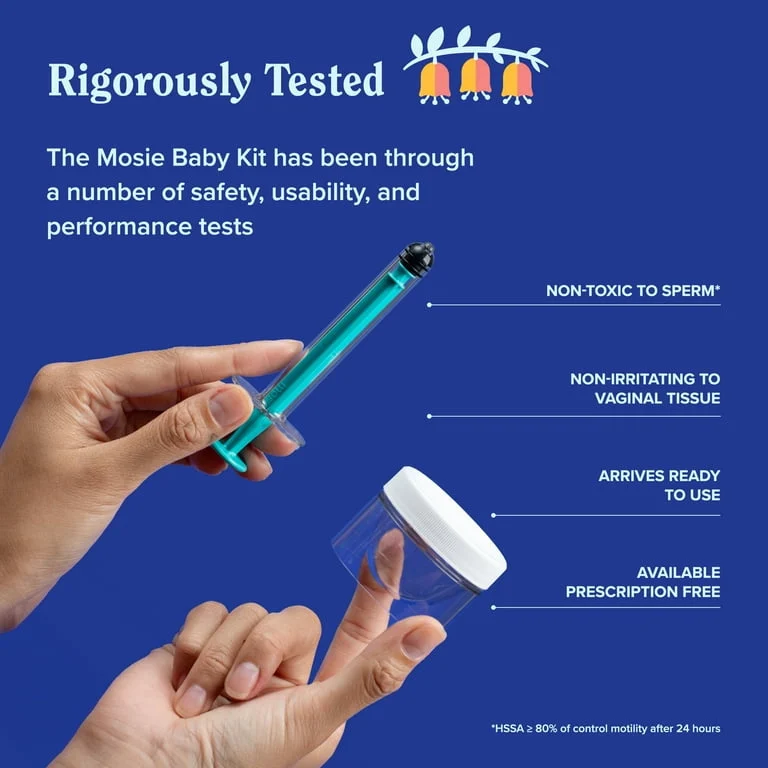
    home insemination kit components: a syringe and a collection container against a blue background.

    Cervical Mucus and Fertility: The Role of Progesterone

    Progesterone also helps to maintain a healthy balance of other hormones in the body, such as estrogen. When these hormones are in balance, the body is better equipped for ovulation, conception, and pregnancy. However, if progesterone levels are low, it can lead to hormonal imbalances, making it challenging to conceive.

    How to Track Cervical Mucus and Progesterone Levels

    Tracking cervical mucus and progesterone levels can provide valuable information about a woman’s fertility. The most common method for tracking cervical mucus is through the use of a fertility chart. This involves recording the consistency and texture of the mucus daily and noting any changes throughout the cycle.

    Another way to track cervical mucus is through the use of a fertility monitor. These devices detect hormonal changes in the body, including estrogen and progesterone, by analyzing a woman’s saliva or urine. They can help pinpoint the most fertile days of the cycle and increase the chances of conception.

    Progesterone levels can also be tracked through blood tests. These tests are usually done about a week after ovulation to determine if progesterone levels are adequate for pregnancy. If levels are low, a healthcare provider may recommend progesterone supplementation to help support fertility and a healthy pregnancy.

    The Importance of Maintaining Hormonal Balance for Fertility

    Maintaining a healthy balance of hormones, including progesterone and estrogen, is crucial for fertility. Any disruptions or imbalances in these hormones can significantly impact a woman’s chances of conceiving.

    Factors such as stress, diet, and certain medications can affect hormone levels and disrupt the delicate balance in the body. Therefore, it is essential to adopt healthy lifestyle habits and consult a healthcare provider if experiencing any fertility issues.

    In conclusion, cervical mucus and progesterone play essential roles in fertility. They work together to create a conducive environment for sperm to reach the egg and maintain a healthy pregnancy. By tracking cervical mucus and progesterone levels and maintaining hormonal balance, women can increase their chances of conceiving and starting a family.

    SEO metadata:

  • The Impact of Stress on Fertility and How Syringe Insemination Can Help

    Summary:

    Stress is a common and often unavoidable part of life, but it can have a significant impact on our bodies and health. For couples trying to conceive, stress can be a major hindrance to fertility. In this blog post, we will explore the connection between stress and fertility and how syringe insemination, a non-invasive and affordable fertility option, can help.

    Firstly, we will discuss how stress affects fertility. Studies have shown that high levels of stress can disrupt hormonal balance, leading to irregular menstrual cycles and ovulation. Stress can also affect sperm count, motility, and quality in men. Furthermore, stress can make it difficult for couples to engage in sexual intercourse, which is essential for conception.

    Hands holding a syringe and a small container against a blue background.

    The Impact of Stress on Fertility and How Syringe Insemination Can Help

    Next, we will delve into the ways to manage stress for improved fertility. Techniques such as meditation, exercise, and therapy can help reduce stress levels and improve overall well-being. Additionally, couples can communicate openly and support each other through this stressful journey.

    Finally, we will explore syringe insemination as a solution for couples struggling with fertility due to stress. This method involves using a syringe to insert sperm into the vagina, bypassing any barriers caused by stress and increasing the chances of conception. Syringe insemination is a simple and affordable option that can be done at home, making it a convenient choice for couples.

    In conclusion, stress can have a significant impact on fertility, but there are ways to manage it and improve your chances of conceiving. Syringe insemination is a viable option for couples struggling with fertility due to stress, and it offers a non-invasive and affordable solution.

  • Giving Fertility a Boost: The Benefits of Combining Fertility Friend’s Insemination Syringe Bundle with Acupuncture

    Blog Post Title: Giving Fertility a Boost: The Benefits of Combining Fertility Friend’s Insemination Syringe Bundle with Acupuncture

    Summary:

    Fertility is a sensitive and complex topic that affects many individuals and couples. For those who are struggling to conceive, the journey can be emotionally and physically taxing. While there are various medical treatments available, some people turn to alternative methods to increase their chances of getting pregnant. One such approach is combining Fertility Friend’s Insemination Syringe Bundle with acupuncture. This blog post will delve into the benefits of this combination and how it can give fertility a much-needed boost.

    Fertility Friend’s Insemination Syringe Bundle is a comprehensive kit that includes everything needed for at-home insemination. It includes a cervical cap, sperm-friendly lubricant, syringes, and other essential items. This bundle is designed to make the insemination process easier and more comfortable for couples trying to conceive. However, when combined with acupuncture, it can provide additional benefits that can potentially improve fertility.

    Acupuncture is an ancient Chinese practice that involves inserting thin needles into specific points on the body. It is known to have numerous health benefits, including reducing stress, improving blood flow, and balancing hormones. When used in conjunction with Fertility Friend’s Insemination Syringe Bundle, it can enhance the effectiveness of the insemination process and improve overall fertility.

    At-home insemination kit with syringes and collection cups on a teal background.

    Giving Fertility a Boost: The Benefits of Combining Fertility Friend's Insemination Syringe Bundle with Acupuncture

    One of the significant benefits of combining these two methods is stress reduction. Trying to conceive can be a stressful experience, and stress has been linked to infertility. Acupuncture has been shown to reduce stress levels and promote relaxation, which can create a more conducive environment for conception. By using acupuncture before and after the insemination process, couples can reduce stress and anxiety levels, helping them to stay more positive and relaxed throughout their fertility journey.

    Another advantage of combining these two methods is improved blood flow to the reproductive organs. Acupuncture has been found to increase blood flow to the uterus and ovaries, which can improve the chances of successful implantation. When used before and after insemination, it can also help to thicken the uterine lining, making it easier for the fertilized egg to implant. Additionally, acupuncture can also help to improve sperm quality and motility, increasing the chances of fertilization.

    Hormonal balance is crucial for fertility, and acupuncture can play a significant role in achieving this. By targeting specific points on the body, acupuncture can stimulate the production of hormones such as estrogen and progesterone, which are essential for ovulation and maintaining a healthy pregnancy. This can be especially beneficial for women who have irregular menstrual cycles or hormonal imbalances.

    Furthermore, acupuncture can help to address underlying health issues that may be affecting fertility. For example, conditions like polycystic ovary syndrome (PCOS) and endometriosis can make it challenging to conceive. Acupuncture has been shown to help manage the symptoms of these conditions and improve overall fertility. By tackling these problems, acupuncture can increase the chances of conception and improve the overall health of the reproductive system.

    Combining Fertility Friend’s Insemination Syringe Bundle with acupuncture also offers a more holistic approach to fertility. While medical treatments can be effective, they often only focus on the physical aspect of fertility. Acupuncture, on the other hand, takes into account the mind, body, and spirit, promoting overall well-being. By addressing any imbalances or blockages in the body, acupuncture can create a more harmonious environment for conception to occur.

    In conclusion, combining Fertility Friend’s Insemination Syringe Bundle with acupuncture can have numerous benefits for couples trying to conceive. From reducing stress and improving blood flow to balancing hormones and addressing underlying health issues, this combination can give fertility a much-needed boost. If you are struggling to conceive, it may be worth considering incorporating acupuncture into your fertility journey alongside the use of Fertility Friend’s Insemination Syringe Bundle.

  • The Impact of Stress on Syringe Insemination Success Rates

    Blog Post:

    Syringe insemination is a common method used for assisted reproduction in both humans and animals. This technique involves transferring semen into the female reproductive tract using a syringe, bypassing the natural process of fertilization. While syringe insemination has been successful in achieving pregnancy in many cases, there are several factors that can affect its success rates. One of the most significant factors is stress.

    Stress is a natural response to demanding or challenging situations. It can manifest in various forms, such as physical, mental, or emotional stress, and can have a significant impact on our overall health and well-being. When it comes to syringe insemination, stress can play a crucial role in determining the success rates. In this blog post, we will explore the impact of stress on syringe insemination success rates and how it can affect the chances of achieving pregnancy.

    The Link Between Stress and Fertility:

    Stress has been found to have a negative impact on fertility, both in humans and animals. Several studies have shown that stress can interfere with the reproductive system, affecting ovulation, sperm quality, and even the success of assisted reproductive techniques like syringe insemination. This is because stress activates the hypothalamic-pituitary-adrenal (HPA) axis, which is responsible for the production of stress hormones like cortisol. These hormones can disrupt the delicate hormonal balance required for successful reproduction.

    Stress and Female Fertility:

    In females, stress can affect fertility by disrupting the menstrual cycle and ovulation. When the body is under stress, the production of luteinizing hormone (LH) and follicle-stimulating hormone (FSH), which are essential for ovulation, can be suppressed. This can result in irregular or absent menstrual cycles, making it difficult to predict the fertile window for syringe insemination. Additionally, stress can also affect the quality of cervical mucus, which plays a crucial role in transporting sperm to the egg. Poor quality mucus can hinder sperm movement and reduce the chances of fertilization.

    Stress and Male Fertility:

    Stress can also have a significant impact on male fertility. Studies have shown that chronic stress can lead to a decrease in sperm quality, including lower sperm count, motility, and morphology. This can make it more challenging for sperm to reach and fertilize the egg during syringe insemination. Stress can also cause erectile dysfunction, which can further reduce the chances of successful insemination.

    The Role of Stress in Syringe Insemination Success Rates:

    Syringe insemination requires precise timing and coordination between the male and female partners. Any disruption in this process, such as delayed ovulation or poor sperm quality, can significantly affect the success rates. Stress can be a contributing factor in these disruptions, making it more challenging to achieve pregnancy through syringe insemination. Additionally, stress can also lead to hormonal imbalances in both partners, which can further impact the success of the procedure.

    guide and materials for using Mosie Baby fertility kit on a textured surface

    The Impact of Stress on Syringe Insemination Success Rates

    Coping with Stress during Syringe Insemination:

    While stress can have a negative impact on syringe insemination success rates, there are ways to cope with it and improve the chances of achieving pregnancy. Here are some tips to reduce stress during syringe insemination:

    1. Communicate with your partner: Open and honest communication with your partner can help alleviate stress and build a stronger support system.

    2. Seek professional help: If you are feeling overwhelmed, consider talking to a therapist or counselor who can help you manage your stress levels.

    3. Practice relaxation techniques: Techniques like deep breathing, meditation, and yoga can help reduce stress and promote relaxation.

    4. Eat a healthy diet: A balanced diet can help reduce stress levels and improve overall health and well-being.

    5. Get enough rest and exercise: Getting enough sleep and engaging in regular physical activity can help reduce stress and boost fertility.

    6. Consider alternative stress-reducing methods: Acupuncture, massage therapy, and aromatherapy are some alternative methods that can help reduce stress and promote relaxation.

    In conclusion, stress can have a significant impact on syringe insemination success rates. It can affect both female and male fertility, disrupt the reproductive process, and hinder the success of the procedure. However, by managing stress levels and adopting healthy coping mechanisms, the chances of achieving pregnancy through syringe insemination can be improved.

    Summary:

    Syringe insemination is a common technique used for assisted reproduction. However, stress can have a significant impact on its success rates. Stress can disrupt the delicate hormonal balance required for successful reproduction and lead to irregular ovulation, poor sperm quality, and other complications. To improve the chances of achieving pregnancy through syringe insemination, it is essential to manage stress levels and adopt healthy coping mechanisms.

  • Ready for Baby? Don’t Forget Your 42 Fertility Support Syringe Kit

    Are you ready for the exciting journey of parenthood? Preparing for a baby can be overwhelming and may leave you feeling unprepared. Along with gathering all the necessary baby items and setting up a nursery, it is crucial to focus on your fertility and reproductive health. That’s where the 42 Fertility Support Syringe Kit comes in. This comprehensive kit provides everything you need to support your fertility and increase your chances of conceiving. Let’s dive into why the 42 Fertility Support Syringe Kit is a must-have for anyone who is ready for a baby.

    The 42 Fertility Support Syringe Kit is designed to support your fertility journey in various ways. This all-in-one kit includes 42 individually packaged syringes that contain a blend of vitamins, minerals, and natural supplements specially formulated to support reproductive health. Each syringe is labeled with the specific day in your cycle when you should use it, making it incredibly easy to follow and use.

    One of the key ingredients in the 42 Fertility Support Syringe Kit is Coenzyme Q10 (CoQ10). CoQ10 is a powerful antioxidant that helps protect the cells in your body from damage. It is also known to support egg quality and sperm health, making it an essential nutrient for anyone trying to conceive. Additionally, the kit includes folic acid, which is crucial for fetal development and can help prevent birth defects.

    Another important component of the 42 Fertility Support Syringe Kit is its focus on hormonal balance. The blend of vitamins and minerals in each syringe is specifically designed to support hormone balance, which is essential for a healthy reproductive system. This can be particularly beneficial for individuals who have irregular cycles or hormonal imbalances.

    The 42 Fertility Support Syringe Kit also includes natural supplements such as maca root and chasteberry, which have been used for centuries to support fertility and reproductive health. Maca root is known to help balance hormones, increase libido, and improve fertility in both men and women. Chasteberry, on the other hand, has been shown to regulate menstrual cycles and improve fertility in women with polycystic ovary syndrome (PCOS).

    various medical supplies and containers organized in a clear plastic box on a wooden surface

    Ready for Baby? Don't Forget Your 42 Fertility Support Syringe Kit

    In addition to supporting fertility, the 42 Fertility Support Syringe Kit also focuses on overall reproductive health. The kit contains ingredients that help improve blood flow to the reproductive organs, which can aid in egg and sperm health. It also includes antioxidants that help protect the reproductive cells from damage and promote healthy cell growth.

    The convenience and ease of use of the 42 Fertility Support Syringe Kit make it a game-changer for anyone trying to conceive. The individually packaged syringes are perfect for on-the-go use, and the labeled days eliminate any confusion about when to use each one. This makes it an ideal choice for busy individuals who may not have the time or energy to research and take multiple supplements each day.

    Moreover, the 42 Fertility Support Syringe Kit is suitable for all genders and sexual orientations. Whether you are trying to conceive with a partner or through assisted reproductive techniques, this kit can support your fertility journey. It is also suitable for individuals who are undergoing fertility treatments, such as IVF, as it can help improve the chances of success.

    Furthermore, the 42 Fertility Support Syringe Kit is free from artificial colors, flavors, and preservatives, making it a safe and natural option for anyone looking to support their fertility. It is also free from common allergens such as gluten, dairy, and soy, making it suitable for those with dietary restrictions.

    In conclusion, the 42 Fertility Support Syringe Kit is a comprehensive and convenient way to support your fertility journey. With its blend of vitamins, minerals, and natural supplements, it helps promote hormonal balance, improve reproductive health, and increase the chances of conceiving. Its ease of use and suitability for all genders and sexual orientations make it a must-have for anyone ready for a baby.

    In summary, the 42 Fertility Support Syringe Kit is an all-in-one solution for supporting fertility and reproductive health. Its blend of key ingredients, focus on hormonal balance, and convenience make it a game-changer for anyone trying to conceive. Whether you are just starting your fertility journey or undergoing fertility treatments, this kit can provide the support you need to increase your chances of conceiving. Don’t forget to add the 42 Fertility Support Syringe Kit to your baby preparation checklist!

  • The Role of Alternative Medicine in Home Insemination

    Blog Post:

    In recent years, there has been a significant increase in the popularity of alternative medicine and natural therapies. This trend has also extended to the realm of fertility and home insemination, where many couples are turning to alternative medicine as a way to increase their chances of conceiving. In this blog post, we will explore the role of alternative medicine in home insemination and how it can be used to support and enhance the process.

    What is Alternative Medicine?

    Alternative medicine, also known as complementary and alternative medicine (CAM), refers to a range of medical and health practices that are not considered to be part of conventional medicine. These practices may include herbal remedies, acupuncture, massage, and other natural therapies. While some alternative medicine practices have been around for centuries, others have emerged in more recent years as the demand for natural and holistic approaches to health has grown.

    The Role of Alternative Medicine in Home Insemination

    When it comes to home insemination, alternative medicine can play a vital role in several ways. One of the most significant benefits of alternative medicine is its ability to support and improve overall health and well-being. Many alternative medicine practices focus on restoring balance and promoting overall wellness, which can be beneficial for those trying to conceive.

    Stress Reduction

    Stress can have a significant impact on fertility, and many couples experience high levels of stress during the process of trying to conceive. Alternative medicine practices such as acupuncture, massage, and meditation can help reduce stress and promote relaxation. By reducing stress levels, these practices can improve overall health and increase the chances of successful home insemination.

    Hormonal Balance

    Mosie Baby Kit with a syringe and container, highlighting safety and usability features on a blue background.

    The Role of Alternative Medicine in Home Insemination

    Hormonal imbalances can also have a significant impact on fertility. Alternative medicine practices such as herbal remedies and acupuncture can help regulate hormones and promote hormonal balance. This, in turn, can improve the chances of successful home insemination.

    Nutritional Support

    Alternative medicine also focuses on the role of nutrition in overall health and wellness. Many alternative medicine practitioners believe that a balanced and nutrient-rich diet is essential for optimal health and fertility. By incorporating healthy eating habits and specific supplements, alternative medicine can provide nutritional support for those trying to conceive through home insemination.

    Improving Fertility

    In addition to promoting overall health and well-being, alternative medicine can also directly improve fertility. Some alternative medicine practices, such as acupuncture and herbal remedies, have been shown to increase blood flow to the reproductive organs, regulate ovulation, and improve sperm quality. These practices can be particularly helpful for those who have been struggling with fertility issues.

    Supporting Conventional Treatments

    Alternative medicine can also complement and support conventional medical treatments for those undergoing home insemination. Many couples use alternative medicine practices alongside fertility treatments such as intrauterine insemination (IUI) or in vitro fertilization (IVF). By promoting overall health and reducing stress levels, alternative medicine can enhance the effectiveness of these treatments.

    Precautions to Consider

    While alternative medicine can offer many benefits for those trying to conceive through home insemination, it is essential to take certain precautions. It is crucial to consult with a qualified and experienced alternative medicine practitioner before incorporating any new practices into your fertility journey. It is also essential to continue working with your doctor and following their recommendations for fertility treatments.

    In summary, alternative medicine can play a significant role in supporting and enhancing home insemination. By promoting overall health and well-being, reducing stress levels, and directly improving fertility, alternative medicine can increase the chances of successful conception. However, it is essential to take precautions and consult with a professional before incorporating alternative medicine practices into your fertility journey.

  • Empowering Your Journey: The Benefits of an At-Home Conception Support Kit

    Empowering Your Journey: The Benefits of an At-Home Conception Support Kit

    Are you and your partner trying to conceive? The journey to parenthood can be both exciting and challenging, and many couples struggle with fertility issues that can make it difficult to conceive. While there is no one-size-fits-all solution, there are many things you can do to support your fertility and increase your chances of getting pregnant. One such option is an at-home conception support kit, which provides a comprehensive and holistic approach to boosting fertility. In this blog post, we will discuss the benefits of using an at-home conception support kit and how it can empower your journey to parenthood.

    What is an At-Home Conception Support Kit?

    An at-home conception support kit is a collection of natural supplements, tools, and resources designed to support and enhance fertility. These kits are usually tailored to the needs of individuals or couples trying to conceive and may include supplements, ovulation tracking tools, fertility-friendly lubricants, and educational materials. The goal of these kits is to provide a holistic approach to fertility and support the body’s natural ability to conceive.

    Benefits of Using an At-Home Conception Support Kit

    1. Addresses Nutritional Deficiencies

    Nutrition plays a crucial role in fertility, and certain nutrients are essential for reproductive health. However, many people do not get enough of these vital nutrients from their diets, which can negatively impact fertility. An at-home conception support kit often includes supplements that are specifically formulated to address nutritional deficiencies that may be hindering fertility. These supplements may include vitamins, minerals, and herbal extracts that can support the reproductive system and improve overall health.

    2. Supports Hormonal Balance

    Hormonal imbalances can be a major barrier to conception. Irregular menstruation, PCOS, and thyroid disorders are just a few examples of conditions that can disrupt hormone levels and affect fertility. An at-home conception support kit may include supplements that can help balance hormones and regulate the menstrual cycle. These supplements can be especially beneficial for women who have irregular or absent periods.

    at-home insemination kit with syringes, collection cups, and instructions on a pink background

    Empowering Your Journey: The Benefits of an At-Home Conception Support Kit

    3. Provides Natural Fertility Boosters

    Natural fertility boosters are substances that can support fertility without the use of medications or medical procedures. These may include herbs, vitamins, and minerals that have been traditionally used to enhance fertility. An at-home conception support kit may include these natural fertility boosters in the form of supplements or teas, making it easy and convenient to incorporate them into your daily routine.

    4. Promotes Stress Relief

    Stress can have a significant impact on fertility, and many couples trying to conceive may experience high levels of stress and anxiety. An at-home conception support kit may include tools and resources to help manage stress, such as relaxation techniques, meditation, and self-care tips. By reducing stress levels, these kits can help create a more favorable environment for conception.

    5. Offers Ovulation Tracking Tools

    Timing is crucial when trying to conceive, and ovulation tracking is an essential part of the process. An at-home conception support kit may include ovulation tracking tools, such as basal body temperature thermometers, ovulation predictor kits, and fertility tracking apps. These tools can help you identify your most fertile days and increase your chances of conceiving.

    6. Fosters Communication and Support

    The journey to parenthood can be emotionally challenging, and having a support system in place can make a significant difference. An at-home conception support kit may include resources such as books, online forums, and support groups, where you can connect with others who are also trying to conceive. These resources can provide a sense of community and support, making your journey to parenthood less lonely and more empowering.

    In summary, an at-home conception support kit can provide a holistic and natural approach to boosting fertility. By addressing nutritional deficiencies, supporting hormonal balance, providing natural fertility boosters, promoting stress relief, offering ovulation tracking tools, and fostering communication and support, these kits can empower your journey to parenthood. If you are struggling to conceive, consider incorporating an at-home conception support kit into your fertility journey.

  • The Syringe Method and Preconception Health: What You Need to Know

    Blog Post:

    When it comes to starting a family, there are many factors to consider. One important aspect that often gets overlooked is preconception health. Many people tend to focus on the health of the mother during pregnancy, but it is just as crucial to prioritize preconception health for both partners. One method that has gained popularity in recent years for improving preconception health is the Syringe Method. In this blog post, we will explore what the Syringe Method is, its benefits, and how to incorporate it into your preconception health plan.

    What is the Syringe Method?

    The Syringe Method is a natural and holistic approach to improving preconception health. It involves using a syringe to deposit raw egg yolk into the vagina, allowing the nutrients to be absorbed into the body. This method has been used for centuries in traditional medicine and has gained popularity in recent years due to its potential benefits for fertility and overall health.

    Benefits of the Syringe Method for Preconception Health

    1. Rich in Nutrients

    Egg yolks are rich in essential nutrients such as vitamins A, D, E, and K, as well as choline, which is crucial for fetal brain development. The yolk also contains healthy fats, which help with hormone production and balance. By using the Syringe Method, these nutrients are absorbed directly into the body, providing a concentrated dose of vitamins and minerals.

    2. Hormonal Balance

    Hormonal imbalances can affect fertility and overall health. The Syringe Method helps balance hormones by providing the body with necessary fats and nutrients. This can also be beneficial for women experiencing irregular menstrual cycles or hormonal issues such as PCOS.

    3. Improved Egg Quality

    For women trying to conceive, egg quality is a crucial factor. The nutrients in egg yolks can help improve egg quality, making it easier to conceive and reducing the risk of chromosomal abnormalities.

    4. Boosts Immune System

    A healthy immune system is essential for both partners when trying to conceive. The Syringe Method helps boost the immune system by providing the body with essential vitamins and minerals. This can help prevent illness and create an optimal environment for conception.

    5. Increased Energy and Vitality

    The nutrients in egg yolks can also help improve energy levels and overall vitality. This is crucial for both partners, as trying to conceive can be physically and emotionally draining. By incorporating the Syringe Method into your preconception health plan, you can increase your energy levels and feel more energized and ready for parenthood.

    How to Use the Syringe Method

    Before trying the Syringe Method, it is essential to consult with your healthcare provider. They can provide personalized advice and address any concerns you may have. Here is a step-by-step guide on how to use the Syringe Method:

    1. Choose High-Quality Eggs

    The most crucial step in the Syringe Method is to use high-quality eggs. Look for organic, pasture-raised eggs from a trusted source. These eggs are less likely to contain hormones, antibiotics, and other harmful chemicals.

    2. Separate the Yolk

    at-home insemination kit by Mosie Baby, featuring syringes, collection cups, and instructions on a pink background.

    The Syringe Method and Preconception Health: What You Need to Know

    Separate the egg yolk from the egg white using a clean and sterilized spoon. Make sure there is no egg white mixed in with the yolk.

    3. Fill the Syringe

    Using a plastic or silicone syringe, draw the egg yolk into the syringe. Make sure the syringe is clean and sterilized before use.

    4. Insert the Syringe

    Lie down and gently insert the syringe into the vagina, aiming towards the cervix. Slowly and gently, push the plunger to deposit the egg yolk. You can use a tampon or menstrual cup to help keep the egg yolk in place.

    5. Remain Lying Down

    Remain lying down for 30 minutes to allow the egg yolk to be absorbed into the body. After 30 minutes, you can get up and go about your day.

    Incorporating the Syringe Method into Your Preconception Health Plan

    The Syringe Method can be used as part of a comprehensive preconception health plan. Here are some other ways to improve preconception health:

    1. Eat a Nutrient-Dense Diet

    In addition to using the Syringe Method, it is essential to eat a balanced and nutrient-dense diet. This includes incorporating healthy fats, lean proteins, and plenty of fruits and vegetables into your meals.

    2. Exercise Regularly

    Regular exercise can help improve overall health and fertility. It can also reduce stress and promote hormonal balance. Incorporate activities such as walking, yoga, or strength training into your routine.

    3. Reduce Stress

    Stress can have a significant impact on fertility and overall health. Find ways to reduce stress, such as practicing mindfulness, meditation, or engaging in a relaxing hobby.

    4. Avoid Harmful Substances

    Avoiding harmful substances such as alcohol, tobacco, and drugs is crucial for preconception health. These substances can affect fertility and also harm the developing baby.

    5. Take Prenatal Vitamins

    Prenatal vitamins are essential for both partners when trying to conceive. They provide the body with necessary nutrients, including folic acid, which is crucial for fetal development.

    In summary, preconception health is vital for both partners when trying to conceive. The Syringe Method is a natural and holistic approach to improving preconception health, with potential benefits such as hormonal balance, improved egg quality, and increased energy. By incorporating this method into your preconception health plan, along with a nutrient-dense diet, regular exercise, stress management, and avoiding harmful substances, you can create an optimal environment for conception and a healthy pregnancy.

    SEO Metadata:

  • The Benefits of Meditation and Yoga in DIY Fertility Solutions

    Blog Post:

    Infertility is a topic that affects many couples around the world. It can be a difficult and emotional journey, filled with stress, disappointment, and frustration. While there are various medical treatments available, they can be expensive and often come with their own set of side effects. However, there are also alternative methods that can help increase fertility, such as meditation and yoga.

    Meditation and yoga have been practiced for centuries and have numerous physical and mental health benefits. They have also been found to be effective in improving fertility by reducing stress levels, balancing hormones, and increasing blood flow to the reproductive organs. In this blog post, we will explore the benefits of meditation and yoga in DIY fertility solutions and how they can be incorporated into your daily routine.

    Stress Reduction:

    Stress is a major contributor to infertility, as it can disrupt the delicate balance of hormones in the body. When we are stressed, our bodies release cortisol, which can interfere with the production of reproductive hormones. This can lead to irregular or absent ovulation, low sperm count, and decreased sex drive.

    Meditation and yoga are powerful tools for reducing stress and promoting relaxation. They help calm the mind and regulate our breathing, which in turn, decreases cortisol levels and increases the production of feel-good hormones like serotonin and dopamine. By incorporating these practices into your daily routine, you can reduce stress levels and create a more conducive environment for conception.

    Hormonal Balance:

    Hormonal imbalances are another common cause of infertility. In women, imbalances in estrogen and progesterone can lead to irregular periods, while in men, low levels of testosterone can affect sperm production. The good news is that regular meditation and yoga can help balance these hormones naturally.

    Studies have shown that these practices can increase levels of luteinizing hormone (LH) and follicle-stimulating hormone (FSH) in women, which are crucial for ovulation and egg production. In men, they can increase testosterone levels and improve sperm quality. By balancing hormones, meditation and yoga can help regulate menstrual cycles, improve fertility, and increase the chances of conception.

    Improved Blood Flow:

    comparison of Mosie syringe opening versus standard syringe opening with text highlighting benefits

    The Benefits of Meditation and Yoga in DIY Fertility Solutions

    In order for conception to occur, there needs to be a healthy flow of blood to the reproductive organs. Poor circulation to the uterus, ovaries, and testes can hinder fertility and contribute to conditions such as endometriosis, PCOS, and erectile dysfunction. This is where meditation and yoga can make a significant difference.

    The deep breathing and relaxation techniques used in these practices can improve blood flow to the reproductive organs. This, in turn, increases the supply of oxygen and nutrients to these areas, promoting their overall health and functioning. In addition, yoga poses, such as the Bridge Pose, can specifically target the pelvic area, stimulating blood flow and improving the health of the reproductive organs.

    Emotional Well-Being:

    Dealing with infertility can take a toll on one’s emotional well-being. It can lead to feelings of anxiety, depression, and even strain on relationships. Meditation and yoga can help improve emotional well-being by promoting a sense of calm, reducing anxiety, and improving mood.

    Research has shown that regular meditation and yoga can increase the production of gamma-aminobutyric acid (GABA), a neurotransmitter that helps regulate mood and anxiety. In addition, these practices can also increase levels of oxytocin, also known as the “love hormone,” which plays a role in bonding and emotional connection.

    Incorporating Meditation and Yoga into Your Daily Routine:

    Now that we have explored the benefits of meditation and yoga in DIY fertility solutions, the question is, how can you incorporate these practices into your daily routine? The good news is that you don’t need to be an expert or have hours of free time to reap the benefits.

    Start by setting aside just 10-15 minutes each day for meditation. Find a quiet and comfortable spot, close your eyes, and focus on your breath. You can also try guided meditations, which are readily available online or through apps. As for yoga, you can start with simple poses and gradually increase the difficulty as you become more comfortable. Consider joining a yoga class or following online tutorials for guidance.

    In addition, it’s important to maintain a healthy diet and lifestyle while trying to conceive. Avoiding alcohol, tobacco, and excessive caffeine can also help improve fertility. Combining these practices with meditation and yoga can create a holistic approach to fertility and improve your overall well-being.

    Summary:

    Infertility is a common issue that affects many couples and can be a stressful and emotional journey. While there are medical treatments available, alternative methods such as meditation and yoga can also help increase fertility. These practices can reduce stress levels, balance hormones, improve blood flow, and promote emotional well-being. By incorporating them into your daily routine, you can create a more conducive environment for conception.