Tag: hormones

  • The Science of Cervical Mucus and Its Influence on Fertility Treatments

    Blog Post Title: The Science of Cervical Mucus and Its Influence on Fertility Treatments

    Cervical mucus is a fluid produced by the cervix that plays a vital role in a woman’s fertility. While it may seem like a simple bodily secretion, cervical mucus is actually a complex substance that changes throughout a woman’s menstrual cycle and can have a significant impact on fertility treatments. In this blog post, we will explore the science behind cervical mucus and its influence on fertility treatments.

    Understanding Cervical Mucus

    Before we dive into how cervical mucus affects fertility treatments, it is important to understand what it is and how it works. Cervical mucus is a fluid secreted by the cervix, the opening of the uterus. It is made up of water, proteins, electrolytes, and other components. The consistency and amount of cervical mucus varies throughout a woman’s menstrual cycle and is influenced by hormones.

    During the first half of the menstrual cycle, also known as the follicular phase, estrogen levels rise and stimulate the production of cervical mucus. This mucus is thin, watery, and stretchy, making it easier for sperm to swim through and reach the egg. As a woman approaches ovulation, the amount and consistency of cervical mucus increases, creating a more hospitable environment for sperm.

    After ovulation, during the luteal phase, progesterone levels rise and cause the cervical mucus to become thicker and less hospitable to sperm. This is the body’s way of preventing sperm from entering the uterus and potentially fertilizing an egg that has already been released.

    Cervical Mucus and Fertility Treatments

    Now that we understand the role of cervical mucus in a woman’s natural cycle, let’s explore how it affects fertility treatments. One of the most common fertility treatments is intrauterine insemination (IUI), where sperm is placed directly into the uterus during the woman’s fertile window. The quality and quantity of cervical mucus during this time can greatly impact the success of IUI.

    Thin, watery cervical mucus is ideal for IUI as it allows sperm to swim freely and reach the egg. If a woman has thick or absent cervical mucus, it can make it difficult for sperm to reach the egg and decrease the chances of pregnancy. In some cases, a fertility specialist may recommend using fertility medications to improve the quality and quantity of cervical mucus.

    Cervical mucus also plays a crucial role in in vitro fertilization (IVF), where eggs are fertilized outside of the body and then transferred into the uterus. The consistency of cervical mucus can affect the survival and movement of sperm during the fertilization process. Additionally, during IVF, doctors use ultrasound-guided egg retrieval to collect the eggs, and the quality of cervical mucus can impact the accuracy of the procedure.

    illustration comparing standard and Mosie syringe openings with text highlighting design benefits for home insemination

    The Science of Cervical Mucus and Its Influence on Fertility Treatments

    Diagnosing Cervical Mucus Issues

    If a woman is struggling with fertility, it is essential to assess the quality and quantity of her cervical mucus. A fertility specialist may perform a post-coital test, where they examine the cervical mucus a few hours after intercourse to determine if it is conducive to sperm survival and movement. This test can also help identify if there are any underlying issues that may be affecting the quality of cervical mucus.

    Another test that can diagnose cervical mucus issues is a hysterosalpingogram (HSG), where dye is injected into the uterus and fallopian tubes to assess the structure and function of the reproductive organs. If the dye does not pass through the cervix due to thick or absent cervical mucus, it may indicate an issue that needs to be addressed for successful fertility treatments.

    Improving Cervical Mucus for Fertility Treatments

    If a woman is struggling with cervical mucus issues, there are several ways to improve its quality and quantity. One simple method is to increase water intake, as dehydration can lead to thicker and less hospitable cervical mucus. Certain supplements, such as guaifenesin, can also help thin out cervical mucus and make it easier for sperm to swim through.

    In some cases, a fertility specialist may recommend using fertility medications, such as Clomid or Femara, to improve the quality and quantity of cervical mucus. These medications work by stimulating the production of estrogen, which in turn increases cervical mucus production.

    In more severe cases, where a woman has a condition called hostile cervical mucus, a procedure called cervical mucus replacement may be recommended. This involves collecting cervical mucus from a healthy donor and transferring it into the woman’s cervix to improve sperm survival and movement.

    In Conclusion

    Cervical mucus is a crucial component of a woman’s fertility and can greatly impact the success of fertility treatments. By understanding the science behind cervical mucus and how it changes throughout the menstrual cycle, we can better diagnose and address any issues that may be affecting fertility. Whether through simple lifestyle changes or more advanced treatments, improving the quality and quantity of cervical mucus can greatly increase the chances of a successful pregnancy.

    Summary:

    Cervical mucus is a fluid produced by the cervix that changes throughout a woman’s menstrual cycle and can have a significant impact on fertility treatments. During the first half of the cycle, thin and watery mucus helps sperm reach the egg, while thicker mucus during the luteal phase prevents sperm from entering. Cervical mucus can affect the success of intrauterine insemination (IUI) and in vitro fertilization (IVF), and issues with cervical mucus can be diagnosed through tests such as the post-coital test and hysterosalpingogram. Improving cervical mucus can be done through lifestyle changes, supplements, or fertility medications, and in severe cases, cervical mucus replacement may be recommended.


  • The Link Between Diet and Cervical Mucus for Fertility

    Blog Post:

    The journey to conception can be a complex and emotional one for many couples. Along with tracking ovulation and timing intercourse, one factor that is often overlooked is the link between diet and cervical mucus for fertility. Cervical mucus plays a crucial role in the journey of sperm to the egg, and the quality of this mucus is greatly affected by our dietary choices. In this blog post, we will delve into the importance of cervical mucus for fertility and how diet can impact it.

    What is Cervical Mucus?

    Cervical mucus is a fluid secreted by the cervix, the narrow passage connecting the uterus to the vagina. It serves as a protective barrier for the reproductive organs and plays a crucial role in the fertilization process. The consistency and quality of cervical mucus changes throughout a woman’s menstrual cycle, and this is influenced by hormones.

    During the beginning of the menstrual cycle, the cervix produces thick, sticky mucus that blocks sperm from entering the uterus. As ovulation approaches, estrogen levels increase, causing the mucus to become thin, clear, and stretchy, creating a hospitable environment for sperm to travel through the cervix and into the fallopian tubes.

    The Link Between Diet and Cervical Mucus

    Our dietary choices can have a significant impact on the quality and quantity of cervical mucus. This is because the hormones responsible for regulating our menstrual cycle and cervical mucus production are affected by what we eat. Let’s take a closer look at some dietary factors that can influence cervical mucus for fertility.

    1. Hydration

    Adequate hydration is essential for the production of cervical mucus. Dehydration can lead to thick, sticky mucus, making it difficult for sperm to reach the egg. Aim to drink at least 8-10 glasses of water per day and increase your intake during ovulation to ensure optimal hydration.

    2. Omega-3 Fatty Acids

    Omega-3 fatty acids are essential for hormone production and balance. These healthy fats can be found in foods such as salmon, sardines, avocado, and nuts. They help to increase cervical mucus production and improve its quality, making it easier for sperm to swim through.

    illustration comparing standard and Mosie syringe openings with text highlighting design benefits for home insemination

    The Link Between Diet and Cervical Mucus for Fertility

    3. Vitamin C

    Vitamin C is a powerful antioxidant that helps to support the immune system and improve cervical mucus quality. It also aids in the absorption of iron, which is crucial for a healthy menstrual cycle. Foods rich in vitamin C include citrus fruits, bell peppers, and leafy greens.

    4. Zinc

    Zinc plays a vital role in fertility and is necessary for the production of hormones that regulate the menstrual cycle. It also helps to maintain a healthy immune system and aids in the production of healthy cervical mucus. Sources of zinc include oysters, beef, and pumpkin seeds.

    5. Processed Foods and Sugar

    On the other hand, processed foods and sugar can have a negative impact on cervical mucus. These foods can cause inflammation in the body, disrupt hormonal balance, and decrease cervical mucus production. It is best to limit or avoid these foods when trying to conceive.

    In addition to these dietary factors, maintaining a healthy weight and managing stress levels can also contribute to healthy cervical mucus. Being underweight or overweight can affect hormone levels and disrupt the menstrual cycle, leading to a decrease in cervical mucus production.

    The Role of Cervical Mucus in Fertility

    Healthy cervical mucus is crucial for conception as it serves as a protective barrier for sperm, nourishes them, and helps them reach the egg. Without enough, healthy cervical mucus, sperm may not be able to survive long enough to fertilize the egg.

    In addition, the quality of cervical mucus can also affect the chances of successful fertilization. Thin, clear, and stretchy mucus is more conducive to sperm survival and transport, while thick, sticky mucus can hinder sperm movement and decrease the chances of fertilization.

    Summary:

    Cervical mucus plays a crucial role in fertility, and our dietary choices can greatly impact its quality and quantity. Adequate hydration, omega-3 fatty acids, vitamin C, and zinc can all support healthy cervical mucus production, while processed foods and sugar can have a negative impact. Maintaining a healthy weight and managing stress levels are also important factors in promoting healthy cervical mucus. By paying attention to our diet and making healthy choices, we can increase our chances of conception and support a healthy pregnancy.

  • Eating for Healthy Cervical Mucus: Tips and Tricks

    Title: Eating for Healthy Cervical Mucus: Tips and Tricks

    Cervical mucus plays a crucial role in a woman’s reproductive health. It helps to keep the reproductive system clean and healthy, and it also plays a vital role in fertility. However, many women struggle with having healthy cervical mucus, which can lead to difficulties in conception and other reproductive health issues. The good news is that there are ways to improve the quality and quantity of your cervical mucus through your diet. In this blog post, we will discuss the importance of cervical mucus, how diet affects it, and some tips and tricks for eating for healthy cervical mucus.

    Understanding Cervical Mucus

    Cervical mucus is a fluid produced by the cervix. It is a natural lubricant that helps to keep the cervical opening moist and clean. Throughout a woman’s menstrual cycle, the amount, texture, and consistency of the cervical mucus change. These changes are influenced by hormones, particularly estrogen and progesterone, and they play a crucial role in fertility.

    During the first few days of the menstrual cycle, when estrogen levels are low, cervical mucus is thick and sticky, making it difficult for sperm to swim through. As ovulation approaches, estrogen levels increase, causing the mucus to become thinner and more alkaline, creating a better environment for sperm to survive and reach the egg. After ovulation, progesterone levels increase, causing the mucus to become thick and sticky again, creating a barrier to prevent sperm from entering the cervix.

    Importance of Healthy Cervical Mucus

    Having healthy cervical mucus is essential for fertility and overall reproductive health. It not only helps to transport sperm to the egg but also provides a protective environment for the sperm. Healthy cervical mucus is essential for conception, as sperm can only survive for a short period in the acidic environment of the vagina.

    In addition to fertility, cervical mucus also plays a role in preventing infections and keeping the reproductive system clean. A lack of healthy cervical mucus can lead to vaginal dryness, irritation, and an increased risk of vaginal infections.

    Diet and Cervical Mucus

    The food we eat has a significant impact on our hormones, which, in turn, affects the quality and quantity of cervical mucus. A healthy, balanced diet can help to regulate hormone levels and promote the production of healthy cervical mucus.

    Here are some dietary factors that can affect cervical mucus:

    1. Hydration

    Staying hydrated is essential for producing healthy cervical mucus. Dehydration can cause the cervical mucus to become thick and sticky, making it difficult for sperm to swim through. Aim to drink at least 8-10 glasses of water a day and avoid dehydrating drinks such as caffeine and alcohol.

    2. Healthy Fats

    Healthy fats, such as omega-3 fatty acids, are crucial for hormone production and reproductive health. They also help to improve the quality and quantity of cervical mucus. Sources of healthy fats include avocados, fatty fish, nuts, and seeds.

    3. Antioxidants

    Baby with blue eyes wearing a light blue onesie that says "made with Love" on a soft white background.

    Eating for Healthy Cervical Mucus: Tips and Tricks

    Antioxidants help to protect the body from free radicals, which can damage cells and affect hormone levels. Including foods rich in antioxidants, such as fruits, vegetables, and whole grains, in your diet can help to promote healthy cervical mucus.

    4. Vitamin C

    Vitamin C is essential for hormone production and can help to improve the quality of cervical mucus. It also helps to boost the immune system, which can prevent infections that can affect cervical mucus. Good sources of vitamin C include citrus fruits, berries, and leafy greens.

    5. Iron

    Iron is crucial for healthy blood flow, which is essential for hormone production and reproductive health. A deficiency in iron can lead to anemia, which can affect cervical mucus production. Include iron-rich foods such as lean meats, legumes, and leafy greens in your diet.

    Tips and Tricks for Eating for Healthy Cervical Mucus

    1. Eat a balanced and varied diet that includes a variety of fruits, vegetables, whole grains, healthy fats, and lean proteins.

    2. Stay hydrated by drinking plenty of water and avoiding dehydrating drinks.

    3. Avoid processed and sugary foods, as they can disrupt hormone levels and affect cervical mucus production.

    4. Incorporate fertility-boosting foods into your diet, such as maca root, bee pollen, and royal jelly.

    5. Consider taking supplements, such as a prenatal vitamin or a fertility supplement, to ensure you are getting all the necessary nutrients for healthy cervical mucus production.

    6. Limit your intake of caffeine and alcohol, as they can dehydrate the body and affect hormone levels.

    7. Avoid smoking, as it can negatively impact fertility and cervical mucus production.

    8. Maintain a healthy weight, as being underweight or overweight can affect hormone levels and cervical mucus production.

    Summary:

    Cervical mucus is a crucial component of a woman’s reproductive health, and a healthy, balanced diet can help to improve its quality and quantity. Staying hydrated, consuming healthy fats, antioxidants, vitamin C, and iron, and avoiding processed foods and substances like caffeine and alcohol can all contribute to healthy cervical mucus. Incorporating fertility-boosting foods and maintaining a healthy weight can also help to promote healthy cervical mucus. By following these tips and tricks, you can support your reproductive health and increase your chances of conception.

  • Improving Fertility Through Diet: The Importance of Cervical Mucus

    Improving Fertility Through Diet: The Importance of Cervical Mucus

    When it comes to fertility, many factors can impact a person’s ability to conceive. From age to hormonal imbalances and underlying health conditions, there are various reasons why some individuals may struggle with fertility. However, one often overlooked aspect of fertility is the role of diet and its impact on cervical mucus.

    Cervical mucus, also known as cervical fluid, is a substance secreted by the cervix that plays a crucial role in fertility and conception. It serves as a pathway for sperm to reach the egg and provides a nourishing environment for sperm to survive and thrive. Without healthy and fertile cervical mucus, it can be challenging for sperm to survive and reach the egg, leading to difficulties in conceiving.

    In this blog post, we will explore the importance of cervical mucus in fertility and how diet can play a significant role in improving its quality.

    Understanding Cervical Mucus and its Role in Fertility

    Cervical mucus is a fluid secreted by the cells in the cervix, which is the lower part of the uterus. It is a vital component of the female reproductive system, and its quality and quantity can significantly impact fertility. Cervical mucus changes throughout a woman’s menstrual cycle, influenced by hormones such as estrogen and progesterone.

    During the first half of the menstrual cycle, when estrogen levels are high, cervical mucus becomes thin, watery, and stretchy. This type of mucus is known as fertile cervical mucus and is essential for fertility. It helps sperm to swim through the cervix and reach the egg. As a woman gets closer to ovulation, the amount of fertile cervical mucus increases, making it easier for sperm to reach the egg.

    After ovulation, when progesterone levels rise, cervical mucus becomes thick, sticky, and less abundant. This type of mucus is less conducive to sperm survival and can make it more challenging for fertilization to occur. If conception does not occur, the cervical mucus will become thicker and eventually be shed along with the uterine lining during menstruation.

    The Importance of Diet in Improving Cervical Mucus Quality

    Diet plays a crucial role in maintaining overall health, and this includes reproductive health. What we eat directly affects our hormonal balance, which, in turn, can impact the quality of cervical mucus. A diet lacking in essential nutrients can lead to hormonal imbalances and inflammation, which can affect fertility and cervical mucus quality.

    Here are some dietary changes that can help improve cervical mucus quality for those trying to conceive:

    1. Stay Hydrated

    logo featuring a pink heart above two teal leaves on a blue circular background

    Improving Fertility Through Diet: The Importance of Cervical Mucus

    Drinking enough water is crucial for maintaining healthy cervical mucus. When the body is dehydrated, cervical mucus can become thick and sticky, making it difficult for sperm to reach the egg. Aim to drink at least eight glasses of water a day and avoid dehydration by limiting your intake of dehydrating beverages such as alcohol and caffeine.

    2. Incorporate Healthy Fats

    Healthy fats, such as those found in avocados, nuts, and fatty fish, are essential for hormonal balance and fertility. These fats help to reduce inflammation in the body, which can affect cervical mucus quality. Including these healthy fats in your diet can also help improve the absorption of fat-soluble vitamins, which are crucial for reproductive health.

    3. Consume Foods Rich in Vitamin C and Zinc

    Vitamin C and zinc are essential nutrients for fertility and can also help improve cervical mucus quality. Vitamin C helps to improve blood flow to the reproductive organs, while zinc is involved in the production of hormones that regulate the menstrual cycle. Foods rich in these nutrients include citrus fruits, dark leafy greens, and oysters.

    4. Avoid Processed Foods and Sugar

    A diet high in processed foods and sugar can lead to inflammation and hormonal imbalances, which can affect cervical mucus quality. These foods can also disrupt the delicate balance of gut bacteria, which plays a crucial role in overall health and fertility. Aim to limit your intake of processed foods and opt for whole, nutrient-dense foods instead.

    5. Consider Supplements

    In addition to a healthy diet, supplements can also help improve cervical mucus quality. Omega-3 fatty acids, vitamin D, and CoQ10 are all essential nutrients for reproductive health and can be beneficial in improving cervical mucus quality.

    Final Thoughts

    Cervical mucus is a crucial factor in fertility, and its quality can be significantly influenced by diet. By making dietary changes and incorporating nutrient-dense foods, one can improve cervical mucus quality and increase their chances of conceiving. It is essential to consult with a healthcare provider to determine any underlying health conditions that may be impacting fertility and to create a personalized plan for improving cervical mucus quality.

    In summary, maintaining a healthy diet is vital for improving fertility through the quality of cervical mucus. Adequate hydration, healthy fats, essential nutrients like vitamin C and zinc, and avoiding processed foods and sugar can all contribute to healthier cervical mucus and increase the chances of conception.

  • Improving Cervical Mucus Quality Through Dietary Changes

    Blog Post Title: Improving Cervical Mucus Quality Through Dietary Changes

    Cervical mucus, also known as cervical fluid, is a vital component of a woman’s reproductive system. It plays a crucial role in fertility by providing a hospitable environment for sperm to survive and travel towards the egg. However, many women struggle with poor quality cervical mucus, which can affect their chances of conceiving. While there are various factors that can impact cervical mucus quality, one area that is often overlooked is diet.

    In this blog post, we will explore how dietary changes can improve cervical mucus quality and ultimately increase the chances of conception.

    What is Cervical Mucus?

    Before delving into how diet can affect cervical mucus quality, it’s essential to understand what cervical mucus is and its role in the reproductive system. Cervical mucus is a fluid secreted by the cervix, the lower portion of the uterus. It acts as a protective barrier for the reproductive organs and plays a crucial role in conception.

    Throughout a woman’s menstrual cycle, the consistency and amount of cervical mucus changes due to hormonal fluctuations. During the fertile window, which typically occurs around ovulation, cervical mucus becomes thin, slippery, and stretchy. This type of cervical mucus, known as fertile cervical mucus, is the most conducive for sperm survival and movement.

    On the other hand, outside of the fertile window, cervical mucus is typically thick and sticky, creating a hostile environment for sperm and making it difficult for fertilization to occur.

    Factors Affecting Cervical Mucus Quality

    Several factors can impact cervical mucus quality, including hormonal imbalances, stress, medications, and underlying health conditions. However, one factor that is often overlooked is diet.

    A diet lacking in essential nutrients can lead to hormonal imbalances, which can, in turn, affect cervical mucus production. Additionally, certain foods and beverages can have a direct impact on cervical mucus quality.

    Dietary Changes to Improve Cervical Mucus Quality

    1. Stay Hydrated

    One of the simplest ways to improve cervical mucus quality is to stay hydrated. Drinking enough water throughout the day helps keep cervical mucus thin and slippery, making it easier for sperm to swim towards the egg. Additionally, staying hydrated can help prevent dehydration, a known cause of thick, sticky cervical mucus.

    Experts recommend drinking at least eight glasses of water per day, but this may vary depending on individual needs and activity levels. It’s also essential to limit or avoid caffeine and alcohol, as these can dehydrate the body.

    2. Increase Intake of Omega-3 Fatty Acids

    Omega-3 fatty acids are essential for hormone production and can help improve cervical mucus quality. Foods rich in omega-3s include fatty fish like salmon, mackerel, and sardines, as well as chia seeds, flaxseeds, and walnuts.

    illustration comparing standard and Mosie syringe openings with text highlighting design benefits for home insemination

    Improving Cervical Mucus Quality Through Dietary Changes

    If you’re not a fan of these foods, you can also consider taking an omega-3 supplement. However, be sure to consult with your doctor before adding any supplements to your diet.

    3. Eat Foods High in Vitamin C

    Vitamin C is known for its immune-boosting properties, but it can also have a positive impact on cervical mucus quality. This essential vitamin helps maintain a healthy balance of hormones and can increase the production of cervical mucus.

    Foods high in vitamin C include citrus fruits, strawberries, kiwi, bell peppers, and broccoli. You can also consider taking a vitamin C supplement, but be sure to consult with your doctor first.

    4. Avoid Inflammatory Foods

    Certain foods can cause inflammation in the body, which can affect hormone production and lead to poor cervical mucus quality. These foods include processed and fried foods, refined sugars, and trans fats.

    Instead, focus on incorporating anti-inflammatory foods into your diet, such as leafy greens, berries, fatty fish, and olive oil.

    5. Consider Adding Fertility-Boosting Foods

    Some foods are known to have fertility-boosting properties and can help improve cervical mucus quality. These include avocados, eggs, pumpkin seeds, and Brazil nuts. These foods are rich in essential vitamins and minerals that support overall reproductive health.

    6. Stay Away from Dairy Products

    Dairy products, particularly cow’s milk, can lead to an increase in mucus production in the body, including cervical mucus. This excess mucus can create a barrier for sperm, making it more difficult for fertilization to occur.

    If you’re struggling with poor cervical mucus quality, consider avoiding dairy products and opting for non-dairy alternatives like almond or coconut milk.

    In Conclusion

    While there are various factors that can impact cervical mucus quality, diet is a crucial aspect that should not be overlooked. By incorporating these dietary changes, you can improve cervical mucus quality and increase your chances of conception. Remember to consult with your doctor before making any significant changes to your diet, and always listen to your body’s needs.

    Summarization:

    Cervical mucus is a crucial component of fertility, and its quality can impact a woman’s chances of conceiving. While there are various factors that can affect cervical mucus quality, diet is often overlooked. By making dietary changes such as staying hydrated, increasing intake of omega-3 fatty acids and vitamin C, avoiding inflammatory foods, and adding fertility-boosting foods, women can improve cervical mucus quality and increase their chances of conception.

  • The Surprising Ways Diet Can Affect Cervical Mucus

    Cervical mucus is a natural fluid produced by the cervix, which plays a crucial role in fertility and overall reproductive health. While many factors can impact the quality and quantity of cervical mucus, diet is often overlooked as a significant contributor. In this blog post, we will explore the surprising ways diet can affect cervical mucus and how making small changes to your diet can have a big impact on your reproductive health.

    Firstly, it’s important to understand the role of cervical mucus in fertility and conception. Cervical mucus serves as a protective barrier for sperm, providing a conducive environment for them to survive and swim towards the egg. It also acts as a natural filter, keeping out any harmful bacteria or viruses that may hinder fertilization. Additionally, cervical mucus changes in consistency and texture throughout a woman’s menstrual cycle, becoming thinner and more stretchy during ovulation to help sperm travel more easily.

    Now, let’s dive into how diet can affect cervical mucus and what you can do to optimize it for better reproductive health.

    1. Hydration

    Staying hydrated is crucial for overall health, but it is also essential for the production of cervical mucus. Dehydration can lead to thicker and stickier mucus, making it difficult for sperm to reach the egg. It is recommended to drink at least 8-10 glasses of water a day to keep your body and cervical mucus adequately hydrated.

    2. Nutrient-rich foods

    Eating a balanced and nutrient-rich diet is vital for maintaining good cervical mucus quality. Nutrients such as vitamins A, C, and E, as well as zinc, are essential for the production and quality of cervical mucus. These nutrients can be found in foods like leafy greens, fruits, nuts, and whole grains. Including these foods in your diet can help improve the quantity and consistency of your cervical mucus.

    3. Avoiding inflammatory foods

    Certain foods can cause inflammation in the body, which can have a negative impact on cervical mucus production. Foods like processed and fried foods, refined sugars, and dairy products can all cause inflammation. Inflammation can lead to thicker mucus, making it harder for sperm to reach the egg. It is best to limit or avoid these types of foods and opt for anti-inflammatory options like fatty fish, avocado, and olive oil.

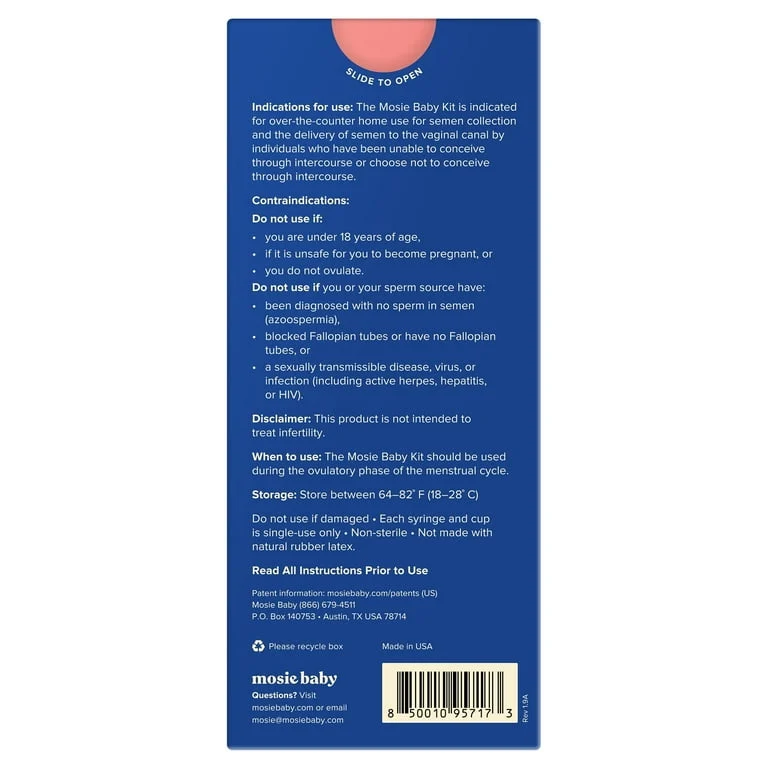
    Mosie Baby At-Home Insemination Kit instructions and storage guidelines on a blue background.

    The Surprising Ways Diet Can Affect Cervical Mucus

    4. Acidic vs. alkaline foods

    The pH level of cervical mucus plays a crucial role in fertility. During ovulation, the mucus becomes more alkaline to help sperm survive and reach the egg. Consuming acidic foods can lower the pH level of cervical mucus, making it difficult for sperm to survive. Foods like meat, dairy, and processed grains are acidic, while fruits, vegetables, and whole grains are more alkaline. It is recommended to consume more alkaline foods during ovulation to aid in sperm survival.

    5. Soy products

    Soy products, such as tofu and soy milk, contain phytoestrogens, which are plant-based compounds that mimic estrogen in the body. Estrogen plays a significant role in cervical mucus production, and consuming too many phytoestrogens can throw off the hormonal balance, leading to changes in cervical mucus consistency. It is best to limit soy consumption or opt for organic and fermented soy products, which have lower levels of phytoestrogens.

    6. Caffeine and alcohol

    Both caffeine and alcohol can have a dehydrating effect on the body, leading to thicker and stickier cervical mucus. Caffeine can also affect hormone levels, which can impact the quality of cervical mucus. It is best to limit or avoid caffeine and alcohol if you are trying to conceive or have issues with cervical mucus production.

    7. Allergies and intolerances

    Food allergies and intolerances can also affect cervical mucus production. Consuming foods that you are allergic or intolerant to can cause inflammation in the body, leading to changes in mucus consistency. If you suspect you have food allergies or intolerances, it is best to get tested and avoid those foods to improve your overall health and reproductive health.

    In summary, diet plays a significant role in cervical mucus production and quality. Staying hydrated, consuming nutrient-rich foods, avoiding inflammatory foods, and being mindful of acidic and alkaline foods can all help improve cervical mucus for better fertility and reproductive health. It is also essential to listen to your body and make note of any changes in cervical mucus when trying different foods or making dietary changes.

    In conclusion, taking care of your diet and making small adjustments can have a significant impact on your cervical mucus and overall reproductive health. By making healthy and nourishing food choices, you can improve your chances of conception and support a healthy pregnancy. So, the next time you reach for that processed snack or sugary drink, remember the surprising ways diet can affect your cervical mucus and make a better choice for your reproductive health.

  • Eating for Fertility: Improving Cervical Mucus Quality

    Eating for Fertility: Improving Cervical Mucus Quality

    Cervical mucus plays a crucial role in fertility by helping sperm to reach and fertilize the egg. However, many women struggle with poor cervical mucus quality, which can make it more difficult to conceive. Fortunately, there are steps women can take to improve their cervical mucus quality through their diet. In this blog post, we will explore the foods and nutrients that can help improve cervical mucus quality and increase the chances of conception.

    Understanding Cervical Mucus

    Cervical mucus is a fluid produced by the cervix that helps to create a favorable environment for sperm to swim through and reach the egg. It also acts as a protective barrier against bacteria and viruses, preventing them from entering the uterus. During ovulation, cervical mucus becomes thin, watery, and stretchy, making it easier for sperm to travel through the cervix and fertilize the egg. However, if cervical mucus is too thick or sticky, it can hinder sperm movement and decrease the chances of conception.

    Factors Affecting Cervical Mucus Quality

    Several factors can affect the quality of cervical mucus, including hormonal imbalances, medications, and age. Certain lifestyle factors such as smoking, excessive alcohol consumption, and poor diet can also contribute to poor cervical mucus quality. Eating a healthy and balanced diet can help improve cervical mucus quality and increase fertility.

    Foods to Eat for Better Cervical Mucus Quality

    1. Healthy Fats

    Healthy fats, such as omega-3 fatty acids, are essential for improving cervical mucus quality. These healthy fats can be found in foods like salmon, tuna, avocado, and olive oil. Omega-3 fatty acids help to reduce inflammation in the body, which can contribute to poor cervical mucus quality. They also help to regulate hormone levels, which is crucial for healthy cervical mucus production.

    2. Fruits and Vegetables

    Fruits and vegetables are packed with vitamins and minerals that are essential for fertility and cervical mucus quality. Dark, leafy greens like spinach and kale are high in folate, which is important for ovulation and healthy cervical mucus production. Fruits like berries and citrus fruits are rich in vitamin C, which helps to improve cervical mucus quality by increasing the production of estrogen.

    3. Whole Grains

    Whole grains, such as oats, quinoa, and brown rice, are a great source of complex carbohydrates, which provide long-lasting energy and are important for fertility. They also contain B vitamins, which are essential for healthy hormone production and can help improve cervical mucus quality.

    4. Lean Protein

    Mosie Baby At-Home Insemination Kit instructions and storage guidelines on a blue background.

    Eating for Fertility: Improving Cervical Mucus Quality

    Protein plays a crucial role in fertility and is important for healthy cervical mucus production. Choose lean protein sources like chicken, fish, and plant-based options like tofu and beans. These protein sources also contain amino acids, which are necessary for building and repairing tissues, including the cervix.

    5. Fermented Foods

    Fermented foods, such as yogurt, kefir, and sauerkraut, contain probiotics that help to balance the bacteria in the gut. A healthy gut is essential for fertility and can improve cervical mucus quality by reducing inflammation and promoting a healthy immune system.

    6. Water

    Staying hydrated is crucial for overall health and can also help improve cervical mucus quality. Drinking enough water helps to keep cervical mucus thin and slippery, making it easier for sperm to swim through. Aim to drink at least eight glasses of water a day, and even more during ovulation.

    Foods to Avoid for Better Cervical Mucus Quality

    1. Processed Foods

    Processed foods, such as fast food, packaged snacks, and sugary treats, contain high levels of unhealthy fats, added sugars, and preservatives that can negatively impact cervical mucus quality. These foods can also cause inflammation in the body, making it more difficult for sperm to reach the egg.

    2. Excessive Caffeine and Alcohol

    Both caffeine and alcohol can disrupt hormone levels and negatively impact cervical mucus quality. It is best to limit or avoid these substances while trying to conceive.

    3. Dairy Products

    Dairy products can increase mucus production in the body, including cervical mucus. This can make it more difficult for sperm to reach the egg. If you are struggling with poor cervical mucus quality, consider limiting or avoiding dairy products.

    In addition to eating a healthy diet, it is also important to maintain a healthy weight and exercise regularly to improve cervical mucus quality. If you are still struggling with poor cervical mucus quality despite making dietary changes, speak to your doctor for further guidance.

    In summary, by incorporating healthy fats, fruits and vegetables, whole grains, lean protein, fermented foods, and water into your diet, and avoiding processed foods, excessive caffeine and alcohol, and dairy products, you can improve your cervical mucus quality and increase your chances of conceiving. Remember, a healthy diet is just one piece of the puzzle, and it is essential to take a holistic approach to fertility and consult with a healthcare professional for personalized advice.

  • The Surprising Link Between Diet and Cervical Mucus Health

    Blog Post: The Surprising Link Between Diet and Cervical Mucus Health

    When it comes to our health, we often focus on what we eat and how it affects our weight, energy levels, and overall well-being. But have you ever considered how your diet can impact your cervical mucus health? Cervical mucus may not be a topic that is commonly discussed, but it plays a crucial role in our reproductive health and can be greatly affected by the foods we consume. In this blog post, we will explore the surprising link between diet and cervical mucus health.

    What is Cervical Mucus?

    Before we delve into the connection between diet and cervical mucus health, it’s important to understand what cervical mucus is and its purpose. Cervical mucus is a fluid produced by the cervix that helps to keep the vaginal environment clean and healthy. It also plays a vital role in fertility, as it helps to transport sperm to the egg for fertilization. The consistency and quality of cervical mucus can vary throughout the menstrual cycle, and it is a key indicator of a woman’s fertility status.

    How Diet Affects Cervical Mucus

    As with many aspects of our health, our diet can have a significant impact on cervical mucus. The foods we consume can affect the pH level and the consistency of cervical mucus, which can impact its ability to support fertility. Here are some of the ways in which diet can affect cervical mucus health:

    1. Hydration

    Proper hydration is essential for maintaining healthy cervical mucus. When we are dehydrated, our body produces less cervical mucus, and what is produced can become thicker and stickier, making it difficult for sperm to swim through. It is recommended to drink at least eight glasses of water a day to stay hydrated and support the production of cervical mucus.

    2. Acidic vs. Alkaline Foods

    The pH level of cervical mucus plays a crucial role in fertility. A more acidic environment helps to protect the reproductive tract from harmful bacteria, while a more alkaline environment supports the survival and movement of sperm. Certain foods can affect the pH level of cervical mucus, with acidic foods like citrus fruits, coffee, and dairy products making it more acidic, and alkaline foods like leafy greens, nuts, and legumes making it more alkaline. It’s essential to maintain a balance of both acidic and alkaline foods in your diet to support healthy cervical mucus.

    At-home insemination kit with syringes and collection cups on a teal background.

    The Surprising Link Between Diet and Cervical Mucus Health

    3. Omega-3 Fatty Acids

    Omega-3 fatty acids are essential for maintaining hormonal balance and supporting reproductive health. They also play a role in the production of healthy cervical mucus. Foods rich in omega-3 fatty acids include salmon, sardines, flaxseeds, and walnuts. Adding these foods to your diet can help to improve the quality and consistency of your cervical mucus.

    4. Vitamin C

    Vitamin C is a powerful antioxidant that plays a vital role in immune function. It also helps to support cervical mucus production by protecting the cervix from free radical damage. Foods rich in vitamin C include citrus fruits, berries, bell peppers, and leafy greens.

    5. Inflammatory Foods

    Inflammation in the body can have a negative impact on cervical mucus production. Foods that are high in sugar, processed foods, and unhealthy fats can contribute to inflammation. Limiting these foods and incorporating more anti-inflammatory foods like fruits, vegetables, and healthy fats can help to reduce inflammation and support cervical mucus health.

    The Menstrual Cycle and Cervical Mucus Changes

    As mentioned earlier, cervical mucus changes throughout the menstrual cycle, and understanding these changes can help to improve fertility and overall reproductive health. During the follicular phase (the first half of the cycle), estrogen levels rise, and cervical mucus becomes more abundant, watery, and thin, making it easier for sperm to swim through. During the ovulatory phase (the most fertile time of the cycle), cervical mucus is at its peak, resembling the consistency of egg whites, which helps to keep sperm alive and transport them to the egg. In the luteal phase (the second half of the cycle), cervical mucus decreases in quantity and becomes thicker and stickier, creating a barrier that prevents sperm from reaching the egg.

    Summary

    Cervical mucus is an essential part of our reproductive health, and our diet can greatly impact its quality and consistency. Staying hydrated, incorporating a balance of acidic and alkaline foods, consuming omega-3 fatty acids and vitamin C, and limiting inflammatory foods can all help to support healthy cervical mucus production. Understanding the changes in cervical mucus throughout the menstrual cycle can also aid in optimizing fertility and overall reproductive health.

    In conclusion, the link between diet and cervical mucus health may come as a surprise to many, but it is a crucial aspect to consider for women looking to improve their fertility and overall reproductive health. By making small changes to our diet and being mindful of the foods we consume, we can support the production of healthy cervical mucus and promote optimal reproductive health.

  • From Sticky to Stretchy: Decoding Changes in Cervical Mucus Consistency

    From Sticky to Stretchy: Decoding Changes in Cervical Mucus Consistency

    Cervical mucus is a fluid produced by the cervix that plays a crucial role in the reproductive system. It serves as a protective barrier, helps sperm travel to the egg, and indicates the most fertile days of a woman’s menstrual cycle. The consistency of cervical mucus can vary throughout the menstrual cycle, and understanding these changes can be helpful for women trying to conceive or simply tracking their fertility. In this blog post, we will explore the different types of cervical mucus consistency and what they mean for a woman’s fertility and overall health.

    Sticky Mucus

    Sticky mucus is the first type of cervical mucus that is present in the menstrual cycle. It is thick and sticky, almost like glue, and does not stretch between the fingers. This type of mucus is produced by the cervix in the days after a woman’s period ends. It serves as a barrier to protect the uterus from bacteria and sperm. Sticky mucus is not fertile, meaning it is not conducive for sperm survival and fertilization. Women may notice this type of mucus on their underwear or when wiping after using the bathroom.

    Creamy Mucus

    As the menstrual cycle progresses, the cervix begins to produce creamy mucus. This type of mucus is thicker than sticky mucus but is still not fertile. It may have a lotion-like consistency and is usually white or yellow in color. The purpose of creamy mucus is to provide a nourishing environment for sperm to survive and travel towards the egg. It also helps to prevent any bacteria from entering the uterus. Women may notice creamy mucus during the mid-cycle, around the time of ovulation, and it may continue until the beginning of the fertile window.

    Egg White Mucus

    Egg white mucus, also known as fertile mucus, is the most fertile type of cervical mucus. It has a stretchy and slippery consistency, similar to raw egg whites, and can be stretched between the fingers without breaking. This type of mucus is produced by the cervix during the fertile window, which is typically a few days before and after ovulation. Its purpose is to provide the ideal environment for sperm to survive and travel towards the egg. Women may notice egg white mucus as a sign that they are approaching their most fertile days.

    Watery Mucus

    As ovulation passes, the cervix begins to produce watery mucus. This type of mucus is thin, clear, and slippery, and it mimics the consistency of water. Its purpose is to help sperm reach the egg more easily. Women may notice watery mucus in the days leading up to ovulation, and it may continue for a few days after ovulation has occurred.

    two teal and clear syringes positioned on a white background

    From Sticky to Stretchy: Decoding Changes in Cervical Mucus Consistency

    Dry Mucus

    After ovulation, the cervix produces very little mucus, resulting in a dry sensation. This type of mucus is not fertile and does not serve a specific purpose in the reproductive system. Women may notice a lack of mucus in the days following ovulation, and it may continue until the start of their next menstrual cycle.

    Decoding Changes in Cervical Mucus Consistency

    Now that we have explored the different types of cervical mucus consistency, let’s dive into what these changes can tell us about our fertility and overall health. The consistency of cervical mucus is closely tied to hormone levels in the body, particularly estrogen and progesterone. As hormone levels fluctuate throughout the menstrual cycle, so does the consistency of cervical mucus. This is why tracking changes in cervical mucus can be a useful tool for understanding our menstrual cycle and fertility.

    For women who are trying to conceive, tracking changes in cervical mucus can help determine the most fertile days of their cycle. As mentioned earlier, egg white mucus is the most fertile type of cervical mucus and indicates that ovulation is approaching. By having intercourse during the fertile window, when egg white mucus is present, the chances of conception greatly increase.

    On the other hand, if a woman is not trying to conceive, tracking changes in cervical mucus can also be helpful for avoiding pregnancy. By avoiding intercourse during the fertile window, when egg white mucus is present, the chances of pregnancy decrease.

    Changes in cervical mucus consistency can also indicate potential health issues. For example, a lack of mucus or dry mucus may be a sign of hormonal imbalances or a problem with ovulation. On the other hand, excessive or abnormal mucus may be a sign of infections or other underlying health problems. By tracking changes in cervical mucus, women can be more aware of their reproductive health and address any concerns with their healthcare provider.

    In conclusion, understanding changes in cervical mucus consistency can be beneficial for both fertility tracking and reproductive health. By being aware of the different types of mucus and what they mean, women can gain a deeper understanding of their menstrual cycle and overall reproductive health. Whether trying to conceive or simply tracking fertility, decoding changes in cervical mucus consistency is a valuable tool for women’s health.

    Summary:

    Cervical mucus is a fluid produced by the cervix that changes in consistency throughout the menstrual cycle. There are five main types of cervical mucus: sticky, creamy, egg white, watery, and dry. These changes in mucus consistency can provide valuable information about a woman’s fertility and overall reproductive health. Tracking changes in cervical mucus can help determine the most fertile days for conception and can also indicate potential health issues. By understanding these changes, women can gain a deeper understanding of their menstrual cycle and reproductive health.

  • Cervical Mucus and Sperm: A Journey Through the Female Reproductive System

    Cervical mucus and sperm are two crucial elements in the journey of fertilization and conception. The female reproductive system is a complex and intricate network of organs and hormones that work together to create and support new life. In this blog post, we will take a closer look at the role of cervical mucus and sperm in this journey through the female reproductive system.

    The Female Reproductive System:

    The female reproductive system is made up of several organs, including the ovaries, fallopian tubes, uterus, cervix, and vagina. These organs work together to produce and transport eggs, support fertilization, and nurture a developing embryo. The journey begins in the ovaries, where eggs are produced and released during ovulation. The egg then travels through the fallopian tubes towards the uterus, where it may be fertilized by sperm.

    The Role of Cervical Mucus:

    Cervical mucus, also known as cervical fluid, is a clear or white fluid secreted by the cervix. It plays a crucial role in the female reproductive system by providing a protective and nourishing environment for sperm to survive and travel through the vagina towards the egg. The consistency and amount of cervical mucus varies throughout a woman’s menstrual cycle, and this is due to the changes in hormone levels.

    During the first half of the menstrual cycle, the estrogen hormone is dominant, causing the cervical mucus to become thin, watery, and stretchy. This type of mucus is known as “fertile” cervical mucus and serves as a fertile window for sperm to easily travel through the cervix and into the uterus. It also helps to filter out any damaged or unhealthy sperm, allowing only the strongest and healthiest ones to reach the egg.

    As ovulation approaches, the cervical mucus becomes even more abundant and stretchy, providing a clear pathway for sperm to reach the egg. After ovulation, the progesterone hormone takes over and causes the cervical mucus to become thicker and stickier, making it more difficult for sperm to survive and travel. This change in consistency also serves as a natural barrier to prevent any other sperm from reaching the already fertilized egg.

    The Role of Sperm:

    Mosie Baby kit with two jars, a syringe, and a supportive message card inside a colorful box.

    Cervical Mucus and Sperm: A Journey Through the Female Reproductive System

    Sperm is the male reproductive cell that carries the genetic material needed to fertilize an egg and create a new life. During ejaculation, millions of sperm are released into the vagina, but only a small percentage of them will make it to the egg. Sperm must swim through the cervix, uterus, and fallopian tubes to reach the egg. This journey can take anywhere from a few minutes to a few days, and it is a race against time as the egg is only viable for about 24 hours after ovulation.

    The sperm’s survival and ability to reach the egg depend on the environment provided by the cervical mucus, as well as its own health and motility. Healthy sperm have a better chance of reaching the egg and fertilizing it. The cervical mucus also plays a crucial role in nourishing and protecting the sperm during this journey. Without the presence of cervical mucus, sperm would not be able to survive long enough to reach the egg.

    The Journey of Fertilization:

    Once the sperm reaches the egg, fertilization can occur. The sperm must first penetrate the outer layer of the egg, and then the genetic material from the sperm fuses with the genetic material from the egg, creating a new cell called a zygote. This process triggers a series of changes in the egg, preventing any other sperm from entering and fertilizing it.

    The fertilized egg then begins its journey towards the uterus, where it will implant itself into the uterine lining and start to grow and develop into an embryo. If the fertilized egg does not implant, it will pass out of the body during the next menstrual cycle.

    The Role of Cervical Mucus in Pregnancy:

    Cervical mucus continues to play a vital role in pregnancy, providing a barrier for the developing embryo and protecting it from any harmful substances. It also helps to keep the cervix closed and prevent any infections from entering the uterus. As the pregnancy progresses, the cervix produces a thick plug of mucus to seal the opening of the cervix and provide a protective barrier for the developing baby.

    In the later stages of pregnancy, the cervix may start to soften and thin out in preparation for childbirth. This process is known as effacement and is often accompanied by an increase in the amount of cervical mucus. The presence of cervical mucus is also an essential sign of labor, as it may become tinged with blood or “bloody show” as the cervix continues to dilate.

    In summary, cervical mucus and sperm play crucial roles in the journey of fertilization and conception. Cervical mucus provides a protective and nourishing environment for sperm to survive and travel through the female reproductive system, while sperm carries the genetic material needed to fertilize an egg. Together, they create a pathway for new life to be created and supported in the female body.