Tag: support system

  • How to Stay Motivated on Your DIY Fertility Journey

    Blog Post Title: How to Stay Motivated on Your DIY Fertility Journey

    Summary:

    Deciding to embark on a DIY fertility journey can be both exciting and overwhelming. While it offers a sense of control and empowerment, it also comes with its own set of challenges. One of the biggest hurdles that DIY fertility warriors face is staying motivated throughout the journey. It’s easy to lose sight of the end goal and get discouraged by setbacks and failures. However, with the right mindset and strategies, it is possible to stay motivated and continue on the path towards parenthood. In this blog post, we will discuss some helpful tips and techniques to help you stay motivated on your DIY fertility journey.

    Tip 1: Understand Your Why

    The first step towards staying motivated on your DIY fertility journey is to understand your reason for pursuing this path. Whether it’s due to financial constraints, personal beliefs, or any other reason, knowing your why can give you the strength and determination to keep going. Write down your reasons and refer to them whenever you feel demotivated.

    Tip 2: Educate Yourself

    Knowledge is power, and the more you know about your body and fertility, the more empowered you will feel. Research different fertility methods, understand the science behind each one, and learn about your body’s natural cycles. This will not only help you make informed decisions but also give you a sense of control over your journey.

    Tip 3: Talk to Others

    Going through a DIY fertility journey can be isolating, especially if you don’t have anyone to talk to about it. Reach out to others who are on a similar journey, join support groups, or connect with people online. Sharing your experiences, fears, and successes with others can provide a much-needed support system and help you stay motivated.
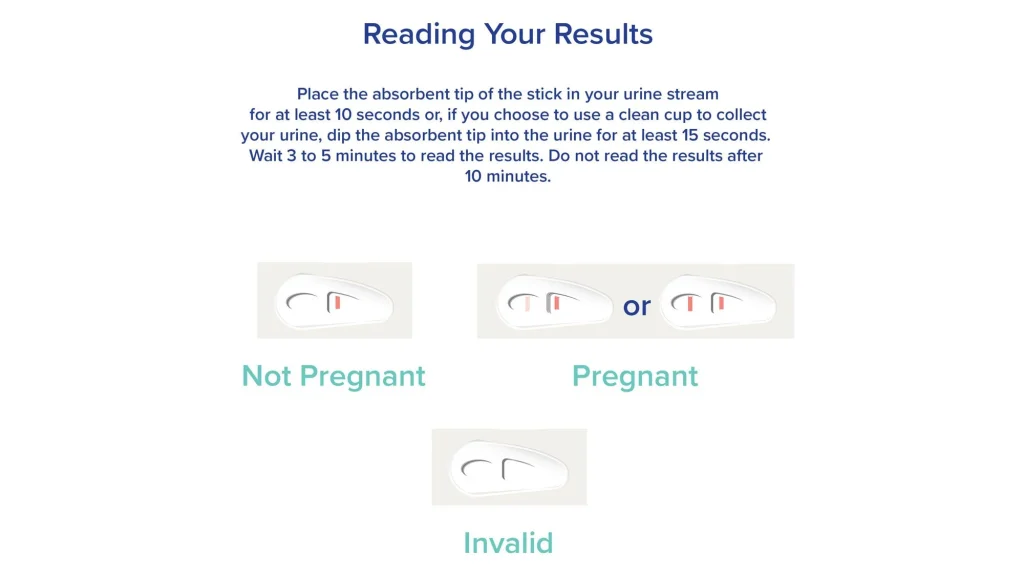
    Instructions for reading pregnancy test results with visual indicators for "Not Pregnant," "Pregnant," and "Invalid.

    How to Stay Motivated on Your DIY Fertility Journey

    Tip 4: Celebrate Small Victories

    Infertility can often feel like a series of failures, but it’s essential to celebrate even the smallest victories. Did you successfully track your ovulation this month? Did you find a new natural remedy that worked for you? These may seem like small wins, but they are still steps towards your ultimate goal. Take the time to acknowledge and celebrate them, as it will boost your morale and keep you motivated.

    Tip 5: Take Breaks

    It’s crucial to take breaks from your fertility journey, both physically and mentally. Trying to conceive can consume your life, and it’s essential to give yourself a break from time to time. Make sure to take breaks from tracking your fertility, taking supplements, and even talking about it. This will allow you to recharge and come back with renewed motivation.

    Tip 6: Practice Self-Care

    Self-care is vital for maintaining your physical and mental well-being, especially during a DIY fertility journey. Make sure to prioritize your self-care routine, whether it’s through exercise, meditation, or indulging in your favorite hobby. Taking care of yourself will help you stay positive and motivated.

    Tip 7: Seek Professional Support

    DIY fertility journeys can be overwhelming, and it’s okay to seek professional support to help you navigate through it. Consider talking to a fertility coach, therapist, or joining a counseling session with your partner. These professionals can provide you with the necessary guidance and support to keep you motivated and on track.

    In conclusion, staying motivated on your DIY fertility journey is crucial for your mental and emotional well-being. Remember to understand your why, educate yourself, talk to others, celebrate small victories, take breaks, practice self-care, and seek professional support. With these tips, you can stay motivated and continue on your path towards parenthood.


  • DIY Fertility Solutions: The Power of Self-Education

    Blog Post:

    Fertility issues can be a difficult and emotionally taxing topic for many individuals and couples. The desire to start a family and have children is a strong one, and when faced with obstacles such as infertility, it can feel like a hopeless and overwhelming situation. However, there are many DIY fertility solutions that individuals can implement in their own lives to increase their chances of conception. One of the most powerful tools in this process is self-education.

    The Power of Self-Education:
    The first step in any DIY fertility journey is to educate yourself on the topic. This includes understanding the basics of fertility, common causes of infertility, and the various treatment options available. By taking the time to educate yourself, you can gain a better understanding of your own body and potential fertility issues. This knowledge can also help you make informed decisions about your fertility journey and give you a sense of control over the process.

    Tracking Your Menstrual Cycle:
    One of the simplest and most effective DIY fertility solutions is to track your menstrual cycle. This involves keeping track of the length of your cycle, the first day of your period, and any changes in your cervical mucus. By doing this, you can identify your most fertile days and time intercourse accordingly. There are many apps and online tools available to help with this process, making it easy and convenient.

    Healthy Lifestyle Choices:
    Maintaining a healthy lifestyle is crucial for both overall health and fertility. This includes eating a balanced diet, exercising regularly, and avoiding harmful substances such as tobacco and excessive alcohol consumption. In addition, certain foods and supplements have been shown to improve fertility, such as folic acid, zinc, and omega-3 fatty acids. By making these lifestyle changes, you can improve your overall health and increase your chances of conception.

    mosie baby logo featuring a heart and leaves in blue, pink, and green colors.

    DIY Fertility Solutions: The Power of Self-Education

    Stress Management:
    Stress can have a significant impact on fertility. When the body is under stress, it produces cortisol, a hormone that can interfere with the production of other hormones necessary for ovulation. Therefore, it is important to find ways to manage stress in your life. This can include exercise, meditation, yoga, or therapy. Whatever method works best for you, make sure to prioritize stress management in your DIY fertility journey.

    Acupuncture and Traditional Chinese Medicine:
    Many individuals have found success in using acupuncture and traditional Chinese medicine as a DIY fertility solution. These practices focus on balancing the body’s energy and improving overall health, which can have a positive impact on fertility. Acupuncture has been shown to improve blood flow to the reproductive organs and regulate hormone levels, while traditional Chinese medicine can help address specific fertility issues such as PCOS or endometriosis.

    Alternative Therapies:
    In addition to acupuncture and traditional Chinese medicine, there are many other alternative therapies that can be helpful in promoting fertility. These include herbal supplements, naturopathic remedies, and chiropractic care. It is important to do thorough research and consult with a healthcare professional before trying any alternative therapies, as they may not be suitable for everyone.

    Building a Support System:
    Going through a DIY fertility journey can be a challenging and emotional experience. It is essential to have a support system in place to help you through the ups and downs. This can include your partner, family and friends, or even online support groups. Having people to talk to and lean on can make a significant difference in your overall well-being and mindset during this process.

    In conclusion, the power of self-education in DIY fertility solutions cannot be underestimated. By educating yourself on the topic, tracking your menstrual cycle, making healthy lifestyle choices, managing stress, and exploring alternative therapies, you can increase your chances of conception and take control of your fertility journey. Remember to also build a support system and stay positive throughout the process. With determination and knowledge, you can overcome fertility challenges and achieve your dream of starting a family.

    Summary:
    Fertility issues can be overwhelming, but there are many DIY solutions that individuals can implement in their own lives to improve their chances of conception. The power of self-education is crucial, as it allows individuals to understand their own bodies and make informed decisions. Other DIY solutions include tracking your menstrual cycle, making healthy lifestyle choices, managing stress, and exploring alternative therapies. It is also important to have a support system in place and stay positive throughout the process.

  • Things You Didn’t Know About the On Your Own Terms Kit for Insemination

    Blog Post:

    Insemination is a method of assisted reproduction that has become increasingly popular in recent years. It involves the placement of sperm into the reproductive tract of a female in order to fertilize an egg. While it may seem like a simple process, there are many factors to consider when undergoing insemination. This is where the On Your Own Terms Kit comes in. This comprehensive kit offers everything you need to successfully inseminate at home, but there are also many things you may not know about it. In this blog post, we will explore the things you didn’t know about the On Your Own Terms Kit for insemination.

    1. It is designed for LGBTQ+ couples and single individuals

    One of the most unique aspects of the On Your Own Terms Kit is that it is specifically designed for LGBTQ+ couples and single individuals who are looking to start a family. Traditional insemination methods often cater to heterosexual couples, making it difficult for LGBTQ+ individuals to access the necessary tools and resources. This kit, however, is inclusive and provides the necessary materials for anyone who wishes to conceive at home.

    2. It includes a sperm collection device

    One of the most challenging aspects of at-home insemination is collecting sperm. The On Your Own Terms Kit includes a specially designed sperm collection device that makes the process much easier. This device is discreet and can be used in the privacy of your own home, eliminating the need for trips to a fertility clinic or sperm bank.

    3. It provides step-by-step instructions

    Insemination may seem like a straightforward process, but it is essential to follow the correct steps to increase your chances of success. The On Your Own Terms Kit comes with detailed and easy-to-follow instructions, ensuring that you have all the information you need to properly inseminate at home. This can help alleviate any anxiety or stress surrounding the process and give you the confidence you need to move forward.

    4. It includes fertility-friendly lubricant

    Many people do not realize that traditional lubricants can be harmful to sperm and decrease their motility. The On Your Own Terms Kit comes with a fertility-friendly lubricant that is specially designed to not harm sperm. This can increase your chances of successful insemination and help you avoid any potential issues.

    5. It offers multiple options for insemination

    logo of mosie baby featuring a heart and leaf design in blue, pink, and green colors

    Things You Didn't Know About the On Your Own Terms Kit for Insemination

    The On Your Own Terms Kit provides multiple options for insemination, allowing you to choose the method that works best for you. It includes a cervical cap, a soft cup, and a syringe, giving you the flexibility to choose the method that feels most comfortable and effective for your body.

    6. It is discreet and convenient

    For many people, the thought of going to a fertility clinic or sperm bank can be daunting and overwhelming. The On Your Own Terms Kit offers a discreet and convenient option for at-home insemination. It can be ordered online and delivered to your doorstep, allowing you to inseminate in the comfort and privacy of your own home.

    7. It saves you money

    Traditional insemination methods can be costly, with multiple trips to a fertility clinic or sperm bank. The On Your Own Terms Kit is a cost-effective option for at-home insemination. It includes all the necessary materials and instructions, eliminating the need for additional expenses.

    8. It has a support system in place

    The journey to starting a family can be emotionally taxing, and having a support system in place can make all the difference. The On Your Own Terms Kit offers a community of support through their online forums and social media platforms. This allows you to connect with others who are going through a similar experience, providing a sense of camaraderie and support.

    9. It offers a money-back guarantee

    The creators of the On Your Own Terms Kit are confident in its effectiveness and offer a money-back guarantee if you are not satisfied with the results. This gives you peace of mind and reassurance that you are investing in a quality product.

    In conclusion, the On Your Own Terms Kit for insemination offers a comprehensive and inclusive option for individuals and couples looking to start a family. It provides everything you need to successfully inseminate at home, along with many additional benefits that you may not have known about. From its inclusivity and convenience to its support system and money-back guarantee, this kit has become a go-to option for many people looking to conceive on their own terms.

    Summary:

    The On Your Own Terms Kit for insemination is a comprehensive and inclusive option for individuals and couples looking to start a family. It includes a sperm collection device, step-by-step instructions, fertility-friendly lubricant, and multiple options for insemination. It is discreet, convenient, and cost-effective, with a support system in place and a money-back guarantee. This kit is designed for LGBTQ+ couples and single individuals and offers a stress-free way to inseminate at home.

  • At-Home Conception and Mental Health: Finding Balance and Coping Strategies

    Blog Post:

    Conceiving a child is often seen as a joyous and exciting experience, but for many couples struggling with fertility issues, it can also be a source of stress and emotional strain. The added pressure of conceiving at home in the midst of a global pandemic has only amplified these feelings for many individuals. As we navigate this new reality, it is important to acknowledge the impact that at-home conception can have on our mental health and take steps to find balance and cope with the challenges that may arise.

    The first step in finding balance and coping with at-home conception and mental health is to understand the potential impact it can have on our emotional well-being. For couples struggling with fertility issues, the constant disappointment and frustration of unsuccessful attempts at conception can lead to feelings of guilt, shame, and inadequacy. The added pressure of trying to conceive at home can also cause strain on the relationship, as both partners may feel the weight of responsibility and expectations. It is important to acknowledge these feelings and understand that they are valid and normal.

    Communication is key in any relationship, but it is especially important when trying to conceive at home. It is important to have open and honest conversations with your partner about your feelings, fears, and expectations. Talking about your struggles can help alleviate some of the pressure and bring you closer together as a couple. It is also important to set realistic expectations and not put too much pressure on yourselves. Remember that conception is a process and it may take time before you see the results you are hoping for.

    In addition to communication with your partner, it is also important to seek support from family and friends. Having a strong support system can help you cope with the emotional challenges of at-home conception. This can include talking to friends who have gone through a similar experience, joining online support groups, or seeking professional counseling. It is important to remember that you do not have to go through this journey alone and there is no shame in seeking help.

    Mosie Baby Kit with a syringe and container, highlighting safety and usability features on a blue background.

    At-Home Conception and Mental Health: Finding Balance and Coping Strategies

    Taking care of your physical and mental health is crucial during this time. Engage in self-care activities such as exercise, meditation, or hobbies that bring you joy and help you relax. It is also important to maintain a healthy diet and get enough sleep. These practices can help reduce stress and promote overall well-being. If you find yourself feeling overwhelmed, do not hesitate to take a break and prioritize your mental health.

    It is also important to find healthy ways to cope with the ups and downs of at-home conception. Some strategies that may help include journaling, practicing mindfulness, or finding a creative outlet. These activities can help you process your emotions and provide a sense of control in a situation that may feel out of your control.

    As we navigate the challenges of at-home conception and mental health, it is important to remember that everyone’s journey is unique and there is no right or wrong way to cope. What works for one person may not work for another, and that is okay. It is important to find what works best for you and your partner and to be patient and kind to yourself throughout the process.

    In conclusion, at-home conception can be a challenging and emotional experience, but by acknowledging its impact on our mental health and taking steps to find balance and cope with the challenges, we can navigate this journey with resilience and strength. Remember to communicate openly with your partner, seek support from loved ones, prioritize self-care, and find healthy coping strategies. With patience, understanding, and self-compassion, you can find balance and maintain your mental well-being throughout this journey.

    Summary:

    Conceiving at home can be a stressful experience, especially during a pandemic. It is important to understand the impact on mental health and take steps to find balance and cope with the challenges. Communication with your partner, seeking support from loved ones, and prioritizing self-care are crucial in maintaining mental well-being. Finding healthy coping strategies and being patient and kind to yourself can also help navigate this journey.

  • The Support System for At-Home Conception: Who to Turn to for Help

    Blog Post: The Support System for At-Home Conception: Who to Turn to for Help

    In recent years, the option of at-home conception has become increasingly popular for couples and individuals looking to start a family. With advancements in technology and more information readily available, many people are choosing to take control of their fertility journey from the comfort of their own home. However, this process can also be overwhelming and daunting, especially for those who are new to the idea of at-home conception. Fortunately, there is a strong support system available for those embarking on this journey. In this blog post, we will explore the various individuals and resources that can provide support and guidance for at-home conception.

    Family and Friends

    One of the most crucial sources of support for anyone going through at-home conception is their family and friends. These are the people who know and love you the most, and their emotional support can make a significant difference during this journey. It is essential to have a strong support system in place, especially during the challenging times that may arise during at-home conception. Your loved ones can offer a listening ear, words of encouragement, and practical help when needed.

    Partner

    For couples, the partner plays a vital role in the at-home conception journey. They are not only there for emotional support but also for physical support. From tracking ovulation and administering fertility treatments to providing a shoulder to lean on, having a partner by your side can make the process more manageable. It is crucial to communicate openly and honestly with your partner throughout this journey, as it can be a challenging and emotional process for both parties involved.

    Fertility Specialists

    While at-home conception is a personal journey, it is essential to seek the guidance of a fertility specialist. These professionals have the knowledge and expertise to guide you through the process and ensure that you are taking the necessary steps for a successful conception. They can provide individualized treatment plans, monitor your hormone levels and ovulation, and offer support and advice throughout the journey.

    pregnancy test kit with instructions, test device, and packaging on a white background

    The Support System for At-Home Conception: Who to Turn to for Help

    Online Communities and Support Groups

    In today’s digital age, there are numerous online communities and support groups dedicated to at-home conception. These can be a great resource for connecting with like-minded individuals who are going through a similar journey. These groups provide a safe space for sharing experiences, asking questions, and receiving support and advice from others who have been through the process. They can also be a source of emotional support and understanding during this time.

    Therapists and Counselors

    At-home conception can be a rollercoaster of emotions, and it is essential to take care of your mental health during this time. Therapists and counselors can offer valuable support in navigating the emotional aspects of at-home conception. They can provide guidance on managing stress and anxiety, coping with the challenges of the journey, and maintaining a healthy mindset throughout the process.

    Financial Advisors

    At-home conception can also be a significant financial investment, and it is essential to have a plan in place for managing the costs. Financial advisors can offer advice on budgeting and managing expenses during this time. They can also provide information on financing options, insurance coverage, and any available grants or programs that can help with the costs of at-home conception.

    In Conclusion

    At-home conception may seem like a solitary journey, but it is essential to remember that there is a support system available to help you through it. Whether it is the emotional support of family and friends, the expertise of fertility specialists, or the understanding of online communities, there is no need to go through this process alone. Seeking guidance and support from the various individuals and resources available can make the at-home conception journey more manageable and less overwhelming.

    SEO Metadata:

  • Navigating the Emotional Rollercoaster of DIY Baby-Making: Essential Tips for Coping

    Navigating the Emotional Rollercoaster of DIY Baby-Making: Essential Tips for Coping

    DIY baby-making, also known as at-home insemination, is becoming a more popular option for couples and individuals who are trying to conceive. While it can be an exciting and empowering journey, it can also bring about its fair share of emotional ups and downs. The uncertainty, disappointment, and stress that can come with DIY baby-making can take a toll on one’s mental and emotional well-being. Therefore, it is essential to be equipped with coping strategies to navigate the emotional rollercoaster of DIY baby-making. Here are some essential tips to help you cope with the emotional challenges of this journey.

    1. Acknowledge your feelings

    The first step in coping with any emotional challenge is to acknowledge your feelings. Understand that it is normal to experience a range of emotions, including excitement, hope, anxiety, frustration, and even sadness. Trying to suppress these emotions or pretend that everything is fine will only make things worse. Instead, allow yourself to feel what you are feeling and know that it is okay to have these emotions.

    2. Communicate with your partner

    If you are going through the DIY baby-making journey with a partner, it is crucial to communicate openly and honestly with them. Share your feelings, concerns, and fears with each other. Talking about your emotions can help you feel supported and connected to your partner. It can also help you both understand each other’s perspectives and find ways to support each other through this journey.

    3. Seek support from loved ones

    Apart from your partner, it is essential to seek support from your loved ones. Let your close friends and family know about your DIY baby-making journey and how you are feeling. They can offer a listening ear, words of encouragement, and practical support, such as helping with household chores or accompanying you to doctor’s appointments. Having a supportive network can make a significant difference in coping with the emotional rollercoaster of DIY baby-making.

    at-home insemination kit with syringes, collection cups, and instructions on a pink background

    Navigating the Emotional Rollercoaster of DIY Baby-Making: Essential Tips for Coping

    4. Set realistic expectations

    It is crucial to set realistic expectations for yourself and your DIY baby-making journey. Understand that conception may not happen as quickly as you hope, and there may be bumps along the way. It is also essential to be prepared for the possibility of not achieving pregnancy through DIY baby-making. Keeping these expectations in mind can help you manage disappointment and stay positive throughout the process.

    5. Take care of yourself

    Taking care of your physical and emotional well-being is vital during this journey. Make sure to eat well, exercise, and get enough rest. Engage in activities that bring you joy and help you relax, such as reading, listening to music, or practicing mindfulness. Taking care of yourself can help you cope with stress and maintain a positive outlook.

    6. Educate yourself

    Another useful coping strategy is to educate yourself about DIY baby-making and the process of conception. Knowing the facts can help you understand what to expect and make informed decisions. It can also help you feel more in control of the situation and reduce any anxiety or fear you may have.

    7. Seek professional help

    If you find yourself struggling to cope with the emotional toll of DIY baby-making, do not hesitate to seek professional help. A therapist or counselor can provide you with the necessary support and guidance to navigate this journey. They can also help you develop coping strategies that work for you and address any underlying issues that may be affecting your emotional well-being.

    In summary, DIY baby-making can be an emotional rollercoaster, but with the right coping strategies, you can navigate the journey with more ease. Remember to acknowledge your feelings, communicate with your partner and loved ones, and take care of yourself. Set realistic expectations and educate yourself about the process. And if needed, seek professional help. With these tips, you can cope with the emotional challenges of DIY baby-making and stay positive throughout the journey.

  • Empower Yourself with DIY Baby-Making Essentials

    Blog Post Title: Empower Yourself with DIY Baby-Making Essentials: A Comprehensive Guide for Future Parents

    Summary:

    Starting a family is a dream for many, but it can also be a daunting and expensive journey. From fertility treatments to adoption, the process of having a baby can be overwhelming. However, there is another option that is gaining popularity – DIY baby-making. With the right knowledge and tools, you can empower yourself to take control of your journey towards parenthood. In this blog post, we will discuss the essentials of DIY baby-making and how it can help you create your own little bundle of joy.

    First and foremost, it is important to understand that DIY baby-making does not mean bypassing medical advice or neglecting necessary medical procedures. It simply means taking a more hands-on and natural approach to conceiving. This can include tracking your ovulation, making dietary and lifestyle changes, and using natural fertility boosters.

    Tracking your ovulation is crucial for increasing your chances of conception. There are several ways to do this, such as using ovulation predictor kits, tracking your basal body temperature, and monitoring changes in your cervical mucus. By understanding your body’s natural rhythm, you can determine the best time to try for a baby.

    Mosie Baby Kit with a syringe and container, highlighting safety and usability features on a blue background.

    Empower Yourself with DIY Baby-Making Essentials

    Diet and lifestyle also play a significant role in fertility. A healthy and balanced diet can help regulate your hormones and improve your reproductive health. Incorporating fertility-boosting foods such as leafy greens, whole grains, and healthy fats can increase your chances of conception. Additionally, reducing stress, quitting smoking, and limiting alcohol and caffeine intake can also improve fertility.

    In addition to these lifestyle changes, there are also natural fertility boosters that can aid in the process of DIY baby-making. These include herbs like chasteberry, red raspberry leaf, and maca root, which have been traditionally used to improve reproductive health. Essential oils such as clary sage and ylang-ylang can also help balance hormones and promote a healthy reproductive system.

    Another essential aspect of DIY baby-making is understanding and addressing any underlying fertility issues. This can include conditions like polycystic ovary syndrome (PCOS), endometriosis, or male factor infertility. By identifying these issues, you can work towards finding natural solutions to improve your chances of conception.

    Aside from these essential steps, there are also specific DIY methods that can be used for baby-making. These include the sperm meets egg plan, where couples have intercourse every other day during ovulation, and the fertility cleanse, which involves using natural herbs and supplements to detoxify and promote a healthy reproductive system.

    One of the most important aspects of DIY baby-making is having a support system. This can include your partner, family, friends, or online communities. Not only can they provide emotional support, but they can also share their own experiences and advice.

    In conclusion, DIY baby-making is a natural and empowering approach to starting a family. By tracking ovulation, making lifestyle changes, using natural fertility boosters, addressing underlying fertility issues, and having a support system, you can increase your chances of conceiving and take control of your journey towards parenthood. Remember to always consult with a healthcare professional and never hesitate to seek medical advice if needed.

  • Home Insemination and Mental Health: A Starter Pack for Navigating Emotions

    Blog Post Title: Home Insemination and Mental Health: A Starter Pack for Navigating Emotions

    Summary:

    Home insemination is a method that allows individuals or couples to conceive a child in the comfort and privacy of their own home. While this process can be exciting and empowering, it can also bring up a range of emotions that may affect one’s mental health. In this blog post, we will discuss the emotional aspects of home insemination and provide a starter pack for navigating these emotions.

    Firstly, we will explore the emotional benefits of home insemination. For individuals or couples struggling with fertility issues, the ability to conceive at home can bring a sense of control and hope. It can also be a more intimate and personal experience, compared to medical procedures in a clinical setting. Additionally, home insemination can be a great option for LGBTQ+ couples who may face discrimination or barriers in traditional fertility treatments.

    However, with these benefits also come potential emotional challenges. The uncertainty and pressure of trying to conceive can lead to feelings of frustration, disappointment, and even guilt. This may be amplified for individuals who have been trying to conceive for a long time or have experienced previous unsuccessful attempts. It is important to acknowledge and address these emotions in order to maintain mental well-being during the home insemination process.

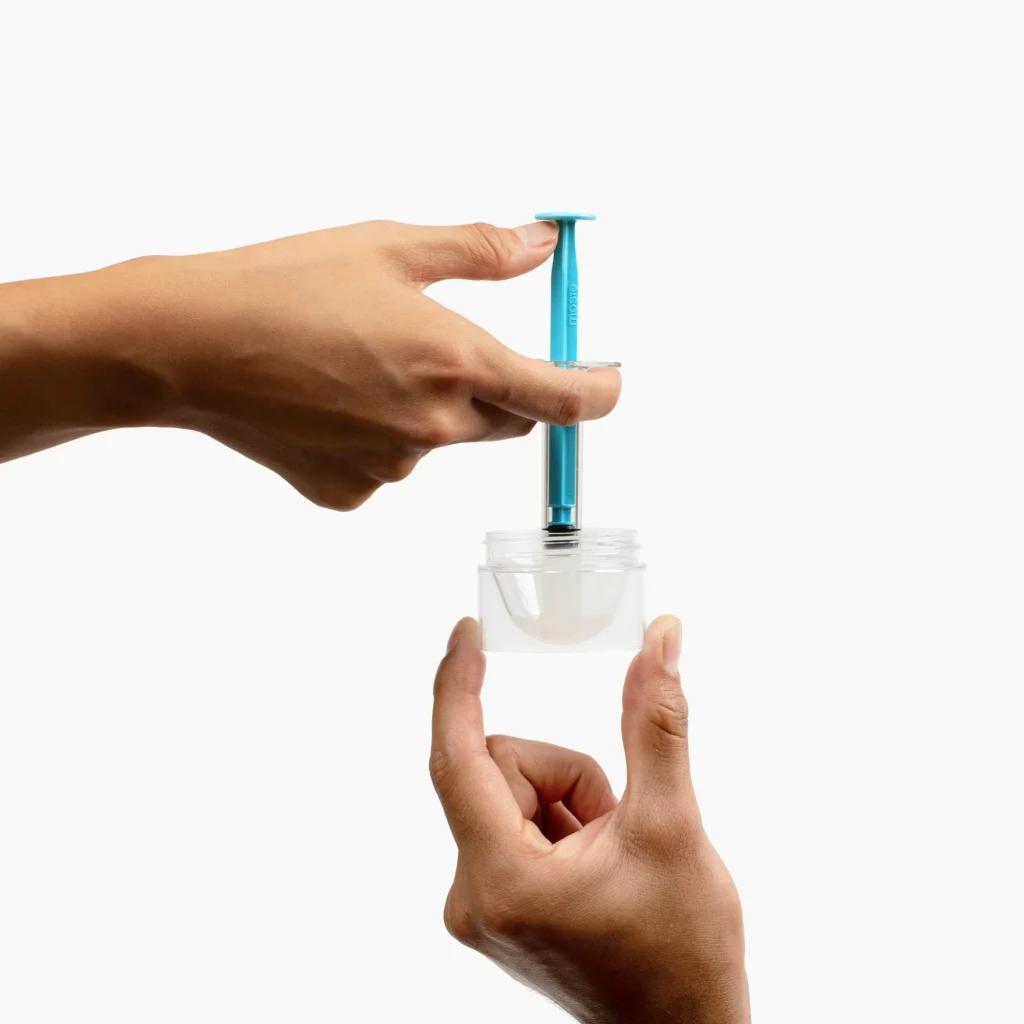
    hands using a blue syringe to extract contents from a clear container for a home insemination kit

    Home Insemination and Mental Health: A Starter Pack for Navigating Emotions

    One way to navigate these emotions is by creating a support system. This can include a partner, family, friends, or a therapist who can provide emotional support during the process. It is also beneficial to connect with other individuals or couples who have gone through or are currently going through home insemination. Online support groups and forums can be a great resource for sharing experiences and getting advice from others who understand the emotional aspects of home insemination.

    Another important aspect of managing emotions during home insemination is self-care. Taking care of one’s physical and mental well-being is crucial in any fertility journey. This can include finding ways to reduce stress, such as practicing relaxation techniques or engaging in activities that bring joy and relaxation. It is also important to communicate openly and honestly with one’s partner about emotions and needs during this time.

    In addition to managing emotions, it is also important to address any potential mental health concerns. For individuals who have a history of mental health issues, the stress and emotional challenges of home insemination may exacerbate symptoms. It is important to seek support from a mental health professional if needed and to prioritize self-care to maintain mental well-being.

    Lastly, it is important to have realistic expectations and to be kind to oneself during the home insemination process. Conceiving a child is not always a straightforward journey, and it is important to remember that it is not a reflection of one’s worth or value. It is important to celebrate small victories and to focus on the present moment rather than getting caught up in the end goal.

    In conclusion, home insemination can be an emotional rollercoaster, but it is important to recognize and address these emotions in order to maintain mental well-being. Creating a support system, practicing self-care, addressing mental health concerns, and having realistic expectations are all important aspects of navigating emotions during home insemination. Remember to be patient, kind to oneself, and to seek support when needed.

    SEO metadata:

  • Home Insemination for Same-Sex Couples: A Starter Pack for Planning

    Summary:

    Home insemination is a popular option for same-sex couples who are looking to start a family. It allows them to have a more intimate and personal experience while trying to conceive, without the need for expensive medical procedures. However, planning for home insemination can be overwhelming and may require some preparation. In this blog post, we will provide a starter pack for same-sex couples who are considering home insemination as an option for starting a family.

    First, it is important for same-sex couples to understand the legal implications of home insemination. While many countries and states have made significant progress in recognizing same-sex couples’ rights to parenthood, it is still essential to understand the legal landscape and protect both partners’ rights and responsibilities.

    Next, couples should consider their options for sperm donation. There are various options for obtaining donor sperm, such as using a known donor or purchasing from a sperm bank. It is crucial to carefully consider the pros and cons of each option and choose the one that best suits the couple’s needs and preferences.

    Informative card introducing the Mosie Baby Kit and its mission for at-home insemination.

    Home Insemination for Same-Sex Couples: A Starter Pack for Planning

    Once the couple has chosen a donor, they should consult with a healthcare professional to ensure that both partners are healthy and able to conceive. The healthcare provider can also offer guidance on timing, tracking ovulation, and other important factors to increase the chances of success.

    Preparing the home for insemination is also an essential step. The couple should create a comfortable and relaxed environment, free from distractions. They may also need to purchase home insemination kits or fertility-friendly lubricants. These items can be easily found online or at local pharmacies.

    The actual insemination process can be a deeply personal and intimate experience for the couple. It is crucial to communicate openly and ensure that both partners are comfortable and ready. The process may need to be repeated over several cycles before success, so it is essential to approach it with patience and understanding.

    After the insemination, couples should take care of themselves and each other, both physically and emotionally. It is natural to experience a range of emotions during this time, and it is vital to have a support system in place. Couples may also want to seek counseling or join support groups for same-sex couples going through the same experience.

    In conclusion, home insemination can be a beautiful and empowering experience for same-sex couples who are looking to start a family. However, it is crucial to approach it with careful planning and preparation. By understanding the legal implications, choosing a donor, consulting with a healthcare professional, preparing the home, and taking care of each other during and after the process, couples can increase their chances of success and make their journey to parenthood a memorable one.

  • The Emotional Journey of Home Insemination: A Starter Pack for Coping

    Summary:

    Home insemination is a process that allows individuals or couples to conceive a child without the assistance of a medical professional. While this method can be empowering and exciting, it can also be emotionally challenging. The emotional journey of home insemination involves a rollercoaster of emotions, from hope and excitement to disappointment and frustration. This blog post will serve as a starter pack for coping with the emotional journey of home insemination, providing tips and strategies to navigate this process.

    The Emotional Journey of Home Insemination: A Starter Pack for Coping

    Home insemination involves using a donor’s sperm to fertilize an egg, either through artificial insemination or self-insemination. This method can be chosen by individuals or couples for various reasons, such as same-sex couples, single individuals, or those facing fertility issues. While it offers a more intimate and cost-effective option for conceiving a child, it also comes with its own set of emotional challenges.

    The Emotional Rollercoaster:

    The decision to embark on the journey of home insemination can be filled with hope and excitement. It is a step towards starting or expanding a family, and the idea of bringing a new life into the world can be overwhelming. However, as the process begins, the emotional rollercoaster can take over. The anticipation of each cycle, the waiting game, and the fear of failure can trigger a range of emotions, including anxiety, fear, sadness, and frustration.

    Managing Expectations:

    One of the essential steps in coping with the emotional journey of home insemination is managing expectations. It is crucial to understand that this process may not result in pregnancy right away, and it may take multiple cycles to be successful. It is essential to have realistic expectations and not put too much pressure on oneself. It is also vital to remember that home insemination is not a guaranteed method of conception, and it is okay to seek medical assistance if needed.

    Communication and Support:

    illustration of Mosie Baby home insemination kit highlighting seamless transfer and size features

    The Emotional Journey of Home Insemination: A Starter Pack for Coping

    Home insemination can be a very personal and intimate process, and it is essential to have open communication with your partner or support system. This journey can be physically and emotionally taxing, and it is crucial to have a strong support system to lean on. Communicating your feelings, fears, and frustrations can help alleviate some of the emotional burden and bring you closer to your partner or support system.

    Self-Care:

    The emotional journey of home insemination can be all-consuming, and it is essential to take care of oneself during this process. Engaging in activities that bring joy and relaxation can help manage stress and anxiety. It is also crucial to prioritize one’s physical health by eating well, getting enough rest, and exercising regularly. Taking care of oneself is crucial to maintain emotional stability and resilience during this journey.

    Coping Strategies:

    There will be ups and downs throughout the process of home insemination, and it is essential to have coping strategies in place to navigate the emotions that come with it. These strategies may include seeking therapy or counseling, journaling, practicing mindfulness and meditation, or finding a support group of individuals going through a similar journey. These coping strategies can help process emotions and provide a sense of control during a time that may feel uncertain.

    Dealing with Disappointment:

    One of the most challenging aspects of the emotional journey of home insemination is dealing with disappointment. Each cycle that does not result in pregnancy can bring a sense of failure and sadness. It is essential to acknowledge and process these feelings, but also to remind oneself that it is not a personal failure. It is also crucial to give oneself time to grieve and then focus on the next steps.

    Celebrating Success:

    Amidst the emotional challenges, it is essential to celebrate the successes along the way. Each cycle that results in a pregnancy, no matter how many attempts it may have taken, is a significant achievement. It is essential to take the time to celebrate and appreciate the journey, regardless of how it ends.

    In conclusion, the emotional journey of home insemination can be a challenging and overwhelming experience. It is crucial to have realistic expectations, open communication, and self-care practices in place to cope with the emotions that come with this process. Remember to lean on your support system, utilize coping strategies, and celebrate successes along the way. This journey may be challenging, but it can also be a beautiful and rewarding experience.