Tag: emotional support

  • The Emotional Journey of Using a Syringe Kit for DIY Conception

    The Emotional Journey of Using a Syringe Kit for DIY Conception

    For many couples struggling with infertility, the journey to parenthood can be a tumultuous and emotional one. The high costs of assisted reproductive technologies and the long waiting lists for adoption can leave many couples feeling discouraged and hopeless. As a result, many couples turn to alternative methods such as DIY conception using a syringe kit. While this option may seem like a simple and affordable solution, it comes with its own set of emotional challenges. In this blog post, we will explore the emotional journey of using a syringe kit for DIY conception and provide guidance and support for those considering this route.

    The Decision to Use a Syringe Kit for DIY Conception

    The decision to use a syringe kit for DIY conception is a deeply personal one that is often driven by the desire to have a biological child. Many couples who choose this route have already exhausted other options and are desperate to start a family. However, this decision can also bring about feelings of fear, uncertainty, and self-doubt. The idea of taking matters into one’s own hands can be overwhelming, and the thought of not being successful can be devastating.

    Preparing for the Process

    Once the decision has been made to use a syringe kit for DIY conception, the preparation process begins. This involves tracking ovulation, purchasing the necessary supplies, and creating a plan for the actual insemination. For some, this process can be empowering as it allows them to take control of their fertility journey. However, for others, it can be a source of stress and anxiety. The fear of making a mistake or not following the instructions correctly can add an extra layer of pressure to an already emotional process.

    The Insemination Process

    The actual insemination process can be both physically and emotionally challenging. For many couples, it is a moment filled with hope and excitement, but it can also be a time of anxiety and uncertainty. The use of a syringe kit can feel clinical and impersonal, and the absence of a medical professional can add to the emotional weight of the experience. Additionally, the pressure to perform the insemination at the right time and in the right way can be overwhelming, causing stress and tension between partners.

    Baby wearing a blue shirt with "made with Love" text, surrounded by colorful floral and butterfly designs.

    The Emotional Journey of Using a Syringe Kit for DIY Conception

    The Two-Week Wait

    After the insemination, couples enter the two-week wait – the time between the insemination and when a pregnancy test can accurately detect if conception has occurred. This period can be the most emotionally challenging part of the DIY conception process. The anticipation and uncertainty can lead to a rollercoaster of emotions, including hope, fear, and anxiety. Many couples find themselves constantly analyzing every little symptom and obsessing over the potential outcome. This wait can feel never-ending, and it takes a toll on both partners.

    The Emotional Impact of a Negative Result

    Unfortunately, for many couples, the DIY conception process ends in a negative pregnancy test. This news can be devastating and can bring about a range of emotions, including anger, disappointment, and grief. The emotional impact of a negative result can be especially difficult for those who have already faced challenges and disappointments on their journey to parenthood. It can also lead to feelings of guilt, as couples may question if they did something wrong during the process.

    The Emotional Impact of a Positive Result

    On the other hand, a positive pregnancy test can bring about a mix of emotions – joy, excitement, and disbelief. After the emotional rollercoaster of the DIY conception process, this news can be overwhelming and may take time to sink in. While it is undoubtedly a cause for celebration, it can also bring about feelings of anxiety and fear of the unknown. Many couples may worry about the health of the pregnancy and if they are equipped to handle the challenges of parenthood.

    The Importance of Emotional Support

    Throughout the emotional journey of using a syringe kit for DIY conception, it is crucial to have a strong support system. This can include a partner, family, friends, or a professional counselor. Having someone to talk to and share their feelings with can be immensely helpful during this time. It is also essential for couples to acknowledge and validate each other’s emotions, as this process can be just as emotionally taxing for both partners.

    In conclusion, the emotional journey of using a syringe kit for DIY conception is a complex and challenging one. While it can be a source of hope and empowerment for some, it can also bring about a range of emotions, including fear, uncertainty, and disappointment. It is crucial for couples to prepare themselves emotionally and seek support throughout this process. With the right mindset and support, the DIY conception journey can be a fulfilling and rewarding one.


  • The Role of Male Fertility in Home Insemination Success

    Blog Post Title: The Importance of Male Fertility in Successful Home Insemination

    Summary:

    In recent years, home insemination has become a popular method for couples and individuals to conceive a child. This process involves using a donor’s sperm to fertilize an egg at home, rather than in a fertility clinic. While there are many factors that can affect the success of home insemination, one of the most crucial aspects is the fertility of the male donor. In this blog post, we will explore the role of male fertility in home insemination success and provide tips for maximizing the chances of a successful conception.

    Firstly, it is important to understand the basics of male fertility. Male fertility is determined by the quality and quantity of sperm produced. A man’s sperm count, motility (ability to swim), and morphology (shape and size) all play a crucial role in fertility. Low sperm count, poor motility, or abnormal sperm morphology can all significantly decrease the chances of conception.

    When it comes to home insemination, the quality of the sperm is even more crucial. Unlike in a fertility clinic, where the sperm is washed and prepared for insemination, home insemination relies on the natural abilities of the sperm to fertilize an egg. This means that the sperm must be of the highest quality to successfully reach and fertilize the egg.

    logo featuring a pink heart above two teal leaves on a blue circular background

    The Role of Male Fertility in Home Insemination Success

    So, what can affect male fertility? There are several factors that can impact the quality of sperm, including age, lifestyle habits, and underlying medical conditions. As men age, their sperm quality can decline, making it more difficult to conceive. Additionally, lifestyle habits such as smoking, excessive alcohol consumption, and drug use can all have a negative impact on sperm quality. Medical conditions like untreated STDs, hormonal imbalances, and genetic disorders can also affect male fertility.

    To maximize the chances of success with home insemination, it is essential to ensure that the male donor has optimal sperm quality. This can be achieved through various methods, such as getting a semen analysis to check sperm count and motility, making healthy lifestyle choices, and addressing any underlying medical issues. In some cases, fertility treatments such as medication or surgeries may also be necessary to improve sperm quality.

    Another crucial factor to consider is timing. Insemination must occur during the woman’s ovulation period, which is when the egg is released from the ovary. This is typically around day 14 of a 28-day menstrual cycle. It is recommended to perform home insemination on the day of ovulation or a few days before to increase the chances of success. Additionally, the sperm must be able to survive in the woman’s body for several days until ovulation occurs. Therefore, it is essential to ensure that the sperm is of excellent quality and has a good chance of surviving in the reproductive tract.

    Aside from the quality of sperm, the method of home insemination can also play a role in the success of conception. There are various home insemination kits available, including syringe and cervical cap methods. The syringe method involves directly inserting the sperm into the cervix, while the cervical cap method involves placing the sperm in a cap and then inserting it into the cervix. Studies have shown that the syringe method may be more effective, as it allows for better placement of the sperm into the cervix.

    It is also crucial to consider the emotional and psychological aspects of home insemination. The process can be stressful and emotionally taxing, especially for couples struggling with infertility. It is important to communicate openly and support each other throughout the process. Seeking professional counseling or joining support groups can also be beneficial.

    In conclusion, male fertility plays a significant role in the success of home insemination. It is essential to ensure that the sperm used is of the highest quality and that the timing and method of insemination are optimal. Additionally, addressing any underlying medical conditions and maintaining a healthy lifestyle can also improve the chances of a successful conception. With proper planning and preparation, home insemination can be a viable option for couples and individuals looking to start a family.

  • Creating a Support System: Friends and Family in Your Home Insemination Journey

    Blog Post:

    Home insemination is a popular method used by individuals and couples who are trying to conceive. It involves using a syringe or other device to inject semen into the cervix or vagina in hopes of fertilizing an egg. While this process can be done alone, it is always beneficial to have a support system in place. Friends and family play a crucial role in providing emotional, physical, and even financial support during this journey. In this blog post, we will discuss the importance of creating a support system of friends and family in your home insemination journey.

    1. Emotional Support:

    Home insemination can be a stressful and emotional process. It involves a lot of uncertainty and can take a toll on one’s mental health. Having a support system of friends and family can provide much-needed emotional support. They can be there to listen, offer words of encouragement, and provide a shoulder to cry on during the ups and downs of the journey. They can also help alleviate any feelings of loneliness or isolation that may come with trying to conceive at home.

    2. Physical Support:

    The process of home insemination can be physically demanding, especially for those who are doing it alone. Having friends and family to help with the logistics can make the process much smoother. They can help with tracking ovulation, preparing the necessary equipment, and even assisting with the insemination itself. Having someone to rely on for these tasks can take some of the pressure off and make the experience less overwhelming.

    3. Financial Support:

    Home insemination can be an expensive process, especially if multiple attempts are needed. Having a support system of friends and family who are willing to provide financial assistance can be a huge relief. They can help cover the costs of sperm donors, fertility treatments, and other related expenses. This can ease the financial burden and allow individuals or couples to focus on the insemination process without worrying about the costs.

    4. Moral Support:

    At-home insemination kit with syringes and collection cups on a teal background.

    Creating a Support System: Friends and Family in Your Home Insemination Journey

    It is essential to have a support system that is understanding and non-judgmental. Friends and family who are aware of your home insemination journey can provide moral support by being there to cheer you on and celebrate your successes. They can also offer guidance and advice based on their own experiences or research they have done. Having a supportive and knowledgeable network can make a significant difference in your journey.

    5. Practical Support:

    In addition to emotional, physical, and financial support, friends and family can also offer practical support. This can include providing meals, cleaning your home, or helping with childcare during the process. These practical acts of kindness can make a big difference and allow you to focus on your insemination journey without worrying about other responsibilities.

    6. Creating a Support System:

    Now that we have discussed the importance of having a support system, the question is, how do you create one? The first step is to communicate openly with your friends and family about your decision to try home insemination. This can be a sensitive topic, so it is important to approach it with sensitivity and honesty. Be prepared to answer any questions they may have and educate them about the process if needed.

    Next, identify the individuals in your life who you feel comfortable sharing this journey with. It can be a close friend, a sibling, a parent, or anyone else who you trust and feel supported by. Once you have identified your support system, make sure to keep them updated about your progress and any challenges you may face. This will allow them to offer the right kind of support and be there for you when you need it.

    In addition to your immediate friends and family, you can also seek support from online communities or support groups. These groups can provide a safe and understanding space to connect with others who are also on a home insemination journey. They can offer valuable advice, support, and encouragement from individuals who have gone through or are going through a similar experience.

    In conclusion, creating a support system of friends and family is essential in a home insemination journey. They can provide emotional, physical, financial, moral, and practical support that can make a significant difference in the process. Communicate openly with your loved ones, identify your support system, and keep them updated throughout your journey. Remember, you do not have to go through this alone, and having a supportive network can make all the difference.

    Summary:

    In this blog post, we discussed the importance of creating a support system of friends and family in your home insemination journey. We explored how they can provide emotional, physical, financial, moral, and practical support, which can make the process less stressful and overwhelming. We also discussed the steps to create a support system, including open communication, identifying individuals, and seeking support from online communities. Remember, having a support system can make a significant difference in your home insemination journey, so do not hesitate to lean on your loved ones for support.

  • From Home to Hospital: When to Seek Medical Help with Insemination

    From Home to Hospital: When to Seek Medical Help with Insemination

    Insemination, or the process of introducing sperm into the female reproductive system, is a common method used by couples and individuals who are trying to conceive. While this technique can be done at home with the use of an insemination kit, there are certain situations where seeking medical help is necessary. In this blog post, we will discuss the different scenarios where seeking medical assistance for insemination is crucial and why it is important to do so.

    When to Seek Medical Help with Insemination

    1. Fertility Issues

    One of the most common reasons for seeking medical help with insemination is when there are underlying fertility issues. These issues can range from low sperm count or poor sperm quality in men to blocked fallopian tubes or ovulation disorders in women. In these cases, medical professionals such as fertility specialists or reproductive endocrinologists can help identify the root cause of the issue and provide appropriate treatment to increase the chances of successful insemination.

    2. Complications from Previous Insemination Attempts

    If you have attempted insemination at home multiple times without success, it is important to seek medical help. This could be an indication of underlying fertility issues or incorrect technique. A medical professional can assess your situation and provide guidance on the best approach for future insemination attempts.

    3. Age and Other Health Factors

    Age can also play a role in the success of insemination. Women over the age of 35 may have a harder time conceiving and may require medical assistance. Additionally, certain health conditions such as polycystic ovary syndrome (PCOS) or endometriosis can affect fertility and require medical intervention for successful insemination.

    4. Use of Donor Sperm or Surrogacy

    If you are using donor sperm or considering surrogacy, it is important to seek medical help. These methods require additional medical procedures and monitoring to ensure the success of insemination. A medical professional can guide you through the process and provide support throughout the journey.

    5. Insemination with Assisted Reproductive Technologies (ART)

    pregnancy test kit features labeled for comfort and confidence on a teal background

    From Home to Hospital: When to Seek Medical Help with Insemination

    In some cases, insemination may be done in conjunction with assisted reproductive technologies (ART) such as in vitro fertilization (IVF) or intrauterine insemination (IUI). These procedures are more complex and require medical expertise to ensure success. Seeking medical help in these situations is crucial to maximize the chances of successful conception.

    Why Seeking Medical Help is Important

    1. Identifying Underlying Issues

    As mentioned earlier, seeking medical help for insemination can help identify underlying fertility issues that may be hindering conception. Medical professionals have the necessary expertise and tools to diagnose these issues and provide appropriate treatment. Identifying and addressing these issues can significantly increase the chances of successful insemination.

    2. Proper Technique and Timing

    Insemination may seem like a simple process, but it requires proper technique and timing for success. Medical professionals can guide you through the process and provide you with the necessary tools and resources to ensure the best possible outcome. They can also monitor your progress and make adjustments as needed to increase the chances of successful insemination.

    3. Emotional Support

    Trying to conceive can be an emotional journey, and it is important to have the support of a medical professional during this time. They can provide guidance, answer any questions or concerns, and offer emotional support throughout the process. This can be especially helpful for individuals or couples who have been struggling with fertility issues and may be feeling overwhelmed or discouraged.

    4. Safety and Sanitation

    Insemination at home may seem convenient, but it also comes with potential risks such as infection. Medical professionals have the necessary training and equipment to ensure the safety and sanitation of the process. They can also provide you with information on how to properly handle and store sperm samples to avoid any potential health risks.

    Summary:

    Insemination is a common method used by couples and individuals who are trying to conceive. While it can be done at home with an insemination kit, there are certain situations where seeking medical help is necessary. These include fertility issues, complications from previous attempts, age and other health factors, use of donor sperm or surrogacy, and insemination with assisted reproductive technologies. Seeking medical help is important for identifying underlying issues, ensuring proper technique and timing, emotional support, and safety and sanitation measures.

  • Say Goodbye to Expensive Treatments: The Conception Aid Syringe Kit

    Blog Post:

    When it comes to fertility issues, many couples turn to expensive treatments and procedures in hopes of conceiving a child. However, these options can often be financially and emotionally draining, leaving many feeling hopeless and discouraged. But what if there was a more affordable and natural way to boost fertility? Say goodbye to expensive treatments, because the Conception Aid Syringe Kit is here to revolutionize the way we approach conception.

    The Conception Aid Syringe Kit is a simple and effective tool that can aid in the process of conception. It consists of a specially designed syringe and a set of instructions, making it easy to use in the comfort of your own home. The kit works by helping to deliver sperm as close to the cervix as possible, increasing the chances of conception.

    One of the major benefits of the Conception Aid Syringe Kit is its affordability. Compared to other fertility treatments, which can cost thousands of dollars, this kit is a fraction of the price, making it accessible to more couples. It also eliminates the need for repeated visits to the doctor’s office, saving both time and money.

    Another advantage of the Conception Aid Syringe Kit is its natural approach to conception. Many fertility treatments involve the use of medications and hormones, which can have side effects and may not be suitable for everyone. The syringe kit, on the other hand, is non-invasive and does not interfere with the body’s natural processes. It simply helps to optimize the conditions for sperm to reach the egg.

    Not only is the Conception Aid Syringe Kit affordable and natural, but it also has a high success rate. Clinical studies have shown that using the kit can significantly increase the chances of conception, particularly for couples who have been struggling to conceive for an extended period of time. This success rate, combined with the kit’s low cost, makes it a highly appealing option for those trying to start a family.

    various medical supplies and containers organized in a clear plastic box on a wooden surface

    Say Goodbye to Expensive Treatments: The Conception Aid Syringe Kit

    The kit is also easy to use, even for those who may be uncomfortable with the idea of fertility treatments. The instructions are straightforward and can be followed at home without the need for medical supervision. This allows couples to take control of their own fertility journey and feel empowered in the process.

    In addition to its practical benefits, the Conception Aid Syringe Kit also offers emotional support for couples struggling with fertility issues. The process of trying to conceive can be emotionally draining and can put a strain on relationships. The kit provides a more intimate and personal approach to conception, allowing couples to feel more connected and involved in the process.

    The Conception Aid Syringe Kit has received positive feedback from many couples who have used it to conceive. Many have shared their success stories, expressing their gratitude for this affordable and natural solution. The kit has also received praise from medical professionals who recognize its potential to help couples struggling with fertility issues.

    In conclusion, the Conception Aid Syringe Kit offers a cost-effective, natural, and successful alternative to expensive fertility treatments. With its easy-to-use design, high success rate, and emotional support, it is a game-changer in the world of conception. Say goodbye to expensive treatments and hello to a more accessible and empowering way to start a family.

    Summary:

    The Conception Aid Syringe Kit is a revolutionary tool for boosting fertility and aiding in the process of conception. It is affordable, natural, and has a high success rate, making it a highly appealing option for couples struggling with fertility issues. The kit is easy to use, offers emotional support, and has received positive feedback from both users and medical professionals. Say goodbye to expensive treatments and hello to a more accessible and empowering way to start a family with the Conception Aid Syringe Kit.

  • Exploring the Mind-Body Connection in DIY Fertility Solutions

    Blog Post:

    For couples struggling with infertility, the mind-body connection is a powerful tool that is often overlooked in traditional fertility treatments. While medical interventions such as in vitro fertilization (IVF) and intrauterine insemination (IUI) have their place, they can also be expensive, invasive, and emotionally draining. In recent years, there has been a growing interest in exploring the mind-body connection in DIY fertility solutions. By addressing the mental, emotional, and physical aspects of fertility, couples can improve their chances of conceiving naturally. In this blog post, we will delve into the mind-body connection and discuss DIY fertility solutions that can help you on your journey to parenthood.

    The Mind-Body Connection:

    The mind-body connection refers to the link between our thoughts, emotions, and physical health. It is based on the belief that our mental and emotional states can have a direct impact on our physical well-being. When it comes to fertility, stress, anxiety, and negative emotions can all contribute to hormonal imbalances and affect the body’s ability to conceive. On the other hand, a positive mindset and relaxation can promote a healthy reproductive system and increase the chances of pregnancy.

    DIY Fertility Solutions:

    1. Meditation and Mindfulness:

    Meditation and mindfulness practices have been shown to reduce stress and improve overall well-being. By focusing on the present moment, these techniques can help couples let go of negative thoughts and emotions that may be hindering their fertility. A study published in the journal Fertility and Sterility found that women who participated in a mind-body program had a 55% pregnancy rate compared to 20% in the control group.

    2. Acupuncture:

    Acupuncture is an ancient Chinese practice that involves inserting thin needles into specific points on the body. It has been used for centuries to treat various health conditions, including infertility. Research suggests that acupuncture can help regulate hormones, improve blood flow to the reproductive organs, and reduce stress and anxiety. A study published in the Journal of Endocrinology found that acupuncture can increase the success rate of IVF by 65%.

    3. Yoga:

    Baby wearing a blue shirt with "made with Love" text, surrounded by colorful floral and butterfly designs.

    Exploring the Mind-Body Connection in DIY Fertility Solutions

    Yoga is a mind-body practice that combines physical postures, breathing techniques, and meditation. It has been shown to reduce stress, improve hormonal balance, and increase blood flow to the reproductive organs. A study published in the Journal of Alternative and Complementary Medicine found that women who practiced yoga had a higher pregnancy rate compared to those who did not.

    4. Nutrition and Supplements:

    A healthy diet and proper supplementation can play a crucial role in fertility. Certain foods and supplements can help regulate hormones, improve egg quality, and increase sperm count. Some recommended supplements for fertility include folic acid, vitamin D, and CoQ10. It is essential to consult with a healthcare professional before starting any new supplements.

    5. Emotional Support:

    The emotional toll of infertility can be overwhelming for couples. It is crucial to seek emotional support from a therapist, support group, or even a trusted friend or family member. Talking about your feelings and fears can help you release any pent-up emotions and reduce stress. Additionally, some online communities and forums provide a safe space for couples to connect with others going through similar struggles.

    6. Self-Care:

    Caring for your mind and body is essential when trying to conceive. Take time for yourself and engage in activities that bring you joy and relaxation. This can include anything from taking a walk in nature to enjoying a warm bath. When you prioritize self-care, you are taking care of your mental and physical health, which can positively impact your fertility.

    In conclusion, the mind-body connection is a powerful tool that can greatly impact fertility. By incorporating DIY fertility solutions such as meditation, acupuncture, yoga, nutrition, emotional support, and self-care into your journey, you can improve your chances of conceiving naturally. Remember to be patient and kind to yourself, and trust that your body knows how to create life. With a holistic approach and a positive mindset, you can increase your chances of becoming a parent.

    Summary:

    The mind-body connection is a powerful tool that can greatly impact fertility. By addressing the mental, emotional, and physical aspects of fertility, couples can improve their chances of conceiving naturally. DIY fertility solutions such as meditation, acupuncture, yoga, nutrition, emotional support, and self-care can help regulate hormones, reduce stress, and improve overall well-being. By incorporating these practices into your journey, you can increase your chances of becoming a parent.

  • Finding Support and Community on Your DIY Fertility Journey

    Blog Post Title: Finding Support and Community on Your DIY Fertility Journey

    Are you on a DIY fertility journey? Are you trying to conceive without the help of a medical professional? If so, you may be facing many challenges and feelings of isolation. But you are not alone. There is a growing community of women who are also on a DIY fertility journey, and finding support and community can make all the difference. In this blog post, we will discuss the importance of finding support and community, and provide tips on how to connect with others who are on a similar journey.

    The Importance of Support and Community

    Going through a DIY fertility journey can be a lonely and overwhelming experience. You may be facing various challenges, such as tracking your ovulation, managing your hormones, or dealing with the emotional toll of trying to conceive. It can be challenging to navigate all of this on your own.

    Having a support system and a community of like-minded individuals can provide a sense of comfort, understanding, and validation. It can also be a valuable source of information, advice, and resources. Connecting with others who are on a similar journey can help you feel less alone and provide a sense of belonging.

    Tips for Finding Support and Community

    1. Join Online Support Groups

    One of the easiest ways to connect with others on a DIY fertility journey is through online support groups. These groups can be found on social media platforms such as Facebook, Instagram, and Reddit. They provide a safe space for individuals to share their experiences, ask questions, and seek advice. They can also be a great source of emotional support during difficult times.

    2. Attend Fertility Workshops and Events

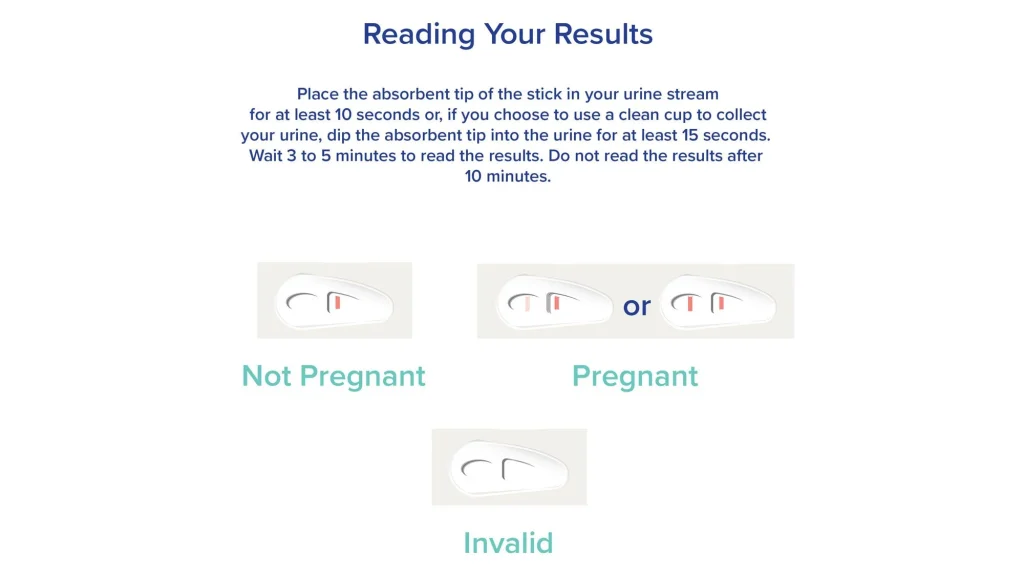
    Instructions for reading pregnancy test results with visual indicators for "Not Pregnant," "Pregnant," and "Invalid.

    Finding Support and Community on Your DIY Fertility Journey

    Attending fertility workshops and events can be a great way to connect with others who are on a similar journey. These events often provide a safe and supportive environment for individuals to share their stories and learn from experts in the field. They also offer an opportunity to connect with others in person and form lasting friendships.

    3. Reach Out to Friends and Family

    It can be challenging to open up to friends and family about your DIY fertility journey, but they can be a great source of support. If you feel comfortable, consider reaching out to them and sharing your experience. You may be surprised at how understanding and supportive they can be. They can also provide a much-needed listening ear and be a source of encouragement during difficult times.

    4. Seek Professional Support

    While connecting with others who are on a similar journey can be extremely beneficial, it is essential to also seek professional support. A fertility coach or therapist who specializes in fertility can provide you with the tools and resources you need to navigate this journey successfully. They can also help you manage the emotional toll of trying to conceive and provide a safe space for you to share your thoughts and feelings.

    5. Consider Joining a Support Group in Your Local Area

    If you prefer face-to-face interactions, consider joining a support group in your local area. These groups can be found through fertility clinics, women’s health centers, or community centers. They provide a safe and supportive environment for individuals to share their experiences and connect with others in person.

    In Conclusion

    Going through a DIY fertility journey can be challenging, but finding support and community can make a significant difference. Whether it is through online support groups, fertility workshops, or reaching out to friends and family, connecting with others who are on a similar journey can provide a sense of comfort, understanding, and validation. Remember, you are not alone, and there is a growing community of women who are on a DIY fertility journey just like you.

  • Insemination on Your Own Terms: A Guide for Women with Unique Fertility Journeys

    Blog Post:

    For many women, the journey to motherhood is not a straightforward one. Some may face fertility issues, while others may choose to start a family on their own terms without a partner. Insemination, also known as artificial insemination, is a common method used by women in these situations to conceive. However, the process of insemination can be overwhelming and intimidating, especially for those who are embarking on it on their own. That’s why we’ve created this guide to help women with unique fertility journeys navigate the world of insemination and make informed decisions on their path to motherhood.

    Understanding Insemination

    Insemination is a process in which sperm is placed directly into a woman’s reproductive tract, bypassing the need for intercourse. It can be performed at a fertility clinic or at home with the help of a donor sperm and an insemination kit. There are two types of insemination – intrauterine insemination (IUI) and intracervical insemination (ICI). IUI involves placing the sperm directly into the uterus, while ICI involves placing the sperm at the opening of the cervix. The success rate of insemination varies depending on factors such as age, overall health, and the quality of the sperm used.

    Preparing for Insemination

    Before embarking on insemination, it’s essential to consult with a healthcare professional to determine if it’s the right option for you. They will conduct a thorough examination to identify any underlying fertility issues and provide guidance on the best course of action. If you’re planning on performing insemination at home, it’s crucial to understand the process and have all the necessary equipment and supplies, such as ovulation kits, sperm donors, and insemination kits.

    Choosing a Sperm Donor

    For women who are pursuing insemination on their own, choosing a sperm donor can be a daunting task. It’s essential to research and consider all your options carefully. You can either choose a known donor, such as a friend or family member, or opt for a donor from a sperm bank. When choosing a donor, consider factors such as physical characteristics, medical history, and any personal preferences. It’s also crucial to ensure that the donor has undergone all the necessary medical and genetic screenings.

    Performing Insemination at Home

    Colorful promotional image for Mosie Baby, featuring home insemination kit and encouraging text.

    Insemination on Your Own Terms: A Guide for Women with Unique Fertility Journeys

    Insemination at home requires careful planning and preparation. It’s essential to track your ovulation using ovulation kits to determine the best time to inseminate. You will also need to prepare the insemination kit, which typically includes a syringe, a catheter, and a specimen cup to hold the sperm. It’s crucial to follow the instructions carefully to ensure the process is done correctly.

    Insemination at a Fertility Clinic

    For those who prefer to have insemination performed at a fertility clinic, it’s essential to research and choose a reputable clinic with experienced healthcare professionals. The process typically involves multiple visits, where the healthcare provider will monitor your ovulation and perform the insemination procedure. While it may be more expensive than home insemination, the success rates are typically higher due to the expertise and specialized equipment available at fertility clinics.

    Dealing with Emotional Aspects

    Embarking on insemination can be an emotional rollercoaster for women with unique fertility journeys. It’s essential to acknowledge and address any feelings of anxiety, stress, or uncertainty that may arise during the process. Seeking support from loved ones, joining support groups, or talking to a therapist can help manage these emotions and provide a sense of community and understanding.

    Dealing with Potential Challenges

    While insemination can be a viable option for women with unique fertility journeys, it’s essential to understand that it may not always be successful. Factors such as age, health conditions, and the quality of the sperm can affect the outcome. Therefore, it’s crucial to have a backup plan in case insemination does not result in pregnancy. This could include exploring other fertility treatments or considering adoption.

    In conclusion, insemination can be a viable option for women with unique fertility journeys who are looking to start a family on their own terms. It’s essential to research and consult with a healthcare professional to determine if it’s the right option for you. Whether you choose to perform insemination at home or at a fertility clinic, it’s crucial to understand the process, prepare carefully, and seek support to manage any emotional challenges that may arise. Remember to stay positive, be patient, and have a backup plan in case insemination does not result in pregnancy.

    Summary:

    This blog post serves as a guide for women with unique fertility journeys who are considering insemination as a means to start a family. It covers important aspects such as understanding insemination, preparing for the process, choosing a sperm donor, performing insemination at home or at a fertility clinic, dealing with emotional aspects, and managing potential challenges. The post emphasizes the importance of thorough research, seeking professional guidance, and having a backup plan. It also encourages women to be patient and seek support during this emotional journey.

  • Navigating the Emotional Journey of Insemination with the On Your Own Terms Kit

    Navigating the Emotional Journey of Insemination with the On Your Own Terms Kit

    For many individuals or couples, the journey of starting a family can be filled with emotional ups and downs. This is particularly true for those who are considering insemination as a means of conception. It’s not just the physical process of insemination that can be challenging, but also the emotional journey that comes along with it. The On Your Own Terms Kit is designed to help individuals and couples navigate this emotional journey with ease and confidence.

    Understanding Insemination and Its Emotional Impact

    Insemination is a form of assisted reproductive technology in which sperm is injected directly into a woman’s reproductive tract in order to fertilize an egg. It can be used by individuals or couples who are struggling with infertility, same-sex couples, and single individuals who want to have a child. While the process itself may seem straightforward, the emotional impact of insemination can be complex and overwhelming.

    The emotional journey of insemination begins with the decision to pursue this method of conception. This decision can bring up a range of emotions, including excitement, hope, fear, and anxiety. The idea of bringing a child into the world through insemination may also come with societal and cultural stigmas, which can add to the emotional burden.

    The On Your Own Terms Kit: A Comprehensive Guide for the Emotional Journey of Insemination

    The On Your Own Terms Kit is a comprehensive guide that aims to support individuals and couples through every step of the insemination process. It is designed to provide practical information, emotional support, and a sense of empowerment for those embarking on this journey.

    The kit includes a detailed guidebook that covers everything from understanding the basics of insemination to preparing for the procedure and managing the emotional challenges that may arise. It also includes a journal for individuals to document their thoughts and feelings throughout the process, as well as a relaxation CD to help reduce stress and anxiety.

    The Importance of Emotional Support Throughout the Insemination Process

    Mosie Baby ovulation test kit with packaging and instructions on a pink background.

    Navigating the Emotional Journey of Insemination with the On Your Own Terms Kit

    Insemination can be an emotionally charged experience, as it involves the desire to conceive and bring a child into the world. This can bring up a range of emotions, such as fear of failure, disappointment, and the pressure to make it all work. Having emotional support throughout the process can make a significant difference in how individuals and couples navigate the ups and downs.

    The On Your Own Terms Kit not only provides practical information but also offers emotional support through its journaling and relaxation components. It encourages individuals to express their feelings and find ways to reduce stress and anxiety, which can ultimately help them stay positive and focused during the insemination process.

    Dealing with the Emotional Challenges of Insemination

    Insemination is a process that involves multiple steps and can take time to achieve success. This can be emotionally challenging, as individuals and couples may experience a rollercoaster of emotions throughout the process. The On Your Own Terms Kit addresses these challenges by providing tools and strategies to cope with the emotional ups and downs.

    It includes tips for communicating with partners, family, and friends about the insemination process, as well as guidance on managing expectations and dealing with disappointment. The kit also offers resources for seeking additional support, whether it’s through therapy, support groups, or online communities.

    The Power of Taking Control of Your Insemination Journey

    One of the most significant benefits of using the On Your Own Terms Kit is the sense of control it provides individuals and couples. Insemination can be a daunting and overwhelming process, but having a comprehensive guide like this can help individuals feel more in control of their journey. It allows them to make informed decisions, express their feelings, and find ways to cope with the emotional challenges that may arise.

    The On Your Own Terms Kit empowers individuals and couples to take control of their insemination journey and make it their own. By providing practical information, emotional support, and tools for managing challenges, it enables individuals and couples to navigate the process with confidence and on their own terms.

    In Summary

    The journey of insemination can be a rollercoaster of emotions, but the On Your Own Terms Kit is designed to make this journey smoother and more manageable. It provides a comprehensive guide to the insemination process, emotional support through journaling and relaxation techniques, and resources for dealing with the challenges that may arise. With this kit, individuals and couples can feel more in control of their insemination journey and navigate it on their own terms.

  • The Role of the Partner in At-Home Conception: How to Support Each Other

    Blog Post:

    The process of trying to conceive a child can be both exciting and challenging for couples. While there are many factors that play a role in conception, such as age, health, and fertility, the support and involvement of both partners can greatly impact the journey. In this blog post, we will discuss the role of the partner in at-home conception and how they can support each other through this process.

    1. Understanding the Importance of Emotional Support

    Conception can be an emotional rollercoaster, and it’s essential for partners to understand the significance of emotional support during this time. Both partners may experience a range of emotions, from excitement to frustration and even disappointment. It’s crucial for partners to communicate openly and honestly with each other, creating a safe space to share their feelings without judgment.

    Partners can support each other by actively listening and being empathetic. This means acknowledging and validating each other’s emotions, even if they may not fully understand them. It’s also essential to be patient with each other and provide reassurance and comfort when needed.

    2. Creating a Healthy and Supportive Environment

    The environment in which a couple is trying to conceive can also play a significant role. It’s essential to create a healthy and supportive environment that promotes fertility. This includes maintaining a nutritious diet, regular exercise, and reducing stress levels.

    Partners can support each other by making healthy lifestyle choices together. This can include cooking healthy meals, exercising together, and finding ways to reduce stress, such as meditating or going for walks. It’s also crucial to avoid unhealthy habits like smoking and excessive alcohol consumption, as they can decrease fertility.

    3. Educating Each Other on Fertility and Reproduction

    Understanding the science behind conception can be beneficial for both partners. Learning about fertility and the reproductive system can help partners understand the process and potential challenges that may arise. It can also help them make informed decisions and take proactive steps to improve their chances of conceiving.

    Partners can support each other by learning about fertility and reproduction together. This can include reading books, attending seminars or workshops, or even consulting with a fertility specialist. By educating themselves, partners can feel more empowered and prepared for the journey ahead.

    logo of mosie baby featuring a heart and leaf design in blue, pink, and green colors

    The Role of the Partner in At-Home Conception: How to Support Each Other

    4. Being Involved in the Process

    While the physical aspect of conception may be primarily the responsibility of the female partner, it’s crucial for both partners to be involved in the process. This includes tracking ovulation, taking fertility supplements, and using at-home fertility kits. It’s also essential for partners to attend doctor appointments together and discuss any concerns or questions they may have.

    Partners can support each other by being actively involved in the process. This can include taking turns tracking ovulation and administering fertility treatments. Being involved can also help partners feel more connected and invested in the journey.

    5. Dealing with Challenges Together

    The road to conception may not always be smooth, and there may be challenges and setbacks along the way. It’s crucial for partners to face these challenges together and support each other through them. This can include dealing with infertility, miscarriage, or other health issues that may affect conception.

    Partners can support each other by being understanding, patient, and compassionate. It’s essential to communicate openly and find ways to cope with challenges together. Seeking professional help or joining support groups can also be beneficial for partners during difficult times.

    6. Celebrating Milestones and Successes

    Finally, it’s essential to celebrate both the small and big milestones and successes during the journey to conception. From tracking ovulation to a positive pregnancy test, these moments are important and should be celebrated as a couple.

    Partners can support each other by acknowledging and celebrating these milestones together. This can include planning special dates or activities, taking time to reflect on the journey, and expressing gratitude for each other’s support.

    In conclusion, the role of the partner in at-home conception is crucial and can greatly impact the journey. By understanding the importance of emotional support, creating a healthy and supportive environment, educating each other on fertility, being involved in the process, dealing with challenges together, and celebrating milestones, partners can support each other through this journey and strengthen their relationship in the process.

    Summary:

    In this blog post, we discussed the role of the partner in at-home conception and how they can support each other through this journey. We highlighted the importance of emotional support, creating a healthy environment, educating each other on fertility, being involved in the process, dealing with challenges together, and celebrating milestones. By understanding and implementing these strategies, partners can strengthen their relationship and increase their chances of conceiving.