Tag: technology

  • The Role of Technology: How Insemination Kits Have Revolutionized the Fertility Industry

    The Role of Technology: How Insemination Kits Have Revolutionized the Fertility Industry

    Technology has played a crucial role in transforming various industries, and the fertility industry is no exception. In recent years, the development of insemination kits has revolutionized the way couples struggling with infertility can conceive. These kits provide a convenient and cost-effective alternative to traditional fertility treatments, making it more accessible for individuals and couples to start a family. In this blog post, we will explore the role of technology in the fertility industry and how insemination kits have changed the game for those seeking to get pregnant.

    The Traditional Approach to Fertility Treatments

    Before the development of insemination kits, couples struggling with infertility had limited options for fertility treatments. The most common and widely used method was in vitro fertilization (IVF), which involves extracting eggs and sperm from the female and male partners and fertilizing them in a laboratory. This process is not only invasive and expensive, but it also requires multiple trips to the doctor’s office, which can be time-consuming and emotionally draining for couples.

    The Emergence of Insemination Kits

    With advancements in technology, insemination kits have emerged as a popular and effective alternative to traditional fertility treatments. These kits contain all the necessary tools and equipment for self-insemination, eliminating the need for multiple visits to the doctor’s office. They typically include a soft catheter, a syringe, and instructions for use. The process involves collecting sperm from the male partner and placing it directly into the cervix or uterus of the female partner using the tools provided in the kit.

    Benefits of Insemination Kits

    One of the main advantages of insemination kits is the convenience they offer. Unlike traditional fertility treatments, which require multiple appointments and procedures, insemination kits can be used in the comfort of one’s own home. This not only saves time and money but also allows couples to maintain their privacy and intimacy during the conception process.

    Two transparent syringes with teal accents positioned diagonally on a light gray background.

    The Role of Technology: How Insemination Kits Have Revolutionized the Fertility Industry

    Insemination kits are also significantly more affordable compared to other fertility treatments such as IVF. This makes it a more accessible option for couples who may not have the financial resources to undergo expensive procedures. Additionally, the use of insemination kits eliminates the need for expensive fertility drugs, making it a more natural and less invasive approach to fertility.

    The Role of Technology

    The development of insemination kits can be attributed to advancements in technology. With the increasing use of artificial insemination in the agricultural industry, scientists and researchers were able to adapt and refine the process for human use. The use of high-quality catheters and syringes, as well as the development of sperm washing techniques, has made insemination kits a safe and effective method for conceiving.

    Insemination kits also utilize technology in the form of telemedicine. Many companies that provide these kits also offer virtual consultations and guidance for users. This allows couples to receive expert advice and support from the comfort of their own homes, making the process more convenient and accessible for those living in remote areas.

    The Impact of Insemination Kits on the Fertility Industry

    The emergence of insemination kits has had a significant impact on the fertility industry. It has opened up new possibilities for couples struggling with infertility, providing them with an affordable and less invasive option for starting a family. It has also increased competition among fertility clinics, leading to a decrease in the cost of traditional fertility treatments and making them more accessible to a wider range of individuals.

    Furthermore, the use of insemination kits has also challenged societal norms and traditional family structures. Same-sex couples and single individuals can now use these kits to start a family, breaking the barriers of traditional methods that often require a male and female partner.

    In conclusion, technology has played a crucial role in revolutionizing the fertility industry, and insemination kits are a prime example of this. They have provided a convenient, affordable, and effective option for couples struggling with infertility to start a family. With constant advancements in technology, it is likely that we will continue to see new innovations in the fertility industry, making it easier for individuals and couples to fulfill their dreams of parenthood.

  • The Evolution of Home Insemination: A Historical Perspective

    Blog Post Title: The Evolution of Home Insemination: A Historical Perspective

    In today’s modern world, the concept of home insemination may seem like a relatively new and unconventional method of starting a family. However, the practice of insemination at home has a long and fascinating history that dates back centuries. From ancient civilizations to modern-day technologies, the evolution of home insemination has been shaped by various cultural, social, and scientific factors. In this blog post, we will take a historical journey and explore how home insemination has evolved over time.

    Ancient Practices: Insemination as a Fertility Ritual

    The earliest recorded forms of home insemination can be traced back to ancient civilizations such as Egypt and Greece. In these societies, the ability to bear children was highly valued, and barrenness was often seen as a curse. As a result, various fertility rituals and practices were developed to increase the chances of conception. One such practice was the use of donor semen, either through sexual intercourse or by inserting it into the woman’s vagina using a syringe made from animal bladder or a hollow reed.

    Medieval Europe: The Practice of “Cuckoldry”

    During the Middle Ages, the concept of home insemination took a different turn in Europe. It was common for wealthy men to hire a male servant to impregnate their wives while they were away. This practice, known as “cuckoldry,” was seen as a way to ensure the husband’s lineage and inheritance. The servant would often leave his semen in a cup or bowl, and the wife would then use a syringe or a cloth to insert it into her vagina.

    Artificial Insemination: From Animals to Humans

    The 18th and 19th centuries saw significant advancements in the field of artificial insemination, primarily in the animal breeding industry. In 1780, Italian physiologist Lazzaro Spallanzani conducted experiments on dogs and rabbits, successfully impregnating them with semen from a male of the same species. This laid the foundation for the use of artificial insemination in human reproduction.

    In 1884, French physician Dr. Jacques-Antoine Marthurin Théophile Dubois performed the first recorded human artificial insemination procedure, using fresh semen from a donor. This sparked controversy, and many considered it to be immoral and unnatural. However, it paved the way for further developments in the field of human artificial insemination.

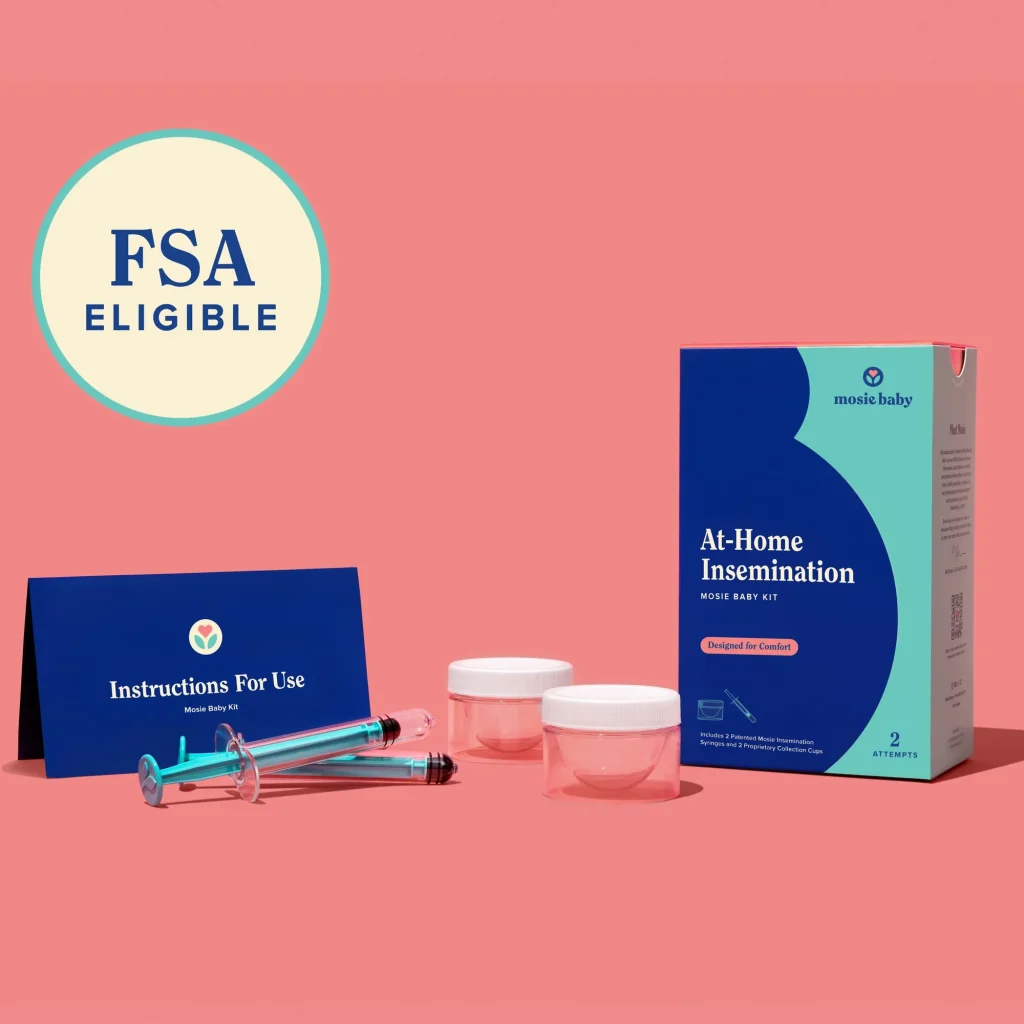
    at-home insemination kit by Mosie Baby, featuring syringes, collection cups, and instructions on a pink background.

    The Evolution of Home Insemination: A Historical Perspective

    The 20th Century: The Rise of Sperm Banks

    The 20th century saw a significant shift in the practice of home insemination, with the establishment of the first sperm bank in 1945 in Iowa, USA. This marked the beginning of a new era, where donor semen could be collected, stored, and used for insemination at a later time. This development was a game-changer for many couples struggling with infertility, as it provided them with a viable alternative to traditional methods of conception.

    Home Insemination Today: The Role of Technology

    In the 21st century, home insemination has become a popular choice for many couples and individuals looking to start a family. With advancements in technology, the process has become more accessible, affordable, and efficient. Insemination kits, which include syringes, cups, and instructions, can now be purchased online or at pharmacies, making the process more convenient and discreet.

    The rise of the internet and social media has also played a significant role in the evolution of home insemination. Online communities and forums have emerged, providing a platform for individuals to connect, share their experiences, and offer support to those considering home insemination.

    The Future of Home Insemination

    As technology continues to advance, the future of home insemination looks promising. In recent years, there has been a rise in at-home fertility testing kits, which allow individuals to track their ovulation and fertility levels. These kits, along with advancements in home insemination techniques, can potentially increase the success rates of at-home insemination.

    Summary:

    In conclusion, home insemination has come a long way from its ancient roots as a fertility ritual to a popular method of assisted reproduction today. From using animal bladders as syringes to the establishment of sperm banks and the use of technology, the evolution of home insemination has been influenced by various cultural, social, and scientific factors. With further advancements in technology and accessibility, the future of home insemination looks bright, providing individuals and couples with a viable and convenient option to start a family.

  • The Role of Technology in Home Insemination: Advancements and Innovations

    In recent years, technology has played a significant role in revolutionizing many aspects of our lives, including the way we approach fertility and reproductive health. One area that has seen significant advancements and innovations is home insemination. Home insemination, also known as self-insemination or at-home insemination, is a method of assisted reproduction that allows individuals or couples to attempt conception in the privacy of their own home. With the help of technology, home insemination has become more accessible, convenient, and efficient for those trying to conceive. In this blog post, we will explore the role of technology in home insemination, the advancements that have been made, and the future innovations that may further improve the process.

    The History of Home Insemination
    Home insemination has been practiced for centuries, with records dating back to ancient Egyptian times. However, it was not until the late 20th century that it became a more widely accepted method of assisted reproduction. In the past, home insemination involved using a homemade insemination kit, which typically included a syringe, a catheter, and donor sperm. This method was often messy, unhygienic, and had a low success rate. With the advancements in technology, home insemination has evolved into a more efficient and effective process.

    Advancements in Technology
    The introduction of fertility apps and home insemination kits has revolutionized the way individuals and couples approach home insemination. These apps provide users with information about their ovulation cycles, fertility window, and the best time for insemination. They also allow users to track their progress and record any symptoms or changes in their body. With the help of these apps, individuals and couples can have a better understanding of their fertility and increase their chances of conception.

    Furthermore, home insemination kits have become more advanced and user-friendly. These kits now come with pre-filled syringes, making the process less messy and more hygienic. They also come with step-by-step instructions, making it easier for individuals or couples to perform the insemination at home. Additionally, some kits include intrauterine insemination (IUI) catheters, which allow for more accurate placement of sperm into the uterus, increasing the chances of conception.

    Innovations in Home Insemination
    As technology continues to advance, so does the innovation in home insemination. One of the most significant innovations in recent years is the introduction of at-home sperm testing kits. These kits allow individuals or couples to test the quality and count of sperm before insemination. This information can help them determine the best time for insemination and increase their chances of conception.

    guide and materials for using Mosie Baby fertility kit on a textured surface

    The Role of Technology in Home Insemination: Advancements and Innovations

    Another innovation is the use of frozen donor sperm. In the past, home insemination required fresh donor sperm, which had to be used immediately. However, with the advancements in freezing and thawing techniques, frozen donor sperm is now a viable option for home insemination. This allows individuals and couples to have a wider selection of donors and more flexibility in the timing of insemination.

    The Role of Telemedicine
    Telemedicine has also played a significant role in home insemination. With the help of telemedicine, individuals and couples can consult with healthcare professionals remotely, eliminating the need for in-person visits and consultations. This has made the process of home insemination more convenient and accessible, especially for those living in remote areas or with limited access to fertility clinics.

    The Future of Home Insemination Technology
    As technology continues to advance, the future of home insemination looks promising. One potential innovation is the use of artificial intelligence (AI) to predict the fertility window and improve the success rate of home insemination. AI can analyze data from fertility apps and predict the best time for insemination, taking into account factors such as age, health, and lifestyle.

    Another potential advancement is the use of CRISPR technology in home insemination. CRISPR, a gene-editing tool, has the potential to eliminate genetic disorders and increase the chances of a successful pregnancy through home insemination. This technology is still in the early stages of development, but it shows promise for the future of home insemination.

    In conclusion, technology has played a crucial role in making home insemination a more accessible and efficient method of assisted reproduction. With the advancements in fertility apps, home insemination kits, and telemedicine, individuals and couples now have more control over their fertility journey. Furthermore, innovations such as at-home sperm testing and the use of frozen donor sperm have increased the success rate of home insemination. As technology continues to advance, we can expect even more groundbreaking innovations in the field of home insemination, making the dream of starting a family a reality for many individuals and couples.

  • The Role of Technology in Insemination on Your Own Terms

    The Role of Technology in Insemination on Your Own Terms

    Insemination, the process of introducing sperm into the female reproductive tract, has been around for centuries. It has been used to help couples struggling with infertility, same-sex couples, and single individuals who want to start a family on their own terms. In the past, insemination was a relatively simple and low-tech procedure, but with advancements in technology, it has become more accessible, efficient, and customizable. In this blog post, we will explore the role of technology in insemination and how it has revolutionized the process, allowing individuals to take control of their fertility and family planning.

    Advancements in Assisted Reproductive Technology (ART)

    Assisted reproductive technology (ART) refers to any fertility treatment that involves handling eggs, sperm, or embryos outside of the body. This includes procedures like in vitro fertilization (IVF), intracytoplasmic sperm injection (ICSI), and gamete intrafallopian transfer (GIFT). These techniques have been a game-changer for individuals and couples who struggle with infertility. With the help of technology, eggs and sperm can be retrieved, fertilized, and transferred back into the uterus, increasing the chances of conception.

    One of the most significant advancements in ART is the use of preimplantation genetic testing (PGT). PGT allows for the screening of embryos for genetic abnormalities before they are transferred into the uterus. This technology has not only increased the success rates of IVF but has also reduced the risk of passing on genetic disorders to future offspring.

    Intrauterine Insemination (IUI) and In Vitro Fertilization (IVF)

    Intrauterine insemination (IUI) and in vitro fertilization (IVF) are two of the most common forms of assisted reproductive technology used for insemination. IUI involves placing sperm directly into the uterus, while IVF involves fertilizing an egg with sperm in a laboratory and then transferring the embryo into the uterus. Both procedures have been made more efficient and effective with the help of technology.

    IUI is now performed using a catheter, which allows for more precise placement of the sperm into the uterus. This increases the chances of conception and reduces the risk of multiple pregnancies. IVF, on the other hand, has benefitted from advancements in embryo culture and imaging technology. Embryos can now be monitored and evaluated in real-time, allowing for the selection of the healthiest embryo to be transferred.

    Customization and Personalization

    Informative card introducing the Mosie Baby Kit and its mission for at-home insemination.

    The Role of Technology in Insemination on Your Own Terms

    Technology has also allowed for a more personalized and customizable approach to insemination. In the past, individuals had limited options for donor sperm, usually relying on sperm banks or known donors. However, with the rise of online sperm donation platforms, individuals can now have access to a larger pool of donors, including information about their physical characteristics, medical history, and even personality traits.

    Furthermore, advancements in cryopreservation techniques have led to the development of frozen donor sperm, which can be stored for long periods, allowing for more flexibility in the timing of insemination. This is particularly beneficial for individuals who may not have a regular menstrual cycle or for those who need to travel for the procedure.

    In addition to the customization of sperm donors, technology has also made it possible for individuals to freeze their eggs or sperm for future use. This is especially useful for individuals who are not ready to start a family but want to preserve their fertility for later in life.

    Overcoming Social and Biological Barriers

    Technology has also helped to overcome social and biological barriers to insemination. In the past, same-sex couples and single individuals faced significant challenges when it came to starting a family through insemination. Social stigma and legal barriers prevented them from accessing fertility treatments, and the lack of access to a partner’s sperm or a sperm donor made the process more challenging.

    However, with the help of technology, same-sex couples and single individuals can now use donor sperm or undergo IVF or IUI to start a family. This has increased inclusivity and equality in family planning and has given individuals the freedom to choose when and how they want to have children.

    The Future of Technology in Insemination

    The role of technology in insemination continues to evolve, and the future looks promising. Researchers are currently working on developing artificial sperm and eggs, which could potentially help individuals with fertility issues or same-sex couples to have biological children. These advancements also have the potential to eliminate the need for donor sperm or eggs, making the process more accessible and affordable for all.

    Summary

    Technology has played a significant role in revolutionizing insemination, making it more accessible, efficient, and customizable. Advancements in ART, such as PGT, have increased success rates and reduced the risk of passing on genetic disorders. IUI and IVF have benefitted from advancements in embryo culture and imaging technology, leading to higher success rates. Technology has also allowed for a more personalized and customizable approach to insemination, with the rise of online sperm donation platforms and cryopreservation techniques. It has also helped to overcome social and biological barriers, making it possible for same-sex couples and single individuals to start a family on their own terms. The future of technology in insemination looks promising, with the potential for artificial sperm and eggs to eliminate the need for donor sperm or eggs.

  • The Future of Family Planning: The Conception Catalyst Syringe Set

    Blog Post:

    The traditional methods of family planning, such as oral contraceptives and condoms, have been around for decades. However, as technology advances and society evolves, it is time for a new and innovative approach to family planning. Enter the Conception Catalyst Syringe Set – a revolutionary device that has the potential to change the landscape of family planning.

    What is the Conception Catalyst Syringe Set?

    The Conception Catalyst Syringe Set is a non-invasive, at-home fertility treatment device that uses a combination of suction and pressure to help couples conceive. It consists of a syringe and a silicone cup, which are used together to create a vacuum that helps to draw semen into the cervix. This increases the chances of fertilization and conception.

    How does it work?

    The Conception Catalyst Syringe Set works by mimicking the natural process of intrauterine insemination (IUI). During IUI, sperm is placed directly into the uterus using a catheter. The Conception Catalyst Syringe Set performs a similar function, but in a more comfortable and convenient way. The silicone cup is placed against the cervix, and the syringe is used to create a vacuum, which draws the semen into the cup and then releases it into the cervix. This process can be done at home, eliminating the need for medical procedures or invasive treatments.

    Benefits of the Conception Catalyst Syringe Set

    The Conception Catalyst Syringe Set offers several benefits that make it a game-changer in the field of family planning. Here are some of the most notable ones:

    1. Increased chances of conception: The Conception Catalyst Syringe Set has a success rate of up to 75%, which is significantly higher than natural conception rates (around 20%). This makes it an attractive option for couples who have been struggling to conceive through traditional methods.

    2. Non-invasive and at-home use: Unlike other fertility treatments, the Conception Catalyst Syringe Set does not require any medical procedures or invasive treatments. It can be used at home, making it a more comfortable and convenient option for many couples.

    3. Cost-effective: Fertility treatments can be expensive, and many insurance plans do not cover them. The Conception Catalyst Syringe Set is an affordable alternative that can save couples thousands of dollars in medical costs.

    sperm-ready insemination kit with a syringe and container, featuring a screw top lid and non-tip safety wall

    The Future of Family Planning: The Conception Catalyst Syringe Set

    4. Time-saving: With the Conception Catalyst Syringe Set, couples no longer need to schedule appointments or wait for procedures to be done. They can use the device at home, on their own time, saving them valuable time and reducing stress.

    5. Increased intimacy: Many couples find that fertility treatments can be a strain on their relationship. The Conception Catalyst Syringe Set allows couples to go through the process together, increasing intimacy and strengthening their bond.

    The Future of Family Planning

    The Conception Catalyst Syringe Set has the potential to revolutionize the field of family planning. Its non-invasive, at-home use and high success rate make it an attractive option for couples looking to start a family. But what does this mean for the future of family planning?

    1. Greater accessibility and inclusivity: The Conception Catalyst Syringe Set is a simple and affordable alternative to traditional fertility treatments. This means that more people, regardless of their financial situation, can have access to effective family planning methods.

    2. Empowerment for women: The Conception Catalyst Syringe Set puts the power of family planning in the hands of women. Instead of relying on their partner or a medical professional, women can take control of their reproductive health and make decisions about when and how they want to start a family.

    3. A shift in societal norms: The Conception Catalyst Syringe Set challenges the traditional notion of conception and fertility. It opens up new possibilities for couples who may have thought that starting a family was not an option for them.

    4. Advancements in technology: The Conception Catalyst Syringe Set is just the beginning of what could be a wave of new and innovative family planning devices. As technology continues to advance, we can expect to see more options for couples to plan and conceive in the future.

    In conclusion, the Conception Catalyst Syringe Set is a groundbreaking device that has the potential to change the way we think about family planning. Its non-invasive, at-home use and high success rate make it a game-changer in the field of fertility treatments. With the potential to increase accessibility, empower women, and shift societal norms, the Conception Catalyst Syringe Set is paving the way for a more inclusive and advanced future of family planning.

    Summary:

    The Conception Catalyst Syringe Set is a non-invasive, at-home fertility treatment device that uses suction and pressure to increase chances of conception. Its benefits include higher success rates, affordability, time-saving, and increased intimacy. This device has the potential to revolutionize family planning by increasing accessibility, empowering women, and shifting societal norms. As technology advances, we can expect to see more innovative family planning options in the future.

  • Breaking Down Barriers: Home Insemination Starter Kits for Couples with Fertility Issues

    Breaking Down Barriers: Home Insemination Starter Kits for Couples with Fertility Issues

    For couples struggling with fertility issues, the journey to starting a family can be a long and daunting one. In addition to the emotional toll, the high costs and invasive procedures associated with fertility treatments can create additional barriers and stress. However, with advancements in technology and a growing acceptance of alternative methods, more and more couples are turning to home insemination as a viable option. Home insemination starter kits have become increasingly popular and accessible, breaking down barriers and providing a more affordable and less invasive option for couples facing fertility challenges.

    What is Home Insemination?

    Home insemination is the process of inserting sperm into the cervix or uterus at the time of ovulation, in hopes of achieving pregnancy. This method can be done at home, without the need for medical professionals or clinical settings. There are various methods of home insemination, including intracervical insemination (ICI) and intrauterine insemination (IUI). ICI involves inserting sperm into the cervix using a syringe or soft cup, while IUI involves inserting sperm into the uterus using a catheter. Both methods have been found to be successful in achieving pregnancy.

    Why Choose Home Insemination?

    There are several reasons why couples may choose home insemination over traditional fertility treatments. Firstly, it is a more affordable option. Fertility treatments such as in vitro fertilization (IVF) can cost tens of thousands of dollars, which may not be feasible for many couples. Home insemination kits, on the other hand, can cost as little as a few hundred dollars, making it a more accessible option for those on a budget.

    In addition to being more affordable, home insemination also provides couples with privacy and control over the process. For many, the thought of undergoing invasive procedures in a clinical setting can be intimidating and overwhelming. Being able to do the insemination in the comfort of their own home allows couples to feel more relaxed and in control of the process.

    Breaking Down Barriers

    One of the biggest barriers for couples facing fertility issues is the lack of accessibility and inclusivity in traditional fertility treatments. Many clinics have strict eligibility criteria, which can exclude same-sex couples, single parents, and individuals with certain health conditions. This can be disheartening for those who are eager to start a family but are unable to do so through traditional means.

    Mosie Baby ovulation test kit with packaging and instructions on a pink background.

    Breaking Down Barriers: Home Insemination Starter Kits for Couples with Fertility Issues

    Home insemination starter kits have helped to break down these barriers by offering a more inclusive and accessible option for all couples. These kits can be used by any couple, regardless of sexual orientation, relationship status, or medical history. This has provided hope for many couples who were previously unable to pursue traditional fertility treatments.

    The Role of Technology

    Advancements in technology have played a significant role in making home insemination more accessible and effective. In the past, couples had to rely on homemade methods, such as using a turkey baster, which were not always successful. However, with the development of home insemination kits, the process has become more straightforward and efficient.

    Many home insemination kits come with pre-filled, sterile syringes that make the process more hygienic and less intimidating. Some kits also include ovulation prediction tools, which can help couples determine the best time for insemination. These advancements have made home insemination a more reliable and convenient option for couples facing fertility challenges.

    Factors to Consider

    While home insemination may seem like a simple and accessible option, there are several factors that couples should consider before making the decision to proceed. Firstly, it is essential to consult with a medical professional to ensure that there are no underlying medical issues that may affect the success of home insemination.

    It is also crucial to carefully follow the instructions provided with the home insemination kit to ensure the best chances of success. Some kits may require the use of fertility medications, which should only be taken under the guidance of a medical professional.

    Summary

    For couples facing fertility issues, home insemination starter kits have become a game-changer. These kits offer a more affordable, private, and inclusive option for couples looking to start a family. With advancements in technology, home insemination has become more efficient and accessible, breaking down barriers and providing a glimmer of hope for many couples. However, it is essential to consult with a medical professional and carefully follow the instructions provided with the kit to ensure the best chances of success.

  • The Syringe Kit Revolution: DIY Baby-Making in the Modern Age

    Blog Post:

    In the modern age, the advancements in technology have revolutionized virtually every aspect of our lives. From communication to transportation, and even to healthcare, technology has made things faster, easier, and more accessible. One area that has seen a significant transformation is the field of fertility and baby-making. With the rise of DIY (do-it-yourself) culture, individuals and couples are now turning to syringe kits for at-home insemination, bypassing traditional methods of conception. This trend has been dubbed as the “Syringe Kit Revolution” and is changing the way people approach parenthood.

    The concept of at-home insemination is not entirely new, as it has been around since the 1970s. However, with the introduction of syringe kits, the process has become more accessible and less invasive. These kits typically include a syringe, a vial of donor sperm, and instructions on how to perform the insemination. They can be purchased online or in some cases, even at pharmacies. This method allows individuals and couples to take control of their fertility journey without the need for expensive medical procedures or the involvement of a medical professional.

    So why are more and more people turning to syringe kits for DIY baby-making? One of the main reasons is the cost. In-vitro fertilization (IVF) and other fertility treatments can cost thousands of dollars, making it out of reach for many individuals and couples. With syringe kits, the cost is significantly lower, making it a more feasible option for those on a budget. Additionally, the process can be done in the comfort and privacy of one’s own home, avoiding the potential embarrassment or discomfort of undergoing medical procedures in a clinic.

    Another reason for the popularity of syringe kits is the increasing number of single individuals and same-sex couples who want to start a family. In the past, these individuals and couples had limited options for starting a family, such as adoption or using a sperm donor from a clinic. However, with syringe kits, they can now take matters into their own hands and have a biological child without the need for a partner or going through a lengthy adoption process.

    The DIY approach also allows people to have more control over the process. Unlike traditional methods of conception, where a doctor or fertility specialist has control over the timing of ovulation and insemination, syringe kits allow individuals to track their ovulation and inseminate at the most optimal time. This can increase the chances of successful conception and give individuals a sense of empowerment and involvement in the process.

    guide and materials for using Mosie Baby fertility kit on a textured surface

    The Syringe Kit Revolution: DIY Baby-Making in the Modern Age

    However, the rise of the Syringe Kit Revolution has not been without controversy. Some argue that at-home insemination is not as safe or effective as traditional methods and can lead to potential health risks for both the mother and the baby. Without proper medical supervision, there is a risk of infection or complications during the insemination process. Additionally, using syringe kits means that there is no screening process for the donor sperm, which can potentially lead to genetic disorders being passed down to the child.

    The lack of regulation and oversight in the use of syringe kits has also raised concerns. In some countries, the sale and use of these kits are not regulated, making it difficult to ensure the quality and safety of the products. There have also been cases of fraudulent sperm donors, where individuals have falsely claimed to be healthy and fertile, leading to potential health risks for the mother and child.

    Despite these concerns, the Syringe Kit Revolution shows no signs of slowing down. The convenience, affordability, and accessibility of these kits have made it a popular option for those looking to start a family. However, it is essential to educate oneself and take precautions when using syringe kits for at-home insemination. Researching reputable and regulated sources for donor sperm and following proper hygiene and safety measures can help minimize potential risks.

    In conclusion, the Syringe Kit Revolution is changing the way people approach baby-making in the modern age. It offers a more affordable and accessible option for individuals and couples who want to start a family, giving them more control over the process. However, it is essential to be aware of the potential risks and take necessary precautions to ensure a safe and successful experience.

    Summary:

    The advancements in technology have led to the rise of the Syringe Kit Revolution, where individuals and couples are turning to at-home insemination with the help of syringe kits for DIY baby-making. This method offers a more affordable and accessible option for starting a family, giving people more control over the process. However, it has also raised concerns about potential health risks and the lack of regulation and oversight. Despite this, the trend continues to grow, and it is crucial to educate oneself and take necessary precautions when using syringe kits for at-home insemination.

  • The Future of Fertility: How Non-Invasive Insemination is Changing the Game

    The Future of Fertility: How Non-Invasive Insemination is Changing the Game

    Fertility has always been a topic of great interest and concern for couples trying to conceive. In the past, fertility treatments were limited to invasive procedures such as in vitro fertilization (IVF) or intrauterine insemination (IUI). However, with advancements in technology and medical research, non-invasive insemination methods are emerging as a game-changer in the field of fertility. These methods offer a less invasive and more affordable option for couples struggling with fertility issues. In this blog post, we will explore the future of fertility and the impact of non-invasive insemination on the field.

    The Rise of Non-Invasive Insemination

    In recent years, non-invasive insemination methods such as at-home insemination and intrauterine insemination have gained popularity among couples. These methods involve introducing sperm into the reproductive tract without the need for surgery or complex procedures. This is done either at home or in a clinical setting, making it a convenient and less stressful option for couples.

    One of the main reasons for the rise of non-invasive insemination is its success rate. Studies have shown that at-home insemination has a success rate of around 25%, while intrauterine insemination has a success rate of up to 30%. These success rates are comparable to those of traditional IVF treatments, which can be costly and time-consuming.

    Non-Invasive Insemination and LGBTQ+ Couples

    Non-invasive insemination methods have also opened up new possibilities for LGBTQ+ couples who want to start a family. Same-sex couples and single individuals can now use donor sperm to conceive through at-home insemination or IUI. This has brought hope and joy to many couples who were previously limited in their options for starting a family.

    In addition, non-invasive insemination has also made it possible for transgender individuals to preserve their fertility before undergoing hormone therapy or gender confirmation surgery. This has given them the option to have biological children in the future, even after transitioning.

    Reducing the Stigma Around Fertility Treatments

    One of the major barriers to seeking fertility treatments has been the stigma attached to it. Many couples feel embarrassed or ashamed to discuss their struggles with fertility, and this can lead to delays in seeking help. However, with the rise of non-invasive insemination methods, the stigma around fertility treatments is slowly being reduced.

    At-home insemination kit with ovulation and pregnancy tests, promoting fertility and family planning.

    The Future of Fertility: How Non-Invasive Insemination is Changing the Game

    Non-invasive insemination methods are more discreet and private, allowing couples to undergo treatment without feeling judged or scrutinized by society. This has also opened up conversations about fertility and its impact on individuals and couples, reducing the taboo surrounding the topic.

    The Role of Technology

    Technology has played a crucial role in the development and success of non-invasive insemination methods. With the use of home insemination kits and fertility tracking apps, couples can now track their ovulation and time their insemination more accurately. This has significantly increased the chances of successful conception.

    Furthermore, advancements in sperm freezing and storage techniques have made it possible for individuals to preserve their fertility for longer periods. This is especially beneficial for those undergoing medical treatments such as chemotherapy, which can affect their fertility.

    Challenges and Limitations

    While non-invasive insemination methods have brought about significant improvements in the field of fertility, there are still some challenges and limitations to be addressed. One of the main concerns is the lack of standardization and regulation in at-home insemination kits. This can lead to variations in success rates and raise concerns about the safety and effectiveness of these methods.

    In addition, non-invasive insemination methods may not be suitable for all couples, especially those with more complex fertility issues. In such cases, traditional fertility treatments such as IVF may still be the best option. It is essential for couples to consult with a fertility specialist to determine the most suitable treatment option for their specific situation.

    The Future of Fertility

    With the continued advancements in technology and medical research, the future of fertility looks promising. Non-invasive insemination methods are expected to become even more accessible and affordable, making it a viable option for more couples. This will also lead to more research and development in this field, further improving success rates and reducing limitations.

    In conclusion, the rise of non-invasive insemination methods has revolutionized the field of fertility and brought hope to many couples struggling to conceive. With its success rates, reduced stigma, and advancements in technology, it is clear that non-invasive insemination is changing the game and shaping the future of fertility.

  • The Role of Technology in Non-Invasive Insemination: Advancements and Innovations

    In recent years, technology has greatly advanced the field of assisted reproductive technology, providing new options for couples struggling with fertility issues. One such advancement is non-invasive insemination, which has become an increasingly popular and effective method for achieving pregnancy. In this blog post, we will explore the role of technology in non-invasive insemination, including its advancements and innovations.

    Non-invasive insemination, also known as artificial insemination, is a procedure in which sperm is placed into a woman’s reproductive tract in order to facilitate fertilization. This can be done in a variety of ways, but the most common methods include intrauterine insemination (IUI) and intracervical insemination (ICI). In the past, these procedures were done manually, but with the help of technology, they have become less invasive and more precise.

    One of the biggest advancements in non-invasive insemination is the development of ultrasound technology. Ultrasound allows doctors to accurately locate the woman’s cervix and guide the catheter to the correct location for insemination. This reduces the risk of injury and increases the chances of success. Additionally, ultrasound can also be used to monitor the growth and development of follicles, which contain eggs, in women undergoing fertility treatments.

    Another important technology used in non-invasive insemination is sperm washing. This process involves separating healthy sperm from seminal fluid and other contaminants. This is important because it eliminates any harmful substances and increases the concentration of healthy sperm, making the procedure more effective. Sperm washing also reduces the risk of transmitting infections or diseases from the male partner to the female.

    In recent years, there have been advancements in the way sperm is prepared for insemination. In the past, sperm was prepared manually, which was time-consuming and often resulted in lower success rates. However, with the help of technology, sperm can now be prepared using automated systems, which are faster and more accurate. This has greatly improved the efficiency of non-invasive insemination procedures.

    One of the most exciting innovations in non-invasive insemination is the use of mobile apps. These apps allow couples to track their fertility and ovulation cycles, making it easier to determine the best time for insemination. Some apps even offer personalized recommendations and reminders for fertility treatments. This technology has made the process of non-invasive insemination more convenient and accessible for couples.

    sperm-ready insemination kit with a syringe and container, featuring a screw top lid and non-tip safety wall

    The Role of Technology in Non-Invasive Insemination: Advancements and Innovations

    Another innovative technology used in non-invasive insemination is the use of cryopreservation, or freezing, of sperm. This allows couples to store sperm for future use, making it easier to schedule insemination procedures and increasing the chances of success. Cryopreservation has also made it possible for single women and same-sex couples to have a biological child using donor sperm.

    In addition to these advancements and innovations, technology has also improved the success rates of non-invasive insemination. With the use of computer-assisted sperm analysis (CASA), doctors can now analyze sperm quality and motility more accurately. This helps them choose the best quality sperm for insemination, increasing the chances of pregnancy.

    Moreover, the use of genetic testing in non-invasive insemination has also become more common. This allows doctors to screen for genetic disorders and chromosomal abnormalities, reducing the risk of passing them on to the child. This technology has given couples the option to have a healthy child, even if they are carriers of genetic disorders.

    In conclusion, the role of technology in non-invasive insemination has been crucial in advancing the field of assisted reproductive technology. From ultrasound and sperm washing to mobile apps and genetic testing, technology has greatly improved the success rates and accessibility of non-invasive insemination procedures. As technology continues to evolve, we can expect further innovations in this field, giving hope to couples struggling with fertility issues.

    Summary:

    Technology has greatly advanced the field of assisted reproductive technology, particularly in the area of non-invasive insemination. Advancements such as ultrasound technology, sperm washing, and automated sperm preparation have made the procedure less invasive and more effective. Mobile apps and cryopreservation have also made it more convenient and accessible for couples. Additionally, technology has improved the success rates of non-invasive insemination through the use of CASA and genetic testing. As technology continues to evolve, we can expect further advancements and innovations in non-invasive insemination, providing hope to couples struggling with fertility issues.

  • Revolutionizing Reproduction: Non-Invasive Insemination

    Revolutionizing Reproduction: Non-Invasive Insemination

    Reproduction is a fundamental aspect of life, and advancements in technology have allowed for significant improvements and innovations in the field. In recent years, there has been a growing interest in non-invasive methods of insemination, which offer numerous benefits compared to traditional methods. Non-invasive insemination has the potential to revolutionize reproduction, making it more accessible, convenient, and safer for individuals and couples to conceive. In this blog post, we will explore the concept of non-invasive insemination, its advantages, and its potential impact on the future of reproduction.

    What is non-invasive insemination?

    Non-invasive insemination is a method of fertilization that does not require any physical penetration of the body. Traditional methods of insemination, such as intrauterine insemination (IUI) and in vitro fertilization (IVF), involve the insertion of a catheter or needle into the reproductive organs, which can be uncomfortable and invasive for some individuals. Non-invasive insemination, on the other hand, involves the use of external devices and techniques to introduce semen into the cervix or fallopian tubes, making the process less intrusive and more comfortable for the patient.

    Types of non-invasive insemination

    There are several types of non-invasive insemination, including the following:

    1. Intravaginal insemination

    This method involves the introduction of semen into the vagina using a syringe or a specially designed device. The semen is then allowed to travel naturally through the cervix into the uterus and fallopian tubes for fertilization to occur. This method is simple, easy to perform, and can be done at home, making it a popular choice for couples trying to conceive.

    2. Intracervical insemination

    Similar to intravaginal insemination, this method also involves the introduction of semen into the cervix, but using a catheter or syringe. The semen is then deposited near the opening of the cervix, allowing the sperm to swim through the cervical mucus and reach the egg. This method is slightly more invasive than intravaginal insemination but is still considered non-invasive compared to traditional methods.

    3. Intrauterine insemination

    In this method, a catheter is used to introduce the semen directly into the uterus, bypassing the cervix and increasing the chances of fertilization. This method is considered slightly more invasive than intracervical insemination, but it is still relatively non-invasive compared to traditional methods.

    Advantages of non-invasive insemination

    There are several advantages to non-invasive insemination, making it a promising method for reproduction.

    1. Less invasive and more comfortable

    One of the main benefits of non-invasive insemination is that it is less invasive and more comfortable for the patient. Traditional methods of insemination can be physically uncomfortable and emotionally taxing, causing stress and anxiety for couples trying to conceive. Non-invasive methods eliminate the need for invasive procedures, making the experience more comfortable for the patient.

    2. Cost-effective

    Baby wearing a blue shirt with "made with Love" text, surrounded by colorful floral and butterfly designs.

    Revolutionizing Reproduction: Non-Invasive Insemination

    Non-invasive insemination is significantly more cost-effective than traditional methods such as IVF. This is because it does not require expensive medications, lab procedures, or surgical interventions, making it a more accessible option for individuals and couples.

    3. Increased privacy

    Since non-invasive insemination can be performed at home, it offers a higher level of privacy compared to traditional methods. This can be particularly beneficial for individuals or couples who value their privacy and do not want to go through the process of traditional methods in a clinical setting.

    4. Reduced risk of infection and complications

    Traditional methods of insemination carry a risk of infection and other complications due to the invasive nature of the procedures. Non-invasive methods eliminate this risk, making the process safer for the patient.

    The potential impact of non-invasive insemination on the future of reproduction

    Non-invasive insemination has the potential to revolutionize the field of reproduction in several ways.

    1. Increased accessibility

    One of the most significant impacts of non-invasive insemination is its potential to increase accessibility to reproductive services. Traditional methods, such as IVF, can be prohibitively expensive for many individuals and couples, making it difficult for them to conceive. Non-invasive methods offer a more affordable alternative, making it accessible to a wider population.

    2. Safer and more convenient

    Non-invasive methods eliminate the need for invasive procedures, reducing the risk of infection and complications. This makes the process safer and more convenient for patients, particularly for those who have underlying health conditions that may make traditional methods risky.

    3. More inclusive

    Non-invasive insemination can make the process of reproduction more inclusive for individuals and couples who face barriers to traditional methods. This includes same-sex couples, single individuals, and couples with fertility issues.

    4. Lowering the stigma around assisted reproduction

    Traditional methods of assisted reproduction, such as IVF, can carry a social stigma, making it difficult for individuals and couples to openly discuss their experiences. Non-invasive methods offer a more private and less stigmatized alternative, potentially reducing the barriers that prevent individuals and couples from seeking reproductive assistance.

    In conclusion, non-invasive insemination has the potential to revolutionize reproduction and make it more accessible, convenient, and safer for individuals and couples. With its numerous benefits and potential impact on the future of reproduction, non-invasive insemination is a promising advancement in the field of assisted reproduction. As technology continues to advance, we can expect to see further developments and improvements in non-invasive insemination, making it an even more viable option for those looking to start a family.

    Summary:

    Non-invasive insemination is a method of fertilization that does not require any physical penetration of the body. It involves the use of external devices and techniques to introduce semen into the cervix or fallopian tubes, making it less invasive and more comfortable for the patient. There are several types of non-invasive insemination, including intravaginal, intracervical, and intrauterine, each with its own advantages. Non-invasive insemination offers benefits such as increased privacy, reduced risk of infection and complications, and cost-effectiveness. It also has the potential to revolutionize the field of reproduction by increasing accessibility, making the process safer and more convenient, and reducing the stigma around assisted reproduction. As technology continues to advance, non-invasive insemination is a promising option for individuals and couples looking to conceive.




