Tag: fertility treatment

  • Syringe Insemination for Women with Irregular Cycles: What You Need to Know

    Blog Post:

    Syringe insemination, also known as intracervical insemination (ICI), is a form of artificial insemination that can be used by women with irregular menstrual cycles to increase their chances of becoming pregnant. This method involves injecting sperm directly into the cervix using a syringe, making it a more affordable and less invasive option compared to other fertility treatments. In this blog post, we will discuss everything you need to know about syringe insemination for women with irregular cycles.

    What is Syringe Insemination?

    Syringe insemination is a relatively simple and cost-effective fertility treatment that involves placing sperm directly into the cervix using a syringe. This method is often used by women who have irregular menstrual cycles or by same-sex couples who are trying to conceive. It can also be used by single women who want to become pregnant without a partner.

    How Does Syringe Insemination Work?

    Syringe insemination is typically performed at home. The first step is to purchase a sterile syringe and a vial of sperm from a sperm bank. The sperm can either be fresh or frozen and is usually tested for quality and screened for any infectious diseases. The next step is to prepare the sperm for insemination. If the sperm is frozen, it must be thawed according to the instructions provided by the sperm bank.

    Once the sperm is ready, the woman needs to insert it into her vagina using the syringe. The best time to do this is during ovulation, which is when the woman is most fertile. The sperm is then injected into the cervix, just like a regular pap smear. After the insemination, it is recommended to stay lying down for 10-15 minutes to increase the chances of the sperm reaching the egg.

    Who Can Benefit from Syringe Insemination?

    Syringe insemination is an excellent option for women who have irregular menstrual cycles and are having difficulties getting pregnant. Irregular cycles can make it challenging to track ovulation and time intercourse correctly, making it harder to conceive. Syringe insemination bypasses this issue by placing the sperm directly into the cervix, increasing the chances of fertilization.

    This method can also be beneficial for same-sex couples who are trying to conceive. It allows them to use donor sperm and perform the insemination at home, making the process more intimate and less clinical. Additionally, single women who wish to become pregnant without a partner can also benefit from syringe insemination.

    Risks and Success Rates

    Mosie Baby ovulation test kit with packaging and instructions on a pink background.

    Syringe Insemination for Women with Irregular Cycles: What You Need to Know

    Syringe insemination carries minimal risks, making it a safe and non-invasive option for fertility treatment. The most common side effect is cramping, which is similar to menstrual cramps. In rare cases, there may be a risk of infection or allergic reaction to the sperm. However, these risks can be minimized by using sterile equipment and following the instructions provided by the sperm bank.

    The success rates of syringe insemination vary, depending on factors such as the quality of the sperm, the timing of insemination, and the age of the woman. On average, the success rate is around 10-15% per cycle, which is comparable to natural conception rates. However, it may take several cycles of insemination to achieve pregnancy, so patience and perseverance are key.

    Tips for Syringe Insemination

    Here are some tips to increase the chances of success with syringe insemination:

    1. Track your ovulation: Knowing when you ovulate is crucial for timing the insemination correctly. There are various methods to track ovulation, such as using ovulation predictor kits, tracking basal body temperature, or monitoring changes in cervical mucus.

    2. Use fresh sperm: Fresh sperm has a higher chance of fertilizing an egg compared to frozen sperm. If possible, try to use fresh sperm for the insemination.

    3. Stay relaxed: Stress can affect hormone levels and interfere with ovulation, making it harder to conceive. Try to stay relaxed during the insemination process, and avoid putting too much pressure on yourself.

    4. Consider using supplements: Some supplements, such as folic acid, can improve fertility in women. Consult with your doctor to see if there are any supplements that may be beneficial for you.

    5. Be patient: It may take several cycles of insemination to achieve pregnancy, so don’t get discouraged if it doesn’t happen right away. Remember to stay positive and keep trying.

    In conclusion, syringe insemination is a viable option for women with irregular menstrual cycles who are trying to conceive. It is a safe, affordable, and less invasive method compared to other fertility treatments. By following the tips mentioned above and consulting with your doctor, you can increase your chances of success with syringe insemination.

    Summary:

    Syringe insemination, also known as intracervical insemination (ICI), is a form of artificial insemination that involves injecting sperm directly into the cervix using a syringe. It is a simple and cost-effective option for women with irregular cycles who are trying to conceive. The sperm is usually purchased from a sperm bank and is injected into the cervix during ovulation. Syringe insemination is also beneficial for same-sex couples and single women. It carries minimal risks and has a success rate of around 10-15% per cycle. Some tips for successful syringe insemination include tracking ovulation, using fresh sperm, staying relaxed, and being patient.


  • Syringe Insemination and Unexplained Infertility: A Promising Option

    Blog Post Title: Syringe Insemination and Unexplained Infertility: A Promising Option

    Summary:

    Unexplained infertility is a frustrating and often overwhelming diagnosis for couples struggling to conceive. Despite undergoing various fertility treatments, some couples still cannot pinpoint the cause of their infertility, leaving them with limited options. However, there is a promising option for couples with unexplained infertility: syringe insemination.

    Syringe insemination, also known as cervical insemination or intracervical insemination, is a simple and less invasive fertility treatment that involves manually injecting sperm into the woman’s cervix using a syringe. This procedure can be done at home or in a fertility clinic, making it a convenient and cost-effective option for couples.

    In this blog post, we will explore the process of syringe insemination and how it can benefit couples with unexplained infertility. We will also discuss its success rates, risks, and potential side effects, as well as other important considerations for couples considering this treatment.

    Understanding Unexplained Infertility:

    Unexplained infertility is a diagnosis given to couples who have been trying to conceive for at least a year but have no identifiable cause for their infertility. It is estimated that 10-30% of couples struggling with infertility are diagnosed with unexplained infertility, making it a common and frustrating issue.

    Some possible causes of unexplained infertility include hormonal imbalances, ovulation disorders, sperm abnormalities, and structural problems in the reproductive organs. However, in some cases, all of these factors appear normal, and the cause of infertility remains a mystery.

    Syringe Insemination Process:

    Syringe insemination is a relatively simple and less invasive fertility treatment compared to other options such as in vitro fertilization (IVF). The procedure can be done at home or in a fertility clinic, depending on the couple’s preference and their doctor’s recommendation.

    The first step in syringe insemination is to prepare the sperm sample. The male partner can collect the semen sample through masturbation and deposit it into a sterile container. If the couple is using donor sperm, the sample can be obtained from a sperm bank.

    Next, the woman needs to track her ovulation to determine the best time for insemination. This can be done through ovulation predictor kits, tracking basal body temperature, or monitoring cervical mucus changes.

    Once the woman is close to ovulation, the sperm sample is drawn into a syringe and inserted into the woman’s vagina. The syringe is then gently inserted into the cervix, and the sperm is deposited near the cervix.

    Benefits of Syringe Insemination for Unexplained Infertility:

    at-home insemination kit by Mosie Baby, featuring syringes and containers for comfort and convenience.

    Syringe Insemination and Unexplained Infertility: A Promising Option

    Syringe insemination offers several benefits for couples struggling with unexplained infertility. Firstly, it is a less invasive and more comfortable procedure compared to other fertility treatments. It does not require any medication or anesthesia, making it a safer option for women who may have adverse reactions to fertility drugs.

    Secondly, syringe insemination is a more affordable option compared to other fertility treatments such as IVF. The cost of one cycle of syringe insemination can range from $200 to $500, making it a more accessible option for couples on a budget.

    Another significant benefit of syringe insemination is that it can be done at home, eliminating the need for frequent visits to a fertility clinic. This can be a relief for couples who may feel overwhelmed by the medical procedures and appointments associated with other fertility treatments.

    Success Rates of Syringe Insemination:

    The success rates of syringe insemination vary depending on various factors, such as the woman’s age, the quality of the sperm sample, and the timing of the insemination. On average, the success rate for syringe insemination is around 10-15% per cycle, which is lower than IVF’s success rates.

    However, for couples with unexplained infertility, syringe insemination can be an effective option. According to a study, couples with unexplained infertility who underwent syringe insemination had a pregnancy rate of 23.7% per cycle, compared to 13.4% for those who did not undergo any treatment.

    Risks and Side Effects of Syringe Insemination:

    Like any medical procedure, syringe insemination also comes with some risks and potential side effects. Some women may experience cramping or spotting after the procedure, which is considered normal. In rare cases, there may be a risk of infection or allergic reaction to the sperm sample.

    It is essential to discuss any potential risks and side effects with a doctor before undergoing syringe insemination. Additionally, it is crucial to follow proper hygiene and safety measures during the procedure to reduce the risk of infection.

    Other Considerations:

    Before deciding to undergo syringe insemination, there are a few important considerations for couples to keep in mind. Firstly, it is crucial to discuss the procedure with a fertility specialist and have a thorough evaluation to ensure that there are no underlying conditions that may affect the success of the treatment.

    Secondly, syringe insemination may not be suitable for couples with severe male factor infertility or other underlying medical conditions that may affect fertility. In such cases, other fertility treatments may be more effective.

    Lastly, it is essential to manage expectations and understand that syringe insemination may not work for everyone. Couples should be prepared for multiple cycles and potential disappointment if the treatment is not successful.

    In conclusion, syringe insemination is a promising option for couples with unexplained infertility. It is a simple, less invasive, and affordable treatment that can be done at home or in a fertility clinic. While success rates may not be as high as other fertility treatments, it can be an effective option for couples who have exhausted other options or are looking for a less invasive approach.

    SEO Metadata:

  • The Role of Supplements in Syringe Insemination for Infertility

    Blog Post:

    Infertility is a common issue that affects many couples, with an estimated 10-15% of couples experiencing difficulty conceiving. For those struggling with infertility, the journey to parenthood can be emotionally and physically taxing. While there are various fertility treatments available, one method that has gained attention in recent years is syringe insemination, also known as intrauterine insemination (IUI). This process involves injecting washed and prepared sperm into the uterus with a syringe, bypassing the need for natural fertilization.

    While syringe insemination is a relatively simple procedure, there are certain factors that can affect its success rate. One factor that has gained attention in the world of fertility is the role of supplements in syringe insemination. In this blog post, we will explore the use of supplements in syringe insemination for infertility and how they can potentially improve the chances of a successful pregnancy.

    Understanding Syringe Insemination

    Before diving into the role of supplements, it is important to understand the process of syringe insemination. This procedure is typically used when there are issues with sperm quality, such as low sperm count or poor motility. It involves washing and preparing the sperm to remove any impurities and then injecting it directly into the uterus using a syringe. This process eliminates the need for the sperm to travel through the cervix and into the uterus, increasing the chances of fertilization.

    Role of Supplements in Syringe Insemination

    While syringe insemination has shown to be an effective fertility treatment, there are certain factors that can affect its success rate. One of these factors is the quality of sperm used in the procedure. This is where supplements come into play. Supplements are known to have various benefits for overall health, but certain ones have been found to have a positive impact on sperm quality.

    One supplement that has gained attention in the world of fertility is Coenzyme Q10 (CoQ10). This antioxidant has been shown to improve sperm motility, or the ability of the sperm to swim towards the egg. A study published in the Journal of Urology found that men who took CoQ10 had improved sperm motility and increased pregnancy rates compared to those who did not take the supplement.

    Another important supplement for sperm quality is Vitamin D. Studies have shown that Vitamin D deficiency is linked to poor sperm quality and low testosterone levels in men. Supplementing with Vitamin D has been found to improve sperm count and motility. Additionally, a study published in the International Journal of Reproductive BioMedicine found that Vitamin D supplementation in infertile men improved sperm quality and increased pregnancy rates.

    at-home insemination kit by Mosie Baby, featuring syringes, collection cups, and instructions on a pink background.

    The Role of Supplements in Syringe Insemination for Infertility

    Aside from these two supplements, there are other nutrients that have been found to have a positive impact on sperm quality, such as zinc, selenium, and folic acid. These nutrients help to improve sperm count, motility, and morphology (shape). It is important to note that these supplements should be taken under the guidance of a healthcare professional to ensure proper dosages and avoid any potential interactions.

    Supplements for Female Fertility

    While most of the focus on supplements for syringe insemination has been on male fertility, there are also certain supplements that can benefit female fertility. One key supplement for female fertility is folic acid. This B-vitamin is crucial for the development of a healthy baby and can help prevent birth defects. It has also been found to improve ovulation and increase the chances of conception.

    Another important supplement for female fertility is omega-3 fatty acids. These essential fatty acids have been shown to improve overall reproductive health and increase the chances of pregnancy. A study published in the Journal of Reproductive Medicine found that women who took omega-3 supplements had improved ovarian reserve and higher pregnancy rates compared to those who did not take the supplement.

    The Importance of a Balanced Diet and Lifestyle

    While supplements can have a positive impact on fertility, it is important to note that they should not be relied on as the sole solution. A balanced diet and healthy lifestyle are crucial for overall reproductive health. This includes consuming a variety of fruits, vegetables, whole grains, and lean proteins, as well as avoiding excessive alcohol and caffeine intake. Regular exercise and managing stress levels are also important factors in maintaining reproductive health.

    In addition, it is important for both partners to undergo regular check-ups and screenings to identify any potential issues that may be affecting fertility. It is also recommended to consult with a fertility specialist for personalized recommendations and guidance on how to improve fertility.

    Summary:

    Infertility is a common issue that affects many couples, and one fertility treatment that has gained attention in recent years is syringe insemination. This procedure involves injecting washed and prepared sperm into the uterus with a syringe, bypassing the need for natural fertilization. While effective, there are certain factors that can affect its success rate, such as sperm quality. This is where supplements come into play, with Coenzyme Q10, Vitamin D, zinc, selenium, and folic acid being some of the key supplements that have been found to improve sperm quality. There are also certain supplements that can benefit female fertility, such as folic acid and omega-3 fatty acids. However, it is important to note that a balanced diet and healthy lifestyle are crucial for overall reproductive health, and supplements should not be relied on as the sole solution. Regular check-ups and consultations with a fertility specialist are also recommended for personalized recommendations and guidance on improving fertility.

  • Frequently Asked Questions About Syringe Insemination for Infertility

    Blog post summary:

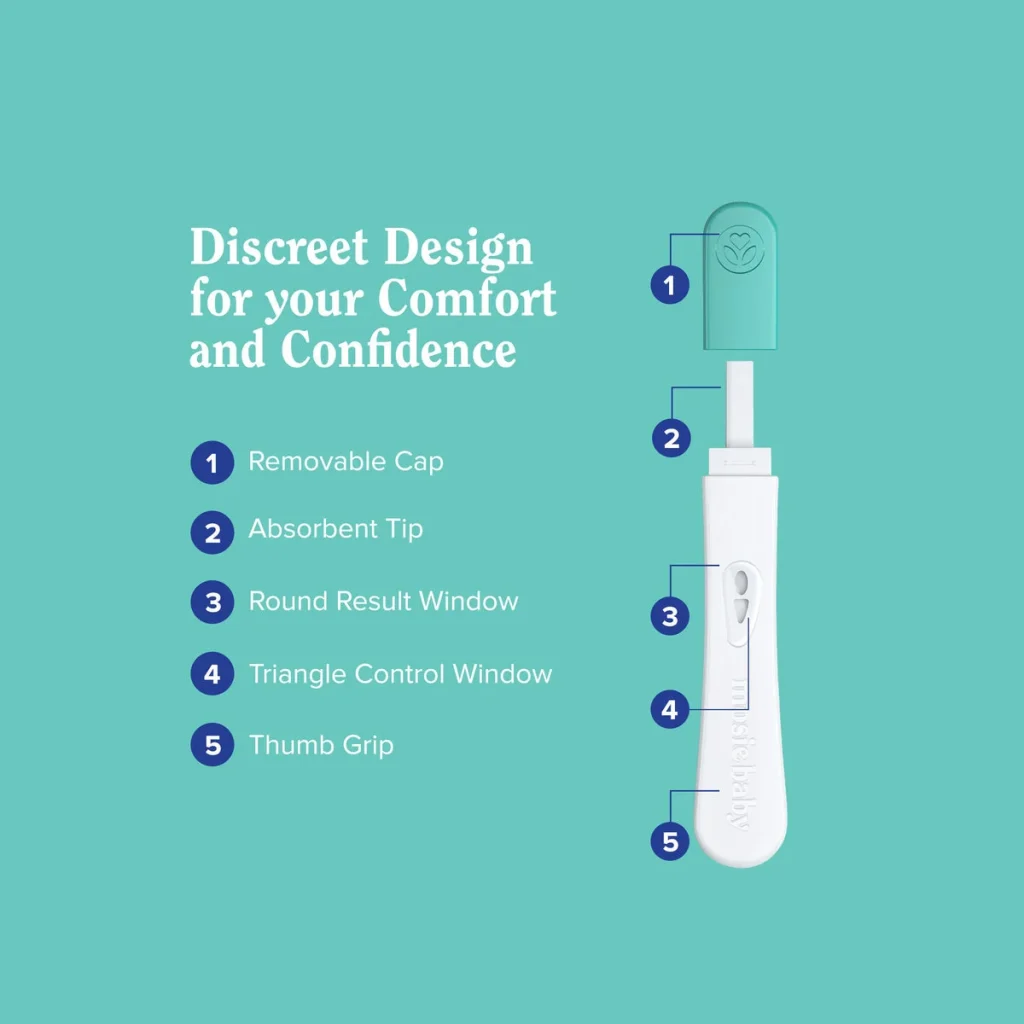
    pregnancy test kit features labeled for comfort and confidence on a teal background

    Frequently Asked Questions About Syringe Insemination for Infertility

    Syringe insemination, also known as intrauterine insemination (IUI), is a common fertility treatment option for couples struggling with infertility. It involves injecting sperm directly into the uterus, increasing the chances of fertilization. However, many people have questions and concerns about this procedure. In this blog post, we will answer some of the most frequently asked questions about syringe insemination for infertility. We will provide information on the process, success rates, risks, and more. By the end of this post, you will have a better understanding of syringe insemination and whether it may be the right choice for you.

  • Syringe Insemination and PCOS: A Game-Changing Solution

    Blog Post:

    Polycystic Ovary Syndrome (PCOS) is a common hormonal disorder that affects millions of women worldwide. This condition can lead to various symptoms, including irregular periods, excess androgen levels, and multiple cysts on the ovaries. One of the most challenging aspects of PCOS is its effect on fertility. Many women with PCOS struggle to get pregnant due to irregular ovulation or anovulation (lack of ovulation). However, recent advancements in medical technology have introduced a game-changing solution for women with PCOS who want to conceive – Syringe Insemination.

    Syringe Insemination, also known as Intracervical Insemination (ICI), is a simple and cost-effective fertility treatment that has shown promising results for women with PCOS. In this blog post, we will discuss what Syringe Insemination is, how it works, and why it is a game-changing solution for women with PCOS.

    What is Syringe Insemination?

    Syringe Insemination is a fertility treatment that involves placing sperm directly into a woman’s cervix using a syringe. It is a variation of Intrauterine Insemination (IUI), but instead of placing the sperm directly into the uterus, it is inserted into the cervix. This procedure can be done at home or in a fertility clinic, making it a convenient option for many women.

    How does Syringe Insemination work?

    The first step in Syringe Insemination is to stimulate ovulation. This can be done through medications such as Clomiphene citrate or Letrozole. These drugs help regulate the menstrual cycle and induce ovulation. Once ovulation is confirmed, the woman can proceed with the insemination process.

    The sperm sample, either from a partner or a donor, is washed and prepared in a laboratory. This process removes any non-moving or abnormal sperm, leaving behind a concentrated sample of healthy sperm. The prepared sperm is then drawn into a syringe with a catheter attached to the end.

    Next, the woman inserts the syringe into her vagina and guides the catheter into her cervix. The sperm is then injected into the cervix, where it can easily reach the uterus and fallopian tubes to fertilize an egg. After the insemination, the woman lies down for 15-20 minutes to allow the sperm to swim towards the egg.

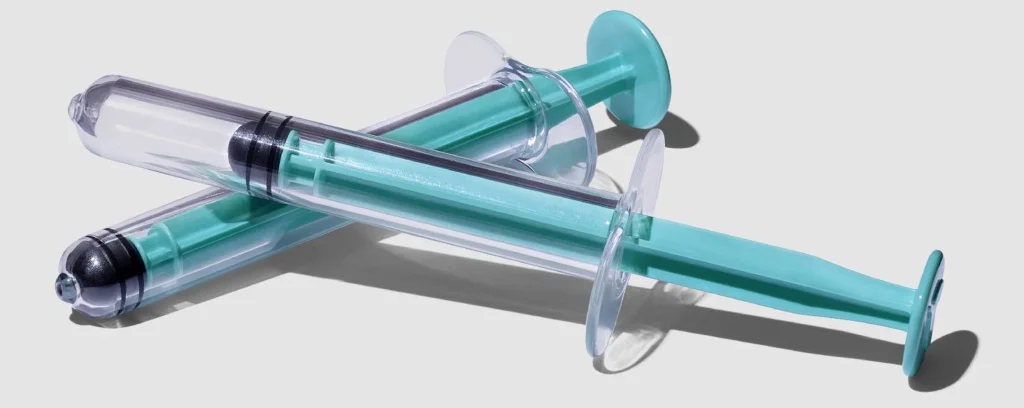
    Two transparent syringes with teal accents positioned diagonally on a light gray background.

    Syringe Insemination and PCOS: A Game-Changing Solution

    Why is Syringe Insemination a game-changing solution for PCOS?

    1. It bypasses the cervix: Women with PCOS often have thick cervical mucus, which can hinder the sperm’s ability to reach the egg. With Syringe Insemination, the sperm is placed directly into the cervix, bypassing any mucus and increasing the chances of conception.

    2. It increases sperm concentration: The washing and preparation of the sperm sample before insemination increase the concentration of healthy sperm. This means that more sperm can reach the egg, increasing the chances of fertilization.

    3. It is a low-cost option: Compared to other fertility treatments such as In Vitro Fertilization (IVF), Syringe Insemination is a much more affordable option. It can be done at home, eliminating the need for expensive clinic visits and procedures.

    4. It is less invasive: Many women with PCOS are hesitant to undergo invasive fertility treatments. Syringe Insemination offers a less invasive option with similar success rates, making it a popular choice among women with PCOS.

    5. It can be done at home: Unlike other fertility treatments that require multiple clinic visits, Syringe Insemination can be done at home. This means that women with PCOS can have more control and flexibility over the process, reducing the stress and anxiety often associated with fertility treatments.

    Success rates of Syringe Insemination for PCOS:

    Research has shown that Syringe Insemination has a success rate of 10-20% per cycle for women with PCOS. This is comparable to the success rates of IUI, which is often the go-to treatment for women with PCOS. However, unlike IUI, Syringe Insemination does not require any specialized equipment, making it a more accessible option for many women.

    Summary:

    Polycystic Ovary Syndrome (PCOS) can have a significant impact on a woman’s fertility, making it challenging to conceive. However, Syringe Insemination, also known as Intracervical Insemination (ICI), has emerged as a game-changing solution for women with PCOS who want to get pregnant. This simple and affordable fertility treatment bypasses the cervical mucus, increases sperm concentration, and can be done at home. It is a less invasive and low-cost option with comparable success rates to other fertility treatments. Syringe Insemination offers hope to women with PCOS and can be a game-changer in their journey towards motherhood.

  • Overcoming Male Factor Infertility with the Syringe Insemination Bundle

    Summary:

    Infertility can be a challenging and emotional journey, especially when it comes to male factor infertility. Fortunately, advancements in technology and medical treatments have made it possible for couples to overcome this obstacle and start a family of their own. One such treatment option is the Syringe Insemination Bundle, which offers a simple and effective solution for male factor infertility. In this blog post, we will delve into what male factor infertility is, how the Syringe Insemination Bundle works, and how it can help couples overcome this condition and achieve their dream of parenthood.

    Male Factor Infertility:

    Male factor infertility refers to the inability of a male partner to impregnate a female partner. It is estimated that male factor infertility affects about 40% of couples who are struggling with fertility issues. There are many factors that can contribute to male factor infertility, such as low sperm count, abnormal sperm shape or movement, hormonal imbalances, and genetic conditions. It can be a difficult and frustrating diagnosis for couples, as it can lead to feelings of shame, guilt, and self-blame. However, with the right treatment, male factor infertility can be successfully overcome.

    The Syringe Insemination Bundle:

    The Syringe Insemination Bundle is a treatment option that offers hope to couples dealing with male factor infertility. It is a simple and cost-effective method that can be done in the comfort of your own home. The bundle includes a syringe, sperm-friendly lubricant, and a step-by-step guide for the insemination process. It is designed to help couples bypass any potential barriers that may be preventing sperm from reaching the egg.

    How It Works:

    The Syringe Insemination Bundle works by collecting semen from the male partner and then using the syringe to deposit the sperm directly into the female partner’s cervix. This process eliminates any potential obstacles for sperm, such as cervical mucus, and increases the chances of fertilization. The bundle also includes sperm-friendly lubricant, which helps to create a more hospitable environment for the sperm to survive and reach the egg.

    Benefits of the Syringe Insemination Bundle:

    Colorful promotional image for Mosie Baby, featuring home insemination kit and encouraging text.

    Overcoming Male Factor Infertility with the Syringe Insemination Bundle

    There are several benefits of using the Syringe Insemination Bundle for male factor infertility. Firstly, it is a simple and non-invasive process that can be done in the comfort and privacy of your own home. This eliminates the need for frequent doctor visits and invasive procedures. Additionally, the bundle is affordable and can be easily purchased online. It also gives couples more control over the timing of insemination, increasing the chances of success.

    Success Rates:

    The success rates of the Syringe Insemination Bundle are impressive, with many couples reporting positive results. One study showed that the bundle had a success rate of 22%, which is comparable to other fertility treatments such as intrauterine insemination (IUI) and in vitro fertilization (IVF). However, the success rates may vary depending on the individual’s specific condition and circumstances.

    Tips for Using the Syringe Insemination Bundle:

    To increase the chances of success with the Syringe Insemination Bundle, here are a few tips to keep in mind:

    1. Follow the instructions carefully: It is essential to read and follow the instructions provided with the bundle carefully. This will ensure that the process is done correctly and increases the chances of success.

    2. Choose the right timing: It is crucial to time the insemination correctly, as sperm can only survive for a limited amount of time. The best time for insemination is around the time of ovulation.

    3. Have realistic expectations: While the Syringe Insemination Bundle has a high success rate, it is not a guarantee of pregnancy. It may take a few tries before achieving success, so it is important to have realistic expectations and not get discouraged.

    Conclusion:

    Male factor infertility can be a challenging condition to deal with, but it is not an insurmountable obstacle. The Syringe Insemination Bundle offers a simple and effective solution for couples struggling with this condition. With its affordable cost, ease of use, and high success rates, it is a treatment option worth considering for couples looking to start a family. So, if you or your partner are dealing with male factor infertility, do not lose hope. The Syringe Insemination Bundle may be just what you need to overcome this hurdle and achieve your dream of parenthood.

  • Mosie Insemination Solution and Single Parenthood: How It Can Help You Build a Family

    Blog Post Title: Mosie Insemination Solution and Single Parenthood: How It Can Help You Build a Family

    Summary:

    Parenthood is a dream for many individuals and couples, but for some, it may not come as easily as others. Single parenthood, in particular, can be a daunting and challenging journey. However, with advancements in assisted reproductive technology, there are now more options available for those who want to start a family on their own. One such option is Mosie Insemination Solution, a simple and effective at-home insemination kit designed to help individuals and couples conceive. In this blog post, we will explore how Mosie Insemination Solution can be a game-changer for single parenthood and how it can help you build the family you’ve always wanted.

    Mosie Insemination Solution: What is it?

    Mosie Insemination Solution is a patented at-home insemination kit that is designed to make the process of trying to conceive easier and more comfortable. It includes a specially designed syringe and a flexible, medical-grade silicone cervical cap that helps guide the sperm to the cervix. This method of insemination is known as “cervical cap insemination,” and it has been found to be highly effective in helping couples conceive. The kit also comes with detailed instructions and educational materials to guide users through the process.

    How can Mosie Insemination Solution help single parenthood?

    For single individuals who want to start a family, Mosie Insemination Solution can offer a more accessible and affordable alternative to traditional fertility treatments. With this kit, individuals can perform insemination in the comfort and privacy of their own home, without the need for expensive medical procedures. This can be a huge relief for those who may feel intimidated or overwhelmed by the idea of going through fertility treatments alone.

    Additionally, Mosie Insemination Solution allows individuals to take control of their fertility journey. It can be empowering for single parents to have a more active role in the conception process, rather than relying solely on a medical professional. It also gives them the flexibility to try insemination at a time that is most convenient for them, rather than scheduling appointments with doctors.

    Benefits of using Mosie Insemination Solution

    at-home insemination kit with syringes, collection cups, and instructions on a pink background

    Mosie Insemination Solution and Single Parenthood: How It Can Help You Build a Family

    Apart from being a more accessible and affordable option for single parenthood, there are other benefits to using Mosie Insemination Solution.

    1. Increased chances of conception: Studies have shown that the chances of conceiving through cervical cap insemination are comparable to those of intrauterine insemination (IUI). IUI is a more invasive and expensive fertility treatment that requires medical assistance.

    2. Minimal side effects: Unlike other fertility treatments, Mosie Insemination Solution is non-invasive and does not require any medications. This means that there are minimal side effects, and the process is gentle and comfortable.

    3. Private and discreet: Many individuals may not feel comfortable sharing their fertility journey with others. With Mosie Insemination Solution, individuals can perform insemination in the privacy of their own home, without the need for frequent visits to a doctor’s office.

    4. Cost-effective: Traditional fertility treatments can be expensive, and insurance may not cover all the costs. Mosie Insemination Solution is a one-time purchase that is significantly more affordable than other fertility treatments.

    5. Can be used with donor sperm: For individuals who choose to use donor sperm, Mosie Insemination Solution offers a convenient and discreet way to try insemination at home.

    Final Thoughts

    Parenthood is a deeply personal and meaningful journey, and there is no one-size-fits-all approach. For single individuals who want to start a family, Mosie Insemination Solution can offer a viable and effective option. It is a simple, discreet, and cost-effective way to try insemination at home, without the need for medical assistance. With Mosie Insemination Solution, single parenthood can be a more accessible and empowering journey.

    SEO metadata:

  • Mosie Insemination Solution: A Game-Changer in the Fertility Industry

    Summary:

    In the world of fertility treatments, there is a new player in town that is making waves and changing the game. Mosie Insemination Solution is a revolutionary product that offers a safe, effective, and affordable at-home insemination option for couples trying to conceive. With its unique design and success rate, Mosie has quickly become a game-changer in the fertility industry.

    The traditional methods of insemination often involve multiple trips to the doctor’s office and expensive procedures, making them inaccessible for many couples. Mosie offers a more convenient and cost-effective alternative that can be done in the comfort and privacy of one’s own home. But what exactly is Mosie and how does it work?

    Mosie Insemination Solution is a syringe-like device that is specifically designed for insemination. It was created by a husband and wife team, Maureen and Marc Brown, who struggled with fertility themselves. The idea for Mosie came to them when they realized the lack of options available for at-home insemination. After extensive research and testing, they developed a product that is easy to use and effective.

    So how does Mosie work? It’s simple. The Mosie kit includes two syringes, a lubricant, and an instruction manual. The syringes are designed to hold the sperm and then be inserted into the vagina, bypassing the cervix and placing the sperm closer to the opening of the uterus. The lubricant helps to create a more comfortable and natural experience, mimicking the body’s own cervical mucus. The step-by-step instructions make the process easy for couples to follow, even if they have no prior experience with insemination.

    Hands holding a syringe and a small container against a blue background.

    Mosie Insemination Solution: A Game-Changer in the Fertility Industry

    One of the key benefits of Mosie is its success rate. According to the company, over 80% of couples who used Mosie for three consecutive cycles were able to conceive. This success rate is comparable to traditional insemination methods done in a doctor’s office, but at a fraction of the cost. With Mosie, couples can save thousands of dollars while still having a high chance of conceiving.

    Another advantage of Mosie is its accessibility. Traditional insemination methods often require couples to have certain health conditions or undergo specific medical procedures. This can limit the options for many couples and make it difficult for them to conceive. Mosie, on the other hand, can be used by anyone regardless of their health conditions or medical history. This makes it a more inclusive and empowering option for couples trying to conceive.

    Additionally, Mosie offers a more private and intimate experience for couples. Many people find the process of going to a doctor’s office for insemination to be uncomfortable and intrusive. With Mosie, couples can perform the insemination in the comfort and privacy of their own home. This not only makes the process more comfortable for them but also strengthens their bond as a couple.

    Mosie has also received praise from the medical community. Many doctors and fertility specialists have recommended Mosie to their patients who are looking for at-home insemination options. Its simple design and effectiveness make it a reliable choice for couples trying to conceive. Mosie has also undergone clinical trials and received FDA clearance, further solidifying its credibility as a fertility solution.

    In conclusion, Mosie Insemination Solution is a game-changer in the fertility industry. Its unique design, high success rate, affordability, accessibility, and privacy make it a top choice for couples trying to conceive. By offering a safe and effective at-home insemination option, Mosie is empowering couples and giving them more control over their fertility journey. With Mosie, the dream of starting a family can become a reality for many couples.

  • Fertility Boosters: The Role of Insemination Syringe Systems in Pregnancy Planning

    Blog Post:

    Fertility Boosters: The Role of Insemination Syringe Systems in Pregnancy Planning

    Insemination syringe systems, also known as artificial insemination, have been used for centuries as a method of fertility treatment. This technique involves the placement of semen into the female reproductive tract, bypassing the natural barriers of the cervix and increasing the chances of fertilization. In recent years, the use of insemination syringe systems has gained popularity among couples trying to conceive, as it offers a less invasive and more affordable option compared to other fertility treatments. In this blog post, we will explore the role of insemination syringe systems in pregnancy planning and how they can boost fertility.

    Understanding Insemination Syringe Systems

    Insemination syringe systems are typically made up of a sterile syringe, a catheter, and a protective cap. The syringe is used to collect the semen sample, which is then inserted into the catheter. The catheter is then carefully placed into the cervix, allowing the semen to be deposited directly into the uterus. This process increases the chances of sperm reaching and fertilizing the egg, making it a highly effective method for couples struggling with fertility issues.

    Benefits of Insemination Syringe Systems

    There are several benefits to using insemination syringe systems for fertility treatment. First and foremost, it is a minimally invasive procedure, which means that it does not require any major medical intervention. This makes it a preferred option for couples who are not ready to undergo more invasive procedures such as in-vitro fertilization (IVF). Additionally, the cost of insemination syringe systems is significantly lower compared to other fertility treatments, making it a more affordable option for many couples.

    Another advantage of using insemination syringe systems is that it can be done at home, under the guidance of a healthcare professional. This eliminates the stress and cost associated with frequent visits to a fertility clinic. It also allows couples to feel more in control of their fertility journey, as they can perform the procedure in the comfort of their own home.

    blue box with "mosie" logo, syringes, and informational pamphlet on a pink background

    Fertility Boosters: The Role of Insemination Syringe Systems in Pregnancy Planning

    Boosting Fertility with Insemination Syringe Systems

    Insemination syringe systems can be beneficial for couples struggling with various fertility issues. One of the most common causes of infertility is a low sperm count or poor sperm quality. Insemination syringe systems can help overcome this issue by bypassing the natural barriers of the cervix and increasing the chances of sperm reaching the egg. This can significantly increase the chances of fertilization and pregnancy.

    Additionally, insemination syringe systems can also be helpful for couples with unexplained infertility. In these cases, there is no apparent reason why a couple is unable to conceive. Insemination syringe systems can help by providing a direct route for sperm to reach the egg, increasing the chances of successful fertilization.

    Insemination syringe systems can also be used in conjunction with fertility drugs, such as Clomid, to further boost fertility. These drugs can help stimulate ovulation, and when combined with insemination syringe systems, can increase the chances of pregnancy.

    Risks and Considerations

    While insemination syringe systems have many benefits, it is essential to consider the potential risks and limitations. One potential risk is the introduction of bacteria or infection into the reproductive tract. To minimize this risk, it is crucial to use a sterile syringe and catheter and to follow proper hygiene and sterilization techniques.

    It is also essential to keep in mind that insemination syringe systems are not a guaranteed method of achieving pregnancy. Success rates vary depending on factors such as sperm quality and timing of the procedure. It may take several attempts before achieving a successful pregnancy.

    Summary:

    Insemination syringe systems have been used for centuries as a method of fertility treatment. This technique involves the placement of semen into the female reproductive tract, bypassing the natural barriers of the cervix and increasing the chances of fertilization. In recent years, the use of insemination syringe systems has gained popularity among couples trying to conceive, as it offers a less invasive and more affordable option compared to other fertility treatments. Insemination syringe systems can be beneficial for couples struggling with various fertility issues, such as low sperm count or unexplained infertility. However, it is essential to consider potential risks and limitations and to consult with a healthcare professional before attempting the procedure at home.

  • Insemination Syringe Systems and IUI: Understanding the Key Differences

    Blog Post: Insemination Syringe Systems and IUI: Understanding the Key Differences

    Insemination is a popular method used to help couples or individuals conceive a child. It involves the introduction of sperm into the reproductive tract in order to fertilize an egg. There are two main types of insemination methods: Insemination Syringe Systems and Intrauterine Insemination (IUI). While both methods involve the use of a syringe to introduce sperm into the reproductive tract, there are key differences between them. In this blog post, we will explore the differences between Insemination Syringe Systems and IUI, and help you understand which method may be best for you.

    Insemination Syringe Systems:

    Insemination Syringe Systems, also known as at-home insemination, is a method that can be done in the comfort of your own home. This method involves using a syringe to inject sperm into the vagina or cervix. The sperm can either be from a sperm donor or from a partner. It is a simple, non-invasive method that has been used for many years by couples trying to conceive.

    One of the main benefits of Insemination Syringe Systems is that it is a cost-effective option for those who cannot afford the more expensive fertility treatments. It also gives couples the flexibility to try insemination at any time during the woman’s fertile window, without having to schedule appointments with a doctor. This method also allows for a more intimate and personal experience for the couple, as they can perform the insemination themselves in the comfort of their own home.

    However, there are some drawbacks to Insemination Syringe Systems. One of the main concerns is the lack of medical supervision. Without a doctor or fertility specialist present, it can be difficult to determine the exact timing and placement of the sperm. This can decrease the chances of successful fertilization. Additionally, there is a risk of contamination if the syringe is not properly sanitized, which can also decrease the chances of conception.

    Intrauterine Insemination (IUI):

    Intrauterine Insemination (IUI) is a more advanced method of insemination that is typically performed in a doctor’s office or fertility clinic. It involves a doctor inserting a thin catheter through the cervix and into the uterus to inject the sperm directly into the uterus. The sperm used in IUI is typically washed and prepared in a lab to increase the chances of fertilization.

    One of the main benefits of IUI is the higher success rates compared to Insemination Syringe Systems. Since the sperm is placed directly into the uterus, it has a better chance of reaching and fertilizing the egg. This method is also more closely monitored by a doctor, who can ensure that the timing and placement of the sperm are optimal for conception.

    However, IUI can be a more expensive option compared to at-home insemination. It also requires multiple visits to a doctor’s office, which can be inconvenient for some couples. Additionally, it may not be suitable for those with certain fertility issues, such as blocked fallopian tubes.

    comparison of Mosie syringe opening versus standard syringe opening with text highlighting benefits

    Insemination Syringe Systems and IUI: Understanding the Key Differences

    Key Differences between Insemination Syringe Systems and IUI:

    1. Location: Insemination Syringe Systems can be done at home, while IUI is typically performed in a doctor’s office or fertility clinic.

    2. Cost: Insemination Syringe Systems are a more cost-effective option compared to IUI.

    3. Medical supervision: Insemination Syringe Systems lack medical supervision, while IUI is performed by a doctor.

    4. Success rates: IUI has higher success rates compared to Insemination Syringe Systems.

    5. Timing and placement: IUI allows for more precise timing and placement of the sperm, increasing the chances of fertilization.

    Which method is right for you?

    The choice between Insemination Syringe Systems and IUI ultimately depends on your individual circumstances and preferences. If cost is a concern and you are comfortable with performing the insemination at home, Insemination Syringe Systems may be the better option. However, if you have fertility issues or are looking for a more closely monitored and successful method, IUI may be the better choice.

    In summary, Insemination Syringe Systems and IUI are two different methods of insemination with their own benefits and drawbacks. It is important to consult with a doctor or fertility specialist to determine which method is best for you based on your individual needs and circumstances. With the right method, you can increase your chances of successfully conceiving and starting a family.

    SEO metadata: