Tag: Fertility Medications

  • The Impact of Cervical Mucus on the Success of Fertility Treatments

    Blog Post:

    Cervical mucus, also known as cervical fluid, plays a crucial role in the success of fertility treatments. It is a natural, fluid-like substance produced by the cervix that helps sperm travel through the reproductive tract and fertilize an egg. While many people may not think much about cervical mucus, it can have a significant impact on the effectiveness of fertility treatments. In this blog post, we will dive into the importance of cervical mucus and how it can affect the success of various fertility treatments.

    The Role of Cervical Mucus in Fertility

    Cervical mucus serves many important functions in the reproductive process. It creates a hospitable environment for sperm, provides nourishment and protection, and helps sperm reach the egg. Without an adequate amount of cervical mucus, the chances of conception are significantly reduced. The consistency, quantity, and quality of cervical mucus can vary throughout a woman’s menstrual cycle, and these changes directly impact fertility.

    Cervical Mucus and Natural Conception

    When trying to conceive naturally, cervical mucus is essential for sperm to reach the egg. During ovulation, the cervix produces a large amount of clear, stretchy mucus that resembles raw egg whites. This type of mucus is known as “fertile” or “egg white” cervical mucus and is the most conducive to sperm survival and movement. It provides a pathway for sperm to swim through and protects them from the acidic environment of the vagina. If there is not enough fertile cervical mucus present, sperm may not be able to survive long enough to reach the egg, resulting in reduced chances of conception.

    Cervical Mucus and Fertility Treatments

    For couples undergoing fertility treatments, whether it be intrauterine insemination (IUI) or in vitro fertilization (IVF), the quality and quantity of cervical mucus are still crucial. During an IUI procedure, sperm is placed directly into the uterus, bypassing the cervical mucus. However, it is still essential for the cervix to produce fertile cervical mucus to help sperm reach the egg. Additionally, some fertility medications, such as Clomid, can cause a decrease in cervical mucus production, making it more challenging for sperm to reach the egg.

    Mosie Baby Kit with a syringe and container, highlighting safety and usability features on a blue background.

    The Impact of Cervical Mucus on the Success of Fertility Treatments

    In IVF, the egg is fertilized outside of the body and then transferred into the uterus. However, cervical mucus still plays a vital role in the success of IVF. It helps the embryo travel from the cervix into the uterus and provides nourishment and protection during this journey. Without sufficient fertile cervical mucus, the embryo may not be able to make it to the uterus, resulting in a failed IVF cycle.

    The Impact of Cervical Mucus on Fertility Medications

    Fertility medications are commonly used to stimulate ovulation and increase the chances of conception. However, these medications can also impact the quality and quantity of cervical mucus. Gonadotropins, a type of medication used to stimulate ovulation, can cause a decrease in cervical mucus production. This decrease can affect the sperm’s ability to reach the egg and reduce the chances of conception.

    On the other hand, medications such as Clomid can cause an increase in the production of hostile cervical mucus. Hostile cervical mucus is thick and sticky, making it difficult for sperm to swim through and reach the egg. In these cases, a fertility specialist may recommend using a sperm-friendly lubricant or performing an IUI to bypass the hostile cervical mucus.

    Measuring Cervical Mucus for Optimal Fertility

    Tracking and monitoring cervical mucus can be an effective way to determine when ovulation is about to occur and the best time to try to conceive. By paying attention to the changes in the consistency and quantity of cervical mucus, couples can increase their chances of conception. There are various methods of tracking cervical mucus, including the Billings Ovulation Method, the Creighton Model FertilityCare System, and the TwoDay Method. These methods can also be helpful for those undergoing fertility treatments, as it allows them to optimize their timing for procedures such as IUI or IVF.

    In summary, cervical mucus plays a crucial role in the success of fertility treatments. It provides a pathway for sperm to reach the egg, nourishment and protection for the sperm and embryo, and can even impact the effectiveness of fertility medications. By understanding the importance of cervical mucus and monitoring it throughout the menstrual cycle, couples can increase their chances of conceiving naturally or through fertility treatments.

    In conclusion, cervical mucus is a vital factor in the success of fertility treatments. It is necessary for sperm to reach the egg and plays a significant role in natural conception, IUI, and IVF. Changes in the quantity and quality of cervical mucus can also be affected by fertility medications, making it essential to monitor and track it. By understanding the role of cervical mucus in fertility and taking steps to optimize it, couples can increase their chances of conception and achieve their dream of starting a family.


  • Syringe Insemination and Fertility Medications: A Winning Combination

    Blog Post: Syringe Insemination and Fertility Medications: A Winning Combination

    Fertility issues are a common struggle for many couples trying to conceive. In these cases, assisted reproductive technologies (ART) such as syringe insemination and fertility medications have become increasingly popular options. These methods offer hope and a chance at parenthood for those struggling with infertility. But what exactly are syringe insemination and fertility medications, and how do they work together to improve the chances of conception? In this blog post, we will delve into the details of these two methods and explain why they are a winning combination for couples hoping to start a family.

    Understanding Syringe Insemination

    Syringe insemination, also known as intrauterine insemination (IUI), is a procedure in which prepared sperm is placed directly into a woman’s uterus using a thin, flexible tube (catheter) attached to a syringe. This method bypasses the cervix and places the sperm closer to the fallopian tubes, increasing the likelihood of fertilization. Syringe insemination can be performed with a partner’s sperm or donor sperm.

    The procedure is usually done in a doctor’s office and takes only a few minutes to complete. It is relatively painless and does not require any anesthesia. However, some women may experience mild cramping or discomfort during and after the procedure. To maximize the chances of success, syringe insemination is often performed around the time of ovulation when the woman’s egg is released from the ovary.

    Fertility Medications: Boosting the Chances of Conception

    Fertility medications are drugs that are used to stimulate ovulation or improve the quality of a woman’s eggs. These medications are often prescribed in combination with syringe insemination to increase the chances of conception. There are several types of fertility medications available, each with a different mechanism of action.

    One common type of fertility medication is clomiphene citrate, also known as Clomid. It works by stimulating the production of follicle-stimulating hormone (FSH) and luteinizing hormone (LH), which are essential for ovulation to occur. Another type is gonadotropins, which are injected hormones that directly stimulate the ovaries to produce multiple eggs. These medications are usually given as daily injections over a period of 7-12 days.

    The Winning Combination: Syringe Insemination and Fertility Medications

    Baby with blue eyes wearing a light blue onesie that says "made with Love" on a soft white background.

    Syringe Insemination and Fertility Medications: A Winning Combination

    Combining syringe insemination with fertility medications has proven to be a highly effective treatment for couples struggling with infertility. These two methods work together to optimize the chances of conception in several ways.

    Firstly, fertility medications increase the number and quality of a woman’s eggs, increasing the chances of fertilization during syringe insemination. This is particularly beneficial for women who have irregular ovulation or a low number of eggs.

    Secondly, by placing the sperm closer to the fallopian tubes, syringe insemination increases the likelihood of fertilization. This is especially helpful for couples where the male partner has a low sperm count or poor sperm motility.

    Thirdly, the timing of syringe insemination can be precisely controlled when used in conjunction with fertility medications. By monitoring a woman’s cycle and administering the medication at the optimal time, the chances of successful fertilization are significantly increased.

    Lastly, using syringe insemination with fertility medications avoids the potential complications and side effects associated with more invasive fertility treatments such as in vitro fertilization (IVF). It is a less invasive and more affordable option for couples seeking fertility treatment.

    Success Rates and Considerations

    The success rates of syringe insemination and fertility medications vary depending on factors such as the woman’s age, the cause of infertility, and the quality of the sperm. On average, the success rate for each cycle of syringe insemination is around 10-20%. However, when combined with fertility medications, the success rate can increase up to 20-30%.

    It is essential to note that syringe insemination and fertility medications may not be suitable for all couples struggling with infertility. It is crucial to consult with a fertility specialist to determine the best treatment plan based on individual circumstances.

    In summary, syringe insemination and fertility medications are two effective methods that can work together to increase the chances of conception for couples trying to conceive. These methods are less invasive and more affordable than other ART treatments, making them a popular choice for those struggling with fertility issues. With proper monitoring and timing, the success rates of this winning combination can be significantly improved, offering hope and the possibility of starting a family to those who need it most.

  • The Insemination Syringe Set: A Key Tool in Your Fertility Journey

    Blog Post:

    Deciding to start a family is a big decision and can be an exciting and emotional journey. For many couples, the process of getting pregnant may not be as straightforward as they had hoped. This is where fertility treatments come into play, and one key tool in these treatments is the insemination syringe set.

    The insemination syringe set, also known as an insemination kit, is a crucial tool in the fertility process. It is used to insert sperm into the cervix or uterus, making it easier for the sperm to reach the egg and increase the chances of conception. In this blog post, we will discuss everything you need to know about the insemination syringe set and how it can help in your fertility journey.

    Understanding the Insemination Syringe Set

    The insemination syringe set is a medical device that is used to deliver sperm directly into the cervix or uterus. It consists of a syringe, a catheter, and a collection cup. The syringe is used to collect the sperm, which is then inserted into the catheter. The catheter, a thin tube, is then inserted into the vagina and guided towards the cervix or uterus, where the sperm is released. The collection cup is used to store the sperm before it is placed into the syringe.

    The insemination syringe set is specifically designed for fertility treatments and is different from regular medical syringes. It has a larger capacity to hold the sperm and a longer and thinner catheter for easier insertion. It also has a soft and flexible tip to prevent any discomfort during the procedure.

    How Does the Insemination Syringe Set Work?

    The insemination syringe set is used in intrauterine insemination (IUI) and intracervical insemination (ICI) procedures. These procedures involve placing the sperm directly into the reproductive tract, bypassing any potential barriers and increasing the chances of conception.

    In IUI, the sperm is inserted into the uterus, while in ICI, it is placed in the cervix. The insemination syringe set is used in both procedures to deliver the sperm to the desired location.

    The use of the insemination syringe set is often combined with fertility medications to stimulate ovulation and increase the chances of conception. It can also be used in conjunction with other fertility treatments, such as in vitro fertilization (IVF) and donor insemination.

    Benefits of Using the Insemination Syringe Set

    There are several benefits of using the insemination syringe set in your fertility journey. Here are a few of them:

    Mosie Baby pregnancy test kit with two tests and packaging, featuring a mint green color scheme.

    The Insemination Syringe Set: A Key Tool in Your Fertility Journey

    1. Increased Chances of Conception: The insemination syringe set is specifically designed to deliver sperm to the reproductive tract, making it easier for the sperm to reach the egg. It increases the chances of conception, especially for couples who may have difficulties with natural conception.

    2. Less Invasive: Compared to other fertility treatments, such as IVF, insemination is a less invasive procedure. It does not require any surgical procedures, which can be stressful and costly.

    3. Cost-Effective: Insemination is a more cost-effective fertility treatment compared to other options, such as IVF. The insemination syringe set is a one-time purchase, making it a more affordable option for couples looking to start a family.

    4. More Control: With the insemination syringe set, the sperm is placed directly into the reproductive tract, giving you more control over the timing of conception. This can be especially helpful for couples with busy schedules or those who want to time their conception with ovulation.

    Choosing the Right Insemination Syringe Set

    When it comes to choosing an insemination syringe set, there are a few things to consider. Firstly, it is essential to purchase a set that is specifically designed for fertility treatments and not regular medical syringes. This ensures that the set is safe and effective for use in fertility procedures.

    You should also consider the size of the syringe and catheter. A larger syringe will hold more sperm and make the process more efficient. The catheter should also be long enough to reach the desired location without causing any discomfort.

    It is also important to purchase your insemination syringe set from a reputable source, such as a fertility clinic or a trusted online retailer. This ensures that you are getting a high-quality product that has been properly sterilized and is safe for use.

    In Summary

    The insemination syringe set is a crucial tool in fertility treatments, such as IUI and ICI. It is designed to deliver sperm directly into the reproductive tract, increasing the chances of conception. Using this set, along with fertility medications, can help couples struggling with conception to achieve their dream of starting a family. When choosing an insemination syringe set, it is important to consider the size, quality, and source of the product to ensure safe and effective use.
    In conclusion, the insemination syringe set is a key tool in your fertility journey and can greatly increase your chances of conception. With its many benefits and ease of use, it is no wonder that this set has become a vital part of fertility treatments for many couples.

    SEO metadata:

  • The Role of Timing and Frequency in Syringe Insemination for Infertility

    Blog Post:

    Infertility affects millions of couples worldwide, with approximately 10-15% of couples struggling to conceive. For couples facing this challenge, there are various methods available to assist with conception, including syringe insemination. This method involves injecting semen into the cervix using a syringe, bypassing any potential barriers in the reproductive system. However, the success of syringe insemination relies heavily on the timing and frequency of the procedure. In this blog post, we will delve into the role of timing and frequency in syringe insemination for infertility and how it can increase the chances of a successful conception.

    Timing in Syringe Insemination:

    Timing is a crucial factor in syringe insemination as it directly impacts the viability of the sperm and the receptivity of the female reproductive system. The fertile window for a woman typically occurs around the time of ovulation, when the egg is released from the ovary. This window usually lasts for 12-24 hours, and it is during this time that the sperm needs to reach the egg for fertilization to occur. Therefore, timing the syringe insemination procedure to coincide with the fertile window is crucial for maximizing the chances of conception.

    To determine the best time for syringe insemination, couples can use various methods such as tracking basal body temperature, monitoring cervical mucus, and using ovulation predictor kits. Basal body temperature refers to the body’s temperature at rest, which slightly increases during ovulation. Monitoring changes in cervical mucus can also help determine the fertile window as it becomes thinner and clearer during ovulation, allowing sperm to swim through more easily. Ovulation predictor kits, which detect the surge of luteinizing hormone (LH) in the body, can also help pinpoint the fertile window.

    Frequency in Syringe Insemination:

    Along with timing, the frequency of syringe insemination is another crucial factor that can increase the chances of a successful conception. The recommendation is to have syringe insemination every 24-48 hours during the fertile window. This frequency ensures that there is a constant supply of sperm in the reproductive system, increasing the chances of one of them reaching the egg for fertilization.

    Having syringe insemination too frequently, for example, every 12 hours, can decrease sperm count and quality. This is because the sperm needs time to replenish and mature before each insemination. On the other hand, having syringe insemination less frequently, for example, once every 72 hours, may not provide enough sperm to reach the egg during the fertile window. Therefore, it is essential to find a balance and stick to the recommended frequency of every 24-48 hours.

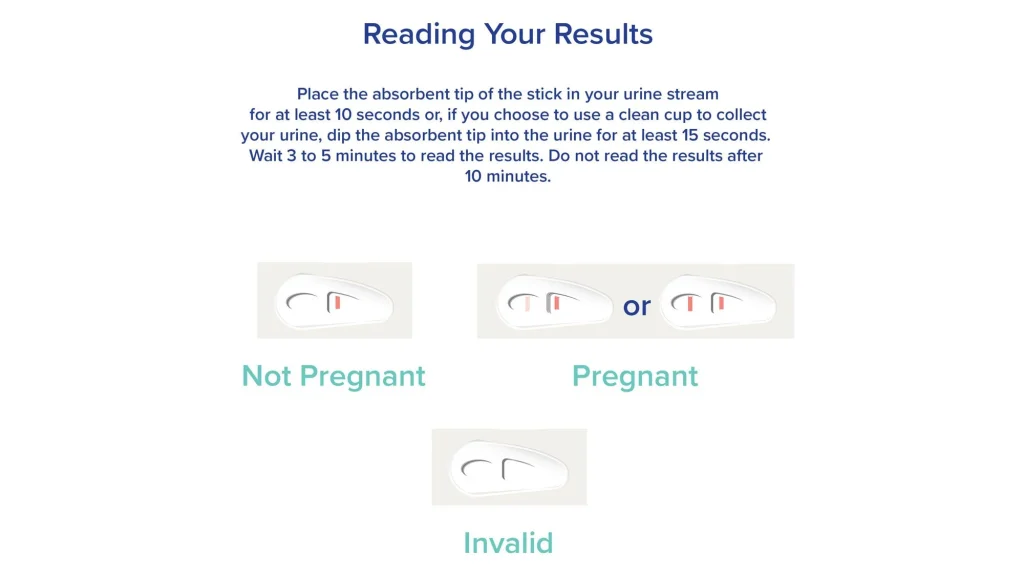
    Instructions for reading pregnancy test results with visual indicators for "Not Pregnant," "Pregnant," and "Invalid.

    The Role of Timing and Frequency in Syringe Insemination for Infertility

    The Importance of Sperm Quality in Syringe Insemination:

    Apart from timing and frequency, the quality of sperm also plays a significant role in the success of syringe insemination. When using this method, the sperm needs to travel a shorter distance to reach the egg compared to natural conception. Therefore, it is crucial to ensure that the sperm is healthy and of good quality to increase the chances of fertilization.

    Certain lifestyle factors can affect sperm quality, such as smoking, excessive alcohol consumption, and poor diet. It is recommended for both partners to adopt a healthy lifestyle before undergoing syringe insemination. This includes maintaining a healthy weight, exercising regularly, and avoiding harmful substances like tobacco and drugs. Additionally, taking a multivitamin supplement that includes folic acid, zinc, and selenium can also improve sperm quality.

    Other Factors Affecting Syringe Insemination Success:

    Apart from timing, frequency, and sperm quality, there are other factors that can affect the success of syringe insemination. These include the age of the woman, underlying medical conditions, and the use of fertility medications. As a woman ages, the quality and quantity of her eggs decrease, making it more challenging to conceive. Certain medical conditions such as polycystic ovary syndrome (PCOS) or endometriosis can also affect fertility. In such cases, it is crucial to address these issues before attempting syringe insemination. Additionally, fertility medications can be used to stimulate ovulation and increase the chances of conception.

    In conclusion, timing and frequency play a crucial role in the success of syringe insemination for infertility. By accurately determining the fertile window and following the recommended frequency, couples can increase their chances of a successful conception. It is also important to maintain a healthy lifestyle and address any underlying medical conditions to improve the quality of sperm and eggs. With the right approach, syringe insemination can be an effective method for couples struggling with infertility.

    Summary:

    Syringe insemination is a method used to assist with conception in couples facing infertility. The success of this method relies heavily on the timing and frequency of the procedure. Timing is crucial as it determines the fertile window, and frequency ensures a constant supply of sperm. Sperm quality is also essential, and maintaining a healthy lifestyle and addressing any medical conditions can improve the chances of success. Other factors such as age and fertility medications can also affect the success of syringe insemination.

  • Syringe Insemination and Fertility Medications: Understanding the Process

    Syringe Insemination and Fertility Medications: Understanding the Process

    Fertility issues are relatively common, with approximately 15% of couples experiencing difficulty conceiving. Fortunately, there are numerous medical treatments available to help couples achieve their dream of starting a family. One of these treatments is syringe insemination, also known as intrauterine insemination (IUI), and it is often paired with fertility medications. In this blog post, we will explore the process of syringe insemination and fertility medications, and how they work together to increase the chances of conception.

    What is Syringe Insemination?

    Syringe insemination, or IUI, is a fertility treatment that involves placing sperm directly into a woman’s uterus during ovulation. This procedure is typically done in a doctor’s office and is relatively quick and painless. The goal of IUI is to increase the chances of fertilization by bringing the sperm closer to the egg.

    Who is a Candidate for Syringe Insemination?

    Syringe insemination is often recommended for couples who have been trying to conceive for at least a year without success. It can also be used for individuals with certain fertility issues, such as low sperm count or motility, endometriosis, or unexplained infertility. It may also be recommended for same-sex couples or single women who are trying to conceive.

    Understanding the Process of Syringe Insemination

    The process of syringe insemination begins with the woman taking fertility medications to stimulate the production of eggs. These medications can include oral medication or injections and are used to increase the number of mature eggs produced during a woman’s cycle. This step is crucial as it helps to increase the chances of fertilization during the IUI procedure.

    Hands holding a syringe and a small container against a blue background.

    Syringe Insemination and Fertility Medications: Understanding the Process

    Once the eggs are mature, a woman will undergo an ultrasound to determine when she is ovulating. This is crucial as the IUI procedure needs to be done at the right time to maximize the chances of success. A semen sample is then collected from the male partner or a donor and washed to remove any impurities.

    The insemination procedure itself is relatively simple and painless. The washed sperm is placed into a thin, flexible catheter, which is then inserted into the cervix and into the uterus. The sperm is then released into the uterus, where it can swim towards the egg and hopefully fertilize it. The entire process takes only a few minutes, and the woman can go about her day immediately after.

    Fertility Medications Used in Syringe Insemination

    As mentioned earlier, fertility medications are a crucial part of the syringe insemination process. These medications are used to stimulate the production of eggs and increase the chances of fertilization. The most commonly used fertility medication in IUI is clomiphene citrate, which is an oral medication that stimulates the release of hormones necessary for ovulation. Gonadotropins, which are injectable hormones, may also be used to stimulate the ovaries to produce multiple eggs.

    In some cases, fertility medications may also be used to prepare the woman’s body for pregnancy. For example, progesterone supplements may be prescribed to help thicken the lining of the uterus, making it easier for a fertilized egg to implant.

    Success Rates of Syringe Insemination

    The success rates of syringe insemination can vary depending on various factors, such as the age of the woman, the cause of infertility, and the number of mature eggs produced. On average, the success rate for syringe insemination is around 10-20% per cycle. However, this success rate can increase to 60-70% after three to six cycles.

    It is also worth noting that the success rate of syringe insemination can be significantly affected by the quality and quantity of the sperm used. Therefore, it is crucial to choose a reputable fertility clinic with experienced doctors and advanced laboratory techniques to maximize the chances of success.

    In summary, syringe insemination, or IUI, is a fertility treatment that involves placing sperm directly into a woman’s uterus during ovulation. It is often paired with fertility medications to increase the chances of conception. The process involves taking fertility medications to stimulate the production of eggs, monitoring ovulation, and then performing the IUI procedure. While success rates can vary, syringe insemination has helped countless couples and individuals achieve their dream of starting a family.

  • Syringe Insemination Collection: An Essential Tool for Fertility

    Syringe Insemination Collection: An Essential Tool for Fertility

    Fertility is a topic that affects many people, whether they are trying to conceive or facing infertility challenges. With advancements in technology and medical procedures, there are now various methods available to assist individuals and couples in their journey towards parenthood. One such method is syringe insemination collection, which has proven to be a valuable tool in fertility treatments. In this blog post, we will delve into the details of syringe insemination collection and explore how it has become an essential tool for fertility.

    What is Syringe Insemination Collection?

    Syringe insemination collection, also known as intrauterine insemination (IUI), is a fertility treatment that involves placing sperm directly into a woman’s uterus during her ovulation period. The process is relatively simple and is typically performed in a doctor’s office or fertility clinic.

    The first step of syringe insemination collection is to collect a semen sample from the male partner. This sample is then washed and prepared in a laboratory to separate the sperm from the seminal fluid. The goal is to obtain a concentrated sample of healthy and active sperm, which will increase the chances of successful fertilization.

    The next step involves the insertion of a thin, flexible catheter into the woman’s cervix. A syringe containing the prepared sperm sample is then attached to the catheter, and the sperm is gently injected into the uterus. This process is timed to coincide with the woman’s ovulation, increasing the likelihood of the sperm reaching the egg and fertilizing it.

    Why is Syringe Insemination Collection an Essential Tool for Fertility?

    1. Non-invasive Procedure

    One of the main reasons why syringe insemination collection has become an essential tool for fertility is that it is a non-invasive procedure. Unlike other fertility treatments such as in-vitro fertilization (IVF), which involves surgical procedures, IUI is a relatively simple and painless process. This makes it a more appealing option for couples who are trying to conceive.

    2. Low-Risk Procedure

    hand holding a pregnancy test with instructions on a colorful background

    Syringe Insemination Collection: An Essential Tool for Fertility

    Compared to other fertility treatments, syringe insemination collection has a lower risk of complications. Since it does not involve any surgery or general anesthesia, the chances of adverse reactions or infections are minimal. This makes it a safe option for individuals and couples who are concerned about the potential risks associated with other fertility treatments.

    3. Cost-effective

    Another advantage of syringe insemination collection is that it is a cost-effective fertility treatment. Compared to IVF, which can be a costly and lengthy process, IUI is a more affordable option. This makes it accessible to a wider range of couples who may not be able to afford more expensive treatments.

    4. Increased Chances of Conception

    Syringe insemination collection has been proven to increase the chances of conception. By placing the sperm directly into the uterus, the sperm has a shorter distance to travel to reach the egg, increasing the likelihood of fertilization. It is also beneficial for couples who may have difficulties with sperm motility or a low sperm count.

    5. Can be Combined with Other Fertility Treatments

    Syringe insemination collection can also be used in combination with other fertility treatments, such as fertility medications. This can further increase the chances of conception and make the treatment more effective. It is often used in cases where other treatments, such as fertility drugs, have not been successful.

    In Summary

    Fertility is a complex and personal journey, and syringe insemination collection has become an essential tool in this process. This simple and non-invasive procedure has helped many couples achieve their dream of starting a family. With its low risk and cost-effective nature, syringe insemination collection has become a preferred option for many individuals and couples facing fertility challenges. When combined with other fertility treatments, it can significantly increase the chances of conception and make the journey towards parenthood a little easier.

    SEO Metadata:

  • Syringe Insemination and Unexplained Infertility: What You Need to Know

    Blog Post Title: Syringe Insemination and Unexplained Infertility: What You Need to Know

    Summary:

    Infertility affects millions of couples around the world, with approximately 1 in 8 couples struggling to conceive. While there are various known causes of infertility, such as hormonal imbalances, blocked fallopian tubes, or low sperm count, there is a subset of couples that fall under the category of “unexplained infertility.” This means that all the standard fertility tests and examinations have shown no obvious cause for their inability to conceive.

    In recent years, a new technique called syringe insemination has emerged as a potential solution for couples with unexplained infertility. This method involves using a syringe to inject the sperm directly into the cervix, bypassing the need for natural fertilization.

    In this blog post, we will delve deeper into the concept of syringe insemination and its effectiveness in treating unexplained infertility. We will also discuss the potential risks and side effects, as well as alternative treatments for couples struggling with this type of infertility.

    What is Syringe Insemination?

    Syringe insemination, also known as intracervical insemination (ICI), is a fertility treatment that involves manually injecting sperm into the cervix using a syringe. It is a non-invasive procedure that can be performed at home or in a clinical setting.

    The process of syringe insemination is relatively simple. The sperm is collected through masturbation or a special collection condom and then washed and prepared in a laboratory to remove any impurities. Once the sperm is ready, it is drawn into a syringe and inserted into the vagina, with the tip of the syringe placed near the cervix. The sperm is then slowly injected into the cervix.

    Syringe insemination can be done at home by the couple themselves or with the help of a healthcare professional. In a clinical setting, the procedure is usually performed by a fertility specialist or nurse.

    How Effective is Syringe Insemination for Unexplained Infertility?

    The success rates of syringe insemination vary depending on several factors, such as the age of the woman, the quality of the sperm, and the timing of the insemination. Studies have shown that syringe insemination has a success rate of around 10-15% per cycle, which is lower than other fertility treatments such as in vitro fertilization (IVF) or intrauterine insemination (IUI).

    However, for couples with unexplained infertility, syringe insemination may be a viable option as it has been shown to improve their chances of conception significantly. This is because it bypasses any potential barriers or issues in the woman’s reproductive system, such as cervical mucus or hormonal imbalances.

    Risks and Side Effects of Syringe Insemination

    Mosie Baby Kit with a syringe and container, highlighting safety and usability features on a blue background.

    Syringe Insemination and Unexplained Infertility: What You Need to Know

    Syringe insemination is generally considered a safe and non-invasive procedure with minimal risks. However, as with any medical procedure, there are some potential risks and side effects to consider.

    The most common side effect of syringe insemination is cramping or discomfort during or after the procedure. Some women may also experience spotting or light bleeding, which is usually normal and should subside within a day or two.

    There is also a small risk of infection, although this is rare. To minimize this risk, it is essential to ensure that all equipment, including syringes and collection containers, is sterile and properly cleaned.

    Another risk to consider is the potential for an allergic reaction to the sperm or the lubricant used during the procedure. If you or your partner have any known allergies, it is essential to discuss this with your healthcare provider before undergoing syringe insemination.

    Alternative Treatments for Unexplained Infertility

    Syringe insemination is just one of the many fertility treatments available for couples with unexplained infertility. Depending on the underlying cause of your infertility, your doctor may recommend alternative treatments such as intrauterine insemination (IUI), in vitro fertilization (IVF), or fertility medications.

    IUI involves placing washed sperm directly into the uterus, which can increase the chances of fertilization. IVF, on the other hand, involves retrieving eggs from the woman’s ovaries and fertilizing them with sperm in a laboratory before transferring the resulting embryos into the uterus.

    Fertility medications, such as clomiphene or letrozole, can also be prescribed to stimulate ovulation in women or improve sperm count and motility in men.

    In some cases, lifestyle changes such as maintaining a healthy weight, quitting smoking, reducing alcohol intake, and managing stress can also improve fertility in couples with unexplained infertility.

    Conclusion

    Syringe insemination is a relatively new and promising treatment for couples with unexplained infertility. While it may not be as effective as other fertility treatments, it offers a non-invasive and affordable solution for couples who have not been able to conceive naturally.

    If you are considering syringe insemination, it is essential to consult with a fertility specialist to determine if it is the right option for you. They can also guide you through the process and answer any questions or concerns you may have.

    Remember, infertility can be a challenging and emotional journey, but with the right treatment and support, many couples can achieve their dream of starting a family.

    SEO metadata:

  • Maximizing Your Chances: Combining the Insemination Syringe Combo with Other Fertility Methods

    Blog Post Title: Maximizing Your Chances: Combining the Insemination Syringe Combo with Other Fertility Methods

    Summary:

    Fertility struggles can be a difficult and emotional journey for many couples. In recent years, the use of the insemination syringe combo has become a popular method for increasing the chances of conception. This method involves using a syringe to insert semen into the cervix, bypassing the need for traditional intercourse. While this technique has shown promising results, many experts suggest combining it with other fertility methods to maximize the chances of success. In this blog post, we will explore the benefits of combining the insemination syringe combo with other fertility methods and how it can increase your chances of conception.

    The first step to maximizing your chances of conception is to understand the various fertility methods available. In addition to the insemination syringe combo, there are several other options such as intrauterine insemination (IUI), in vitro fertilization (IVF), and fertility medications. Each method has its own benefits and success rates, and it is essential to consult with a fertility specialist to determine which option is best for you.

    Combining the insemination syringe combo with IUI has been shown to increase the chances of conception. IUI involves placing washed and concentrated sperm directly into the uterus, bypassing the need for the sperm to travel through the cervix. By using the insemination syringe combo to insert the sperm, the process becomes more efficient and increases the chances of fertilization. This combination has a success rate of up to 26% per cycle, making it a popular choice for couples struggling with fertility.

    Smiling baby in a blue onesie with "made with Love" text, lying on a light blue crocheted blanket.

    Maximizing Your Chances: Combining the Insemination Syringe Combo with Other Fertility Methods

    Another fertility method that can be combined with the insemination syringe combo is IVF. IVF involves retrieving eggs from the ovaries and fertilizing them with sperm in a laboratory. The fertilized eggs are then transferred back into the uterus, increasing the chances of implantation and pregnancy. By using the insemination syringe combo to insert the fertilized eggs, the process becomes more precise and may increase the chances of success. This combination has a success rate of up to 40% per cycle, making it a highly effective option for couples struggling with fertility.

    Fertility medications, such as clomiphene citrate or letrozole, are often used to stimulate ovulation in women who have irregular or absent menstrual cycles. These medications can be combined with the insemination syringe combo to increase the chances of conception. By using the syringe to insert the semen, the medication can be delivered directly to the cervix, making it more effective in stimulating ovulation. This combination has a success rate of up to 20% per cycle, making it a viable option for couples with ovulation issues.

    Apart from combining the insemination syringe combo with other fertility methods, there are also lifestyle changes and supplements that can increase the chances of conception. Maintaining a healthy diet, exercising regularly, and managing stress levels can all contribute to a healthy reproductive system. Additionally, certain supplements, such as folic acid, CoQ10, and vitamin D, have been shown to improve fertility in both men and women. It is essential to consult with a healthcare professional before starting any supplements to ensure they are safe and effective for you.

    In addition to combining fertility methods, timing is crucial when trying to conceive. Tracking your ovulation and having intercourse during your most fertile days can significantly increase the chances of pregnancy. Ovulation predictor kits and fertility apps can help you determine your fertile window and increase your chances of conception.

    In conclusion, while the insemination syringe combo has shown promising results, combining it with other fertility methods can significantly increase the chances of conception. By working with a fertility specialist, you can determine which methods are best for you and create a personalized treatment plan. Additionally, making lifestyle changes and tracking your ovulation can also contribute to a successful pregnancy. Remember to be patient and stay positive during this journey, and with the right combination of fertility methods, you can maximize your chances of conceiving.

  • The Insemination Syringe Combo and Fertility Medications: A Comprehensive Guide

    The Insemination Syringe Combo and Fertility Medications: A Comprehensive Guide

    Fertility issues can be a source of great stress and frustration for couples trying to conceive. Fortunately, there are a variety of fertility treatments available that can increase the chances of pregnancy. In this comprehensive guide, we will explore the use of the insemination syringe combo and fertility medications in aiding conception.

    What is the Insemination Syringe Combo?

    The insemination syringe combo, also known as the sperm syringe, is a simple device used in artificial insemination. It consists of a syringe and a flexible catheter that is inserted into the cervix to deposit sperm into the uterus. This method is commonly used by couples with fertility issues or by single women and same-sex couples who want to conceive through donor sperm.

    How Does the Insemination Syringe Combo Work?

    The insemination syringe combo works by bypassing the cervix and depositing the sperm directly into the uterus. This increases the chances of the sperm reaching the egg for fertilization. The procedure is usually done at home, making it a more convenient and cost-effective option compared to other fertility treatments.

    Preparing for Insemination

    Before using the insemination syringe combo, it is important to track ovulation using ovulation predictor kits or basal body temperature charts. This will ensure that the sperm is deposited at the most fertile time of the woman’s cycle. It is also recommended to abstain from sexual intercourse for two to three days before insemination to increase sperm count.

    Choosing the Right Fertility Medications

    To further increase the chances of conception, fertility medications may be prescribed by a doctor. These medications work by stimulating ovulation and regulating hormone levels. The type of medication prescribed will depend on the cause of infertility and the individual’s medical history.

    Clomiphene citrate, also known as Clomid, is a commonly prescribed oral medication that helps stimulate ovulation. It works by blocking the effects of estrogen in the body, which triggers the release of follicle-stimulating hormone (FSH) and luteinizing hormone (LH). These hormones are essential for the development and release of eggs.

    guide and materials for using Mosie Baby fertility kit on a textured surface

    The Insemination Syringe Combo and Fertility Medications: A Comprehensive Guide

    Gonadotropin injections, such as follicle-stimulating hormone (FSH) and luteinizing hormone (LH), are another type of fertility medication. These hormones are administered through injections and work by directly stimulating the ovaries to produce eggs.

    Intrauterine insemination (IUI) is a fertility treatment that involves placing washed sperm directly into the uterus using a catheter. This method is often combined with fertility medications to increase the chances of pregnancy.

    Risks and Side Effects

    As with any medical treatment, there are potential risks and side effects associated with the insemination syringe combo and fertility medications. Some women may experience mild side effects such as hot flashes, headaches, and bloating. More serious risks include multiple pregnancies and ovarian hyperstimulation syndrome (OHSS). It is important to discuss these risks with a doctor before starting any fertility treatment.

    Success Rates

    The success rates of the insemination syringe combo and fertility medications vary depending on the individual’s age, overall health, and the cause of infertility. On average, the success rate of IUI combined with fertility medications is around 20% per cycle. However, it may take multiple cycles to achieve a successful pregnancy.

    Other Factors to Consider

    While the insemination syringe combo and fertility medications can increase the chances of pregnancy, there are other factors that can affect fertility. These include age, weight, and overall health. It is important to maintain a healthy lifestyle, eat a balanced diet, and manage stress to improve the chances of conception.

    In conclusion, the insemination syringe combo and fertility medications can be effective in helping couples and individuals conceive. It is essential to discuss all options with a doctor and follow the recommended guidelines for best results. With the right combination of treatments and a healthy lifestyle, parenthood may be just around the corner.

    Summary:

    The insemination syringe combo, also known as the sperm syringe, is a simple device used in artificial insemination to deposit sperm directly into the uterus. This method is commonly used by couples with fertility issues or by single women and same-sex couples who want to conceive through donor sperm. Combined with fertility medications such as Clomiphene citrate and gonadotropin injections, the success rate of pregnancy can increase. However, it is important to consider other factors such as age, weight, and overall health in the journey towards parenthood.

  • Reasons to Choose the Insemination Syringe Combo for Your Fertility Journey

    Blog Post:

    For couples and individuals who are struggling with infertility, the journey to starting a family can be a long and emotionally taxing one. Many turn to various methods and treatments in hopes of conceiving, and one option that has gained popularity in recent years is the insemination syringe combo. This method involves using an insemination syringe to deliver sperm directly into the cervix or uterus, bypassing any potential obstacles or barriers that may hinder natural conception. In this blog post, we will discuss the various reasons why the insemination syringe combo may be the right choice for your fertility journey.

    1. Cost-Effective

    One of the biggest reasons why many choose the insemination syringe combo is its affordability. Compared to other fertility treatments such as in vitro fertilization (IVF), which can cost tens of thousands of dollars, the insemination syringe combo is a much more budget-friendly option. The cost of an insemination syringe is typically less than $20, making it a more accessible choice for those who may not have the financial resources for more expensive treatments.

    2. Non-Invasive

    Another advantage of the insemination syringe combo is that it is a non-invasive procedure. Unlike IVF or other fertility treatments that may involve surgeries or invasive procedures, the insemination syringe combo simply requires the insertion of a small syringe into the cervix or uterus. This makes it a more comfortable and less intimidating option for many individuals and couples.

    3. Can be Done at Home

    The insemination syringe combo can also be done at home, which is a huge convenience for many. This means that couples can perform the procedure in the comfort and privacy of their own home without having to go to a fertility clinic. This also eliminates the added stress and pressure of scheduling appointments and traveling to and from the clinic.

    4. Increased Chance of Success

    Baby with blue eyes wearing a light blue onesie that says "made with Love" on a soft white background.

    Reasons to Choose the Insemination Syringe Combo for Your Fertility Journey

    For couples with male factor infertility, the insemination syringe combo can greatly increase their chances of success. By delivering the sperm directly into the cervix or uterus, the sperm has a shorter distance to travel to reach the egg, making it more likely to fertilize it. This is especially beneficial for couples who have been trying to conceive for a long time without success.

    5. Can be Used with Donor Sperm

    For same-sex couples or single individuals, the insemination syringe combo is a great option for using donor sperm. The donor sperm can be purchased from a sperm bank and used in the insemination syringe to increase the chances of conception. This gives individuals and couples who may not have other options, the opportunity to start a family.

    6. Can be Combined with Fertility Medications

    In some cases, the use of fertility medications can increase the chances of success with the insemination syringe combo. These medications can help stimulate ovulation and produce more eggs, increasing the chances of fertilization and pregnancy. This combination of methods can be a highly effective approach for couples struggling with infertility.

    7. Less Stressful than Other Methods

    Compared to other fertility treatments, the insemination syringe combo may be a less stressful option for many individuals and couples. The simplicity of the procedure and the fact that it can be done at home can alleviate some of the stress and pressure that comes with trying to conceive. This can have a positive impact on both physical and emotional well-being during the fertility journey.

    8. Can be Repeated

    If the first attempt with the insemination syringe combo is not successful, it can be repeated in the following cycles. This gives couples the opportunity to try multiple times without having to wait for a long time in between. This can be reassuring for those who may be anxious about the success of the procedure, and it also increases the chances of pregnancy over time.

    In summary, the insemination syringe combo is a cost-effective, non-invasive, and convenient option for couples and individuals who are struggling with infertility. It can increase the chances of success, can be used with donor sperm, can be combined with fertility medications, and is less stressful than other methods. It also allows for multiple attempts if needed. Overall, the insemination syringe combo offers a simple and accessible approach to starting a family for those on a fertility journey.