Tag: single parents

  • Navigating the Emotional Aspects of Conception with the Syringe Insemination Pack

    Navigating the Emotional Aspects of Conception with the Syringe Insemination Pack

    Conceiving a child is a deeply personal and emotional experience. For many couples, it can be a journey filled with joy, excitement, and hope. However, it can also be a source of stress, disappointment, and frustration. This is especially true for same-sex couples, single parents by choice, and couples struggling with infertility. In these situations, assisted reproductive techniques such as syringe insemination can be a valuable tool in achieving pregnancy. However, along with the physical aspects, there are also emotional aspects to consider when using a syringe insemination pack. In this blog post, we will discuss how to navigate these emotional aspects and make the process of conception a more positive and fulfilling experience.

    Understanding the Emotional Impact of Conception

    Conception is a complex and emotional process, and it can affect different people in different ways. For some, it may bring feelings of joy, love, and anticipation. For others, it may bring feelings of anxiety, fear, and disappointment. It is essential to recognize and understand these emotions, as they can have a significant impact on the experience of conception and the relationship between partners.

    For same-sex couples and single parents by choice, the process of conception may involve extra layers of emotional complexity. They may have to navigate societal pressures and discrimination, as well as their own feelings of longing for a child. For couples struggling with infertility, the journey to conception can be emotionally draining, and the use of assisted reproductive techniques can bring feelings of failure, guilt, and shame.

    The Role of the Syringe Insemination Pack

    A syringe insemination pack is a useful tool for couples trying to conceive through artificial insemination. It typically includes a syringe, specimen cup, ovulation predictor kit, and other necessary items. It provides a cost-effective and convenient way to perform at-home insemination, making it a popular choice for many couples.

    However, using a syringe insemination pack can also add to the emotional weight of the conception process. It may bring up feelings of pressure, anxiety, and stress, as couples often feel the weight of responsibility to get it right and achieve pregnancy. It is essential to acknowledge these feelings and find ways to manage them effectively.

    Colorful promotional image for Mosie Baby, featuring home insemination kit and encouraging text.

    Navigating the Emotional Aspects of Conception with the Syringe Insemination Pack

    Tips for Navigating the Emotional Aspects of Conception with the Syringe Insemination Pack

    1. Communicate with your partner: Open and honest communication is key in any relationship, and it becomes even more crucial during the conception process. Talk to your partner about your feelings, fears, and hopes. Share the responsibilities of using the syringe insemination pack, and work together as a team.

    2. Educate yourself: It is essential to understand the process of conception and how the syringe insemination pack works. This knowledge can help alleviate anxiety and give you a sense of control over the situation. Talk to your healthcare provider, read reliable sources, and ask questions.

    3. Be patient and kind to yourself: Conception can be a rollercoaster of emotions, and it is normal to experience a range of feelings. Be patient and kind to yourself and your partner, and remember that it is a journey that may involve some ups and downs.

    4. Seek support: Going through the conception process can feel isolating, but it doesn’t have to be. Reach out to friends or family members who have gone through a similar experience. Join online support groups or seek professional counseling if needed. Having a solid support system can make a significant difference in managing emotions.

    5. Practice self-care: Taking care of your physical and emotional well-being is crucial during the conception process. Find ways to relax, whether it’s through meditation, exercise, or a hobby. Take breaks from trying to conceive and focus on other aspects of your life.

    6. Celebrate small victories: The journey to conception can be challenging, but it is essential to celebrate small victories along the way. Whether it’s a positive ovulation test or a successful insemination, take the time to acknowledge and celebrate these moments.

    In conclusion, the use of a syringe insemination pack can bring up a range of emotions during the conception process. It is essential to recognize and acknowledge these feelings and find ways to manage them effectively. By communicating with your partner, educating yourself, seeking support, and practicing self-care, you can navigate the emotional aspects of conception and make the journey a more positive and fulfilling experience.


  • The Mosie Brand Insemination Kit: A Step Towards Inclusive and Accessible Family Planning

    Blog Post:

    Family planning is a crucial aspect of reproductive health, and yet it is often inaccessible or exclusionary for certain individuals or couples. One company that is working to change this is Mosie, with their innovative Mosie Brand Insemination Kit. This kit is specifically designed for at-home insemination and is a step towards inclusive and accessible family planning.

    To understand the significance of the Mosie Brand Insemination Kit, we must first delve into the challenges faced by many individuals and couples when it comes to family planning. In traditional methods of conception, a sperm donor is required, and this process typically takes place in a clinical setting. This can be expensive, time-consuming, and emotionally taxing for many people, especially for those from LGBTQ+ or single-parent families. Additionally, individuals with disabilities or those with mobility issues may also find it challenging to access traditional insemination methods. This is where the Mosie Brand Insemination Kit comes in.

    The Mosie Brand Insemination Kit was created by a husband and wife team, Maureen and Marc Brown. After struggling with infertility themselves, they wanted to find a solution that was more accessible and affordable for others in similar situations. The result was Mosie, a kit that enables couples or individuals to inseminate at home without the need for a clinical setting or expensive procedures.

    So, how does it work? The Mosie Brand Insemination Kit contains two syringes, a collection cup, and a detailed instruction manual. The process is simple and can be done in the comfort of your own home. The sperm is collected in the cup and then transferred into one of the syringes. The other syringe is used to insert the sperm into the vagina. The kit is designed to mimic the natural process of intercourse and has a success rate of up to 20% per cycle, which is comparable to other methods of insemination.

    One of the most significant advantages of the Mosie Brand Insemination Kit is its inclusivity. The kit can be used by anyone, regardless of sexual orientation, gender identity, or physical ability. This makes it a game-changer for the LGBTQ+ community, single parents, and individuals with disabilities. It also allows for more privacy and control in the process, as it can be done in the comfort of one’s own home.

    Instructions for reading pregnancy test results with visual indicators for "Not Pregnant," "Pregnant," and "Invalid.

    The Mosie Brand Insemination Kit: A Step Towards Inclusive and Accessible Family Planning

    Moreover, the Mosie Brand Insemination Kit is a cost-effective alternative to traditional insemination methods. According to the American Society for Reproductive Medicine, the average cost of one cycle of intrauterine insemination (IUI) is around $865, and the cost of one cycle of in vitro fertilization (IVF) can range from $12,000 to $15,000. In contrast, the Mosie kit costs $89 for a pack of two, making it a more affordable option for those who may not have the financial means to pursue other methods of conception.

    Apart from its inclusivity and affordability, the Mosie Brand Insemination Kit also promotes a more intimate and positive experience for couples or individuals trying to conceive. Traditional methods of insemination in a clinical setting can be stressful and impersonal, especially for those who may already be facing challenges in their fertility journey. The Mosie kit allows for a more intimate and loving experience, which can positively impact the emotional well-being of both partners.

    The Mosie Brand Insemination Kit has received positive reviews from many satisfied customers, with many citing its ease of use, effectiveness, and inclusivity. It has also been featured in various media outlets, including The New York Times, Forbes, and Fox Business.

    In conclusion, the Mosie Brand Insemination Kit is a groundbreaking product that is revolutionizing the world of family planning. It provides a more inclusive, affordable, and intimate solution for individuals and couples looking to conceive. With its success rate and positive reviews, it has proven to be a viable option for those facing challenges in traditional methods of conception. The Mosie Brand Insemination Kit is truly a step towards inclusive and accessible family planning, and we can only hope to see more innovations like this in the future.

    Summary:

    The Mosie Brand Insemination Kit is a revolutionary product that offers an inclusive and accessible alternative to traditional methods of conception. Created by a husband and wife team, this at-home insemination kit is designed to mimic the natural process of intercourse and has a success rate of up to 20% per cycle. It is specifically beneficial for individuals and couples from the LGBTQ+ community, single parents, and those with disabilities. The Mosie kit is also more affordable and provides a more intimate and positive experience for couples trying to conceive. With its success rate and positive reviews, it has proven to be a game-changer in the world of family planning.

  • Home Insemination Success Stories: Inspiring Journeys to Parenthood

    Blog Post Title: Home Insemination Success Stories: Inspiring Journeys to Parenthood

    Parenthood is a unique and fulfilling experience that many individuals and couples dream of. However, for some, it may not come as easily as others. Infertility, financial constraints, or the lack of a partner can make starting a family seem like an impossible feat. But with advancements in technology and medical procedures, there are now more options available for those who are determined to become parents. One such option is home insemination, which has proven to be a successful and empowering journey for many individuals and couples. In this blog post, we will share some inspiring home insemination success stories that highlight the journey to parenthood.

    But first, let’s understand what home insemination is. Home insemination, also known as at-home insemination, is a procedure where sperm is inserted into the reproductive tract of a female in hopes of achieving pregnancy. This can be done with the help of a donor or partner’s sperm, using a syringe or a special device called an insemination kit. Home insemination is often a more affordable and less invasive option compared to other fertility treatments, making it an attractive choice for many.

    Now, let’s dive into some heartwarming and inspiring home insemination success stories.

    1. The Power of Community: Sarah and Kelly’s Journey to Parenthood

    Sarah and Kelly had been together for five years when they decided they wanted to start a family. However, as a same-sex couple, they knew they would face some challenges. After researching their options, they decided to try home insemination using a donor sperm. The couple faced some initial struggles, but they were determined to make it work. They reached out to a community of other LGBTQ+ couples who had successfully conceived through home insemination, and with their support and guidance, Sarah and Kelly finally achieved pregnancy. Today, they are proud parents to a beautiful baby boy, and their journey has inspired many other same-sex couples to pursue their dreams of parenthood.

    2. Overcoming Infertility: The Journey of Kevin and Lisa

    Kevin and Lisa had been trying to conceive for over two years without any success. After several failed attempts with fertility treatments, they were feeling disheartened and almost gave up hope. But then they came across home insemination and decided to give it a try. They purchased a home insemination kit and followed the instructions carefully. To their surprise, Lisa became pregnant after just two cycles of at-home insemination. The couple was overjoyed and grateful for this simple yet effective method that helped them overcome their struggles with infertility.

    blue box with "mosie" logo, syringes, and informational pamphlet on a pink background

    Home Insemination Success Stories: Inspiring Journeys to Parenthood

    3. A Single Mother by Choice: Maria’s Story

    Maria had always dreamed of becoming a mother, but as a single woman, she was unsure if she would ever be able to fulfill her dream. After much contemplation, she decided to take matters into her own hands and pursue home insemination. Maria researched extensively and found a reputable sperm bank, and with the help of a donor sperm and an at-home insemination kit, she became pregnant. Despite facing some judgment and criticism from society, Maria stayed determined and gave birth to a healthy baby girl. She believes that home insemination has given her the gift of motherhood and has encouraged other single individuals to pursue their dreams of starting a family.

    4. The Miracle of Home Insemination: The Story of Mark and Rachel

    Mark and Rachel had been struggling with fertility issues for years and had almost given up on their dream of becoming parents. But then they heard about a couple who had successfully conceived through home insemination, and they decided to give it a try. After a few months of trying, Rachel became pregnant, and they welcomed their first child into the world. The couple was amazed by the simplicity and success of home insemination and have since become advocates for this method, sharing their story and inspiring others to consider it as an option.

    5. A Journey of Hope: The Story of Jess and Tom

    Jess and Tom had been trying to conceive for three years without any luck. After undergoing several fertility treatments, they were feeling defeated and were about to give up. But then they came across home insemination and decided to give it one last try. To their delight, Jess became pregnant, and they welcomed their first child into the world. The couple believes that home insemination not only gave them their long-awaited miracle, but it also brought them closer together as a couple.

    These are just a few of the many home insemination success stories that highlight the journey to parenthood. Each story is unique and inspiring, showing the power of determination, hope, and the support of a community. Home insemination has given individuals and couples an affordable, accessible, and empowering option to start a family, and these success stories serve as a testament to its effectiveness.

    In conclusion, parenthood is a journey that may have its challenges, but it is also a journey filled with love, joy, and fulfillment. Home insemination has made this journey possible for many individuals and couples, and these inspiring success stories serve as a beacon of hope and encouragement for those who are on a similar path. Whether it’s overcoming infertility, starting a family as a same-sex couple, or becoming a single parent by choice, home insemination has proven to be a successful and empowering option on the journey to parenthood.

  • Exploring Non-Invasive Insemination: A Guide for Single Parents

    Exploring Non-Invasive Insemination: A Guide for Single Parents

    Being a single parent is a challenging journey, especially when it comes to starting or expanding a family. For many single individuals, the traditional route of conception may not be an option, which can lead to feelings of frustration and hopelessness. However, with advancements in technology and medical procedures, there are now more options available for single parents to fulfill their dream of having a child. One of these options is non-invasive insemination, also known as artificial insemination. In this blog post, we will explore the process of non-invasive insemination, its benefits and considerations, and how it can be a viable option for single parents looking to start a family.

    What is Non-Invasive Insemination?

    Non-invasive insemination is a medical procedure that involves the insertion of sperm into the reproductive tract of a woman without any surgical incisions. It is typically performed by a healthcare professional or fertility specialist and can be done either at a clinic or at home. The procedure is relatively simple and painless, with minimal risks and side effects.

    There are two main types of non-invasive insemination: intrauterine insemination (IUI) and intracervical insemination (ICI). IUI involves the insertion of sperm directly into the uterus, while ICI involves placing the sperm at the entrance of the cervix. IUI is typically recommended for individuals with fertility issues, while ICI can be used by individuals without fertility issues.

    Benefits of Non-Invasive Insemination for Single Parents

    One of the main benefits of non-invasive insemination for single parents is that it allows them to have a biological connection with their child. Many single individuals may not have a partner to conceive a child with, and non-invasive insemination provides a way for them to have a child that is genetically related to them.

    Additionally, non-invasive insemination can be a more affordable option compared to other fertility treatments such as in vitro fertilization (IVF). This can be especially beneficial for single parents who may have limited financial resources.

    Non-invasive insemination also allows for more control and flexibility in the conception process. Single parents can choose the donor, the timing of insemination, and whether they want to have the procedure at a clinic or at home. This can provide a sense of empowerment and ownership over the process for single parents.

    Considerations for Single Parents

    While non-invasive insemination can be a viable option for single parents, there are some important considerations to keep in mind before making a decision.

    Firstly, it is important to have a thorough understanding of the process and its success rates. Non-invasive insemination may not be successful on the first try, and it is essential to be mentally and emotionally prepared for multiple attempts.

    Hands holding a syringe and a small container against a blue background.

    Exploring Non-Invasive Insemination: A Guide for Single Parents

    Additionally, single parents should carefully consider the legal and emotional implications of using a sperm donor. In many countries, the donor may have legal rights and responsibilities towards the child, and it is crucial to have a clear agreement in place to avoid any potential issues in the future.

    Finding a Suitable Donor

    Finding a suitable sperm donor is a critical aspect of the non-invasive insemination process for single parents. There are several options for finding a donor, including using a known donor, using a sperm bank, or using a donor from an online database.

    Using a known donor, such as a friend or family member, can provide a sense of comfort and familiarity. However, it is essential to have a comprehensive legal agreement in place to outline the donor’s rights and responsibilities towards the child.

    Using a sperm bank can provide a wider selection of donors, and the sperm is thoroughly screened for any potential health issues. However, this option can be more expensive and may not allow for a personal connection with the donor.

    Using a donor from an online database can be a more affordable option, but it is crucial to thoroughly research the donor and consider any potential risks or implications.

    Involving Children in the Process

    For single parents who already have children, it is essential to involve them in the process of non-invasive insemination. This can help them understand and prepare for the arrival of a new sibling, and it can also provide a sense of excitement and involvement in the process.

    It is also crucial to have open and honest communication with children about their conception story. This can help them understand and accept their family dynamic and feel loved and supported by their single parent.

    In conclusion, non-invasive insemination can be a viable option for single parents looking to start or expand their family. It provides a way for single individuals to have a biological connection with their child, and it can be a more affordable and flexible option compared to other fertility treatments. However, it is essential to carefully consider all aspects of the process and involve children in the journey to create a loving and supportive family dynamic.

    Summary:

    Non-invasive insemination, also known as artificial insemination, is a medical procedure that allows for sperm to be inserted into the reproductive tract without any surgical incisions. It can be a viable option for single parents looking to start or expand their family, providing a way for them to have a biological connection with their child. There are two main types of non-invasive insemination: intrauterine insemination (IUI) and intracervical insemination (ICI). While there are many benefits to non-invasive insemination for single parents, it is important to carefully consider the process and involve children in the journey to create a loving and supportive family dynamic.

  • Breaking Down Barriers: The Accessibility of Home Insemination

    Blog Post Title: Breaking Down Barriers: The Accessibility of Home Insemination

    As society becomes more inclusive and diverse, the traditional concept of starting a family is also evolving. For many couples, conceiving a child through natural means is not an option due to various reasons such as same-sex relationships, fertility issues, or single parenthood. In these cases, home insemination has become a popular method for starting a family. This alternative method of conception allows individuals or couples to inseminate at home without the need for medical intervention. In this blog post, we will explore the accessibility of home insemination and how it has broken down barriers for those who have previously struggled to start a family.

    Understanding Home Insemination
    Home insemination, also known as self-insemination, is the process of placing sperm into the vagina or cervix to fertilize an egg. This method can be done at home, eliminating the need for medical procedures such as intrauterine insemination (IUI) or in vitro fertilization (IVF). Home insemination can be done with the help of a partner or with the use of a sperm donor.

    Accessibility for Same-Sex Couples
    One of the main barriers that home insemination has broken down is for same-sex couples. Prior to home insemination, same-sex couples had limited options for starting a family. Adoption and surrogacy were often the only choices, which can be expensive and complicated. With home insemination, same-sex couples can now conceive a child without the need for a third party. This has given them the opportunity to have a biological connection with their child and start a family on their own terms.

    Home Insemination for Single Parents
    Single individuals who want to become parents also faced barriers in the past. Adoption agencies often have strict requirements for single parents, making it difficult for them to adopt. With home insemination, single individuals can now fulfill their dream of becoming a parent without having to go through the adoption process. This has opened up new possibilities and allowed single individuals to start a family on their own.

    logo featuring a pink heart above two teal leaves on a blue circular background

    Breaking Down Barriers: The Accessibility of Home Insemination

    Increased Privacy and Comfort
    Home insemination also offers a level of privacy and comfort that medical procedures may not provide. For many couples, the process of trying to conceive can be stressful and invasive. With home insemination, couples can inseminate in the comfort of their own home and at a time that is convenient for them. This eliminates the need to schedule appointments and undergo medical procedures, making the process more relaxed and intimate.

    Affordability of Home Insemination
    Another barrier that home insemination has broken down is the high cost of assisted reproductive techniques such as IUI and IVF. These medical procedures can cost thousands of dollars and may not be covered by insurance. Home insemination, on the other hand, is a more affordable option. The cost of sperm donors and insemination kits is significantly lower than medical procedures, making it a more accessible option for those on a budget.

    Risks and Considerations
    While home insemination has made starting a family more accessible for many, it is important to note that there are risks and considerations that should be taken into account. The success rate of home insemination is lower compared to medical procedures, and there is a higher risk of infection if proper precautions are not taken. It is crucial to thoroughly research and understand the process before proceeding with home insemination.

    In conclusion, home insemination has broken down barriers and provided a more accessible option for starting a family. It has given same-sex couples, single individuals, and those on a budget the opportunity to conceive a child on their own terms. While it is not without risks and considerations, home insemination provides a more intimate and private way of starting a family. With society becoming more inclusive and diverse, home insemination is a valuable option for those who have struggled with traditional methods of conception.

    Summary:
    Home insemination, also known as self-insemination, is the process of placing sperm into the vagina or cervix to fertilize an egg. This method can be done at home, eliminating the need for medical procedures such as IUI or IVF. Home insemination has broken down barriers for same-sex couples, single individuals, and those on a budget, providing them with a more accessible option for starting a family. It also offers increased privacy and comfort compared to medical procedures. However, thorough research and consideration of the risks are important before proceeding with home insemination.

  • Creating Your Own Path to Parenthood: The Home Insemination Starter Kit

    Creating Your Own Path to Parenthood: The Home Insemination Starter Kit

    Parenthood is a journey that many people dream of, but for some, it may not come as easily as they hoped. Whether you are a single individual or a same-sex couple, there are many ways to create your own path to parenthood. One option that has become increasingly popular in recent years is home insemination. This method allows individuals or couples to take control of their own fertility and start their journey to parenthood in the comfort of their own home. In this blog post, we will discuss the basics of home insemination and how to create your own home insemination starter kit to help you on your path to parenthood.

    What is Home Insemination?

    Home insemination, also known as at-home insemination, is a method of artificial insemination that can be done in the privacy of your own home. It involves depositing sperm into the vagina or cervix in order to fertilize an egg and initiate pregnancy. This method is often used by same-sex couples or single individuals who want to become parents, as well as by couples who are struggling with fertility issues. It is a simple and cost-effective option compared to other fertility treatments, and it can be done without the involvement of a medical professional.

    Creating Your Home Insemination Starter Kit

    Before starting the home insemination process, it is important to gather all the necessary supplies. Here is a list of items that should be included in your home insemination starter kit:

    1. Sperm

    The most important component of a home insemination starter kit is, of course, sperm. You can obtain sperm from a sperm bank, a known donor, or a friend. If using a sperm bank, you can choose from a variety of donors based on physical characteristics, medical history, and other criteria. If using a known donor or a friend, it is important to have them tested for sexually transmitted infections and to have a legal agreement in place. It is also recommended to have the sperm frozen and tested for quality before use.

    2. Ovulation Predictor Kit

    In order to increase the chances of a successful insemination, it is important to track ovulation. An ovulation predictor kit can help you determine when you are ovulating by detecting the surge in luteinizing hormone (LH) in your urine. This surge usually occurs 24-36 hours before ovulation, giving you the optimal time frame for insemination.

    3. Syringe or Turkey Baster

    A syringe or turkey baster can be used to deposit the sperm into the vagina or cervix. It is important to use a clean and sterile syringe or turkey baster to avoid any risk of infection. It is also recommended to use a soft-tipped syringe or baster to prevent any damage to the cervix.

    4. Speculum

    A speculum is a tool used to hold open the walls of the vagina in order to access the cervix. It is not necessary for home insemination, but it can make the process easier and more comfortable.

    5. Soft Cup or Instead Softcup

    A soft cup or Instead Softcup is a flexible, disposable cup that is placed in the vagina to collect and hold sperm close to the cervix. It can increase the chances of conception by keeping sperm near the cervix for a longer period of time.

    6. Lubricant

    Using a lubricant during insemination can make the process more comfortable and less painful. However, it is important to choose a fertility-friendly lubricant, as some lubricants can harm sperm and decrease their chances of reaching the egg.

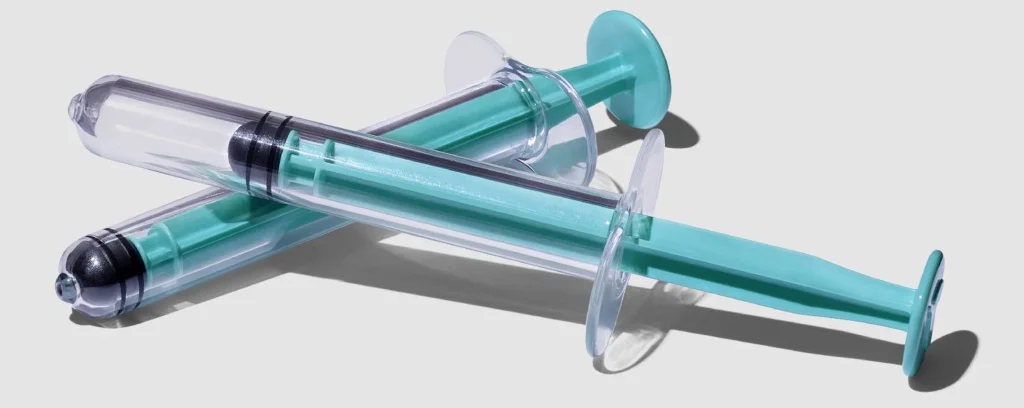
    two teal and clear syringes positioned on a white background

    Creating Your Own Path to Parenthood: The Home Insemination Starter Kit

    7. Pregnancy Test

    After insemination, you will have to wait for about two weeks to take a pregnancy test. It is important to have a pregnancy test on hand to check for pregnancy and to avoid any unnecessary stress or anxiety.

    The Process of Home Insemination

    Now that you have gathered all the necessary supplies, it is time to start the home insemination process. Here are the basic steps to follow:

    1. Determine when you are ovulating using an ovulation predictor kit.

    2. Collect the sperm in a sterile container.

    3. Use a syringe or turkey baster to deposit the sperm into the vagina or cervix. If using a soft cup or Instead Softcup, place it in the vagina after depositing the sperm.

    4. Keep your hips elevated for 15-20 minutes to allow the sperm to reach the cervix.

    5. Remove the soft cup or Instead Softcup after 4-6 hours.

    6. Wait for about two weeks before taking a pregnancy test.

    It is important to note that home insemination may not be successful on the first try. It may take several attempts before achieving pregnancy, so it is important to be patient and keep trying.

    Important Considerations

    Before embarking on the home insemination journey, it is important to consider a few important factors.

    1. Consult with a healthcare professional: It is always a good idea to consult with a healthcare professional before starting any fertility treatments. They can provide valuable advice and make sure that you are physically and emotionally ready for the process.

    2. Have realistic expectations: While home insemination can be a successful method of achieving pregnancy, it is important to have realistic expectations. Pregnancy may not happen right away, and it may take several attempts before achieving success.

    3. Seek support: Starting the journey to parenthood can be an emotionally challenging experience. It is important to seek support from your partner, family, friends, or a support group to help you through the process.

    Summary

    Creating your own path to parenthood through home insemination can be a rewarding and empowering experience. By gathering the necessary supplies and following the basic steps, you can take control of your fertility journey and increase your chances of achieving pregnancy. However, it is important to consider the important factors and seek support along the way.

  • and Single? Non-Invasive Insemination Can Help You Start a Family

    Becoming a parent is a dream for many individuals, regardless of their relationship status. However, for single individuals, starting a family may seem like a daunting and impossible task. In the past, traditional methods of conception were only available for couples, leaving single individuals with limited options. However, with advancements in technology and medical procedures, single individuals now have the opportunity to start a family through non-invasive insemination. In this blog post, we will explore how non-invasive insemination can help single individuals achieve their dream of becoming parents.

    Non-invasive insemination, also known as donor insemination, is a fertility treatment that involves placing sperm into a woman’s reproductive tract in order to facilitate fertilization. This method is commonly used by couples struggling with infertility, but it is also a viable option for single individuals who wish to start a family. The process involves using a donor’s sperm, either from a known or anonymous donor, to inseminate the woman’s reproductive organs.

    One of the main benefits of non-invasive insemination is that it does not require any surgical procedures or invasive techniques. This makes it a safe and convenient option for single individuals who may not have a partner to support them during the process. The procedure is relatively simple and can be performed in a doctor’s office or fertility clinic. It involves placing the sperm into the woman’s vagina, cervix, or uterus, depending on the individual’s specific needs and circumstances.

    Non-invasive insemination offers a variety of options for single individuals, including artificial insemination, intrauterine insemination (IUI), and in vitro fertilization (IVF). Artificial insemination involves placing the sperm directly into the vagina, while IUI involves placing the sperm into the uterus, increasing the chances of fertilization. IVF, on the other hand, involves retrieving eggs from the woman’s ovaries, fertilizing them with donor sperm in a lab, and then transferring the embryos into the woman’s uterus.

    One of the biggest advantages of non-invasive insemination for single individuals is the ability to choose a donor. This means that single individuals have the opportunity to select a donor who shares their physical characteristics, personality traits, or values. This can be a significant factor for individuals who wish to have a child that is genetically related to them, even if they do not have a partner to conceive with.

    logo featuring a pink heart above two teal leaves on a blue circular background

    and Single? Non-Invasive Insemination Can Help You Start a Family

    Furthermore, the process of choosing a donor can be a highly personalized and empowering experience for single individuals. They have the freedom to select a donor who aligns with their values and beliefs, and they can also choose whether they want a known or anonymous donor. This level of control and autonomy can be particularly important for single individuals who may feel like they have limited options when it comes to starting a family.

    Another benefit of non-invasive insemination for single individuals is the ability to plan and prepare for parenthood. Unlike traditional methods of conception, where the timing of pregnancy may be unpredictable, non-invasive insemination allows individuals to plan and prepare for the arrival of their child. This can include making lifestyle changes, such as quitting smoking or improving overall health, as well as creating a support system of family and friends to help during pregnancy and after the baby is born.

    Moreover, non-invasive insemination can also provide a sense of emotional support for single individuals. The process of starting a family can be overwhelming, and having a supportive team of medical professionals can make a significant difference. Fertility clinics and doctors who specialize in non-invasive insemination understand the unique needs and challenges that single individuals may face and can provide guidance and support throughout the journey.

    In addition to the many benefits mentioned, non-invasive insemination is also a cost-effective option for single individuals. Traditional methods of conception, such as adoption or surrogacy, can be expensive and may not be financially feasible for everyone. Non-invasive insemination offers a more affordable alternative, making it an accessible option for single individuals who wish to start a family.

    In conclusion, non-invasive insemination offers a viable and empowering option for single individuals who dream of starting a family. It provides a safe, convenient, and personalized approach to conception, giving individuals control over their reproductive choices. With the support of medical professionals, single individuals can achieve their dream of becoming parents and create a loving and nurturing environment for their child. Parenthood may have once seemed like an unattainable goal for single individuals, but with non-invasive insemination, it is now a realistic and achievable possibility.

  • A Safe and Effective Option: The Advantages of At-Home Insemination Solution Sets

    Blog Post:

    In recent years, the use of at-home insemination solution sets has become a popular option for individuals and couples looking to start a family. This method allows for a safe and effective way to conceive without the need for medical procedures or interventions. Not only does it provide a more comfortable and private option for those trying to conceive, but it also offers a range of advantages that make it a viable choice for many. In this blog post, we will explore the benefits of at-home insemination solution sets and why it may be the right choice for you.

    Convenience and Privacy

    One of the most significant advantages of at-home insemination solution sets is the convenience and privacy they offer. Unlike traditional methods that require frequent visits to a fertility clinic, at-home insemination allows for the process to take place in the comfort of one’s home. This eliminates the need for scheduling appointments, taking time off work, or dealing with the stress of traveling to a clinic. Additionally, at-home insemination allows for a more intimate and private experience, which can be essential for individuals or couples who may feel uncomfortable or self-conscious about the process.

    Cost-Effective

    Another significant advantage of at-home insemination solution sets is their cost-effectiveness. Fertility treatments can be expensive, and for many, it may not be a feasible option. At-home insemination kits offer a more affordable alternative, with most kits costing a fraction of what traditional medical procedures would cost. This makes it a viable option for those who may not have the financial means to undergo fertility treatments or those who want to save money while trying to conceive.

    Easy to Use

    At-home insemination solution sets are designed to be user-friendly and straightforward, making them an ideal option for those who may be new to the process. The kits typically come with detailed instructions, and many also include helpful resources such as videos or online tutorials. This ensures that individuals or couples can confidently and comfortably perform the insemination process in their own home.

    Two transparent syringes with teal accents positioned diagonally on a light gray background.

    A Safe and Effective Option: The Advantages of At-Home Insemination Solution Sets

    Increased Control and Flexibility

    Another benefit of at-home insemination is the increased control and flexibility it provides. With traditional fertility treatments, individuals may have to adhere to strict schedules and protocols, which can be challenging and stressful. At-home insemination allows for more flexibility, as individuals can choose the timing and frequency of the insemination that works best for them. This can be particularly helpful for those who have irregular menstrual cycles or for couples who may have conflicting schedules.

    No Need for Medical Interventions

    At-home insemination solution sets offer a non-invasive and non-medical option for conception. This means that individuals or couples can avoid the need for medical interventions, such as hormone injections or in-vitro fertilization (IVF). This can be particularly beneficial for individuals or couples who may be hesitant or uncomfortable with medical procedures or those who want to take a more natural approach to conceiving.

    Supports Same-Sex Couples and Single Parents

    At-home insemination is also a viable option for same-sex couples and single parents who want to start a family. With traditional fertility treatments, same-sex couples may face challenges and barriers, and single parents may feel excluded from the process. At-home insemination solution sets provide a more inclusive and accessible option for these individuals, allowing them to take control of their fertility journey.

    In Conclusion

    At-home insemination solution sets offer a safe, effective, and convenient option for those looking to start a family. With their affordability, ease of use, increased control, and inclusive nature, they have become a popular choice for individuals and couples all over the world. While it may not be the right option for everyone, it is undoubtedly a viable and attractive choice for many. Whether you are facing fertility challenges or simply want to take a more natural approach to conceiving, at-home insemination solution sets may be the solution you have been searching for.

    SEO Metadata:

  • The Role of Syringe Kits in Supporting Alternative Paths to Parenthood

    Blog Post: The Role of Syringe Kits in Supporting Alternative Paths to Parenthood

    Parenthood is a deeply personal experience that many individuals and couples dream of. However, for some, traditional methods of starting a family may not be possible or may not align with their personal preferences. This has led to the rise of alternative paths to parenthood, such as using syringe kits for at-home insemination. In this blog post, we will explore the role of syringe kits in supporting these alternative paths to parenthood and how they are providing hope and options to those who may have otherwise felt they had limited choices.

    Understanding Syringe Kits

    Before delving into the role of syringe kits in alternative paths to parenthood, it is important to understand what they are and how they work. Syringe kits are medical devices that are designed to assist with at-home insemination. They typically include a syringe, a vial or tube for collecting and storing sperm, and sometimes, a speculum for easier insertion. These kits are often used by individuals or couples who are trying to conceive through insemination but are not able to do so through traditional methods.

    Supporting Single Parents

    One of the most significant ways that syringe kits are supporting alternative paths to parenthood is by providing an option for single individuals who want to become parents. In the past, single individuals, particularly those in the LGBTQ+ community, may have felt limited in their options for starting a family. However, with the availability of syringe kits, single individuals can now take their fertility into their own hands and have more control over their journey to parenthood.

    Syringe kits also offer a more affordable option for single individuals who may not be able to afford expensive fertility treatments. This allows them to have a chance at parenthood without breaking the bank, making it a more accessible path for those with limited financial resources.

    Supporting Same-Sex Couples

    In addition to single parents, syringe kits also play a significant role in supporting same-sex couples on their journey to parenthood. Many same-sex couples may not have the option of traditional methods of conception, such as natural insemination or IVF. Syringe kits provide a safe, convenient, and affordable alternative for same-sex couples who want to start a family.

    Informative card introducing the Mosie Baby Kit and its mission for at-home insemination.

    The Role of Syringe Kits in Supporting Alternative Paths to Parenthood

    Moreover, syringe kits have also played a crucial role in promoting inclusivity and acceptance in the LGBTQ+ community. By providing an option for same-sex couples to start a family, syringe kits are breaking down barriers and promoting a more diverse and accepting society.

    Supporting Individuals with Fertility Issues

    For individuals or couples struggling with fertility issues, syringe kits offer a less invasive and more affordable option compared to traditional fertility treatments. In situations where traditional methods may not be successful, syringe kits can offer a sense of control and hope to those who may have felt discouraged or defeated by their fertility struggles.

    Furthermore, syringe kits also provide a more private and discreet option for individuals or couples who may not be comfortable with the idea of undergoing invasive procedures or sharing their fertility struggles with others. This can be particularly beneficial for those who may have cultural or religious beliefs that may not align with traditional fertility treatments.

    The Importance of Education and Proper Usage

    While syringe kits have opened up new possibilities for individuals and couples on their journey to parenthood, it is crucial to emphasize the importance of education and proper usage. It is essential to understand the correct procedures for using a syringe kit to ensure the best chances of success and to avoid any potential risks or complications.

    Fortunately, there are many resources available, such as online tutorials and support groups, to educate and guide individuals on how to properly use syringe kits. It is also recommended to consult with a medical professional for any questions or concerns before using a syringe kit.

    In conclusion, syringe kits play a crucial role in supporting alternative paths to parenthood. They provide hope, options, and inclusivity for single individuals, same-sex couples, and those struggling with fertility issues. However, it is essential to educate oneself and use them properly to ensure safe and successful outcomes. With the continued advancement of technology and medical devices, we can hope to see even more options and support for those on their journey to parenthood.

    Summary: Syringe kits have become an essential tool in supporting alternative paths to parenthood. They offer a more affordable, private, and accessible option for single individuals, same-sex couples, and those struggling with fertility issues. However, it is crucial to educate oneself and use them properly for safe and successful outcomes.

  • Syringe Kits for DIY Conception: A Guide for Single Parents

    Blog Post: Syringe Kits for DIY Conception: A Guide for Single Parents

    Parenthood is a dream for many people, but the journey to get there can be challenging. For single parents, this journey can be even more daunting. However, with advancements in technology and the rise of DIY conception methods, single parents now have more options to start a family on their own. One such method is using syringe kits for DIY conception. In this blog post, we will explore the ins and outs of syringe kits for DIY conception and how they can be a helpful tool for single parents.

    What are Syringe Kits for DIY Conception?

    Syringe kits for DIY conception, also known as artificial insemination kits, are a collection of tools that allow individuals to perform artificial insemination at home. The kits typically include a syringe, a collection cup, and sometimes a speculum or other tools to aid in the process. These kits are designed to be used by single individuals or couples who are trying to conceive without the aid of a medical professional.

    Why Choose Syringe Kits for DIY Conception?

    There are several reasons why someone may choose syringe kits for DIY conception. For single parents, it offers a more affordable and convenient option compared to traditional methods such as in vitro fertilization (IVF) or intrauterine insemination (IUI). These kits can also be a more private option for those who may not want to involve a medical professional in their conception journey.

    Additionally, using syringe kits for DIY conception allows individuals to have more control over the process. They can choose the donor, the timing of the insemination, and perform the procedure in the comfort of their own home. This can be especially appealing for single parents who may not have a partner to go through the process with them.

    How to Use Syringe Kits for DIY Conception

    Using syringe kits for DIY conception may seem intimidating at first, but with the right knowledge and tools, it can be a straightforward and effective process. Here are the steps to follow when using a syringe kit for DIY conception:

    1. Choose a Donor

    The first step in using a syringe kit for DIY conception is to choose a donor. This can be a known donor, such as a friend or family member, or an anonymous donor from a sperm bank. It is crucial to research and consider all factors when choosing a donor, such as medical history, physical characteristics, and personal preferences.

    2. Prepare the Kit

    Before starting the insemination process, it is essential to prepare the kit. This includes sterilizing all the tools included in the kit, such as the syringe, cup, and speculum. It is also recommended to wash your hands thoroughly before handling the kit.

    at-home insemination kit by Mosie Baby, featuring syringes and containers for comfort and convenience.

    Syringe Kits for DIY Conception: A Guide for Single Parents

    3. Collect the Semen

    The next step is to collect the semen from the donor. This can be done either through intercourse using a collection condom or through masturbation into the collection cup. It is important to follow the instructions provided with the kit to ensure the correct amount of semen is collected.

    4. Load the Syringe

    Once the semen is collected, it should be transferred into the syringe provided in the kit. The syringe should be filled to the recommended level, usually between 2-5 milliliters.

    5. Insert the Syringe

    Using the speculum, insert the syringe into the vagina, aiming towards the cervix. Slowly push the plunger to release the semen into the cervix.

    6. Wait and Repeat

    After the insemination, it is recommended to remain lying down for 20-30 minutes to allow the sperm to travel towards the egg. If desired, the process can be repeated the following day to increase the chances of conception.

    7. Take a Pregnancy Test

    After two weeks, take a pregnancy test to see if the insemination was successful. If not, the process can be repeated in the next ovulation cycle.

    Safety Precautions and Risks

    While syringe kits for DIY conception can be an effective and affordable method for single parents, it is essential to take necessary safety precautions. It is crucial to follow the instructions provided with the kit and maintain proper hygiene to avoid any potential risks of infection. It is also recommended to consult with a doctor before starting the process to ensure there are no underlying health concerns that may affect the success of the insemination.

    Summary

    Syringe kits for DIY conception can be a helpful tool for single parents who are looking to start a family on their own. These kits offer a more affordable and private option compared to traditional methods and allow individuals to have more control over the process. By following the proper steps and taking necessary safety precautions, syringe kits for DIY conception can be a successful and empowering way for single parents to conceive.