Tag: Conceiving

  • Conceiving After Miscarriage: Coping with Loss and Moving Forward

    Blog Post: Conceiving After Miscarriage: Coping with Loss and Moving Forward

    Miscarriage is a devastating experience for any couple hoping to start a family. The loss of a pregnancy can bring about a range of emotions, from sadness and grief to anger and confusion. It can also make the idea of trying to conceive again feel daunting and overwhelming. However, with time, support, and self-care, it is possible to cope with the loss of a miscarriage and move forward towards the hope of conceiving again.

    In this blog post, we will discuss the emotional impact of miscarriage on couples, ways to cope with the loss, and tips for conceiving again after a miscarriage.

    The Emotional Impact of Miscarriage

    Miscarriage is a heartbreaking experience that can have a profound impact on both partners in a relationship. For women, the physical and emotional toll of a miscarriage can be overwhelming. The loss of a pregnancy can trigger feelings of failure, guilt, and self-blame. It can also bring about a sense of emptiness and loss of identity as a mother. On the other hand, men may find it challenging to express their emotions and may feel helpless in supporting their partner through the loss.

    It is essential to recognize that there is no right or wrong way to feel after a miscarriage. Every person copes with loss differently, and it is essential to give yourself and your partner the space and time to process your emotions. It is also important to communicate openly and honestly with your partner about how you are feeling, as this can help strengthen your bond and provide much-needed support to each other.

    Ways to Cope with the Loss of a Miscarriage

    The healing process after a miscarriage can be long and challenging. However, there are some ways to cope with the loss and move forward:

    1. Allow yourself to grieve: It is crucial to give yourself the time and space to grieve the loss of your pregnancy. This may involve crying, talking to your partner or a therapist, or finding other ways to express your emotions.

    2. Seek support: Miscarriage can feel isolating, but it is essential to reach out to your loved ones for support. Surround yourself with people who care about you and can provide a listening ear or a shoulder to cry on.

    3. Take care of yourself: The physical and emotional toll of a miscarriage can be exhausting. It is essential to prioritize self-care and take time to rest, eat well, and engage in activities that bring you joy and comfort.

    Mosie Baby Kit with a syringe and container, highlighting safety and usability features on a blue background.

    Conceiving After Miscarriage: Coping with Loss and Moving Forward

    4. Consider therapy: Seeking professional help can be beneficial in coping with the loss of a miscarriage. Therapy can provide a safe space to process your emotions and learn healthy coping mechanisms.

    5. Join a support group: Connecting with others who have gone through a similar experience can be comforting and validating. Consider joining a support group for couples who have experienced a miscarriage.

    Tips for Conceiving Again After a Miscarriage

    The thought of trying to conceive again after a miscarriage can be daunting. However, with the right mindset and support, it is possible to move forward and increase your chances of a successful pregnancy. Here are some tips to help you on your journey:

    1. Wait until you are emotionally ready: There is no specific timeline for when you should try to conceive again after a miscarriage. Take the time you need to heal emotionally before trying again.

    2. Talk to your doctor: It is essential to consult with your doctor before trying to conceive again. They can provide guidance on when it is safe to try again and any precautions you should take.

    3. Focus on your physical health: Eating a nutritious diet, exercising regularly, and avoiding unhealthy habits such as smoking and excessive alcohol consumption can help prepare your body for a healthy pregnancy.

    4. Consider fertility treatments: If you have had multiple miscarriages or are struggling to conceive, you may want to consider fertility treatments. Talk to your doctor about options that may be right for you.

    5. Stay positive: It is normal to feel anxious and scared about trying to conceive again after a miscarriage. However, try to stay positive and have faith in your body’s ability to carry a healthy pregnancy.

    Summary:

    Miscarriage is a traumatic experience that can have a profound emotional impact on couples. It is essential to recognize the range of emotions that may arise and give yourself and your partner the time and space to grieve. Coping with the loss of a miscarriage involves seeking support, taking care of oneself, and considering therapy or joining a support group. When trying to conceive again after a miscarriage, it is important to prioritize emotional readiness, consult with a doctor, focus on physical health, and stay positive.


  • Understanding Your Fertility Window: When is the Best Time to Try for a Baby?

    Understanding Your Fertility Window: When is the Best Time to Try for a Baby?

    Deciding to start a family is an exciting and life-changing decision. However, for many couples, the process of conceiving can be more challenging than expected. One of the key factors in successfully getting pregnant is understanding your fertility window – the time during your menstrual cycle when you are most likely to conceive. In this blog post, we will explore the concept of the fertility window, how to track it, and how to increase your chances of getting pregnant during this time.

    What is the Fertility Window?

    The fertility window refers to the period of time when a woman is most likely to conceive. This window is determined by the lifespan of both the sperm and the egg. Sperm can survive inside a woman’s body for up to five days, while an egg can only survive for 12-24 hours after ovulation. Therefore, the fertility window includes the five days leading up to and including ovulation day.

    Tracking Your Fertility Window

    The first step in understanding your fertility window is to track your menstrual cycle. The average menstrual cycle is 28 days long, with day one being the first day of your period. However, it is common for cycles to vary in length, with a range of 21-35 days being considered normal.

    There are various methods for tracking your cycle, including using a fertility app, monitoring your basal body temperature, checking your cervical mucus, and using ovulation predictor kits. These methods can help you determine when you are most likely to ovulate and therefore, when your fertility window is open.

    Understanding Ovulation

    Ovulation is the release of an egg from the ovary. This typically occurs around day 14 of a 28-day cycle, but can vary from woman to woman. During ovulation, the egg travels down the fallopian tube, where it can be fertilized by sperm. If fertilization occurs, the egg implants itself in the lining of the uterus, and pregnancy begins.

    Factors Affecting the Fertility Window

    Several factors can affect the timing of ovulation and therefore, your fertility window. Stress, illness, and changes in weight or exercise routines can all impact your cycle and cause ovulation to occur earlier or later than expected. It is essential to take care of your overall health and well-being to ensure your cycle remains regular.

    Informative card introducing the Mosie Baby Kit and its mission for at-home insemination.

    Understanding Your Fertility Window: When is the Best Time to Try for a Baby?

    Age also plays a significant role in the fertility window. A woman’s most fertile years are typically in her 20s and early 30s. As a woman approaches her late 30s and 40s, her fertility begins to decline. This is because a woman is born with a set number of eggs, and as she ages, the quantity and quality of those eggs decrease.

    Best Time to Try for a Baby

    Based on the understanding of the fertility window, the best time to try for a baby is during the five days leading up to and including ovulation day. This is when the chances of fertilization are highest. However, it is important to note that even with perfect timing, there is still only a 20-30% chance of conceiving each cycle. It may take several cycles of trying to achieve pregnancy.

    Tips for Increasing Your Chances of Getting Pregnant

    While timing is crucial, there are other things you can do to increase your chances of getting pregnant during your fertility window. These include:

    1. Maintain a healthy lifestyle: Eating a balanced diet, getting regular exercise, and managing stress can all help regulate your cycle and improve your overall health, making it easier to conceive.

    2. Quit smoking and limit alcohol: Smoking and excessive alcohol consumption have been linked to decreased fertility in both men and women.

    3. Have regular, unprotected sex: It is recommended to have sex every 2-3 days throughout your entire cycle to increase the chances of sperm being present during ovulation.

    4. Consider supplements: Certain supplements, such as folic acid and vitamin D, have been shown to improve fertility in women.

    When to Seek Help

    If you have been trying to conceive for more than a year (or six months if you are over 35) without success, it may be time to seek help from a fertility specialist. They can help identify any underlying issues that may be causing difficulty in conceiving and provide guidance on the best course of action.

    In conclusion, understanding your fertility window is crucial when trying to conceive. By tracking your cycle and knowing when you are most likely to ovulate, you can increase your chances of getting pregnant. Remember to take care of your health, and don’t be discouraged if it takes a few cycles to achieve pregnancy. With patience and persistence, you will eventually welcome a new addition to your family.

  • Creating a Conception Plan: Step-by-Step Guide

    Creating a Conception Plan: Step-by-Step Guide

    Conceiving a child is a life-changing decision that requires careful planning and preparation. A conception plan can help you and your partner to be physically, mentally, and emotionally ready for the journey of parenthood. In this blog post, we will provide a step-by-step guide to creating a comprehensive conception plan.

    Step 1: Talk to Your Partner

    The first step in creating a conception plan is to have an open and honest conversation with your partner. Discuss your thoughts and feelings about starting a family, your financial stability, and your readiness to take on the responsibilities of parenthood. This conversation will help you both to understand each other’s expectations and concerns, and make a joint decision about when and how to start trying for a baby.

    Step 2: Get a Check-Up

    Before trying to conceive, it is important to ensure that both you and your partner are in good health. Schedule a preconception check-up with your doctor to discuss any health concerns and to get the necessary tests and screenings done. This will help to identify and address any potential issues that could affect your ability to conceive or have a healthy pregnancy.

    Step 3: Eat a Healthy Diet

    A healthy diet is crucial for both partners when trying to conceive. Make sure to eat a well-balanced diet that includes plenty of fruits, vegetables, whole grains, and lean protein sources. Avoid consuming processed foods, excessive caffeine, and alcohol, as they can decrease fertility in both men and women. It is also recommended to start taking a prenatal vitamin to ensure that your body has all the necessary nutrients for a healthy pregnancy.

    Step 4: Track Your Ovulation

    Knowing your ovulation cycle is essential for increasing your chances of conceiving. There are various methods to track ovulation, such as using ovulation predictor kits, tracking your basal body temperature, or monitoring your cervical mucus. By tracking your ovulation, you can time intercourse when you are most fertile, which can increase your chances of getting pregnant.

    at-home insemination kit by Mosie Baby, featuring syringes and containers for comfort and convenience.

    Creating a Conception Plan: Step-by-Step Guide

    Step 5: Consider Your Finances

    Having a baby comes with significant financial responsibilities. It is crucial to consider your finances before trying to conceive. Discuss with your partner about your current financial situation and how you plan to support a child. If needed, start saving money and make a budget to prepare for the expenses of having a baby.

    Step 6: Create a Support System

    Having a support system in place can make a significant difference during the journey of parenthood. Talk to your friends and family about your plans to conceive and ask for their support. You can also join a support group for prospective parents or seek advice from other parents to prepare yourself for the challenges and joys of having a baby.

    Step 7: Consider Your Work-Life Balance

    Having a baby can greatly affect your work-life balance. It is essential to discuss with your partner about how you plan to balance your career and family life. Consider your options for childcare and talk to your employer about any maternity or paternity leave policies. It is important to have a plan in place to ensure that both partners can share the responsibilities of raising a child while also maintaining their careers.

    Step 8: Be Patient

    Conceiving a child can take time, and it is essential to be patient during this journey. Do not get discouraged if you do not get pregnant right away. Understand that it is a process and stay positive. Focus on maintaining a healthy lifestyle and continue to track your ovulation to increase your chances of conceiving.

    In conclusion, creating a conception plan is an important step before starting a family. By following these steps, you and your partner can prepare yourselves physically, mentally, and emotionally for parenthood. Remember to be patient and stay positive, and with time, you will be able to achieve your dream of starting a family.

    Summary:

    Creating a conception plan is crucial for couples who are planning to start a family. This step-by-step guide includes having an open conversation with your partner, getting a check-up, eating a healthy diet, tracking ovulation, considering finances and work-life balance, and being patient. By following these steps, couples can prepare themselves physically, mentally, and emotionally for the journey of parenthood.

  • No Limits, No Restrictions: The Advantages of Conceiving on Your Own Terms

    No Limits, No Restrictions: The Advantages of Conceiving on Your Own Terms

    In today’s society, there is a growing trend of individuals and couples choosing to conceive on their own terms. With advancements in technology and a shift in societal norms, more and more people are opting for non-traditional methods of conception. Whether it is through in vitro fertilization (IVF) or using a sperm or egg donor, there are many advantages to conceiving on your own terms. In this blog post, we will explore some of the benefits of taking control of your own fertility journey and the freedom that comes with it.

    Breaking Away from Traditional Norms

    One of the main advantages of conceiving on your own terms is the freedom from traditional norms and expectations. In the past, the idea of starting a family was often tied to marriage and the traditional nuclear family structure. However, with changing attitudes towards marriage and family, individuals and couples are now more open to alternative ways of starting a family. This has opened up opportunities for single individuals, same-sex couples, and individuals who may not have a partner but still want to become parents. By breaking away from traditional norms, individuals are able to make choices that align with their own personal values and desires.

    Taking Control of Your Fertility Journey

    When it comes to conceiving on your own terms, individuals have more control over their fertility journey. This can be especially beneficial for those who have struggled with fertility issues or for same-sex couples who may not have the option of conceiving naturally. By utilizing assisted reproductive technologies, individuals and couples can have more control over when and how they conceive. This can reduce the stress and pressure that often comes with trying to conceive and allow individuals to plan for the future.

    Choosing a Biological Connection

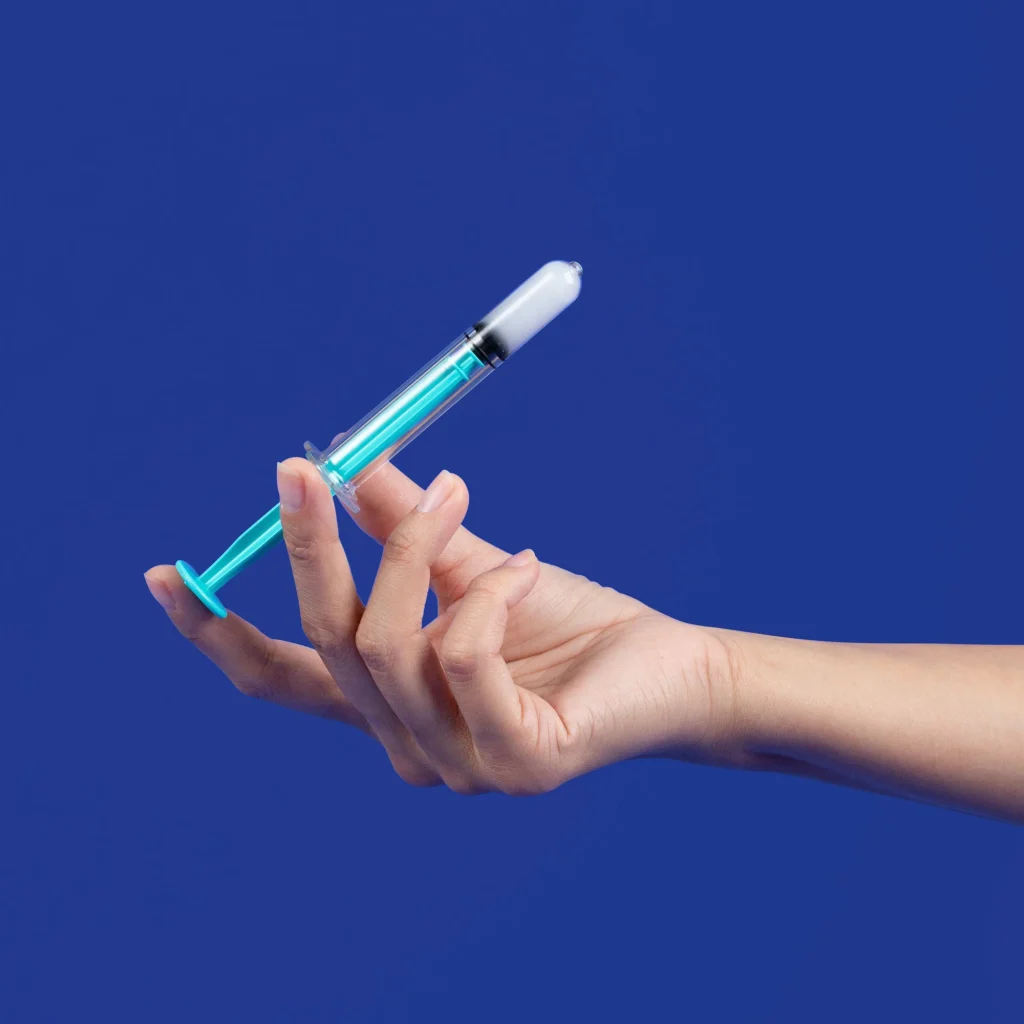
    hand holding a syringe with a blue plunger against a solid blue background

    No Limits, No Restrictions: The Advantages of Conceiving on Your Own Terms

    Another advantage of conceiving on your own terms is the ability to choose a biological connection. With IVF, individuals can use their own eggs or sperm, or they can choose to use a donor. This can be an important consideration for those who want to have a genetic connection to their child. Additionally, using a donor can also provide individuals with the opportunity to choose certain characteristics or traits that they would like their child to have, such as physical appearance or intelligence. This can be a significant advantage for individuals who may have genetic conditions they do not want to pass on to their child.

    More Time for Career and Personal Goals

    Conceiving on your own terms can also provide individuals with more time to pursue their career and personal goals. Traditional methods of conceiving often require couples to put their personal lives on hold while they try to conceive. This can be a difficult decision for many, as it may mean sacrificing career opportunities or delaying personal goals. However, by taking control of their fertility journey, individuals can plan for when they want to have children and continue to focus on their own personal growth and development.

    Reducing the Stigma Surrounding Infertility

    One of the most significant advantages of conceiving on your own terms is the potential to reduce the stigma surrounding infertility. In the past, infertility was often seen as a personal failure or something to be ashamed of. However, by choosing to use assisted reproductive technologies, individuals are taking control of their fertility and breaking the stigma surrounding infertility. This can be a powerful and empowering decision, as it allows individuals to create their own narrative and challenge societal expectations.

    Summary:

    Conceiving on your own terms offers many advantages, such as breaking away from traditional norms, taking control of your fertility journey, choosing a biological connection, having more time for career and personal goals, and reducing the stigma surrounding infertility. With the freedom to choose when and how to start a family, individuals and couples can make decisions that align with their personal values and desires. This trend is a testament to the changing attitudes towards family and the power of taking control of one’s own fertility journey.

  • Conceiving on Your Own Terms: Exploring At-Home Insemination Solution Sets

    Blog Post:

    Conceiving on Your Own Terms: Exploring At-Home Insemination Solution Sets

    In today’s society, there is a growing trend of individuals and couples who want to start a family on their own terms. This may include single individuals or same-sex couples who want to conceive without the traditional methods of intercourse. With advancements in technology and medical science, there are now various options for at-home insemination that allow individuals to take control of their reproductive choices. In this blog post, we will explore the different at-home insemination solution sets available and how they work.

    What is At-Home Insemination?

    At-home insemination is a method of achieving pregnancy where the sperm is manually inserted into the female reproductive tract. This can be done through various techniques, including intrauterine insemination (IUI) or intracervical insemination (ICI). Both methods involve the use of a syringe or insemination kit to place the sperm into the cervix or uterus. At-home insemination is a popular choice for those who want to conceive without the need for expensive fertility treatments or invasive medical procedures.

    Why Choose At-Home Insemination?

    There are many reasons why individuals or couples may choose at-home insemination over traditional methods of conception. For some, it may be due to fertility issues, while others may prefer the privacy and comfort of their own home. At-home insemination also allows individuals to have more control over the process, from selecting a donor to timing the insemination at the most fertile time of the month. It is also a more affordable option compared to other fertility treatments, making it accessible to more people.

    Exploring At-Home Insemination Solution Sets

    1. Donor Sperm

    Donor sperm is the most common solution set used for at-home insemination. This involves purchasing sperm from a sperm bank or using a known donor. Sperm banks carefully screen and test donors for any genetic or health issues, ensuring the safety of the recipient and potential child. Known donors can be a friend or family member, but it is important to have a legal agreement in place before proceeding with at-home insemination.

    mosie baby logo featuring a heart and leaves in blue, pink, and green colors.

    Conceiving on Your Own Terms: Exploring At-Home Insemination Solution Sets

    2. Insemination Kits

    Insemination kits are pre-packaged kits that contain all the necessary tools for at-home insemination. These kits typically include a syringe, sperm-friendly lubricant, and instructions for use. Insemination kits are a convenient and affordable option for those who do not want to purchase each item separately.

    3. Fertility Monitors

    Fertility monitors are devices that track a woman’s ovulation cycle to determine the most fertile time of the month. This can be helpful for those who are trying to conceive through at-home insemination as it increases the chances of successful insemination. Fertility monitors use various methods, such as tracking basal body temperature or urine hormone levels, to predict ovulation.

    4. DIY Methods

    Some individuals may choose to create their own at-home insemination solution sets using items found in their household. This may include using a menstrual cup or turkey baster to insert the sperm into the cervix. While these methods may be cost-effective, they do not guarantee the same success rates as other solution sets and require careful preparation and sanitation.

    Tips for Successful At-Home Insemination

    – Choose a reputable sperm bank or known donor with thorough screening and testing processes.
    – Follow the instructions provided in the insemination kit or fertility monitor carefully.
    – Time the insemination during the most fertile time of the month.
    – Use a sperm-friendly lubricant to improve the chances of successful insemination.
    – Consider seeking professional help or guidance if needed.

    In conclusion, at-home insemination offers individuals and couples the opportunity to conceive on their own terms. With various solution sets available, it is important to carefully consider and choose the best option for your needs. Whether you choose to use donor sperm, insemination kits, fertility monitors, or DIY methods, it is essential to follow the instructions and seek professional help if necessary. With the right preparation and timing, at-home insemination can be a successful and empowering option for starting a family.

    Summary:

    At-home insemination is a method of achieving pregnancy without traditional methods of intercourse, and it is becoming increasingly popular for individuals and couples who want to start a family on their own terms. This blog post explores the different at-home insemination solution sets available, including donor sperm, insemination kits, fertility monitors, and DIY methods. It also provides tips for successful at-home insemination, such as choosing reputable sources and timing the insemination during the most fertile time of the month. With advancements in technology and medical science, at-home insemination offers a more affordable and accessible option for those who want to take control of their reproductive choices.

  • Creating Your Own Miracle: A Look into At-Home Insemination Solution Sets

    Creating Your Own Miracle: A Look into At-Home Insemination Solution Sets

    For many couples struggling with infertility, the process of conceiving a child can be emotionally and financially draining. With the high costs of fertility treatments, many couples are turning to at-home insemination as a more affordable and accessible option. In this blog post, we will explore the world of at-home insemination and how solution sets can help make the process easier and more successful.

    What is At-Home Insemination?

    At-home insemination, also known as self-insemination, is the process of using a donor’s sperm to fertilize the egg at home rather than in a medical setting. This can be done through a variety of methods, including using a syringe, cervical cap, or soft cup. At-home insemination is a popular choice for same-sex couples, single women, and couples struggling with male infertility.

    While at-home insemination may seem like a simple and cost-effective solution, it is important to note that it is not as straightforward as it may seem. It requires careful planning, preparation, and knowledge of the female reproductive system. This is where at-home insemination solution sets come in.

    What are At-Home Insemination Solution Sets?

    At-home insemination solution sets are packages that contain all the necessary items for performing an at-home insemination. These sets typically include items such as ovulation predictor kits, pregnancy tests, syringes, soft cups, and other tools designed to aid in the insemination process.

    Solution sets are a convenient and affordable option for those looking to try at-home insemination. They also provide peace of mind, as they have been specifically designed and curated for this purpose. This means that you don’t have to worry about purchasing individual items and potentially missing something crucial.

    Benefits of Using At-Home Insemination Solution Sets

    1. Cost-effective: One of the most significant benefits of using at-home insemination solution sets is that they are much more affordable than other fertility treatments. With costs often ranging from a few hundred to a few thousand dollars, these sets are a much more accessible option for many couples.

    hands using a blue syringe to extract contents from a clear container for a home insemination kit

    Creating Your Own Miracle: A Look into At-Home Insemination Solution Sets

    2. Convenience: Solution sets are designed to make the at-home insemination process as convenient as possible. They contain all the necessary items in one package, saving you time and effort in purchasing individual items.

    3. Increased success rates: Solution sets are curated with the specific goal of facilitating a successful at-home insemination. By using these sets, you are increasing your chances of conceiving as they contain all the necessary tools and information to help you through the process.

    4. Discreet: At-home insemination can be a very personal and intimate process. Solution sets are discreet and can be easily purchased online, making it a more comfortable option for those who may not want to disclose their fertility struggles.

    5. Designed for specific needs: Solution sets come in different variations to cater to different fertility needs. For example, there are sets designed for same-sex couples, single women, and couples struggling with male infertility. This ensures that you have the right tools and information for your specific situation.

    Tips for Using At-Home Insemination Solution Sets

    1. Educate yourself: Before using an at-home insemination solution set, it is essential to educate yourself on the process. This includes understanding the female reproductive system, tracking ovulation, and knowing how to use the tools included in the set.

    2. Follow instructions carefully: Solution sets come with instructions for a reason. It is crucial to follow them precisely to ensure the best chances of success. Make sure to read and understand all the instructions before beginning the process.

    3. Track ovulation: The key to success with at-home insemination is timing. It is crucial to track ovulation carefully using ovulation predictor kits included in the solution set. This will help you determine the best time for insemination.

    4. Use the right tools: Make sure to use the tools included in the solution set as directed. For example, if using a cervical cap, make sure to follow the instructions for insertion and removal carefully.

    5. Be patient: It is essential to remember that at-home insemination may not be successful on the first try. It may take a few attempts before conceiving. Be patient and don’t get discouraged if it doesn’t work right away.

    In conclusion, at-home insemination solution sets are an affordable, convenient, and discreet option for those looking to start or expand their family. They provide all the necessary tools and information for a successful at-home insemination, making the process easier and more accessible. With proper education and following instructions carefully, you can create your own miracle at home.

  • DIY Baby Making: The Benefits of At-Home Insemination Solution Sets

    Blog Post Title: DIY Baby Making: The Benefits of At-Home Insemination Solution Sets

    Summary:

    Creating a family is a dream for many people, but for some, the traditional methods of conceiving a child may not be an option. Thankfully, advancements in technology and medicine have made it possible for individuals and couples to start a family through at-home insemination solutions. In this blog post, we will explore the benefits of using DIY insemination solution sets for those who are looking to conceive.

    First, we will discuss what at-home insemination is and how it works. Then, we will delve into the various benefits of using this method, including privacy, convenience, and cost-effectiveness. Additionally, we will explore the different types of at-home insemination solution sets available and how to use them effectively. Finally, we will address some common concerns and misconceptions surrounding DIY baby-making and provide tips for a successful experience.

    What is At-Home Insemination?

    At-home insemination, also known as DIY insemination, is a method of conception that involves using a solution set to perform the insemination process at home. This method is typically used by individuals and couples who are struggling with fertility issues, same-sex couples, and single individuals who want to start a family.

    The process involves collecting sperm from a donor, whether it be a partner or a purchased donor sperm, and using a solution set to insert the sperm into the cervix or vagina. The solution sets typically come with everything needed for the process, including syringes, cups, and tubes for collecting and inserting the sperm.

    Benefits of DIY Insemination Solution Sets

    1. Privacy

    One of the main benefits of using at-home insemination solution sets is privacy. Many people may feel uncomfortable or embarrassed about going to a fertility clinic or discussing their fertility struggles with a doctor. At-home insemination allows individuals and couples to perform the process in the comfort and privacy of their own home.

    2. Convenience

    Another significant advantage of DIY insemination is the convenience it offers. Traditional methods of conception, such as in vitro fertilization (IVF) or intrauterine insemination (IUI), require multiple appointments and procedures at a fertility clinic. At-home insemination eliminates the need for these appointments and allows individuals to perform the process on their own time, making it a more convenient option for those with busy schedules.

    3. Cost-Effectiveness

    sperm-ready insemination kit with a syringe and container, featuring a screw top lid and non-tip safety wall

    DIY Baby Making: The Benefits of At-Home Insemination Solution Sets

    Compared to other fertility treatments, at-home insemination is a much more cost-effective option. Fertility treatments, such as IVF and IUI, can cost thousands of dollars and are not always covered by insurance. DIY insemination solution sets are a more affordable alternative, making it accessible to those who may not have the financial means to undergo traditional fertility treatments.

    Types of At-Home Insemination Solution Sets

    There are various types of at-home insemination solution sets available, and it is essential to choose the one that best suits your needs. Some sets come with pre-filled syringes, while others require the user to measure and fill the syringe themselves. Some sets also include a cervical cap, which can help with the placement of the sperm into the cervix.

    It is important to note that not all solution sets are created equal. It is crucial to do your research and choose a reputable brand that has a high success rate. Reading reviews and seeking recommendations from others who have used DIY insemination solution sets can also help in making an informed decision.

    Tips for a Successful DIY Insemination Experience

    1. Track Your Ovulation Cycle

    Timing is crucial when it comes to insemination, as the sperm needs to be inserted during the woman’s fertile window. Tracking your ovulation cycle through methods such as ovulation predictor kits or fertility tracking apps can help determine the best time for insemination.

    2. Follow Instructions Carefully

    It is essential to follow the instructions provided with the solution set carefully. Each set may have different instructions and may require specific steps for a successful insemination. It is also crucial to maintain proper hygiene during the process to avoid any complications.

    3. Consider Seeking Medical Advice

    While at-home insemination can be a great option for many, it is always recommended to seek medical advice before starting the process. Talking to a fertility specialist can help determine if DIY insemination is the right choice for you and provide any necessary guidance.

    Conclusion

    At-home insemination solution sets offer a convenient, private, and cost-effective option for those looking to start a family. With the advancements in technology and medicine, it is now possible for individuals and couples to conceive a child in the comfort of their own home. However, it is essential to do proper research, follow instructions carefully, and consider seeking medical advice to ensure the best chances of success.

    SEO metadata:

  • Fertility Support for PCOS: A Starter Pack for Managing Symptoms and Conceiving

    Blog Post Summary:

    Polycystic Ovary Syndrome, more commonly known as PCOS, is a hormonal disorder that affects women of reproductive age. It is characterized by a variety of symptoms, including irregular periods, excess hair growth, weight gain, and difficulty getting pregnant. For those struggling with PCOS, fertility support is crucial in managing symptoms and increasing the chances of conceiving. In this blog post, we will discuss a starter pack of tips and strategies for managing PCOS and promoting fertility.

    First and foremost, it is important to consult with a healthcare professional who specializes in PCOS. They will be able to diagnose and provide individualized treatment plans based on your specific symptoms and needs. In addition to traditional medical treatments, there are also natural remedies and lifestyle changes that can greatly benefit those with PCOS.

    One of the main symptoms of PCOS is irregular periods. This can make it difficult to predict ovulation and conceive. One strategy for managing this is tracking your menstrual cycle and using ovulation predictor kits to determine when you are most fertile. This can greatly increase the chances of conceiving and help you better understand your body’s ovulation patterns.

    Another important aspect of managing PCOS is maintaining a healthy diet and exercise routine. Women with PCOS tend to have higher levels of insulin, which can lead to weight gain and difficulty regulating hormones. A diet rich in whole foods, low in processed sugar and carbohydrates, and high in healthy fats can help regulate insulin levels and improve symptoms of PCOS. Additionally, regular exercise can aid in weight management and improve overall hormone balance.

    logo featuring a pink heart above two teal leaves on a blue circular background

    Fertility Support for PCOS: A Starter Pack for Managing Symptoms and Conceiving

    Supplements can also play a role in managing PCOS and promoting fertility. Some common supplements that have shown to be beneficial for women with PCOS include inositol, vitamin D, and omega-3 fatty acids. It is important to consult with a healthcare professional before adding any supplements to your routine, as they may interact with any medications you are currently taking.

    Stress management is another key factor in managing PCOS and promoting fertility. High levels of stress can disrupt hormone balance and make it more difficult to conceive. Incorporating relaxation techniques such as meditation, yoga, or deep breathing can help reduce stress levels and improve overall well-being.

    In addition to the strategies mentioned above, there are also specific fertility treatments available for women with PCOS. These include ovulation induction medications, such as Clomid or Letrozole, which can help stimulate ovulation. In vitro fertilization (IVF) may also be an option for those struggling to conceive naturally.

    Lastly, it is important to remember that managing PCOS and promoting fertility is a journey. It may take time and patience to find the right combination of treatments and lifestyle changes that work best for you. It is also important to seek support from family, friends, and online communities who understand and can offer advice and encouragement.

    In conclusion, PCOS can be a challenging disorder to manage, but with the right support and strategies, it is possible to improve symptoms and increase the chances of conceiving. Consulting with a healthcare professional, tracking menstrual cycles, maintaining a healthy lifestyle, incorporating supplements, managing stress, and considering fertility treatments are all important factors in this journey. Remember to be patient and kind to yourself, and seek support when needed.

  • Syringe Kits for DIY Conception: A Guide for Single Parents

    Blog Post: Syringe Kits for DIY Conception: A Guide for Single Parents

    Parenthood is a dream for many people, but the journey to get there can be challenging. For single parents, this journey can be even more daunting. However, with advancements in technology and the rise of DIY conception methods, single parents now have more options to start a family on their own. One such method is using syringe kits for DIY conception. In this blog post, we will explore the ins and outs of syringe kits for DIY conception and how they can be a helpful tool for single parents.

    What are Syringe Kits for DIY Conception?

    Syringe kits for DIY conception, also known as artificial insemination kits, are a collection of tools that allow individuals to perform artificial insemination at home. The kits typically include a syringe, a collection cup, and sometimes a speculum or other tools to aid in the process. These kits are designed to be used by single individuals or couples who are trying to conceive without the aid of a medical professional.

    Why Choose Syringe Kits for DIY Conception?

    There are several reasons why someone may choose syringe kits for DIY conception. For single parents, it offers a more affordable and convenient option compared to traditional methods such as in vitro fertilization (IVF) or intrauterine insemination (IUI). These kits can also be a more private option for those who may not want to involve a medical professional in their conception journey.

    Additionally, using syringe kits for DIY conception allows individuals to have more control over the process. They can choose the donor, the timing of the insemination, and perform the procedure in the comfort of their own home. This can be especially appealing for single parents who may not have a partner to go through the process with them.

    How to Use Syringe Kits for DIY Conception

    Using syringe kits for DIY conception may seem intimidating at first, but with the right knowledge and tools, it can be a straightforward and effective process. Here are the steps to follow when using a syringe kit for DIY conception:

    1. Choose a Donor

    The first step in using a syringe kit for DIY conception is to choose a donor. This can be a known donor, such as a friend or family member, or an anonymous donor from a sperm bank. It is crucial to research and consider all factors when choosing a donor, such as medical history, physical characteristics, and personal preferences.

    2. Prepare the Kit

    Before starting the insemination process, it is essential to prepare the kit. This includes sterilizing all the tools included in the kit, such as the syringe, cup, and speculum. It is also recommended to wash your hands thoroughly before handling the kit.

    at-home insemination kit by Mosie Baby, featuring syringes and containers for comfort and convenience.

    Syringe Kits for DIY Conception: A Guide for Single Parents

    3. Collect the Semen

    The next step is to collect the semen from the donor. This can be done either through intercourse using a collection condom or through masturbation into the collection cup. It is important to follow the instructions provided with the kit to ensure the correct amount of semen is collected.

    4. Load the Syringe

    Once the semen is collected, it should be transferred into the syringe provided in the kit. The syringe should be filled to the recommended level, usually between 2-5 milliliters.

    5. Insert the Syringe

    Using the speculum, insert the syringe into the vagina, aiming towards the cervix. Slowly push the plunger to release the semen into the cervix.

    6. Wait and Repeat

    After the insemination, it is recommended to remain lying down for 20-30 minutes to allow the sperm to travel towards the egg. If desired, the process can be repeated the following day to increase the chances of conception.

    7. Take a Pregnancy Test

    After two weeks, take a pregnancy test to see if the insemination was successful. If not, the process can be repeated in the next ovulation cycle.

    Safety Precautions and Risks

    While syringe kits for DIY conception can be an effective and affordable method for single parents, it is essential to take necessary safety precautions. It is crucial to follow the instructions provided with the kit and maintain proper hygiene to avoid any potential risks of infection. It is also recommended to consult with a doctor before starting the process to ensure there are no underlying health concerns that may affect the success of the insemination.

    Summary

    Syringe kits for DIY conception can be a helpful tool for single parents who are looking to start a family on their own. These kits offer a more affordable and private option compared to traditional methods and allow individuals to have more control over the process. By following the proper steps and taking necessary safety precautions, syringe kits for DIY conception can be a successful and empowering way for single parents to conceive.

  • The Syringe Kit Solution: A Cost-Effective Way to Conceive

    SUMMARY:

    Conceiving a child can be an expensive and emotionally taxing process for many couples. From costly fertility treatments to invasive procedures, the journey towards parenthood can be a challenging one. However, there is a cost-effective and accessible solution that is gaining popularity in the world of fertility treatments – the syringe kit solution.

    The syringe kit solution, also known as intrauterine insemination (IUI), involves the insertion of washed and prepared sperm directly into the uterus using a syringe. This method has been proven to be just as effective as other fertility treatments such as in vitro fertilization (IVF) but at a fraction of the cost. In this blog post, we will delve into the details of the syringe kit solution and how it can be a game-changer for couples struggling to conceive.

    The process of IUI starts with monitoring a woman’s ovulation cycle, which can be done through at-home ovulation predictor kits or by visiting a fertility clinic. Once the ovulation window is determined, the male partner will provide a semen sample, which will then be washed and prepared to ensure the best quality sperm for insemination. The prepared sperm is then inserted into the uterus using a sterile syringe, bypassing the need for sperm to travel through the cervix and into the fallopian tubes.

    One of the biggest advantages of the syringe kit solution is its cost-effectiveness. While IVF can cost upwards of $12,000 per cycle, IUI typically ranges between $500 to $1,000 per cycle. This makes it a more accessible option for couples who may not have the financial means to pursue other fertility treatments. Additionally, IUI does not require any anesthesia or surgical procedures, further reducing the cost and potential risks associated with fertility treatments.

    Mosie Baby Kit with a syringe and container, highlighting safety and usability features on a blue background.

    The Syringe Kit Solution: A Cost-Effective Way to Conceive

    Another benefit of IUI is its simplicity and convenience. The procedure can be performed in a doctor’s office or even at home with the help of a fertility kit. This eliminates the need for multiple visits to a fertility clinic and allows for a more relaxed and private setting for the insemination process. It also has a shorter recovery time compared to other fertility treatments, allowing couples to resume their daily activities immediately after the procedure.

    The syringe kit solution also offers a higher success rate compared to other natural conception methods. Since the sperm is placed directly into the uterus, it has a better chance of reaching and fertilizing the egg. This is especially beneficial for couples who may have issues such as low sperm count or motility, making it difficult for natural conception to occur.

    Furthermore, IUI can also be a great option for same-sex couples and single individuals looking to start a family. It eliminates the need for a male partner’s sperm and allows for the use of donor sperm. This makes it an inclusive and accessible option for individuals and couples from all backgrounds.

    However, it is important to note that the success rate of IUI depends on various factors such as the age of the woman, the quality of the sperm, and any underlying fertility issues. It may take multiple cycles of IUI for a successful pregnancy to occur, and it is recommended to consult with a fertility specialist for personalized advice and treatment.

    In conclusion, the syringe kit solution or intrauterine insemination (IUI) is a cost-effective, convenient, and inclusive option for couples struggling with infertility. Its success rate and accessibility make it a popular choice among couples and individuals looking to start a family. If you and your partner are considering fertility treatments, be sure to discuss the syringe kit solution with your doctor to determine if it is the right option for you.