Tag: inflammation

  • Why Probiotics are Essential for Gut Health: A Trend That’s Here to Stay

    Probiotics have become a major trend in the health and wellness world, and for good reason. These live microorganisms, often referred to as “good bacteria,” have been shown to have a significant impact on our gut health. Our gut, also known as the gastrointestinal tract, houses trillions of bacteria that play a crucial role in our overall health and well-being. In recent years, research has revealed the important role that probiotics play in maintaining a healthy gut and how they can benefit our overall health. In this blog post, we will delve deeper into why probiotics are essential for gut health and why this trend is here to stay.

    What Are Probiotics?

    Probiotics are living microorganisms that are naturally found in our bodies, primarily in the gut. These bacteria, yeasts, and fungi are often referred to as “good” or “helpful” bacteria because they help keep our gut and overall body functioning properly. Probiotics can also be found in certain foods, such as yogurt, kefir, kimchi, sauerkraut, and kombucha, or taken as supplements.

    The Role of Probiotics in Gut Health

    Our gut is home to a diverse and complex community of microorganisms, collectively known as the gut microbiome. These microorganisms play a crucial role in our digestive system, immune system, and even our mental health. When the balance of good and bad bacteria in our gut is disrupted, it can lead to various health issues, such as digestive problems, inflammation, and even chronic diseases.

    Probiotics help maintain the balance of good and bad bacteria in our gut, promoting a healthy microbiome. They do this by competing with harmful bacteria for space and nutrients, producing substances that inhibit the growth of bad bacteria, and stimulating the immune system. Probiotics have also been shown to improve the function of the intestinal barrier, which helps prevent harmful substances from entering our bloodstream.

    Health Benefits of Probiotics

    The benefits of probiotics go beyond just gut health. Research has shown that these live microorganisms can have a positive impact on various aspects of our health, including:

    1. Improved Digestive Health: Probiotics can help alleviate symptoms of digestive issues such as bloating, gas, diarrhea, and constipation. They have been shown to be effective in treating conditions like irritable bowel syndrome (IBS) and inflammatory bowel disease (IBD).

    2. Enhanced Immune System: About 70% of our immune system resides in our gut, and probiotics play a vital role in keeping it healthy. They help stimulate the production of antibodies and immune cells, making our bodies more resistant to infections and diseases.

    Mosie Baby At-Home Insemination Kit instructions and storage guidelines on a blue background.

    Why Probiotics are Essential for Gut Health: A Trend That's Here to Stay

    3. Mental Health Benefits: The gut-brain connection is a well-established concept, and emerging research suggests that probiotics can also have a positive impact on our mental health. Studies have shown that probiotics can help reduce symptoms of anxiety, depression, and improve overall mood.

    4. Reduced Inflammation: Chronic inflammation has been linked to various health issues, including heart disease, diabetes, and autoimmune disorders. Probiotics can help reduce inflammation in the gut and throughout the body, promoting overall health and well-being.

    Why Probiotics are Here to Stay

    The popularity of probiotics continues to grow, and for good reason. Here are some reasons why this trend is here to stay:

    1. Increasing Awareness: With more and more research being conducted on the benefits of probiotics, there is a growing awareness of their importance for gut health. People are becoming more proactive about their health and are actively seeking ways to improve it, making probiotics a popular choice.

    2. Rise in Digestive Issues: Digestive issues such as IBS, IBD, and celiac disease are on the rise, and probiotics have been shown to be effective in managing these conditions. As more people experience these health issues, the demand for probiotics is expected to increase.

    3. Shift Towards Natural and Holistic Health: The trend towards natural and holistic health is gaining momentum, and probiotics fit perfectly into this lifestyle. Probiotics are a natural way to improve gut health and overall well-being without relying on medication.

    4. Diverse Range of Options: Probiotics are available in various forms, including supplements and a wide range of food products. This makes it easy for people to incorporate them into their daily routine, increasing their accessibility and popularity.

    Summary:

    Probiotics are live microorganisms that play a crucial role in maintaining a healthy gut microbiome. They have been shown to have numerous health benefits, including improved digestive health, enhanced immune system, and reduced inflammation. As more people become aware of their importance and seek natural ways to improve their health, the popularity of probiotics is expected to continue to grow. With a diverse range of options available, probiotics are a trend that is here to stay and will continue to have a significant impact on our gut health and overall well-being.


  • The Power of Turmeric: How This Spice is Taking the Health World by Storm

    Blog Summary:

    Turmeric, a bright yellow spice commonly used in Indian and Asian cuisine, has been gaining popularity in recent years for its powerful health benefits. This ancient spice, also known as the “golden spice” or “Indian saffron,” has been used for centuries in traditional medicine and is now making its mark in the modern health world. From reducing inflammation to boosting brain function, turmeric is taking the health world by storm. In this blog post, we will explore the many health benefits of turmeric and how you can incorporate it into your daily routine.

    Turmeric has long been used in Ayurvedic and Chinese medicine as a natural remedy for a variety of health issues. It contains a compound called curcumin, which is responsible for its vibrant color and powerful healing properties. Curcumin has been found to have anti-inflammatory, antioxidant, and antimicrobial effects, making turmeric a potent spice for promoting overall health and well-being.

    One of the most well-known benefits of turmeric is its ability to reduce inflammation in the body. Chronic inflammation has been linked to various health problems, including heart disease, cancer, and Alzheimer’s disease. Studies have shown that curcumin can block the molecules that cause inflammation, making it an effective natural anti-inflammatory agent. This is especially beneficial for individuals with conditions such as arthritis, where inflammation can cause pain and stiffness in the joints.

    Turmeric also has powerful antioxidant properties, which help protect the body against free radicals. Free radicals are unstable molecules that can cause damage to cells and DNA, leading to premature aging and various diseases. Antioxidants neutralize these free radicals, preventing them from causing harm to the body. Curcumin has been found to be a more potent antioxidant than vitamins C and E, making turmeric a valuable spice for promoting overall health and longevity.

    Mosie Baby ovulation test kit with packaging and instructions on a pink background.

    The Power of Turmeric: How This Spice is Taking the Health World by Storm

    The benefits of turmeric are not limited to physical health; it also has positive effects on mental well-being. Studies have shown that curcumin can increase levels of a hormone called brain-derived neurotrophic factor (BDNF), which is essential for brain function and mood regulation. Low levels of BDNF have been linked to mental health disorders such as depression and Alzheimer’s disease. By boosting BDNF levels, turmeric can help improve mood and cognitive function.

    Turmeric has also been found to have antimicrobial properties, making it effective in fighting against bacteria, viruses, and fungi. This is especially beneficial for individuals with compromised immune systems or those looking to prevent and treat infections naturally. In addition, turmeric has been used as a natural remedy for digestive issues such as bloating, gas, and indigestion. It helps stimulate the production of bile, which aids in the digestion of fats and can also help alleviate symptoms of irritable bowel syndrome (IBS).

    One of the most exciting potential benefits of turmeric is its ability to fight against cancer. While more research is needed, studies have shown that curcumin may help slow the growth of cancer cells and even induce cell death in certain types of cancer. It has also been found to enhance the effects of chemotherapy and radiation therapy, making it a potentially valuable addition to cancer treatment plans.

    Incorporating turmeric into your diet is easy and can be done in various ways. One of the most common ways to consume turmeric is by adding it to food as a spice. It pairs well with savory dishes, such as curries, soups, and stir-fries. You can also mix it with warm milk or tea for a soothing and healing beverage. Another option is to take turmeric supplements, which are available in capsule or powder form. When choosing a supplement, make sure it contains a high percentage of curcumin for maximum health benefits.

    In conclusion, turmeric is a remarkable spice with a wide range of health benefits. From reducing inflammation and boosting brain function to fighting cancer and improving digestion, this “golden spice” is truly a powerhouse of healing properties. By incorporating turmeric into your daily routine, you can reap its many health benefits and improve your overall well-being. So next time you’re cooking, don’t forget to add a sprinkle of turmeric for a delicious and healthy boost.

  • The Power of Superfoods: How These Nutrient-Rich Foods are Taking the Health World by Storm

    Summary:

    Superfoods have become increasingly popular in recent years due to their numerous health benefits. These nutrient-dense foods are packed with vitamins, minerals, antioxidants, and other important compounds that can improve overall health and well-being. From ancient grains to exotic fruits, superfoods have taken the health world by storm, with many people incorporating them into their diets in various forms. In this blog post, we will explore the power of superfoods and how they can transform your health.

    Introduction:

    The term “superfood” has been used to describe nutrient-rich foods that have exceptional health benefits. These foods are not new; in fact, many of them have been consumed for centuries in different cultures. However, with the rise of health consciousness and the growing interest in natural remedies, superfoods have gained more attention in recent years.

    What makes a food a “superfood”?

    There is no official definition of what constitutes a superfood, but generally, they are considered to be whole, unprocessed foods that are rich in nutrients, such as vitamins, minerals, antioxidants, and phytochemicals. These foods are often low in calories and have numerous health benefits, making them an excellent addition to any diet.

    Types of Superfoods:

    1. Berries: Berries, such as blueberries, strawberries, and raspberries, are packed with antioxidants and phytochemicals that can help protect against chronic diseases such as cancer and heart disease. They are also rich in fiber and vitamin C, making them a great choice for overall health.

    2. Leafy greens: Leafy greens like kale, spinach, and collard greens are rich in vitamins and minerals, including iron, calcium, and magnesium. They are also a good source of fiber and antioxidants, making them an excellent choice for maintaining a healthy weight and reducing the risk of chronic diseases.

    3. Ancient grains: Ancient grains like quinoa, amaranth, and farro have gained popularity in recent years due to their high nutrient content. These grains are rich in protein, fiber, and essential vitamins and minerals, making them a great alternative to refined grains.

    4. Nuts and seeds: Nuts and seeds, such as almonds, walnuts, and chia seeds, are rich in healthy fats, protein, and fiber. They are also a good source of antioxidants and minerals, making them a great addition to any diet.

    5. Avocado: Avocados are often referred to as a superfood due to their high nutrient content. They are rich in healthy fats, fiber, and vitamins, and minerals, including potassium and folate. They have been linked to various health benefits, including improved heart health and weight management.

    6. Turmeric: Turmeric is a spice commonly used in Indian cuisine, known for its anti-inflammatory and antioxidant properties. It contains a compound called curcumin, which has been shown to have numerous health benefits, including reducing inflammation and potentially preventing cancer.

    blue box with "mosie" logo, syringes, and informational pamphlet on a pink background

    The Power of Superfoods: How These Nutrient-Rich Foods are Taking the Health World by Storm

    Benefits of Superfoods:

    The high nutrient content of superfoods makes them beneficial for overall health and well-being. Some of the potential benefits include:

    1. Boosting immune system: Superfoods are rich in antioxidants and other important compounds that can help boost the immune system and protect against illnesses.

    2. Improving heart health: Many superfoods, like leafy greens, nuts, and berries, have been linked to improved heart health. They can help lower cholesterol levels, reduce inflammation, and improve blood pressure.

    3. Reducing inflammation: Chronic inflammation has been linked to various diseases, including cancer, heart disease, and Alzheimer’s. Many superfoods, such as turmeric, berries, and leafy greens, have anti-inflammatory properties that can help reduce inflammation in the body.

    4. Aiding in weight management: Superfoods are often low in calories but high in nutrients, making them a great addition to a weight management plan. They can help keep you feeling full and satisfied, reducing cravings for unhealthy foods.

    5. Improving brain health: The nutrients in superfoods, such as omega-3 fatty acids and antioxidants, have been linked to improved brain function and potentially reducing the risk of cognitive decline.

    Incorporating Superfoods into Your Diet:

    Incorporating superfoods into your diet is easier than you may think. Many of them can be found in your local grocery store and can be easily added to your meals. Some simple ways to incorporate superfoods into your diet include:

    – Adding berries or seeds to your morning oatmeal or smoothie.
    – Snacking on a handful of nuts or a piece of avocado toast.
    – Using ancient grains like quinoa or amaranth as a substitute for rice or pasta.
    – Incorporating leafy greens into your salads, stir-fries, or omelets.
    – Adding turmeric to your soups, stews, or curries.

    Conclusion:

    Superfoods are not a magic solution to all health problems, but they can certainly play a role in improving overall health and well-being. By incorporating a variety of superfoods into your diet, you can reap the numerous benefits they offer and support a healthy lifestyle.

    In summary, superfoods are nutrient-dense foods that have exceptional health benefits. They are rich in vitamins, minerals, antioxidants, and other important compounds that can boost the immune system, improve heart health, reduce inflammation, aid in weight management, and support brain health. By incorporating superfoods into your diet, you can improve your overall health and well-being.

  • The Surprising Benefits of Cryotherapy: Is This Extreme Health Trend Worth Trying?

    SUMMARY:

    Cryotherapy, or the use of extremely cold temperatures for therapeutic purposes, has gained popularity in recent years as a health trend. While it may seem extreme, there are actually many surprising benefits to this treatment. From reducing inflammation and pain to improving athletic performance and mental health, cryotherapy has been shown to provide a range of advantages for both physical and mental well-being. In this blog post, we will explore the science behind cryotherapy, its potential benefits, and whether it is worth trying for those looking to improve their overall health and wellness.

    First, let’s delve into the basics of cryotherapy. The treatment involves exposing the body to temperatures as low as -200 degrees Fahrenheit for a short period of time, typically 2-3 minutes. This can be done using whole-body cryotherapy chambers, where the body is surrounded by cold air, or localized cryotherapy, which targets specific areas of the body. The extreme cold triggers the body’s natural healing response, leading to a range of potential benefits.

    One of the most well-known benefits of cryotherapy is its ability to reduce inflammation. Inflammation is the body’s natural response to injury or illness, but chronic inflammation can lead to a range of health issues. Cryotherapy has been shown to decrease inflammation by constricting blood vessels and reducing blood flow to affected areas. This can be especially beneficial for those suffering from conditions such as arthritis, fibromyalgia, and even skin conditions like eczema.

    In addition to reducing inflammation, cryotherapy has also been shown to help with pain management. The extreme cold can numb nerve endings and provide temporary relief from pain. It has been used to treat conditions such as migraines, back pain, and even sports injuries. Athletes, in particular, have turned to cryotherapy as a way to speed up recovery time and reduce muscle soreness after intense training or competition.

    Baby wearing a blue shirt with "made with Love" text, surrounded by colorful floral and butterfly designs.

    The Surprising Benefits of Cryotherapy: Is This Extreme Health Trend Worth Trying?

    But the benefits of cryotherapy are not limited to physical health. It has also been shown to have positive effects on mental health. The cold temperatures stimulate the release of endorphins, which are the body’s natural feel-good chemicals. This can lead to an improved mood and reduced symptoms of anxiety and depression. Some studies have even shown that cryotherapy can improve cognitive function and memory.

    Another surprising benefit of cryotherapy is its potential for weight loss. The cold temperatures cause the body to work harder to maintain its core temperature, which can lead to an increase in metabolism. It has also been shown to activate brown fat, which is responsible for burning calories and regulating body temperature. While cryotherapy alone is not a weight loss solution, it can be a helpful tool when combined with a healthy diet and exercise routine.

    Furthermore, cryotherapy has been gaining attention for its potential anti-aging effects. The cold temperatures can stimulate collagen production, leading to tighter and more youthful-looking skin. It can also improve circulation, which can help reduce the appearance of cellulite. While more research is needed in this area, cryotherapy may be a promising option for those looking to maintain a more youthful appearance.

    Now that we have explored the potential benefits of cryotherapy, the question remains: is it worth trying? Like any health trend, it is important to approach cryotherapy with caution and consult with a healthcare professional before trying it. While there have been many success stories, there have also been some reported side effects such as skin irritation and increased blood pressure. It is also not recommended for pregnant women, those with heart conditions or high blood pressure, or those with extreme sensitivity to cold.

    In conclusion, cryotherapy may seem extreme, but it has been shown to provide a range of benefits for both physical and mental health. From reducing inflammation and pain to improving athletic performance and mental well-being, this treatment has gained popularity for good reason. However, it is important to approach it with caution and consult with a healthcare professional before trying it. With its potential to improve overall health and wellness, cryotherapy may be worth considering for those looking for a natural and effective way to boost their well-being.

  • The Power of Probiotics: How This Trend is Improving Digestive Health

    Blog Post:

    Probiotics have been gaining popularity in recent years as a must-have supplement for digestive health. From yogurts to pills, these “good” bacteria have become a trending topic in the health and wellness industry. But what exactly are probiotics and how do they benefit our digestive system? In this blog post, we will explore the power of probiotics and how this trend is improving digestive health.

    First, let’s define what probiotics are. Probiotics are live microorganisms, or “good” bacteria, that are similar to the beneficial bacteria found in our digestive system. They are often found in fermented foods such as yogurt, kimchi, and sauerkraut. These microorganisms help maintain a balance of good and bad bacteria in our gut, which is essential for proper digestion and overall health.

    One of the main benefits of probiotics is their ability to improve digestive health. Our digestive system is responsible for breaking down food, absorbing nutrients, and eliminating waste from our bodies. When this process is disrupted, it can lead to various digestive issues such as bloating, constipation, diarrhea, and even more serious conditions like inflammatory bowel disease (IBD). Probiotics work by restoring the balance of bacteria in our gut, which can help alleviate these symptoms and promote a healthy digestive system.

    But probiotics do more than just aid in digestion. They also play a significant role in boosting our immune system. Studies have shown that a large portion of our immune system resides in our gut, and having a healthy balance of good bacteria can help strengthen our immune response. Probiotics have been found to stimulate the production of antibodies and immune cells, which can help fight off harmful pathogens and infections.

    Probiotics have also been linked to mental health and cognitive function. Our gut and brain communicate through what is known as the gut-brain axis. This connection plays a vital role in our mood, behavior, and cognitive function. Studies have shown that probiotics can help improve symptoms of depression, anxiety, and stress by positively influencing the gut-brain axis. Additionally, some research suggests that probiotics may even improve memory and cognitive function in older adults.

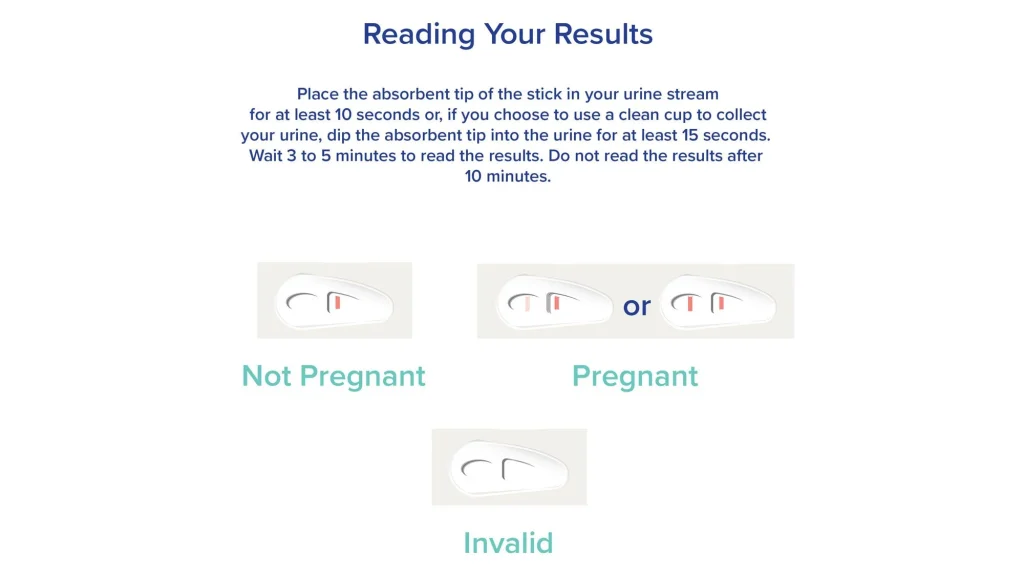
    Instructions for reading pregnancy test results with visual indicators for "Not Pregnant," "Pregnant," and "Invalid.

    The Power of Probiotics: How This Trend is Improving Digestive Health

    Another significant benefit of probiotics is their ability to decrease inflammation in the body. Chronic inflammation has been linked to various health conditions, including heart disease and autoimmune disorders. Probiotics work by reducing the production of pro-inflammatory cytokines and increasing the production of anti-inflammatory cytokines. This balance is crucial in maintaining a healthy inflammatory response in our bodies.

    So, how can you incorporate probiotics into your daily routine? As mentioned earlier, probiotics can be found in fermented foods like yogurt, kefir, and kimchi. However, not all yogurt and fermented foods contain probiotics, so it’s essential to read labels and look for products that specifically state that they contain live and active cultures. Probiotics can also be found in supplement form, such as pills, capsules, and powders. It’s important to note that not all probiotic supplements are created equal, so it’s essential to do your research and choose a reputable brand.

    When choosing a probiotic supplement, it’s crucial to consider the strain and the number of CFUs (colony-forming units). Different strains of probiotics have varying effects on the body, so it’s essential to choose a supplement that contains the strains that target your specific health concerns. As for CFUs, the higher the number, the more potent the probiotic will be. It’s recommended to choose a supplement with at least 10 billion CFUs for optimal benefits.

    In addition to consuming probiotics, it’s also essential to support their growth by incorporating prebiotic-rich foods into your diet. Prebiotics are a type of fiber that feeds the good bacteria in our gut, helping them thrive. Foods like bananas, onions, garlic, and asparagus are all excellent sources of prebiotics.

    While probiotics have many benefits for digestive health, it’s essential to note that they are not a cure-all and should not replace a healthy diet and lifestyle. It’s crucial to maintain a balanced diet, exercise regularly, and manage stress to support overall health and wellness.

    In summary, probiotics are live microorganisms that have numerous benefits for digestive health, immune function, mental health, and inflammation. They work by restoring the balance of good and bad bacteria in our gut, which is essential for proper digestion and overall health. Probiotics can be found in fermented foods and supplements and should be consumed in conjunction with prebiotic-rich foods for optimal benefits. While they are not a replacement for a healthy lifestyle, probiotics can play a significant role in improving digestive health and overall well-being.

  • The Connection Between Cervical Mucus and Menstrual Disorders: Using Tracking for Diagnosis

    Blog Post Title: The Connection Between Cervical Mucus and Menstrual Disorders: Using Tracking for Diagnosis

    Summary:

    Menstrual disorders are a common health concern for many women, affecting their physical and emotional well-being. While there are various factors that can contribute to menstrual disorders, one often overlooked aspect is cervical mucus. Cervical mucus is a vital sign of a woman’s reproductive health, and changes in its quality and quantity can provide valuable insights into underlying menstrual disorders.

    In this blog post, we will delve into the connection between cervical mucus and menstrual disorders, and how tracking it can aid in diagnosis and treatment.

    Understanding Cervical Mucus

    Cervical mucus is a fluid secreted by the cervix that plays a crucial role in fertility and menstruation. Its primary function is to protect and nourish sperm, facilitating their journey to the egg for fertilization. However, cervical mucus also undergoes various changes throughout the menstrual cycle, influenced by hormones such as estrogen and progesterone.

    Types of Cervical Mucus

    There are four main types of cervical mucus, each with its own characteristics and significance in the menstrual cycle.

    1. Dry/No mucus: This type of mucus is commonly seen during the early and late stages of the menstrual cycle when estrogen levels are low. It is thick and sticky, making it difficult for sperm to survive and travel.

    2. Sticky mucus: As estrogen levels start to rise in the days leading up to ovulation, cervical mucus becomes thinner, but still sticky. This type of mucus serves as a barrier for sperm, preventing them from entering the cervix.

    3. Creamy mucus: As ovulation approaches, estrogen levels continue to rise, causing cervical mucus to become even thinner and creamy in texture. This type of mucus is more conducive to sperm survival and can help them reach the egg.

    4. Egg white/stretchy mucus: This is the most fertile type of cervical mucus and occurs during the peak of ovulation. It is clear and stretchy, resembling raw egg whites, and helps sperm travel easily through the cervix to reach the egg.

    Home insemination kit by Mosie Baby with instructions and colorful packaging.

    The Connection Between Cervical Mucus and Menstrual Disorders: Using Tracking for Diagnosis

    The Connection Between Cervical Mucus and Menstrual Disorders

    Changes in cervical mucus can provide valuable insights into menstrual disorders, including irregular periods, heavy or light bleeding, and painful periods. Here’s how:

    1. Hormonal Imbalances: Hormonal imbalances, particularly in estrogen and progesterone, can affect the quality and quantity of cervical mucus. For instance, women with polycystic ovary syndrome (PCOS) may have higher levels of estrogen, leading to abnormal cervical mucus and irregular periods.

    2. Ovulation Disorders: As mentioned earlier, egg white/stretchy mucus is a sign of peak fertility and ovulation. Women who have infrequent or absent ovulation may not see this type of mucus, indicating a potential ovulation disorder.

    3. Inflammation: Inflammation of the cervix, caused by infections or other underlying conditions, can also impact cervical mucus. Inflammation can lead to changes in the mucus’s texture, making it less conducive to sperm survival.

    Tracking Cervical Mucus for Diagnosis

    Cervical mucus tracking involves keeping a record of the type, texture, and amount of mucus throughout the menstrual cycle. This can be done through methods such as checking the toilet paper after wiping, or using fertility tracking apps that allow for mucus input.

    By tracking cervical mucus, women can gain a better understanding of their menstrual cycle and identify any abnormalities or patterns that may indicate a potential menstrual disorder. This information can also be shared with healthcare providers to aid in diagnosis and treatment.

    Treatment for Menstrual Disorders

    Treatment for menstrual disorders will depend on the underlying cause identified through tracking cervical mucus and other symptoms. In the case of hormonal imbalances, hormone therapy or birth control pills may be prescribed to regulate the menstrual cycle. Ovulation disorders may be treated with medications or lifestyle changes to promote regular ovulation. Inflammation can be addressed with antibiotics or other treatments, depending on the underlying cause.

    In addition to medical treatment, lifestyle changes such as maintaining a healthy weight, exercising regularly, and managing stress can also help in managing menstrual disorders.

    In conclusion, cervical mucus is a crucial aspect of a woman’s reproductive health and can provide valuable insights into menstrual disorders. By understanding the types of cervical mucus and tracking changes throughout the menstrual cycle, women can take a proactive approach to their health and seek appropriate treatment if needed.

    SEO metadata:

  • Can Allergies Affect Your Body’s Ability to Produce Cervical Mucus?

    Blog Post:

    Cervical mucus is a vital component of a woman’s reproductive system. It plays a crucial role in fertility by helping sperm reach the egg, protecting the reproductive organs from infection, and indicating the best time for conception. However, for women who suffer from allergies, the production and quality of cervical mucus can be affected. In this blog post, we will explore the relationship between allergies and cervical mucus and how they can impact a woman’s ability to conceive.

    Allergies are a common condition that affects millions of people worldwide. They occur when the immune system reacts to substances that are usually harmless, such as pollen, dust, or certain foods. When a person with allergies comes into contact with an allergen, their body produces antibodies that trigger the release of histamines, causing symptoms like sneezing, itching, and congestion. While most allergies affect the respiratory system, they can also have an impact on other parts of the body, including the reproductive system.

    One of the ways allergies can affect the production of cervical mucus is by causing inflammation in the body. When the immune system is activated due to an allergic reaction, it releases inflammatory chemicals that can affect the reproductive organs, including the cervix. This inflammation can hinder the production of cervical mucus, making it thicker and less abundant. As a result, the sperm may struggle to swim through the mucus to reach the egg, reducing the chances of fertilization.

    Furthermore, allergies can also affect the quality of cervical mucus. Normally, cervical mucus has a specific consistency and pH level, which is essential for sperm survival and movement. However, allergies can alter these characteristics, making it more difficult for sperm to survive and reach the egg. In addition, allergies can also cause the cervix to produce more mucus than usual, which can create a hostile environment for sperm by diluting the concentration of sperm-friendly mucus.

    Another way allergies can impact cervical mucus is through medication. Women who suffer from allergies may take antihistamines to alleviate their symptoms. While these medications are safe, they can have side effects that can affect the production of cervical mucus. Antihistamines can dry up the mucus membranes, including those in the cervix, making it harder for sperm to travel through. Additionally, some allergy medications may contain ingredients that can interfere with the quality of cervical mucus, making it less conducive to sperm survival.

    At-home insemination kit with ovulation and pregnancy tests, promoting fertility and family planning.

    Can Allergies Affect Your Body's Ability to Produce Cervical Mucus?

    It is important to note that not all allergies affect cervical mucus production in the same way. For instance, seasonal allergies, also known as hay fever, have been found to have a more significant impact on cervical mucus than food allergies. This is because seasonal allergies are triggered by airborne allergens, which can directly affect the respiratory and reproductive systems. On the other hand, food allergies are usually triggered by ingesting allergenic foods, and the effects may not be as pronounced.

    Moreover, allergies can also have an indirect effect on cervical mucus production. When a woman is experiencing an allergic reaction, her body is under stress, and this can have a negative impact on her hormonal balance. Hormonal imbalances can cause changes in cervical mucus production and quality, making it more difficult for sperm to travel to the egg. This is especially true for women who have allergies that are not well-managed, and their bodies are constantly exposed to allergens.

    In addition to affecting cervical mucus, allergies can also impact a woman’s overall reproductive health. Inflammation caused by allergies can also damage the fallopian tubes, making it harder for the egg to travel from the ovaries to the uterus. Allergies can also cause chronic sinus infections, which can lead to inflammation of the reproductive organs and interfere with ovulation. Furthermore, allergies can also increase the risk of developing endometriosis, a condition in which the tissue that lines the uterus grows outside of it, causing fertility problems.

    So, what can women with allergies do to improve their cervical mucus production and increase their chances of conception? The first step is to manage their allergies effectively. This can involve identifying and avoiding allergens, taking appropriate medication, and seeking medical advice if needed. Women can also try natural remedies such as using a saline nasal spray to keep the nasal passages moist, using a humidifier to increase moisture in the air, and drinking plenty of water to keep the body hydrated.

    In conclusion, allergies can have a significant impact on a woman’s body, including the production and quality of cervical mucus. Inflammation, changes in hormonal balance, and medication can all contribute to a decrease in cervical mucus, making it more challenging to conceive. However, with proper management of allergies and taking steps to improve cervical mucus production, women can increase their chances of successful conception. If you are struggling with allergies and fertility issues, be sure to consult with your doctor for personalized advice and treatment.

    Summary:

    This blog post discusses the relationship between allergies and cervical mucus and how allergies can affect a woman’s ability to produce and maintain healthy cervical mucus. Inflammation, changes in hormonal balance, and medication can all contribute to a decrease in cervical mucus, making it more challenging to conceive. Proper management of allergies and taking steps to improve cervical mucus production can help increase the chances of successful conception.

  • The Impact of Allergies on Cervical Mucus Quantity and Consistency

    Blog Post:

    Allergies are a common health issue that affects millions of people worldwide. They are caused by the body’s immune system reacting to harmless substances, such as pollen, dust, or certain foods. While allergies are usually associated with symptoms like sneezing, itchy eyes, and skin rashes, they can also have an impact on other parts of the body, including cervical mucus. Cervical mucus is a fluid produced by the cervix that plays a vital role in the female reproductive system. In this blog post, we will explore the impact of allergies on cervical mucus quantity and consistency and how it can affect a woman’s fertility and overall health.

    The Role of Cervical Mucus in Fertility

    Before we dive into the link between allergies and cervical mucus, let’s first understand the importance of cervical mucus in fertility. Cervical mucus serves as a protective barrier for the female reproductive system, preventing bacteria and other harmful substances from entering the uterus. It also plays a crucial role in fertility by providing a hospitable environment for sperm to travel through and fertilize the egg. Additionally, cervical mucus helps to filter out unhealthy sperm, ensuring that only the healthiest ones reach the egg.

    Cervical Mucus Quantity and Consistency

    The quantity and consistency of cervical mucus change throughout a woman’s menstrual cycle. After menstruation, there is usually little to no cervical mucus present. As ovulation approaches, the quantity of cervical mucus increases, and it becomes thinner and more stretchy, similar to the consistency of raw egg whites. This type of cervical mucus is known as fertile cervical mucus and is considered to be the most conducive to pregnancy. After ovulation, the quantity of cervical mucus decreases, and it becomes thicker and stickier, making it difficult for sperm to travel through.

    The Impact of Allergies on Cervical Mucus Quantity and Consistency

    Allergies can affect cervical mucus quantity and consistency in several ways. First, allergies can cause inflammation in the body, including the reproductive system. This inflammation can affect the production of cervical mucus, leading to a decrease in quantity. Additionally, allergies can cause the body to produce excess histamine, a chemical that can dry out the mucous membranes, including those in the cervix. This can result in a decrease in cervical mucus production and a change in its consistency.

    Allergies can also trigger an overproduction of mucus in the body, leading to an increase in cervical mucus quantity. However, this excess mucus may be thicker and stickier, making it difficult for sperm to travel through. Furthermore, allergies can cause changes in the pH balance of cervical mucus, making it less hospitable for sperm and decreasing the chances of fertilization.

    The Connection Between Allergies and Hormones

    guide and materials for using Mosie Baby fertility kit on a textured surface

    The Impact of Allergies on Cervical Mucus Quantity and Consistency

    Hormones play a significant role in both allergies and cervical mucus production. As allergies can cause inflammation in the body, they can also affect hormone levels, particularly estrogen. Estrogen is responsible for thickening the uterine lining and increasing cervical mucus production. When estrogen levels are low due to allergies, it can lead to a decrease in cervical mucus quantity and quality.

    On the other hand, allergies can also affect progesterone levels, another hormone that plays a crucial role in fertility. Progesterone is responsible for maintaining a thick uterine lining and promoting the production of fertile cervical mucus. When progesterone levels are low due to allergies, it can cause a decrease in cervical mucus production and result in a hostile environment for sperm.

    The Impact of Allergies on Fertility

    The effects of allergies on cervical mucus quantity and consistency can have a significant impact on a woman’s fertility. If allergies cause a decrease in fertile cervical mucus, it can make it difficult for sperm to reach the egg, hindering pregnancy. Additionally, allergies can also affect the quality of cervical mucus, making it less hospitable for sperm and decreasing the chances of fertilization.

    Furthermore, allergies can also lead to hormonal imbalances, which can interfere with ovulation and the production of healthy eggs. This can result in difficulties in getting pregnant or even lead to infertility. It is essential for women who are trying to conceive to manage their allergies and maintain a healthy balance of cervical mucus to increase their chances of getting pregnant.

    Managing Allergies and Improving Cervical Mucus Quality

    There are several ways to manage allergies and improve cervical mucus quality. First, it is essential to identify and avoid triggers that can worsen allergies. This may include certain foods, pollen, or dust. It is also helpful to consult with a doctor or allergist to develop a treatment plan that can help alleviate allergy symptoms.

    In addition, incorporating healthy habits and lifestyle changes can also help improve cervical mucus quality. This includes staying hydrated, reducing stress levels, and maintaining a healthy diet rich in nutrients that support hormone production.

    Summary:

    Allergies can have a significant impact on cervical mucus quantity and consistency. They can cause a decrease in fertile cervical mucus, making it difficult for sperm to reach the egg and decreasing the chances of fertilization. Allergies can also affect hormone levels, leading to imbalances that can interfere with ovulation and fertility. It is essential for women to manage their allergies and maintain a healthy balance of cervical mucus to improve their chances of getting pregnant.

  • How Your Allergies Could Be Affecting Your Cervical Mucus Production

    Blog Post: How Your Allergies Could Be Affecting Your Cervical Mucus Production

    Allergies are a common condition that affects millions of people worldwide. They can cause a variety of symptoms such as sneezing, itchy eyes, and congestion. But did you know that allergies can also have an impact on your cervical mucus production? Cervical mucus is a vital part of your reproductive system, and any changes to its production can have a significant impact on your fertility. In this blog post, we will explore the connection between allergies and cervical mucus production and how you can manage both to improve your overall health and fertility.

    The Role of Cervical Mucus in Fertility

    Before we dive into the effects of allergies on cervical mucus, let’s first understand the role of cervical mucus in fertility. Cervical mucus is a fluid secreted by the cervix, the narrow passage that connects the uterus to the vagina. This mucus plays a crucial role in the reproductive system by creating a hospitable environment for sperm to thrive. It also helps sperm travel through the reproductive tract to reach and fertilize the egg.

    Throughout your menstrual cycle, the appearance and consistency of your cervical mucus change. After your period, there is usually little to no mucus present, and it gradually increases in quantity and becomes thinner and more stretchy as you approach ovulation. This type of mucus, known as fertile cervical mucus, is essential for conception as it allows sperm to survive longer and travel faster. After ovulation, the mucus becomes thicker and less hospitable to sperm.

    Allergies and Cervical Mucus Production

    Allergies can affect cervical mucus production in several ways. The most common way is through the use of antihistamines, a type of medication used to relieve allergy symptoms. Antihistamines work by blocking the effects of histamine, a chemical released by the body during an allergic reaction. However, histamine also plays a role in cervical mucus production. It helps to thin out the mucus, making it easier for sperm to swim through. By blocking histamine, antihistamines can also reduce cervical mucus production, making it harder for sperm to reach the egg.

    Another way allergies can affect cervical mucus production is through inflammation. When your body is exposed to an allergen, it triggers an inflammatory response, causing the release of chemicals that can affect various bodily functions, including cervical mucus production. Inflammation can make the mucus thicker and stickier, making it difficult for sperm to penetrate and survive.

    Furthermore, allergies can also cause hormonal imbalances, which can impact cervical mucus production. Hormones play a crucial role in regulating the menstrual cycle and the production of cervical mucus. Any disruptions in these hormones can lead to changes in the appearance and quantity of cervical mucus, making it harder for sperm to reach the egg.

    blue box with "mosie" logo, syringes, and informational pamphlet on a pink background

    How Your Allergies Could Be Affecting Your Cervical Mucus Production

    Managing Allergies and Cervical Mucus Production

    If you suffer from allergies and are trying to conceive, it is essential to manage your allergies to optimize your cervical mucus production. The first step is to consult with your doctor and determine the best course of treatment for your allergies. They may recommend alternative medications that do not affect cervical mucus production or prescribe a specific antihistamine that is less likely to impact fertility.

    In addition to medication, there are also natural remedies you can try to manage your allergies. These include using a saline nasal spray, taking steam showers, and using a humidifier to keep the air moist. These methods can help reduce inflammation and thin out cervical mucus, making it easier for sperm to travel.

    Maintaining a healthy diet and lifestyle can also help manage allergies and improve cervical mucus production. Eating a balanced diet rich in antioxidants can help reduce inflammation in the body. Regular exercise can also help boost the immune system and reduce allergy symptoms. Additionally, staying hydrated can help thin out cervical mucus and improve its quality.

    It is also crucial to track your menstrual cycle and monitor changes in your cervical mucus. This can help you identify any patterns or changes related to your allergies and make adjustments accordingly. Some women may find that their allergies have a more significant impact on their cervical mucus production during specific times of the year, such as allergy season. By being aware of these patterns, you can take proactive steps to manage your allergies and optimize your cervical mucus production during these times.

    In Conclusion

    Allergies can have a significant impact on your overall health and fertility, including cervical mucus production. Antihistamines, inflammation, and hormonal imbalances can all contribute to changes in the quality and quantity of cervical mucus, making it harder to conceive. However, by managing your allergies through medication, natural remedies, and a healthy lifestyle, you can improve your cervical mucus production and increase your chances of conception. By understanding the connection between allergies and cervical mucus, you can take control of your health and fertility journey.

    Summary:

    Allergies can have a significant effect on cervical mucus production, which plays a crucial role in fertility. Antihistamines, inflammation, and hormonal imbalances can all impact the quantity and quality of cervical mucus, making it harder for sperm to reach and fertilize the egg. It is essential to manage allergies through medication, natural remedies, and a healthy lifestyle to optimize cervical mucus production. Tracking your menstrual cycle and being aware of any changes or patterns can also help you make adjustments to manage allergies and improve fertility.

  • The Impact of Allergies on Cervical Mucus Changes Throughout Your Cycle

    Blog Post Title: The Impact of Allergies on Cervical Mucus Changes Throughout Your Cycle

    Summary:

    Cervical mucus is a fluid produced by the cervix that plays a crucial role in fertility and the menstrual cycle. It helps sperm reach the egg and protects it from infections. The consistency and appearance of cervical mucus changes throughout the menstrual cycle, and these changes can be affected by various factors, including allergies.

    Allergies are a common health issue, with millions of people suffering from them worldwide. They occur when the immune system overreacts to a substance that is usually harmless, such as pollen, dust, or certain foods. Allergies have been linked to various health problems, including changes in cervical mucus.

    In this blog post, we will explore the impact of allergies on cervical mucus changes throughout the menstrual cycle and how they can affect fertility.

    Effects of Allergies on Cervical Mucus:

    Allergies can cause inflammation and irritation in the body, and this includes the cervix. When the cervix is inflamed, it produces more mucus than usual, leading to changes in the consistency and appearance of cervical mucus. This can make it difficult for sperm to swim through the mucus and reach the egg, hindering conception.

    Allergies can also cause changes in the pH balance of the cervix, which can affect the quality of cervical mucus. The ideal pH balance for sperm to survive and thrive is slightly alkaline, but allergies can make the cervical mucus more acidic, making it difficult for sperm to survive and reach the egg.

    Furthermore, allergies can also cause changes in the cervical mucus’ texture, making it thicker and stickier. This type of mucus is not suitable for sperm to travel through, making it challenging for conception to occur.

    Impact on Fertility:

    Two transparent syringes with teal accents positioned diagonally on a light gray background.

    The Impact of Allergies on Cervical Mucus Changes Throughout Your Cycle

    The changes in cervical mucus caused by allergies can have a significant impact on fertility. As mentioned earlier, the increased quantity and thicker texture of mucus can create a barrier for sperm, making it difficult for them to reach the egg. This can lead to difficulties in conceiving, especially for couples who are trying to get pregnant.

    Moreover, allergies can also cause changes in the timing of ovulation. In a typical menstrual cycle, ovulation occurs around day 14, and the cervical mucus changes to a thin, watery consistency to help sperm reach the egg. However, allergies can disrupt this process, leading to delayed ovulation or even anovulation (lack of ovulation).

    How to Manage Allergies and Cervical Mucus Changes:

    Managing allergies can help improve cervical mucus changes and increase the chances of conception. Here are some tips to help manage allergies and their impact on cervical mucus:

    1. Identify and avoid triggers: The first step in managing allergies is to identify the triggers and avoid them as much as possible. Common triggers include pollen, dust, pet dander, and certain foods. If you are allergic to a particular substance, try to limit your exposure to it.

    2. Take allergy medication: Over-the-counter or prescription allergy medication can help reduce inflammation and irritation in the body, including the cervix. Consult with your doctor to find the right medication for your allergies.

    3. Stay hydrated: Drinking plenty of water can help thin out cervical mucus, making it easier for sperm to swim through. It can also help flush out any allergens in the body.

    4. Consider fertility-friendly lubricants: If you are trying to conceive, using a sperm-friendly lubricant can help improve the chances of sperm reaching the egg. Avoid using lubricants that contain spermicides, as they can be harmful to sperm.

    5. Speak to your doctor: If you are struggling to conceive or have concerns about the impact of allergies on your cervical mucus, speak to your doctor. They can provide personalized advice and treatment options to help manage your allergies and improve fertility.

    Conclusion:

    In conclusion, allergies can have a significant impact on cervical mucus changes throughout the menstrual cycle. They can alter the quantity, texture, and pH balance of cervical mucus, making it difficult for sperm to reach the egg. This can lead to difficulties in conceiving and delays in ovulation. By managing allergies and seeking medical advice, it is possible to improve cervical mucus changes and increase the chances of conception.