Tag: fertility treatment

  • Insemination Made Easy: The Ultimate Starter Pack for Women with PCOS

    Insemination Made Easy: The Ultimate Starter Pack for Women with PCOS

    Polycystic Ovary Syndrome (PCOS) is a common hormonal disorder that affects many women of reproductive age. One of the challenges women with PCOS face is trying to conceive, as the condition can cause irregular or absent ovulation. Insemination, also known as artificial insemination, is a fertility treatment that can help women with PCOS increase their chances of getting pregnant. In this blog post, we will explore everything you need to know about insemination and how to make the process easier for women with PCOS.

    What is Insemination?

    Insemination is a fertility treatment that involves placing sperm directly into a woman’s uterus to increase the chances of fertilization. It is commonly used for couples experiencing male factor infertility, unexplained infertility, or for single women or same-sex couples who want to conceive. Insemination can be done with the partner’s sperm (intrauterine insemination or IUI) or donor sperm (intrauterine insemination with donor sperm or IUI-D).

    How Does PCOS Affect Insemination?

    PCOS can affect the success of insemination in several ways. One of the main factors is irregular or absent ovulation, which can make it challenging to time the insemination procedure correctly. Additionally, women with PCOS often have higher levels of male hormones, which can result in poor egg quality and reduce the chances of fertilization. PCOS can also cause an increase in the number of follicles, which can lead to multiple pregnancies if not monitored and controlled properly.

    The Ultimate Starter Pack for Insemination with PCOS

    1. Consult with a Fertility Specialist

    The first step in your journey to insemination is to consult with a fertility specialist. They will assess your medical history, perform necessary tests, and create a personalized treatment plan for you. It is essential to choose a specialist who has experience in treating women with PCOS as they will have a better understanding of the challenges you may face.

    2. Manage Your PCOS Symptoms

    Before starting insemination, it is crucial to manage your PCOS symptoms. This includes maintaining a healthy weight, managing insulin resistance, and reducing stress levels. These steps can help improve your overall health and increase your chances of getting pregnant.

    3. Consider Ovulation Induction

    At-home insemination kit with ovulation and pregnancy tests, promoting fertility and family planning.

    Insemination Made Easy: The Ultimate Starter Pack for Women with PCOS

    Ovulation induction is a common treatment for women with PCOS. It involves using medication to stimulate the ovaries to produce more eggs. This can help regulate ovulation and increase the chances of successful insemination. Your fertility specialist will monitor your response to the medication and make necessary adjustments to ensure the best results.

    4. Monitor Follicle Growth

    Women with PCOS often have a higher number of follicles than women without the condition. This can increase the risk of multiple pregnancies if left unchecked. It is crucial to monitor follicle growth through ultrasounds to ensure the correct number of follicles is present before the insemination procedure.

    5. Time the Insemination Procedure Correctly

    Timing is crucial for successful insemination. Women with PCOS may have unpredictable ovulation patterns, making it challenging to time the procedure correctly. Your fertility specialist will monitor your cycle and perform the insemination when you are most likely to ovulate.

    6. Consider Donor Sperm

    In cases where the male partner has fertility issues, or for single women or same-sex couples, donor sperm may be used for insemination. It is essential to choose a reputable sperm bank and discuss any preferences or criteria you may have with your fertility specialist.

    7. Follow Post-Insemination Care

    After the insemination procedure, it is crucial to follow your fertility specialist’s instructions for post-insemination care. This may include avoiding strenuous activities, taking prescribed medication, and monitoring for any early pregnancy symptoms. It is also essential to schedule a follow-up appointment with your specialist to discuss the success of the procedure and any next steps.

    Summary

    Insemination can be an effective fertility treatment for women with PCOS. However, it is essential to consult with a fertility specialist, manage PCOS symptoms, consider ovulation induction, and carefully monitor follicle growth and timing for successful insemination. Donor sperm may also be an option for some women. Following post-insemination care is crucial for the best chances of getting pregnant.

    In conclusion, insemination can be a viable option for women with PCOS who are trying to conceive. With the right information, guidance, and medical care, it can increase the chances of getting pregnant and starting a family. If you have PCOS and are considering insemination, consult with a fertility specialist and follow the steps outlined in this blog post for a successful journey to motherhood.


  • Insemination Made Easy: A Comprehensive Guide to Your Starter Pack

    Insemination Made Easy: A Comprehensive Guide to Your Starter Pack

    Insemination, also known as artificial insemination, is a common fertility treatment used by couples and individuals who are struggling to conceive naturally. It involves the insertion of sperm into a woman’s reproductive tract in order to facilitate fertilization and hopefully lead to a successful pregnancy. While the concept of insemination may seem straightforward, there are many factors and considerations that go into the process, making it important to have a comprehensive guide to help you navigate it successfully.

    In this blog post, we will discuss everything you need to know about insemination, including the various methods, the benefits and risks, and how to prepare for the procedure. We will also introduce you to the “Starter Pack,” a comprehensive guide that will make the insemination process easier for you.

    Methods of Insemination

    There are two main methods of insemination: intrauterine insemination (IUI) and intracervical insemination (ICI). IUI involves the insertion of washed sperm directly into the uterus, while ICI involves the insertion of sperm into the cervix. Both methods are relatively simple and painless, with IUI being slightly more effective due to the closer proximity of the sperm to the egg.

    Benefits and Risks of Insemination

    The main benefit of insemination is that it increases the chances of fertilization and pregnancy for couples and individuals who are struggling to conceive. It is also a less invasive and less expensive option compared to other fertility treatments like in vitro fertilization (IVF). However, there are also some risks associated with insemination, such as potential infections, discomfort during the procedure, and multiple pregnancies. It is important to discuss these risks with your healthcare provider and make an informed decision.

    Informative card introducing the Mosie Baby Kit and its mission for at-home insemination.

    Insemination Made Easy: A Comprehensive Guide to Your Starter Pack

    Preparing for Insemination

    Before undergoing insemination, there are some important steps you need to take to prepare yourself physically and mentally. These include tracking your ovulation cycle, maintaining a healthy lifestyle, and discussing any potential fertility issues with your partner and healthcare provider. Your healthcare provider may also recommend certain medications to help increase your chances of conception.

    Introducing the Starter Pack

    The insemination process can be overwhelming and confusing, especially for first-timers. This is where the “Starter Pack” comes in. This comprehensive guide contains all the necessary information and resources to help you navigate insemination with ease. It includes step-by-step instructions, tips for preparing yourself physically and mentally, and a checklist of everything you need for the procedure.

    Additionally, the Starter Pack also includes a fertility tracker to help you keep track of your ovulation cycle, a list of recommended medications, and a diary to document your insemination journey. It is designed to make the insemination process as stress-free as possible and provide you with all the tools you need to increase your chances of a successful pregnancy.

    Insemination Made Easy: Your Comprehensive Guide

    In conclusion, insemination is a fertility treatment that can help couples and individuals achieve their dream of starting a family. While the process may seem daunting, having a comprehensive guide like the “Starter Pack” can make all the difference. By understanding the methods, benefits and risks, and how to prepare for insemination, you can increase your chances of a successful pregnancy and make the process as smooth as possible.

    SEO Metadata:

  • The Syringe Method and Male Fertility: A Comprehensive Guide for Couples

    Blog Post Title: The Syringe Method and Male Fertility: A Comprehensive Guide for Couples

    Summary:

    Infertility is a common problem that many couples face, with male fertility being a significant factor. While there are various methods and treatments available to help couples conceive, there is one method that has been gaining attention in recent years – the syringe method. This method involves injecting sperm directly into the woman’s cervix, bypassing any potential issues with the male’s sperm count or quality. In this blog post, we will delve into the syringe method and how it can help couples struggling with male fertility.

    at-home insemination kit with syringes, collection cups, and instructions on a pink background

    The Syringe Method and Male Fertility: A Comprehensive Guide for Couples

    First, we will discuss the causes of male infertility and how the syringe method can address these issues. We will also explore the process of the syringe method, including the preparation, equipment needed, and the actual insemination process. Next, we will discuss the success rates of this method and compare them to other fertility treatments. To provide a well-rounded view, we will also discuss the potential risks and drawbacks of the syringe method.

    Furthermore, we will address the emotional impact of male infertility on couples and how the syringe method can offer hope and a sense of control in the fertility journey. We will also provide tips and resources for couples considering the syringe method, including how to find a qualified healthcare provider and how to prepare physically and emotionally for the procedure.

    In conclusion, the syringe method can be a viable option for couples struggling with male fertility. With its high success rates, minimal risks, and potential emotional benefits, it is worth considering for those seeking alternative fertility treatments. By understanding the process, success rates, and potential drawbacks of the syringe method, couples can make an informed decision on whether it is the right option for them.

  • Fertility Made Simple: The Benefits of At-Home Insemination Solution Sets

    Blog Post Title: Fertility Made Simple: The Benefits of At-Home Insemination Solution Sets

    Summary:

    In recent years, there has been a growing interest in at-home insemination as a fertility solution. This method involves using a specially designed solution set to help individuals or couples achieve pregnancy without the need for medical intervention. At-home insemination solution sets offer a convenient, affordable, and effective alternative for those struggling with fertility issues. In this blog post, we will explore the benefits of using at-home insemination solution sets and how they can make the fertility journey simpler for hopeful parents.

    Firstly, at-home insemination solution sets provide a more intimate and comfortable experience for individuals or couples trying to conceive. Unlike clinical procedures, at-home insemination can be done in the privacy of one’s own home, without the stress and pressure of a medical setting. This can help couples feel more relaxed and connected during the process, which can improve the chances of success.

    Moreover, at-home insemination solution sets are more affordable compared to other fertility treatments. In vitro fertilization (IVF) and intrauterine insemination (IUI) can cost thousands of dollars, making it inaccessible for many individuals and couples. On the other hand, at-home insemination solution sets are a fraction of the cost, making it a more viable option for those on a budget. This can be especially beneficial for same-sex couples or single individuals who may not have insurance coverage for fertility treatments.

    At-home insemination kit with syringes and collection cups on a teal background.

    Fertility Made Simple: The Benefits of At-Home Insemination Solution Sets

    Another advantage of at-home insemination solution sets is the flexibility they offer. Many fertility clinics have strict scheduling and timing for procedures, which can be challenging for individuals with busy work schedules or those who live far from the clinic. With at-home insemination, the timing can be more flexible, and the procedure can be done at a convenient time in the comfort of one’s home. This can significantly reduce the stress and pressure associated with fertility treatments.

    One of the main benefits of at-home insemination solution sets is that they can be used in the privacy of one’s own home, without the need for a medical professional. This allows individuals or couples to take control of their fertility journey and be more involved in the process. It also eliminates the need for frequent visits to the clinic, which can be time-consuming and expensive. At-home insemination solution sets provide a sense of empowerment and autonomy for those trying to conceive.

    Furthermore, at-home insemination solution sets can be used by individuals or couples with various fertility issues. Whether it is male factor infertility, ovulation disorders, or same-sex couples, at-home insemination can be a suitable option for many. The solution sets come with detailed instructions and can be used with or without medical guidance, making it accessible for a wide range of people.

    It is essential to note that at-home insemination solution sets are not suitable for everyone, and it is recommended to consult a fertility specialist before starting the process. Additionally, for those who have been trying to conceive for an extended period, it is crucial to seek medical advice to identify any underlying fertility issues.

    In conclusion, at-home insemination solution sets offer a convenient, affordable, and empowering option for individuals or couples trying to conceive. They provide a more intimate and relaxed experience, are more flexible, and can be used by a wide range of people with different fertility issues. While it may not be the right solution for everyone, at-home insemination is an excellent alternative for those looking for a more natural and less invasive fertility treatment.

  • The Future of Conception: Exploring the Benefits of Syringe Kits

    The Future of Conception: Exploring the Benefits of Syringe Kits

    In recent years, the topic of conception and fertility has become increasingly prevalent in society. From advancements in assisted reproductive technology to a rise in awareness and acceptance of various family planning methods, it is clear that people are becoming more open to exploring their options when it comes to starting a family. One such option that has gained traction in the world of conception is the use of syringe kits for assisted insemination. In this blog post, we will delve into the benefits of using syringe kits for conception, and how they may shape the future of fertility treatments.

    What are Syringe Kits for Conception?

    Syringe kits for conception, also known as syringe insemination, are a method of assisted reproductive technology that allows individuals or couples to perform insemination at home. The kit typically includes a syringe, a catheter or cannula, and instructions for use. The process involves collecting semen from a donor or partner and using the syringe to deposit it into the vagina near the cervix. This method can be used for both intrauterine insemination (IUI) and intracervical insemination (ICI).

    Benefits of Syringe Kits for Conception

    1. Cost-Effective

    One of the main benefits of using syringe kits for conception is their cost-effectiveness. Traditional fertility treatments such as in vitro fertilization (IVF) can be expensive and not always covered by insurance. Syringe kits, on the other hand, are relatively affordable and can be purchased online or at a local pharmacy. This makes them a viable option for those who may not have the financial means to pursue other fertility treatments.

    2. Convenience

    Syringe kits for conception offer a high level of convenience, as they can be used in the comfort of one’s own home. This eliminates the need for frequent trips to a fertility clinic, which can be time-consuming and disruptive to daily life. Additionally, many people may feel more comfortable and relaxed in their own environment, making the process less stressful and more enjoyable.

    3. Privacy

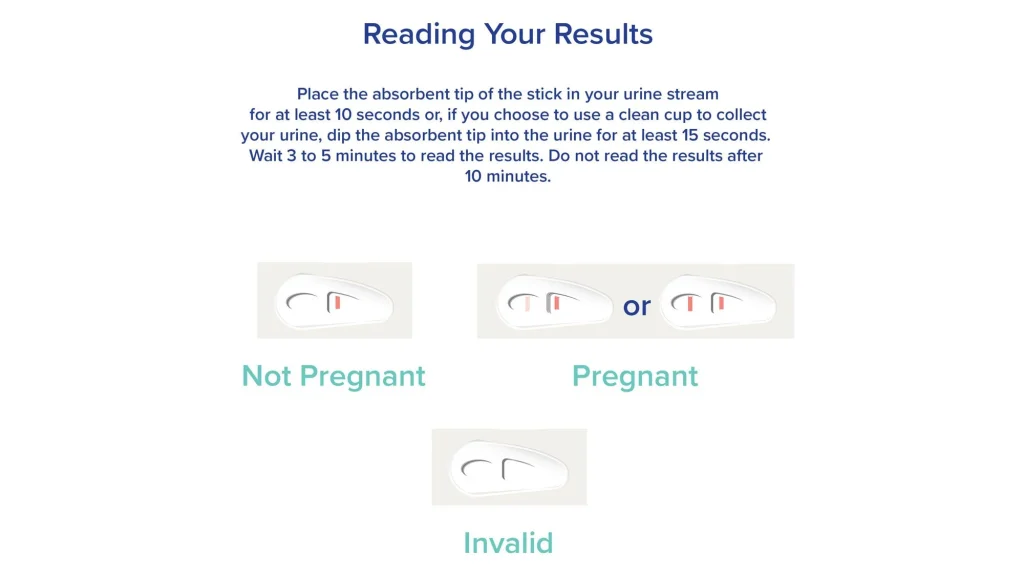
    Instructions for reading pregnancy test results with visual indicators for "Not Pregnant," "Pregnant," and "Invalid.

    The Future of Conception: Exploring the Benefits of Syringe Kits

    For some individuals or couples, the concept of going through a fertility clinic or having a medical professional involved in the conception process may feel invasive or uncomfortable. Syringe kits offer a more private and intimate option for those who prefer to handle the process themselves. This can be especially beneficial for same-sex couples or single individuals who may not want to involve a third party in the conception process.

    4. Increased Control

    Syringe kits for conception put the control in the hands of the individual or couple, allowing them to time the insemination to align with ovulation. This can increase the chances of successful conception, as timing is crucial in the process. It also eliminates the need for frequent appointments and monitoring at a fertility clinic, giving individuals more control over their fertility journey.

    5. No Side Effects

    Unlike other fertility treatments that may have side effects such as hormonal changes or discomfort, syringe kits for conception have no known side effects. This makes them a safer and more natural option for those who may be hesitant to undergo other forms of fertility treatment.

    The Future of Conception

    As society becomes more open-minded and accepting of various family planning methods, the use of syringe kits for conception is likely to increase. With their cost-effectiveness, convenience, and privacy, they offer a promising option for those struggling with fertility issues or simply looking to start a family on their own terms.

    Furthermore, as technology continues to advance, it is possible that syringe kits may become even more accessible and user-friendly. With the rise of at-home health and wellness products, it is not far-fetched to imagine a future where syringe kits for conception are widely available and even more advanced than they are currently.

    In addition, the use of syringe kits for conception may also lead to a shift in societal attitudes towards assisted reproductive technology. With more individuals and couples taking control of their fertility journey, it is possible that the stigma surrounding fertility treatments may decrease, leading to a more inclusive and supportive environment for those struggling with conception.

    In conclusion, syringe kits for conception offer a promising future for individuals and couples looking to start a family. With their cost-effectiveness, convenience, privacy, and lack of side effects, they provide a viable option for those seeking to overcome fertility struggles or take control of their family planning. As society continues to evolve and embrace various forms of assisted reproductive technology, it is likely that syringe kits will play a significant role in shaping the future of conception.

  • Overcoming Challenges: Home Insemination and Infertility

    Overcoming Challenges: Home Insemination and Infertility

    Infertility is a challenging and emotionally taxing experience for many couples. It can feel like a lonely and isolating journey, with endless doctor visits, treatments, and disappointments. For some, the idea of home insemination may seem like a viable and more private option. However, this process also comes with its own set of challenges and obstacles. In this blog post, we will discuss the challenges of home insemination and infertility and how to overcome them.

    Understanding Home Insemination

    Home insemination, also known as self-insemination, is the process of using a donor sperm to fertilize the egg at home. It is often used by same-sex couples, single women, or couples struggling with male factor infertility. The process involves using a syringe or a soft cup to deposit the sperm near the cervix during ovulation. This method can be done in the comfort of one’s home, which can be appealing to many couples.

    Challenges of Home Insemination

    While the idea of home insemination may sound simple and straightforward, it comes with its own unique set of challenges. Here are some of the most common challenges that couples face when considering home insemination for fertility treatment.

    1. Finding a Reliable Donor

    One of the most significant challenges of home insemination is finding a reliable donor. Unlike fertility clinics, which have carefully screened donors, home insemination relies on finding a donor through alternative means. This can be through a sperm bank, a known donor, or online sperm donation websites. However, these options come with their own risks, and it can be challenging to find a donor who meets all the necessary criteria.

    2. Timing and Ovulation

    Timing is crucial when it comes to home insemination. Unlike fertility treatments in a clinic, where ovulation can be monitored and timed accurately, home insemination relies on the woman’s ability to track her ovulation. This can be challenging, especially for women with irregular cycles. It can also be stressful for couples, as missing the ovulation window can result in a failed attempt.

    3. Legal Considerations

    Home insemination also comes with legal considerations that must be taken into account. In some states, using a known donor or donor sperm at home may not be legal, and couples may face legal challenges if they proceed with home insemination. It is crucial to research and understand the laws in your state before embarking on this journey.

    4. Emotional Challenges

    illustration of Mosie Baby home insemination kit highlighting seamless transfer and size features

    Overcoming Challenges: Home Insemination and Infertility

    Infertility can take a toll on an individual’s mental health and well-being. While home insemination may offer a more private and less clinical option, it can still be emotionally challenging. Couples may feel anxious, stressed, or overwhelmed during the process, especially if multiple attempts fail. It is essential to have a strong support system and seek professional help if needed to cope with these emotions.

    Overcoming the Challenges

    Despite the challenges of home insemination, many couples have successfully conceived using this method. Here are some ways to overcome the obstacles and increase the chances of success.

    1. Research and Consultation

    Before embarking on home insemination, it is crucial to research and understand the process thoroughly. Consultation with a fertility specialist is also recommended to ensure that this method is suitable for your specific situation.

    2. Finding a Reliable Donor

    Finding a reliable donor is crucial for a successful home insemination. If using a known donor, make sure to have a legal agreement in place and conduct thorough medical and genetic testing. If using a sperm bank or online donation website, research and choose a reputable and reliable source.

    3. Tracking Ovulation

    Tracking ovulation accurately is essential for home insemination. Invest in reliable ovulation predictor kits or apps to help determine the best time for insemination. Consider seeking the help of a fertility specialist for accurate ovulation tracking and timing.

    4. Emotional Support

    Home insemination can be an emotionally taxing experience. It is essential to have a strong support system, whether it is your partner, family, friends, or a support group. Seek professional help if needed to cope with the stress and emotions that come with infertility.

    In conclusion, home insemination can offer a private and accessible option for couples struggling with infertility. However, it comes with its own set of challenges that must be considered and overcome. With thorough research, consultation, and support, home insemination can be a successful option for couples on their journey to parenthood.

    SEO Metadata:

  • The Emotional Side of Home Insemination: Coping with the Process

    Blog Post:

    Home insemination is a method of fertility treatment that involves using a syringe or a cervical cap to insert sperm into the vagina at the time of ovulation. This method can be used by couples who are trying to conceive, as well as by single women or same-sex couples. While the physical process of home insemination may seem simple, the emotional side of it can be complex and challenging. In this blog post, we will discuss the various emotions that individuals may experience during the process of home insemination and some coping strategies to help navigate through them.

    1. Excitement and Hope

    The decision to start the home insemination process is often accompanied by feelings of excitement and hope. For couples who have been struggling with infertility, this method can offer a glimmer of hope for starting or expanding their family. Single women or same-sex couples may also feel excited at the prospect of starting their journey towards parenthood. These feelings are completely normal and can serve as motivation throughout the process.

    2. Anxiety and Fear

    As the home insemination process begins, individuals may start to feel anxious and fearful. The fear of the unknown and the possibility of not being successful can be overwhelming. For couples who have been trying to conceive for a long time, the fear of disappointment can be particularly strong. It is important to acknowledge these feelings and find ways to manage them. Talking to a supportive partner, friend, or therapist can help alleviate some of the anxiety and fear.

    3. Pressure and Stress

    The pressure to conceive can also be a significant source of stress during the home insemination process. This pressure can come from within, as individuals may feel like they are running out of time or that their fertility may decline with age. It can also come from external factors, such as family or societal expectations. It is essential to remember that everyone’s fertility journey is unique, and putting too much pressure on oneself can be counterproductive. Taking breaks and focusing on self-care can help alleviate some of the stress.

    4. Disappointment and Sadness

    For some individuals, the home insemination process may result in disappointment and sadness. The process of tracking ovulation, timing inseminations, and waiting for pregnancy test results can be emotionally draining. And if the desired outcome is not achieved, it can be devastating. It is crucial to acknowledge and process these feelings, rather than suppressing them. Seeking support from loved ones or a therapist can be helpful in coping with disappointment and sadness.

    5. Jealousy and Resentment

    pregnancy test kit features labeled for comfort and confidence on a teal background

    The Emotional Side of Home Insemination: Coping with the Process

    The home insemination process can also bring up feelings of jealousy and resentment towards others who have successfully conceived or have children. These feelings are normal and can be challenging to manage. It is essential to remember that everyone’s journey towards parenthood is different, and comparing oneself to others can be unproductive. Instead, focus on your own journey and seek support from others who understand what you are going through.

    6. Loneliness and Isolation

    For single individuals or same-sex couples, the home insemination process can be isolating. They may feel like they are going through this journey alone, without the support of a partner. It is crucial to find a supportive community, whether it is through online forums, support groups, or friends and family. Having a support system can provide a sense of belonging and alleviate feelings of loneliness.

    7. Gratitude and Joy

    Despite the emotional rollercoaster that the home insemination process can be, there are also moments of gratitude and joy. These moments can come from small victories, such as successfully tracking ovulation or finding the right donor. It is essential to celebrate these moments and acknowledge the progress made towards achieving the ultimate goal of starting a family.

    Coping Strategies:

    1. Communicate: One of the most important coping strategies during the home insemination process is to communicate openly and honestly with your partner or support system. Share your fears, hopes, and concerns, and allow them to support you.

    2. Practice Self-Care: Take breaks, engage in activities that bring you joy, and prioritize your physical and emotional well-being. This can help reduce stress and improve overall emotional health.

    3. Seek Support: It is essential to have a support system to lean on during this journey. Seek support from friends, family, or online communities who understand what you are going through.

    4. Be Kind to Yourself: The home insemination process can be emotionally taxing, and it is crucial to be kind to yourself. Acknowledge your feelings and give yourself permission to feel and process them.

    5. Set Realistic Expectations: It is essential to have realistic expectations and not put too much pressure on yourself. Remember that pregnancy may not happen right away, and that is okay.

    In summary, the home insemination process can bring about a range of emotions, from excitement and hope to disappointment and loneliness. It is essential to acknowledge and process these emotions and seek support when needed. By practicing self-care, setting realistic expectations, and communicating openly, individuals can cope with the emotional side of home insemination and navigate through the process with more ease.

  • Fertility at Home: A Beginner’s Guide to Insemination

    Blog Post: Fertility at Home: A Beginner’s Guide to Insemination

    The journey to starting a family can be a challenging one, especially for couples struggling with fertility issues. Insemination, also known as artificial insemination, is a popular fertility treatment that involves placing sperm directly into a woman’s cervix or uterus. While this procedure is commonly done in a medical setting, many couples are now opting for at-home insemination as a more convenient and affordable option. In this blog post, we will dive into the basics of fertility at home and provide a beginner’s guide to insemination.

    What is Insemination?

    Insemination is a fertility treatment that involves the placement of sperm into a woman’s reproductive tract to increase the chances of pregnancy. This can be done through various methods such as intrauterine insemination (IUI), intracervical insemination (ICI), or intravaginal insemination (IVI).

    IUI is the most common method and involves placing washed and prepared sperm into the uterus using a catheter. ICI and IVI are similar procedures that involve placing unwashed sperm into the cervix or vagina, respectively. These procedures can be done with fresh, frozen, or donor sperm, depending on the individual’s needs.

    Why Choose At-Home Insemination?

    At-home insemination is becoming a popular choice for couples for several reasons. Firstly, it provides a more comfortable and private setting for the procedure, which can be a less stressful experience for the individual undergoing insemination. Additionally, it is a more affordable option compared to undergoing insemination in a medical facility.

    At-home insemination also gives couples more control over the process, as they can choose their preferred method and timing for the procedure. This can be especially beneficial for same-sex couples or single individuals who may not have access to a sperm donor or a fertility clinic.

    Preparing for At-Home Insemination

    Before starting the insemination process, it’s essential to prepare both physically and emotionally. It’s crucial to track ovulation using methods such as ovulation predictor kits or monitoring basal body temperature to determine the most fertile days for insemination.

    It’s also essential to consult a doctor or fertility specialist before starting the process to ensure that there are no underlying fertility issues that could affect the success of at-home insemination. They can also provide guidance on the best type of insemination method and any necessary medications or supplements.

    Steps for At-Home Insemination

    Step 1: Collecting and Preparing Sperm

    The first step in at-home insemination is to collect the sperm. If using fresh sperm from a partner, it’s essential to collect it in a sterile container and keep it at room temperature until the procedure. If using frozen or donor sperm, follow the instructions provided by the sperm bank or fertility clinic.

    blue box with "mosie" logo, syringes, and informational pamphlet on a pink background

    Fertility at Home: A Beginner's Guide to Insemination

    Once the sperm is collected, it’s crucial to prepare it by washing it with a special solution to remove any impurities and increase the chances of conception. If using frozen sperm, it’s best to thaw it according to the instructions provided and then wash it.

    Step 2: Preparing the Body

    Before the insemination procedure, it’s essential to prepare the body by emptying the bladder and thoroughly washing the hands and genital area. It’s also recommended to use a sterile speculum to help visualize the cervix and a lubricant that is sperm-friendly to aid in the insertion of the sperm.

    Step 3: Placing the Sperm

    The next step is to place the prepared sperm into the cervix, uterus, or vagina, depending on the chosen method. This can be done with a syringe or a special device called an insemination cap. It’s essential to follow the instructions provided by the doctor or fertility specialist carefully.

    Step 4: Resting and Monitoring

    After the sperm has been placed, it’s recommended to rest for at least 30 minutes to allow the sperm to reach the egg. It’s also essential to avoid any strenuous activities or standing for long periods during this time. Additionally, tracking symptoms such as cramping or spotting can help determine if insemination was successful.

    Risks and Success Rates of At-Home Insemination

    At-home insemination carries some risks, such as infection and possible injury from improper insertion of devices. It’s crucial to follow all instructions carefully and consult a doctor if any concerns arise.

    The success rate of at-home insemination varies depending on factors such as the individual’s age, fertility history, and the chosen method. On average, the success rate of at-home insemination is between 10-15%, which is lower than the success rate of IUI done in a medical setting. However, with proper preparation and timing, at-home insemination can be a successful option for many couples.

    Conclusion

    At-home insemination is a convenient and affordable option for couples struggling with fertility issues. While it may not be suitable for everyone, it can be a successful method for many individuals. It’s crucial to consult a doctor and follow all instructions carefully to ensure the best chances of success. With proper preparation and timing, at-home insemination can be an effective way to start a family.

    Summary:

    Insemination is a popular fertility treatment that involves placing sperm directly into a woman’s cervix or uterus. At-home insemination is becoming a popular choice for couples due to its convenience, privacy, and affordability. Before starting the process, it’s essential to track ovulation, consult a doctor, and prepare both physically and emotionally. The steps for at-home insemination include collecting and preparing sperm, preparing the body, placing the sperm, and resting and monitoring. It’s crucial to follow all instructions carefully and consult a doctor if any concerns arise. The success rate of at-home insemination is lower than IUI done in a medical setting, but with proper preparation and timing, it can be a successful option for starting a family.

  • From Infertility to Joy: The Role of a Conception Aid Syringe Kit

    From Infertility to Joy: The Role of a Conception Aid Syringe Kit

    For many couples, the journey to starting a family can be filled with excitement, anticipation, and joy. However, for some, it can also be a time of frustration, disappointment, and despair. Infertility affects millions of couples worldwide, and it can be a difficult and emotional rollercoaster. But thanks to modern technology and advancements in reproductive medicine, there are now more options available to help couples struggling with infertility. One such option is a conception aid syringe kit, a simple and effective tool that can play a vital role in the journey from infertility to joy.

    What is a Conception Aid Syringe Kit?

    A conception aid syringe kit is a device designed to help couples who are trying to conceive. It consists of a syringe, a catheter, and a plunger. The syringe is used to collect semen from the male partner, while the catheter is inserted into the female partner’s vagina to deliver the semen directly into the cervix. This process is known as intrauterine insemination (IUI) and is often used as a first-line treatment for couples experiencing infertility.

    How Does a Conception Aid Syringe Kit Work?

    The conception aid syringe kit works by bypassing the cervix and depositing the sperm directly into the uterus, which increases the chances of fertilization. It is a straightforward and non-invasive procedure that can be done at home or in a doctor’s office. The kit comes with clear instructions and is easy to use, making it an accessible option for couples trying to conceive.

    Who Can Benefit from a Conception Aid Syringe Kit?

    Couples who have been trying to conceive for over a year without success may benefit from using a conception aid syringe kit. It can also be used for couples with certain fertility issues, such as low sperm count or cervical mucus problems. Additionally, same-sex couples and single women who are trying to conceive through donor insemination can also benefit from using a conception aid syringe kit.

    The Role of a Conception Aid Syringe Kit in Infertility Treatment

    Conception aid syringe kits are often used as a first-line treatment for couples experiencing unexplained infertility. In cases where the cause of infertility is unknown, IUI can be an effective treatment option. It is also a less invasive and less expensive option compared to other fertility treatments, such as in vitro fertilization (IVF). Additionally, using a syringe kit can help to increase the chances of conceiving during ovulation, which is crucial for couples with fertility issues.

    Benefits of Using a Conception Aid Syringe Kit

    Instructions for reading pregnancy test results with visual indicators for "Not Pregnant," "Pregnant," and "Invalid.

    From Infertility to Joy: The Role of a Conception Aid Syringe Kit

    There are several benefits to using a conception aid syringe kit, including:

    1. Increased chances of conception: By delivering the sperm directly into the uterus, the chances of fertilization are significantly increased.

    2. Non-invasive: Unlike other fertility treatments, IUI is a non-invasive procedure, making it a more comfortable and less stressful option for couples.

    3. Cost-effective: Conception aid syringe kits are relatively inexpensive compared to other fertility treatments, making it a more affordable option for many couples.

    4. Can be used at home: While IUI is typically done in a doctor’s office, using a conception aid syringe kit allows couples to perform the procedure in the comfort of their own home.

    5. Can be used with donor sperm: For couples using donor sperm, a syringe kit is a convenient and easy way to perform insemination.

    The Emotional Impact of Infertility

    Infertility can take a toll on a couple’s emotional well-being. The constant disappointment and stress of trying to conceive can lead to feelings of sadness, frustration, and even depression. However, using a conception aid syringe kit can help to alleviate some of the emotional burden by increasing the chances of conception and providing a sense of control in the process.

    In Conclusion

    Infertility can be a challenging and emotional experience for couples. However, with the help of modern technology and treatments like the conception aid syringe kit, the journey to starting a family can become a little easier. It is a simple and effective tool that can play a crucial role in turning infertility into joy for many couples worldwide.

    SEO metadata:

  • The Syringe Kit Revolution: How It’s Changing the Face of Fertility Treatment

    Blog Post:

    The journey to parenthood has never been an easy one, especially for couples struggling with fertility issues. For many years, in-vitro fertilization (IVF) has been the go-to solution for couples trying to conceive. However, this procedure can be costly, invasive, and emotionally draining for many couples. As a result, many have turned to alternative methods, such as surrogacy and adoption, to start a family. But with the recent advancements in medical technology, a new solution has emerged – the syringe kit revolution. This revolutionary tool has changed the face of fertility treatment and is giving hope to countless couples worldwide.

    The syringe kit revolution is a term used to describe the breakthrough in fertility treatment that involves self-administered injections, making it a more convenient and affordable option for couples. These kits are designed to be used at home, eliminating the need for frequent trips to the doctor’s office and reducing the overall cost of treatment. Let’s delve deeper into how this revolution is changing the landscape of fertility treatment.

    Convenience and Affordability

    One of the main reasons why the syringe kit revolution is gaining popularity is its convenience and affordability. Unlike traditional IVF, which requires multiple visits to the clinic for injections and monitoring, the syringe kit allows couples to administer the injections themselves in the comfort of their own home. This not only eliminates the need for costly clinic visits but also saves time and reduces stress for the couple.

    Moreover, the cost of traditional IVF can be a significant barrier for many couples. On average, a single IVF cycle can cost anywhere from $12,000 to $15,000, not including additional expenses such as medication and monitoring. In comparison, the syringe kit revolution has significantly reduced the cost of treatment, making it a more accessible option for couples. Some estimates suggest that using a syringe kit can save couples up to 40% of the cost of traditional IVF.

    The Role of Technology

    The syringe kit revolution is made possible by advancements in medical technology. These kits are equipped with high-quality needles and syringes, making it easy for patients to self-administer the injections at the right time and dosage. Moreover, these kits also come with detailed instructions and training videos, making it easy for couples to use them correctly.

    Furthermore, the use of technology has also made it possible for doctors to monitor patients remotely. With the use of smartphone apps and online portals, doctors can track the progress of their patients and provide guidance and support throughout the treatment. This not only saves time and effort for both the doctor and the patient but also ensures that the treatment is tailored to the individual needs of each couple.

    guide and materials for using Mosie Baby fertility kit on a textured surface

    The Syringe Kit Revolution: How It's Changing the Face of Fertility Treatment

    Reduced Emotional Stress

    Aside from the physical and financial burden, fertility treatment can also take a toll on the emotional well-being of couples. The uncertainty, disappointment, and stress that come with traditional IVF can put a strain on the relationship and affect the mental health of the couple. However, with the syringe kit revolution, couples have more control over their treatment, which can help reduce the emotional stress associated with fertility treatment.

    Moreover, the ability to self-administer the injections at home can also be a more comfortable and private experience for many couples. This can be especially beneficial for those who may feel uncomfortable or anxious about undergoing treatment in a clinical setting.

    Success Rates and Accessibility

    Another significant advantage of the syringe kit revolution is its high success rates. Studies have shown that self-administered injections have a success rate of up to 25%, which is comparable to traditional IVF. This is because the kits are designed to be used at the precise time and dosage, increasing the chances of successful fertilization.

    Furthermore, the syringe kit revolution has also made fertility treatment more accessible to couples worldwide. In the past, couples living in remote areas or countries with limited access to fertility clinics may have had to travel long distances or even relocate to undergo treatment. With the syringe kits, couples can now receive treatment in the comfort of their own homes, regardless of their location.

    The Future of Fertility Treatment

    The syringe kit revolution has undoubtedly changed the face of fertility treatment and has given hope to countless couples struggling with infertility. With its convenience, affordability, and high success rates, it is quickly becoming a preferred option for many couples seeking to start a family.

    Moreover, the use of technology and remote monitoring in the syringe kit revolution has opened the door for further advancements in fertility treatment. With ongoing research and development, we can expect to see even more innovative solutions in the future, making the dream of parenthood a reality for even more couples.

    In summary, the syringe kit revolution has brought about a significant shift in the landscape of fertility treatment. Its convenience, affordability, and high success rates have made it a game-changer for couples struggling with infertility. With the use of technology and remote monitoring, it has made fertility treatment more accessible and less emotionally taxing for couples. As we continue to see advancements in this field, the future looks bright for those seeking to start a family through assisted reproductive technology.